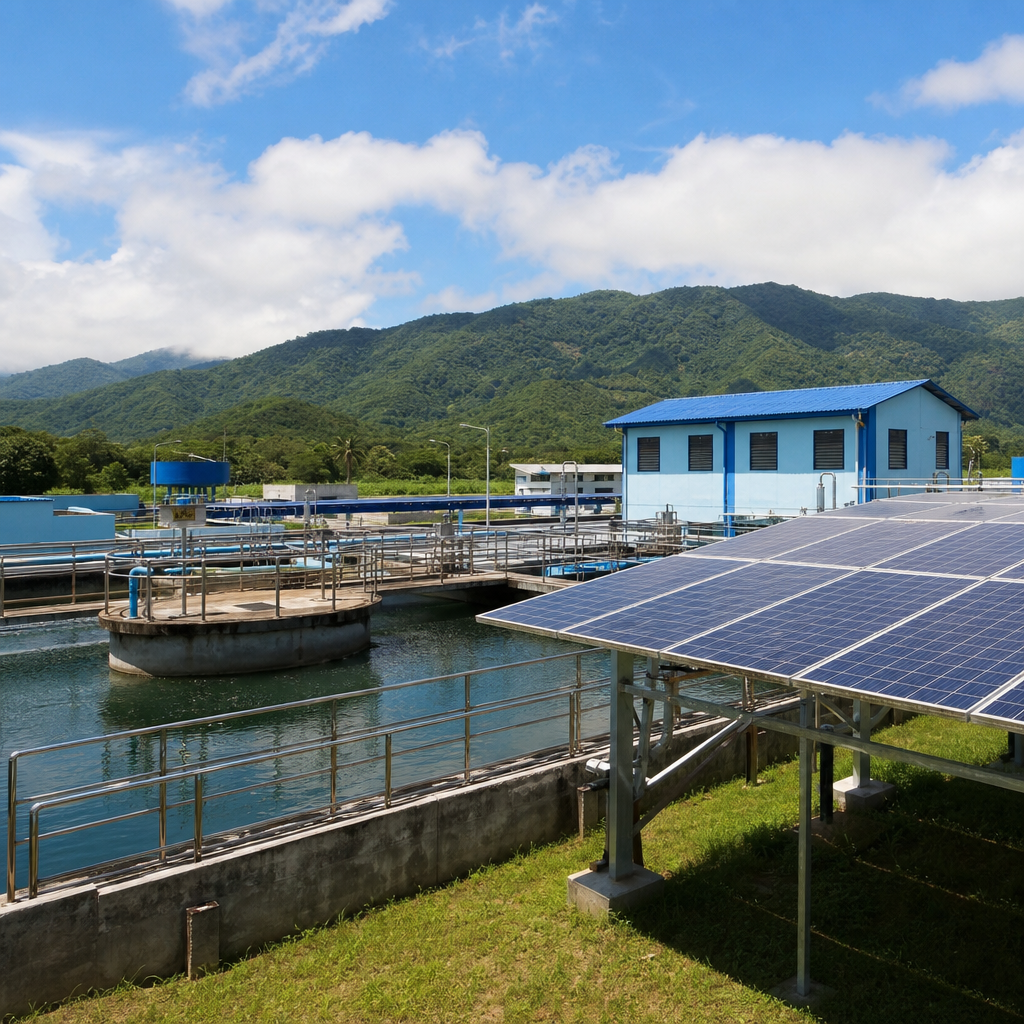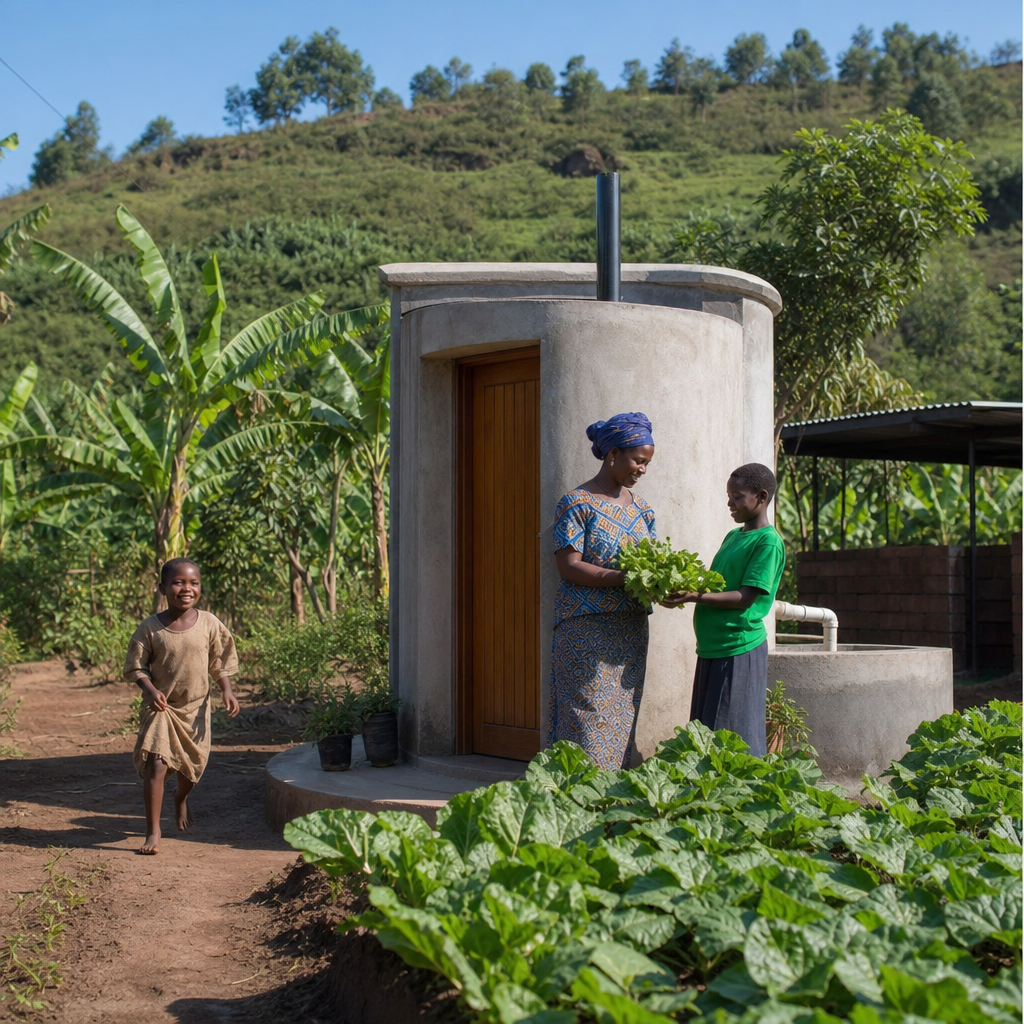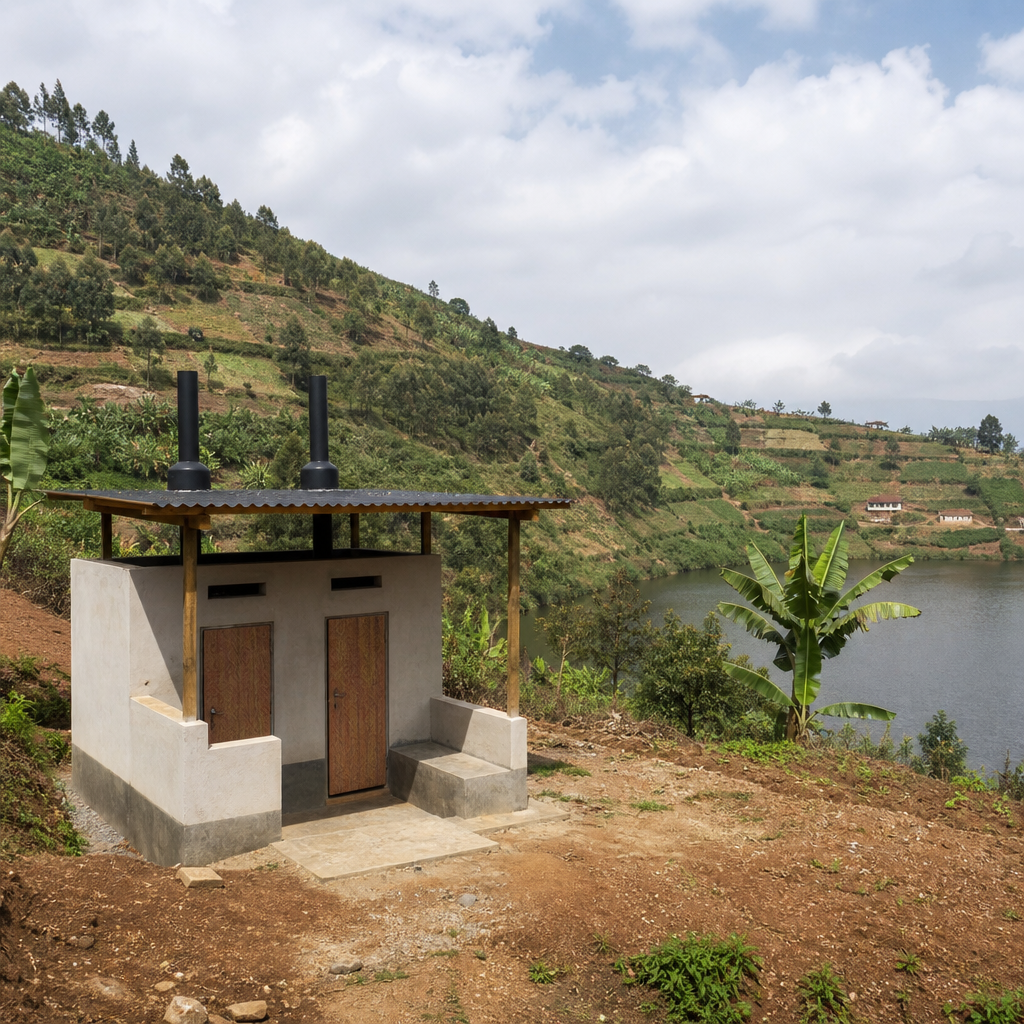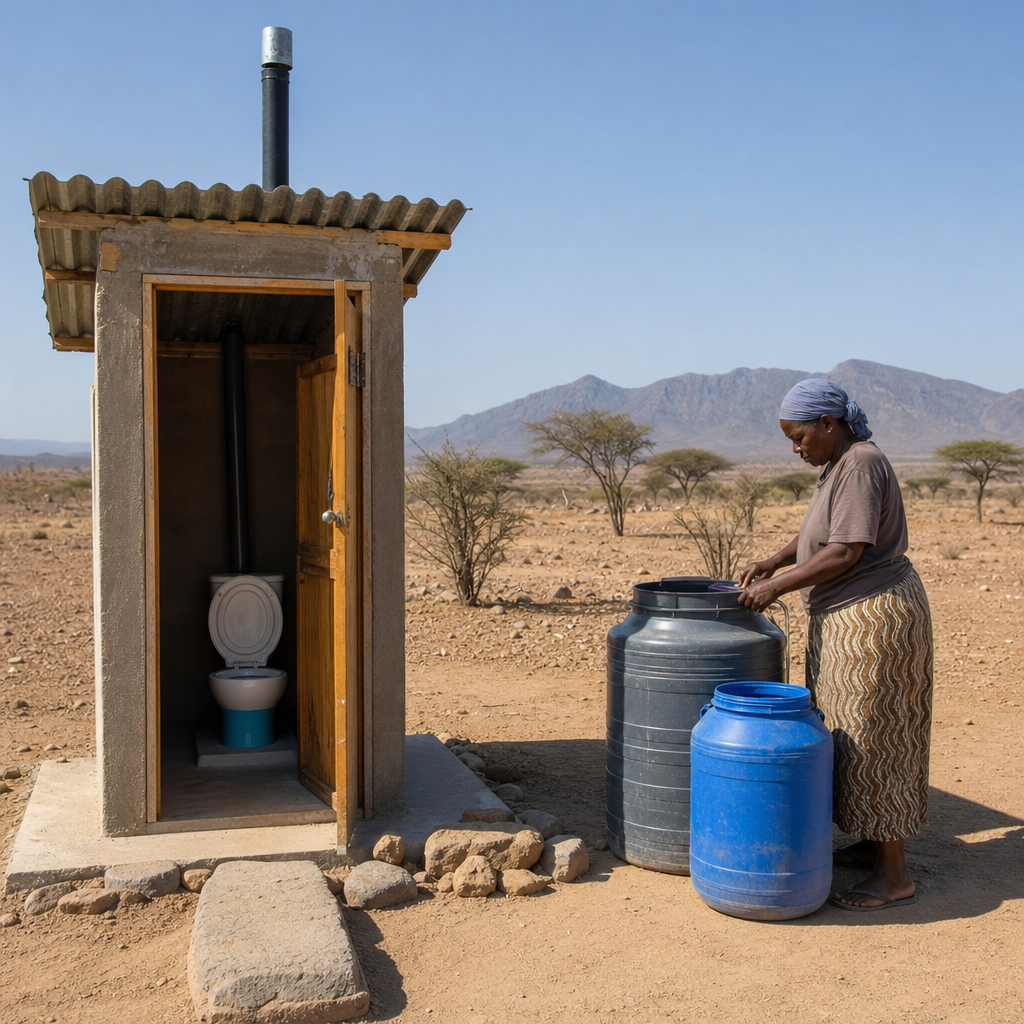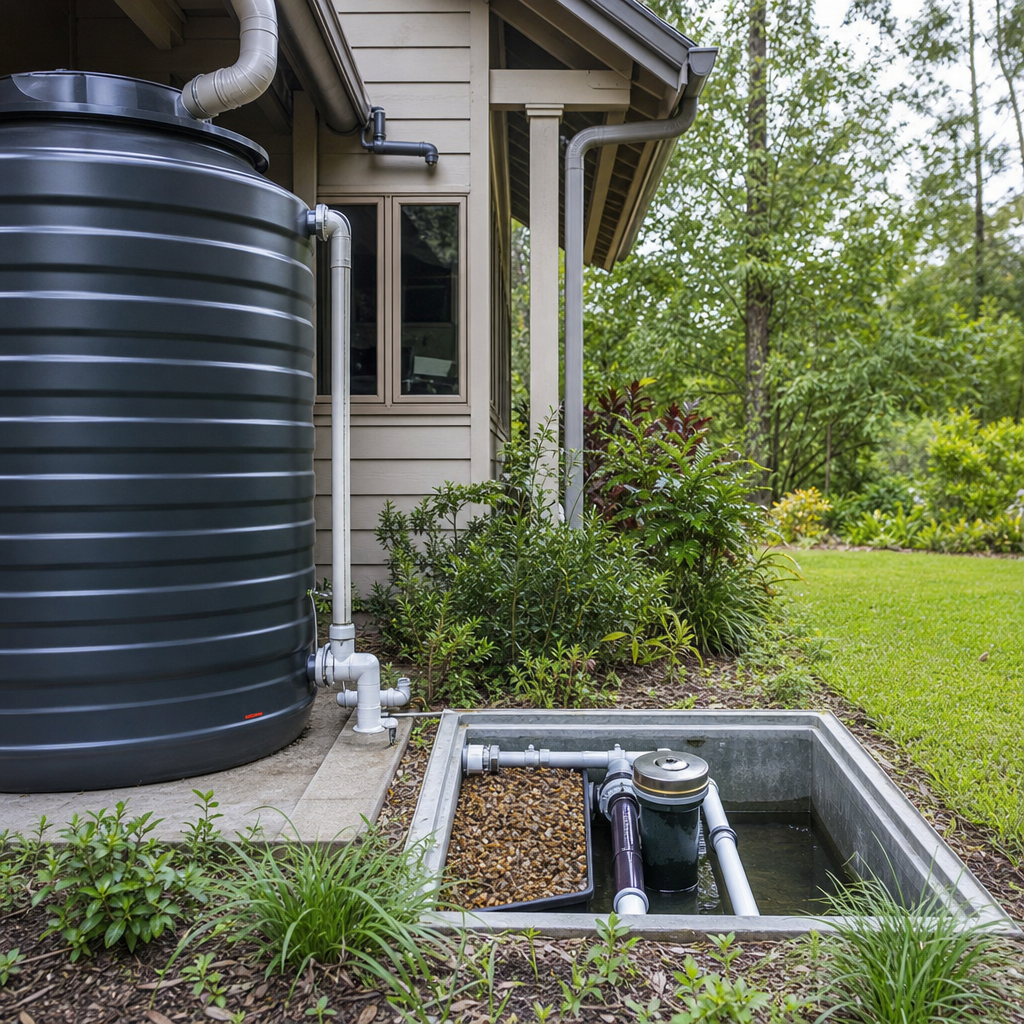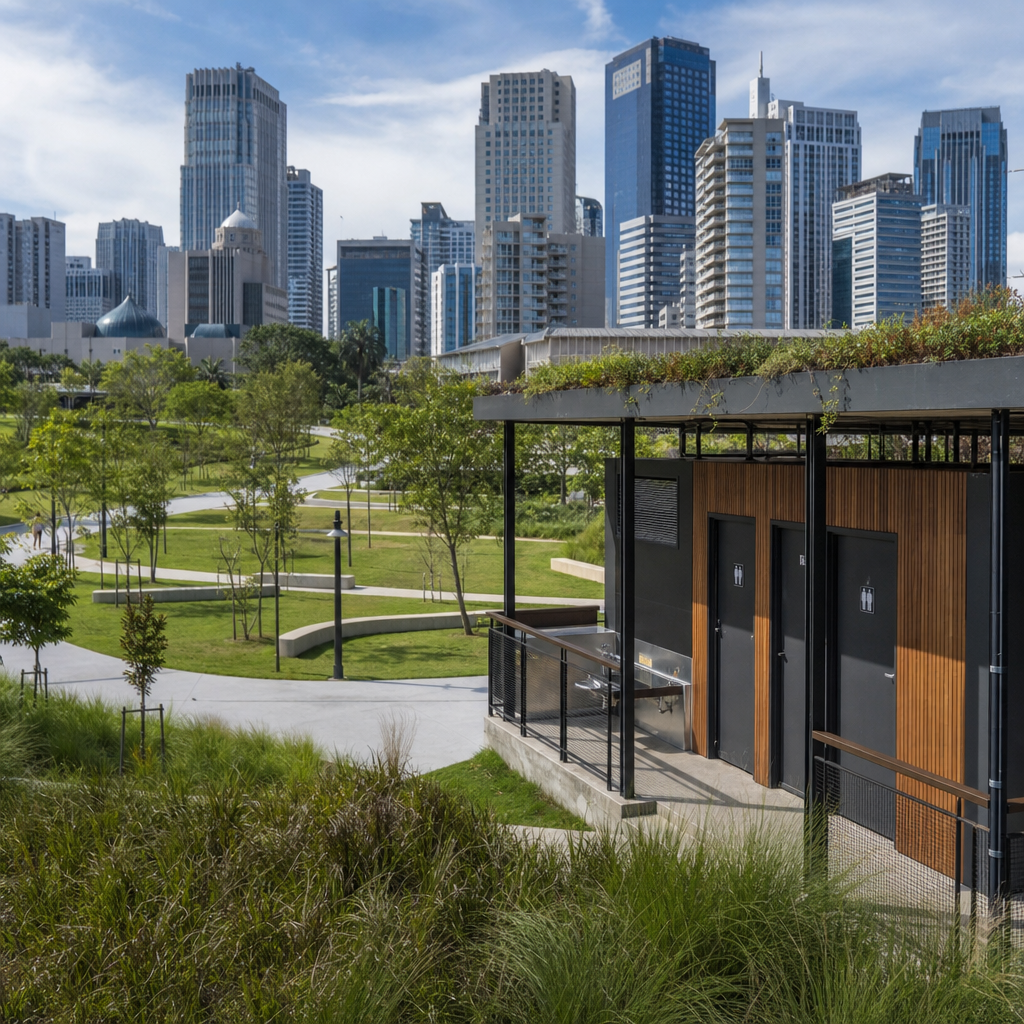
EcoSan in urban planning is no longer a niche sustainability idea; it is a practical framework for building green cities that conserve water, recover nutrients, and reduce pollution at the neighborhood and metropolitan scale. EcoSan, short for ecological sanitation, describes sanitation systems designed to safely separate, treat, and reuse human waste streams as resources rather than dispose of them as useless outputs. In urban planning, that shift matters because cities concentrate people, infrastructure demand, and environmental pressure in the same geography. Conventional sewer-based sanitation can deliver public health gains, but it also consumes large volumes of potable water, requires expensive centralized treatment, and often disconnects waste from nutrient cycles. When planners evaluate climate resilience, circular economy goals, stormwater stress, and inequitable service access, EcoSan becomes highly relevant. I have seen this firsthand in planning workshops where sanitation was initially treated as a utility engineering issue, then reframed as a land use, housing, resource recovery, and environmental justice issue. That broader lens changes decisions about density, building design, decentralized infrastructure, and municipal investment. For cities facing water scarcity, aging sewer networks, informal settlement growth, or nutrient pollution in rivers and coastal areas, EcoSan offers a way to advance environmental sustainability with measurable benefits. It can lower freshwater demand, reduce wastewater loads, support soil restoration, and create local loops for compost, biogas, and treated greywater. As a hub topic within environmental impact, EcoSan connects sanitation policy with public health protection, carbon reduction, watershed management, and urban resilience.
What EcoSan Means in Urban Planning Practice
EcoSan is often misunderstood as a single toilet type, but in professional planning practice it is better understood as a system approach. The core principle is source separation and safe resource recovery. Urine, feces, greywater, and stormwater are managed according to their properties instead of mixed into one diluted waste stream. That distinction is central because urine contains most of the nitrogen and a large share of phosphorus excreted by humans, while feces contain most pathogens and organic matter. Greywater from sinks and showers is comparatively easier to treat and reuse. When cities mix all streams, treatment complexity and energy demand rise. When cities separate streams, treatment can be simpler and resource recovery more effective.
In urban planning, EcoSan influences more than sanitation hardware. It affects zoning standards, building codes, utility corridors, open space design, and neighborhood infrastructure phasing. A dense infill district may use urine-diverting toilets and basement storage linked to fertilizer processing. A peri-urban settlement may combine container-based sanitation with local composting and constructed wetlands. A mixed-use redevelopment site may integrate greywater reuse for landscape irrigation and toilet flushing, reducing demand on drinking water systems. These are planning decisions because they shape land allocation, service models, and long-term municipal operations.
The environmental case is strong. Conventional wastewater systems can leak nutrients, overflow during storms, and consume substantial energy for pumping and aeration. EcoSan can cut these burdens when designed well. It also aligns with established urban sustainability concepts, including water-sensitive urban design, integrated urban water management, and circular metabolism. Cities such as Stockholm have piloted urine separation. Durban has used urine-diverting dry toilets in peri-urban areas. In informal urban contexts, container-based services in places like Nairobi and Haiti have shown that non-sewered systems can improve sanitation access while enabling controlled treatment and reuse pathways. The lesson is not that one model fits all cities, but that EcoSan expands the planning toolkit.
Environmental Sustainability Benefits of EcoSan Systems
Advancing environmental sustainability with EcoSan starts with water conservation. Flush toilets typically use several liters per use, and older models can use much more. Across a large city, that translates into immense potable water demand just to move waste. Dry or low-water EcoSan systems sharply reduce this demand, which is especially important in drought-prone regions and in cities relying on overdrawn aquifers or energy-intensive desalination. Reduced water use also means less wastewater volume, lowering loads on treatment plants and sewers.
Nutrient recovery is the second major benefit. Phosphorus is a finite mined resource, and nitrogen fertilizer production is energy intensive, usually dependent on the Haber-Bosch process. EcoSan systems can recover nutrients from urine and composted solids for agriculture, landscaping, and urban greening. In planning terms, this supports local resource cycles. Instead of paying to remove nutrients from wastewater and then buying synthetic fertilizers, cities can build regional value chains around safe reuse. That can benefit peri-urban farmers, municipal parks departments, and land restoration programs.
Pollution reduction is equally important. Nutrient-rich wastewater discharged into rivers, lakes, or estuaries can drive eutrophication, harmful algal blooms, and aquatic dead zones. Combined sewer overflows during heavy rain worsen these impacts and create direct public health risks. By reducing wastewater volume and decentralizing treatment, EcoSan can lower stress on overburdened sewer systems. It can also reduce contamination in places where conventional sewer expansion is too slow or too expensive to keep up with urban growth.
There are climate implications as well. Centralized wastewater systems consume electricity for pumping and treatment, and poorly managed waste releases methane and nitrous oxide. Some EcoSan models reduce embodied infrastructure demand by avoiding extensive pipe networks. Others produce biogas through anaerobic digestion, displacing fossil fuels for cooking or heat. The carbon profile varies by design, but the best systems are planned with lifecycle assessment in mind, comparing construction materials, transport distances, treatment energy, and reuse benefits rather than assuming all decentralized options are automatically lower carbon.
How EcoSan Fits Different Urban Contexts
Urban planners should assess EcoSan by context, not ideology. High-density city centers, informal settlements, peri-urban fringes, campuses, industrial districts, and climate-vulnerable coastal zones each present different constraints. In dense downtown areas with high land values and existing sewer networks, full replacement may be unrealistic. However, hybrid strategies can still work. New developments can include greywater recycling, vacuum toilets, blackwater separation, or nutrient recovery modules in basements or utility rooms. These interventions are especially useful in districts pursuing net-zero water or green building certification.
Informal settlements often present the clearest case for EcoSan because centralized sewer expansion may lag for decades. Here, container-based sanitation, modular community treatment hubs, and urine-diverting dry toilets can deliver safer service more quickly than waiting for trunk infrastructure. The key planning issue is service chain reliability: collection, transport, treatment, reuse, and monitoring must all function consistently. I have found that the strongest projects treat sanitation as a managed public service, not merely a product installation.
Peri-urban zones offer distinct advantages for reuse. Land is more available for composting, biodigesters, drying beds, and constructed wetlands, and links to agriculture are stronger. These areas can host treatment systems that serve both nearby residents and adjacent urban districts. Universities, hospitals, eco-districts, and social housing projects are also strong candidates because they allow coordinated management under one owner or authority. Pilots in these controlled settings often help cities refine technical standards before wider adoption.
| Urban context | Suitable EcoSan approach | Main environmental gain | Key planning challenge |
|---|---|---|---|
| Dense redevelopment district | Greywater reuse plus source-separated blackwater | Lower potable water use and sewer load | Retrofitting buildings and codes |
| Informal settlement | Container-based sanitation or urine-diverting dry toilets | Reduced open dumping and water contamination | Reliable service logistics and affordability |
| Peri-urban edge | Composting, biodigesters, constructed wetlands | Nutrient recovery and local reuse | Land governance and odor management |
| Institutional campus | Decentralized treatment with monitored reuse | Demonstration value and measurable savings | Operations capacity and compliance |
Planning, Policy, and Infrastructure Requirements
EcoSan succeeds when planners align physical systems with governance. The first requirement is regulatory clarity. Many sanitation codes were written around sewered assumptions and do not easily accommodate urine diversion, composting toilets, treated greywater reuse, or neighborhood-scale non-sewered treatment. Cities need performance-based standards that specify pathogen reduction, storage times, reuse restrictions, setback distances, and monitoring protocols. International guidance from the World Health Organization on safe wastewater and excreta reuse is particularly useful because it frames health protection through barriers, treatment, and exposure control.
Building and land use regulation must also evolve. Developers need clear rules for plumbing separation, storage tanks, ventilation, maintenance access, and reuse distribution systems. Planners should map where decentralized sanitation is preferred, optional, or restricted based on groundwater conditions, flood risk, density, and operational capacity. EcoSan should be written into local infrastructure plans alongside water supply, drainage, solid waste, and energy. When it is treated as an afterthought, systems often fail due to poor siting or missing service contracts.
Financing is another decisive factor. Conventional sewer projects often benefit from established public funding models, while EcoSan projects are forced into pilot budgets. That is a mistake. Resource recovery has quantifiable economic value, but revenue alone rarely covers full costs. Cities should evaluate blended finance models that combine capital subsidy, user tariffs, service fees, and avoided infrastructure costs. In several projects I have reviewed, the strongest business case came not from fertilizer sales alone but from deferring expensive sewer extensions and reducing treatment plant upgrades.
Operations and maintenance deserve equal attention. EcoSan is not low management; it is different management. Collection schedules, user education, spare parts, contamination control, occupational safety, and laboratory testing all matter. Utilities and municipalities need trained staff, documented standard operating procedures, and contracts with clear accountability. Digital monitoring tools can help track fill levels, collection routes, and treatment performance, but they work only when institutional roles are defined. Good planning therefore includes not just design drawings but service governance over the full asset lifecycle.
Public Health, Social Acceptance, and Common Misconceptions
A common question is whether EcoSan is safe in cities. The answer is yes, if systems are designed, operated, and regulated correctly. Safety depends on pathogen control, user behavior, storage conditions, and treatment quality. Composting, dehydration, alkaline treatment, anaerobic digestion, and thermal processes can all reduce health risks, but each has specific technical requirements. Urban planners should never assume that resource recovery alone guarantees safety. The treatment pathway must be explicit, validated, and monitored.
Social acceptance is often presented as the main obstacle, yet in practice acceptance usually follows service quality. Residents care most about cleanliness, convenience, privacy, odor, cost, and reliability. If an EcoSan system is hard to use, poorly maintained, or visibly second class, people reject it. If it is clean, dignified, and dependable, acceptance rises quickly. This pattern is clear in both low-income and high-income settings. Communication should therefore focus on practical benefits and transparent safeguards rather than abstract environmental messaging alone.
Another misconception is that EcoSan is only for off-grid or rural areas. In reality, cities worldwide are testing non-sewered sanitation technologies, district-scale water reuse, and nutrient recovery because conventional systems are under pressure. ISO 30500, which covers non-sewered sanitation systems, reflects the growing maturity of this field. Urban adoption is not a step backward from modernity; it is often a more adaptive response to twenty-first-century limits on water, energy, capital, and land.
Equity must stay central. EcoSan should not become a justification for giving poorer communities inferior service. The standard should be equal or better health protection, comfort, and reliability. That means inclusive design for children, elderly users, and people with disabilities, as well as fair tariff structures and strong accountability. When these issues are addressed seriously, EcoSan supports environmental sustainability and urban justice at the same time.
Building a Citywide EcoSan Strategy
Citywide EcoSan planning works best when it starts with a sanitation flow analysis rather than a technology preference. Planners should map where waste is generated, how it moves, where it is lost to the environment, and which districts face the highest service gaps or environmental burdens. From there, cities can segment areas by density, hydrology, existing network condition, and reuse potential. The result is usually a portfolio strategy: centralized sewers where they perform well, decentralized treatment where expansion is impractical, and targeted source separation where nutrient recovery or water savings are most valuable.
Pilot projects are useful, but they should be designed as transition steps, not isolated demonstrations. Each pilot should test regulatory approvals, maintenance routines, user training, monitoring indicators, and end-use markets for recovered products. Metrics should include water saved, nutrient recovered, pathogen compliance, operating cost, user satisfaction, and avoided pollution. Without these metrics, cities cannot compare EcoSan options fairly against conventional infrastructure.
The long-term benefit of EcoSan in urban planning is strategic flexibility. It gives cities more than one path to sanitation security, especially under climate stress and rapid growth. For planners, engineers, developers, and municipal leaders, the message is simple: treat waste as a resource, design systems around local conditions, and build governance that protects health while restoring environmental value. Cities that do this will cut water demand, reduce pollution, recover nutrients, and strengthen resilience. If you are shaping environmental impact policy or development plans, make EcoSan part of the conversation now.
Frequently Asked Questions
1. What is EcoSan, and why is it important in urban planning?
EcoSan, or ecological sanitation, is an approach to sanitation that treats human waste as a recoverable resource rather than something to be flushed away and discarded. Instead of relying only on conventional sewer systems that use large volumes of water and move waste to distant treatment plants, EcoSan systems are designed to safely separate, treat, and reuse urine, feces, and wastewater in ways that conserve water, recover nutrients, and reduce environmental damage. In urban planning, this is especially important because cities concentrate large populations in relatively small areas, which creates intense pressure on water supplies, wastewater infrastructure, public health systems, and surrounding ecosystems.
For planners, EcoSan is not just a sanitation technology choice; it is a systems-level strategy that supports greener, more resilient cities. It can reduce dependence on centralized infrastructure, lower freshwater demand, help prevent nutrient pollution in rivers and lakes, and contribute to circular resource management by turning waste into compost, soil amendments, biogas, or fertilizer inputs. As cities face climate stress, rapid urbanization, aging infrastructure, and tighter sustainability goals, EcoSan gives planners a practical framework for integrating sanitation into broader objectives such as water-sensitive design, climate adaptation, food system resilience, and low-impact neighborhood development.
2. How does EcoSan help create greener and more sustainable cities?
EcoSan supports green city development by addressing several urban sustainability challenges at once. First, it reduces water consumption. Many traditional sanitation systems depend on potable water for flushing, which is increasingly inefficient in water-stressed cities. EcoSan alternatives, including dry or low-water systems, can dramatically reduce that demand. Second, EcoSan helps recover nutrients such as nitrogen, phosphorus, and potassium from human waste streams. These nutrients are valuable for agriculture and landscaping, and recovering them reduces the need for energy-intensive synthetic fertilizers while keeping pollutants out of waterways.
Third, EcoSan can reduce the environmental footprint of urban wastewater management. By separating waste streams at the source and treating them appropriately, cities can cut down on sewage volumes, lower treatment burdens, and decrease the risk of untreated discharges during storms or infrastructure failures. This is particularly relevant in neighborhoods with combined sewer overflows, informal settlements with limited sewer access, or rapidly growing districts where conventional expansion is too costly or too slow. Fourth, EcoSan contributes to urban resilience. Decentralized or semi-decentralized sanitation systems can continue functioning even when centralized infrastructure is strained by flooding, drought, power disruptions, or population growth.
Beyond technical benefits, EcoSan also helps planners advance circular economy goals. It encourages a design mindset in which sanitation is linked to energy, water, land use, and local food production rather than isolated from them. In practice, that can mean integrating nutrient reuse into urban agriculture programs, aligning sanitation with green building standards, and designing neighborhoods that manage resources more efficiently from the start. The result is a city that is not only cleaner, but also more resource-aware, adaptable, and environmentally responsible.
3. Can EcoSan work in dense urban areas, or is it only suitable for small communities?
EcoSan can absolutely work in dense urban areas, although the design approach must be tailored to the local context. A common misconception is that ecological sanitation is only appropriate for rural villages or small eco-communities. In reality, EcoSan principles can be applied across a wide range of urban settings, from individual buildings and apartment complexes to mixed-use developments and entire districts. The key is choosing systems that match density, land availability, user behavior, regulatory conditions, and service capacity.
In dense cities, EcoSan often works best through decentralized or modular models rather than one-size-fits-all solutions. For example, urine-diverting systems can separate nutrient-rich streams at the source, while localized treatment units can process organic waste for safe reuse. Cluster-scale systems can serve housing blocks, schools, public institutions, or commercial districts, reducing pressure on centralized sewers and treatment plants. In new developments, EcoSan can be integrated early into site planning, building design, and utility layouts, which makes implementation far easier and more cost-effective. In existing urban areas, it can be introduced selectively where sewer retrofits are expensive, where water scarcity is severe, or where resilience planning calls for more distributed infrastructure.
The success of EcoSan in high-density environments depends on governance and operations as much as technology. Collection logistics, maintenance, monitoring, user acceptance, and health safeguards all need to be planned carefully. When these systems are supported by clear standards, reliable service models, and public education, they can perform effectively even in complex metropolitan settings. So while EcoSan may look different in a high-rise district than it does in a low-density settlement, it is very much a viable urban planning tool, not a niche alternative limited to small communities.
4. What are the main challenges of using EcoSan in urban planning?
EcoSan offers major advantages, but implementation is not without challenges. One of the biggest obstacles is institutional inertia. Many cities are built around conventional sewer-based thinking, and planning codes, health regulations, utility financing, and engineering standards often assume centralized wastewater disposal as the default model. Introducing EcoSan may require policy updates, cross-agency coordination, and new regulatory pathways for treatment, transport, and reuse. That process can take time, especially where sanitation, water, solid waste, and land-use planning are managed separately.
Another challenge is public perception. People may hesitate to support systems that reuse products derived from human waste, even when treatment standards make them safe. This is usually not a technical problem as much as a communication and trust issue. Cities need strong public education, transparent safety protocols, and visible examples of successful implementation. Maintenance and service delivery are also critical. EcoSan systems must be managed consistently, and poorly maintained systems can undermine confidence quickly. That means planners need to think beyond installation and ensure there are trained operators, collection systems where needed, monitoring procedures, and long-term funding mechanisms.
Space constraints, building compatibility, and retrofit costs can also be barriers in established urban areas. Some EcoSan solutions are easiest to implement in new developments where infrastructure can be designed from the ground up. In older neighborhoods, technical adaptation may be more complicated. In addition, the economics can vary depending on local labor costs, water prices, fertilizer markets, and treatment requirements. Despite these challenges, the barriers are not reasons to dismiss EcoSan. They are planning considerations that can be addressed through pilot projects, phased implementation, supportive policy, and integration with broader urban sustainability strategies.
5. How can city planners successfully integrate EcoSan into future urban development?
Successful integration starts with treating sanitation as part of a broader urban resource system rather than a standalone utility function. City planners should begin by identifying where EcoSan can solve specific local problems, such as water scarcity, overloaded sewers, nutrient pollution, informal service gaps, or climate vulnerability. From there, EcoSan can be included in master plans, zoning frameworks, green building policies, and infrastructure investment strategies. The most effective planning approach is usually targeted rather than universal, focusing first on places where ecological sanitation provides the clearest environmental, financial, or resilience benefits.
Planners also need to work across disciplines. EcoSan performs best when sanitation planning is coordinated with public health, housing, landscape design, stormwater management, energy recovery, and urban agriculture. In practical terms, that may involve setting standards for source-separating toilets in certain developments, supporting district-scale treatment and reuse systems, or creating regulations that allow safely processed outputs to be used in landscaping or food production where appropriate. Pilot projects are especially valuable because they generate local performance data, help refine service models, and build confidence among decision-makers, residents, and developers.
Long-term success depends on governance, not just design. Cities need clear operational responsibilities, realistic maintenance plans, measurable health and environmental safeguards, and financing models that support ongoing service. Public engagement is equally important. When residents understand how EcoSan works, why it matters, and how safety is ensured, acceptance rises significantly. Ultimately, planners who integrate EcoSan well are not simply choosing an alternative toilet or treatment technology. They are advancing a more circular, resilient, and future-ready model of urban development in which sanitation helps cities conserve resources, reduce pollution, and function more sustainably at both neighborhood and metropolitan scales.