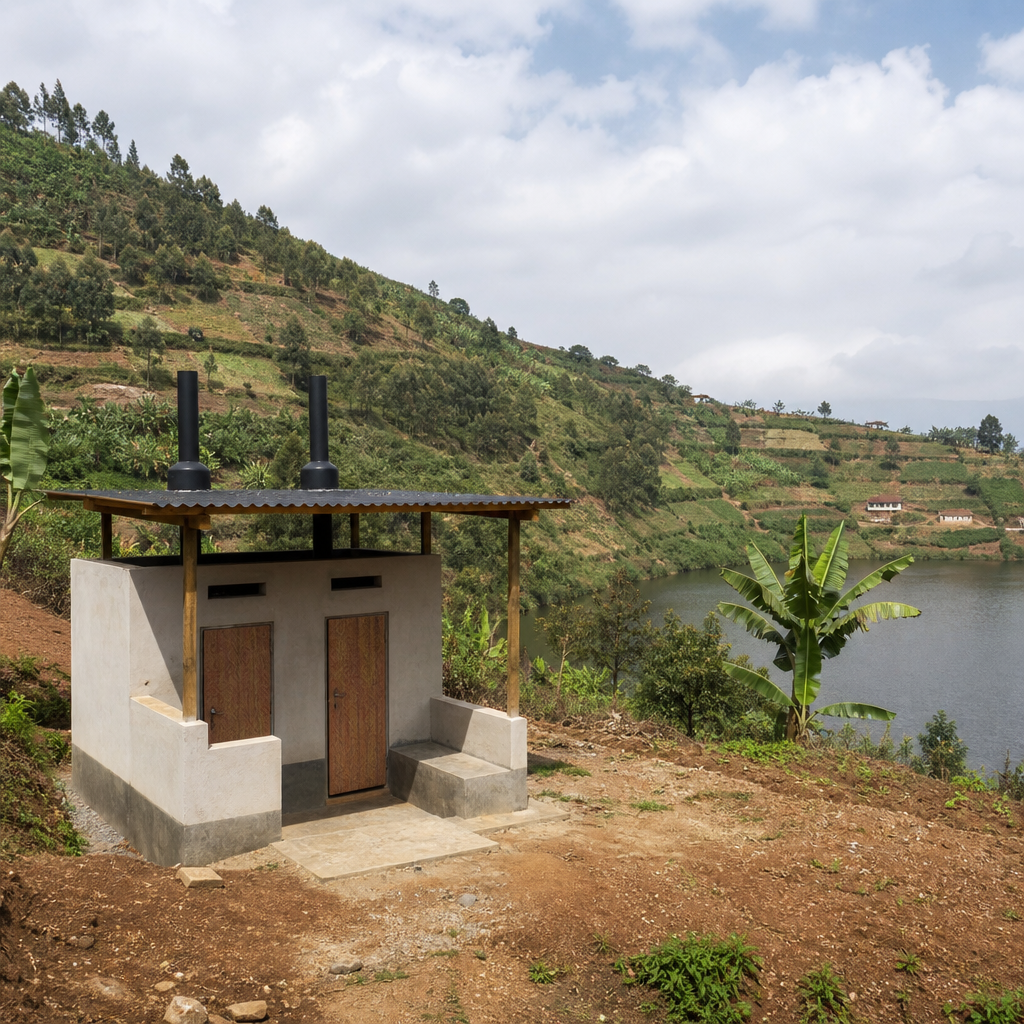
Sustainable sanitation in mountainous regions depends on systems that protect fragile watersheds, function on steep terrain, and recover value from waste instead of turning it into pollution. In this context, EcoSan, short for ecological sanitation, refers to approaches that safely separate, treat, and reuse human excreta and household wastewater as resources such as nutrients, water, and soil amendments. I have worked on sanitation planning in upland communities where a failed pit latrine can contaminate a spring within days, so the stakes are never abstract. Mountain areas concentrate both risk and opportunity: settlements are dispersed, roads are difficult, construction costs are high, and heavy rainfall, landslides, snow, or seasonal tourism can overwhelm conventional sewer models. At the same time, communities often depend directly on local soils, forests, and streams, making the environmental benefits of well-designed EcoSan unusually visible. Sustainable sanitation matters here because poor systems drive diarrheal disease, nitrate loading, eutrophication, methane emissions, and chronic damage to drinking-water sources, while resilient systems can improve public health, support agriculture, and reduce pressure on downstream ecosystems.
Advancing environmental sustainability with EcoSan means designing sanitation around local ecology rather than forcing mountain settlements into lowland infrastructure assumptions. Conventional flush sewerage requires abundant water, reliable power, and gravity gradients that often become engineering liabilities on unstable slopes. By contrast, ecological sanitation can include urine-diverting dry toilets, composting toilets, container-based sanitation, decentralized wastewater treatment, constructed wetlands, and greywater infiltration or reuse. The common principle is closed-loop management: prevent contamination at the source, reduce water use, and return nutrients under controlled conditions. This article serves as a hub for the broader Environmental Impact topic by explaining the main technologies, the climate and watershed logic behind them, implementation criteria, and the policy choices that determine whether a project lasts. If a planner, NGO, local government, resort operator, or community leader asks which sanitation model best fits a mountain village, school, trekking corridor, or peri-urban hillside, the answer starts with EcoSan because it aligns public health goals with environmental protection and long-term service reliability.
Why mountain sanitation requires a different environmental strategy
Mountainous regions create sanitation conditions that are fundamentally different from plains and dense cities. Slopes speed the movement of pathogens and nutrients into springs, streams, and terraces. Thin soils and exposed bedrock limit infiltration, while frost heave, monsoon rains, and seismic activity can crack tanks and pipes. In villages I have assessed in the Himalaya and Andes, the nearest safe desludging service was several hours away, making septic systems functionally unmanaged even when technically installed. When containment fails, the first losses are usually invisible: fecal bacteria in source water, nitrogen leaching, and cumulative organic loading in small channels. Because many mountain communities use the same watershed for drinking, irrigation, and livestock, sanitation failures cascade quickly across sectors.
The environmental strategy therefore must prioritize source control, low-water operation, modular treatment, and transport methods that match difficult access. EcoSan performs well under these constraints because it can reduce wastewater generation and create manageable treatment streams. A urine-diverting dry toilet, for example, separates most nitrogen and phosphorus from fecal solids at the point of use, sharply lowering smell, moisture, and pathogen mobility. Decentralized treatment also avoids long pipe networks that are expensive to maintain and prone to blockages or infiltration. For tourist regions, where visitor numbers fluctuate dramatically by season, modular systems can be expanded or adjusted more easily than centralized plants. The result is not merely a sanitation service; it is a watershed protection measure with direct climate, biodiversity, and public health value.
Core EcoSan systems and where each fits best
EcoSan is not a single technology. It is a design framework that matches sanitation flows to local geography, culture, and resource use. In mountain regions, the most practical options tend to be urine-diverting dry toilets, composting toilets, container-based systems, simplified solids treatment units, and decentralized greywater treatment. Urine-diverting dry toilets are often the strongest option for water-scarce or slope-constrained sites because they need little or no flush water and produce separate nutrient streams that are easier to manage. Composting toilets can work well for lodges, parks, and schools if operation is disciplined, carbon-rich cover material is available, and temperatures remain adequate for biological activity. Container-based sanitation can solve access problems in very dense hillside settlements because sealed containers can be removed by small vehicles, cable systems, pack animals, or manual crews where vacuum trucks cannot operate.
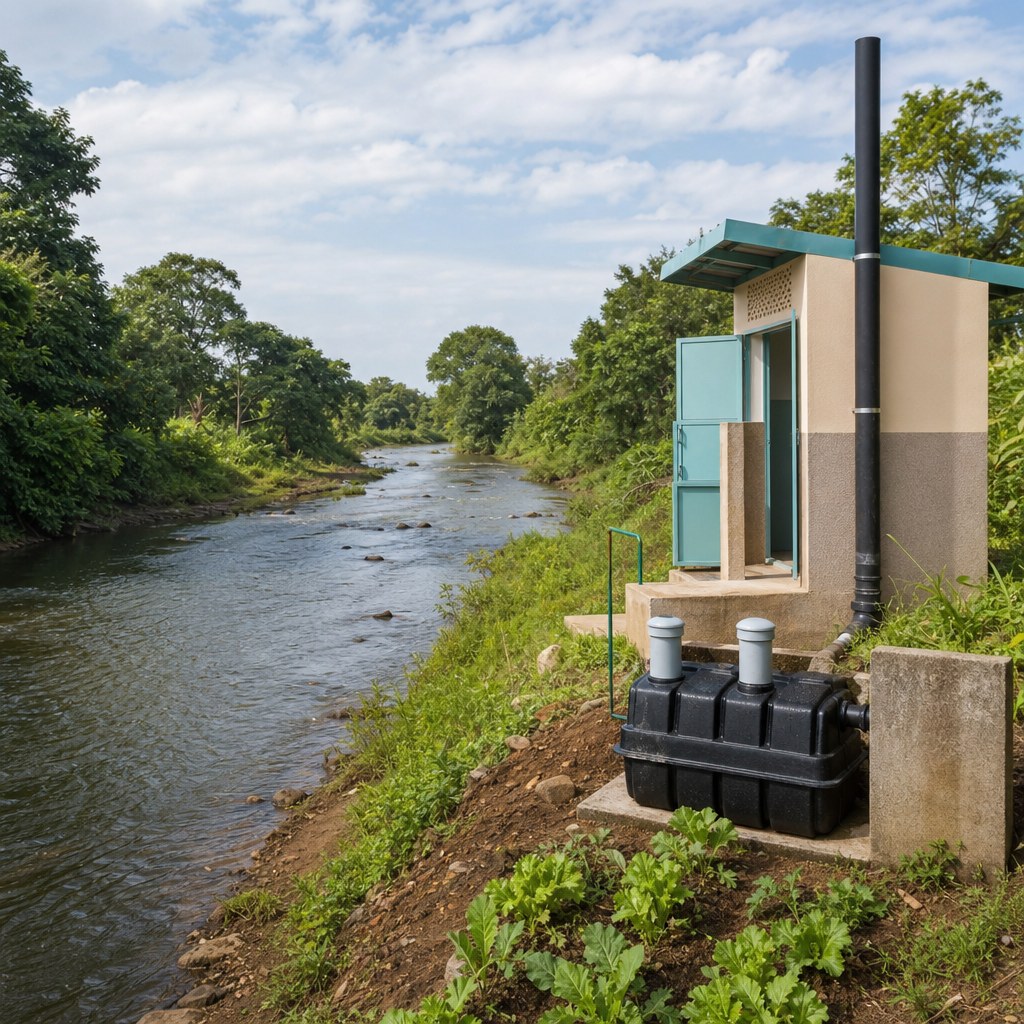
Greywater, often ignored in sanitation planning, matters significantly in mountain environments because kitchen and bathing water can still carry detergents, grease, pathogens, and nutrients into streams. Small constructed wetlands, planted gravel filters, anaerobic baffled reactors, and infiltration trenches can treat these flows at household or cluster scale. In cold climates, buried or insulated units perform better than exposed systems. Blackwater treatment can also use biogas digesters in some regions, though low temperatures reduce gas yield and pathogen die-off, so digestate management must be conservative. The best system is the one that communities can maintain year after year with available materials, clear responsibilities, and affordable emptying or reuse pathways.
| System | Best fit in mountain regions | Main environmental benefit | Key limitation |
|---|---|---|---|
| Urine-diverting dry toilet | Water-scarce villages, schools, scattered homes | Very low water use and nutrient recovery | Requires user training and regular vault management |
| Composting toilet | Lodges, parks, off-grid facilities | On-site stabilization of solids | Performance drops in cold or poorly managed conditions |
| Container-based sanitation | Dense hillsides with no truck access | Prevents local leakage and enables controlled treatment | Needs reliable collection logistics and service financing |
| Constructed wetland for greywater | Cluster housing, schools, clinics | Reduces organic load and detergent impacts | Needs space and pretreatment to avoid clogging |
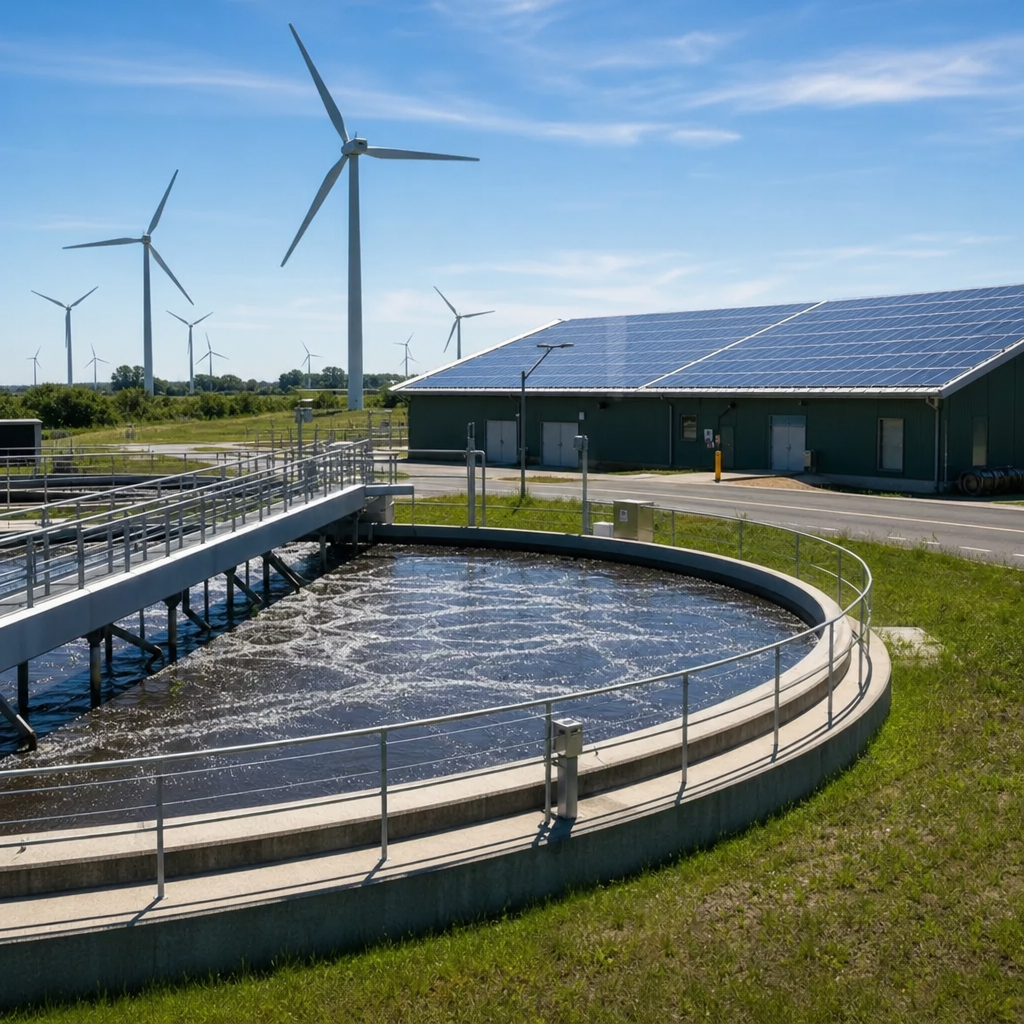
| Decentralized wastewater treatment | Small towns, resorts, market centers | Flexible treatment without long sewers | Requires trained operators and routine monitoring |
Protecting watersheds, soils, and biodiversity through source separation
The strongest environmental argument for EcoSan in mountains is watershed protection. Source separation prevents urine, feces, and greywater from mixing into a large dilute waste stream that is hard to capture and expensive to treat. Urine contains most household wastewater nitrogen and a large share of phosphorus and potassium. When it is diverted and stored correctly, nutrient reuse becomes possible with substantially lower pathogen risk than handling mixed sludge. That matters for mountain agriculture, where imported fertilizer is often costly and transport-intensive. Reusing sanitized urine or composted solids on non-leafy crops, orchards, timber lots, or soil restoration sites can close nutrient loops while reducing runoff of synthetic inputs.
Soil protection is equally important. Leaking pits on slopes can destabilize ground by saturating soils and weakening terrace edges. Poorly sited septic soakaways can short-circuit into fractured rock and emerge in springs with little natural attenuation. I have seen household drains discharge directly into ravines above trout streams, creating algal growth in places residents assumed were pristine. EcoSan reduces these pathways by minimizing liquid discharge and creating traceable treatment steps. Biodiversity benefits follow from cleaner headwaters: less nutrient enrichment, less oxygen depletion in small streams, and lower pathogen exposure for wildlife and livestock. In mountain national parks and trekking routes, these gains also protect the landscape values that support tourism economies.
Climate resilience and emissions: why low-water sanitation matters
Climate pressures make EcoSan more relevant, not less. Mountain regions are experiencing glacial retreat, changing snowpack, intense rainfall events, and more frequent water stress in many basins. Flush-based sanitation assumes stable water availability and dependable drainage performance, two assumptions that no longer hold consistently. Low-water or dry sanitation preserves scarce water for drinking and agriculture while reducing the volume of contaminated effluent that must be managed during storms. During landslides or road closures, decentralized systems can keep functioning when centralized collection fails.
There is also a greenhouse-gas dimension. Unmanaged anaerobic decomposition in pits and overloaded lagoons can emit methane and nitrous oxide. Conventional sewer networks consume energy for pumping and treatment, especially in steep topography where lift stations are common. EcoSan can lower emissions by reducing water conveyance, shrinking treatment loads, and enabling nutrient substitution that avoids part of the emissions associated with manufacturing synthetic fertilizer. These gains are not automatic. If composting systems stay too wet or solids are dumped untreated, emissions and health risks remain. But when systems are dry, ventilated, and linked to controlled reuse, the environmental performance is consistently better than business-as-usual pit failure or unsewered discharge.
Design principles that determine whether EcoSan succeeds
Successful mountain sanitation projects are built on a handful of non-negotiable design principles. First, start with a service chain, not a toilet. Containment, collection, transport, treatment, reuse, and monitoring must all be mapped before construction begins. Second, design to terrain and climate. Vaults need flood protection, roofs must keep moisture out, pipes require freeze protection, and access paths must allow year-round maintenance. Third, separate user interface from backend logistics. A toilet can be attractive and acceptable, yet still fail if there is no scheduled emptying system or treatment site. Fourth, build around local operations capacity. The best system uses parts, materials, and skills that can be sourced nearby.
Standards and risk management matter. World Health Organization guidance on sanitation safety planning provides a practical framework for identifying exposure points and control measures. Fecal sludge and excreta reuse should follow time, temperature, storage, and application restrictions appropriate to the end use. Monitoring does not need to be elaborate, but it must be real: inspect diversion performance, vault dryness, odor, vector presence, structural integrity, greywater pretreatment, and receiving-water quality where relevant. In my experience, projects endure when someone is specifically responsible for each task, fees cover recurring costs, and the community understands not just how to use the system but why each step protects shared water sources.
Social acceptance, institutions, and financing in remote communities
Technology alone does not deliver sustainable sanitation. Social acceptance determines whether users separate streams properly, add cover material, allow inspections, or participate in reuse. In some mountain communities, handling excreta conflicts with local norms; in others, agricultural reuse is familiar and valued. The implementation process should therefore include participatory siting, demonstration units, and plain-language training that addresses odor, privacy, menstrual hygiene, and winter operation. Schools and health posts are influential early sites because they normalize correct use and create visible public benefits.
Institutional clarity is just as important. Local governments often fund construction but not operation, while households cannot manage treatment independently at scale. The most durable models assign clear responsibility to municipalities, cooperatives, park authorities, or social enterprises for collection and treatment, with households paying affordable service fees. Blended finance is common: public capital for infrastructure, user tariffs for operation, and targeted subsidies for low-income or high-altitude households. Resorts and trekking businesses should pay their fair share because they increase seasonal loads and benefit directly from cleaner landscapes. When procurement focuses only on lowest upfront cost, mountain sanitation projects often fail within a few seasons. Life-cycle costing is the correct lens.
Building the Environmental Impact hub around EcoSan
As a hub within the Environmental Impact topic, this page should connect readers to the full sanitation sustainability picture. The core subtopics are watershed contamination, nutrient recovery, climate resilience, fecal sludge management, greywater treatment, sanitation for tourism corridors, school sanitation, and policy design for decentralized services. Each deserves its own detailed article, but the central message is consistent: EcoSan advances environmental sustainability by preventing pollution at source and turning sanitation into a managed resource cycle. For internal navigation, related pages should examine urine reuse protocols, compost quality control, cold-climate toilet design, sanitation safety planning, and the economics of decentralized treatment in steep terrain.
Decision-makers should leave this hub with a practical screening question set. Is water scarce or unreliable? Are slopes, rock, or flood risk making pits and sewers unsafe? Is desludging access limited? Can nutrients be reused locally? Is there an institution able to run collection and treatment? If the answer to several of these is yes, EcoSan should be the default planning pathway, not a niche alternative. Mountain regions need sanitation that works with gravity, climate, and community management realities. EcoSan does that better than conventional models in many upland settings. The next step is straightforward: assess your service chain, choose a terrain-appropriate system, and build a sanitation plan that protects both people and the watershed they depend on.
Frequently Asked Questions
Why is sanitation especially challenging in mountainous regions?
Sanitation in mountainous regions is difficult because the landscape, climate, and water systems all raise the stakes. Steep slopes make construction harder, increase erosion risk, and limit the space available for conventional systems such as septic tanks and pit latrines. In many upland communities, homes are built on terraces or narrow plots where excavation is difficult and soil depth is shallow. A poorly placed pit can crack, flood, or collapse, especially during heavy rain. When that happens, waste does not simply stay on site. It can move downslope into springs, streams, and irrigation channels that entire communities rely on for drinking water and farming.
Fragile mountain watersheds are another major concern. In flat areas, contamination may disperse slowly through soil, but in steep catchments, runoff can carry pathogens and nutrients quickly and directly into surface water. This makes sanitation failures much more dangerous. Seasonal freezing, landslides, high groundwater in valley pockets, and difficult road access can also disrupt maintenance and increase costs. That is why sustainable sanitation in mountainous settings must be designed differently. It should protect water sources, work safely on uneven terrain, remain functional in variable weather, and avoid turning human waste into a pollution problem. In practice, that often means favoring contained, low-water, modular, and resource-recovery-based systems over conventional soak-away approaches.
What is EcoSan, and why is it often a good fit for mountainous communities?
EcoSan, or ecological sanitation, is an approach that treats human excreta and household wastewater as resources rather than waste. Instead of mixing everything together and trying to dispose of it, EcoSan systems are designed to separate, safely treat, and reuse valuable outputs such as nutrients, organic matter, and sometimes water. Common examples include urine-diverting dry toilets, composting toilets, and systems that collect greywater separately for treatment and beneficial reuse. The core idea is simple but powerful: if sanitation is designed well, it can protect health and watersheds while also supporting agriculture and soil improvement.
That approach is often particularly well suited to mountainous regions. First, EcoSan systems can reduce or eliminate the need for deep pits and infiltration structures, which are risky on steep slopes and near springs. Second, many EcoSan designs use little or no flushing water, which is important in upland areas where water may be scarce seasonally or expensive to transport. Third, source separation makes treatment more manageable. Urine can be stored and reused as a nutrient source under proper safety guidelines, while feces can be treated in contained chambers until pathogens are reduced to safe levels. Greywater can be handled separately through filters, planted systems, or small treatment units adapted to the site.
Just as important, EcoSan can support long-term resilience. In remote communities where desludging trucks cannot easily reach households, contained and serviceable systems are often more practical than conventional septic setups. When communities understand the value-recovery side of sanitation, adoption can also improve, because the system is not seen only as a cost. It becomes part of a broader strategy for water protection, soil restoration, and local self-reliance. That said, EcoSan is not a one-size-fits-all solution. Success depends on good design, user acceptance, clear maintenance responsibilities, and safe handling protocols.
How can sanitation systems protect fragile mountain watersheds?
Protecting mountain watersheds starts with one basic principle: never assume the ground will safely absorb or contain waste. In steep terrain, contaminants can travel rapidly through fractured soils, shallow subsurface layers, and surface runoff pathways. A sustainable sanitation system should therefore minimize leakage, prevent overflow, and be carefully located away from springs, streams, and unstable slopes. Setback distances matter, but so do elevation, drainage direction, and seasonal water movement. A toilet uphill from a spring may pose a greater risk than one farther away on a safer contour.
In practice, watershed protection usually means using lined, sealed, or above-ground components rather than relying on raw waste infiltration. Urine-diverting dry toilets, raised twin-vault systems, composting units, and well-constructed storage chambers can all reduce direct contamination risks when properly managed. Greywater should not be allowed to run openly downhill. Instead, it can be directed into grease traps, sedimentation units, mulch basins, constructed wetlands, or filtration beds designed for local conditions. Stormwater control is also essential. Roof drainage, diversion ditches, retaining structures, and erosion protection can prevent rain from entering sanitation units and carrying contaminants away.
Watershed-safe sanitation also depends on operation and maintenance. Even a good design can fail if vaults are overfilled, urine lines clog, or treatment chambers are opened too early. Regular inspection is critical in mountain areas because small leaks can quickly become major environmental hazards. Communities often benefit from sanitation planning that maps water sources, slope stability, household density, and likely climate stresses before selecting technologies. The most protective systems are those that fit the terrain, separate waste streams when possible, contain pathogens effectively, and include a realistic maintenance plan that people can actually carry out year after year.
Which sustainable sanitation technologies work best on steep terrain?
The best technology depends on soil conditions, water availability, climate, settlement pattern, and how much maintenance local households or service providers can handle. That said, several options tend to perform better than conventional pits in steep mountainous settings. Urine-diverting dry toilets are often a strong choice because they separate liquid and solid waste at the source, reduce odor when used correctly, and avoid the need for deep excavation. Twin-vault systems can allow one chamber to rest and sanitize while the other is in use, which supports safer handling and resource recovery. Above-ground or partially raised composting toilets can also work well where bedrock is shallow or the risk of pit collapse is high.
For blackwater systems that do use water, lined and watertight tanks may be safer than unlined pits, but they require a viable plan for emptying and treatment. In very remote areas, that service chain is often the weak point, which is why dry or low-water systems are frequently more sustainable. Greywater should usually be managed separately from toilet waste. Small-scale planted gravel filters, subsurface infiltration beds designed for the site, and decentralized treatment units can all work if they are protected from surface runoff and sized appropriately. On terraces or clustered settlements, shared systems may be more efficient than individual household setups, especially where space is limited.
Technology selection should always go beyond hardware. Access for elderly users, winter usability, cultural preferences, cleaning routines, and local construction skills all matter. A system that is technically ideal on paper can fail quickly if it is inconvenient or poorly understood. The strongest sanitation solutions in mountain regions are usually simple, robust, repairable with local materials, and supported by training. They are also integrated into the landscape thoughtfully, with retaining structures, drainage control, and safe pathways for maintenance. In other words, the best system is the one that protects health and water while remaining practical for real households on real slopes.
What does it take for an EcoSan project in a mountainous region to succeed long term?
Long-term success depends on much more than installing toilets. A sustainable EcoSan project needs sound site assessment, community participation, user training, safe reuse practices, and a credible maintenance system. The planning phase should start with the terrain and the watershed. Teams need to understand slope stability, water source locations, seasonal rainfall, flood and landslide patterns, soil depth, and access constraints. Those factors determine what technologies are feasible and where they can be safely placed. Without that groundwork, even well-funded projects can fail.
Community involvement is equally important. Households need to understand how the system works, why separation matters, what materials may be added or avoided, when chambers should be sealed, and how treated outputs can be used safely. EcoSan systems ask users to do things differently, so acceptance cannot be assumed. Clear communication, demonstration units, and follow-up support make a major difference. In many successful projects, local masons, health workers, and community leaders are trained alongside households so that knowledge stays in the community. That local capacity is often what keeps systems functioning after outside support ends.
Safe reuse must also be taken seriously. Resource recovery is one of EcoSan’s biggest advantages, but only when treatment and handling are done properly. Storage times, moisture control, pathogen reduction, protective equipment, and crop-use guidelines should be based on recognized health standards. Finally, every project needs a plan for monitoring and maintenance. Who checks vault conditions? Who repairs urine pipes or diversion pedestals? What happens if a family moves, stops using the system correctly, or needs help emptying a chamber? The most durable EcoSan programs answer those practical questions from the start. In mountainous regions, where a single sanitation failure can contaminate a downslope water source, long-term success comes from pairing ecological design with strong local management.