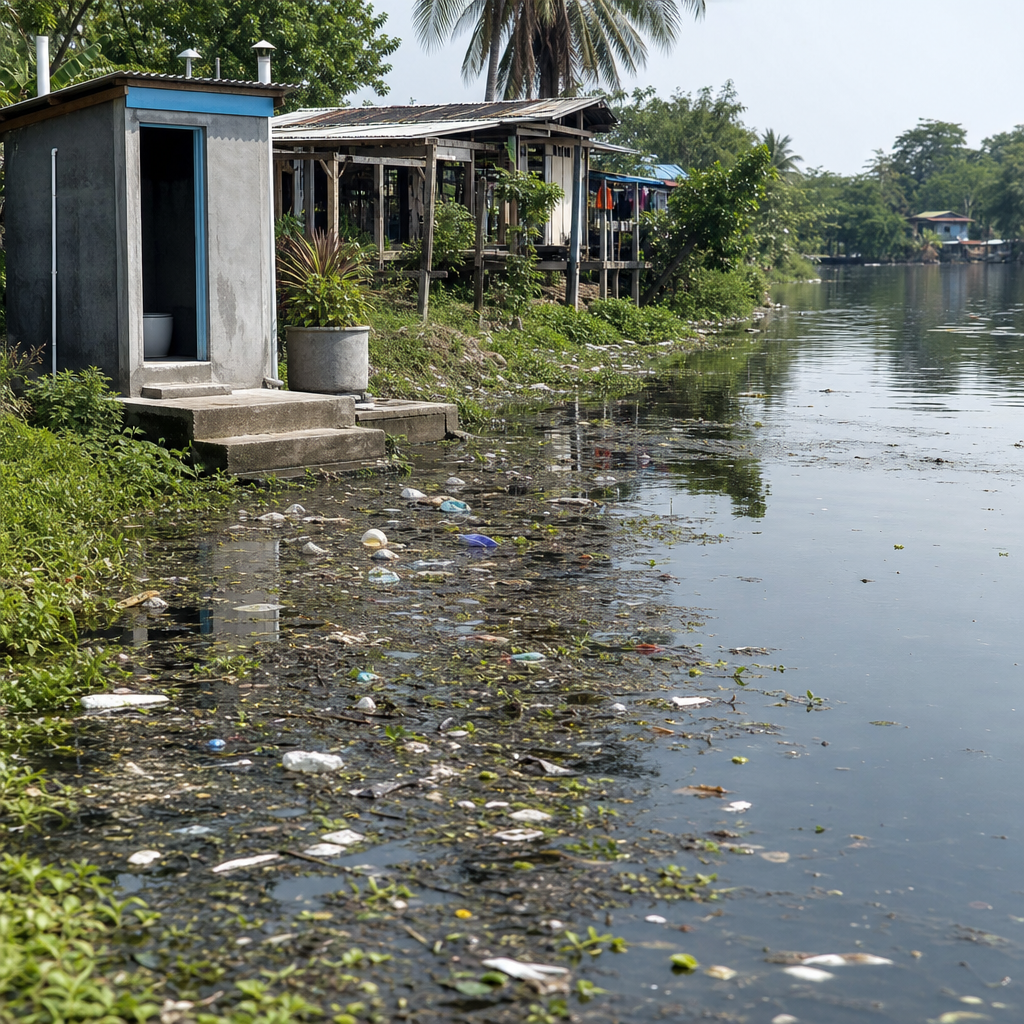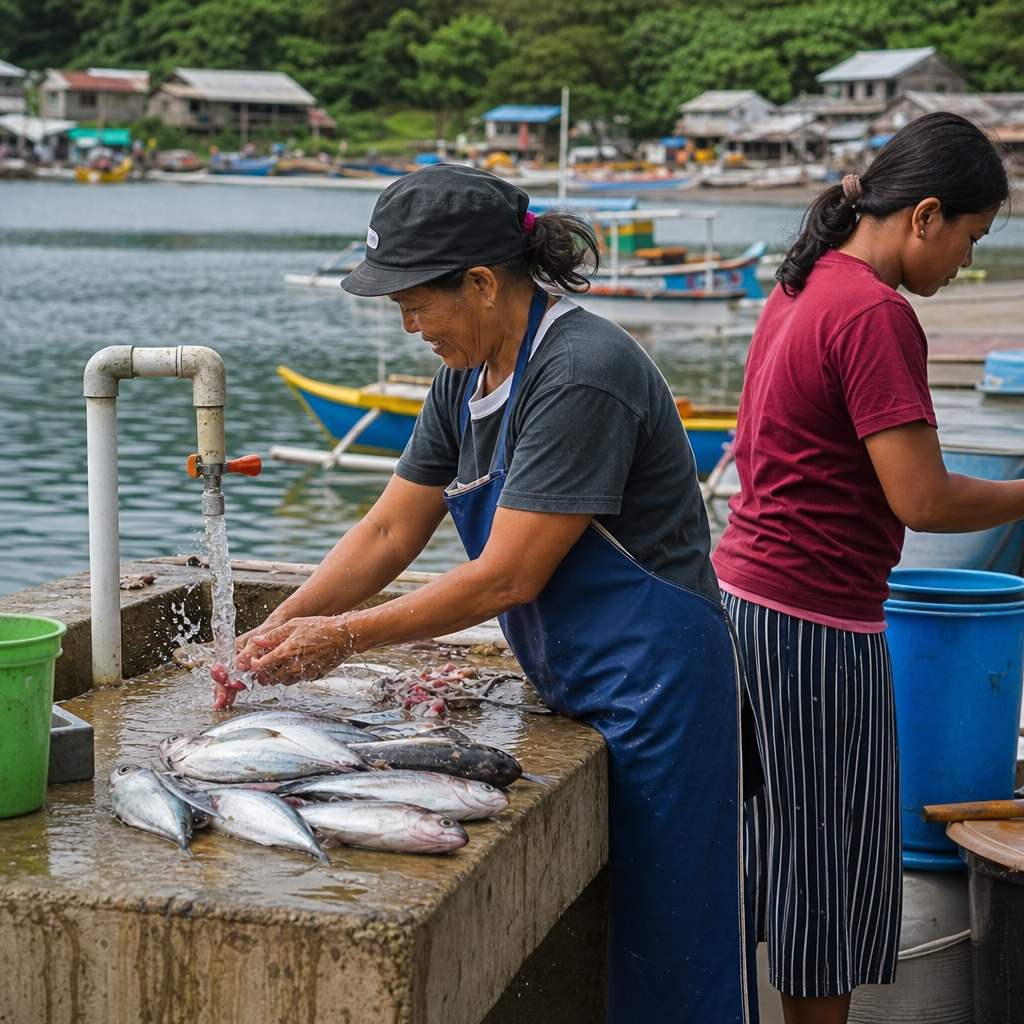
Promoting sustainable fishery practices through improved sanitation is not a niche environmental goal; it is a practical strategy for protecting marine ecosystems, securing seafood supply chains, and improving the livelihoods of fishing communities. Sustainable fishery practices are methods of harvesting, handling, and managing fish stocks in ways that maintain species populations, reduce habitat damage, and support long-term economic viability. Improved sanitation, in this context, means safe wastewater management, hygienic fish handling, effective solid waste control, and pollution prevention across harbors, landing sites, processing facilities, and nearby settlements. When these systems fail, pathogens, nutrients, plastics, fuel residues, and organic waste enter rivers, estuaries, and coastal waters, undermining the very ecosystems fisheries depend on.
I have seen this connection play out clearly in coastal operations: a landing site can invest in better gear and catch controls, yet still lose value when contaminated wash water, spoiled offal, and unmanaged sewage degrade water quality around the harbor. Fish exposed to polluted environments face higher disease pressure, shellfish beds can be closed after fecal contamination, and processors may struggle to meet food safety standards required by domestic regulators or export buyers. Sanitation is therefore not separate from fisheries management. It is part of stock resilience, market access, worker health, and environmental compliance.
This matters because fisheries sit at the intersection of biodiversity, nutrition, and local economies. According to the Food and Agriculture Organization, hundreds of millions of people rely on fisheries and aquaculture for income, while billions depend on fish as a source of protein and micronutrients. At the same time, coastal pollution remains one of the most persistent pressures on aquatic ecosystems. Poorly treated sewage contributes nutrients that fuel algal blooms, deplete oxygen, and alter nursery habitats. Solid waste, including packaging and discarded gear, harms marine life through entanglement and ingestion. Unsanitary processing areas increase spoilage and waste, driving up pressure to catch more fish just to maintain profits.
For organizations focused on environmental protection, sanitation is one of the most actionable levers available. EcoSan’s role in environmental protection centers on designing and supporting sanitation systems that reduce pollutant loads before they reach fishing grounds, improve hygiene across seafood value chains, and help communities align environmental goals with public health and business performance. This hub article explains how improved sanitation supports sustainable fisheries, where the highest-impact interventions are found, what standards and tools guide implementation, and how EcoSan can connect environmental protection with measurable operational results.
Why sanitation is essential to sustainable fisheries
Sanitation protects fisheries by addressing pollution at its source. In practical terms, that means preventing untreated sewage, contaminated stormwater, fish waste, plastics, and chemical residues from entering waterways. Fishery sustainability is often discussed in terms of quotas, bycatch controls, and habitat conservation, all of which matter. But even well-managed fisheries weaken when surrounding waters absorb too much organic pollution or pathogen load. Estuaries, mangroves, seagrass beds, and nearshore reefs act as nurseries for many commercially important species. These habitats are sensitive to nutrient enrichment, sedimentation, and oxygen depletion caused by poor sanitation infrastructure.
The mechanism is straightforward. Excess nitrogen and phosphorus from wastewater stimulate algal growth. As algae die and decompose, dissolved oxygen drops, stressing fish and invertebrates. Fecal contamination introduces bacteria, viruses, and parasites that can accumulate in shellfish and create direct public health risks. Uncontrolled fish offal and organic residues attract pests, elevate biochemical oxygen demand, and intensify odors that affect nearby communities. In processing zones, inadequate drainage and washdown systems spread contamination across surfaces, reducing product quality and increasing rejection rates. Better sanitation cuts these risks while supporting cleaner working conditions and more efficient operations.
There is also a resource-efficiency benefit. Every kilogram of seafood lost to spoilage, contamination, or poor handling represents wasted fuel, labor, ice, feed, and ecosystem productivity. In several improvement projects I have reviewed, simple sanitation upgrades such as sloped floors, screened drains, separated clean and dirty zones, and regular effluent monitoring reduced product loss while improving compliance with buyer requirements. Sanitation is not just about cleanliness. It is about reducing avoidable waste across the fishery system.
How polluted water affects fish stocks, habitats, and seafood safety
Polluted water changes ecological conditions long before a visible crisis appears. Chronic low-level contamination can suppress reproduction, reduce juvenile survival, and shift species composition. In shallow coastal areas, nutrient loading contributes to eutrophication, which can trigger fish kills during warm, low-oxygen periods. Coral reefs exposed to sewage pollution show higher disease prevalence and lower resilience after bleaching events. Mangroves clogged with solid waste lose ecological function and become less effective as nurseries and shoreline buffers. These are not isolated environmental effects; they directly influence catch stability and community income.
Seafood safety is equally affected. Bivalves such as oysters, mussels, and clams filter large volumes of water and can concentrate pathogens and contaminants. That is why shellfish sanitation programs in many countries classify harvest waters based on microbial monitoring. If upstream sanitation fails, harvesting areas may be restricted or closed. Finfish are also affected through contaminated handling water, dirty surfaces, and cross-contamination during landing and processing. Hazard Analysis and Critical Control Points, known as HACCP, depends on controlling these sanitation-related hazards consistently. Without clean water, hygienic surfaces, and controlled waste flows, seafood businesses struggle to maintain safe products.
The economic consequences are immediate. A contaminated harbor can lower auction prices because buyers associate visible dirt, odor, and poor hygiene with quality risk. Exporters face stricter scrutiny under regulatory systems such as the U.S. Food and Drug Administration seafood HACCP rules and the European Union hygiene package. One sanitation lapse can trigger batch rejection, recalls, or loss of certification. For small-scale fisheries, these disruptions can be devastating. Improved sanitation reduces contamination pathways, supports inspection readiness, and protects the reputation of the entire fishery.
EcoSan’s role in environmental protection across the fishery value chain
EcoSan’s role in environmental protection is strongest when sanitation is treated as an integrated system rather than a single facility upgrade. The fishery value chain includes landing sites, auction halls, ice plants, processing rooms, cold storage, transport, retail points, and the surrounding communities that generate wastewater and solid waste. Environmental gains come from coordinating interventions across these nodes. A clean processing floor matters, but it is not enough if sewage from adjacent housing drains into the same tidal channel where boats unload catch.
In practice, EcoSan can contribute in four ways: pollution prevention, hygienic infrastructure design, operational management, and environmental performance tracking. Pollution prevention includes source separation of waste streams, grease and solids capture, stormwater control, and treatment solutions sized to real flows. Hygienic design covers floor gradients, drain placement, washable surfaces, handwashing stations, and protected potable water points. Operational management includes cleaning schedules, sludge handling, pest control, and staff training. Performance tracking uses indicators such as biochemical oxygen demand, total suspended solids, fecal coliforms, water consumption per ton processed, and waste diversion rates.
What makes this approach effective is that it links environmental protection to routine decisions managers already make. If a landing center installs sorting tables but leaves offal to decompose on open ground, sanitation risk remains high. If a processor invests in wastewater treatment but ignores preventive maintenance, discharge quality quickly slips. EcoSan’s value is in connecting design, behavior, and monitoring so that improvements hold over time. This hub page supports that broader view by anchoring related articles on wastewater treatment, circular resource recovery, hygienic facility design, solid waste control, and community sanitation in fishing regions.
Priority sanitation interventions for fisheries and coastal communities
Not every site needs the same investment, but the highest-impact sanitation measures are usually predictable. The first priority is safe containment and treatment of human wastewater. Septic systems, decentralized treatment units, constructed wetlands, or packaged plants can all work when matched to soil conditions, hydraulic load, and maintenance capacity. The second priority is fish waste management. Offal, bloodwater, scales, and sludge should be captured quickly and directed to rendering, composting, anaerobic digestion, or controlled disposal instead of being discharged untreated. The third is clean water and hygienic handling infrastructure, including potable supply, hose management, washable contact surfaces, and drainage that keeps dirty flows away from fresh product.
Solid waste controls are another major opportunity. Ports and landing beaches often accumulate single-use plastics, damaged crates, food waste, and abandoned fishing gear. Without collection points and regular removal, tides and wind move this material directly into the marine environment. Segregation systems, covered bins, gear recovery programs, and contracts with recyclers materially reduce leakage. Finally, stormwater deserves attention. In many facilities, the first flush of rain carries oil, sediments, fecal matter, and organic residues into nearby waters. Grading, screening, retention structures, and routine cleaning reduce this pulse pollution significantly.
| Intervention | Environmental benefit | Operational benefit | Typical example |
|---|---|---|---|
| Wastewater treatment | Lower nutrient and pathogen discharge | Improved regulatory compliance | Decentralized plant at a landing harbor |
| Fish waste capture | Reduced oxygen-depleting organic pollution | Less odor and cleaner work areas | Offal bins linked to composting or rendering |
| Potable water and handwashing | Less cross-contamination entering waterways | Safer seafood handling | Wash stations in auction and processing zones |
| Solid waste segregation | Reduced marine litter and habitat damage | Lower disposal costs over time | Separated bins for plastics, organics, and gear |
| Stormwater management | Less contaminated runoff to coastal waters | Cleaner facilities during rainy periods | Drain screens, grading, and retention basins |
Standards, monitoring, and what good implementation looks like
Good sanitation in fisheries is measurable. Internationally recognized frameworks provide a strong starting point. HACCP sets controls for food safety hazards. Good Manufacturing Practices and Sanitation Standard Operating Procedures define how facilities maintain hygienic conditions. Water quality can be assessed through indicators such as Escherichia coli, enterococci, turbidity, pH, dissolved oxygen, ammonia, nitrogen, phosphorus, and biochemical oxygen demand. For wastewater systems, discharge permits often specify limits for suspended solids, chemical oxygen demand, oils and grease, and microbial counts. Environmental management systems based on ISO 14001 help organizations structure responsibilities, documentation, corrective actions, and continuous improvement.
Implementation succeeds when monitoring is routine rather than reactive. That means sampling influent and effluent, checking drain integrity, inspecting grease traps, calibrating dosing systems, verifying chlorine residual where relevant, and recording cleaning completion. It also means tracing failures to root causes. If fecal indicator bacteria spike near a landing site, the answer may not be more disinfectant; it may be a broken sewer line, overloaded septic tank, or illegal discharge from nearby housing. If odor complaints increase, the problem may be delayed offal removal rather than poor floor cleaning.
From experience, the most durable programs share three traits. First, they assign ownership clearly, with named staff responsible for inspection, maintenance, and reporting. Second, they choose technology appropriate to local conditions; low-maintenance systems usually outperform complex units in remote coastal areas. Third, they tie sanitation metrics to business outcomes such as product rejection rates, water bills, downtime, and customer audit scores. When teams see that environmental protection also improves reliability and market performance, compliance becomes part of normal operations rather than an external obligation.
Building a long-term environmental protection strategy with EcoSan
A strong environmental protection strategy for fisheries starts with a site-specific sanitation assessment and expands into a value-chain plan. EcoSan’s role in environmental protection is to help organizations move from isolated fixes to system-level improvement. The process usually begins with mapping wastewater flows, identifying contamination hotspots, reviewing seafood handling practices, and measuring baseline water and waste indicators. From there, priorities can be ranked by environmental risk, cost, and operational feasibility. Some sites need urgent sewage containment. Others gain more from drainage redesign, offal valorization, or better stormwater segregation.
Long-term success depends on governance as much as infrastructure. Ports, processors, municipalities, and community groups need shared rules for discharge, collection, and maintenance. Financing matters too. Blended models that combine public investment, user fees, buyer support, and resource recovery revenue often work better than one-time capital grants with no maintenance budget. Training must be repeated, especially where seasonal labor is common. Internal links across this subtopic should guide readers deeper into wastewater treatment options, marine litter prevention, circular waste reuse, and sanitation design for seafood facilities, because each area strengthens the hub’s central goal.
Improved sanitation is one of the most practical ways to promote sustainable fishery practices. It protects habitats, reduces seafood safety risks, cuts waste, and supports compliance with recognized standards. Most importantly, it addresses environmental damage before it spreads downstream into fishing grounds and coastal communities. EcoSan’s role in environmental protection is to make that prevention measurable and operational, turning sanitation into a core part of fishery resilience rather than an afterthought. If you are planning environmental improvements in a fishery, start by auditing sanitation flows, setting clear performance indicators, and prioritizing the interventions that keep pollution out of the water first.
Frequently Asked Questions
1. What does improved sanitation have to do with sustainable fishery practices?
Improved sanitation is closely linked to fishery sustainability because it affects fish quality, ecosystem health, public safety, and the economic stability of fishing communities. In fisheries, sanitation includes access to clean water, hygienic fish handling, proper waste disposal, safe processing areas, clean ice and storage systems, and wastewater management at landing sites, markets, and processing facilities. When these systems are weak, contamination can spread quickly through the seafood supply chain, leading to spoilage, foodborne illness, product rejection, and unnecessary waste.
From a sustainability standpoint, every fish that is caught and then lost to poor hygiene represents avoidable pressure on marine resources. If post-harvest losses are high because fish spoil before reaching the market, communities often need to catch more fish just to maintain income and supply. That creates additional strain on already vulnerable stocks. Better sanitation helps preserve seafood quality for longer, reduces waste, and allows the same catch to deliver greater value. This supports the core goal of sustainable fisheries: meeting human needs without degrading fish populations or marine ecosystems over time.
Improved sanitation also helps protect surrounding habitats. Poorly managed fish waste, sewage, and runoff can pollute coastal waters, damage nursery grounds, reduce oxygen levels, and contribute to disease risks in wild and farmed species. By keeping landing areas, boats, and processing facilities clean and by treating waste responsibly, fisheries can reduce their environmental footprint while strengthening consumer trust and market access.
2. How can better sanitation reduce post-harvest loss in fishing communities?
Better sanitation reduces post-harvest loss by protecting fish from contamination, spoilage, and physical deterioration from the moment they are landed to the point they are sold or processed. Fish is highly perishable, and even short delays in cleaning, icing, storage, or transport can sharply lower quality. Unsanitary surfaces, dirty containers, unclean water, and improper handling introduce bacteria and speed decomposition. Once quality drops, fish may sell at a lower price, be rejected by buyers, or become unsafe to eat altogether.
Simple sanitation improvements can have a major impact. Clean landing surfaces, food-grade crates, regular handwashing, uncontaminated ice, covered storage, and routine disinfection of tools and equipment all help maintain freshness. Effective drainage and wastewater management at docks and markets prevent fish from being exposed to dirty standing water. Training workers in hygiene practices is also critical, because sanitation is not only about infrastructure but also about everyday behavior and consistent standards.
Reducing post-harvest loss improves both livelihoods and resource efficiency. When a larger share of the catch reaches consumers in good condition, fishers and processors earn more from the same harvest. That means less incentive to increase fishing pressure simply to make up for avoidable waste. In this way, sanitation is not just a public health measure; it is a practical tool for improving profitability, food security, and long-term fishery resilience.
3. Why is sanitation important for protecting marine ecosystems as well as human health?
Sanitation is often discussed in terms of human health, but its environmental importance is just as significant in fishery systems. Poor sanitation can lead to direct discharge of fish waste, sewage, chemicals, and contaminated water into rivers, estuaries, and coastal zones. These pollutants can alter water quality, fuel algal blooms, reduce oxygen levels, and damage habitats such as mangroves, seagrass beds, coral reefs, and shellfish grounds. Many of these habitats are essential breeding, feeding, and nursery areas for commercially important fish species.
When aquatic environments are polluted, fish populations can suffer from stress, disease exposure, reduced reproductive success, and habitat loss. That weakens the ecological foundation of sustainable fishing. A fishery cannot remain productive in the long term if the waters and coastal systems it depends on are being degraded by preventable sanitation failures. Proper wastewater treatment, controlled disposal of fish byproducts, clean market operations, and sanitary harbor management all help limit these impacts.
At the same time, strong sanitation safeguards human health by reducing the spread of foodborne pathogens and waterborne disease. This is especially important in communities where fisheries support daily nutrition, local employment, and export income. Clean systems protect consumers, workers, and nearby residents while also preserving the environmental conditions fish populations need to recover and thrive. In practice, that makes sanitation one of the most effective shared priorities for both conservation and community well-being.
4. What sanitation improvements are most effective across the seafood supply chain?
The most effective sanitation improvements are the ones that address contamination risks at every stage of the seafood supply chain, from capture and landing to processing, storage, transport, and retail sale. On fishing vessels, this includes cleaning decks and holds regularly, using safe water, preventing fuel or chemical contamination, and storing fish in clean, insulated containers with adequate ice. At landing sites, key priorities include access to potable water, designated cleaning areas, hygienic surfaces, proper drainage, handwashing stations, and organized waste collection.
In processing and market environments, strong sanitation depends on routine equipment cleaning, temperature control, pest prevention, separation of clean and dirty areas, and safe wastewater disposal. Food-grade packaging, covered transport, and cold-chain maintenance are also essential, because sanitation and temperature control work together to preserve quality. If fish is handled hygienically but then transported in unsanitary or warm conditions, the benefits are quickly lost.
Training and oversight are equally important. Even well-designed facilities underperform without clear hygiene procedures, staff accountability, and regular monitoring. Governments, cooperatives, seafood businesses, and development organizations can all play a role by investing in infrastructure, inspection systems, and practical education. The strongest results usually come from combining physical improvements with management systems, so sanitation becomes part of routine fishery operations rather than a one-time upgrade.
5. How does improved sanitation support the livelihoods and long-term resilience of fishing communities?
Improved sanitation supports livelihoods by raising the value of the catch, expanding access to better markets, reducing health risks, and making fishery operations more dependable over time. When fish is handled and processed under hygienic conditions, it stays fresher longer, meets buyer requirements more consistently, and is less likely to be rejected for safety or quality reasons. That can translate into better prices for fishers, processors, traders, and small-scale enterprises throughout the community.
Health benefits also matter economically. Poor sanitation can contribute to illness among workers and consumers, increase medical costs, reduce productivity, and weaken confidence in local seafood products. By improving water, waste, and hygiene systems, communities reduce these risks and create safer working and trading conditions. This is especially important for women and informal workers, who are often heavily involved in fish handling, processing, and market activities and may face the greatest exposure to unsafe conditions.
Over the long term, sanitation strengthens resilience by making fisheries more efficient and environmentally responsible. Communities that reduce spoilage and pollution are better positioned to adapt to market demands, regulatory standards, and environmental change. They can protect natural resources while improving incomes, which is exactly the balance sustainable fisheries aim to achieve. In that sense, improved sanitation is not an added extra; it is foundational infrastructure for lasting food security, healthy ecosystems, and stronger coastal economies.