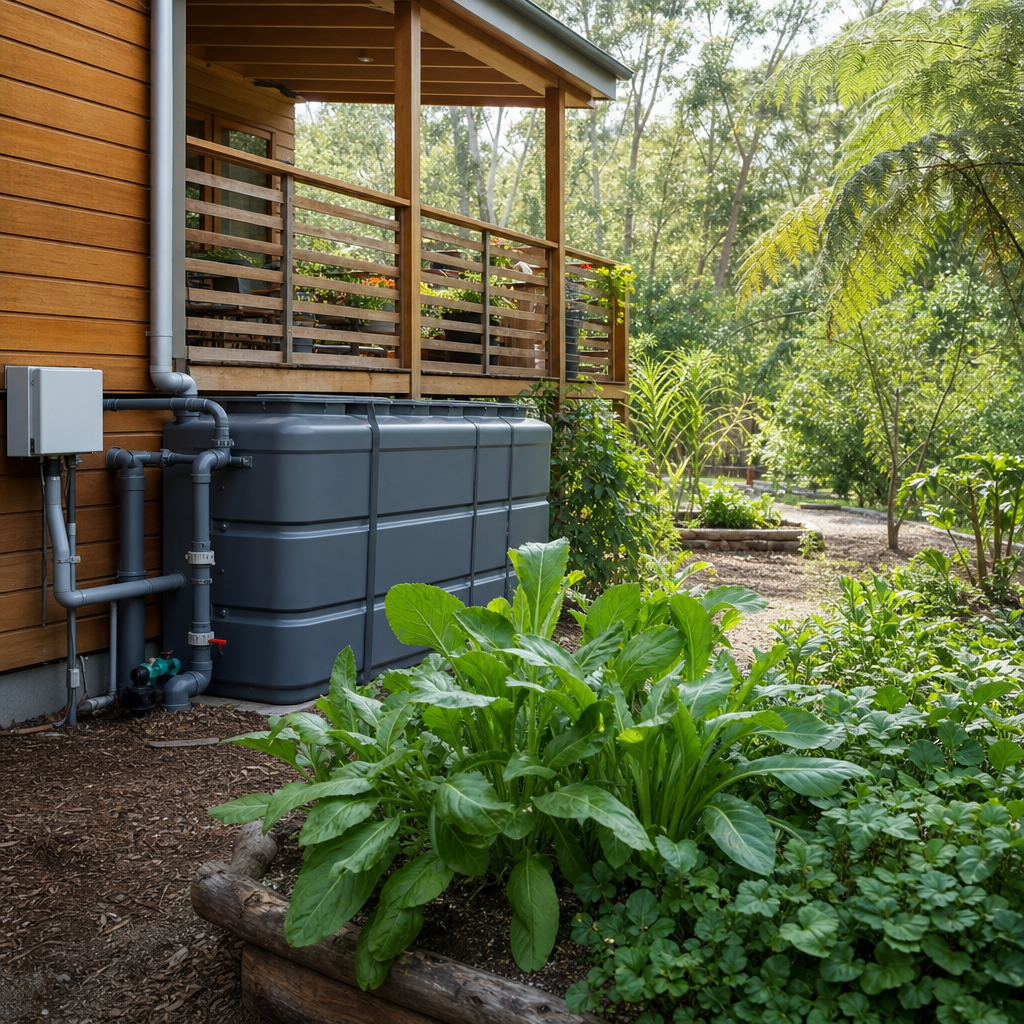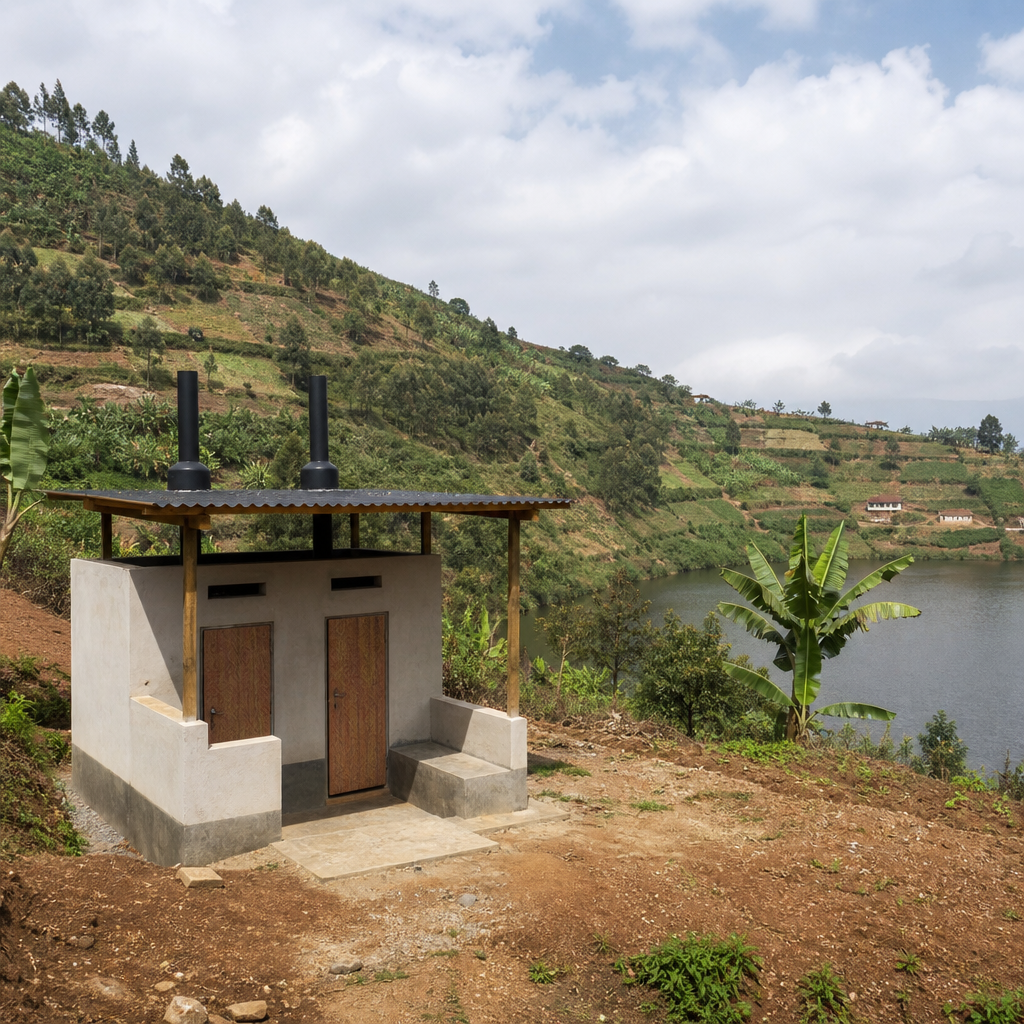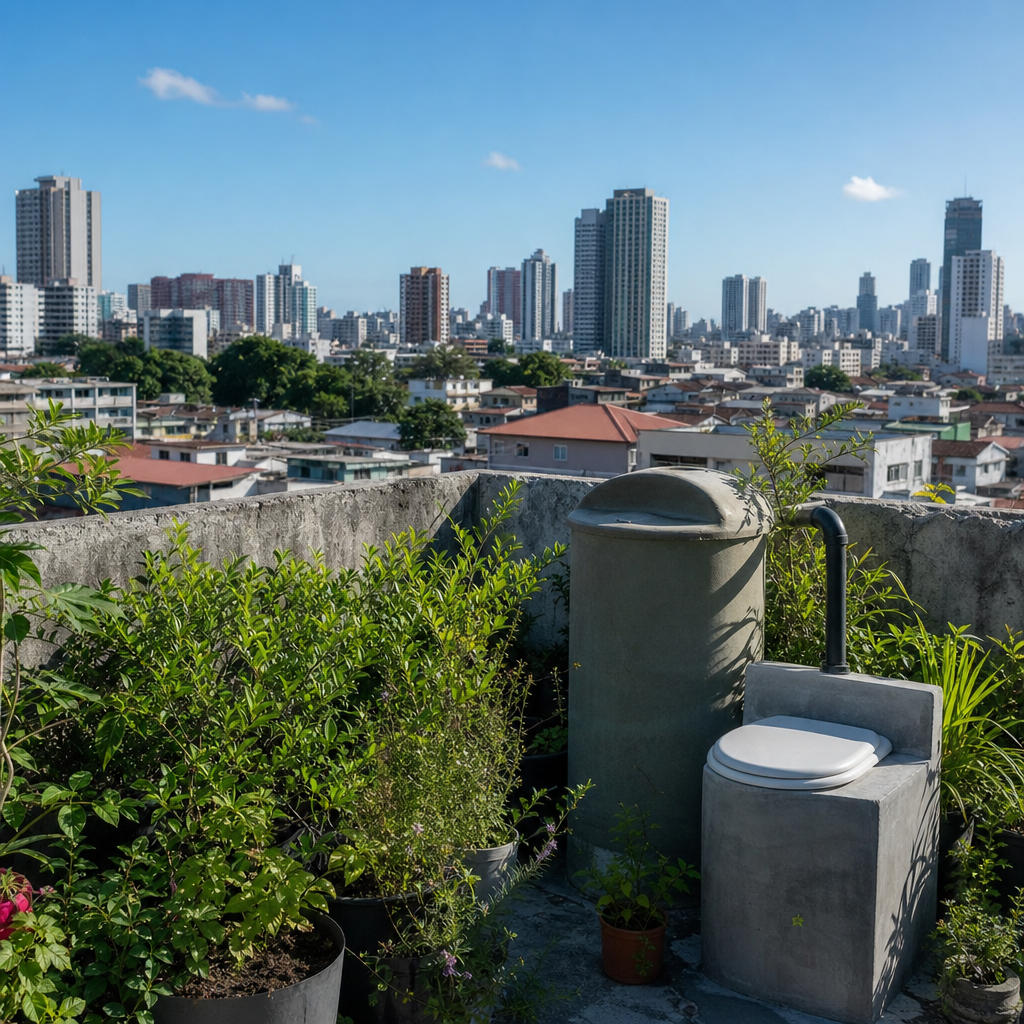
EcoSan’s contribution to lowering urban temperatures begins with a simple idea: sanitation systems can do more than protect public health. They can also reduce heat absorbed, stored, and released across dense neighborhoods. In environmental planning, “EcoSan” usually refers to ecological sanitation, a set of sustainable practices that treat human waste, wastewater, stormwater, and related service infrastructure as part of a circular urban system rather than a disposal problem. When designed well, sustainable practices in sanitation reduce energy demand, preserve water, support soil health, expand vegetation, and cool the built environment. As cities face stronger heat waves, higher nighttime temperatures, and rising cooling costs, this topic matters far beyond toilets and sewers.
I have worked on sustainability content and infrastructure assessments where sanitation was treated as a hidden utility, discussed only in terms of pipes, compliance, and treatment capacity. That framing misses a critical link. Urban temperature is shaped by land cover, surface moisture, waste decomposition, building density, energy use, and the amount of vegetation a city can sustain. Sanitation affects each of those factors. Wastewater reuse can irrigate trees during drought. Compost derived from safely treated biosolids can improve soil moisture retention. Decentralized systems can cut pumping energy and associated waste heat. Better drainage can reduce heat-trapping degraded surfaces and support cooler green corridors. A modern environmental impact strategy therefore needs sanitation at its center, not at the margins.
To understand why, it helps to define key terms clearly. Urban heat island describes the condition in which a city is warmer than surrounding rural land because asphalt, concrete, dark roofs, vehicles, air conditioners, and industrial processes absorb and release heat. Ecological sanitation aims to close nutrient and water loops safely, often through source separation, composting, anaerobic digestion, water recycling, and nature-based treatment. Sustainable practices in sanitation are the operational methods, technologies, and planning choices that reduce environmental burdens while maintaining hygiene, affordability, and resilience. This hub article explains how those practices lower urban temperatures directly and indirectly, where they work best, what tradeoffs matter, and which supporting topics deserve deeper reading across the wider Environmental Impact cluster.
How sustainable sanitation influences urban heat
Sustainable sanitation lowers urban temperatures through four primary mechanisms: less energy-intensive treatment, more water reuse for cooling landscapes, healthier soils that hold moisture, and cleaner urban environments that support vegetation instead of degraded hardscape. Traditional centralized wastewater systems can be energy heavy, especially where sewage must be pumped long distances or treated with high aeration loads. Every kilowatt consumed by treatment plants, pumping stations, and associated buildings eventually becomes heat in the urban system, either on site or through power generation. By contrast, efficient treatment trains, gravity-led design, decentralized reuse, and resource recovery reduce net energy demand and cut secondary heat emissions.
Water is the second mechanism. Trees, parks, roadside bioswales, and restored medians cool neighborhoods through evapotranspiration, but they need reliable irrigation, especially in hot, water-stressed cities. Reclaimed water from properly treated wastewater creates that supply without competing directly with drinking water demand. In practice, I have seen urban greening plans stall because irrigation budgets were uncertain. Once planners linked landscape cooling to nonpotable water networks, planting targets became more realistic. This is why sanitation planning belongs in heat adaptation discussions: no wastewater reuse, no resilient urban canopy.
The third mechanism is soil. Safely processed compost and biosolids improve organic matter, aggregation, and water-holding capacity. Better soils stay cooler than compacted, dry urban fill because they retain moisture and support ground cover. The fourth mechanism is land condition. Open dumping, leaking sewers, clogged drains, and unmanaged sludge create barren, unhealthy spaces that repel investment in trees, public space, and permeable surfaces. Cleaner sanitation systems make room for cooler land uses. This is not abstract. In many low-income districts, the first step toward urban cooling is not a reflective roof program; it is basic waste and wastewater management that allows green infrastructure to survive.
Core EcoSan practices that reduce heat and environmental stress
Ecological sanitation is not one technology. It is a planning approach built on matching solutions to local climate, density, water availability, and maintenance capacity. Source-separating toilets, composting toilets, urine diversion, anaerobic digesters, constructed wetlands, decentralized wastewater treatment systems, fecal sludge management, and reclaimed water networks can all fall within the same sustainability framework. The strongest projects do not chase novelty. They combine simple, maintainable systems with clear public health controls and realistic operations funding.
Among the most heat-relevant practices, wastewater reuse stands out. Tertiary-treated effluent can irrigate street trees, parks, sports fields, and industrial landscapes. Purple-pipe systems in parts of California, Australia, Spain, and the Gulf region show that nonpotable reuse can preserve vegetation through severe heat and drought. Constructed wetlands also matter because they provide treatment while creating shaded, moist habitat that cools adjacent land. Anaerobic digestion reduces methane emissions from untreated waste and generates biogas, which can offset fossil energy otherwise used by treatment plants. Composting and co-composting convert organic residuals into soil amendments that support urban planting. Decentralized systems reduce the need for long pumping distances and make neighborhood-scale reuse possible.
| Practice | How it lowers urban temperatures | Example application |
|---|---|---|
| Water reuse | Maintains irrigation for trees and parks, increasing evapotranspiration | Nonpotable networks supplying medians, campuses, and public landscapes |
| Constructed wetlands | Adds vegetated, moist treatment areas that cool surrounding land | Residential developments using wetland polishing ponds |
| Anaerobic digestion | Cuts net energy demand and offsets fossil fuel heat emissions | Wastewater plants using biogas for heat and power |
| Compost and biosolids reuse | Improves soil moisture retention and plant survival in hot areas | Urban tree pits, parks, and restoration sites |
| Decentralized treatment | Reduces pumping loads and enables local cooling landscapes | District-scale reuse in campuses or mixed-use precincts |
These methods work best when paired with rigorous monitoring. Treatment standards, pathogen reduction targets, nutrient management plans, and cross-connection controls are not optional details. They are what make sustainable sanitation credible. Guidance from the World Health Organization, ISO standards for service quality, and national water reuse regulations provide the backbone. Without compliance, a cooling strategy can quickly become a health risk. With compliance, it becomes one of the most practical climate adaptation tools available to cities.
Urban design connections: from sanitation networks to cooler neighborhoods
Sanitation affects temperature most powerfully when it is designed alongside land use, drainage, and public realm improvements. A city that treats sewage efficiently but sends all reclaimed water out of the district misses a major cooling opportunity. A city that installs bioswales but ignores upstream wastewater leaks may find soils contaminated or maintenance budgets overwhelmed. In strong projects, engineers, landscape architects, public health teams, and utilities plan together from the start.
Consider a typical overheated corridor lined with dark pavement, sparse trees, and overloaded storm drains. A sanitation-led redesign can introduce separated sewers, local treatment, subsurface irrigation using reclaimed water, and soil rebuilding with stabilized compost. That combination helps trees establish deeper roots, reduces surface dryness, and lowers nearby air temperatures through shade and evapotranspiration. Studies of urban forestry routinely show meaningful local cooling under healthy canopy, often several degrees Celsius at pedestrian level compared with exposed pavement. The sanitation layer is what keeps that canopy alive during dry periods.
District energy and building systems also connect to sanitation. Heat recovery from wastewater is increasingly used in Europe and parts of North America to provide low-carbon heating and cooling through heat pumps. That may sound counterintuitive in an article about reducing temperature, but it matters because efficient heat exchange cuts total energy waste and lowers reliance on conventional cooling systems that dump heat outdoors. Similarly, green roofs and courtyard planting become more feasible where reclaimed water is available. The lesson is consistent: sanitation infrastructure shapes the thermal performance of the wider city.
Public health, equity, and resilience benefits
Lowering urban temperature is only one reason to advance sustainable practices in sanitation. The strongest case is broader: these systems protect health, improve service access, and strengthen resilience in neighborhoods that usually face the worst heat exposure. Informal settlements and lower-income urban districts often have limited tree cover, poor drainage, overcrowding, and unreliable water service. They are also more likely to live with open drains, leaking sanitation, or unsafe fecal sludge disposal. Heat risk and sanitation risk overlap geographically, which means one integrated intervention can address both.
In field assessments, the most durable improvements were the ones residents could see and use daily: fewer sewage overflows, cleaner lanes, less standing wastewater, shaded public areas irrigated with reclaimed water, and lower household spending on emergency water purchases. These outcomes matter because resilience is not measured only by engineering capacity. It is measured by whether systems keep functioning during heat waves, droughts, floods, and power disruptions. Decentralized treatment with backup storage may outperform a distant centralized network during outages. Compost-based soil improvement can help street trees survive extreme heat when irrigation is intermittent. Sanitation planning that accounts for maintenance labor, affordability, and user behavior consistently produces better environmental outcomes than technology-first procurement.
There is also an equity dimension in cooling access. Wealthier districts often have irrigated parks and mature canopy; underserved districts often have bare ground and failing drains. Reclaimed water networks, sludge-to-compost programs, and neighborhood-scale treatment can redirect environmental benefits to places that need them most. A credible urban temperature strategy should therefore include sanitation indicators, not just surface albedo and tree counts.
Implementation challenges and what cities must get right
Sustainable sanitation is not automatically sustainable. Projects fail when planners ignore operations, underestimate public communication needs, or select systems that local institutions cannot maintain. Water reuse requires strong treatment reliability, clear labeling, worker training, and monitoring for microbial and chemical risks. Compost and biosolids reuse require contaminant testing, stabilization, and transparent end-use standards. Decentralized systems need scheduled desludging, asset registers, and service contracts. Constructed wetlands need land, hydraulic control, and vegetation management. None of these issues are reasons to avoid EcoSan. They are reasons to design it professionally.
Financing is another challenge. Benefits are spread across multiple budgets: sanitation, parks, climate adaptation, stormwater, and public health. If each department evaluates projects in isolation, high-value integrated systems are often rejected. The practical solution is lifecycle costing. When cities account for avoided potable water demand, reduced flood damage, lower heat exposure, lower fertilizer purchases, and energy savings, sustainable sanitation often performs better than conventional single-purpose infrastructure. Digital tools such as GIS heat mapping, SCADA monitoring, sewer modeling, and water balance analysis help make that case with evidence.
City leaders should start with a heat-and-sanitation baseline, identify priority districts, map reuse demand, review regulatory pathways, and pilot district-scale systems before expanding citywide. They should also connect this hub topic to related subtopics across Environmental Impact: water conservation, emissions reduction, resource recovery, green infrastructure, sludge management, circular economy design, and climate resilience planning. That structure reflects how the work happens in practice. Sanitation is not a silo. It is a platform that supports cooler, healthier, and more livable cities.
EcoSan’s contribution to lowering urban temperatures is substantial because it acts on the systems that make cities hot in the first place: energy use, water scarcity, degraded soils, and missing vegetation. Sustainable practices in sanitation turn waste streams into assets, support reliable irrigation, improve land performance, and reduce the environmental burden of treatment. They also deliver public health protection, stronger drought resilience, and fairer access to cooling benefits, especially in neighborhoods that have long been underserved.
The main takeaway is clear. Urban heat cannot be solved by surface materials and tree planting alone. Those measures work best when supported by sanitation systems that recycle water, recover nutrients, and function reliably under climate stress. Cities that integrate wastewater reuse, resource recovery, decentralized treatment, and nature-based systems into mainstream planning build a stronger environmental impact strategy than cities that treat sanitation as back-of-house infrastructure.
For planners, utilities, developers, and sustainability teams, the next step is straightforward: assess how your sanitation network can contribute to urban cooling, then prioritize projects that link treatment performance with green infrastructure and water reuse. That is where practical climate adaptation begins, and where EcoSan delivers measurable value.
Frequently Asked Questions
How can EcoSan systems help lower urban temperatures?
EcoSan systems can help lower urban temperatures by changing how sanitation, water, and surrounding infrastructure interact with the built environment. In many cities, conventional infrastructure contributes indirectly to heat buildup because it often relies on extensive paved surfaces, sealed drainage networks, limited vegetation, and centralized systems that do little to cool neighborhoods at the street level. Ecological sanitation approaches, by contrast, are designed as part of a broader urban environmental system. They can include water-sensitive design, decentralized wastewater treatment, stormwater capture, infiltration features, shaded service corridors, and landscape integration that reduce the amount of heat absorbed and re-radiated by hard urban surfaces.
One of the most important mechanisms is moisture management. When stormwater and treated water are retained, reused, or directed into planted systems instead of being rapidly flushed away, they support evapotranspiration, which naturally cools the air. EcoSan projects may also create opportunities for more tree cover, bioswales, constructed wetlands, and permeable surfaces around sanitation infrastructure. These features tend to stay cooler than bare concrete or asphalt and can reduce local surface temperatures. In dense neighborhoods, even modest cooling at the surface level can improve outdoor comfort, especially during peak afternoon heat.
EcoSan also supports thermal resilience by reducing pressure on conventional drainage and wastewater systems during extreme weather. Better managed water and waste flows can make room for greener public spaces and multifunctional infrastructure that cools, drains, and serves sanitation needs at the same time. In that sense, EcoSan is not a standalone heat solution, but it is a practical and often overlooked contributor to urban cooling when planned as part of climate-responsive city design.
What does sanitation have to do with the urban heat island effect?
Sanitation has more to do with the urban heat island effect than many people realize. The urban heat island effect happens when cities become significantly warmer than surrounding rural areas because buildings, roads, and other hard surfaces absorb and retain heat. While sanitation is often discussed only in terms of hygiene and public health, the systems used to manage wastewater, stormwater, sludge, and service access can influence land cover, water balance, vegetation, and surface materials—all of which affect urban heat.
For example, traditional sanitation and drainage systems frequently move water off-site as quickly as possible. That approach reduces the amount of moisture available for cooling landscapes and can leave neighborhoods dominated by dry, heat-absorbing surfaces. EcoSan methods treat wastewater and stormwater as potential resources rather than waste streams. When reused safely for irrigation, soil support, or landscape maintenance, water can help sustain urban greenery that shades surfaces and cools the air through evaporation. In practical terms, that means sanitation planning can influence whether a neighborhood becomes hotter and drier or more balanced and climate-responsive.
There is also an infrastructure design dimension. Sanitation facilities, treatment zones, service routes, and drainage corridors occupy real urban space. If they are designed with ecological principles, they can include vegetation, permeable materials, and water retention features that reduce thermal stress. If they are designed conventionally, they may contribute to sealed, exposed, high-temperature environments. So while sanitation is not usually the first sector people associate with heat mitigation, it plays a meaningful role in determining how cities handle water, land, and public space, which directly shapes urban temperature patterns.
Which EcoSan design features are most effective for cooling dense neighborhoods?
The most effective EcoSan design features for cooling dense neighborhoods are the ones that combine sanitation performance with water retention, vegetation support, and reduced surface heat absorption. In practice, this often includes decentralized wastewater treatment landscapes, bioswales, rain gardens, constructed wetlands, tree-integrated sanitation corridors, permeable paving near service infrastructure, and safe water reuse systems for irrigating public greenery. These elements work best when they are planned together rather than added as isolated features.
Constructed wetlands and planted filtration areas can be especially valuable because they treat water while also creating cooler microclimates. Vegetated systems typically absorb less heat than bare pavement and contribute to evaporative cooling. Permeable surfaces around sanitation access points and service lanes can reduce heat storage compared with conventional impervious materials. Shading is another major factor. If EcoSan facilities are paired with tree canopies, green buffers, or protected pedestrian areas, they can help lower radiant heat exposure for residents, not just improve technical sanitation outcomes.
Water reuse is another high-impact feature when it is managed safely and according to public health standards. In water-stressed urban areas, treated greywater or reclaimed wastewater can keep cooling landscapes alive during hot periods when vegetation would otherwise decline. That matters because cooling benefits are only sustained when plants remain healthy. The strongest projects usually integrate sanitation engineering, landscape architecture, and neighborhood planning so that waste treatment, stormwater control, and heat reduction all reinforce one another. The result is infrastructure that does more than function underground or behind the scenes—it actively improves thermal comfort where people live.
Can EcoSan improve public health and comfort during heat waves?
Yes, EcoSan can improve both public health and daily comfort during heat waves, especially in neighborhoods that face combined risks from poor sanitation, limited green space, and high surface temperatures. Heat waves increase stress on urban populations by raising the risk of dehydration, heat exhaustion, poor sleep, and complications for older adults, children, and people with chronic illnesses. At the same time, inadequate sanitation and poor drainage can worsen local environmental conditions by creating polluted standing water, damaged public spaces, and a lack of usable cooler areas. EcoSan helps address these challenges in a more integrated way.
From a public health perspective, well-designed ecological sanitation systems maintain the core function of safe waste and wastewater management while also supporting cleaner, more resilient neighborhoods. When stormwater is better managed, wastewater is safely treated, and surrounding spaces are designed with vegetation and permeability, communities often experience less flooding, less infrastructure breakdown, and more stable environmental conditions during extreme weather. Those changes can reduce exposure to heat-amplifying surfaces and improve access to shaded, cooler public areas.
Comfort also matters. People experience heat not just as an air temperature number, but through surfaces, humidity balance, shade, airflow, and the availability of refuge spaces. EcoSan-linked greenery, retained moisture in landscapes, and reduced hard-surface dominance can make streets and shared spaces more tolerable during hot spells. That does not replace broader cooling strategies such as reflective materials, expanded tree canopies, and building retrofits, but it does strengthen them. In other words, EcoSan can support healthier, more livable neighborhoods by linking sanitation quality with climate-sensitive design, which becomes particularly important as heat waves become more frequent and intense.
Is EcoSan a realistic strategy for cities trying to adapt to climate change?
EcoSan is a realistic and increasingly relevant strategy for cities adapting to climate change because it addresses multiple urban pressures at once. Cities are dealing with rising temperatures, heavier rainfall in some areas, water scarcity in others, aging infrastructure, and ongoing sanitation inequities. Ecological sanitation is valuable because it does not treat these issues as separate silos. Instead, it offers a framework for designing sanitation systems that also contribute to water reuse, stormwater control, greener urban form, and stronger local resilience.
That said, EcoSan is most realistic when it is implemented as part of broader planning rather than framed as a single cure-all. Its success depends on local climate, density, governance capacity, land availability, maintenance systems, and public health oversight. In some places, decentralized solutions and landscape-based treatment can be introduced relatively quickly in new developments, informal settlement upgrades, public housing areas, or neighborhood retrofits. In other settings, the path may involve gradual integration into existing infrastructure networks through pilot projects, corridor redesigns, and water-sensitive public works improvements.
The long-term value of EcoSan lies in co-benefits. Investments in sanitation that also reduce heat stress, improve water efficiency, support vegetation, and create better public spaces tend to deliver more resilient returns than systems designed for one narrow function. For city leaders, planners, and utilities, that makes EcoSan a practical adaptation tool, not just an environmental ideal. When designed well, it can help urban areas stay safer, cooler, and more resource-efficient under climate pressure while continuing to meet the fundamental goal of protecting human health.