Protecting biodiversity hotspots depends not only on conserving forests, wetlands, and coastlines, but also on transforming how human waste is managed in and around these ecologically sensitive landscapes. EcoSan, short for ecological sanitation, is a sanitation approach that treats human excreta as a resource rather than a disposable waste stream. In practice, that means preventing pathogens from contaminating soil and water, recovering nutrients such as nitrogen and phosphorus, reducing pressure on freshwater supplies, and designing systems that fit local ecosystems instead of overwhelming them. I have worked on sanitation planning reviews for peri-urban settlements and conservation-buffer communities, and the pattern is consistent: where sanitation fails, biodiversity declines quickly through eutrophication, groundwater contamination, habitat degradation, and disease transmission.
Biodiversity hotspots are regions with exceptional concentrations of endemic species that are also under serious threat from habitat loss. Many are located in places where infrastructure gaps, rapid population growth, tourism expansion, and weak waste management systems overlap. Conventional sewerage can be effective in dense cities, but in hotspot regions it is often unaffordable, water-intensive, energy-heavy, or physically impractical because of rocky terrain, seasonal flooding, dispersed settlements, or protected-area limits. Pit latrines, septic tanks, and open defecation frequently fill the gap, yet poorly designed systems leak nutrients, pharmaceuticals, and pathogens into rivers, mangroves, coral reefs, and groundwater-fed wetlands. Sustainable practices in sanitation therefore matter far beyond public health; they directly influence species survival, watershed resilience, and the integrity of entire food webs.
This hub article explains how EcoSan supports conservation goals, what sustainable sanitation practices work best in sensitive landscapes, and where the tradeoffs lie. It covers source separation, composting toilets, urine diversion, fecal sludge management, nutrient recovery, waterless and low-water systems, and governance tools that connect sanitation to land-use planning. It also functions as a gateway to deeper articles on treatment technologies, community adoption, regulatory design, and environmental monitoring. If a reader asks a simple question such as “How does sanitation affect biodiversity?” the direct answer is this: good sanitation prevents nutrient and pathogen pollution that can destabilize habitats, while ecological sanitation can actively restore resource cycles and reduce ecological pressure on hotspot ecosystems.
Why sanitation is a biodiversity issue, not only a health issue
Sanitation shapes biodiversity through several well-documented pathways. First, untreated or partially treated excreta introduces pathogens including E. coli, Salmonella, helminths, and viruses into waterways used by wildlife and people. Second, excess nitrogen and phosphorus trigger algal blooms and oxygen depletion, damaging freshwater fisheries, amphibian breeding zones, seagrass beds, and coral systems. Third, sanitation infrastructure itself can fragment habitat when it requires road building, trenching, pumping stations, or discharge corridors through fragile areas. Fourth, conventional wastewater treatment can demand large quantities of water and electricity, creating indirect environmental burdens in already stressed regions. In conservation landscapes, the cumulative effect matters more than any single discharge point because even small settlements can sit upstream of highly sensitive habitats.
A practical example comes from lakeside and reef-adjacent communities that rely on on-site sanitation. When septic systems are undersized or poorly maintained, nutrient-rich effluent moves into groundwater and then into nearshore waters. Researchers in multiple tropical tourism zones have linked wastewater leakage with reef stress, macroalgal growth, and reduced water clarity. Similar patterns appear in mountain hotspots, where pit latrines placed upslope of springs contaminate drinking water and headwater ecosystems. EcoSan reduces these risks by keeping waste streams contained, treated, and in many cases separated at the source, which makes nutrient recovery easier and environmental release less likely. The key principle is prevention at the point of generation rather than dependence on distant treatment that may never function reliably.
How EcoSan works in biodiversity hotspots
EcoSan is not one single toilet type. It is a systems approach built around closing nutrient loops, minimizing water use, and protecting environmental receptors. The most common configurations include urine-diverting dry toilets, composting toilets, container-based sanitation, decentralized blackwater treatment, and systems that pair toilets with safe reuse pathways for treated outputs. In hotspot regions, I have seen the strongest results where designers begin with hydrogeology, soil type, rainfall patterns, local agricultural demand, and protected-area rules rather than starting with a standard engineering template. A toilet that works well in a dry upland village may fail in a floodplain, while a urine-diversion system can outperform septic tanks in areas with shallow groundwater.
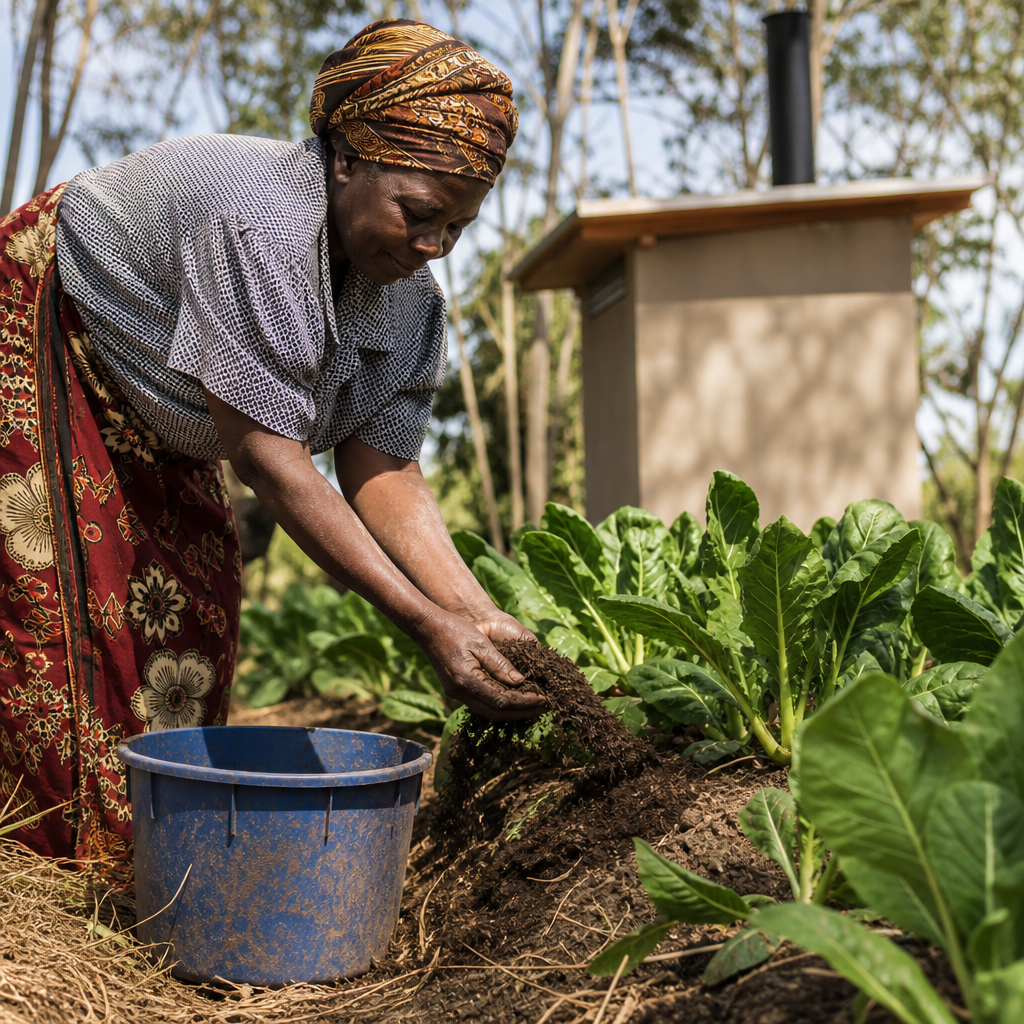
The environmental advantage of EcoSan comes from separation and control. Urine contains most of the nitrogen and a large share of the phosphorus and potassium excreted by humans, while feces contain the bulk of pathogens and organic solids. By separating these flows, treatment can be more targeted and efficient. Stored urine can be sanitized and reused as fertilizer under controlled guidelines, reducing synthetic fertilizer demand. Fecal matter can be composted or otherwise treated to destroy pathogens and produce a soil amendment when regulations and local acceptance allow. Graywater can be managed separately through wetlands, mulch basins, or filtration systems, reducing hydraulic overload on toilets. This modularity is especially useful in biodiversity hotspots because one community may need a dry toilet, another a raised container-based system, and a third a small decentralized treatment unit.
| EcoSan practice | Primary conservation benefit | Best-fit setting | Main implementation challenge |
|---|---|---|---|
| Urine-diverting dry toilets | Reduces nutrient leakage and water use | Water-scarce areas, shallow groundwater zones | User training and maintenance discipline |
| Composting toilets | Limits pathogen release and supports nutrient recovery | Remote settlements, ecotourism sites | Moisture balance and safe end-product handling |
| Container-based sanitation | Prevents soil and groundwater contamination | Flood-prone or dense informal settlements | Reliable collection logistics |
| Decentralized wastewater treatment | Reduces untreated discharge to streams and wetlands | Institutions, lodges, clustered communities | Operations capacity and monitoring |
| Constructed wetlands for graywater | Polishes effluent and creates habitat buffers | Rural compounds, park-edge facilities | Land requirement and design quality |
Key sustainable practices in sanitation that protect ecosystems
The most effective sustainable practices in sanitation combine technology choice with management discipline. Source separation is often the first priority because it prevents nutrient-rich liquid from saturating pits or leaching untreated into aquifers. Waterless or very low-flush systems reduce freshwater extraction, which is critical in dry forests, island ecosystems, and seasonal river basins where environmental flows support endemic species. Safe storage times, thermal composting, alkaline treatment, and dehydration methods are essential because untreated reuse is not ecological sanitation; it is simply unsafe sanitation. Where fecal sludge is collected, transport and treatment chains must be mapped in advance so that no material is dumped into ravines, mangroves, or drainage channels after collection.
Monitoring also matters. In strong programs, managers track groundwater nitrate, fecal indicator bacteria, phosphorus concentrations, and in some cases pharmaceutical residues near sensitive receptors. They also inspect toilets for vault integrity, ventilation performance, diversion efficiency, and overflow risk before rainy seasons. Standards from the World Health Organization on sanitation safety planning, along with ISO guidance for non-sewered sanitation systems, provide a credible framework for risk management. In my experience, projects fail less from poor technology selection than from weak operation plans. A well-built urine-diverting toilet without cleaning protocols and user orientation can perform worse than a simple improved latrine that is carefully sited, lined, and maintained. Conservation outcomes depend on consistent management, not just installation numbers.
Real-world applications from villages, protected areas, and tourism zones
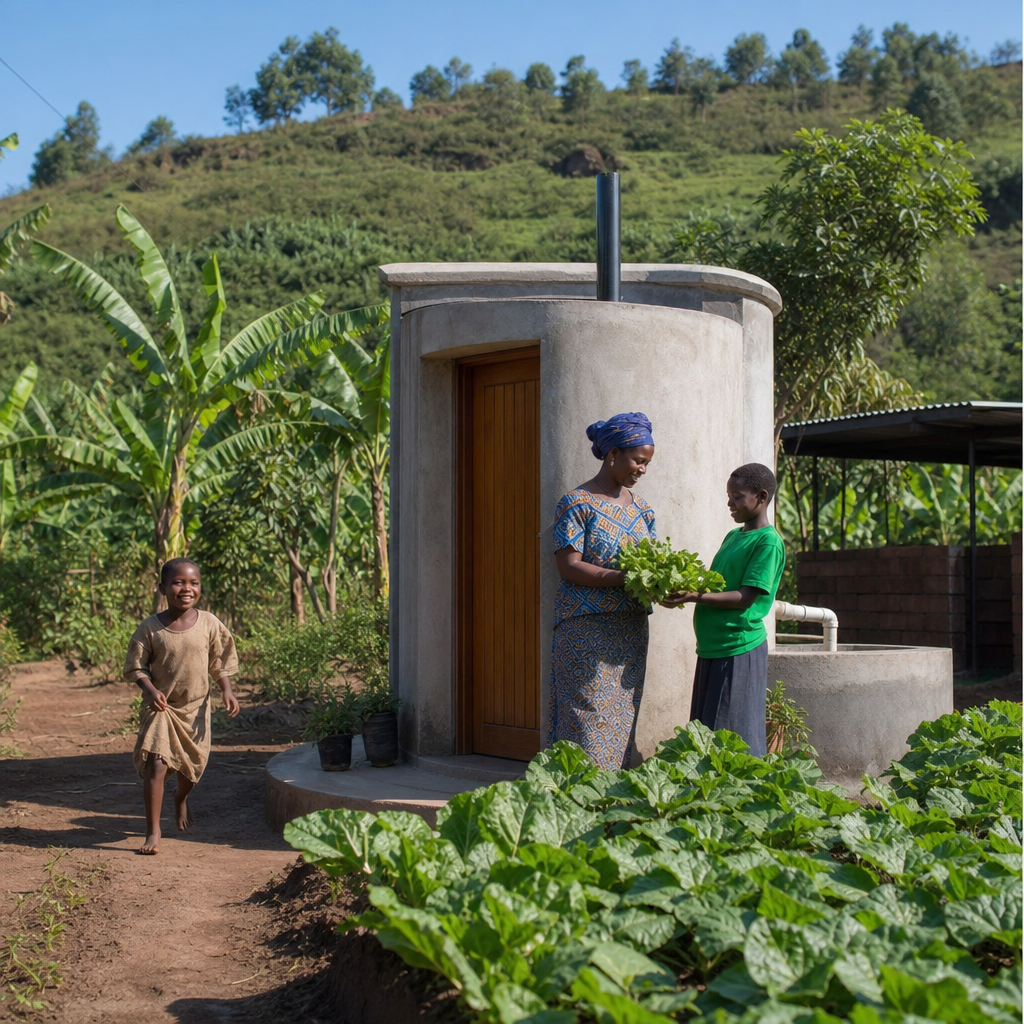
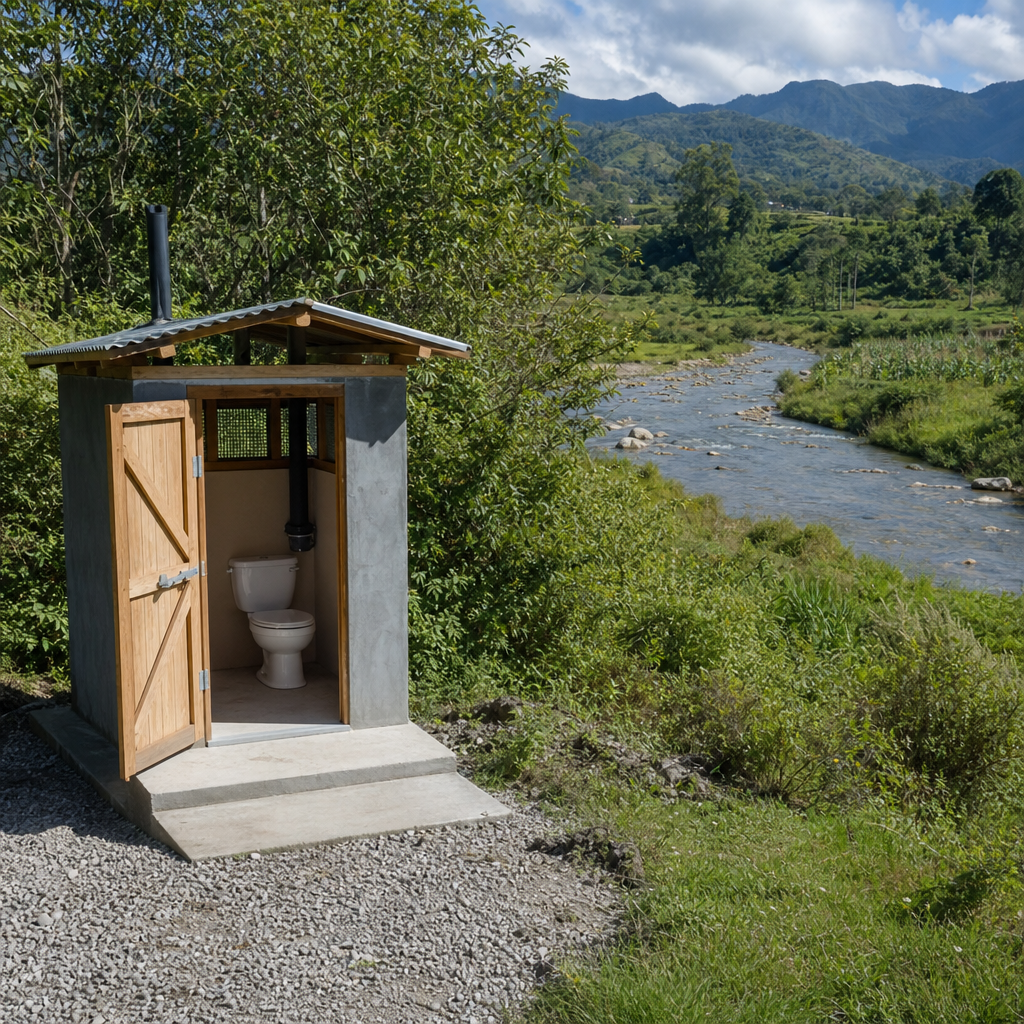
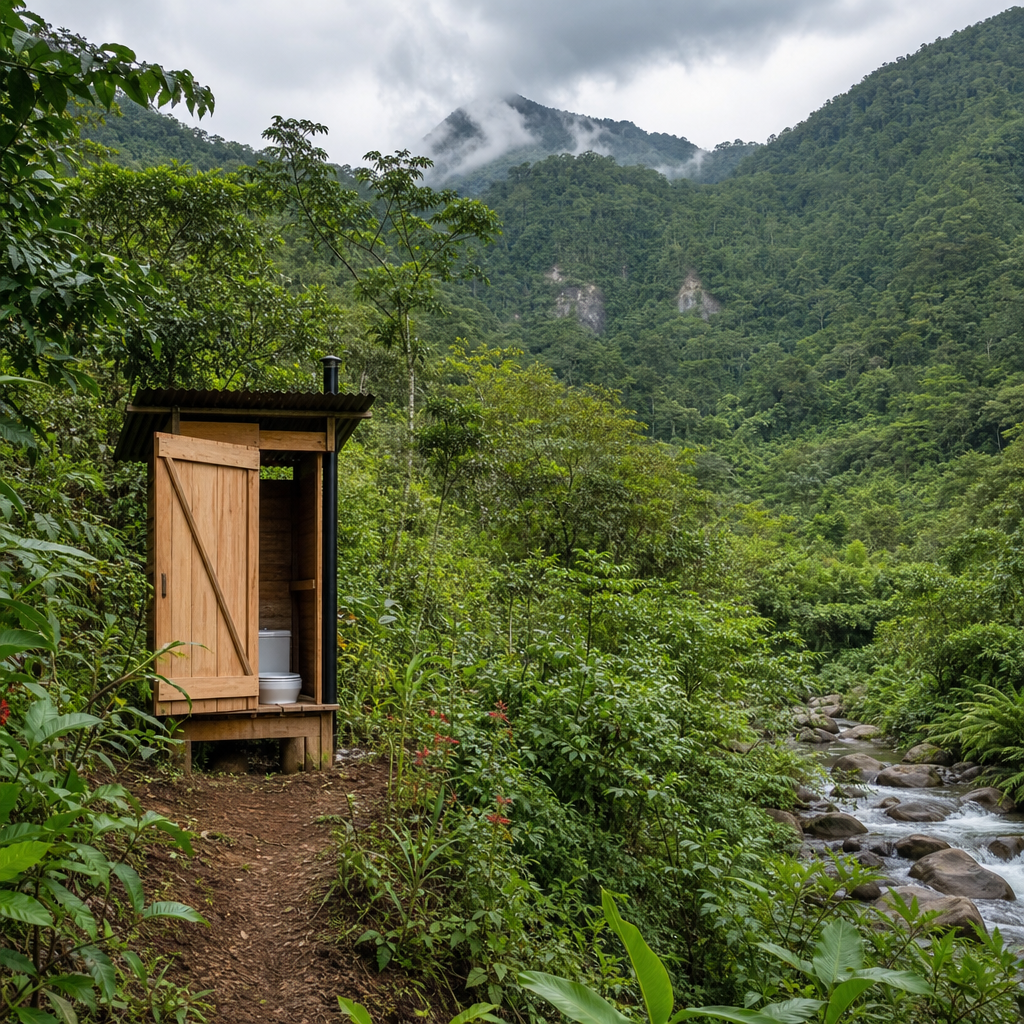
EcoSan is especially relevant where people and wildlife share limited land and water resources. In buffer-zone villages near protected forests, composting toilets and urine-diversion systems can reduce contamination of springs used by both households and downstream habitats. In flood-prone delta settlements, raised container-based systems avoid the chronic problem of latrines inundating and releasing waste into marshes and estuaries. For ranger posts, ecolodges, and trail camps inside or adjacent to conservation areas, dry or decentralized systems often outperform septic tanks because fuel, water, and desludging access are unreliable. The result is lower risk of sewage discharge into high-value habitats and fewer infrastructure footprints inside fragile landscapes.
Tourism offers a clear example of both the problem and the opportunity. Biodiversity hotspots often attract visitors precisely because they contain reefs, rainforests, endemic birdlife, and rare mammals. Yet tourism can multiply wastewater loads long before municipal systems catch up. I have reviewed lodge clusters where room expansion outpaced treatment capacity, causing nutrient seepage into nearby lagoons. Retrofitting with urine diversion, vacuum-assisted low-water fixtures, decentralized treatment, and reuse plans for landscaped areas reduced discharge pressure significantly. The lesson is straightforward: conservation branding is not credible if sanitation systems pollute the ecosystems that attract visitors. Sustainable sanitation should be treated as core environmental infrastructure, alongside habitat restoration, water stewardship, and solid waste management.
Limits, tradeoffs, and the conditions for long-term success
EcoSan is not a universal replacement for sewers, and responsible planning requires acknowledging limitations. User acceptance can be uneven if toilets are unfamiliar, odor control is poor, or handling requirements conflict with cultural norms. Nutrient reuse is technically sound, but only when treatment, storage, and application standards are followed; otherwise health risks increase. Some systems demand more household engagement than flush toilets, and in dense urban settings collection logistics may determine whether container-based models remain affordable. Rocky soils, very high water tables, cold climates, or limited reuse markets can also narrow the range of suitable options. The right question is not whether EcoSan is perfect, but whether it performs better than the realistic alternatives in a given ecological and institutional context.
Long-term success depends on governance, finance, and local capability. Projects work best when sanitation planning is linked to watershed management, protected-area buffer strategies, and agricultural extension services that can use recovered nutrients safely. Tariffs or service fees must cover maintenance, collection, and replacement parts; otherwise systems deteriorate and environmental gains disappear. Community engagement is equally important. When users understand that sanitation protects fisheries, drinking water, pollinators, and culturally important landscapes, adoption improves because the benefit becomes tangible. The main takeaway for this Environmental Impact hub is clear: EcoSan helps preserve biodiversity hotspots by stopping pollution at the source and turning sanitation into a regenerative service. Explore the related articles in this subtopic to compare technologies, evaluate risks, and build sanitation strategies that protect both people and nature.
Frequently Asked Questions
1. What is EcoSan, and why does it matter for biodiversity hotspots?
EcoSan, or ecological sanitation, is a sanitation approach designed to safely manage human waste while recovering its useful components instead of treating it only as something to be discarded. In biodiversity hotspots, this matters because poorly managed sanitation can quickly undermine fragile ecosystems. When untreated or inadequately treated waste enters rivers, wetlands, groundwater, forests, mangroves, or coastal zones, it introduces pathogens, excess nutrients, and organic pollution that can disrupt ecological balance. These impacts may seem local at first, but in highly sensitive landscapes they can cascade through food webs, degrade habitats, and place additional pressure on already threatened species.
What makes EcoSan especially relevant is that it addresses both public health and environmental protection at the same time. By containing waste near the source, separating urine and feces where appropriate, and treating these materials for safe reuse, EcoSan systems can reduce contamination of soils and waterways. This lowers the risk of nutrient overloads that contribute to algal blooms, oxygen depletion, and habitat degradation in freshwater and marine environments. It also helps reduce the spread of disease among nearby communities, which is critical because conservation efforts are more durable when local people benefit directly from improved health and cleaner surroundings.
In practical terms, EcoSan supports biodiversity hotspots by reducing pollution pressure, conserving water, and turning nutrients into agricultural inputs rather than allowing them to become ecological contaminants. That combination is important in regions where rapid population growth, tourism, settlement expansion, or limited infrastructure place intense strain on ecosystems. EcoSan is not a replacement for broader conservation policy, but it is a powerful supporting strategy that helps align sanitation, community wellbeing, and ecological resilience.
2. How does EcoSan help prevent damage to forests, wetlands, rivers, and coastal ecosystems?
EcoSan helps protect sensitive ecosystems by interrupting the most common pathways through which sanitation-related pollution reaches nature. In many hotspot regions, conventional sanitation is incomplete, poorly maintained, or entirely absent. Pit latrines may leach into groundwater, septic systems may overflow, and open defecation may expose nearby streams, floodplains, and soils to contamination. During heavy rains, this pollution is often washed directly into wetlands, rivers, estuaries, and coastal waters. EcoSan systems are designed to contain, treat, and manage waste more deliberately, reducing the chance that harmful substances migrate into natural habitats.
One of the biggest ecological benefits comes from limiting nutrient pollution. Human waste contains nitrogen and phosphorus, which are valuable in agriculture but damaging when released uncontrolled into ecosystems. In rivers, lakes, and coastal waters, these nutrients can trigger eutrophication, a process that fuels excessive plant and algal growth. As that growth dies and decomposes, oxygen levels drop, stressing or killing fish, amphibians, invertebrates, and other aquatic life. Wetlands and coral-associated coastal zones are particularly vulnerable because nutrient imbalances can shift species composition and weaken ecosystem function. EcoSan reduces this threat by recovering nutrients in a managed form rather than allowing them to diffuse into the environment.
EcoSan also lowers pathogen loads that can affect humans, livestock, and wildlife. Fecal contamination in shared landscapes can create disease risks for animals that drink from polluted water sources or forage in contaminated areas. In fragmented habitats where wildlife and human activity overlap, sanitation failures can intensify ecological stress. By safely treating excreta before reuse or disposal, EcoSan reduces these contamination points. The result is cleaner water, healthier soils, and less pressure on habitats that are already struggling with deforestation, land conversion, invasive species, and climate change.
3. In what ways does EcoSan support sustainable agriculture around biodiversity hotspots?
EcoSan supports sustainable agriculture by recovering nutrients from human waste and returning them to productive use in a safe, controlled way. Around biodiversity hotspots, farming communities often depend on nutrient-poor soils, expensive external fertilizers, or agricultural expansion into surrounding natural habitats to maintain yields. EcoSan can help relieve these pressures by converting treated sanitation byproducts into soil amendments or nutrient sources, particularly where access to commercial inputs is limited or costly. When implemented correctly, this creates a circular system in which nutrients are reused rather than lost to waterways or wasted entirely.
This matters for conservation because agriculture is one of the major drivers of habitat loss in and around hotspots. If farmers can improve soil fertility and productivity on existing land, there may be less incentive to clear nearby forests, drain wetlands, or convert buffer zones into cultivation. Recovered nutrients such as nitrogen and phosphorus can help maintain crop yields, while organic matter from treated materials can improve soil structure, water retention, and microbial activity. Healthier soils are more resilient to drought and erosion, which is especially valuable in landscapes already experiencing climate stress and declining ecosystem services.
EcoSan also complements broader regenerative and agroecological practices. When sanitation planning is integrated with composting, water conservation, and landscape restoration, communities can build systems that benefit both livelihoods and biodiversity. That said, safe reuse is essential. EcoSan is effective only when treatment, storage, handling, and application follow clear health and environmental safeguards. With proper training, monitoring, and community acceptance, EcoSan can reduce dependence on synthetic fertilizers, lower runoff pollution, and help create a more sustainable relationship between farming systems and nearby habitats.
4. Is EcoSan realistic for communities living near ecologically sensitive areas?
Yes, EcoSan can be realistic and highly effective near ecologically sensitive areas, but its success depends on thoughtful design, local engagement, and long-term support. It is not a one-size-fits-all solution. Different ecosystems, settlement patterns, water availability, soil conditions, cultural norms, and livelihood strategies all influence which sanitation model will work best. In some communities, urine-diverting dry toilets may be appropriate because they conserve water and simplify nutrient recovery. In others, container-based systems, composting approaches, or decentralized treatment models may fit local needs better. The key is to match the system to the environmental context and the people who will use and maintain it.
EcoSan is often especially useful where conventional sewer systems are impractical, too expensive, or environmentally risky. Remote villages, protected area buffer zones, islands, mountainous regions, flood-prone settlements, and tourism-heavy ecologically sensitive destinations frequently struggle with centralized wastewater infrastructure. In these settings, decentralized EcoSan systems can offer a more adaptable way to manage sanitation without discharging untreated waste into nearby habitats. They can also reduce water use, which is important in areas facing seasonal scarcity or where extracting more freshwater would strain ecosystems.
However, realism depends on more than technology. Community buy-in is essential. People need confidence that systems are safe, dignified, easy to use, and worth maintaining. Programs tend to perform best when they include user education, regular maintenance plans, financing options, local repair capacity, and clear institutional responsibility. Policy support also matters, particularly around reuse standards and health oversight. When these social and governance pieces are in place, EcoSan becomes much more than a niche sanitation option; it becomes a practical conservation-supporting tool that helps communities protect the landscapes they depend on.
5. What are the biggest challenges to using EcoSan for biodiversity protection, and how can they be addressed?
The biggest challenges include public perception, technical maintenance, regulatory gaps, financing, and the need for consistent behavior change. In many places, sanitation is understandably viewed primarily through the lens of convenience and hygiene, not resource recovery or ecosystem protection. As a result, some communities may hesitate to adopt systems that involve separating or reusing treated excreta, even when those systems are safe and beneficial. Overcoming this barrier requires respectful communication, visible demonstration projects, and strong public health messaging that explains how EcoSan protects water, supports agriculture, and reduces environmental degradation.
Technical and operational issues can also limit impact if systems are poorly designed or unsupported after installation. EcoSan requires proper containment, treatment times, handling procedures, and maintenance routines. If users are not trained, or if there is no follow-up service structure, systems can fail and confidence can erode quickly. This is why durable implementation depends on local technicians, monitoring frameworks, supply chains for parts, and clear management responsibilities at household, community, or institutional levels. In biodiversity hotspots, system design must also account for floods, high water tables, rocky terrain, wildlife interactions, and seasonal population changes such as tourism peaks.
Another challenge is that sanitation and conservation are often planned separately, even though they are closely connected in sensitive landscapes. To address this, EcoSan should be incorporated into watershed management, protected area planning, rural development programs, and climate adaptation strategies. Financial support can come from blended models that recognize both health and environmental benefits, including government programs, NGO partnerships, conservation funding, and community investment. The most effective path forward is integrated planning: sanitation professionals, local leaders, farmers, health agencies, and conservation groups working together. When that happens, EcoSan can move from a promising concept to a reliable, measurable contributor to biodiversity protection.