EcoSan and the reduction of water pollution are closely linked because ecological sanitation is designed to manage human waste as a resource while preventing contaminants from entering rivers, lakes, groundwater, and coastal ecosystems. In practice, EcoSan includes systems such as urine-diverting dry toilets, composting toilets, dehydration vaults, and other source-separating approaches that keep nutrients, pathogens, and excess water apart. I have seen sanitation projects fail when wastewater was treated as something to flush away rather than something to control at the source. That distinction matters. Conventional sanitation often depends on large volumes of clean water, long pipe networks, reliable treatment plants, and disciplined operation. Where any of those elements break down, pollution follows quickly. EcoSan offers a different model: contain excreta safely, reduce dilution, recover nutrients, and protect the surrounding environment from untreated discharge.
Water pollution from sanitation is one of the most persistent environmental health problems worldwide. According to the World Health Organization and UNICEF Joint Monitoring Programme, billions of people still lack safely managed sanitation, which means waste is often discharged untreated or inadequately treated. When fecal matter enters waterways, it carries pathogens such as E. coli, Salmonella, rotavirus, and helminth eggs. It also carries nitrogen and phosphorus, the same nutrients crops need but aquatic systems cannot absorb indefinitely. In excess, those nutrients trigger eutrophication, algal blooms, oxygen depletion, fish kills, and biodiversity loss. EcoSan matters because it addresses both sides of the problem at once: public health protection and environmental impact reduction. As a hub topic under environmental impact, EcoSan and the environment should be understood not as a niche toilet design issue, but as a systems approach that affects water quality, soil health, climate resilience, resource recovery, and long-term sanitation planning.
The environmental value of EcoSan becomes clearer when key terms are defined precisely. Water pollution in this context means contamination of surface water or groundwater by disease-causing organisms, nutrients, organic matter, pharmaceutical residues, and chemicals associated with human excreta and wastewater. Ecological sanitation means sanitation systems intentionally designed around safe containment, treatment, reuse, and minimal environmental release. Source separation is the principle of keeping urine, feces, and graywater apart so each stream can be managed according to its risk and value. Nutrient recovery refers mainly to reclaiming nitrogen, phosphorus, and potassium for agriculture. Safe reuse means treated outputs are applied according to health safeguards such as storage periods, pathogen reduction targets, and application methods that limit human exposure. These concepts matter because the route from toilet to environment determines whether waste becomes pollution or a controlled agricultural input.
How EcoSan Prevents Water Pollution at the Source
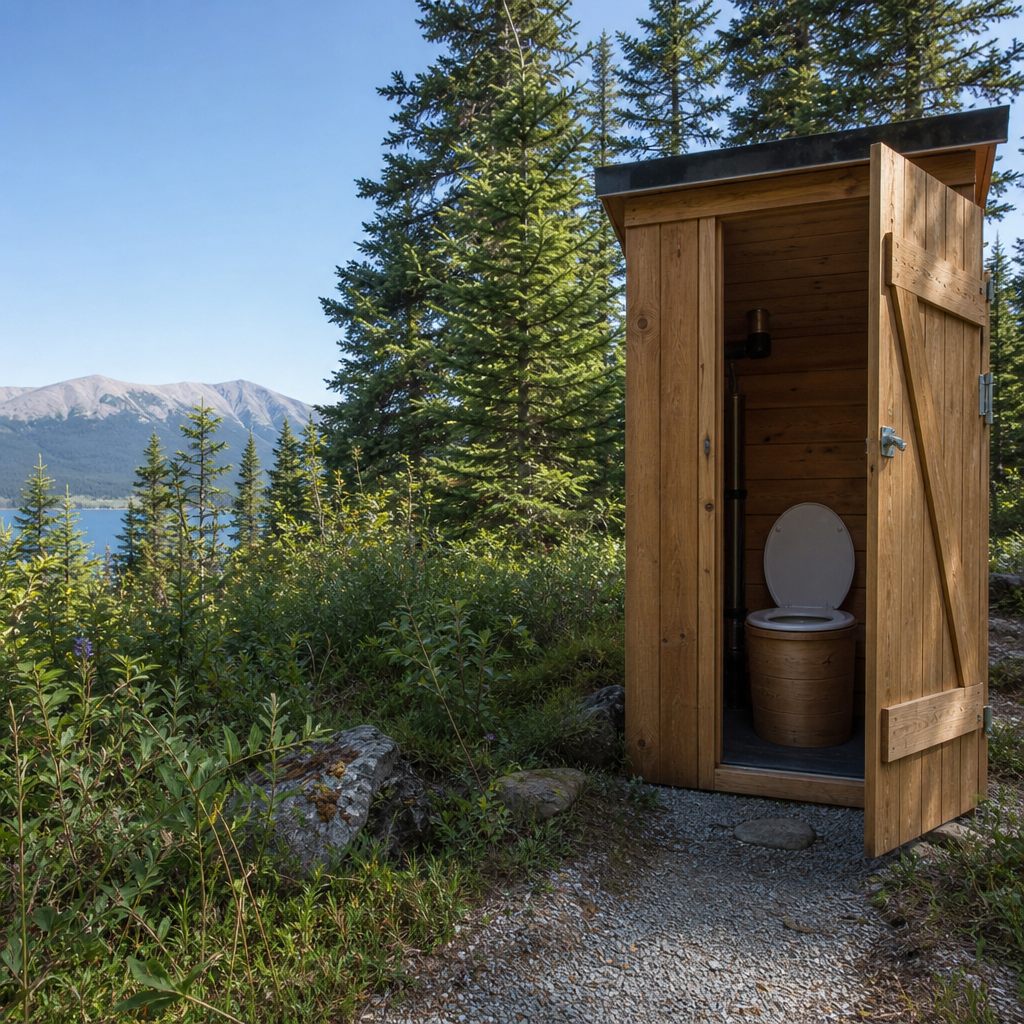
EcoSan reduces water pollution first by interrupting the transport pathway that carries excreta into natural water bodies. In many conventional systems, flushing mixes feces and urine with large quantities of water, creating wastewater that must be conveyed and treated continuously. If pipes leak, tanks overflow, pumps fail, or treatment is incomplete, the resulting discharge can contaminate streams and aquifers. EcoSan systems avoid that dependence by using dry or low-water collection and on-site containment. A urine-diverting dry toilet, for example, separates urine at the pedestal or slab and stores feces in sealed chambers with drying material such as ash, lime, or sawdust. Because there is little or no flushing water, there is much less liquid available to percolate into the soil or escape as runoff.
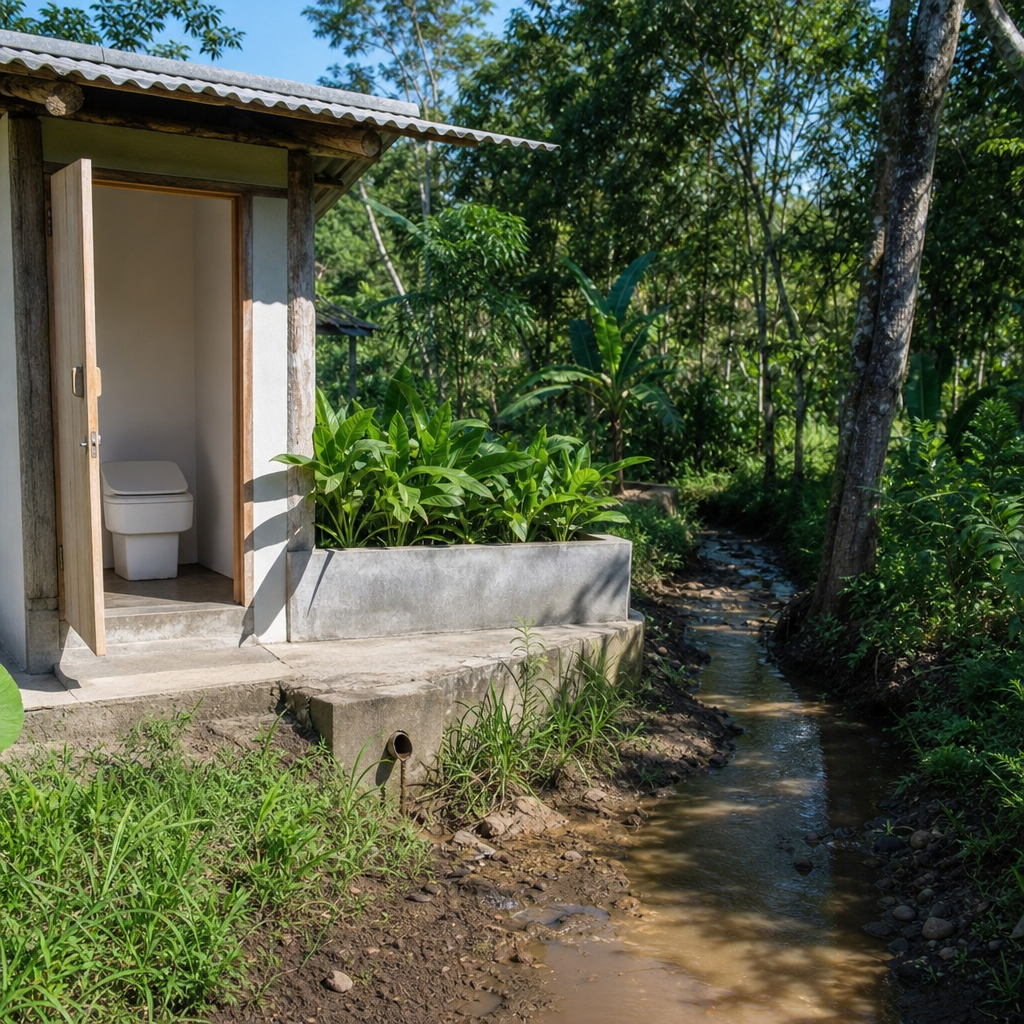
This source control is especially important in high water table areas, flood-prone settlements, informal urban neighborhoods, and rocky terrain where septic systems often underperform. I have reviewed installations where pit latrines were built only a few meters above shallow groundwater used for household wells. During rainy seasons, fecal contamination moved quickly through the subsurface, and users did not realize the toilet and drinking water system were connected. EcoSan changes that risk profile. Raised vaults, lined chambers, and dehydration methods create a managed barrier between excreta and groundwater. Even where reuse is not immediately practiced, preventing leachate and overflow is already a significant environmental gain. The core lesson is simple: the safest pollution is the pollution that never enters the water cycle.
Nutrients, Eutrophication, and Resource Recovery
One of the strongest environmental arguments for EcoSan is that it captures nutrients before they become pollutants. Human urine contains most of the nitrogen and a large share of the phosphorus and potassium excreted by households. In conventional sanitation, those nutrients are diluted into wastewater and often only partially removed at treatment plants. Nitrogen can pass through as nitrate or ammonia, while phosphorus accumulates in sludge or is released into receiving waters. Once in lakes and rivers, these nutrients accelerate algal growth. Some blooms produce toxins, many block sunlight, and their decomposition consumes dissolved oxygen, stressing fish and aquatic invertebrates.
EcoSan treats nutrients as a recoverable asset. Stored urine can be used as a fertilizer when applied carefully to crops, trees, or non-food plants according to agronomic needs and local health guidance. Treated fecal matter, once adequately composted or dehydrated and sanitized, can contribute organic matter and nutrients to soil. This is not a theoretical benefit. Farmers in parts of East Africa, South Asia, and Scandinavia have used urine-based fertilization and composted sanitation outputs with measurable effects on yields, especially where mineral fertilizer prices are high. The environmental advantage is twofold: less nutrient loading in water bodies and lower dependence on synthetic fertilizers, particularly phosphorus mined from finite rock reserves. EcoSan therefore connects sanitation planning with circular economy principles and watershed protection.
| EcoSan feature | Pollution reduction mechanism | Environmental result |
|---|---|---|
| Urine diversion | Separates nutrient-rich liquid before mixing with feces or wastewater | Lower nitrogen and phosphorus discharge to waterways |
| Dry containment | Minimizes leachate and overflow from pits or septic systems | Reduced groundwater contamination |
| Dehydration or composting | Reduces pathogen survival and stabilizes solids | Safer handling and less disease transfer to aquatic environments |
| Reuse in agriculture | Returns nutrients to soils under controlled application | Less eutrophication and lower fertilizer-related impacts |
| Low water demand | Prevents dilution into large wastewater streams | Reduced treatment burden and lower accidental discharge risk |
Groundwater Protection, Pathogen Control, and Ecosystem Health
Groundwater pollution is often less visible than polluted rivers, but environmentally it can be more damaging because contamination may persist for years and spread through drinking water supplies. Poorly sited pit latrines, unsealed septic tanks, and failing soak pits can release fecal bacteria, viruses, nitrate, and other contaminants into aquifers. The risk increases in sandy soils, karst geology, densely populated settlements, and areas with shallow water tables. EcoSan systems reduce that risk by containing excreta above ground or within lined, manageable structures. When systems are correctly designed, infiltration is intentional only for treated graywater or other lower-risk streams, not for raw fecal waste.
Pathogen control is equally important. Water pollution is not only about nutrients; it is about microbial load. Fecal contamination introduces organisms that cause diarrhea, cholera, typhoid, hepatitis A, and parasitic infections. EcoSan systems address this through barriers: separation, storage, drying, pH adjustment with ash or lime, thermophilic composting where feasible, and restricted reuse until treatment goals are met. The World Health Organization sanitation safety planning approach is useful here because it evaluates hazards across the service chain, from user interface to final reuse or disposal. In field work, the most successful EcoSan programs did not rely on a single technical fix. They paired hardware with training on cover material use, vault switching, storage times, hand hygiene, and crop application methods. When those operational details are respected, EcoSan reduces pathogen pathways into both groundwater and surface ecosystems.
Ecosystem health benefits follow from cleaner water. Streams receiving less organic waste have lower biochemical oxygen demand. Wetlands exposed to fewer nutrients maintain more balanced plant communities. Coastal zones receive lower pollutant loads from upstream settlements. These gains are difficult for households to see day by day, but at watershed scale they are substantial. Reduced contamination also helps conserve ecosystem services such as fisheries, irrigation reliability, and recreation. Environmental impact should therefore be measured beyond the toilet itself, across the whole catchment.
Comparing EcoSan with Conventional Sanitation Systems
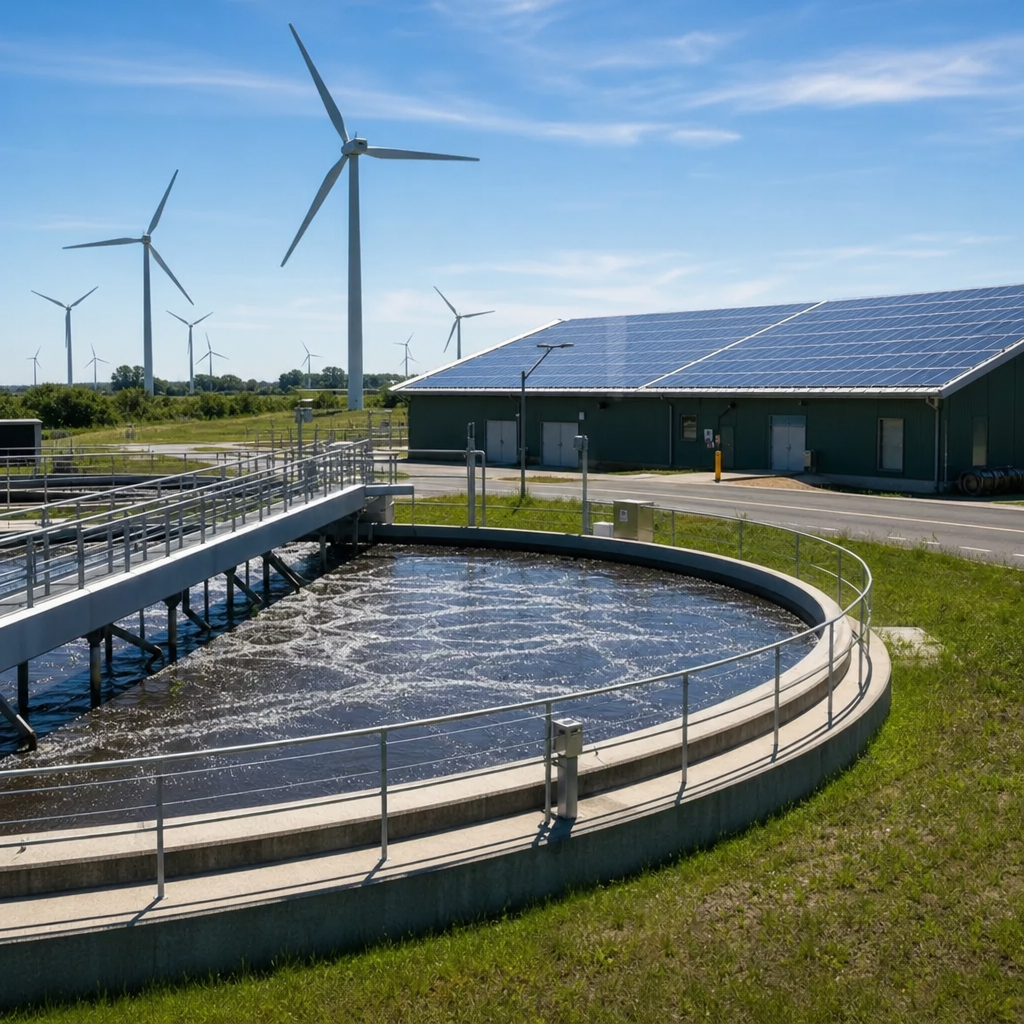
EcoSan is not automatically superior in every setting, but it solves environmental problems that conventional systems often leave unresolved. Sewerage with advanced wastewater treatment can protect water quality very effectively where utilities are well funded, energy is reliable, industrial discharges are controlled, and treatment plants are maintained to standard. In dense, high-income cities, that model can be appropriate. The challenge is that many communities do not have those enabling conditions. Wastewater treatment plants may remove solids but not nutrients. Combined sewer overflows discharge during storms. Septic tanks are installed without regular desludging. Pit latrines are cheap to build but risky near wells and waterways. In those contexts, EcoSan can achieve stronger pollution prevention because it reduces dependence on vulnerable downstream infrastructure.
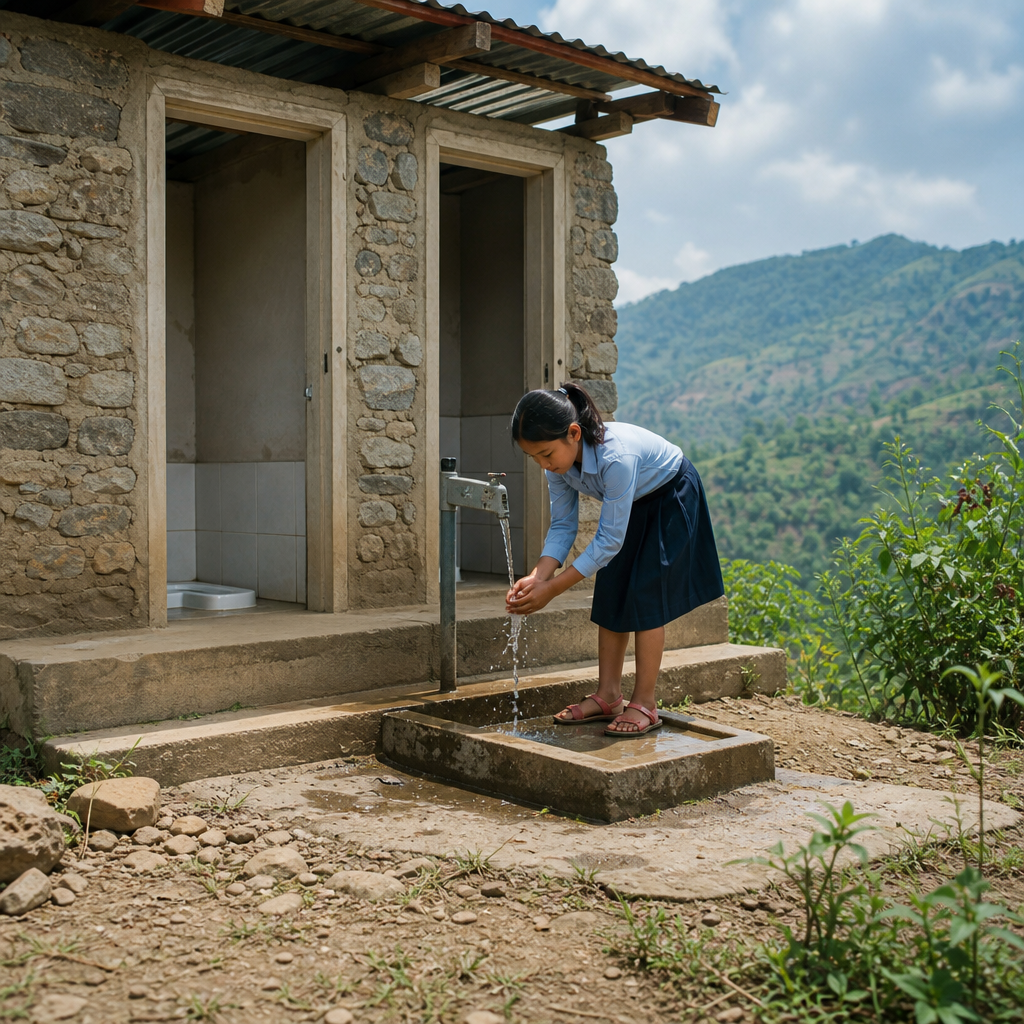
There are tradeoffs. EcoSan requires user participation, regular maintenance, and acceptance of handling treated excreta or urine. Poorly managed systems can smell, attract insects, or fail to sanitize contents adequately. Reuse must follow regulations and local agronomic needs; it is not a free-for-all. Yet the same scrutiny should be applied to conventional sanitation, which also fails when underfunded or badly operated. From an environmental perspective, the key comparison is not idealized sewerage versus idealized EcoSan. It is real-world performance under local constraints. In water-scarce areas, peri-urban settlements, schools, refugee settings, and rural communities, EcoSan frequently provides a more resilient route to reducing water pollution.
Implementation Challenges and What Makes EcoSan Work
For EcoSan and the environment goals to align, implementation quality matters. The most common failures I have encountered come from treating EcoSan as a one-time construction project instead of a service system. A urine-diverting toilet needs correct slope, separation geometry, ventilation, access for emptying, and a reliable supply of cover material. Users need clear instructions on what can enter each chamber. Storage containers need protection from rain and vectors. Reuse plans must match crop cycles, land access, and local perceptions. Without these operational details, environmental benefits remain theoretical.
Successful programs usually share five features: sound site assessment, user-centered design, operator training, monitoring, and institutional support. Site assessment includes groundwater depth, flood risk, soil conditions, and household space. User-centered design means accounting for children, elderly users, menstrual hygiene management, and cleaning practices. Monitoring should include not only construction completion but also vault filling rates, urine diversion performance, odor complaints, and safe end use. Institutional support may come from municipalities, public health departments, farmer cooperatives, or sanitation enterprises that provide emptying and reuse services. Standards from organizations such as the World Health Organization, ISO, and national sanitation authorities help define acceptable treatment and handling practices. Where those pieces are in place, EcoSan becomes a practical environmental protection tool rather than a pilot project curiosity.
Why This Topic Anchors the Wider Environmental Impact Discussion
As a hub within environmental impact, EcoSan and the environment connects several related themes that deserve deeper exploration: water conservation, nutrient cycling, climate adaptation, soil restoration, decentralized infrastructure, and sanitation justice. Water pollution reduction is the entry point because it is immediate and measurable, but the wider significance is systemic. A toilet choice influences fertilizer demand, watershed health, municipal energy use, sludge management, and resilience during drought or floods. That is why this topic belongs at the center of environmental sanitation strategy, not at the margins.
The main takeaway is clear. EcoSan reduces water pollution by preventing raw excreta from mixing with water, capturing nutrients before they reach rivers and lakes, protecting groundwater through better containment, and enabling safe reuse under controlled conditions. It is most effective when paired with training, monitoring, and realistic service models. It is not a universal replacement for all sewered systems, but it is an essential option wherever conventional sanitation is environmentally fragile, financially unrealistic, or water intensive. If you are building an environmental impact framework for sanitation, start here: map the local pollution pathways, assess whether source separation can interrupt them, and examine how EcoSan can turn a waste problem into a water protection strategy.
Frequently Asked Questions
1. How does EcoSan help reduce water pollution?
EcoSan, or ecological sanitation, reduces water pollution by stopping human waste from being mixed with large volumes of water and discharged into the environment. In conventional sanitation systems, untreated or poorly treated sewage can carry pathogens, nitrogen, phosphorus, organic matter, and chemical residues into rivers, lakes, wetlands, and groundwater. Once those pollutants enter water bodies, they can trigger algal blooms, deplete oxygen, spread disease, and damage aquatic ecosystems. EcoSan addresses this problem at the source by separating waste streams and treating them in ways that minimize leakage, runoff, and direct discharge.
Many EcoSan systems, such as urine-diverting dry toilets, composting toilets, and dehydration vaults, are specifically designed to keep urine, feces, and flush water apart or eliminate unnecessary water use altogether. That separation matters because it makes treatment simpler and more effective. Instead of producing diluted wastewater that is difficult to manage, EcoSan creates smaller, more concentrated waste streams that can be sanitized, composted, dehydrated, or reused safely when managed correctly. This greatly lowers the chance that harmful microbes and nutrients will wash into nearby waterways.
Another important benefit is that EcoSan treats human waste as a resource rather than something to be disposed of as quickly as possible. Nutrients such as nitrogen, phosphorus, and potassium can be recovered and used in agriculture instead of being lost to the environment. When sanitation systems are designed to capture these nutrients, they are less likely to end up polluting lakes and coastal areas. In short, EcoSan reduces water pollution by preventing contamination at the source, reducing wastewater generation, improving nutrient recovery, and making safe treatment more practical in communities where sewer infrastructure is limited or unreliable.
2. What types of water pollution can EcoSan prevent?
EcoSan can help prevent several major forms of water pollution that are commonly linked to poor sanitation. The first is pathogen contamination. Human waste can contain bacteria, viruses, protozoa, and helminths that cause diseases such as cholera, dysentery, typhoid, and intestinal infections. When fecal matter leaks into wells, streams, drainage channels, or groundwater, these pathogens can spread quickly through drinking water supplies and local ecosystems. By containing and treating waste before it reaches the environment, EcoSan significantly lowers this public health risk.
EcoSan also helps prevent nutrient pollution, particularly from nitrogen and phosphorus. In many conventional systems, these nutrients are washed away and eventually enter water bodies, where they contribute to eutrophication. That process fuels excessive plant and algae growth, which can reduce water clarity, disrupt aquatic habitats, and create low-oxygen conditions that kill fish and other aquatic life. Source-separating sanitation systems are especially useful here because urine contains a large share of the nutrients found in household sanitation waste. Capturing it separately allows those nutrients to be reused productively instead of becoming pollutants.
In addition, EcoSan can reduce organic pollution and the resulting oxygen demand in water. Untreated wastewater contains organic matter that decomposes in rivers and lakes, consuming dissolved oxygen and placing stress on aquatic organisms. Dry or low-water sanitation systems reduce the amount of wastewater generated in the first place, making it less likely that organic loads will overwhelm local water systems. Depending on system design and local conditions, EcoSan may also reduce contamination from pharmaceuticals and household chemicals by limiting the pathways through which mixed wastewater reaches the environment. Overall, EcoSan is most effective at preventing pathogen pollution, nutrient loading, and wastewater-related ecological damage when systems are properly designed, maintained, and used consistently.
3. Which EcoSan systems are most effective for protecting rivers, lakes, and groundwater?
The most effective EcoSan systems for protecting water resources are usually those that prevent waste from being diluted and dispersed, while also ensuring reliable treatment and containment. Urine-diverting dry toilets are among the best-known examples. These systems separate urine from feces at the toilet interface, which reduces moisture, improves hygiene management, and makes nutrient recovery easier. Because they use little or no water, they sharply reduce the risk of contaminated wastewater flowing into rivers, lakes, or drainage systems. When the collected materials are stored and treated correctly, the overall pollution load reaching the environment can be dramatically reduced.
Composting toilets are another strong option, particularly where there is enough capacity to manage the composting process well. These systems encourage the controlled breakdown of fecal matter into a more stable material, which can reduce pathogens over time if temperature, moisture, aeration, and retention time are properly managed. Dehydration vault systems can also be highly effective, especially in water-scarce areas or places with poor sewer connectivity. By drying fecal matter and keeping it isolated from runoff and groundwater, these systems help limit the movement of contaminants into surrounding ecosystems.
The best system, however, depends heavily on local conditions. Soil type, groundwater depth, flood risk, population density, maintenance capacity, climate, cultural preferences, and agricultural reuse opportunities all matter. For example, an area with high groundwater tables may need above-ground or sealed systems to avoid subsurface contamination. A flood-prone community needs designs that prevent overflow during heavy rainfall. In dense urban settlements, the sanitation chain beyond the toilet, including collection, transport, storage, and reuse or final treatment, becomes just as important as the toilet itself. The key lesson is that no single EcoSan technology works everywhere. The most effective solution is the one that matches the local environment and is supported by training, maintenance, and safe end-use practices.
4. Can EcoSan systems fail to reduce water pollution if they are poorly managed?
Yes, absolutely. EcoSan can be extremely effective, but it is not automatically successful simply because the technology is labeled ecological or water-saving. Like any sanitation approach, it depends on the full system being designed and operated properly. If collection chambers leak, if urine and feces are not adequately separated, if composting or dehydration does not reach safe treatment conditions, or if stored waste is emptied unsafely, then pathogens and nutrients can still enter soil and water. In some cases, poorly managed EcoSan systems can create the same contamination problems they were meant to prevent, especially where drainage, user training, and ongoing maintenance are neglected.
One common reason sanitation projects fail is that too much attention is placed on installing toilets and not enough on what happens afterward. The entire sanitation chain matters: user behavior, cleaning, vault switching, storage time, safe handling, transport, treatment verification, and final reuse or disposal. If any link breaks down, contamination risk increases. For example, a urine-diverting toilet may be technically sound, but if users pour wash water or solid waste into the wrong chamber, the separation process is compromised. Likewise, if composted material is applied to land before it is properly sanitized, runoff during rainfall can carry contaminants into nearby streams or shallow aquifers.
This is why successful EcoSan programs usually include community education, clear operational guidance, regular monitoring, and realistic maintenance plans. Institutional support also matters. Households and communities need access to spare parts, follow-up services, and trusted information about safe reuse. When those elements are in place, EcoSan can deliver strong water protection benefits. When they are missing, even a well-intended project may underperform. The real strength of EcoSan lies not only in the toilet design, but in disciplined management of the entire system from containment to final use.
5. Is EcoSan only useful in rural areas, or can it also reduce water pollution in towns and cities?
EcoSan is often associated with rural settings, but it can also play an important role in reducing water pollution in peri-urban areas, informal settlements, small towns, and even parts of larger cities. In rural communities, EcoSan is attractive because it can function without sewers, use little or no water, and support local nutrient reuse in agriculture. Those features make it especially valuable where groundwater is vulnerable, treatment plants are unavailable, or pit latrines and septic systems are polluting nearby wells and surface waters.
In urban and peri-urban settings, the case for EcoSan is different but equally important. Many towns and cities struggle with aging sewer networks, overloaded treatment plants, illegal discharge, and stormwater systems that carry untreated waste into rivers during heavy rains. Source-separating sanitation can reduce the amount of wastewater entering those systems and make nutrient recovery more feasible. In dense areas, EcoSan may be implemented through container-based sanitation, decentralized treatment, or neighborhood-scale collection models rather than household composting alone. These approaches can be particularly useful where conventional sewer expansion is too expensive, too slow, or technically difficult.
That said, urban EcoSan requires strong management systems. Space constraints, collection logistics, user acceptance, and regulation become more important as density increases. Safe transport and treatment of separated waste streams must be organized professionally to avoid simply shifting pollution from one place to another. When integrated with good service delivery, however, EcoSan can help cities reduce sewage overflows, protect downstream water bodies, recover nutrients, and build more resilient sanitation systems. So while EcoSan is highly effective in rural settings, it should not be viewed as rural-only. With the right design and governance, it can be a powerful tool for reducing water pollution across a wide range of environments.