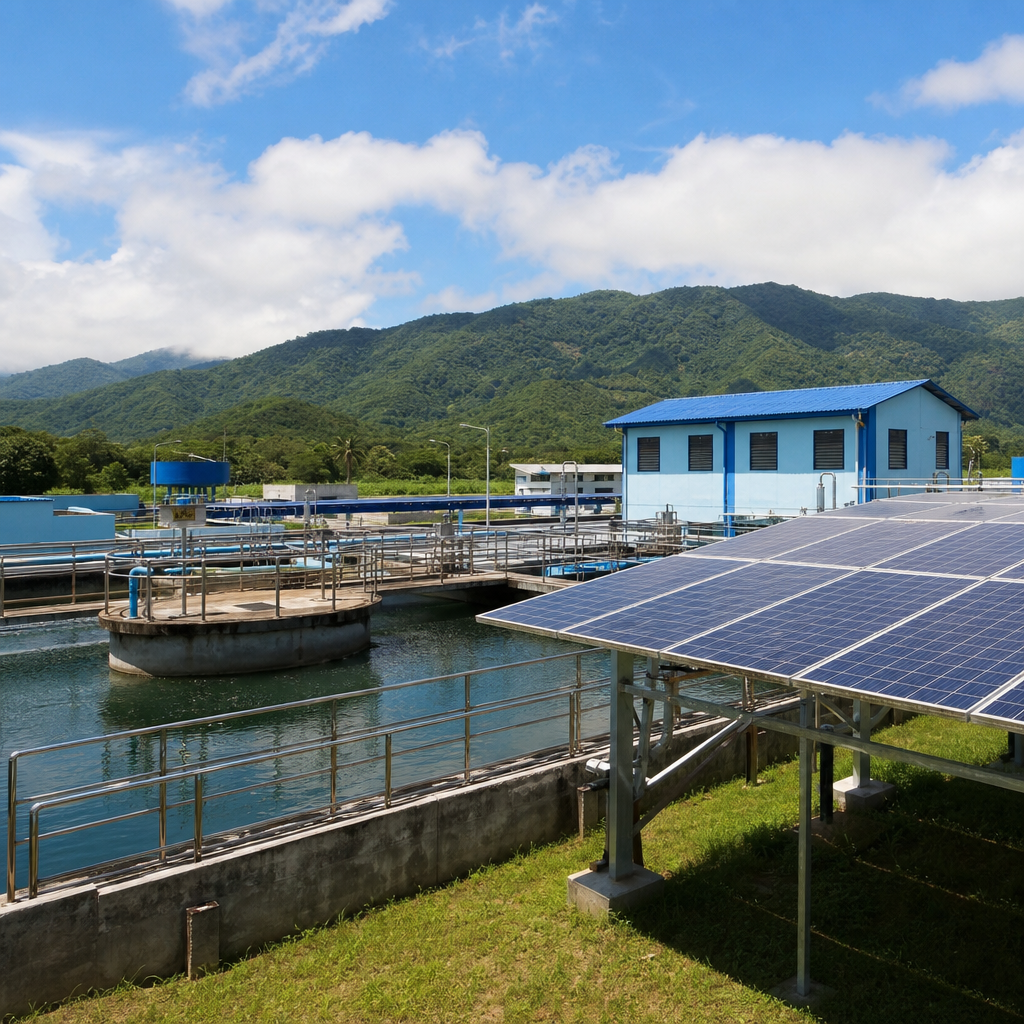
Renewable energy integration in sanitation systems is no longer a niche engineering idea; it is a practical strategy for reducing operating costs, cutting emissions, and expanding safe services in places where power is expensive, unreliable, or unavailable. In sanitation, the term covers the collection, conveyance, treatment, reuse, and final disposal of human waste and wastewater. Renewable energy integration means pairing those sanitation functions with energy sources such as solar, biogas, small wind, and, in some facilities, heat recovery. When designed well, the result is a system that treats waste more reliably while turning an environmental liability into useful power, heat, or fuel.
This topic matters because sanitation is energy intensive across the full service chain. Pumps move sewage through networks and lift stations. Aeration blowers consume large amounts of electricity in activated sludge plants. Dewatering, drying, disinfection, and sludge handling add more demand. At the same time, sanitation failures release methane, nitrous oxide, and untreated effluent into the environment. I have worked on sanitation planning where electricity outages caused treatment bypasses within hours, and the lesson was consistent: resilience is not a luxury feature. It determines whether a sanitation asset protects public health every day or only when the grid cooperates.
As a hub for sustainable practices in sanitation, this article explains how renewable energy can be integrated across centralized sewer systems, decentralized treatment units, fecal sludge management, and resource recovery facilities. It also connects the broader environmental impact of sanitation to practical design choices: energy efficiency first, then renewable supply, then reuse pathways that improve economics. The key terms are straightforward. Energy neutrality means a facility produces as much energy over time as it consumes. Co-digestion means adding other organic wastes, such as food waste, to sewage sludge to increase biogas yield. Resource recovery means extracting value from wastewater in the form of water, nutrients, biosolids, and energy. Understanding these concepts helps utilities, municipalities, developers, and site operators choose systems that are technically sound and financially realistic.
Renewable energy does not solve every sanitation problem. Poor operation, weak pretreatment, and underfunded maintenance will still undermine performance. Yet when renewables are integrated with efficient equipment, proper controls, and trained operators, they materially improve sustainability. They lower lifecycle emissions, reduce dependence on diesel generators, and support circular sanitation models that are increasingly relevant under climate pressure, urban growth, and tighter discharge requirements.
Why renewable energy belongs in sustainable sanitation planning
The environmental case starts with emissions and pollution. Wastewater treatment plants are major electricity users within municipal infrastructure, and in many countries the grid still relies heavily on fossil fuels. Every kilowatt-hour avoided or replaced by renewable generation reduces indirect emissions. Direct emissions also matter. Uncontrolled decomposition of sludge and septic waste releases methane, a potent greenhouse gas. Capturing that gas through anaerobic digestion and using it for combined heat and power is one of the clearest examples of climate-smart sanitation. It reduces methane escape while offsetting purchased electricity and boiler fuel.
The operational case is equally strong. In peri-urban and rural sanitation, grid instability can cause pumps to fail, UV systems to shut down, or packaged treatment units to underperform. Solar-powered pumping and battery-backed controls can keep essential functions running during outages. In fecal sludge treatment, solar drying reduces fuel use and improves throughput where thermal drying would be uneconomic. In institutions such as hospitals, schools, and worker camps, decentralized systems paired with rooftop solar can maintain treatment standards without waiting for utility upgrades. Sustainable sanitation is not only about using less energy; it is about ensuring service continuity and protecting downstream ecosystems.
From a financial perspective, the best projects begin with a simple principle I use in energy audits: reduce demand before adding generation. High-efficiency blowers, variable frequency drives, dissolved oxygen control, gravity-based flow where possible, and leak reduction can cut energy intensity significantly. After that, renewable integration becomes smaller, cheaper, and easier to justify. Utilities increasingly evaluate projects using lifecycle cost rather than lowest capital cost alone. That shift is important because solar arrays, digesters, gas cleaning systems, and heat exchangers often pay back over years through avoided energy purchases, reduced hauling, lower carbon exposure, and more stable operations.
Technologies that connect renewable energy and sanitation systems
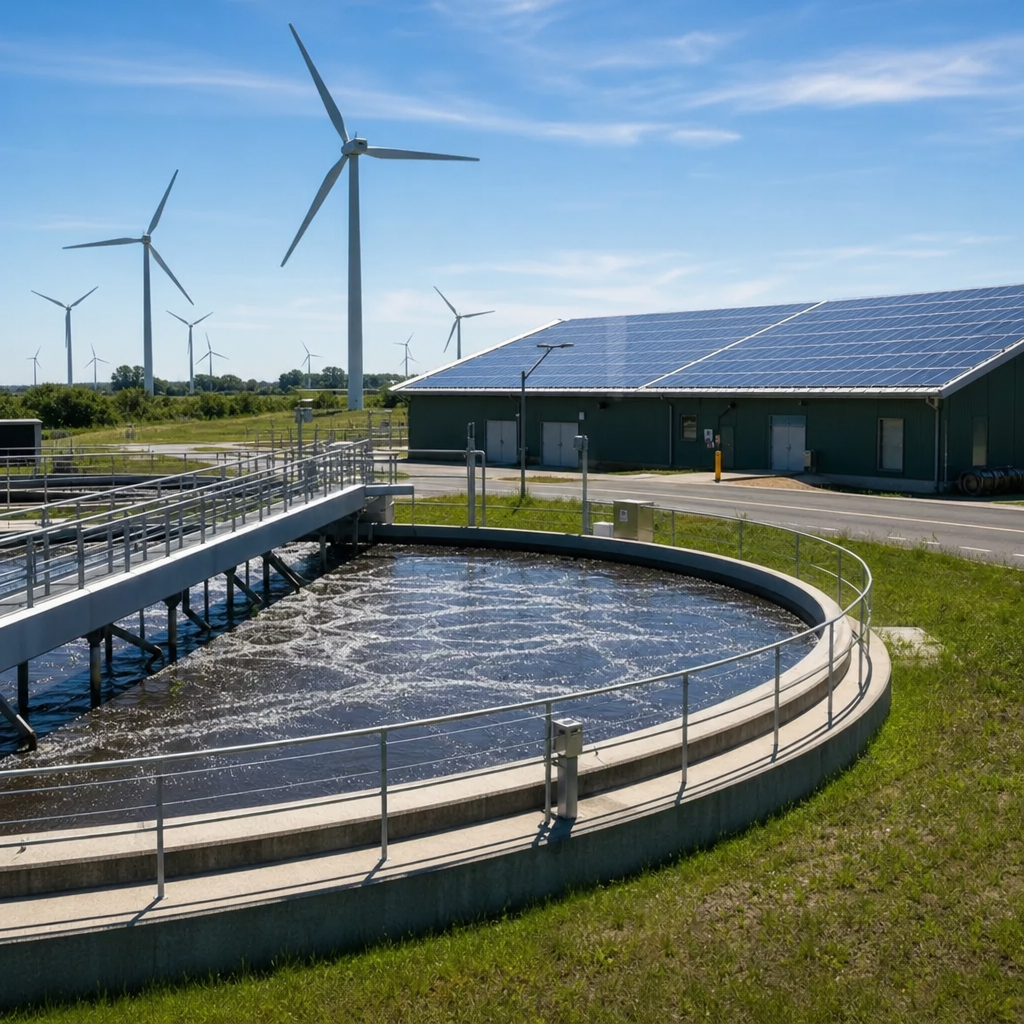
Solar is the most widely applicable renewable option in sanitation. It powers remote borehole pumps, septic desludging transfer stations, decentralized treatment plants, telemetry, and odor control systems. At larger wastewater plants, solar photovoltaic arrays can offset daytime baseload demand from blowers, pumps, and buildings. Where land is scarce, canopies over clarifiers, parking areas, or reservoirs may be used. Floating solar on treatment ponds is gaining attention because it reduces evaporation while generating electricity. The limitation is intermittency, so critical disinfection or pumping loads still need storage, demand management, or grid backup.
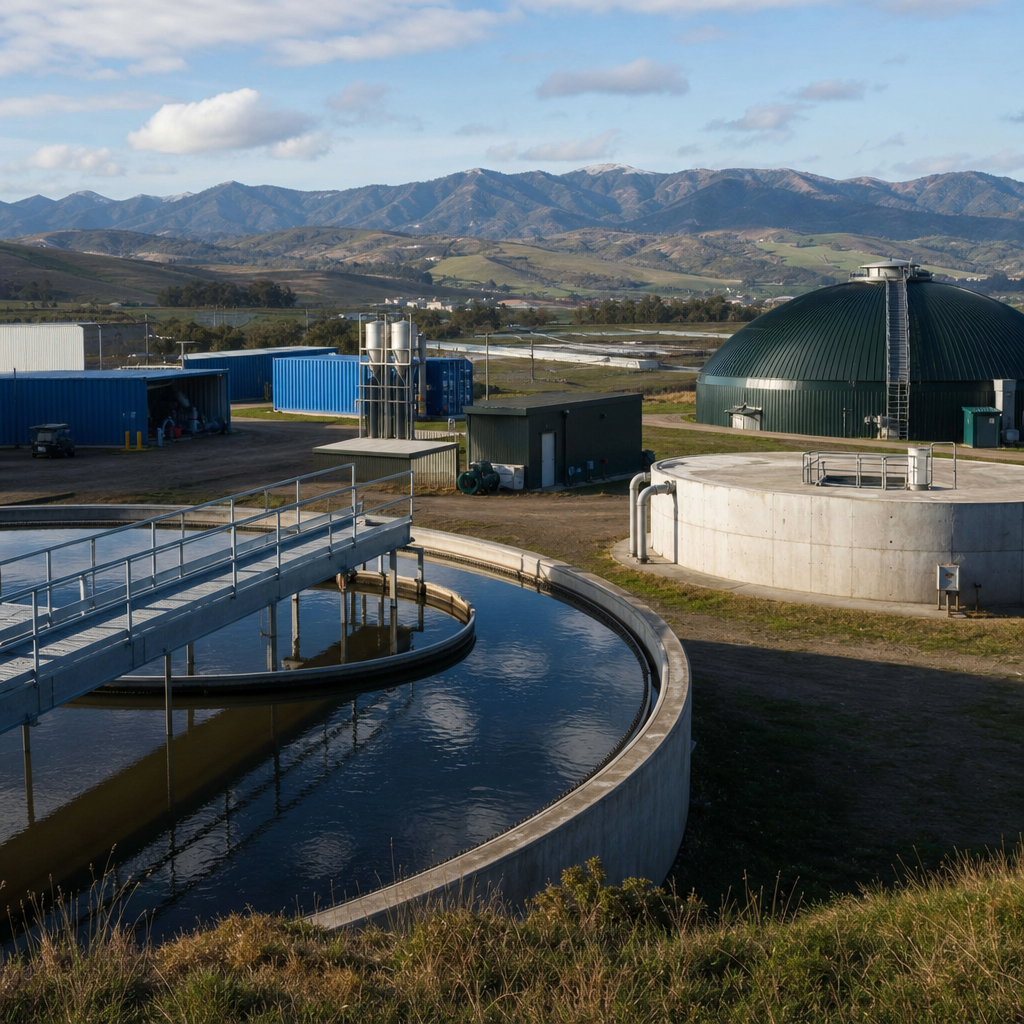
Biogas is often the highest-value energy source in medium and large treatment plants because it is produced on site from sludge. Anaerobic digesters convert volatile solids into methane-rich gas that can fuel boilers, microturbines, engines, or upgraded biomethane systems. Well-run digesters depend on feed consistency, temperature control, mixing, and gas handling safety. Co-digestion with source-separated organics can boost gas output, but it requires careful screening and contamination control. In my experience, the strongest biogas projects are not the ones with the biggest digesters; they are the ones with disciplined sludge thickening, reliable flare backup, and operators trained to track alkalinity, volatile fatty acids, and gas quality.
Other renewable and recovery technologies play supporting roles. Heat pumps can recover thermal energy from wastewater in buildings or district systems. Small wind can contribute at exposed coastal sites, though it is less common because sanitation loads often align better with solar and biogas. Hydro turbines may recover energy in gravity interceptors or outfalls where head is available. Thermal drying powered by recovered heat can produce marketable biosolids with lower moisture content. These options show that renewable integration is not one technology but a portfolio matched to scale, climate, waste characteristics, and operator capacity.
| Sanitation application | Best-fit renewable option | Main benefit | Key limitation |
|---|---|---|---|
| Remote pumping and decentralized treatment | Solar photovoltaic with batteries | Reliable off-grid operation | Storage adds cost and maintenance |
| Municipal sludge treatment | Anaerobic digestion and biogas CHP | High on-site energy recovery | Requires skilled process control |
| Fecal sludge drying | Solar drying greenhouses | Low operating energy demand | Weather affects throughput |
| Large treatment plants with land | Ground-mount or floating solar | Offsets daytime electricity use | Does not cover all process loads |
| Buildings near sewer heat sources | Wastewater heat recovery | Cuts heating energy use | Needs favorable temperature and flow |
Integration across centralized, decentralized, and non-sewered sanitation
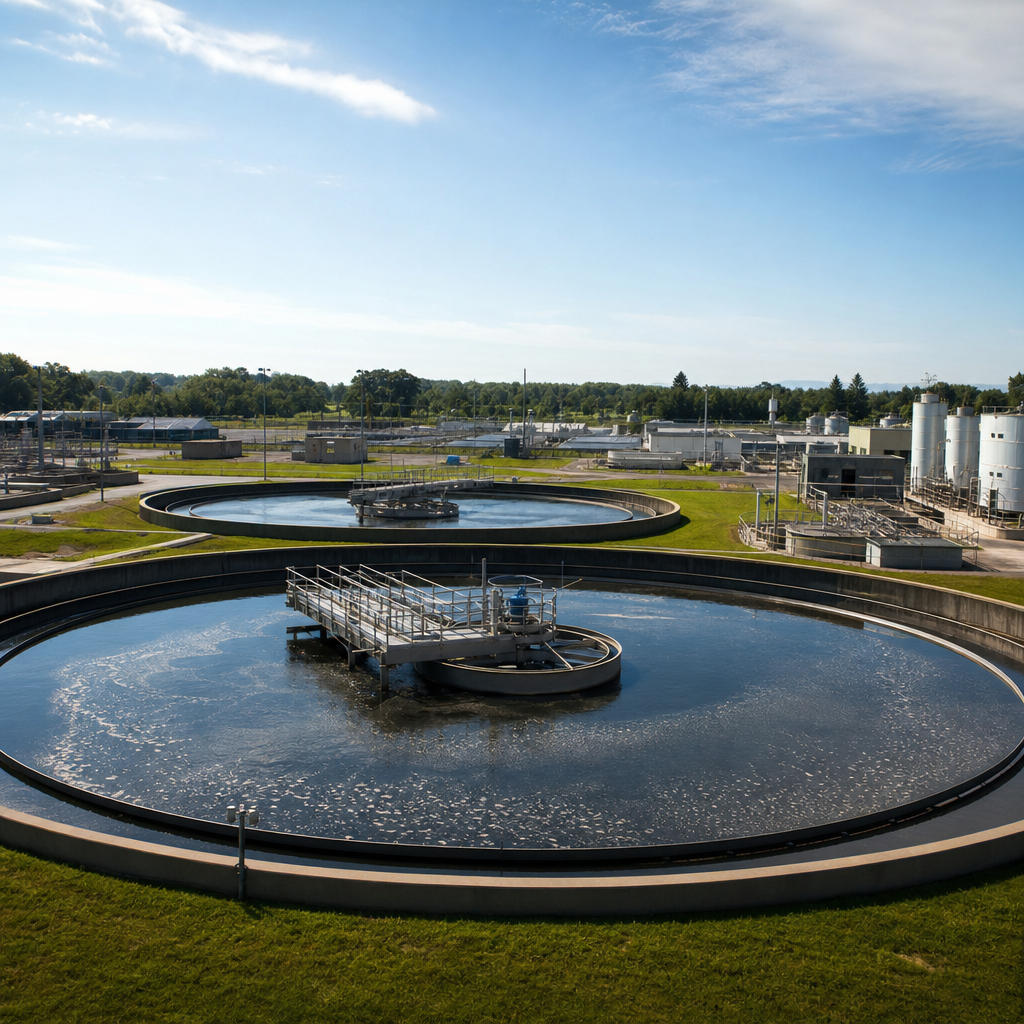
Centralized sewered systems usually offer the largest absolute energy savings because they concentrate high loads in one facility. Aeration commonly dominates electricity use in biological treatment, so the first integration step is process optimization. Fine-bubble diffusers, blower controls, and real-time oxygen management reduce demand before renewable generation is sized. Sludge lines then become the center of resource recovery. Primary sludge and waste activated sludge are thickened, digested, and converted to biogas. CHP units use that gas to produce electricity and useful heat for digester temperature maintenance. Advanced plants may also recover phosphorus as struvite, adding another sustainability benefit by reducing scaling and producing a fertilizer product.
Decentralized systems are different. Their strength is proximity to the point of waste generation, which reduces sewer construction, infiltration, and pumping energy. Common examples include membrane bioreactors for campuses, moving bed biofilm reactors for hotels, and packaged plants for industrial estates or housing developments. These systems are often excellent candidates for solar integration because their loads are predictable and their sites may include roof area or adjacent land. In regions with intermittent grids, I have seen simple design changes make a major difference: scheduling backwash during solar production hours, using gravity flow between treatment stages, and selecting disinfection methods that match available power quality. For small communities, a modest solar array can be more transformative than a sophisticated treatment upgrade that cannot be operated consistently.
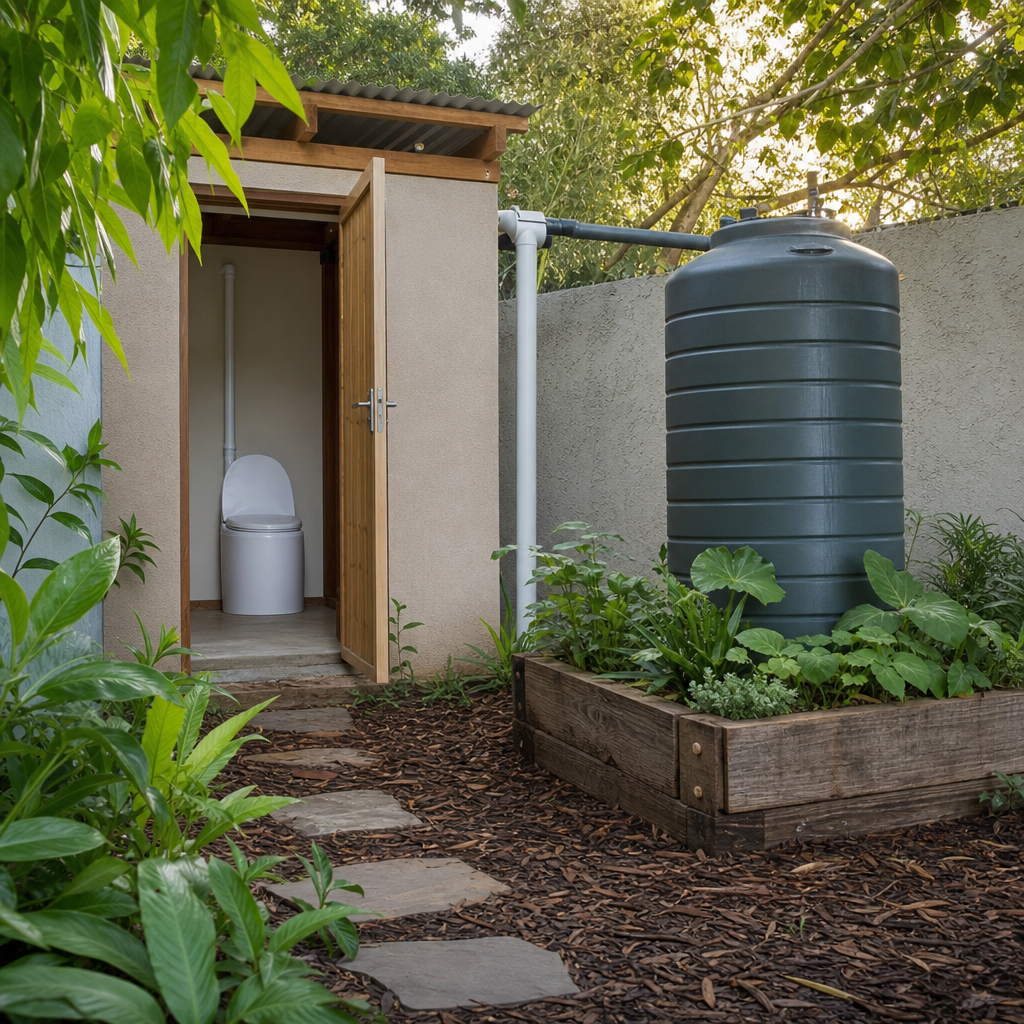
Non-sewered sanitation and fecal sludge management are central to sustainable sanitation globally. Pit latrines, septic tanks, container-based sanitation, and public toilets all require collection, transport, treatment, and safe end use or disposal. Renewable energy can support every step. Solar-powered toilet blocks improve lighting, ventilation, and handwashing reliability. Transfer stations and treatment sites can use solar pumps and controls. Drying beds enclosed in greenhouse structures accelerate sludge drying and reduce rain impacts. At larger fecal sludge plants, digesters can treat septage blended with organic waste, though grit and trash removal are essential. The broader point is that renewable integration should not be reserved for high-budget sewered cities; it can improve environmental performance across the full sanitation ladder.
Design, economics, and operational requirements for successful projects
Successful renewable energy integration in sanitation systems depends on disciplined design. Start with a site-specific energy balance. Identify baseload and peak loads, critical versus deferrable loads, seasonal variation, and power quality requirements. Then assess resource availability: solar irradiation, sludge quantity and volatile solids, wastewater temperature, wind regime, and available footprint. Technology choice follows the data. A treatment plant with strong sludge production but limited land may favor digestion over solar. A remote pumping corridor with high irradiation and no sludge process may favor solar plus batteries. Hybrid systems are common because sanitation loads are continuous while renewable supply can vary.
Economics should be evaluated over the full asset life. Capital expenditure alone can mislead decision-makers. For example, solar-powered aeration may look expensive upfront, but diesel backup fuel, generator maintenance, outage risk, and future electricity tariffs can make it cost-effective over ten to twenty years. Biogas projects require realistic assumptions about gas yield, parasitic loads, maintenance downtime, and flare needs. I advise clients to stress-test financial models under conservative methane production and higher maintenance scenarios. Projects that only work on optimistic assumptions are usually not robust enough for public infrastructure. Grants, feed-in tariffs, green bonds, and carbon finance can improve viability, but they should not compensate for weak engineering fundamentals.
Operations and maintenance are where many sanitation energy projects succeed or fail. Digesters need stable feeding, instrumentation, gas-tight systems, and safety protocols for hydrogen sulfide, pressure relief, and confined spaces. Solar arrays need cleaning plans, inverter support, and protection from corrosion in humid environments. Batteries require temperature management and replacement planning. Supervisory control and data acquisition systems help operators track generation, demand, and process health, but only if staff are trained to use the data. Standard methods from organizations such as the Water Environment Federation, International Water Association, and ISO energy management guidance provide useful structure. Strong projects include operator training from day one rather than treating it as a post-commissioning add-on.
Environmental impact, policy drivers, and future directions
The environmental benefits extend beyond carbon. Better-powered sanitation reduces bypass events, improves effluent compliance, and protects rivers, groundwater, soils, and coastal waters from nutrient and pathogen pollution. Renewable integration also supports water reuse because tertiary treatment and disinfection become more dependable when energy is stable. In water-stressed regions, that link is decisive. A reuse scheme for irrigation, industry, or groundwater recharge only works when treatment performance is consistent. Renewable-backed systems improve that consistency, especially where grid reliability is poor.
Policy is moving in the same direction. Climate action plans increasingly include wastewater methane reduction, energy efficiency mandates, biosolids strategies, and circular economy targets. Development banks and national programs now fund utility decarbonization, resilient infrastructure, and non-sewered sanitation innovation. Corporate sites are also under pressure to lower Scope 1 and Scope 2 emissions, making on-site wastewater energy recovery more attractive. The future will likely bring tighter integration of digital controls, predictive maintenance, nutrient recovery, and modular treatment systems that are easier to power with distributed renewables. Still, no policy trend changes the basic rule: the most sustainable sanitation systems are the ones that match technology complexity to local operational capacity.
Renewable energy integration in sanitation systems strengthens sustainable practices in sanitation by making services cleaner, more resilient, and more affordable over time. The strongest projects combine three elements: efficient process design, renewable energy matched to local conditions, and operations that are realistic for the people who will run the system every day. Solar supports pumps, controls, and decentralized treatment. Biogas turns sludge into heat and electricity. Heat recovery and other niche options add value where conditions fit. Across centralized plants, decentralized facilities, and non-sewered sanitation, the goal is the same: protect public health while reducing environmental burden.
For municipalities, utilities, engineers, and site owners, the practical next step is to assess the sanitation service chain as one connected system rather than a set of isolated assets. Measure current energy use, identify failure points during outages, quantify sludge and organic waste streams, and evaluate which renewable options can improve reliability first. That approach leads to better investment decisions than chasing headline technologies. If you are building an environmental impact strategy or expanding sustainable practices in sanitation, use this hub as the starting point and prioritize projects that deliver measurable treatment performance, lower emissions, and durable operating savings.
Frequently Asked Questions
What does renewable energy integration in sanitation systems actually mean?
Renewable energy integration in sanitation systems means using clean, locally available energy sources to support one or more parts of the sanitation chain, including waste collection, pumping, treatment, sludge management, water reuse, and final disposal. In practical terms, that can include solar-powered pumps for moving wastewater, biogas recovery from digesters to run generators or produce heat, small wind systems for remote facilities, and hybrid setups that combine renewables with batteries, grid power, or backup generators. The goal is not simply to “add solar panels” to a plant. It is to match the energy needs of sanitation operations with technologies that improve reliability, lower long-term costs, and reduce dependence on fossil fuels or unstable electricity supplies.
This matters because sanitation systems are energy-dependent at many stages. Pumps move sewage and sludge, aeration equipment supports biological treatment, disinfection systems need power, and reuse schemes often require filtration or pressurization. In areas where electricity is costly or unreliable, service quality can suffer, operating budgets can become strained, and untreated waste may be discharged when systems fail. Integrating renewable energy helps make these services more resilient. It can also unlock sanitation access in off-grid and peri-urban areas where conventional infrastructure expansion is slow or unaffordable.
Importantly, renewable integration is not one-size-fits-all. A small decentralized toilet block may only need solar energy for lighting, ventilation, and a transfer pump, while a large wastewater treatment plant may use biogas captured from sludge digestion to offset a meaningful portion of its total energy demand. The most successful projects start with a clear understanding of the sanitation process, the local energy context, and the operational capacity of the utility or service provider. When designed well, renewable energy becomes a functional part of sanitation performance rather than an add-on feature.
Which renewable energy sources are most commonly used in sanitation systems?
The most common renewable energy sources in sanitation are solar energy and biogas, largely because they align well with real operational needs. Solar photovoltaic systems are widely used to power pumps, sensors, controls, lighting, and small treatment units, especially in remote, decentralized, or intermittently powered locations. They are modular, increasingly affordable, and relatively simple to deploy. In sanitation, solar can support borehole pumps linked to toilet facilities, wastewater lift stations, container-based sanitation transfer points, fecal sludge treatment plants, and small-scale reuse systems. In some cases, solar thermal energy is also used for sludge drying or heating process streams, though this is less common than photovoltaics.
Biogas is especially valuable where sanitation systems include anaerobic digestion or where wastewater and sludge have enough organic content to produce methane. Digesters at treatment plants, institutional sanitation systems, agro-industrial sanitation facilities, and co-treatment setups can generate biogas that is used directly for heat, cooking, sludge drying, or electricity generation through engines or combined heat and power units. Biogas is attractive because it converts a sanitation by-product into usable energy while also reducing methane emissions that would otherwise escape into the atmosphere. In well-operated systems, this can improve plant economics and support more stable energy self-sufficiency.
Other renewable options can also play a role depending on local conditions. Small wind systems may be suitable in exposed coastal or rural locations, though they are less common due to maintenance and site variability. Micro-hydropower may be relevant in specialized water and wastewater conveyance settings with sufficient flow and head, but it is uncommon in typical sanitation infrastructure. More often, the strongest solutions are hybrid systems. For example, a treatment plant may use solar during the day, biogas for base-load generation, batteries for smoothing demand, and the grid or a generator as backup. The right choice depends on energy demand profiles, waste characteristics, land availability, climate, financing, and the technical capacity available for operation and maintenance.
What are the main benefits of using renewable energy in sanitation infrastructure?
The biggest benefits are lower operating costs, better service reliability, reduced greenhouse gas emissions, and greater access to sanitation in underserved areas. Energy is often a major recurring expense in sanitation, particularly for pumping, aeration, dewatering, and treatment processes. When facilities generate some of their own power through solar or biogas, they can reduce electricity bills, shield themselves from fuel price volatility, and improve budget predictability. For utilities and municipalities under financial pressure, that can make a real difference in keeping systems functional over the long term.
Reliability is equally important. In many regions, sanitation services are disrupted by frequent outages, weak grids, or high diesel costs. Renewable systems, especially when paired with storage or backup controls, can keep critical equipment running and reduce the risk of untreated wastewater releases, overflowing stations, or downtime at fecal sludge treatment sites. This has direct public health value. Sanitation is not just an engineering service; it is a health protection system. When energy interruptions compromise that system, the consequences can spread quickly through communities and local water resources.
There are also strong environmental benefits. Wastewater and sludge management can be carbon-intensive, especially when powered by fossil-based electricity or diesel. Renewable integration reduces those emissions, and biogas recovery can further cut climate impacts by capturing methane from organic waste streams. In addition, renewable-powered sanitation can support safe water reuse, nutrient recovery, and circular economy models by making treatment more affordable and more feasible in places where conventional energy costs would otherwise be a barrier. Over time, these advantages can improve both sustainability outcomes and service expansion. The key point is that renewable energy is not only about climate goals; it can strengthen the practical, day-to-day performance of sanitation systems.
What challenges should planners and operators consider before integrating renewable energy into sanitation systems?
The first challenge is technical fit. Sanitation systems have very specific energy demands, and renewable technologies only perform well when they are matched to those demands. A plant with high nighttime loads, for example, may not benefit much from solar alone unless batteries or other balancing measures are included. A biogas project may look promising on paper but underperform if sludge volumes are low, feedstock quality is inconsistent, or digester operation is poor. Good project design begins with a detailed energy audit, process assessment, and resource analysis rather than assumptions about what technology is popular or available.
Operations and maintenance are another major consideration. Renewable systems can reduce fuel dependence, but they do not eliminate the need for skilled management. Solar equipment needs cleaning, monitoring, and inverter maintenance. Biogas systems require careful control of digestion conditions, gas handling, safety systems, and equipment servicing. If spare parts are difficult to obtain or staff have not been trained, performance can degrade quickly. This is especially important in public sanitation infrastructure, where responsibility for upkeep may be split across utilities, local governments, contractors, and facility operators. Clear ownership and maintenance planning are essential from the start.
Financial and institutional barriers can also be significant. Although lifecycle costs may be favorable, the upfront capital for renewable energy equipment can be difficult to secure, particularly in low-resource settings. Procurement systems may not be set up to evaluate long-term value, and decision-makers may prioritize cheapest initial cost over durable performance. Regulatory issues can further complicate projects, such as restrictions on grid interconnection, unclear rules for energy sales, or limited standards for decentralized sanitation-energy systems. Finally, social acceptance should not be overlooked. Community users, plant staff, and local officials are more likely to support a project when its benefits, limitations, and operating model are clearly explained. The most successful integrations are built on realistic design, strong institutions, and long-term operational readiness.
How can cities, utilities, and developers successfully implement renewable energy in sanitation projects?
Successful implementation usually starts with planning sanitation and energy together rather than treating energy as an afterthought. Cities and utilities should begin by identifying where energy is being used across the sanitation service chain and where the biggest reliability, cost, or emissions problems exist. That may reveal quick wins, such as solar for remote pumping stations, as well as larger strategic opportunities, such as biogas recovery at centralized treatment plants or renewable power for fecal sludge processing hubs. A phased approach often works best: pilot the technology in a manageable setting, document performance, refine the design, and then scale up based on measured results.
Strong project preparation is critical. That includes demand profiling, site assessments, waste characterization, technology selection, financial modeling, and risk analysis. It also means deciding early who will own, operate, and maintain both the sanitation assets and the energy assets. In some cases, a public utility may manage everything directly. In others, performance contracts, public-private partnerships, or specialized service providers may be more effective. Procurement documents should emphasize lifecycle performance, durability, training, and after-sales support, not just installation cost. For biogas projects in particular, reliable operation depends on process discipline, gas safety protocols, and a realistic understanding of feedstock availability.
Long-term success also depends on policy support, capacity building, and performance monitoring. Utilities and municipalities benefit from staff training in both sanitation operations and renewable energy systems, along with simple dashboards or monitoring tools that track generation, consumption, downtime, and maintenance needs. Financing can come from blended sources, including municipal budgets, development finance, climate funds, results-based programs, or carbon-related mechanisms where applicable. Most importantly, renewable integration should be tied to service outcomes such as more reliable treatment, safer reuse, lower operating costs, and expanded sanitation access. When projects are framed around those