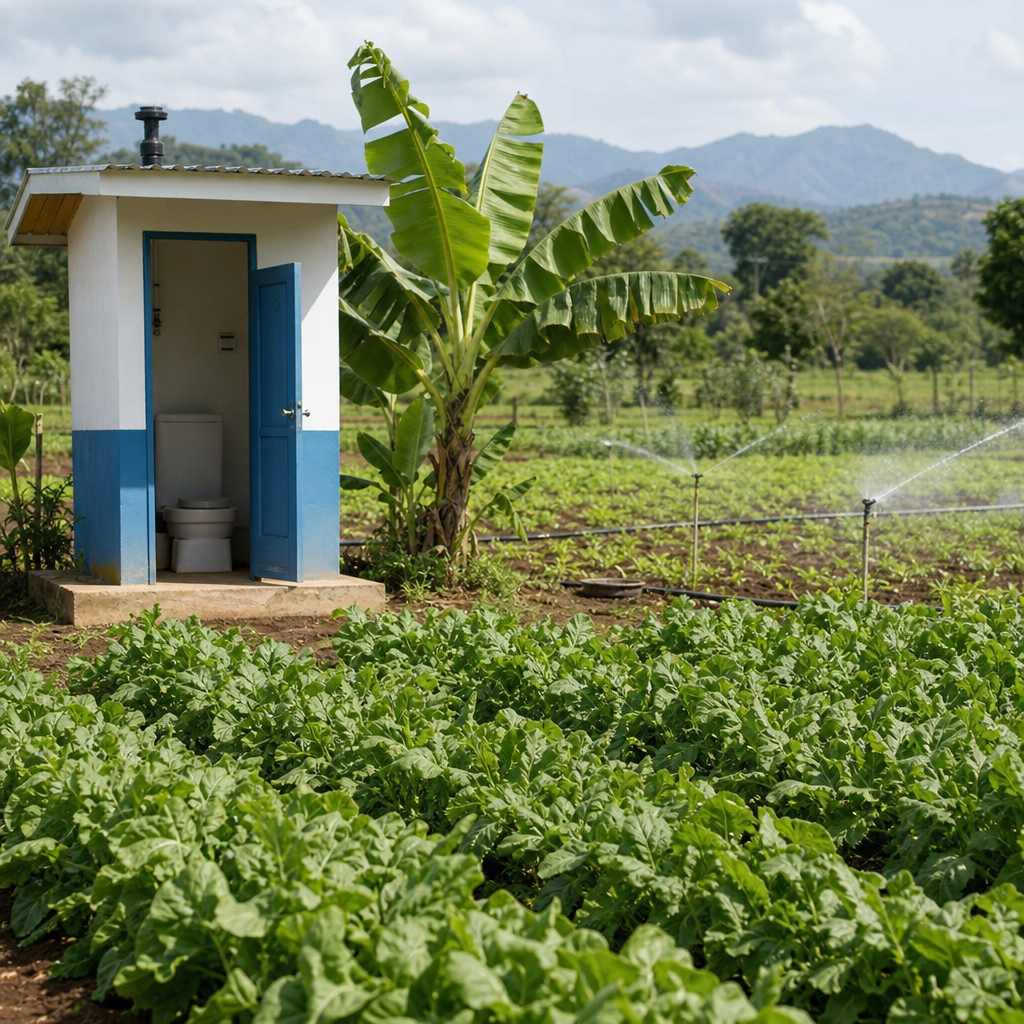
EcoSan’s role in sustainable landscape management sits at the intersection of sanitation, soil stewardship, water conservation, and climate resilience. In practice, EcoSan, short for ecological sanitation, is a systems approach that treats human waste as a resource stream rather than a disposal problem. I have seen this shift change project outcomes on farms, campuses, parks, and peri-urban settlements where conventional sewer expansion was too costly or environmentally damaging. When designed well, EcoSan protects groundwater, reduces nutrient losses, supports healthier soils, and lowers pressure on freshwater supplies. That makes it directly relevant to environmental impact, especially in landscapes already stressed by drought, runoff, erosion, and rising input costs.
Sustainable landscape management means planning, using, and restoring land in ways that maintain ecological function while meeting human needs. It includes stormwater control, vegetation management, soil fertility, biodiversity support, and efficient resource use across public, agricultural, and institutional landscapes. Conventional sanitation often works against those goals. Flush systems move nutrients away from the land, consume treated drinking water, and can pollute rivers and aquifers when infrastructure fails. EcoSan reverses that pattern by separating waste streams, promoting safe treatment, and enabling controlled reuse of nutrients and organic matter. The result is not just sanitation with fewer harms, but sanitation that actively contributes to better land management.
This hub article explains how EcoSan and the environment connect across the full landscape cycle. It covers nutrient recovery, water savings, soil health, pollution prevention, biodiversity, climate implications, design considerations, and practical implementation lessons. It also addresses common questions directly: How does EcoSan reduce environmental impact? Where does it work best? What are the tradeoffs? Which standards matter? For readers exploring the wider Environmental Impact topic, this page provides the foundation. It shows why ecological sanitation is not a niche idea, but a practical framework for landscapes that need to be productive, resilient, and ecologically sound at the same time.
How EcoSan Changes Resource Flows in the Landscape
The core environmental value of EcoSan is simple: it closes loops that conventional sanitation leaves open. Human excreta contain nitrogen, phosphorus, potassium, sulfur, micronutrients, and organic carbon. In a flush-and-discharge model, those materials become pollutants that must be diluted, transported, and treated. In an EcoSan model, they can be captured, sanitized, and returned to land under controlled conditions. From a landscape management perspective, that changes material flows at the source. Nutrients stay closer to where food is grown or green spaces are maintained, reducing dependence on synthetic fertilizers and cutting the risk of downstream eutrophication.
Urine-diverting dry toilets, composting toilets, dehydrating toilets, and source-separating collection systems are common EcoSan technologies. The technical choice depends on climate, soil conditions, user density, maintenance capacity, and local regulation. In dryland projects I have worked on, urine diversion was often the most immediately useful feature because it reduced moisture in the solid chamber, improved pathogen die-off, and produced a nutrient-rich liquid stream that could be diluted and applied to non-food landscapes or tree crops according to local health rules. In wetter regions, vault design, ventilation, leachate control, and storm protection matter more because rainfall can compromise treatment and create seepage risks.
What matters environmentally is not one device but the system logic. EcoSan treats sanitation as part of watershed management, nutrient management, and land restoration. A school campus, for example, can pair source-separating toilets with constructed wetlands for greywater, compost maturation bays for solids, and tree belts irrigated with treated water. A park can use low-water sanitation in remote zones where sewer trenching would disturb habitat. A farm can integrate sanitized outputs into fertility planning, reducing purchased inputs while building soil structure over time. In each case, sanitation stops being an isolated utility function and becomes part of landscape performance.
Water Conservation and Watershed Protection
One of EcoSan’s clearest environmental benefits is reduced water demand. Conventional toilets can use several liters per flush, and in high-use public or institutional settings that adds up quickly. Waterless or low-flush EcoSan systems cut this demand at the fixture level. In water-scarce regions, the savings are strategic, not marginal. Less potable water is diverted into waste transport, and less wastewater requires centralized treatment. That lowers the energy footprint of pumping and treatment while preserving supplies for drinking, irrigation, and ecological base flows.
Watershed protection is equally important. When sanitation systems leak, overflow, or fail, pathogens and nutrients enter groundwater, drainage channels, wetlands, and rivers. Nitrate contamination is a serious risk in areas with shallow aquifers, permeable soils, or poorly built pit latrines. EcoSan systems that use sealed vaults, urine separation, controlled storage, and lined treatment areas can sharply reduce this contamination pathway. The environmental gain is especially strong in sensitive landscapes near lakes, estuaries, conservation zones, and drinking water recharge areas.
Greywater integration adds another layer. Many EcoSan projects separate blackwater from greywater, making treatment simpler and reuse more realistic. Lightly contaminated water from handwashing, showers, and sinks can be routed to mulch basins, biofilters, or constructed wetlands, depending on local code and design intent. That supports vegetation without overloading soil with pathogens. In landscape terms, this means one site can reduce freshwater demand, keep nutrients out of waterways, and support planted systems that cool the microclimate and stabilize soil.
| Environmental issue | Conventional sanitation effect | EcoSan landscape effect |
|---|---|---|
| Freshwater use | High water demand for flushing | Waterless or low-water operation preserves potable supplies |
| Nutrient loss | Nitrogen and phosphorus treated as waste | Nutrients recovered for managed land application |
| Groundwater risk | Leakage from pits, pipes, or septic systems can contaminate aquifers | Sealed, source-separated systems reduce seepage pathways |
| Runoff pollution | Overflows can add pathogens and nutrients to waterways | Controlled storage and reuse reduce discharge pressure |
| Soil fertility | Landscapes rely more on external fertilizer inputs | Treated outputs can support soil amendments and nutrient cycling |
Nutrient Recovery, Soil Health, and Regenerative Landscapes
EcoSan contributes to sustainable landscape management most directly through nutrient recovery. Human urine contains most of the nitrogen and a substantial share of the phosphorus and potassium excreted by households. Fecal matter contributes organic matter and additional nutrients, though it requires stricter treatment because pathogen risks are higher. When these streams are safely managed, they can support ornamental landscapes, forestry, agroforestry, revegetation, and in some jurisdictions food production under defined treatment and withholding rules. The environmental significance is large because phosphorus is a finite mined resource, while synthetic nitrogen depends heavily on fossil-fuel-intensive production.
Soil health benefits follow when recovered resources are applied correctly. Compost-like outputs from well-operated dry sanitation systems can improve soil structure, increase water-holding capacity, and support microbial activity, particularly in degraded or compacted soils. I have seen urban fringe tree-planting projects perform better where stabilized organic amendments were incorporated into planting pits and surface basins. The benefit was not just added nutrients. The improved tilth reduced crusting, increased infiltration, and helped young trees survive heat stress with fewer irrigation events. That is the kind of systems-level gain that landscape managers care about.
Still, nutrient reuse is not automatic. It depends on treatment time, temperature, pH, moisture control, storage conditions, and application discipline. The World Health Organization has long emphasized multiple barriers for safe reuse, including treatment, crop restrictions, application methods, withholding periods, and worker hygiene. Those principles matter because environmental performance and public health performance are linked. A poorly managed reuse program can damage both land and trust. A well-managed one reduces waste, improves soil function, and creates a measurable circular economy benefit at the site scale.
Pollution Prevention, Biodiversity, and Climate Resilience
EcoSan reduces pollution in ways that extend beyond water quality. By lowering untreated discharges and improving nutrient stewardship, it can limit algal blooms, oxygen depletion, and habitat degradation in receiving waters. That matters for fisheries, amphibian breeding areas, riparian vegetation, and wetland health. In landscapes where biodiversity goals are part of site management, sanitation design becomes a conservation tool. Preventing seepage into ecologically sensitive soils or runoff into adjacent streams protects species indirectly but meaningfully.
There is also a climate resilience dimension. Drought, intense rainfall, flooding, and infrastructure stress all challenge conventional sanitation networks. EcoSan systems can be more adaptable because they are modular, decentralized, and less dependent on uninterrupted water supply. In flood-prone zones, elevated or sealed systems can outperform pits that inundate and spread contamination. In remote conservation or tourism sites, decentralized systems avoid the disturbance of long sewer lines and reduce operational vulnerability. In heat-prone landscapes, better soil organic matter from recycled amendments can improve moisture retention, buffering vegetation against climate stress.
Greenhouse gas outcomes require nuance. EcoSan does not automatically outperform every sewered system in every context. Poorly managed anaerobic storage can generate methane, and transport for off-site processing can offset some gains. However, dry or source-separating systems often avoid the energy use of extensive wastewater pumping and reduce demand for synthetic fertilizers whose production carries a substantial carbon burden. The environmental case is strongest when systems are designed for local conditions, operated consistently, and integrated with realistic reuse pathways.
Design Principles, Risks, and Operational Reality
The environmental performance of EcoSan depends more on design and operations than on branding. Successful projects start with source separation logic, user behavior, climate response, and maintenance planning. Ventilation must control odors and moisture. Vaults must exclude stormwater. Access for emptying must be safe and practical. Storage periods must match treatment goals. Reuse plans must specify where outputs go, who handles them, and what protective measures apply. These details determine whether a system protects the landscape or shifts risks elsewhere.
Key risks include pathogen survival, ammonia loss, nutrient leaching, vector attraction, pharmaceutical residues, and social misuse of equipment. None of these are reasons to dismiss EcoSan, but all require honest management. For example, urine can be an effective fertilizer, yet nitrogen can volatilize if storage and application are poorly handled. Solid outputs can improve soils, yet immature material should not be spread where contact risk is high. In institutional settings, the strongest projects use written operating procedures, inspection schedules, signage, and trained custodial staff rather than assuming users will improvise correctly.
Regulation also matters. Landscape managers should work within local public health rules, building codes, biosolids guidance, and reuse standards. International references such as WHO guidelines, ISO 30500 for non-sewered sanitation systems, and established hazard analysis methods provide useful structure, but local approval still governs implementation. The most credible EcoSan programs are transparent about testing, monitoring, and limits. They document moisture content, treatment time, storage conditions, application zones, and maintenance records. That level of discipline is what turns ecological sanitation from an ideal into dependable environmental infrastructure.
Where EcoSan Fits Best in Environmental Impact Strategy
EcoSan is especially valuable where land, water, and infrastructure pressures overlap. Typical high-fit settings include parks, campgrounds, informal settlements, schools, eco-resorts, arid regions, peri-urban agriculture, restoration sites, and institutions with sustainability goals. In each of these places, the environmental question is broader than toilet access. It is about how sanitation affects soils, vegetation, hydrology, operating budgets, and long-term site resilience. When framed that way, EcoSan becomes a strategic landscape management tool rather than a niche sanitation alternative.
As the hub for EcoSan and the Environment, this page connects the main themes readers should explore next: water efficiency, nutrient recycling, safe reuse, soil restoration, decentralized infrastructure, risk management, and climate adaptation. The key takeaway is straightforward. EcoSan can lower water use, prevent pollution, recover valuable nutrients, and support healthier landscapes when it is properly designed, maintained, and regulated. It is not a universal replacement for every sewered system, but it is a proven option with strong environmental advantages in the right context. If you are evaluating sustainable landscape management practices, start by mapping your site’s water flows, nutrient needs, soil constraints, and maintenance capacity, then assess where EcoSan can deliver the greatest environmental return.
Frequently Asked Questions
What is EcoSan, and why is it important in sustainable landscape management?
EcoSan, or ecological sanitation, is an approach that rethinks sanitation as part of a larger ecological system. Instead of treating human waste strictly as something to flush away, contain, and dispose of, EcoSan treats it as a resource stream that can be safely managed and, when appropriate, returned to productive use. In sustainable landscape management, that matters because landscapes are shaped by cycles of water, nutrients, soil biology, vegetation, and human activity. Conventional sanitation often breaks those cycles by using large volumes of water, exporting nutrients out of the local environment, and creating costly treatment burdens downstream.
EcoSan helps restore those cycles in a more deliberate way. When systems are properly designed, waste streams can be separated, treated, and transformed into inputs that support soil health, reduce nutrient losses, and lower pressure on freshwater supplies. This is especially valuable in settings such as farms, public parks, campuses, and peri-urban communities, where landscape performance depends on long-term soil fertility, water efficiency, and resilience to climate stress. By linking sanitation planning with land stewardship, EcoSan supports healthier ecosystems while also addressing practical infrastructure challenges.
Its importance also grows in places where conventional sewer expansion is financially unrealistic, technically difficult, or environmentally disruptive. Rather than forcing every site into the same centralized model, EcoSan offers adaptable, context-sensitive solutions. That flexibility makes it a powerful tool for sustainable landscape management because it aligns sanitation with local environmental conditions, resource availability, and land use goals.
How does EcoSan contribute to soil health and nutrient cycling in managed landscapes?
One of EcoSan’s most significant contributions is its ability to recover nutrients that would otherwise be lost. Human waste contains valuable elements such as nitrogen, phosphorus, potassium, and organic matter-related compounds that are essential for plant growth and soil function. In conventional systems, these nutrients are often diluted with water and transported away through sewers, where recovery becomes more expensive, energy-intensive, or incomplete. EcoSan systems are designed to capture and treat these materials closer to the source, creating opportunities for beneficial reuse under safe management protocols.
In landscape management, this can support stronger nutrient cycling by reducing dependence on synthetic fertilizers and by returning resources to soils that need replenishment. Healthier soils tend to have better structure, improved microbial activity, greater moisture retention, and stronger resistance to erosion. Those qualities are critical in landscapes that must perform under variable rainfall, heavy use, or degraded site conditions. A well-managed EcoSan strategy can complement composting, mulching, regenerative planting, and other land care practices to create more self-sustaining systems.
That said, the value of EcoSan depends on rigorous treatment, storage, handling, and application standards. The goal is not simply reuse, but safe and appropriate reuse based on public health guidance, environmental regulations, and site-specific risk assessment. When those safeguards are followed, EcoSan can help transform sanitation from a waste management cost center into a contributor to long-term soil stewardship and ecological productivity.
Can EcoSan improve water conservation and reduce pressure on local water systems?
Yes, and this is one of the most practical reasons EcoSan is gaining attention in sustainable landscape planning. Many conventional sanitation systems rely heavily on potable water for flushing and transport. That approach can place major strain on water supplies, especially in drought-prone regions, rapidly growing settlements, or landscapes where irrigation demand is already high. EcoSan systems, particularly low-water or dry sanitation models, can dramatically reduce the amount of clean water used for waste conveyance.
Reducing water demand at the sanitation level creates ripple effects across the whole landscape. Less water used indoors can mean more flexibility in overall site water budgeting, lower demand on extraction sources, and reduced volumes entering wastewater infrastructure. In some integrated designs, treated outputs can also support non-potable applications, depending on regulatory approval and treatment performance. This can complement broader water-sensitive landscape strategies such as rainwater harvesting, greywater reuse, drought-tolerant planting, and soil moisture conservation.
EcoSan can also reduce pollution risks to groundwater, rivers, wetlands, and coastal systems when compared with poorly functioning pits, leaking septic systems, or overloaded sewers. By containing and treating waste more intentionally, it helps prevent nutrient runoff and pathogen contamination that can degrade aquatic ecosystems. So from a landscape perspective, EcoSan is not just about using less water; it is about managing water more intelligently, protecting water quality, and designing sanitation systems that work with environmental limits instead of against them.
What role does EcoSan play in climate resilience and sustainable infrastructure planning?
EcoSan supports climate resilience by making sanitation systems more adaptable, decentralized, and resource-efficient. Climate change is already increasing stress on infrastructure through drought, flooding, heat, storm damage, and rapid urban expansion. Large centralized sewer systems can be vulnerable in these conditions, especially where maintenance is underfunded or expansion cannot keep pace with growth. EcoSan offers alternatives that can be scaled to local needs and tailored to site realities, which is a major advantage when resilience is a priority.
For example, in water-scarce areas, EcoSan reduces reliance on freshwater for flushing. In flood-prone settings, properly elevated or specially designed systems may offer safer options than infrastructure that fails during inundation and spreads contamination. In remote or peri-urban locations, decentralized EcoSan systems can deliver sanitation improvements without waiting for expensive trunk sewer investments that may take years or never arrive. These characteristics make EcoSan particularly useful in landscapes that must remain functional under uncertain environmental and economic conditions.
There is also a climate mitigation dimension. By recovering nutrients locally, EcoSan can help reduce some of the emissions associated with fertilizer production, wastewater pumping, and centralized treatment. It can also support landscape restoration efforts that improve carbon storage through healthier soils and vegetation systems. While EcoSan is not a stand-alone climate solution, it fits well within broader sustainable infrastructure planning because it connects sanitation, land management, and resource recovery in ways that strengthen both environmental performance and community resilience.
What should planners, land managers, and communities consider before implementing an EcoSan system?
Successful EcoSan implementation starts with understanding that it is not just a technology choice; it is a management system. The right solution depends on climate, soil conditions, water availability, population density, land use, cultural acceptance, maintenance capacity, regulatory requirements, and end-use plans for treated outputs. A system that works well on a farm may not be appropriate for a university campus, and a design suited to a dry region may need major adaptation in a humid or flood-prone environment. Early planning should therefore include technical assessment as well as stakeholder engagement.
Public health protection must remain the top priority. That means selecting designs with proven treatment pathways, setting clear protocols for operation and maintenance, training users and operators, and complying with all local rules related to sanitation, reuse, storage, and monitoring. Social acceptance is also crucial. Even well-designed systems can fail if users do not understand how they work or if maintenance responsibilities are unclear. Education, transparent communication, and practical service models are often just as important as engineering details.
Planners should also evaluate how EcoSan fits into wider landscape goals. The strongest projects are usually those that integrate sanitation with soil restoration, water conservation, planting design, nutrient management, and long-term site governance. Cost analysis should look beyond initial installation and include lifecycle costs, avoided infrastructure expenses, water savings, and potential resource recovery benefits. When approached thoughtfully, EcoSan can deliver lasting value, but its success depends on careful design, responsible management, and a clear alignment between sanitation objectives and the ecological realities of the landscape.