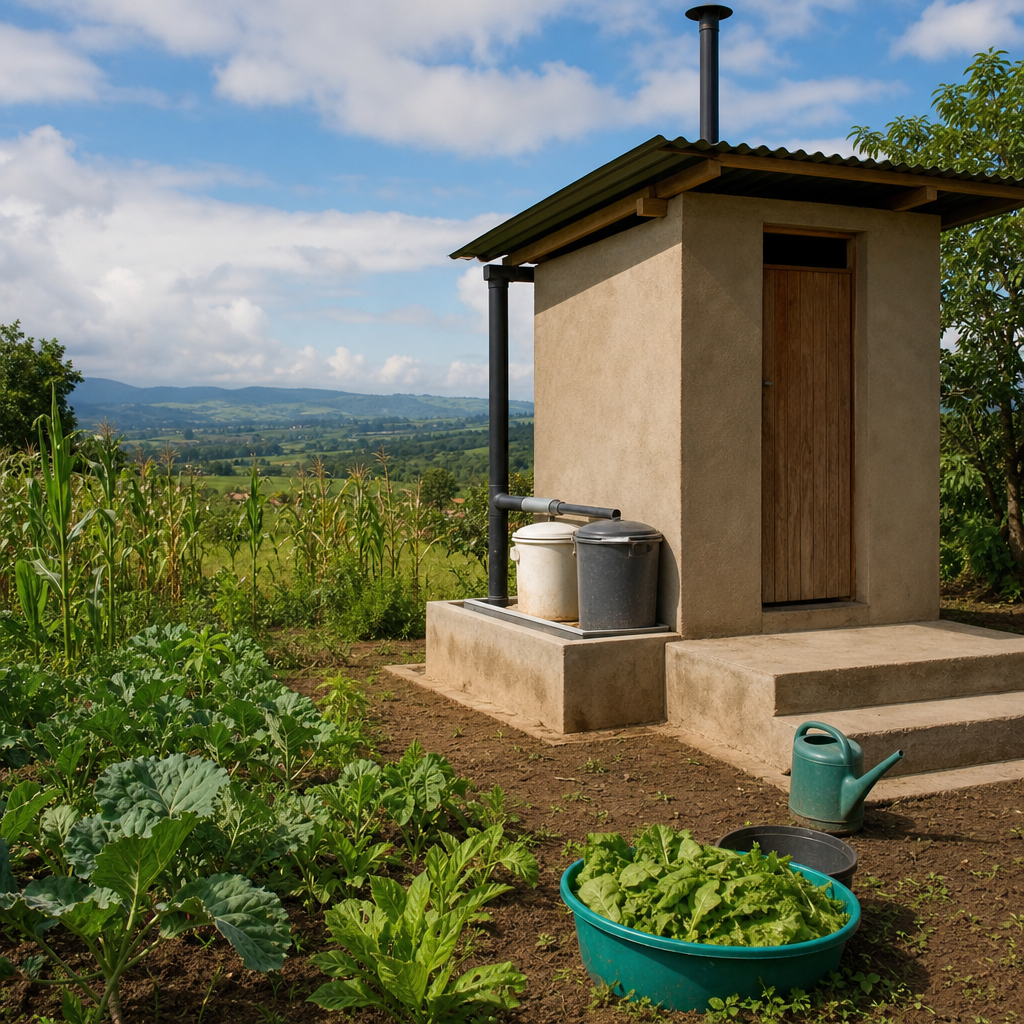
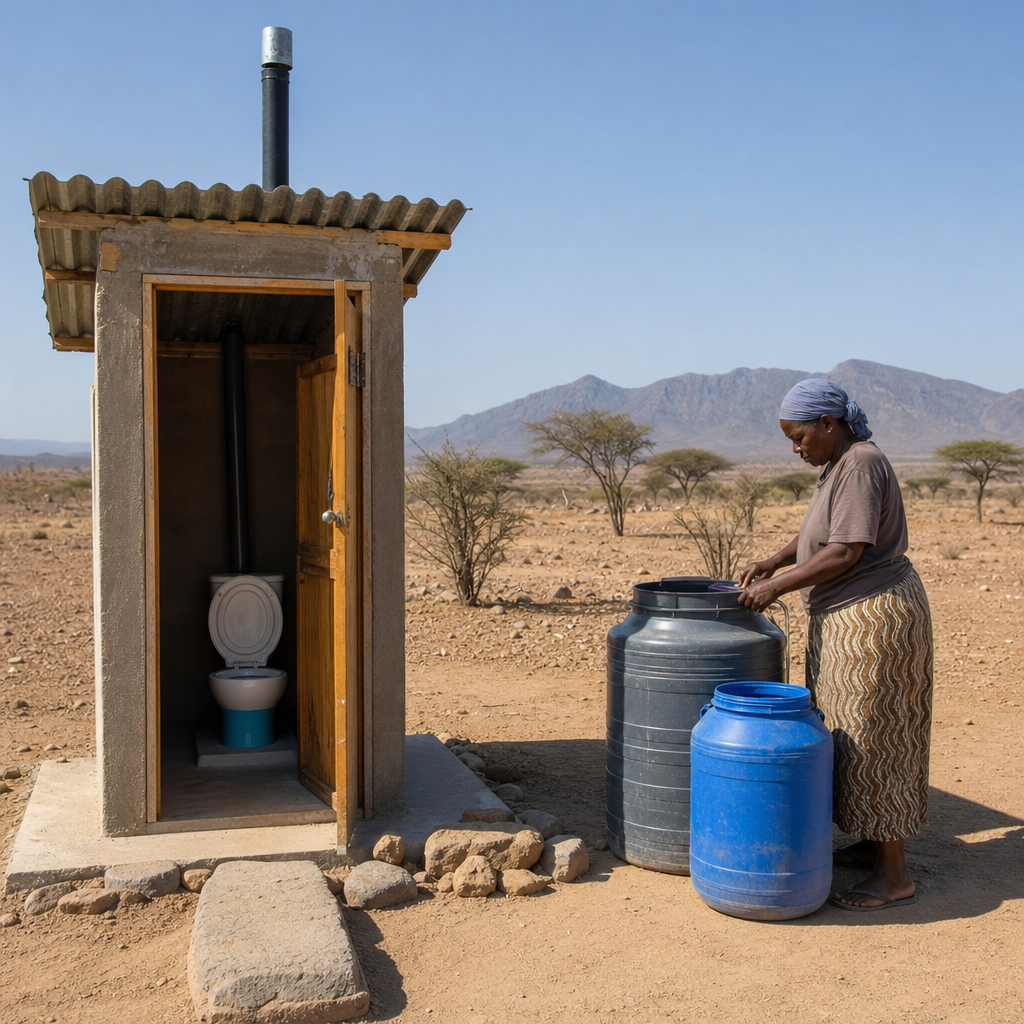
The lifecycle assessment of sanitation systems is the most reliable way to measure how toilets, sewers, treatment plants, and resource recovery methods affect climate, water, soil, energy use, and public health from construction to final disposal. In environmental planning, lifecycle assessment means a structured evaluation of inputs, outputs, and impacts across every stage of a system, typically following ISO 14040 and ISO 14044. For sanitation, that includes material extraction, manufacturing, transport, installation, operation, maintenance, sludge or excreta management, reuse, emissions, and end-of-life. EcoSan, short for ecological sanitation, applies this thinking by treating human waste as a resource stream rather than a disposal problem. Composting toilets, urine diversion systems, anaerobic digestion, and nutrient recovery all fall within this wider EcoSan approach. I have used lifecycle assessment to compare conventional sewered systems with decentralized alternatives, and the results are rarely simple: the lowest water use option is not always the lowest carbon option, and the best nutrient recovery system may require stronger user management. That complexity is exactly why lifecycle assessment matters. It helps cities, institutions, and households avoid decisions based on one metric alone, such as upfront cost or flush-water savings, and instead evaluate total environmental performance across the full sanitation chain.
As a hub topic under environmental impact, EcoSan and the environment must be understood in practical terms. Decision makers usually ask four direct questions: Which sanitation system has the lowest greenhouse gas emissions? Which uses the least water and energy? Which protects rivers and groundwater most effectively? Which creates useful outputs such as fertilizer, biogas, or reclaimed water without shifting pollution elsewhere? Lifecycle assessment provides the framework for answering those questions consistently. It also reveals where tradeoffs sit. A septic tank may look low energy because it avoids a central plant, yet poorly managed desludging can drive high methane emissions and pathogen leakage. A wastewater treatment plant with nutrient removal may protect rivers, yet consume significant electricity if operated inefficiently. By contrast, a well-run urine-diverting dry toilet can cut water demand and recover nutrients, but only if collection, storage, transport, and agricultural reuse are designed properly. This article maps the full environmental logic of sanitation system assessment so readers can connect technologies, impacts, and decision criteria across the entire EcoSan field.
What lifecycle assessment includes in sanitation
A sanitation lifecycle assessment begins with a functional unit, because meaningful comparison depends on measuring the same service. In practice, I usually define the unit as sanitation service for one person per year, including excreta collection, transport, treatment, and safe final disposal or reuse. Some studies use one cubic meter of wastewater treated, but that can hide differences in toilet design, water use, or source separation. System boundaries then determine what is counted. A narrow boundary may include only treatment emissions. A complete boundary includes infrastructure materials such as concrete, PVC, pumps, tanks, pipes, fans, and vehicles; operating inputs such as electricity, chemicals, bulking agents, and water; and downstream outputs such as compost, digestate, treated effluent, or recovered struvite. When handled well, lifecycle assessment captures both burdens and credits. For example, if sanitized urine replaces synthetic nitrogen fertilizer, the model should subtract the avoided impacts from fertilizer production. That is one reason EcoSan systems often perform better than expected when nutrient recovery is assessed fairly.
Impact categories also need careful interpretation. Climate change is the most cited metric, but sanitation cannot be judged by carbon alone. Methane and nitrous oxide from excreta treatment are critical, especially where anaerobic conditions are uncontrolled. Eutrophication measures how nitrogen and phosphorus losses drive algal blooms in lakes, rivers, and coastal waters. Acidification, freshwater ecotoxicity, particulate pollution, fossil energy demand, land occupation, and water scarcity can also matter. Human toxicity and pathogen risk are related but not identical; lifecycle assessment is strong for environmental burdens, while microbial risk often needs separate quantitative microbial risk assessment. This distinction is important because a system with low carbon emissions is not automatically safe. In field comparisons, I have seen composting systems score well environmentally yet fail due to poor operator training, wet feedstock, or inadequate storage time. Good assessment therefore combines engineering performance, user behavior, and environmental accounting rather than treating technology choice as a simple ranking exercise.
Comparing conventional sanitation and EcoSan pathways
Conventional sewered sanitation typically offers high user convenience and strong pollution control when networks and plants are well maintained. Its environmental footprint, however, can be substantial. Sewer construction requires large material inputs, especially concrete and plastic pipe. Pumping and aeration consume electricity, often making wastewater treatment one of the largest municipal energy users. Long conveyance distances dilute nutrients and increase treatment volumes. Combined sewer overflows can discharge untreated wastewater during storms. In lifecycle terms, these systems often perform well for local hygiene and river protection in dense urban areas, but they may score poorly for embedded materials, operational energy, and lost nutrient value unless advanced recovery is added.
EcoSan pathways reduce those losses by separating, concentrating, and reusing resource streams. Urine diversion captures most nitrogen and a significant share of phosphorus in a relatively clean fraction, making nutrient recovery easier than from mixed sewage. Composting toilets minimize flush-water demand and can reduce infrastructure requirements in water-scarce or remote settings. Anaerobic digestion of fecal sludge or blackwater can recover energy as biogas while reducing organic pollution loads. Decentralized treatment systems can also lower conveyance burdens and improve resilience where sewer expansion is too expensive. Still, decentralized does not automatically mean lower impact. Frequent truck collection can add fuel use, and poorly managed treatment can release methane or contaminate soil. The environmental advantage appears when system design matches local conditions: climate, settlement density, agricultural demand, maintenance capacity, and user acceptance. That is why the best lifecycle assessment studies compare complete service chains, not isolated devices.
Key impact categories that determine environmental performance
The most important environmental impacts in sanitation usually fall into five groups: greenhouse gas emissions, nutrient pollution, water consumption, energy demand, and resource recovery potential. Greenhouse gas emissions come mainly from methane generated under anaerobic conditions and nitrous oxide formed during nitrogen transformation. Septic tanks, lagoons, uncovered sludge storage, and poorly aerated treatment units can all be major sources. Nutrient pollution occurs when nitrogen or phosphorus escapes into waterways or groundwater, causing eutrophication. Water consumption matters because flushing can multiply the volume needing collection and treatment. Energy demand includes both direct electricity and indirect energy embedded in chemicals, materials, and transport. Resource recovery captures the positive side: recovered nutrients, organic matter, water, and energy can offset industrial production elsewhere.
| System type | Typical strengths | Typical environmental risks | Best-fit context |
|---|---|---|---|
| Central sewer with activated sludge | Strong pollutant removal, user convenience, urban scalability | High electricity use, high infrastructure footprint, overflow risk | Dense cities with stable power and utility capacity |
| Septic tank with sludge management | Low centralized energy need, familiar technology | Methane leakage, groundwater contamination, weak desludging chains | Peri-urban and rural areas with regulated emptying services |
| Urine-diverting dry toilet | Very low water use, high nutrient recovery potential | User error, storage and logistics demands, acceptance barriers | Water-scarce regions and reuse-oriented communities |
| Composting toilet | Reduced water demand, potential soil amendment production | Incomplete sanitization, odor, management sensitivity | Remote sites, parks, institutions with trained operators |
| Anaerobic digestion of sludge or blackwater | Biogas recovery, lower organic load, useful digestate | Methane loss if poorly sealed, digestate handling challenges | Facilities with steady feedstock and energy recovery goals |
These categories interact in ways that matter for EcoSan planning. For example, a urine-diverting system may score strongly on water use and nutrient recovery, but if urine is transported long distances in small loads, fuel use can erode some benefits. A composting toilet may save water and avoid sewers, but if operators add unsuitable bulking material or maintain excessive moisture, methane and odor can rise. Likewise, centralized treatment plants can reduce eutrophication when nutrient removal works properly, yet still have high carbon intensity if powered by fossil-based grids. The lesson is direct: environmental performance depends less on labels and more on design details, operating discipline, and whether recovered outputs genuinely displace conventional products.
How EcoSan systems create environmental value
EcoSan creates environmental value by closing loops that conventional sanitation often leaves open. Human urine contains most of the nitrogen and potassium excreted by households and a meaningful portion of phosphorus. When source-separated, stored safely, and applied using agronomic rates, it can substitute for mineral fertilizer produced through energy-intensive industrial processes. Fecal matter and organic co-substrates can be composted or digested, returning carbon and nutrients to soil or generating biogas. In regions facing water stress, dry or low-water sanitation reduces withdrawals and lowers the volume requiring treatment. These are not theoretical benefits. Programs in Sweden, South Africa, Uganda, and parts of India have shown that reuse becomes practical when collection systems, treatment standards, and farmer demand are developed together rather than as separate projects.
The strongest environmental gains usually come from integration. A toilet alone is not an EcoSan system. The full chain must work: user interface, collection, transfer, treatment, quality control, storage, and beneficial reuse. Standards and guidance from the World Health Organization and the International Organization for Standardization help define safe handling and treatment expectations, while tools such as ecoinvent, SimaPro, openLCA, and EASETECH support environmental modeling. In real projects, the critical questions are simple. Is the material stream clean enough to recover? Is pathogen reduction verified? Are nutrients applied where crops can use them? Are emissions from storage or transport controlled? If the answer is yes across the chain, EcoSan can deliver lower lifecycle impacts than many conventional systems while also improving local circularity and resilience.
Limits, tradeoffs, and how to choose the right system
No sanitation system is universally best, and honest lifecycle assessment must say so clearly. Dry systems may struggle in dense housing without service logistics. Sewered systems may remain the best option in compact cities where utilities can maintain high treatment standards and recover energy from sludge. Septic systems can work acceptably when soils are suitable and desludging is enforced, but they become environmental liabilities when oversight is weak. Climate also matters. Temperature affects composting rates, pathogen die-off, and methane generation. Agricultural context matters too, because nutrient recovery has limited value where farmers lack trust, regulation is unclear, or transport distances are high. Social acceptance can determine outcomes as much as engineering. I have seen technically sound urine diversion projects fail because users were never taught why separate streams mattered.
The practical way to choose is to start with service goals, then compare full lifecycle performance under local conditions. Define whether the priority is water conservation, nutrient recovery, low carbon, low capital cost, or rapid expansion of safely managed sanitation. Map the sanitation chain. Quantify material and energy inputs. Estimate direct emissions, not just plant electricity. Include avoided products such as fertilizer, fuel, or irrigation water where evidence supports substitution. Test scenarios for maintenance quality, user compliance, and transport distance. Then select the option that delivers the most reliable environmental outcome at the required public health standard. For readers exploring EcoSan and the environment, the central insight is simple: the greenest sanitation system is the one that safely closes loops, minimizes leaks, and actually works in the place where it is installed. Use lifecycle assessment as the decision lens, and every later technology choice becomes sharper, more defensible, and more sustainable.
Frequently Asked Questions
What is a lifecycle assessment of sanitation systems, and why is it important?
A lifecycle assessment, or LCA, of sanitation systems is a structured method for measuring the environmental and public health impacts of sanitation infrastructure across its full lifespan. Rather than looking only at what happens at the treatment plant, LCA examines every stage of the system, including raw material extraction, manufacturing of pipes and toilets, transport, construction, operation, maintenance, energy and chemical use, sludge handling, resource recovery, and final decommissioning or disposal. In practice, this means evaluating inputs such as water, electricity, fuel, chemicals, and materials, alongside outputs such as greenhouse gas emissions, nutrient releases, solid waste, recovered products, and treated effluent.
This approach is important because sanitation systems can shift impacts from one stage to another. A system that appears efficient during operation may require energy-intensive construction materials, while a low-cost option may create hidden burdens through methane emissions, nutrient leakage, or unsafe sludge disposal. LCA helps planners avoid narrow decision-making by showing the full environmental profile of a system from start to finish. It is especially useful for comparing centralized sewers, onsite systems, decentralized treatment, and resource recovery models on a consistent basis.
In environmental planning, LCA typically follows ISO 14040 and ISO 14044, which provide internationally recognized rules for defining the goal and scope, compiling inventory data, assessing impacts, and interpreting results. Because sanitation directly affects climate, water quality, soil health, energy demand, and human well-being, LCA is widely considered one of the most reliable tools for understanding trade-offs and supporting better long-term investment decisions.
Which stages of a sanitation system are included in a lifecycle assessment?
A complete lifecycle assessment of sanitation systems is designed to cover the entire chain, not just one facility or process. It usually begins with upstream activities such as extracting raw materials used to manufacture toilets, tanks, pumps, sewer pipes, concrete structures, steel components, membranes, and treatment equipment. From there, the assessment includes manufacturing and assembly, transport of materials and equipment to the project site, and the environmental impacts associated with construction and installation.
The use phase is often the most data-intensive part of the analysis. This stage includes water consumption for flushing, electricity for pumping and aeration, fuel used for fecal sludge collection or maintenance vehicles, chemical additives used in treatment, replacement parts, labor-related operational activities, and routine repairs. For onsite sanitation, this can also include pit emptying, transport of sludge, and treatment or disposal of collected waste. For sewered systems, it includes conveyance, pumping stations, treatment processes, biosolids management, and discharge of treated effluent.
LCA also considers downstream and end-of-life stages. These may include land application of biosolids, composting, incineration, landfill disposal, nutrient recovery, biogas production, phosphorus recovery, water reuse, and dismantling of infrastructure at the end of service life. Depending on the study design, credits may be assigned when recovered energy or nutrients displace conventional products such as synthetic fertilizers or grid electricity. By including all major stages, the assessment gives a more accurate picture of total impacts and helps identify where the most meaningful improvements can be made.
What environmental impacts can lifecycle assessment measure in sanitation systems?
Lifecycle assessment can measure a broad set of environmental indicators that are highly relevant to sanitation planning. One of the most commonly discussed categories is climate change, which includes greenhouse gas emissions from electricity use, fuel combustion, construction materials, methane from anaerobic decomposition, and nitrous oxide from biological treatment or nutrient releases. Since methane and nitrous oxide can be especially significant in sanitation systems, LCA is valuable for revealing climate impacts that are not obvious from energy use alone.
Beyond climate, LCA can evaluate water-related impacts such as freshwater use, eutrophication potential, and aquatic pollution. Eutrophication is especially important in sanitation because nitrogen and phosphorus losses can degrade rivers, lakes, and coastal waters. Soil-related impacts may also be considered, particularly when sludge, compost, or treated biosolids are applied to land. In these cases, the assessment may examine both risks and benefits, including nutrient recycling, soil improvement, and the potential presence of contaminants.
Energy demand, fossil resource depletion, acidification, particulate emissions, human toxicity, ecotoxicity, and material consumption are also commonly analyzed. Some sanitation LCAs expand further to include land use and public health implications, especially when comparing safely managed systems with informal or poorly controlled disposal pathways. While traditional LCA is primarily an environmental tool, it can be combined with health risk assessment or cost analysis to create a more complete decision framework. This is one reason it is so powerful: it allows planners to move beyond assumptions and quantify how different sanitation choices perform across multiple impact categories at once.
How does lifecycle assessment help compare toilets, sewers, treatment plants, and resource recovery options?
Lifecycle assessment helps compare sanitation options by placing them within a common analytical framework. Instead of judging technologies based only on capital cost, appearance, or treatment efficiency, LCA asks how each option performs across its full life cycle for a defined function. For example, the study may compare systems based on the safe management of wastewater or excreta for a certain population over a specific period. Once that function is clearly defined, options such as flush toilets connected to centralized sewers, septic tanks, urine-diverting dry toilets, decentralized treatment units, or fecal sludge treatment with composting can be assessed on a comparable basis.
This is particularly useful because sanitation technologies often involve trade-offs. Centralized sewer systems may offer strong treatment performance but require large quantities of concrete, steel, pipe networks, and electricity for pumping and aeration. Onsite systems may reduce infrastructure demands but create transport and sludge management challenges. Resource recovery systems can reduce waste and offset fertilizer or energy use, but they may involve additional processing steps, operational complexity, or local acceptance issues. LCA makes these trade-offs visible by quantifying emissions, resource use, and avoided impacts across all stages.
When done well, the results can guide policy, utility planning, and infrastructure design. A city might learn that reducing infiltration in sewers lowers pumping energy, or that improving sludge capture has a greater climate benefit than changing one treatment unit. Another project might show that nutrient recovery creates meaningful environmental credits in agriculture-dependent regions. In short, LCA supports more informed comparisons by showing not only which system works, but how and where each system creates burdens or benefits over time.
What makes a sanitation lifecycle assessment credible and useful for decision-making?
A credible sanitation lifecycle assessment starts with a clearly defined goal, scope, and functional unit. The goal explains why the study is being performed, such as comparing treatment technologies, informing public investment, or identifying hot spots for emissions reduction. The scope defines system boundaries, assumptions, geographic context, time horizon, and impact categories. The functional unit is especially important because it ensures fair comparison. In sanitation, this might be framed as the treatment of wastewater generated by one person per year, the safe management of a cubic meter of wastewater, or the handling of a given quantity of excreta under specified service conditions.
Reliable data quality is equally important. Strong studies use transparent inventories for construction materials, operational inputs, transport distances, treatment performance, sludge generation, emissions factors, and end-of-life pathways. Because sanitation performance varies by climate, user behavior, energy mix, maintenance quality, and local regulations, the best LCAs rely on location-specific data whenever possible rather than generic assumptions alone. Sensitivity analysis and scenario analysis also improve credibility by showing how results change when uncertain variables shift, such as electricity sources, emptying frequency, nutrient recovery rates, or methane capture efficiency.
Finally, a useful LCA does more than present numbers; it interprets them in a way that supports real decisions. That means identifying the major impact drivers, explaining trade-offs, acknowledging limitations, and avoiding overly broad conclusions. Results should be reviewed in context, especially because one sanitation system may perform best for climate while another performs better for water protection, affordability, or operational resilience. When aligned with ISO 14040 and ISO 14044 and combined with practical engineering judgment, lifecycle assessment becomes a highly effective tool for choosing sanitation strategies that are environmentally sound, operationally realistic, and better for public health over the long term.