Innovative approaches to waste management in EcoSan are redefining how communities, utilities, and developers reduce pollution while recovering water, nutrients, energy, and value from materials once treated as liabilities. In this context, EcoSan, short for ecological sanitation, is a systems approach that views human waste, organic discards, and wastewater as manageable resource streams rather than disposal problems. I have worked on sanitation planning projects where the turning point was not a new piece of equipment but a change in design logic: separating flows at the source, preventing contamination, and matching treatment to the intended reuse pathway. That is why this topic matters. Conventional waste management often relies on linear models built around collection, transport, treatment, and discharge, with high operating costs and limited recovery. EcoSan shifts the model toward circularity. It supports public health, lowers nutrient losses, reduces greenhouse gas emissions, and strengthens local resilience where sewers, landfills, or centralized plants are costly or unreliable.
For a hub page on advancing environmental sustainability with EcoSan, it helps to define the key terms clearly. Waste management in EcoSan includes source separation, safe containment, treatment, nutrient recovery, water reuse, sludge management, odor control, and end-use planning. Environmental sustainability means achieving sanitation outcomes without depleting resources or transferring harm to air, soil, water, or future budgets. Innovation in this field does not only mean high technology. It includes urine-diverting dry toilets, container-based sanitation, decentralized wastewater treatment, black soldier fly bioconversion, co-composting, anaerobic digestion, biosolids pelletization, digital monitoring, and financing models that keep systems running after pilots end. The best EcoSan strategies are practical, measurable, and context specific. They are designed around user behavior, climate, land availability, regulations, agricultural demand, and maintenance capacity, not just engineering preference. When these factors align, EcoSan becomes one of the most effective environmental impact strategies available to rapidly urbanizing towns and underserved settlements.
Why EcoSan changes the environmental equation
EcoSan improves environmental performance because it tackles the root inefficiencies of mixed waste systems. When urine, feces, greywater, and solid waste are combined, treatment becomes more energy intensive and recovery becomes harder. Separating streams early preserves resource quality. Urine contains most of the nitrogen and a large share of the phosphorus excreted by households, yet it is relatively low in pathogens compared with feces. Greywater usually has lower pathogen loads than blackwater and can often be treated for landscape irrigation with simpler processes. Fecal sludge, food waste, and agricultural residues can be stabilized and converted into compost, biogas, dried fuel, or insect protein inputs. In practice, source separation reduces volume, improves treatment efficiency, and expands reuse options.
Environmental gains are tangible. Nutrient recovery lowers dependence on synthetic fertilizer production, which is energy intensive and vulnerable to price shocks. Local reuse can cut eutrophication risks by keeping nitrogen and phosphorus out of waterways. Proper containment and treatment reduce fecal contamination, one of the main drivers of diarrheal disease and groundwater degradation. Anaerobic processes capture methane for useful energy rather than allowing uncontrolled emissions from dumps or poorly managed pits. In projects I have reviewed, the strongest outcomes came when planners mapped every output stream and assigned a compliant destination before construction began. EcoSan succeeds environmentally when there is no orphan waste stream at the end of the chain.
Source separation and toilet innovations
Source separation is the foundation of many innovative EcoSan waste management systems. Urine-diverting dry toilets, vacuum toilets, low-flush interfaces, and container-based units are designed to keep resource streams distinct. Urine diversion allows nutrient recovery through storage, struvite precipitation, or blending into fertilizer products under controlled conditions. Dry or low-water systems reduce pressure on scarce water supplies and avoid creating large volumes of sewage that require expensive transport and treatment. Container-based sanitation adds another advantage: standardized collection logistics. Sealed cartridges can be picked up on a schedule, traced, and delivered to treatment hubs with lower spill risk than informal pit emptying.
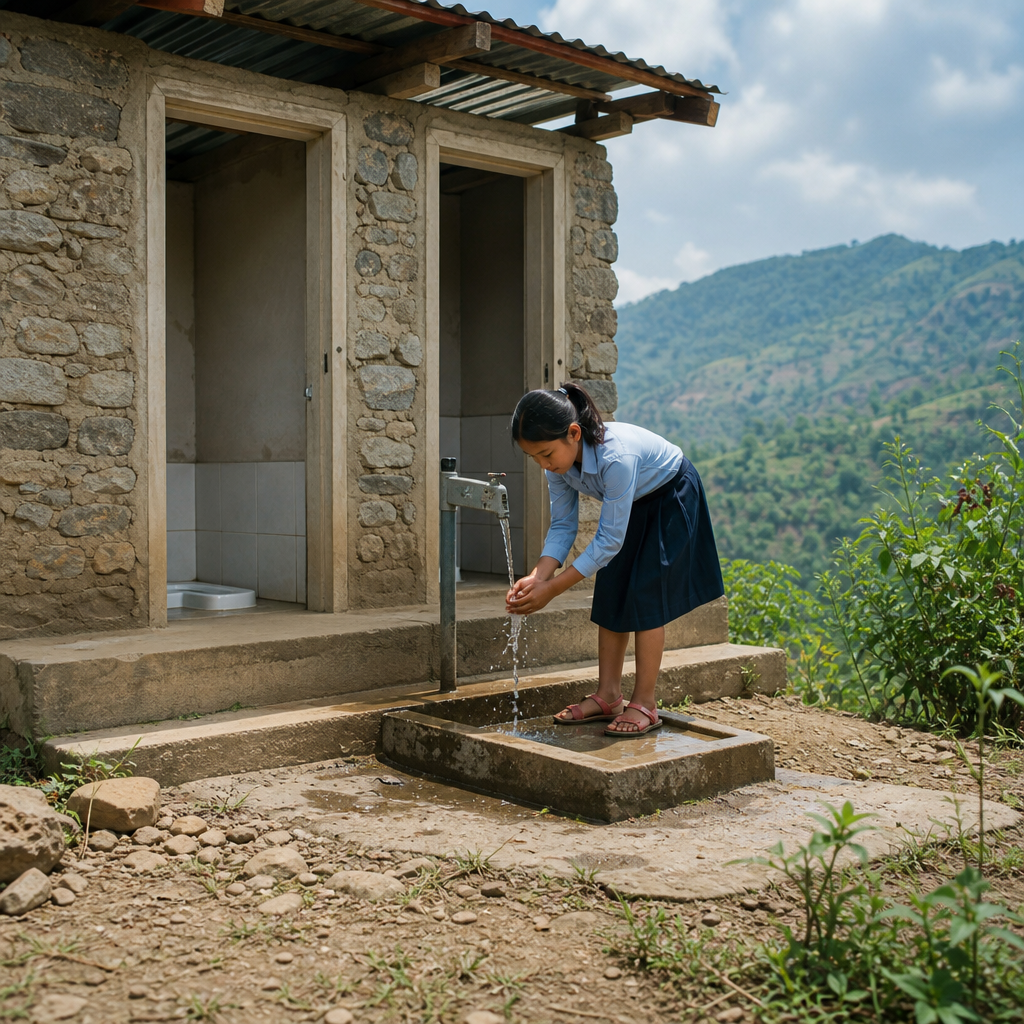
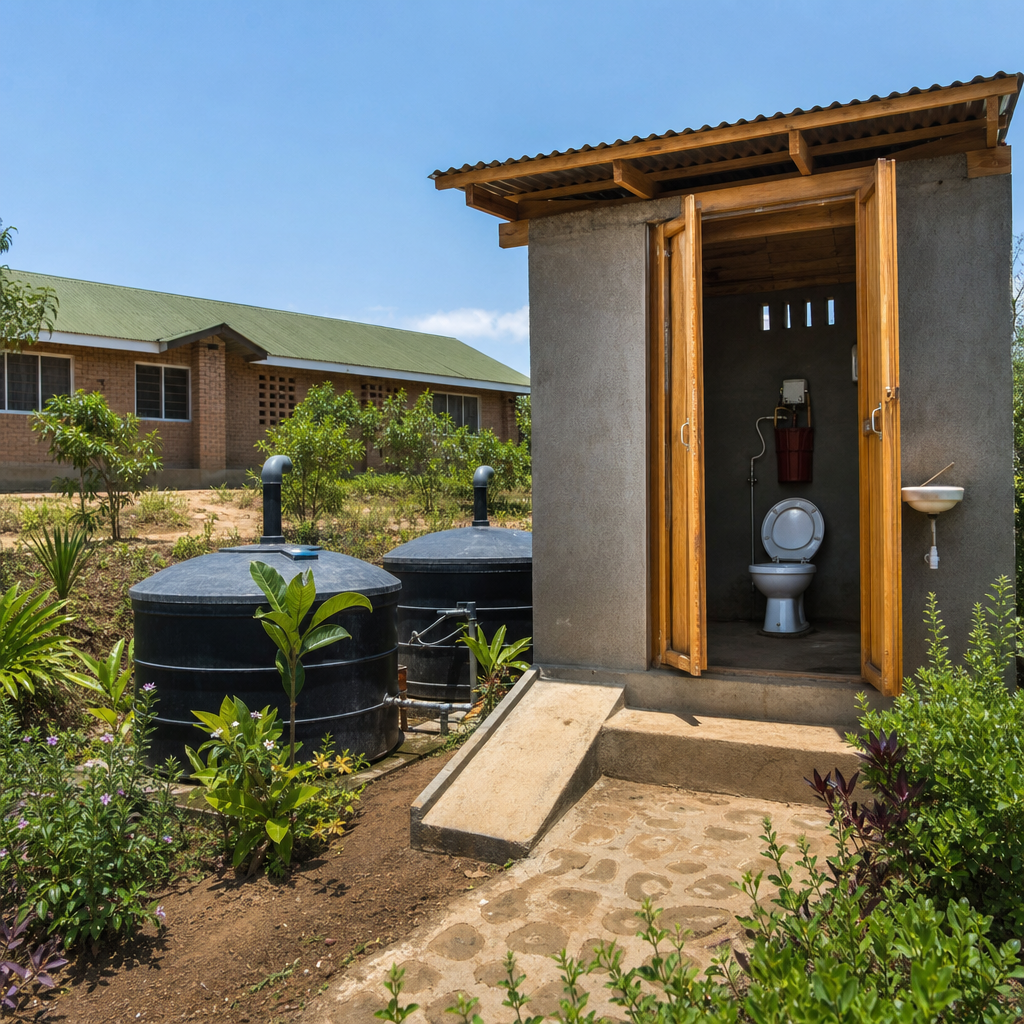
Good design at the user interface determines whether the system will work. Toilets must be intuitive, easy to clean, culturally acceptable, and durable under real household use. Ventilation, insect screening, handwashing access, anal cleansing accommodation, and safe child use are not secondary details. They are adoption drivers. I have seen technically sound systems fail because maintenance access was ignored or because urine-diverting pans were too difficult to use correctly. The most successful models combine user-centered design with service agreements, spare parts supply, and routine operator visits. Waste management in EcoSan starts at the household level, and every design decision either protects the treatment chain or compromises it.
Decentralized treatment systems for urban and peri-urban areas
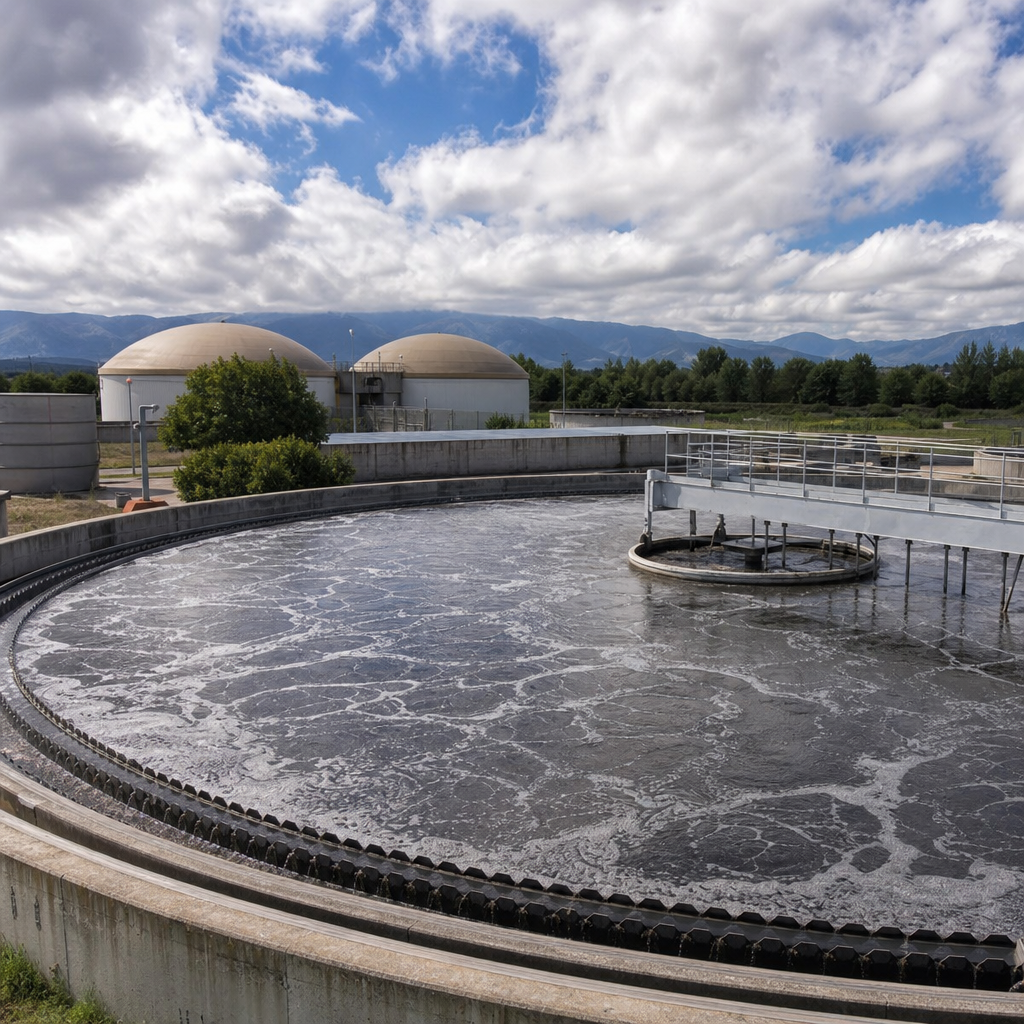
Decentralized treatment is one of the most important EcoSan approaches for places where sewer expansion is financially unrealistic or topographically difficult. Instead of sending all waste to a distant plant, decentralized systems treat waste near the point of generation or within a district. Common options include anaerobic baffled reactors, constructed wetlands, planted drying beds, membrane bioreactors for higher standards, and compact package units for institutions or housing clusters. Each technology has a distinct loading range, land requirement, operator skill profile, and effluent quality. The right choice depends on influent characteristics, climate, discharge rules, and reuse plans.
Real-world performance improves when decentralized systems are planned as service networks rather than isolated assets. That means defining desludging cycles, pretreatment needs, laboratory checks, emergency bypass procedures, and contracts for effluent or biosolids reuse. Schools, health centers, apartment compounds, industrial parks, and informal settlements can all benefit, but only if operations are budgeted from day one. Compared with centralized systems, decentralized EcoSan can lower pipe costs, reduce infiltration and inflow, and keep water and nutrients available for local reuse. It also creates flexibility. New modules can be added as populations grow, avoiding the common problem of oversized plants running inefficiently for years or undersized plants failing quickly.
Resource recovery pathways that create value
EcoSan becomes economically and environmentally stronger when recovered outputs have clear markets. Nutrient recovery from urine can produce liquid fertilizers or struvite, a crystalline mineral made of magnesium, ammonium, and phosphate. Composting stabilized fecal sludge with green waste creates soil amendments that improve organic matter and water retention. Anaerobic digestion converts sludge and food waste into biogas for cooking, heating, or electricity generation, while the digestate can be further treated for land application. Black soldier fly systems can process selected organic waste into larvae for animal feed ingredients, with the residue used as a soil product when regulations allow.
| Recovery pathway | Typical input | Main product | Key environmental benefit |
|---|---|---|---|
| Urine nutrient recovery | Source-separated urine | Liquid fertilizer or struvite | Reduces fertilizer demand and nutrient discharge |
| Co-composting | Fecal sludge plus organics | Compost | Improves soils and diverts waste from dumps |
| Anaerobic digestion | Sludge and food waste | Biogas and digestate | Captures methane and offsets fossil fuels |
| Drying and pelletization | Treated biosolids | Fuel pellets or soil product | Reduces volume and supports reuse |
Markets matter as much as treatment science. Farmers need predictable nutrient analysis, safe handling guidance, and a price advantage over conventional products. Energy users need reliable gas production and appliance compatibility. Municipal buyers may require compliance with national biosolids or compost standards before procurement. I have found that recovery ventures perform best when the product specification is defined early, then the treatment train is built backward from that target. That approach prevents the common mistake of producing a material that is technically safe but commercially unusable. In EcoSan, resource recovery is not a side benefit. It is a design objective that should shape collection, treatment, quality control, packaging, and distribution.
Digital tools, monitoring, and operational control
Innovation in EcoSan is increasingly digital. Sensors, mobile work orders, geographic information systems, and cloud dashboards make waste management more accountable and efficient. Operators can track fill levels in containers or holding tanks, optimize collection routes, log desludging events, and document chain of custody from household to treatment site. Treatment facilities can monitor pH, temperature, dissolved oxygen, flow, biogas output, and drying bed performance, allowing earlier correction of process failures. Even simple tools such as QR-coded containers and smartphone inspection forms can sharply improve compliance and billing accuracy.
Monitoring is not just about efficiency. It is central to environmental protection and public trust. Pathogen reduction targets, helminth egg thresholds, moisture content, nutrient concentrations, and effluent limits must be verified, not assumed. Established frameworks from the World Health Organization, ISO sanitation standards, and national environmental agencies provide practical benchmarks for reuse safety and discharge quality. When managers publish performance data, communities are more likely to accept recycled products and sanitation tariffs. In my experience, facilities with clear standard operating procedures and visible data boards consistently outperform sites that depend on operator memory. EcoSan systems are biological and service driven, so disciplined monitoring is what converts promising designs into reliable environmental infrastructure.
Policy, financing, and community adoption
Many EcoSan projects fail for reasons unrelated to treatment technology. Weak regulation, unclear land tenure, fragmented institutional responsibility, and underpriced sanitation services can stall even well-designed systems. Effective waste management in EcoSan requires enabling policy that recognizes non-sewered sanitation, licenses service providers, sets reuse standards, and defines who is accountable for containment, transport, treatment, and product quality. Cities also need procurement rules that allow decentralized and circular sanitation solutions to compete fairly against default sewer investments.
Financing must cover the full service chain. Capital grants may help launch infrastructure, but sustainable programs depend on operating revenue from tariffs, municipal transfers, carbon-related incentives where eligible, or product sales. Community adoption also needs serious attention. Households accept new systems when the service is reliable, toilets are convenient, costs are understandable, and the health and livelihood benefits are visible. Demonstration farms, school programs, women-led maintenance enterprises, and local cooperatives often improve adoption because they translate abstract sustainability goals into daily value. The hub topic of advancing environmental sustainability with EcoSan is ultimately about systems thinking: aligning design, behavior, governance, and markets so that sanitation protects ecosystems while delivering durable public health results.
Innovative approaches to waste management in EcoSan offer a practical path to advancing environmental sustainability because they replace disposal-focused sanitation with circular, measurable systems. The most effective strategies share the same core principles: separate waste streams early, treat each stream with the right process, verify safety through monitoring, and connect outputs to real reuse markets. When those steps are followed, EcoSan reduces contamination, recovers nutrients, saves water, limits greenhouse gas emissions, and creates local economic value from materials that conventional systems discard. It is not a niche idea. It is a proven framework for settlements where infrastructure budgets are constrained, climate pressures are rising, and regulators need better environmental outcomes per dollar spent.
As a hub for this subtopic, this page points to the broader promise of advancing environmental sustainability with EcoSan across toilets, collection services, decentralized treatment, nutrient recovery, biosolids management, digital monitoring, and policy design. The key takeaway is simple: sustainable sanitation depends on the whole chain, not one technology. Communities and organizations that map flows, set product standards, budget operations, and design for user behavior achieve the strongest results. If you are planning an environmental impact strategy, start by auditing your current waste streams and identifying where EcoSan can recover value while cutting pollution.
Frequently Asked Questions
What does EcoSan mean, and how is it different from conventional waste management?
EcoSan, or ecological sanitation, is an approach to waste management that treats human waste, wastewater, and organic discards as resource streams rather than as materials that must simply be removed and disposed of. In a conventional system, the main goal is usually fast collection, transport, and treatment, often with a strong focus on containment and discharge. EcoSan shifts that mindset by asking a different question: how can communities safely recover value from what they collect? That value may include water for reuse, nutrients such as nitrogen and phosphorus for agriculture, organic matter for soil improvement, and energy through processes like biogas production.
This difference is important because it changes both infrastructure design and operational priorities. Instead of relying only on centralized sewer networks and end-of-pipe treatment, EcoSan often uses source separation, decentralized treatment, nutrient recovery, composting, urine diversion, biodigesters, and water reuse systems. These approaches can reduce pressure on overburdened utilities, lower water demand, cut pollution entering rivers and groundwater, and create local circular economy opportunities. In practice, EcoSan is not just a technical model; it is a planning framework that connects sanitation, public health, agriculture, climate resilience, and resource efficiency into one integrated system.
What are the most innovative waste management approaches being used in EcoSan systems today?
Some of the most innovative approaches in EcoSan involve separating waste streams at the source so they can be treated more efficiently and used more productively. Urine-diverting toilets are a good example because urine contains a large share of the nutrients in domestic waste, especially nitrogen and phosphorus. By collecting it separately, systems can reduce treatment complexity and enable nutrient recovery for fertilizer products. Fecal sludge can then be managed through drying, composting, co-composting with organic waste, or anaerobic digestion, depending on local conditions and end-use markets.
Another major innovation is decentralized wastewater treatment. Rather than transporting all wastewater to a distant centralized plant, smaller local treatment systems can serve neighborhoods, institutions, housing developments, or peri-urban areas. These systems may use constructed wetlands, membrane technologies, anaerobic baffled reactors, biofilters, or modular package plants. When designed well, they can produce reclaimed water for landscape irrigation, groundwater recharge, toilet flushing, or industrial non-potable use. This reduces freshwater extraction while also lowering discharge pollution.
Digital monitoring is also improving EcoSan performance. Sensors, remote monitoring platforms, and data-driven maintenance schedules help operators track fill levels, treatment efficiency, pathogen reduction, and equipment performance. This is especially useful in decentralized or container-based sanitation systems, where regular service logistics matter as much as treatment technology. On top of that, co-processing and integrated resource recovery are becoming more common. Organic municipal waste, food waste, sludge, and agricultural residues can be blended to improve compost quality or biogas yield, creating stronger financial and environmental outcomes than treating each stream separately. The most successful EcoSan innovations are usually not isolated devices; they are combinations of collection, treatment, reuse, service delivery, and market development working together.
How does EcoSan help reduce pollution while recovering water, nutrients, and energy?
EcoSan reduces pollution by preventing untreated or poorly treated waste from entering the environment in the first place. In many communities, the biggest sanitation risks come from leakage, open dumping, unsafe sludge disposal, overloaded sewers, and direct wastewater discharge into drains, rivers, or coastal waters. EcoSan systems address these problems by improving containment, separating waste streams where useful, and selecting treatment methods that are better matched to local infrastructure and operating capacity. This reduces pathogen exposure, lowers nutrient loading in waterways, and helps prevent eutrophication, foul odors, and groundwater contamination.
At the same time, EcoSan is designed to recover useful outputs from those same streams. Water can be reclaimed after appropriate treatment and reused for irrigation, landscaping, industrial processes, or toilet flushing. Nutrients can be recovered from urine, composted biosolids, or sludge-derived products and returned to agriculture, reducing dependence on synthetic fertilizers. Energy can be generated through anaerobic digestion, which converts organic material into biogas that can be used for cooking, heating, electricity generation, or upgraded fuel applications. In some cases, dried sludge can also be processed into fuel products where regulations and treatment standards allow.
The real strength of EcoSan is that pollution control and resource recovery are not treated as competing goals. They reinforce each other when systems are planned properly. For example, separating organics from mixed waste improves treatment quality and makes energy recovery more efficient. Treating wastewater for reuse reduces contaminant discharge and offsets freshwater demand at the same time. Recovering nutrients creates economic value that can support ongoing operations. In that sense, EcoSan offers a practical pathway toward cleaner environments and more resilient local resource systems.
What challenges do communities and developers face when implementing innovative EcoSan waste management systems?
The biggest challenges are usually not purely technical. Financing, regulation, land availability, institutional coordination, user acceptance, and long-term operations are often more difficult than selecting a treatment technology. Many EcoSan systems require upfront investment in redesigned sanitation infrastructure, source-separating fixtures, local treatment units, or collection services. Even when lifecycle costs are competitive, decision-makers may hesitate if funding structures are built around conventional sewer models or if recovered products do not yet have strong local markets.
Regulatory frameworks can also slow progress. In many places, rules were written for disposal-based sanitation systems, not for nutrient recovery, non-potable water reuse, composted biosolids, or decentralized treatment. That creates uncertainty for utilities, property developers, and private operators. Public perception matters as well. People may support sustainability goals in principle but still feel uncomfortable with reuse if communication is weak or safety standards are unclear. This is why successful projects invest heavily in community engagement, transparent risk management, and demonstration of product safety and performance.
Operational capacity is another common challenge. EcoSan systems need maintenance, monitoring, and service chains that are matched to local realities. A technically advanced system can fail if spare parts are unavailable, desludging logistics are weak, or trained operators are not in place. Developers also have to think carefully about end-use demand. Recovering compost, water, or biogas only works at scale if there are reliable users, quality assurance protocols, and business models that support distribution. The strongest EcoSan projects therefore begin with integrated planning: understanding users, institutions, climate, land, market opportunities, and operational constraints before deciding on a solution. Innovation succeeds when it is practical, maintainable, and locally anchored.
Why is EcoSan becoming more important for sustainable urban development and climate resilience?
EcoSan is gaining importance because cities and growing communities are under pressure from multiple directions at once: water scarcity, aging infrastructure, rising treatment costs, nutrient pollution, climate-related flooding, and the need to reduce emissions. Conventional sanitation systems were often designed for a different era, with assumptions of abundant water, expanding centralized networks, and straightforward waste disposal pathways. Today, many of those assumptions no longer hold. EcoSan offers a more adaptive model by reducing water use, supporting decentralized service options, and turning waste outputs into inputs for other sectors.
From an urban development perspective, EcoSan can support growth in places where sewer expansion is too costly, too slow, or physically difficult. It can be especially valuable in peri-urban settlements, water-stressed regions, informal growth areas, campuses, tourism developments, and mixed-use projects seeking circular infrastructure solutions. By recovering water for reuse and nutrients for agriculture or landscaping, EcoSan helps close resource loops that would otherwise remain open and wasteful. It also creates opportunities for local enterprise, from fecal sludge management services to compost production and energy generation.
Its climate relevance is equally significant. Better waste containment and treatment can reduce methane emissions from unmanaged decomposition and lower the environmental damage caused by sewage overflows and contamination during extreme weather events. Decentralized and modular systems can also improve resilience by avoiding total dependence on one vulnerable network. In drought-prone areas, water reuse becomes a strategic asset. In flood-prone areas, safer containment and localized treatment reduce public health risks after heavy rainfall. For planners, utilities, and developers, EcoSan is increasingly important not just because it is environmentally responsible, but because it is a practical response to the resource, infrastructure, and climate realities shaping modern sanitation.