Innovative EcoSan Technologies for Water Conservation sit at the center of a practical shift in sanitation, resource recovery, and environmental protection. EcoSan, short for ecological sanitation, is an approach that treats human waste and wastewater not as disposal problems but as resources that can be safely managed, reused, and returned to productive cycles. In field projects I have worked on, the most successful EcoSan systems were never defined by a single toilet design. They combined water-saving fixtures, source separation, safe treatment, nutrient recovery, and community operation plans that reduced pollution while stretching limited water supplies.
Water conservation matters because sanitation is deeply tied to freshwater demand. Conventional flush toilets can use six to thirteen liters per flush in older systems, and even efficient models commonly use around three to six liters. Across homes, schools, clinics, and public facilities, that volume adds up quickly. At the same time, untreated sewage contaminates rivers, lakes, groundwater, and coastal ecosystems, increasing nutrient loading, pathogen exposure, and treatment costs downstream. EcoSan addresses both sides of the problem by reducing water use at the source and preventing waste from degrading natural systems.
For environmental protection, EcoSan’s value goes beyond saving water. Properly designed systems reduce nitrogen and phosphorus losses, lower demand for synthetic fertilizer, cut energy used for centralized wastewater transport, and build resilience in drought-prone areas. The concept is recognized in sanitation planning frameworks from organizations such as the World Health Organization, UNICEF, and the Stockholm Environment Institute, which have long emphasized safely managed sanitation and resource-oriented approaches. As a hub topic under Environmental Impact, EcoSan’s role is broad: it affects water conservation, soil health, climate adaptation, pollution control, public health, and circular economy outcomes.
This article explains how innovative EcoSan technologies work, where they deliver the strongest environmental gains, and what decision-makers should consider when choosing systems. It also clarifies an important point: EcoSan is not one universal answer. The right solution depends on population density, climate, soil conditions, user behavior, regulatory standards, maintenance capacity, and end-use markets for recovered resources. When those factors are matched well, EcoSan technologies can transform sanitation from a water-intensive liability into an efficient environmental protection strategy.
How EcoSan Reduces Water Demand at the Source
The first environmental advantage of EcoSan is direct water conservation. Urine-diverting dry toilets, composting toilets, vacuum-assisted systems, low-flush urine diversion units, and decentralized greywater reuse setups all cut potable water demand by redesigning how waste is collected and managed. In practical terms, source separation means urine, feces, and wash water can be handled differently because they have different treatment needs. That prevents the common mistake of diluting concentrated waste streams with drinking-quality water, only to spend more energy and chemicals treating the mixture later.
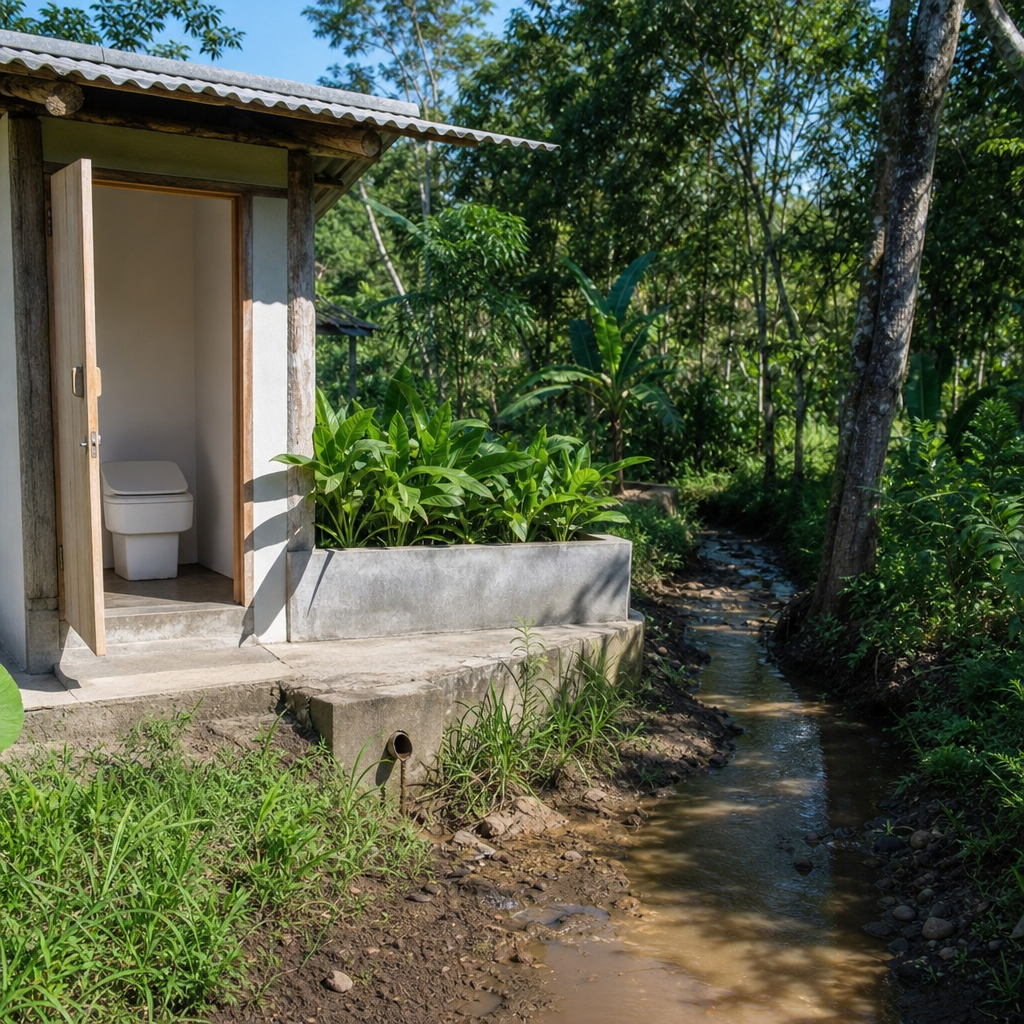
Urine-diverting dry toilets are among the clearest examples. They operate with little or no flush water, separating urine at the front of the pedestal or pan and feces at the rear. Because urine contains most of the nitrogen and a large share of the phosphorus and potassium excreted by households, keeping it separate simplifies nutrient recovery and reduces odor when systems are ventilated correctly. In schools and peri-urban settlements where piped water is unreliable, I have seen these systems preserve thousands of liters per month while continuing to function during outages that would disable conventional flush blocks.
Composting toilets and dehydration toilets go further by minimizing or eliminating blackwater production. Instead of transporting waste through sewer networks, they stabilize solids onsite through drying, microbial decomposition, or storage treatment. That reduces hydraulic load on infrastructure and protects scarce groundwater in regions where aquifers are overdrawn. Even where water is available, reduced flushing leaves more supply for handwashing, food preparation, or healthcare use, which is often the more important public health tradeoff.
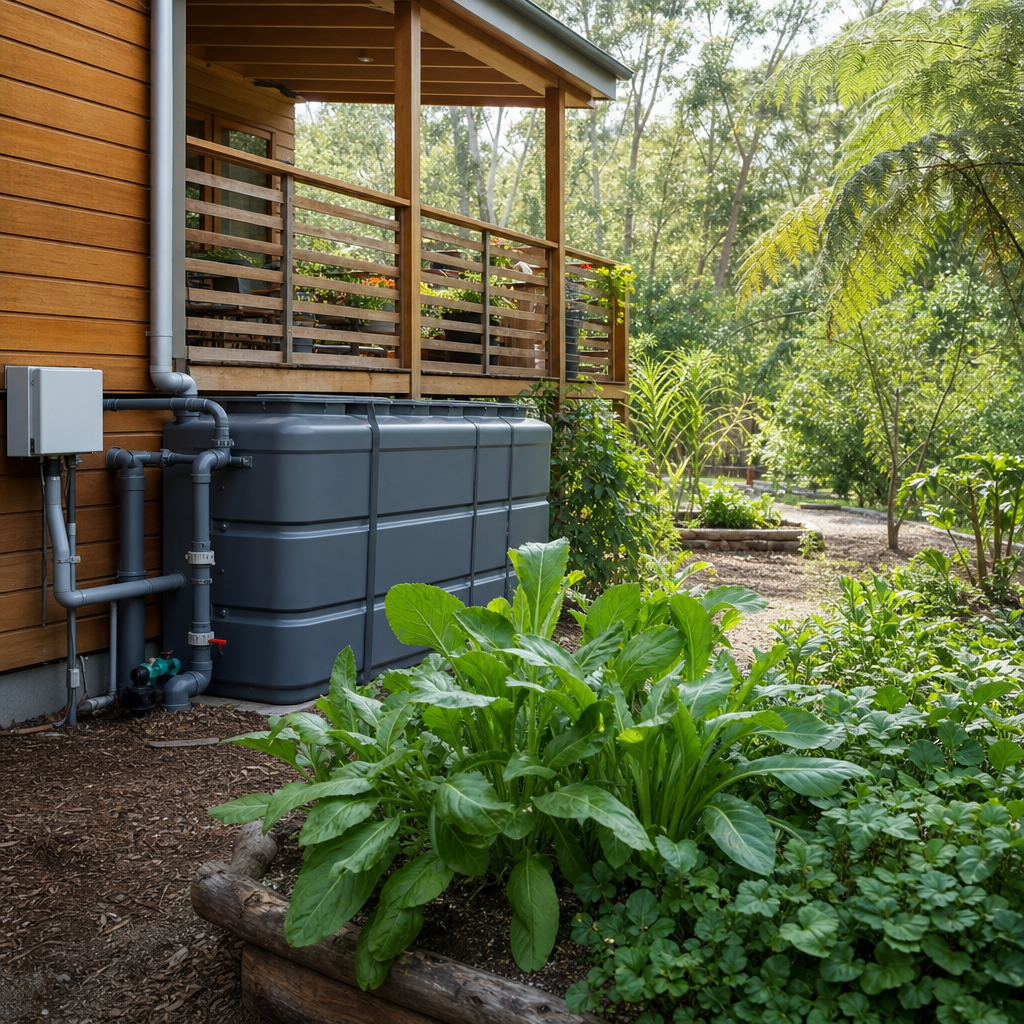
Greywater reuse complements toilet-focused savings. Water from hand basins, showers, and laundry can be treated through filters, constructed wetlands, membrane units, or biological media and then reused for irrigation or toilet flushing where appropriate. That lowers freshwater withdrawals and reduces discharge volumes into sewers or drains. In dense developments, combining low-water sanitation with greywater loops can materially reduce building-level demand and wastewater generation without sacrificing service quality.
Pollution Prevention and Watershed Protection
EcoSan protects the environment not only by using less water but also by preventing contamination. Conventional sanitation failures usually appear as leaking pits, overloaded septic tanks, sewer overflows, or untreated discharge. The environmental result is familiar: pathogens enter groundwater, algal blooms intensify in surface waters, and ecosystems receive more nutrients than they can absorb. EcoSan systems are designed to interrupt that chain by containing, separating, and treating waste close to where it is produced.
Source separation is especially powerful for watershed protection because it isolates high-nutrient fractions before they become diluted and harder to manage. Urine, when stored and handled under established health guidance, can be used as a fertilizer substitute in agriculture and landscaping. Fecal matter can be treated through composting, dehydration, thermophilic processing, or other validated barriers to pathogen reduction. Greywater, which has much lower pathogen and nutrient loads than blackwater, can often be polished through simpler treatment trains. Managing each stream according to risk is more efficient than forcing everything into a single pipe.
Decentralized wastewater treatment units also reduce the likelihood of catastrophic failure. If one household system, school block, or neighborhood cluster has a problem, the impact is localized instead of affecting an entire city catchment. Constructed wetlands, anaerobic baffled reactors, planted gravel filters, and bio-digesters are widely used examples. When they are sized properly and maintained consistently, they remove organic matter and suspended solids while reducing nutrient releases to nearby water bodies.
The environmental gain is substantial in areas with shallow groundwater, flood risk, or sensitive receiving waters. Coastal zones, lakeshore settlements, and mountain communities often struggle with centralized sewer expansion because terrain and cost are limiting factors. EcoSan offers a way to protect watersheds without waiting for large capital works. That is why many sanitation master plans now consider decentralized and resource-oriented systems as core tools for protecting rivers and aquifers.
Nutrient Recovery, Circularity, and Soil Benefits
A defining EcoSan principle is that nutrients should be recovered rather than wasted. Human excreta contain nitrogen, phosphorus, potassium, sulfur, and organic matter that crops need. In conventional systems, these nutrients are often lost to waterways or trapped in sewage sludge that is expensive to handle and politically difficult to reuse. EcoSan technologies create cleaner recovery pathways by separating streams early and treating them for specific end uses.
Urine diversion has strong agronomic logic. Urine is typically low in heavy metals compared with mixed sludge and contains plant-available nitrogen that can partially replace synthetic fertilizer. In field applications, diluted or stored urine has been used on cereals, fodder crops, tree plantations, and non-food landscaping with measurable yield response when application rates match crop demand. Fecal compost, once adequately treated, contributes stable organic matter that improves soil structure, moisture retention, and microbial activity. These benefits matter in degraded soils where water scarcity and low fertility reinforce each other.
Resource recovery also reduces upstream environmental burdens. Manufacturing synthetic nitrogen fertilizer is energy intensive, and phosphorus is a finite mined resource with supply concentration concerns. Every kilogram of nutrient safely recycled through EcoSan reduces dependence on virgin inputs. The concept aligns closely with circular economy goals because waste outputs become agricultural inputs, and local treatment reduces transport requirements.
| EcoSan technology | Water conservation benefit | Environmental protection benefit | Typical use case |
|---|---|---|---|
| Urine-diverting dry toilet | Near-zero flush water demand | Reduces nutrient discharge and enables fertilizer recovery | Water-scarce homes, schools, peri-urban settlements |
| Composting or dehydration toilet | Eliminates blackwater generation | Contains pathogens and creates reusable soil amendment after treatment | Off-grid housing, parks, remote facilities |
| Greywater reuse system | Substitutes reused water for irrigation or flushing | Lowers discharge volumes and freshwater abstraction | Residential compounds, hotels, institutional buildings |
| Biogas digester with sanitation input | Can pair with low-water conveyance | Produces renewable energy and reduces organic pollution | Farms, community facilities, clustered developments |
Still, circularity depends on safety and acceptance. Nutrient recovery must follow pathogen reduction standards, storage periods, crop restrictions where required, and local regulations for handling and reuse. Markets also matter. If farmers do not trust the product, or transport costs are too high, recovered resources may not be used. The most effective EcoSan programs solve these issues early through user training, quality protocols, and partnerships with agriculture agencies.
Innovative Technologies Expanding EcoSan Performance
Recent innovation has made EcoSan more practical, monitorable, and scalable. Advanced urine-diverting fixtures now improve separation efficiency and reduce fouling through better geometry and smoother materials. Some systems incorporate micro-flush valves using less than one liter per use, balancing user familiarity with water savings. In public and institutional settings, sensor-based monitoring can flag full containers, blocked vents, abnormal moisture, or service delays before failures become visible.
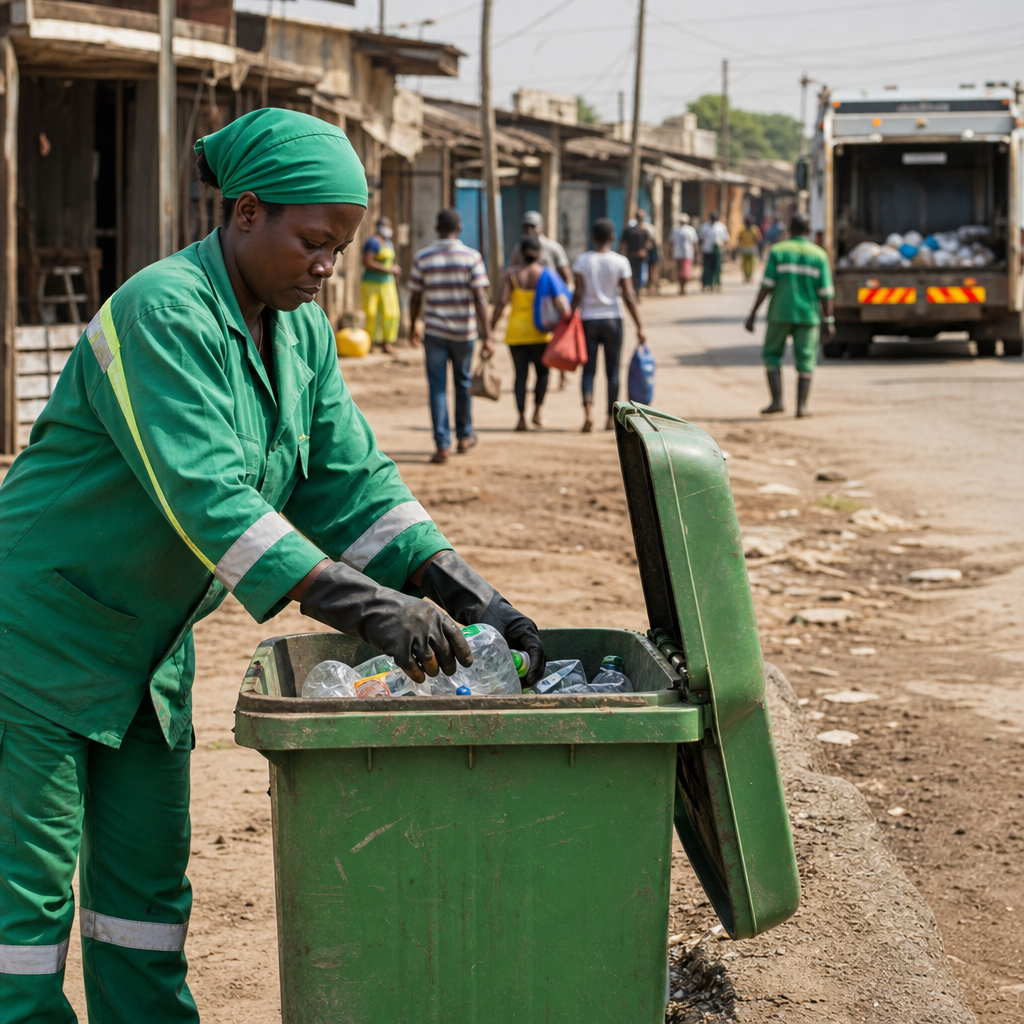
Container-based sanitation is another important innovation. Instead of relying on pits or sewers, sealed removable cartridges collect waste, which is then transported to treatment hubs. This model has been deployed in dense informal settlements where space, flooding, and unstable land tenure make conventional infrastructure difficult. It can dramatically reduce open dumping and groundwater contamination when collection logistics are reliable. The environmental case is strong because the waste is contained, traceable, and easier to process into compost, fuel briquettes, or other end products.
Biogas-linked sanitation systems also deserve attention. Anaerobic digesters can process fecal sludge, food waste, and animal manure together, generating methane for cooking or heating while reducing organic pollution loads. In institutions such as boarding schools or farms, co-digestion improves gas yield and supports waste management integration. Digestate still requires careful post-treatment, but the combination of sanitation and renewable energy creates a broader environmental return than simple disposal.
Nature-based treatment is advancing as well. Engineered wetlands, vermifilters, and modular biofilm reactors can polish greywater and partially treated blackwater with low energy demand. These technologies are not new in principle, but current designs are more compact, better modeled, and easier to fit into decentralized developments. When integrated into landscape plans, they add biodiversity value and improve stormwater management, creating benefits beyond sanitation alone.
Implementation Challenges and What Good Programs Do Differently
EcoSan succeeds when technology, operations, and user behavior are planned together. The most common failures I have encountered were not due to flawed environmental principles. They came from poor siting, weak maintenance contracts, inadequate ventilation, unclear reuse protocols, or designs that ignored how people actually use facilities. A urine-diverting toilet with the wrong slope, for example, can have carryover between compartments, leading to odor and reduced nutrient recovery. A composting unit without proper moisture balance can stall biologically and become difficult to empty.
Regulation is another decisive factor. Reuse of urine, composted fecal matter, and treated greywater must align with public health requirements. The World Health Organization’s sanitation safety planning approach is useful because it maps hazards across the chain, from user interface to transport, treatment, storage, and end use. That process helps operators identify control points such as storage duration, protective equipment, application method, and crop restriction. It makes EcoSan safer and more defensible to regulators and communities.
Economics require honesty. EcoSan can reduce water bills, fertilizer purchases, and network expansion costs, but upfront investment and service models vary widely. Some systems are inexpensive at household scale; others require structured collection fleets, treatment sites, or trained maintenance teams. The correct comparison is not only against sewer connection costs. It should also include avoided groundwater cleanup, reduced freshwater demand, lower flood vulnerability, and improved resilience during drought or infrastructure disruption.
Good programs therefore start with local conditions. They assess soil permeability, flood frequency, groundwater depth, water tariffs, cultural preferences, crop demand, and the availability of spare parts and service labor. They test acceptance with users before scaling. They define who empties containers, where materials go, how treatment is verified, and what happens during peak rainfall or school holidays. In environmental protection, operational detail is the difference between a promising concept and a durable system.
Why EcoSan Matters for Environmental Protection Strategy
EcoSan’s role in environmental protection is comprehensive because sanitation sits at the intersection of water, nutrients, land, energy, and health. A well-designed EcoSan program conserves freshwater, lowers pollutant discharge, supports soil restoration, reduces pressure on centralized infrastructure, and creates options for resource recovery that conventional systems often miss. It is especially valuable in drought-prone regions, rapidly growing peri-urban areas, remote sites, and places where fragile watersheds cannot absorb continued contamination.
The core lesson is simple: water should not be wasted to move nutrients and pathogens into rivers when those materials can be separated, treated, and reused safely. Innovative EcoSan technologies make that principle workable through urine diversion, composting, decentralized treatment, greywater reuse, container-based service models, and biogas recovery. Each technology has limits, but together they offer a flexible toolkit for protecting the environment while conserving water.
For planners, property owners, institutions, and sustainability teams, the next step is to evaluate sanitation as part of a full environmental system rather than a standalone utility. Map water use, identify pollution risks, assess reuse opportunities, and compare decentralized options with the true lifetime cost of conventional infrastructure. Done well, EcoSan turns sanitation into a measurable environmental asset. Start with one site assessment, and build from there.
Frequently Asked Questions
What are Innovative EcoSan Technologies, and how do they help conserve water?
Innovative EcoSan Technologies are sanitation systems and supporting treatment methods designed around ecological sanitation principles. Instead of treating human waste and wastewater as materials that must simply be flushed away and discarded, EcoSan systems manage them as recoverable resources. In practice, this can include urine-diverting dry toilets, low-water or waterless toilet systems, decentralized wastewater treatment units, composting systems, greywater reuse technologies, and nutrient recovery solutions. The main water conservation benefit comes from reducing or eliminating the need for conventional flushing, which is one of the largest sources of household water use in many communities.
These technologies conserve water in several ways at once. First, they can dramatically cut potable water use by replacing flush-based systems with dry or low-flush alternatives. Second, they often separate waste streams at the source, which makes treatment more efficient and reduces the volume of water needed to transport and process waste. Third, many EcoSan designs support the safe reuse of treated greywater for irrigation, landscaping, or other non-potable purposes, further lowering demand on freshwater supplies. This is especially important in water-stressed regions, drought-prone areas, off-grid settings, and communities where centralized sewer infrastructure is expensive or unreliable.
What makes these technologies innovative is not just the hardware, but the systems thinking behind them. Effective EcoSan solutions integrate sanitation, water management, nutrient cycling, public health protection, and local maintenance capacity. The strongest examples are tailored to local conditions such as climate, culture, household density, farming practices, soil conditions, and long-term operation needs. When designed and managed properly, EcoSan technologies can reduce water consumption, protect groundwater, recover nutrients, and create more resilient sanitation systems overall.
How is EcoSan different from traditional sanitation systems?
The biggest difference is the basic goal of the system. Traditional sanitation generally focuses on rapid waste removal and disposal, usually by mixing human waste with large amounts of water and transporting it through sewers or septic systems. EcoSan takes a different approach by aiming to safely contain, treat, and reuse nutrients, organic matter, and water wherever practical. Rather than seeing sanitation only as a disposal service, EcoSan frames it as part of a larger environmental and resource management cycle.
In a conventional flush toilet system, clean water is used to move waste away from the user, but that convenience comes with major infrastructure and resource demands. It requires dependable water supply, pipes, pumping or gravity flow, treatment plants, sludge handling, and ongoing maintenance. In many places, those systems work well, but in others they are too costly, too water-intensive, or poorly matched to local realities. EcoSan systems are often designed to operate with much less water, less centralized infrastructure, and more local control over treatment and reuse.
Another major difference is source separation. Many EcoSan systems keep urine, feces, and greywater separate because each stream can be treated more efficiently on its own. Urine contains much of the nitrogen and phosphorus that plants need, while feces contain organic matter and pathogens that require more controlled treatment. Greywater can sometimes be treated and reused more easily than combined sewage. By separating these streams, EcoSan can improve both sanitation outcomes and resource recovery potential. This creates opportunities for fertilizer replacement, soil improvement, and irrigation support while reducing pollution risks from untreated wastewater discharge.
That said, EcoSan is not one fixed technology or a universal substitute for all sewered sanitation. It is a design philosophy supported by a range of technical options. The most successful systems are those that match user habits, are easy to maintain, and include clear plans for safe treatment, monitoring, and end use of recovered materials.
Are EcoSan systems safe and hygienic for households and communities?
Yes, EcoSan systems can be very safe and hygienic when they are properly designed, used, maintained, and monitored. Safety depends less on whether a system is conventional or ecological and more on whether it effectively controls exposure to pathogens throughout collection, storage, treatment, transport, and reuse. Well-run EcoSan systems are built around barriers that reduce health risks at every step. These barriers may include source separation, sealed containment, dehydration, composting, alkaline treatment, controlled storage time, filtration, and safe handling procedures for operators and users.
A common concern is whether treating waste closer to where it is generated creates more risk. In reality, centralized systems also require careful management, and failures in sewers, septic systems, or treatment plants can create major contamination problems. EcoSan approaches can reduce some of these risks by minimizing leakage, reducing wastewater volumes, and avoiding the discharge of untreated sewage into local waterways. For example, urine-diverting toilets can separate a relatively low-pathogen nutrient stream from fecal matter, making downstream treatment simpler and more targeted. Composting and dehydration systems, when correctly operated, can reduce pathogen levels over time and produce safer end products for restricted agricultural or landscaping use, depending on applicable standards.
The key is that EcoSan should never be treated as a shortcut or informal workaround. Safe implementation requires user education, proper toilet design, ventilation where needed, regular emptying protocols, protective equipment for handlers, and compliance with public health guidance and local regulations. The answer is not merely to install a toilet, but to manage the whole sanitation chain responsibly. Communities that invest in training, maintenance routines, and realistic reuse plans tend to see the best hygiene outcomes. In short, EcoSan can be both safe and effective, but only when sanitation management is taken seriously from start to finish.
What types of EcoSan technologies are most effective for water conservation?
The most effective EcoSan technologies for water conservation are usually those that reduce flushing demand, separate waste streams efficiently, and enable practical reuse of water and nutrients. Urine-diverting dry toilets are among the most water-saving options because they can eliminate flushing entirely while capturing nutrients in a separate stream that can be stored and reused under controlled conditions. Composting toilets and dehydration toilets are also important technologies, particularly in areas with limited water access or where sewer expansion is not feasible.
Low-water innovations also play a strong role. In places where dry systems are not culturally preferred or where users want a more familiar experience, very low-flush toilets paired with decentralized treatment systems can still achieve major water savings compared with conventional flush toilets. Vacuum-assisted toilets, foam-flush systems, and container-based sanitation models may also be effective in dense settlements, institutions, or off-grid applications. These systems reduce the amount of water needed for transport and can improve collection logistics when paired with reliable service models.
Beyond the toilet itself, greywater reuse technologies are highly effective for broad water conservation. Systems that collect water from sinks, showers, and laundry can treat it for reuse in landscape irrigation, tree planting, or other non-potable applications. Constructed wetlands, biofilters, settling units, and small decentralized treatment systems can all contribute, depending on local conditions. In communities with agricultural activity, nutrient recovery from urine and treated organic matter can create an additional benefit by reducing dependence on synthetic fertilizers, which indirectly supports broader environmental sustainability.
The most effective choice depends on context. Climate matters because evaporation, moisture control, and treatment performance vary by region. User acceptance matters because a system that saves water on paper but is disliked or misused in practice will not perform well. Maintenance capacity matters because even excellent technologies fail without regular care. For that reason, the best EcoSan solution is usually not the most technically complex one, but the one that balances water savings, health protection, affordability, usability, and long-term operation.
What should communities and property owners consider before adopting EcoSan systems?
Before adopting EcoSan systems, communities and property owners should start with a full understanding of local conditions rather than choosing a technology based only on trends or product marketing. The first questions should be practical: How scarce is water? Is there sewer access? What is the soil type? Is the area flood-prone? What are the local health regulations? Who will maintain the system? What reuse options are realistic? These factors strongly influence whether a dry toilet, a low-water system, a greywater reuse setup, or a decentralized treatment approach will be most appropriate.
User behavior and cultural acceptance are just as important as engineering. A technically sound design can still fail if people are not comfortable using it, do not understand source separation, or are not prepared for the maintenance routine. Good EcoSan planning includes user consultation, demonstration projects, training, and clear operating instructions. It also requires a realistic maintenance model. Someone must inspect components, manage storage or composting cycles, remove by-products safely, and respond when problems arise. In successful field applications, this institutional side of the system is often what separates long-term performance from early failure.
Cost should be evaluated across the full life cycle, not only at installation. Some EcoSan systems have lower infrastructure costs than sewer connections, especially in remote, water-scarce, or rapidly growing areas. However, they may require more direct management, periodic emptying, replacement of parts, or investment in treatment and reuse infrastructure. On the benefit side, they can lower water bills, reduce pressure on local water sources, avoid expensive sewer expansion, and create value through nutrient recovery and safer local resource management.
Finally, decision-makers should consider regulation, monitoring, and partnerships. EcoSan works best when it is supported by health authorities, local governments, engineers, farmers where