Greywater reuse is one of the most practical ways to reduce household water demand, lower wastewater volumes, and shrink the environmental footprint of everyday sanitation. In EcoSan, the term greywater usually refers to relatively lightly contaminated water from showers, baths, bathroom sinks, and laundry, while blackwater refers to toilet waste and kitchen sink discharge with higher pathogen and organic loads. That distinction matters because greywater can often be treated and reused close to where it is produced, especially for landscape irrigation, toilet flushing, and in some buildings, cleaning or cooling applications. Over years of working with water efficiency and decentralized sanitation projects, I have seen greywater systems deliver meaningful savings when they are designed around local climate, plumbing layout, soil conditions, and maintenance capacity. They are not a universal fix, but they are a core strategy within EcoSan because they connect water conservation, nutrient management, and pollution prevention in one integrated approach.
The environmental importance of greywater reuse starts with simple arithmetic. In many homes, showers, bathroom basins, and laundry generate a large share of indoor wastewater, often between fifty and eighty percent depending on fixtures and habits. Reusing even part of that flow reduces demand for potable water, which is energy intensive to abstract, treat, and pump. It also lowers the volume sent to sewers or septic systems, reducing hydraulic stress on infrastructure and treatment plants. In water-scarce regions, this can make the difference between maintaining vegetation with reused water and relying on freshwater supplies that are already overdrawn. In wetter climates, the benefit often appears as reduced sewer overflows, lower peak discharge, and improved resilience during drought restrictions. For a hub article on EcoSan and the environment, greywater reuse sits at the center because it links household behavior, engineering design, public health safeguards, and ecological outcomes in a way readers can understand and apply.
How greywater reuse works within EcoSan systems
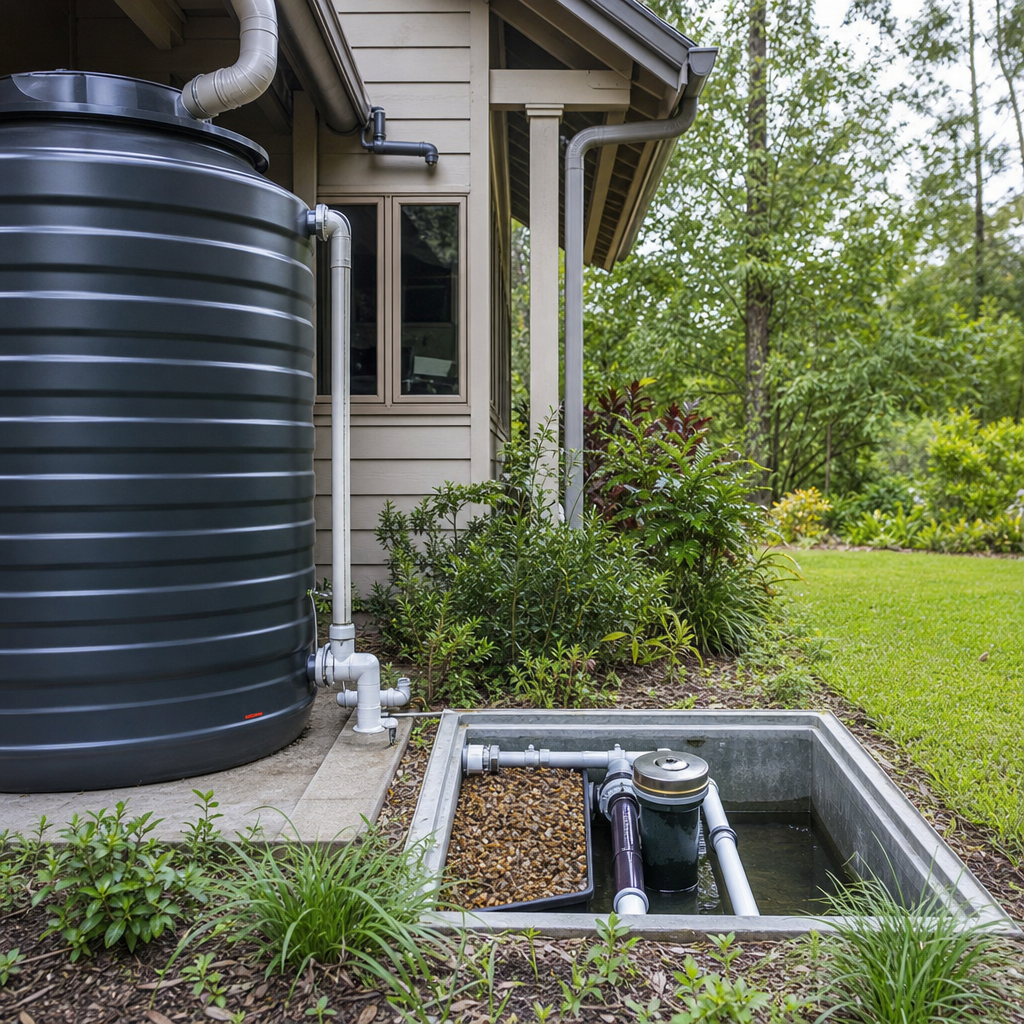
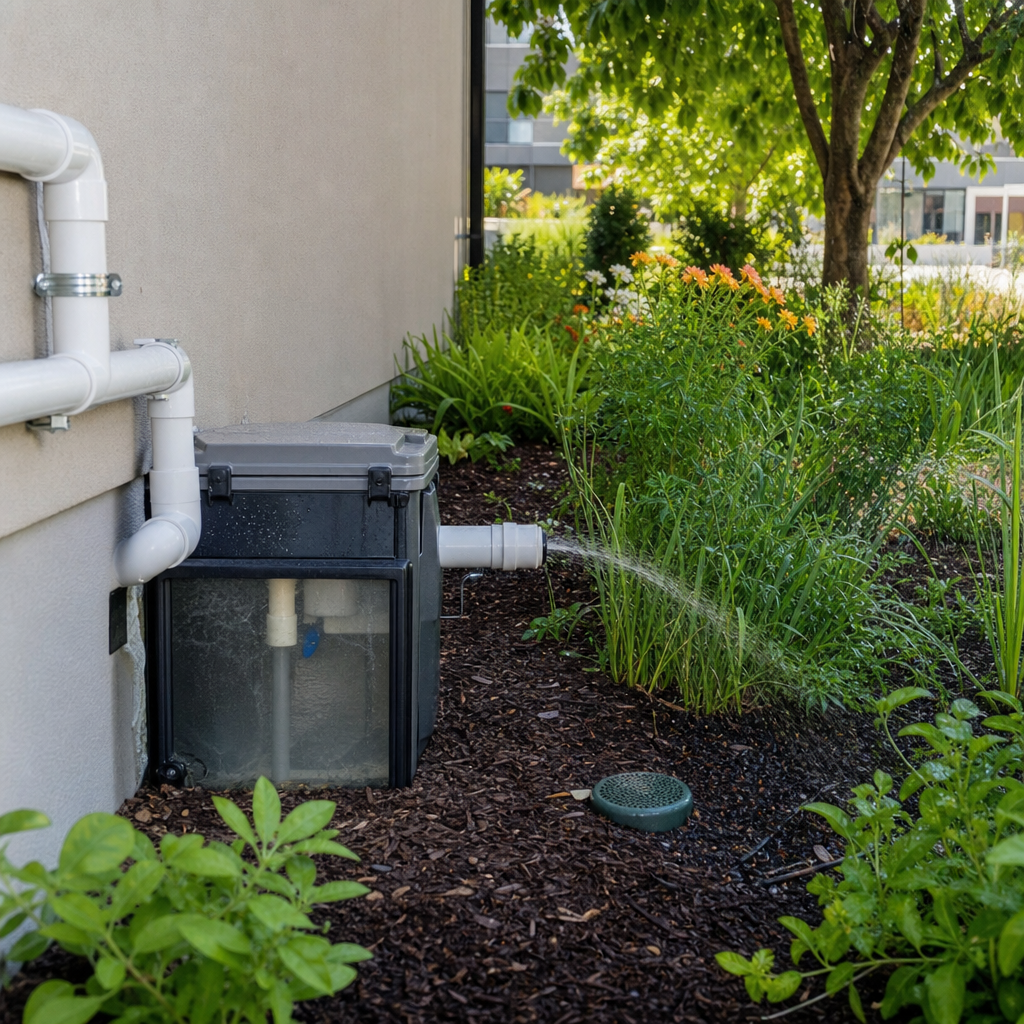
EcoSan aims to manage sanitation flows as resources rather than wastes, and greywater reuse fits that principle directly. A basic system separates greywater from blackwater at the plumbing stage, screens out lint and hair, stores it briefly if needed, and sends it to end uses that tolerate nonpotable water. The simplest examples are gravity-fed laundry-to-landscape systems that divert washing machine discharge to mulch basins around trees. More advanced systems add settling tanks, surge tanks, sand or membrane filtration, and disinfection before reuse in toilet cisterns or subsurface irrigation. The choice depends on regulations, user expectations, and health risk. In practice, successful systems are usually the simplest ones that match a property’s actual maintenance capacity.
Separation is the technical foundation. Once greywater is mixed with toilet waste, the treatment burden rises sharply, and the low-cost environmental advantages mostly disappear. That is why source separation plumbing is a standard concept in decentralized sanitation design. Standards and codes vary by country and state, but most distinguish between untreated greywater for subsurface landscape distribution and treated greywater for indoor nonpotable reuse. In the United States, the International Association of Plumbing and Mechanical Officials provides guidance through the Uniform Plumbing Code, and many jurisdictions adapt those provisions. In Australia, greywater guidance has long emphasized setback distances, soil absorption, and minimizing human contact, especially because reuse is common in drought-prone regions. These standards matter because environmental performance depends as much on correct distribution and user behavior as on treatment technology.
Environmental benefits of greywater reuse
The first and most measurable benefit is freshwater conservation. When reused water substitutes for drinking-quality water in irrigation or flushing, utilities withdraw less from rivers, reservoirs, or aquifers. That reduces pressure on ecosystems already affected by low flows, salinity intrusion, or groundwater depletion. The second benefit is lower wastewater generation. Sending less water to sewers reduces pumping energy and can cut the load on treatment plants during peak periods. In combined sewer systems, lower flows also help reduce overflow risks during storms. The third benefit is landscape resilience. In dry seasons, reused greywater can sustain trees and perennial planting without tapping limited potable supplies, protecting shade cover, urban cooling, and habitat value.
Another environmental gain is indirect energy reduction. Urban water systems consume significant electricity for abstraction, filtration, pressurization, wastewater transport, aeration, and sludge handling. Any safe reduction in potable demand and sewer discharge lowers embedded energy use. The exact savings vary by utility, but life-cycle assessments consistently show that decentralized reuse can cut total water cycle energy where treatment is appropriately scaled and pumping distances are reduced. Greywater also contains small amounts of nutrients such as nitrogen and phosphorus. In moderation, those nutrients can support plants, reducing fertilizer demand. However, that benefit is conditional: excessive loading, sodium-rich detergents, or poor soil drainage can damage plants and soils. Sound design always treats greywater as a managed resource, not a free disposal route.
| Environmental area | How greywater reuse helps | Example |
|---|---|---|
| Water conservation | Substitutes nonpotable uses for potable supply | Toilet flushing with treated shower water in multi-unit buildings |
| Wastewater reduction | Lowers sewer or septic loading | Laundry discharge diverted to subsurface mulch basins |
| Ecosystem protection | Reduces abstraction from stressed rivers and aquifers | Drought-prone communities maintaining gardens without extra mains water |
| Energy savings | Cuts pumping and centralized treatment demand | On-site reuse in schools or hotels with short pipe runs |
| Urban climate resilience | Supports vegetation and shade during water restrictions | Reused water sustaining street-adjacent planting around housing complexes |
Water quality, treatment levels, and health safeguards
Greywater is not clean water, and credible EcoSan planning never pretends otherwise. It can contain साबुन residues, detergents, fats, skin particles, hair, lint, salts, oils, cleaning chemicals, and microorganisms. Pathogen levels are normally lower than blackwater, but they are not negligible, especially where diaper washing, illness, or pet bathing occurs. For that reason, the intended end use determines the treatment target. Subsurface irrigation generally relies on filtration and controlled soil infiltration to limit contact. Indoor reuse for toilet flushing typically requires higher treatment performance, often including fine filtration and disinfection such as chlorine, ultraviolet treatment, or another validated barrier. Storage time is also critical because untreated greywater turns septic quickly, generating odor and increasing microbial growth.
In field assessments, most system failures come from poor product choices and neglected maintenance rather than from the reuse concept itself. Bleach, boron, and sodium in detergents can accumulate in soils and harm sensitive plants. Lint can clog emitters. Fats from some washwaters can create anaerobic conditions. The practical answer is source control plus simple maintenance. Users should select low-sodium, low-boron cleaning products, avoid harsh solvents, and keep kitchen sink flows out of basic greywater systems unless there is robust treatment. Filters need scheduled cleaning, distribution zones need rotation where appropriate, and irrigation must match soil infiltration rates. A good installer explains these constraints up front, because environmental benefit depends on long-term performance, not just installation day.
Applications in homes, buildings, and communities
At household scale, greywater reuse is most often justified by outdoor irrigation or by toilet flushing in places with high water tariffs. A detached home with accessible plumbing and garden demand can often adopt a compact system at reasonable cost, especially if it is incorporated during new construction or renovation. I have seen the strongest results in climates with long dry periods and year-round planting, where mulch basins around fruit trees convert laundry and shower water into a dependable resource. In apartment buildings, hotels, dormitories, and sports facilities, reuse economics can improve because a steady greywater supply aligns with constant toilet flushing demand. Larger systems can justify automated controls, treatment skids, and monitoring that would be excessive for a single house.
Community-scale EcoSan projects sometimes combine greywater reuse with rainwater harvesting, composting toilets, urine diversion, and constructed wetlands. This integrated approach can be powerful in peri-urban or off-grid settings where centralized sewer expansion is expensive or environmentally disruptive. For example, a school campus may separate toilet waste for dedicated treatment while routing handwashing and shower water through planted gravel filters for irrigation reuse. A resort may treat guestroom greywater with membrane bioreactors and reuse it for flushing and landscaping, reducing both imported water and discharge volumes. These examples show why greywater is a hub topic within environmental sanitation: it interacts with building design, land use, ecology, and utility planning rather than sitting in a narrow plumbing category.
Limits, risks, and policy considerations
Greywater reuse is beneficial, but it is not automatically sustainable in every setting. The largest constraint is health protection. Systems that permit surface ponding, aerosolization, cross-connections with drinking water, or uncontrolled storage create real risk and should not be tolerated. The next constraint is site suitability. Heavy clay soils, shallow groundwater, steep slopes, freezing conditions, and tiny urban plots can make subsurface irrigation impractical. Economic payback can also be modest where water prices are low or where retrofitting requires major replumbing. In some regions, regulations remain fragmented, creating uncertainty for homeowners and builders. Policy that works well usually combines clear permitting pathways, realistic performance standards, installer training, and public guidance on approved end uses.
There is also an important systems-level nuance. If wastewater treatment plants depend on incoming flows to transport solids and maintain process balance, widespread reuse in one district may alter sewer characteristics. Utilities therefore need integrated planning, not isolated property decisions. Environmental justice matters too. Greywater programs should not shift maintenance burdens onto households without support, nor should lower-income areas receive poorly designed systems while wealthier districts get professionally managed reuse. The strongest policies pair incentives with accountability: rebates for qualified installations, inspection protocols, backflow prevention, and user education. When those pieces are in place, greywater reuse becomes a reliable environmental measure rather than a niche experiment.
Best practices for maximizing environmental gains
The most effective greywater systems follow a short list of proven principles. First, match water quality to end use; do not over-treat irrigation water or under-treat indoor reuse water. Second, keep systems simple enough for the operator, whether that operator is a homeowner, caretaker, or facilities team. Third, design for maintenance access, including removable filters, isolation valves, and clear labeling of nonpotable pipes. Fourth, manage chemistry by choosing plant-friendly soaps and detergents. Fifth, distribute water below the surface where possible to reduce contact and evaporation. Finally, monitor performance. Even basic checks for odor, ponding, clogged outlets, and plant response can prevent environmental harm and extend system life.
For readers exploring EcoSan and the environment, the key takeaway is that greywater reuse works best as part of a broader resource strategy. It pairs naturally with efficient fixtures, drought-tolerant landscaping, compost-based soil building, and, where appropriate, rainwater capture. Start by quantifying available greywater sources, identifying safe end uses, and reviewing local code requirements. Then choose the least complex system that can reliably meet those needs. Done well, greywater reuse conserves freshwater, reduces wastewater burdens, protects landscapes, and strengthens climate resilience without sacrificing health safeguards. That combination is why it remains one of the most valuable tools in environmentally responsible sanitation. If you are planning an EcoSan project, use greywater reuse as an early design decision, not an afterthought, and build the rest of the system around it.
Frequently Asked Questions
What is greywater, and how is it different from blackwater?
Greywater is wastewater generated from relatively low-contamination household activities such as showers, baths, bathroom sinks, and laundry. In most EcoSan and water reuse discussions, it is treated as a separate stream because it usually contains soap residues, skin particles, lint, and small amounts of dirt, but far fewer pathogens and much lower organic loading than toilet waste. Blackwater, by contrast, refers to wastewater from toilets and often kitchen sinks, where fecal matter, food waste, grease, and higher concentrations of disease-causing organisms are more common. This distinction is important because greywater can often be treated and reused locally with simpler systems, while blackwater generally requires more intensive treatment and stricter handling. By separating these streams at the household or building level, it becomes much easier to recover usable water for non-potable purposes and reduce pressure on freshwater supplies and sewer infrastructure.
What are the main environmental benefits of greywater reuse?
Greywater reuse delivers several important environmental benefits at once. First, it reduces demand for freshwater by allowing households and buildings to substitute treated or diverted greywater for uses that do not require drinking-water quality, such as landscape irrigation or toilet flushing. This helps conserve rivers, aquifers, and reservoirs, especially in water-stressed regions. Second, it lowers the total volume of wastewater sent to sewers, septic systems, or treatment plants, which can reduce treatment energy, infrastructure strain, and the risk of overflow events during heavy rain or peak demand. Third, when reused responsibly near the source, greywater can cut the energy needed to pump, transport, and process water across long distances. There can also be indirect climate benefits because reduced water and wastewater treatment often means lower greenhouse gas emissions. In addition, reusing household water encourages a more circular approach to sanitation and resource management, where water is kept in use for longer rather than being discarded after a single task.
How can greywater be safely reused around the home?
Safe greywater reuse depends on using the right water sources, matching them to appropriate end uses, and applying basic treatment or management practices. Water from showers, bathtubs, bathroom sinks, and washing machines is commonly considered suitable for reuse after screening, settling, filtration, or other treatment steps, depending on the system design and local regulations. Common household uses include subsurface irrigation for ornamental plants, toilet flushing, and in some cases drip irrigation for certain landscapes. However, greywater should usually be applied in ways that minimize direct human contact, prevent ponding, and avoid aerosol formation. It is also important to use biodegradable, low-salt, and low-boron soaps and detergents, since chemicals in household products can affect soil health and plant growth over time. Greywater systems should be clearly separated from drinking water plumbing to prevent cross-connections, and storage should generally be limited unless the water is treated, because untreated greywater can degrade quickly and develop odors or microbial growth. The safest and most effective approach is to follow local codes and use a system designed for the scale and purpose of reuse.
Can greywater reuse significantly reduce household water consumption?
Yes, greywater reuse can make a meaningful difference in household water consumption because a large share of indoor water use comes from activities that generate reusable wastewater. Showers, bathing, and laundry together can produce substantial volumes of greywater on a daily basis. When that water is redirected for irrigation or toilet flushing, households can offset a notable portion of their potable water demand. The exact savings depend on occupancy, water-use habits, climate, landscape needs, and the type of reuse system installed, but in many cases greywater reuse becomes one of the most practical strategies for cutting overall demand without sacrificing comfort. It is especially effective when combined with water-efficient fixtures, sensible irrigation practices, and source separation. Beyond the water bill, these savings matter environmentally because every gallon reused locally is a gallon that does not need to be extracted, treated to potable standards, distributed through municipal systems, and then collected again as wastewater. That makes greywater reuse an efficient tool for both conservation and resilience.
Are there any limitations or concerns to consider before installing a greywater system?
There are, and understanding them is essential for responsible use. Not all household wastewater qualifies as greywater in every jurisdiction, and local building, health, and plumbing codes may define allowable sources and uses differently. Water from kitchen sinks is often excluded because it can contain high levels of grease, food particles, and pathogens. System maintenance is another major consideration: filters can clog, pumps can fail, and poor design can lead to odors, soil saturation, or uneven distribution. Water quality also varies depending on the products people use in the home, so detergents, bleaches, disinfectants, and fabric treatments may affect whether the water is suitable for plants or long-term reuse. In colder climates, seasonal operation may need special planning, while in dense urban settings the available reuse applications may be more limited. Cost and complexity can range from simple laundry-to-landscape setups to fully plumbed treatment systems for indoor reuse. The key is to choose a system that fits the site, household behavior, and legal requirements. When properly designed and maintained, greywater reuse is highly beneficial, but it works best when treated as part of a broader water management strategy rather than as a one-size-fits-all solution.