Sanitation shapes coastal ecosystems more directly than most people realize. When wastewater, storm runoff, and poorly managed sewage enter estuaries, beaches, mangroves, and coral habitats, they alter water chemistry, spread pathogens, trigger algal blooms, and weaken fisheries. The impact of sanitation on coastal ecosystems is therefore not a narrow infrastructure issue; it is a core environmental protection challenge that links public health, biodiversity, tourism, and climate resilience. In practical terms, sanitation includes the systems used to collect, transport, treat, reuse, or safely dispose of human waste and contaminated water. Coastal ecosystems include tidal wetlands, seagrass beds, dunes, lagoons, reefs, river mouths, and nearshore marine zones that depend on stable nutrient levels, oxygen balance, and low contamination.
I have worked on wastewater planning discussions for shoreline communities where one failing pump station upstream translated into beach advisories downstream within hours. That direct cause-and-effect is what makes this topic so important. A broken septic network does not stay local. Nitrogen migrates into groundwater, bacteria wash into creeks after rain, and suspended solids settle over shellfish habitat. Once contamination reaches a coast, ecological damage can compound quickly because many coastal systems are already stressed by warming seas, erosion, and overdevelopment. Good sanitation acts as preventive environmental management. It limits pollutant loads before they enter sensitive waters and reduces expensive restoration work later.
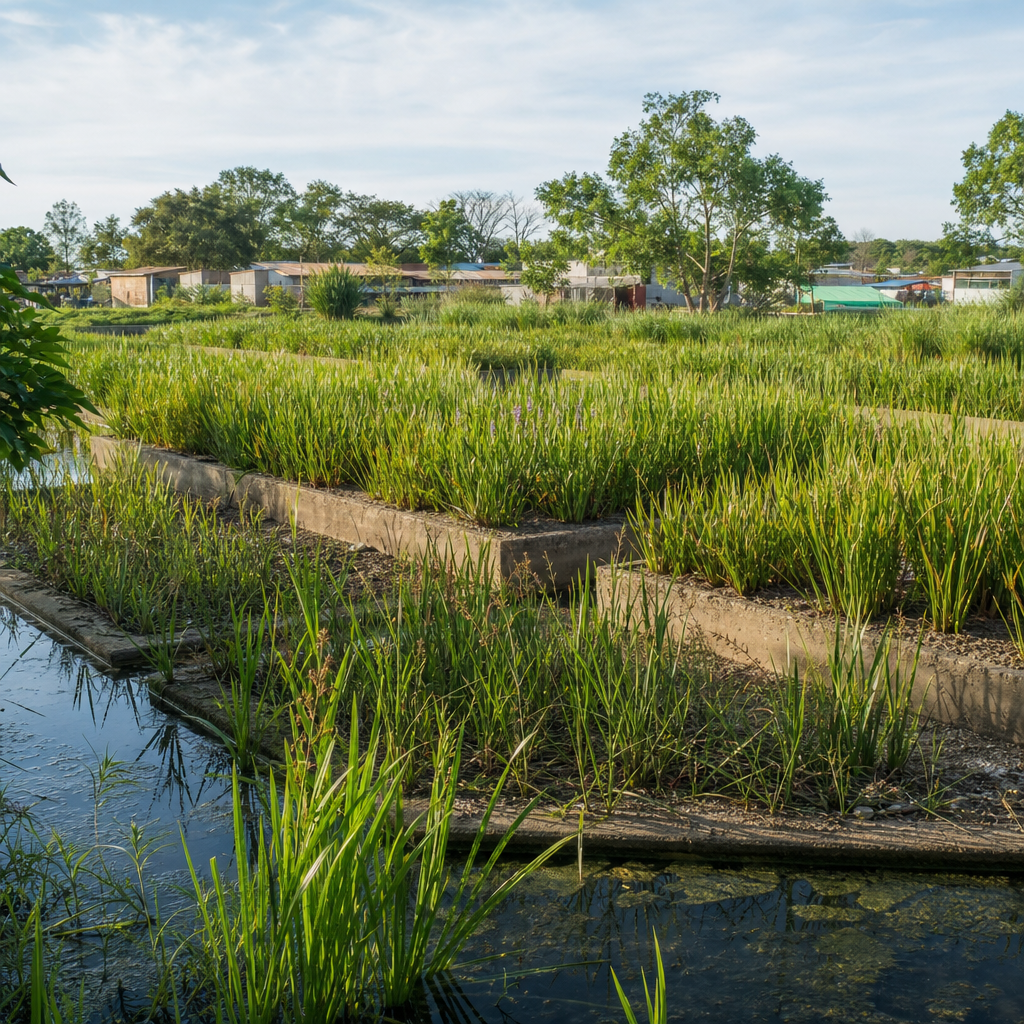
EcoSan’s role in environmental protection sits at the center of this prevention strategy. EcoSan, short for ecological sanitation, treats waste as a resource stream rather than something to move out of sight. Depending on context, EcoSan approaches can include urine diversion, decentralized treatment, composting toilets, anaerobic digestion, nutrient recovery, greywater reuse, and nature-based polishing systems such as constructed wetlands. The common principle is to break the pollution pathway between human settlements and natural waters while recovering water, energy, or nutrients where possible. For coastal communities facing limited treatment capacity, high water tables, seasonal tourism spikes, and flood exposure, that principle is especially valuable.
This hub article explains how sanitation affects coastal ecosystems, where conventional systems fail, how EcoSan approaches reduce harm, and what communities should measure when choosing solutions. It also frames the major subtopics that support a complete environmental impact strategy: nutrient pollution control, pathogen reduction, marine habitat protection, sludge management, resilience to flooding, and circular resource recovery. If you need a practical answer to the core question, it is this: better sanitation protects coastal ecosystems by preventing untreated waste from entering water, and EcoSan strengthens that protection by designing systems around reuse, decentralization, and ecological limits.
How Poor Sanitation Damages Coastal Water Quality and Habitat
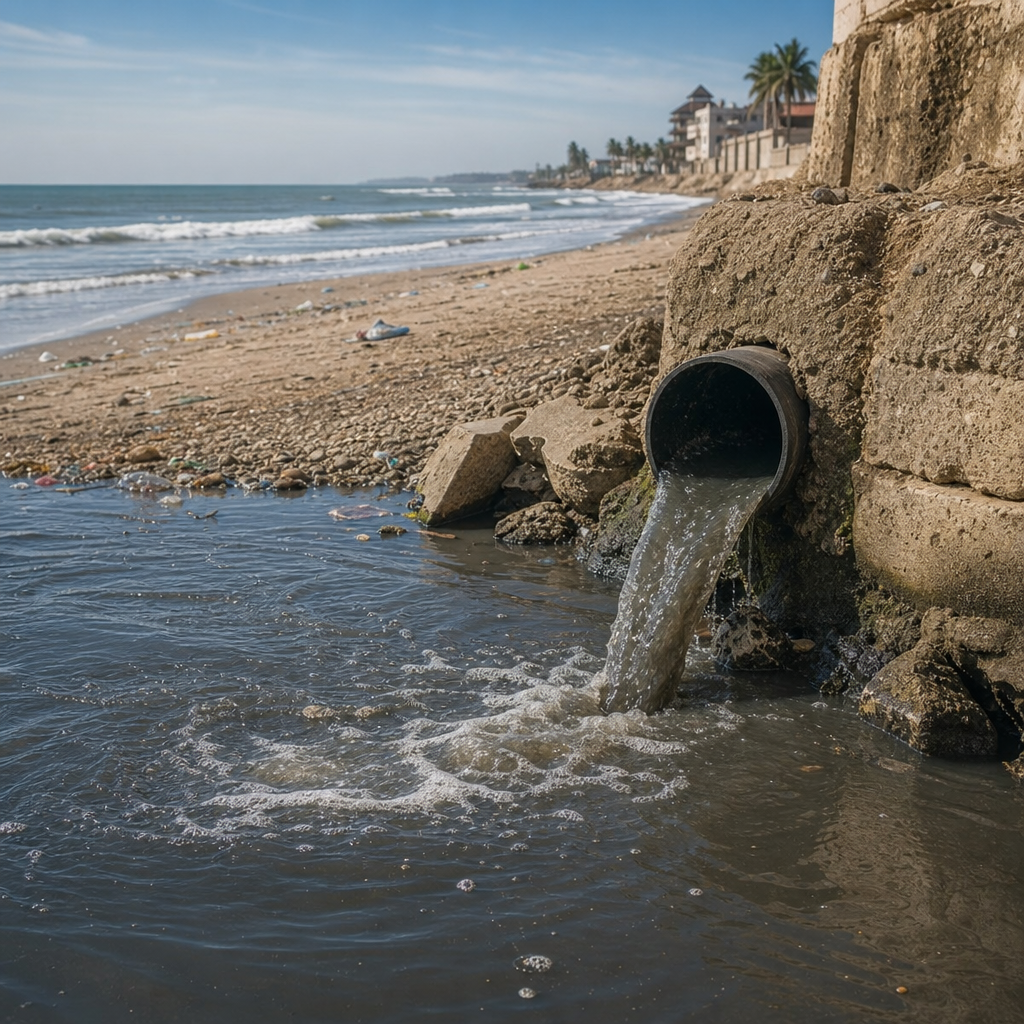
The most immediate environmental effect of poor sanitation is pollutant loading. Untreated or partially treated sewage carries nitrogen, phosphorus, organic matter, suspended solids, pharmaceuticals, household chemicals, and disease-causing organisms. In coastal waters, excess nitrogen and phosphorus fuel eutrophication, a process where nutrient enrichment drives rapid algal growth. When algae die and decompose, bacteria consume dissolved oxygen, creating hypoxic conditions that can kill fish, crabs, and benthic organisms. This is not an abstract risk. Nutrient pollution has contributed to dead zones in many estuarine systems worldwide, including the Gulf of Mexico and enclosed bays with limited flushing.
Pathogens are equally serious. Fecal contamination introduces organisms such as E. coli, enterococci, Salmonella, norovirus, and protozoa into bathing waters and shellfish beds. Shellfish are filter feeders, which means they can concentrate microbes from surrounding water and pass them to people if harvested from contaminated areas. That is why sanitation failures often lead to shellfish closures, swimming bans, and lost tourism revenue. In coastal municipalities I have reviewed, one of the clearest indicators of sanitation stress is the repeated posting of beach advisories after heavy rain, usually tied to combined sewer overflows, leaking septic fields, or direct discharge from informal settlements.
Habitat degradation follows water quality decline. Seagrass beds require light penetration, but sewage-driven turbidity and algal growth reduce water clarity. Mangroves can tolerate dynamic conditions, yet chronic contamination changes sediment chemistry and stresses nursery habitat for juvenile fish. Coral reefs are highly vulnerable because nutrient enrichment and sedimentation can favor macroalgae over coral recruitment, especially when herbivore populations are already under pressure. Even salt marshes, which provide natural filtration, can become overwhelmed when wastewater loading exceeds ecological capacity. Sanitation is therefore upstream habitat management. Protecting coastal ecosystems starts long before contamination reaches the shoreline.
Why Coastal Communities Face Unique Sanitation Risks
Coastal geography makes sanitation harder than inland planning often assumes. High groundwater tables reduce the effectiveness of conventional septic systems because there is less unsaturated soil available to filter contaminants. Sandy soils may drain quickly but provide inconsistent treatment. Low-lying land increases the risk of flooding, which can inundate latrines, septic tanks, and pumping infrastructure, spreading waste directly into canals and estuaries. Saltwater intrusion can corrode pipes and disrupt biological treatment processes. Seasonal tourist populations can double or triple wastewater volumes, overwhelming systems designed for permanent residents.
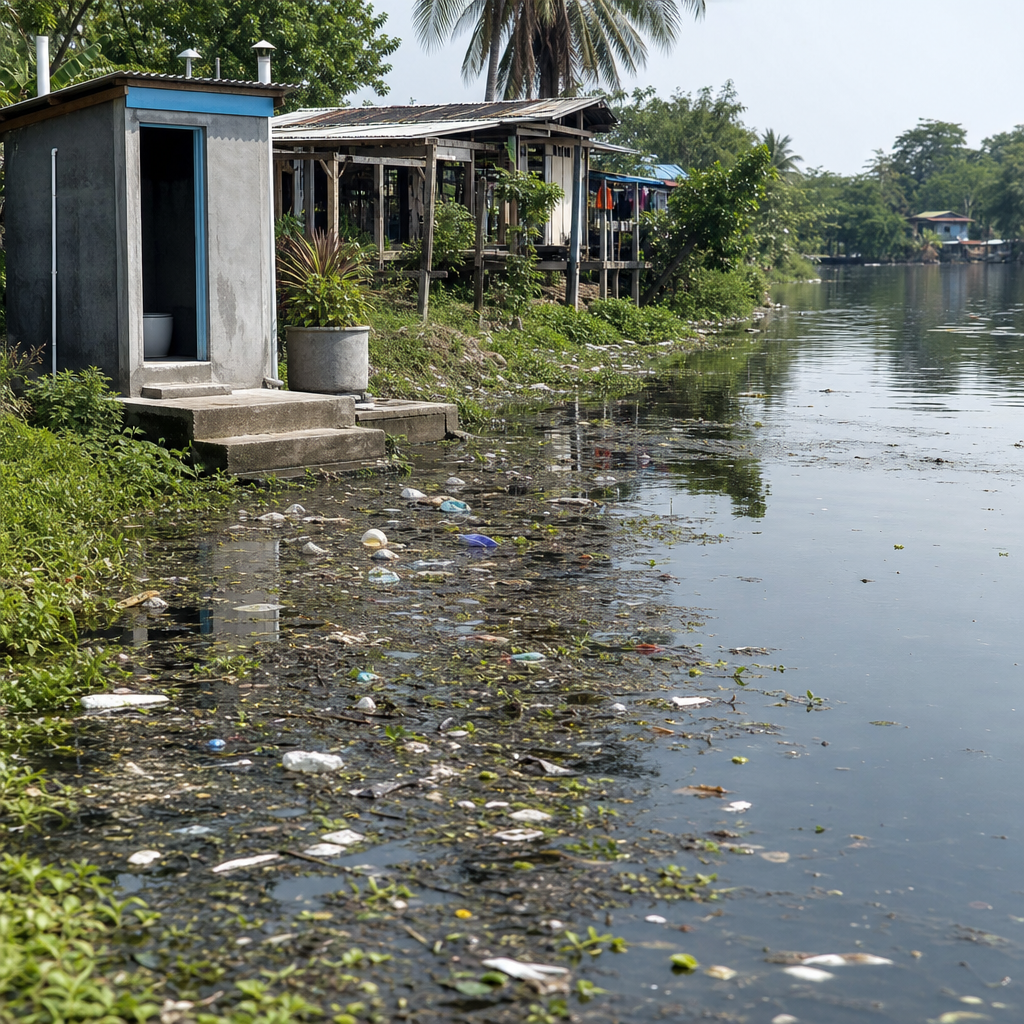
Urbanization adds another layer of pressure. Informal settlements on shorelines or tidal creeks often emerge faster than sewer networks can expand. In these areas, households may rely on pit latrines, direct discharge, or illegal connections to storm drains. During storms, runoff carries contaminants into nearshore waters in concentrated pulses. Climate change intensifies each of these vulnerabilities by increasing extreme rainfall, sea level rise, and storm surge frequency. A sanitation asset that functions adequately today may fail under tomorrow’s flood conditions unless resilience is built into siting, elevation, storage, and backup power planning.
Conventional centralized wastewater treatment remains necessary in many cities, but it has limitations in coastal settings. Long pipe networks are expensive to maintain, inflow and infiltration can overwhelm treatment plants, and power outages can disable lift stations at the worst possible moment. EcoSan’s value is not that it replaces every sewer. Its value is that it gives planners a broader toolkit. Decentralized treatment nodes, source separation, container-based services, and wetland polishing systems can reduce hydraulic loads, close service gaps, and improve environmental outcomes where centralized infrastructure alone is not enough.
How EcoSan Protects Coastal Ecosystems
EcoSan protects coastal ecosystems by interrupting the pollution chain at multiple points. First, source separation reduces the volume and contamination strength entering treatment systems. Urine contains most household nitrogen and a significant share of phosphorus, so diverting it enables targeted nutrient recovery instead of allowing those nutrients to wash into estuaries. Second, decentralized treatment shortens the distance between waste generation and treatment, reducing leakage risk and making expansion easier in dispersed coastal settlements. Third, reuse strategies convert wastewater from a disposal problem into an asset for irrigation, soil improvement, or energy generation, provided health safeguards are followed.
In practice, the strongest EcoSan projects combine engineered treatment with ecological design. A coastal lodge might use low-flush fixtures, an anaerobic baffled reactor, and a subsurface-flow constructed wetland before reusing treated water in landscaping. A peri-urban settlement might pair urine-diverting dry toilets with scheduled collection and composting under controlled conditions. A small island community might use modular biodigesters to stabilize sludge and reduce pathogen loads while generating biogas for cooking. These are not niche ideas. They are field-tested approaches that become especially useful where water is scarce, sewer expansion is unrealistic, or receiving waters are highly sensitive.
Environmental protection improves because EcoSan systems are built around pollutant prevention rather than end-of-pipe cleanup alone. When systems are well designed, they lower nutrient discharge, reduce pathogen transport, conserve freshwater, and cut greenhouse gas emissions associated with energy-intensive treatment and synthetic fertilizer production. The environmental gains are largest when operation and maintenance are taken seriously. Ecological sanitation is not maintenance-free. It depends on user training, scheduled emptying, treatment verification, and safe reuse protocols aligned with standards from organizations such as the World Health Organization and the International Organization for Standardization.
Core Environmental Protection Functions Across EcoSan Systems
Not every community needs the same technology, but the environmental functions are consistent: contain waste, remove or transform pollutants, recover useful resources, and prevent discharge to sensitive waters. The table below summarizes how common EcoSan approaches support coastal protection.
| EcoSan approach | Main environmental benefit | Best coastal use case | Key limitation to manage |
|---|---|---|---|
| Urine-diverting toilets | Reduces nutrient loading and enables nitrogen and phosphorus recovery | Water-scarce settlements, eco-resorts, dispersed housing | User acceptance and collection logistics |
| Composting toilets | Contains fecal waste without water discharge and creates soil amendment after proper treatment | Remote coasts, parks, islands, flood-prone zones | Moisture control, pathogen safety, ongoing maintenance |
| Anaerobic digesters | Stabilizes waste, lowers organic pollution, produces biogas | Institutions, clustered housing, food service sites | Needs steady feedstock and trained operators |
| Constructed wetlands | Polishes effluent, removes solids and some nutrients, improves habitat value | Small communities with available land | Requires pretreatment and careful hydraulic design |
| Decentralized wastewater treatment | Limits leakage, improves local treatment coverage, scales incrementally | Growing coastal towns and peri-urban areas | Monitoring many small systems can be harder than one plant |
From an environmental management perspective, the best option is usually the one that matches hydrogeology, land availability, user behavior, and long-term service capacity. I have seen expensive packaged plants fail because no one budgeted for spare parts, while simpler decentralized systems kept beaches cleaner because operators could actually maintain them. Technology choice matters, but service design matters more.
Nutrients, Pathogens, and Emerging Pollutants: What Must Be Controlled
If a coastal authority wants to protect ecosystems, three pollutant categories deserve priority. First are nutrients, especially reactive nitrogen and phosphorus. These drive algal blooms, oxygen depletion, and shifts in species composition. Monitoring should include total nitrogen, ammonia, nitrate, and total phosphorus, not just basic biochemical oxygen demand. Second are pathogens. Enterococci are widely used as indicators in marine recreational waters because they correlate better with health risk in saline environments than some older indicators. Third are emerging pollutants, including pharmaceuticals, personal care product residues, and microplastics, which increasingly appear in coastal monitoring programs.
EcoSan contributes most strongly on nutrients and pathogens. Source separation can capture nutrients before dilution. Composting, digestion, storage, and secondary polishing can cut pathogen loads significantly when retention times and temperatures are adequate. However, no sanitation system removes every contaminant equally well. Wetlands are valuable but should not be assumed to solve pharmaceutical contamination on their own. Dry systems reduce waterborne discharge but still require strict handling controls. A credible environmental protection plan acknowledges these limits and pairs sanitation improvements with monitoring, watershed management, and public education.
For shellfish waters and coral regions, stricter prevention is justified because the ecological and economic stakes are high. Once contamination becomes chronic, restoration costs rise sharply. Seagrass recovery can take years. Coral recruitment can lag even after water quality improves. That is why preventative sanitation investment almost always has a better environmental return than repeated cleanup campaigns after visible damage appears.
Planning, Policy, and Metrics That Make Protection Real
Environmental protection depends on governance as much as hardware. The most effective coastal sanitation programs map pollution pathways from households to receiving waters, identify hotspots, and set measurable targets. Good plans include setback distances from shorelines and wells, flood-adjusted design standards, fecal sludge management routes, power redundancy for pump stations, and routine water quality monitoring at outfalls, rivers, beaches, and shellfish zones. They also align sanitation policy with land-use controls so that dense development is not approved where treatment capacity does not exist.
Metrics should be practical and ecological. Track service coverage, overflow frequency, septage collection rates, effluent nutrient concentrations, beach advisory days, dissolved oxygen in estuaries, and compliance with bathing water or shellfish harvesting standards. Financial metrics matter too, including lifecycle cost per household served and cost per kilogram of nitrogen removed. These indicators help decision-makers compare centralized upgrades, decentralized clusters, and EcoSan alternatives on the basis of outcomes rather than marketing claims.
EcoSan’s role in environmental protection becomes strongest when it is treated as part of an integrated coastal management strategy. That means linking sanitation to watershed restoration, stormwater control, habitat conservation, and climate adaptation. Communities that do this well do not ask only, “Where does the waste go?” They ask, “What pollutant load reaches the estuary, how resilient is the system during floods, and what resources can be safely recovered?” Those are the right questions, and they lead to better ecological results.
The impact of sanitation on coastal ecosystems is measurable, immediate, and often reversible when action is taken early. Poor sanitation increases nutrient pollution, pathogen exposure, habitat stress, and economic losses across tourism, fisheries, and public health. Coastal areas face added vulnerability because of shallow groundwater, flooding, rapid growth, and fragile receiving waters. That is why sanitation planning cannot be separated from environmental protection planning.
EcoSan offers a practical framework for solving these problems. By emphasizing source separation, decentralized treatment, safe reuse, and ecological design, it reduces the volume of pollution entering coasts and creates resource value from waste streams that would otherwise damage marine environments. It does not eliminate the need for sewers, treatment plants, regulation, or monitoring. Instead, it strengthens the overall system by filling service gaps, improving resilience, and aligning infrastructure with natural limits.
For organizations building an environmental impact strategy, this hub should guide the next steps: assess pollutant pathways, evaluate sanitation performance by watershed, compare EcoSan options to local conditions, and prioritize projects that deliver verified reductions in nutrient and pathogen discharge. Protecting beaches, estuaries, mangroves, and reefs starts with better sanitation decisions upstream. Make that assessment now, and use EcoSan principles to turn sanitation from a pollution source into a tool for coastal restoration and long-term environmental protection.
Frequently Asked Questions
1. How does poor sanitation affect coastal ecosystems?
Poor sanitation affects coastal ecosystems by allowing untreated or poorly treated sewage, wastewater, and polluted runoff to reach beaches, estuaries, mangroves, seagrass beds, and coral reefs. Once these pollutants enter coastal waters, they change the chemical balance of the environment. Excess nutrients such as nitrogen and phosphorus can fuel algal blooms, which reduce water clarity, block sunlight, and lower oxygen levels as algae decompose. This process can stress or kill fish, shellfish, and other marine organisms that depend on stable oxygen conditions.
Sanitation failures also introduce pathogens, pharmaceuticals, household chemicals, microplastics, and organic waste into the coastal food web. Pathogens can contaminate shellfish harvesting areas and make recreational waters unsafe for people, while chemical pollutants may disrupt reproduction and development in aquatic species. Over time, these pressures weaken ecosystem health, reduce biodiversity, and make coastal habitats less resilient to other threats such as warming seas, stronger storms, and shoreline erosion. In short, sanitation is not just a land-based infrastructure issue; it directly influences whether coastal ecosystems remain productive, safe, and biologically diverse.
2. Why are nutrient pollution and algal blooms such a major concern in coastal areas?
Nutrient pollution is one of the most serious sanitation-related threats to coastal ecosystems because even small increases in nutrient loads can trigger large ecological changes. Wastewater and sewage often contain high levels of nitrogen and phosphorus. When these nutrients wash into bays, lagoons, and estuaries, they stimulate rapid growth of algae and cyanobacteria. Some of these blooms are merely disruptive, while others can become harmful algal blooms that produce toxins affecting fish, marine mammals, birds, and people.
The damage does not stop at the surface. Dense algal growth can reduce the amount of sunlight reaching underwater vegetation such as seagrasses, which are essential nursery habitats for many fish and crustaceans. When the algae die, bacteria break them down and consume dissolved oxygen in the process. This can create hypoxic, or low-oxygen, conditions and in severe cases dead zones where many aquatic organisms cannot survive. Fisheries may decline, shellfish beds can be closed, and tourism can suffer when water becomes discolored, foul-smelling, or unsafe. That is why improving sanitation and reducing nutrient discharges are central strategies for protecting coastal water quality and ecosystem stability.
3. What is the connection between sanitation, public health, and coastal biodiversity?
The connection is extremely strong because coastal ecosystems sit at the intersection of human settlement and marine life. When sanitation systems fail, human waste and contaminated runoff can transport bacteria, viruses, parasites, and other disease-causing organisms into coastal waters. People may then be exposed through swimming, fishing, boating, or eating contaminated seafood, especially raw or lightly cooked shellfish that filter large volumes of water and can accumulate pathogens. This creates immediate public health risks ranging from gastrointestinal illness to skin infections and more serious waterborne disease outbreaks.
At the same time, biodiversity suffers because many marine and coastal species are sensitive to pollution and habitat degradation. Coral reefs can be weakened by poor water quality, mangroves can become stressed by chemical and organic pollution, and shellfish populations may decline in contaminated areas. Species already under pressure from habitat loss or climate change often have less ability to cope with chronic sanitation-related pollution. As biodiversity declines, ecosystems lose important functions such as nursery habitat, shoreline protection, nutrient cycling, and natural water filtration. Healthy sanitation systems therefore protect both people and wildlife, making them foundational to coastal environmental management.
4. Which coastal habitats are most vulnerable to inadequate sanitation?
Several coastal habitats are highly vulnerable, but estuaries, wetlands, mangroves, seagrass meadows, coral reefs, and nearshore beaches are especially at risk. Estuaries are natural collection points where river water, urban runoff, and tidal flows mix, so they often receive the combined burden of upstream pollution. Because they are biologically rich and serve as nursery grounds for fish and shellfish, pollution in estuaries can have ripple effects throughout the broader coastal food web.
Mangroves and coastal wetlands can trap sediments and some pollutants, but they are not immune to overload. Persistent sewage contamination and nutrient enrichment can alter soil chemistry, disrupt root systems, and reduce the ability of these habitats to support juvenile fish, birds, and invertebrates. Seagrass meadows are especially vulnerable to murky water caused by runoff and algal growth because they require sunlight to survive. Coral reefs are also highly sensitive to poor water quality; excess nutrients, sediment, and pathogens can increase coral stress, reduce reef resilience, and make reefs more susceptible to bleaching and disease. Even beaches, which may seem more durable, can become unsafe and economically damaged when bacterial contamination leads to closures. In practice, any coastal habitat near population centers or inadequate wastewater systems can be at significant risk.
5. What sanitation solutions help protect coastal ecosystems most effectively?
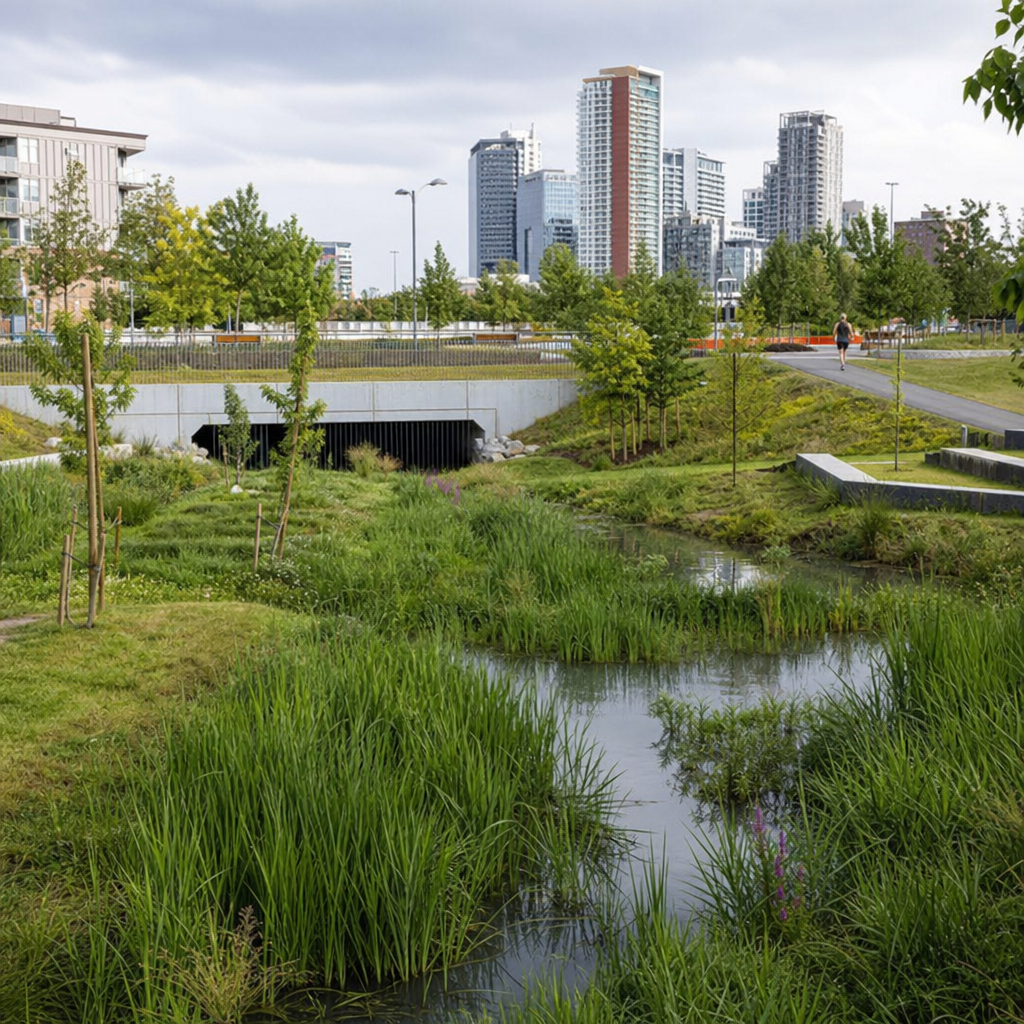
The most effective solutions combine infrastructure investment, watershed management, regulation, and community behavior change. Modern wastewater treatment is one of the most important tools because it reduces nutrient loads, removes pathogens, and limits the release of harmful contaminants before water is discharged. In areas without centralized sewer systems, properly designed and maintained septic systems are essential. Stormwater management is equally important, since heavy rains can wash pollutants from streets, farms, and developed land directly into coastal waters. Green infrastructure such as bioswales, wetlands, permeable pavements, and retention systems can help filter and slow runoff before it reaches the shoreline.
Policy and monitoring also matter. Regular water quality testing, enforcement of discharge standards, protection of buffer zones, and integrated coastal planning can reduce cumulative pollution pressure. Communities can contribute by disposing of waste properly, reducing fertilizer use, maintaining household sanitation systems, and supporting local investments in resilient water infrastructure. The most successful approach is preventative rather than reactive: stop contaminants upstream before they degrade beaches, fisheries, reefs, and wetlands downstream. When sanitation is treated as part of ecosystem protection, not just urban utility management, coastal regions are better positioned to safeguard biodiversity, public health, tourism, and long-term climate resilience.