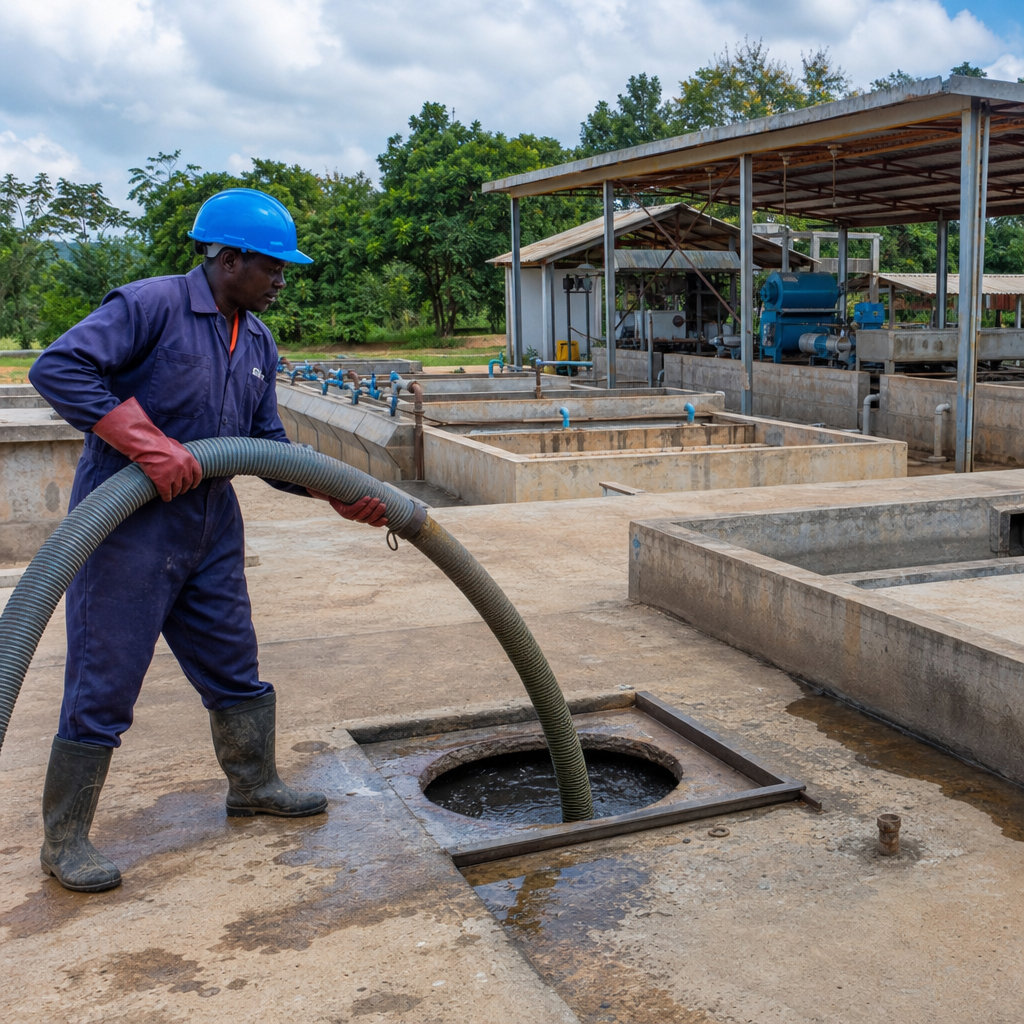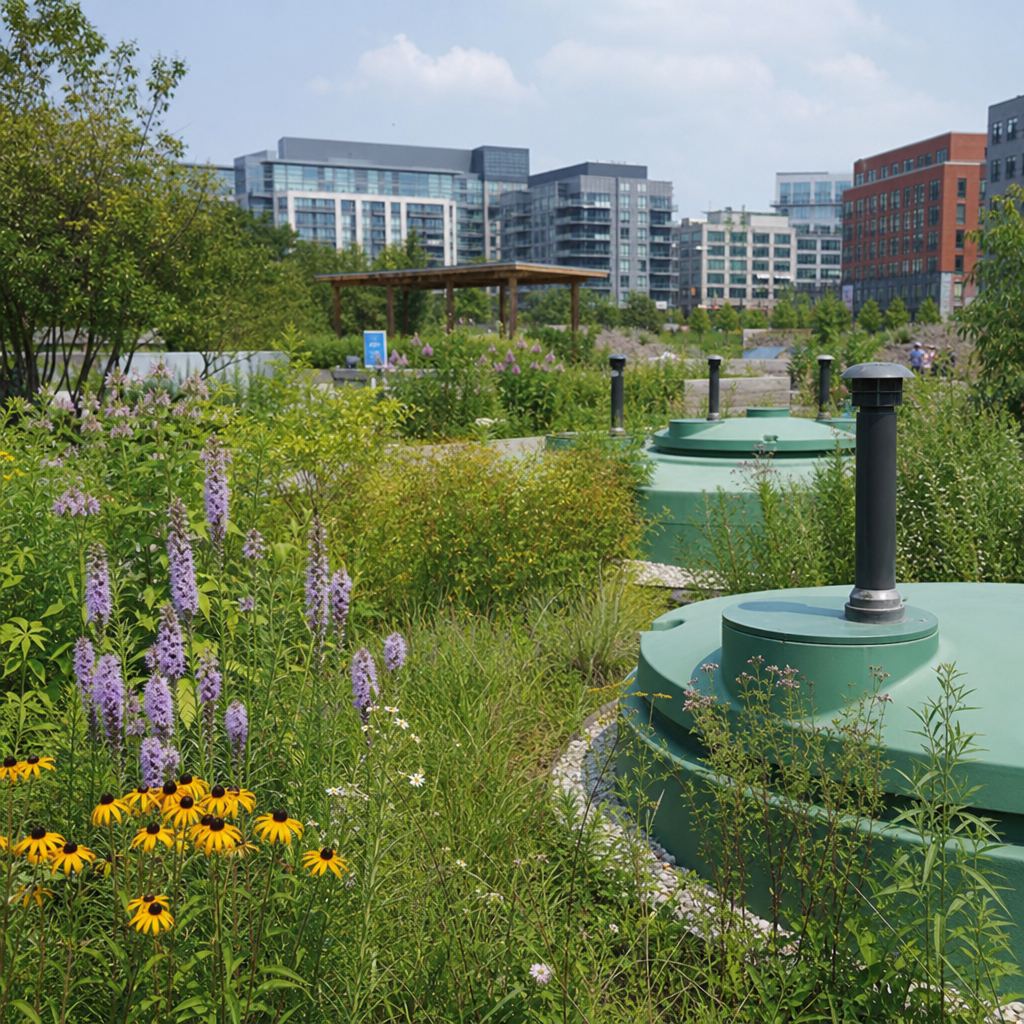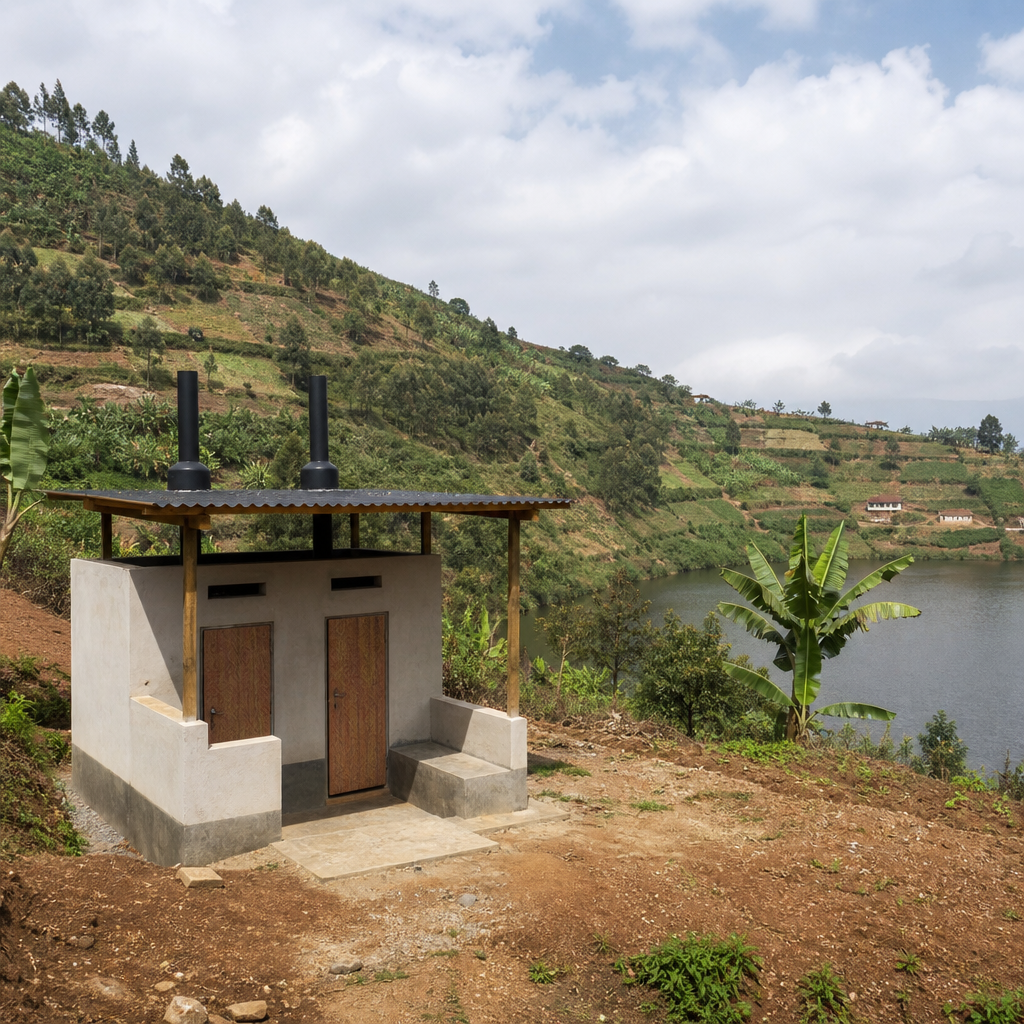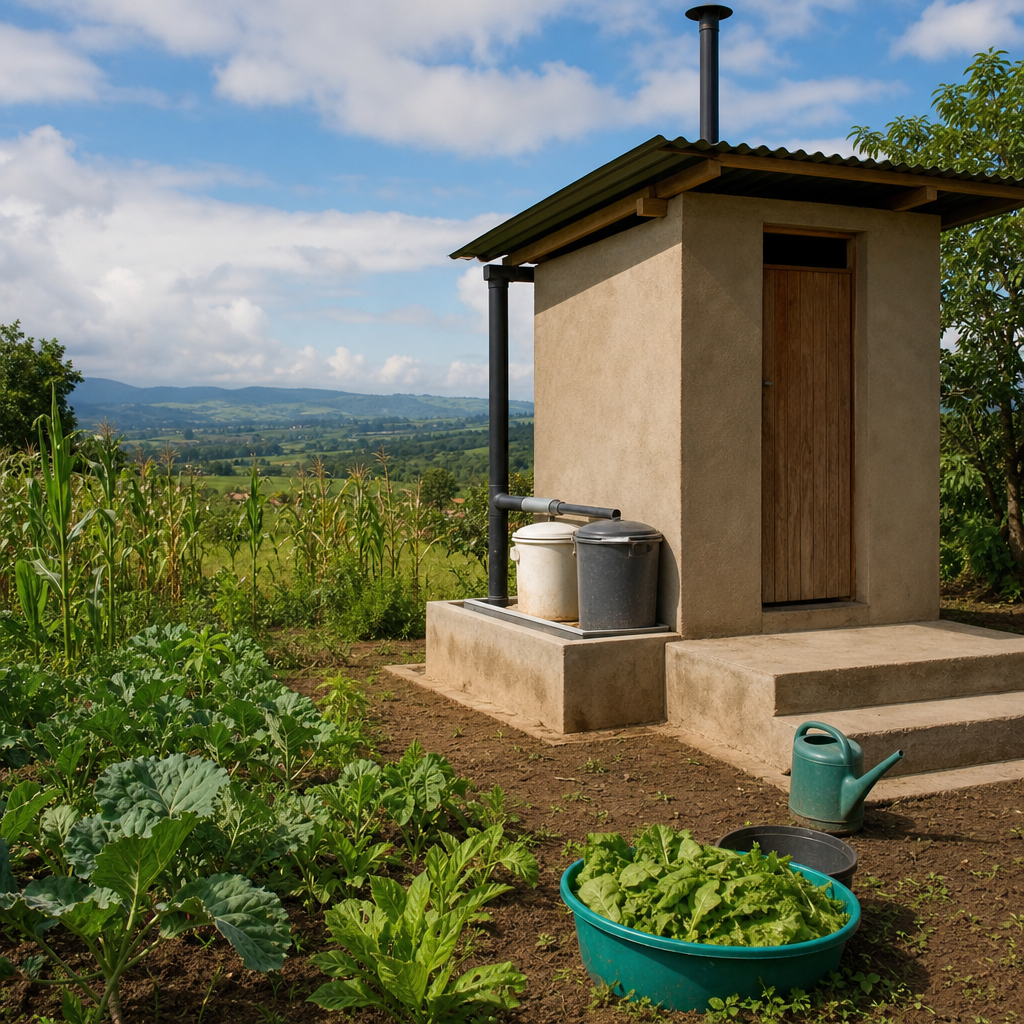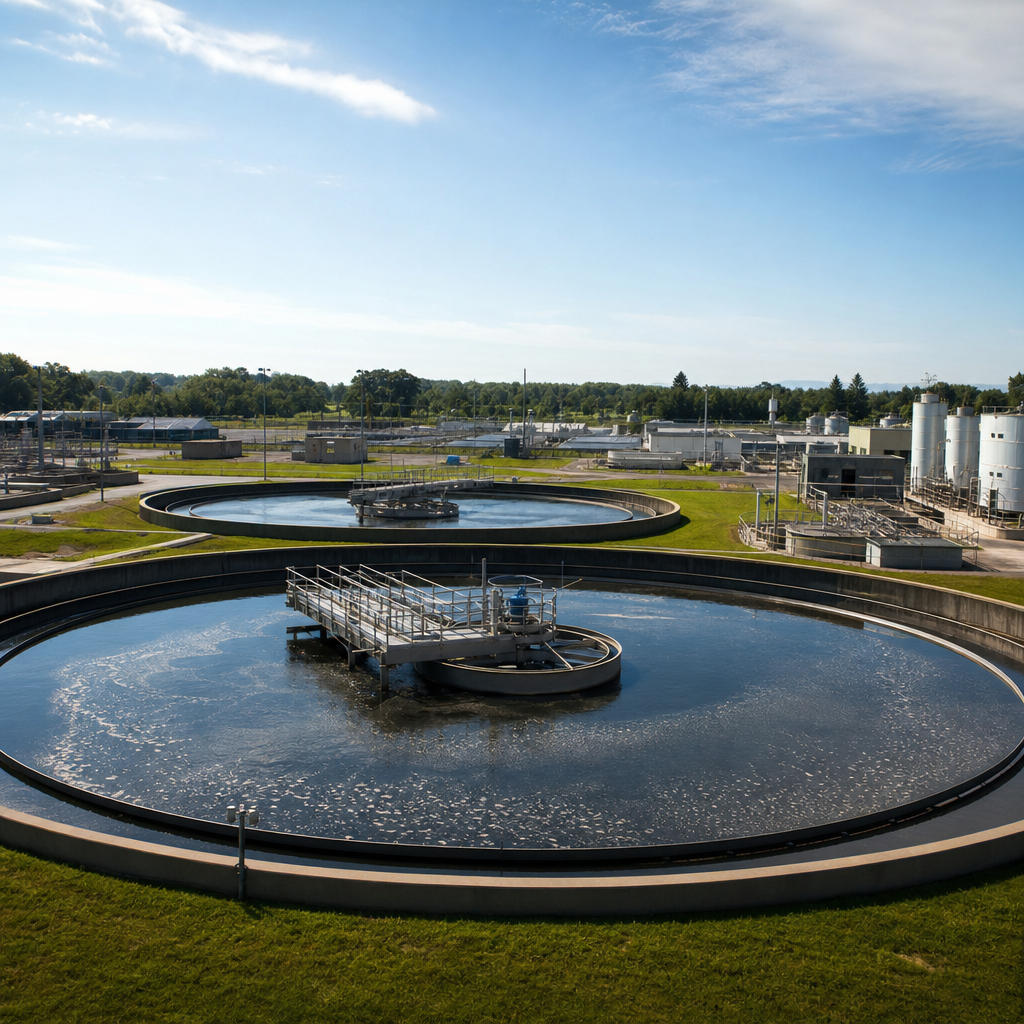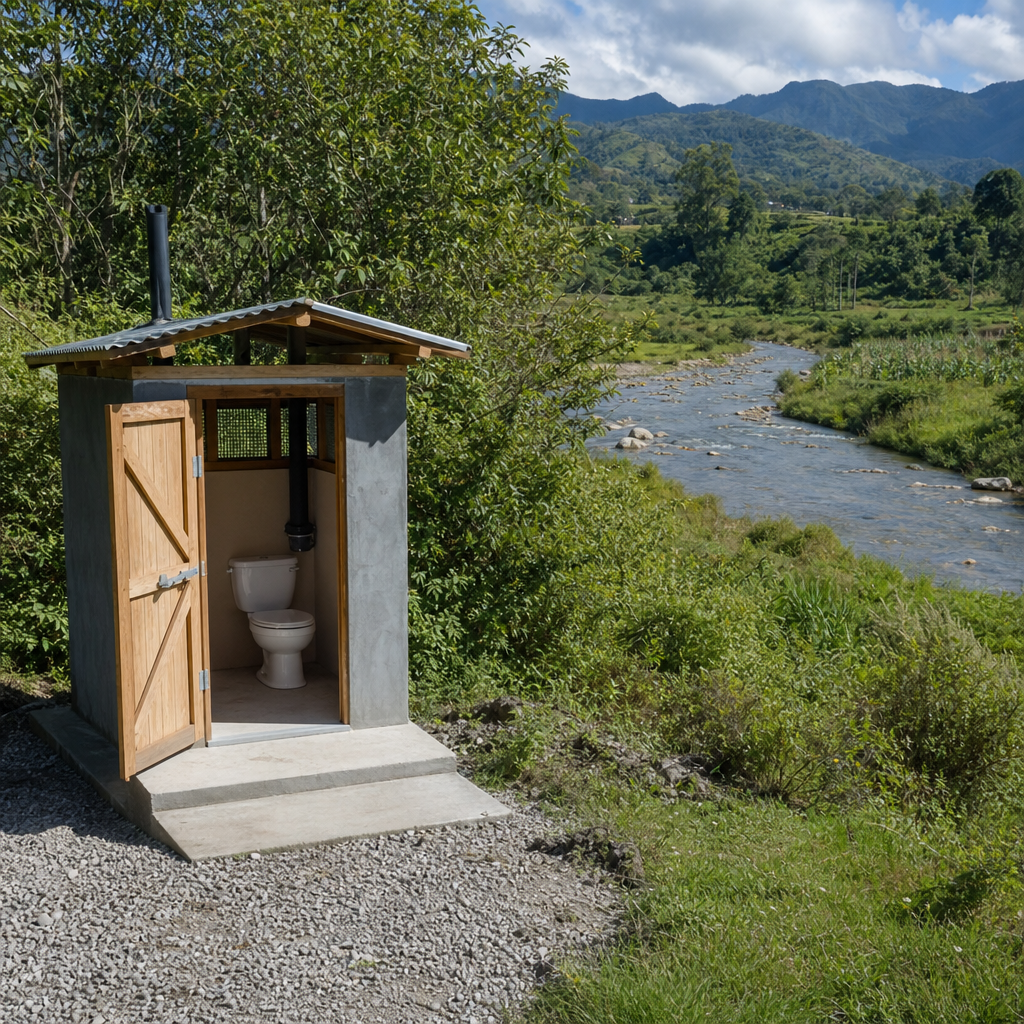
Non-point source pollution is one of the hardest environmental problems to control because it comes from many diffuse activities rather than a single discharge pipe, and EcoSan offers a practical way to reduce that burden at its source. In watershed work, I have seen communities spend heavily on stormwater drains, wetlands, and treatment upgrades while overlooking the nutrients and pathogens released when sanitation systems leak, overflow, or discharge into soils and streams. Ecological sanitation, usually shortened to EcoSan, changes that pattern by treating human excreta as a resource to be safely contained, processed, and reused. Instead of flushing nutrients into waterways, EcoSan systems separate, sanitize, and return them to productive use, often in agriculture or landscaping.
That shift matters because non-point source pollution is driven by cumulative losses of nitrogen, phosphorus, organic matter, pharmaceuticals, and disease-causing organisms across broad areas. Conventional sewerage can reduce household exposure to waste, but in places with aging pipes, combined sewer overflows, failing septic systems, or water scarcity, it can also contribute indirectly to runoff and groundwater contamination. EcoSan approaches are designed to interrupt those pathways. Common models include urine-diverting dry toilets, composting toilets, dehydrating vault systems, and decentralized treatment units that recover nutrients while minimizing water use. The underlying principle is source separation: keep waste streams distinct so treatment is simpler, losses are lower, and valuable materials can be recovered safely.
As the hub article for advancing environmental sustainability with EcoSan, this page explains how EcoSan reduces non-point source pollution, where it performs best, what design and management standards matter, and how it connects to broader environmental goals. The topic sits at the intersection of sanitation engineering, watershed protection, soil fertility, circular economy practice, and public health. It matters in rural settlements with failing pits, peri-urban areas without sewers, drought-prone regions where flush systems are inefficient, and even developed cities seeking resilient decentralized infrastructure. When properly designed and managed, EcoSan does more than improve sanitation. It reduces nutrient runoff, protects aquifers, lowers freshwater demand, cuts treatment energy, and supports local resource recovery. Those are tangible environmental gains, not abstract sustainability claims.
How EcoSan Interrupts Pollution Pathways
EcoSan reduces non-point source pollution by controlling waste before rainfall, groundwater movement, or surface runoff can spread contaminants across a landscape. In practical terms, the biggest pathways are nutrient leaching from pit latrines and septic drain fields, pathogen transport during floods, and overflow from underbuilt sanitation systems. Urine-diverting toilets capture most household nitrogen and a large share of phosphorus in a relatively clean stream that can be stored and reused under established guidance from organizations such as the World Health Organization and the Stockholm Environment Institute. Fecal matter, kept dry or composted, is stabilized so fewer pathogens and nutrients escape into surrounding soils.
I have found that this source-control approach is especially valuable in shallow groundwater areas. Where the water table rises seasonally, conventional pits can act like open conduits to aquifers. Nitrate moves easily through soil, and once groundwater is contaminated, remediation is expensive and slow. EcoSan vaults, raised systems, or sealed decentralized units greatly reduce infiltration. They also lower hydraulic loading because they use little or no flush water. Less water passing through sanitation infrastructure means less leachate, fewer overflows, and a lower chance that storms will wash contaminants into ditches, streams, and lakes.
The effect on eutrophication is significant. Nitrogen and phosphorus from human waste feed algal blooms when they reach receiving waters. Even small but continuous inputs from dispersed sanitation systems can push sensitive water bodies past ecological thresholds. By recovering nutrients instead of discarding them, EcoSan turns a diffuse pollution source into a managed fertilizer input. That is a direct environmental intervention, especially in catchments already stressed by agricultural runoff.
Nutrient Recovery, Soil Health, and Agricultural Reuse
The strongest environmental case for EcoSan is that it addresses both pollution prevention and nutrient cycling. Human urine contains most of the nitrogen excreted by a household and a meaningful portion of phosphorus and potassium. In conventional sanitation, those nutrients are diluted with large volumes of water and become expensive to remove at treatment plants. In EcoSan, they can be captured near the source, stored to reduce health risks, and applied according to crop needs. This limits nutrient discharge to waterways and reduces dependence on synthetic fertilizers, whose production is energy intensive and tied to fossil fuels and mined phosphate.
Safe reuse is not casual reuse. It depends on storage time, crop type, application method, and local regulation. In field programs, the best results come when recovered products are handled like regulated soil amendments, with clear instructions on dilution, application rates, withholding periods, and protective equipment. Farmers respond well when guidance is concrete. For example, applying sanitized urine to maize or fodder crops in measured doses can improve yields while reducing purchased fertilizer costs. Compost or dehydrated fecal material, when fully treated and verified, can improve soil structure and organic matter, which in turn increases infiltration and reduces erosion-driven runoff.
That soil benefit is often overlooked. Healthier soils absorb more rainwater, retain nutrients more effectively, and shed less sediment during storms. Since sediment carries phosphorus and microbes, better soil structure can lower non-point source pollution beyond the sanitation system itself. EcoSan therefore influences environmental outcomes through two linked mechanisms: it prevents waste leakage, and it improves land management when recovered nutrients are reused responsibly.
Comparing EcoSan With Conventional Sanitation Options
No sanitation system is impact free, and EcoSan should be compared against realistic local alternatives rather than idealized sewer networks. In dense cities with strong utilities and advanced wastewater treatment, centralized systems can perform well. But many regions operate partial networks, aging sewers, overloaded ponds, or poorly maintained septic systems. In those conditions, decentralized EcoSan can outperform conventional options on nutrient retention, water efficiency, and resilience.
| System type | Main pollution risk | Water use | Nutrient recovery potential | Typical EcoSan advantage |
|---|---|---|---|---|
| Pit latrine | Leaching to groundwater, flood washout | Very low | Low | Better containment and safer reuse |
| Septic system | Nitrate and pathogen release from drain fields | Moderate to high | Low | Lower hydraulic load and source separation |
| Conventional sewer | Overflows, treatment bypass, diluted nutrient discharge | High | Usually low | Reduced water demand and local nutrient capture |
| EcoSan | Management failure if handling is poor | Low to none | High | Direct reduction of diffuse nutrient and pathogen losses |
The tradeoff is management intensity. EcoSan systems demand user participation, periodic emptying, and disciplined operation. If ash, bulking material, ventilation, urine diversion, or storage protocols are ignored, performance drops quickly. That is why the environmental discussion must include maintenance capacity, not just toilet design. A well-managed urine-diverting dry toilet is an asset; a neglected one can become a nuisance.
Public Health Safeguards and Design Standards
Reducing non-point source pollution does not justify compromising hygiene, so public health safeguards are central to EcoSan success. Established practice emphasizes multiple barriers: source separation, adequate storage, dehydration or composting, restricted crop use where necessary, careful application methods, and handwashing at every interface. Design details matter. Urine diversion pedestals or pans must keep streams separate. Vaults need weather protection and ventilation. Access doors must seal tightly. Washwater, if generated, should be directed to suitable infiltration or treatment components rather than allowed to create muddy contaminated zones around the unit.
In my experience, the biggest mistakes are not usually technical. They are procedural: no service schedule, no operator training, no user education, and no agreed endpoint for the recovered material. Municipalities and project developers should define who empties units, where treatment occurs, what acceptance criteria apply, and how records are kept. Hazard Analysis and Critical Control Point thinking, though borrowed from food safety, is useful here because it identifies the points where contamination risk must be controlled. Standards from WHO sanitation safety planning and national biosolids regulations provide a more reliable framework than ad hoc local rules.
Monitoring should focus on what drives environmental and health performance: moisture content, storage duration, signs of vector access, overflow incidents, groundwater proximity, and, where feasible, microbial indicators and nutrient content. Without verification, claims of safe reuse remain weak. With verification, EcoSan becomes easier for regulators, funders, and farmers to trust.
Where EcoSan Delivers the Greatest Environmental Value
EcoSan is not equally suitable everywhere, but its environmental value is highest in places where conventional sanitation creates diffuse pollution risks or uses water inefficiently. Rural areas with fractured rock, karst geology, or shallow wells are prime examples because contaminants move quickly through the subsurface. Flood-prone settlements also benefit from raised, sealed, or container-based ecological sanitation designs that prevent washout during storms. In water-scarce regions, dry or low-flush systems preserve freshwater while reducing wastewater volumes that would otherwise require transport and treatment.
Peri-urban fringes are another strong fit. These zones often fall between formal sewer service and rural self-provision, leading to unmanaged pits, informal drains, and uncontrolled sludge disposal. EcoSan can provide a structured decentralized alternative that combines household containment with local collection and reuse enterprises. I have seen pilot programs succeed when they are paired with farmer cooperatives, scheduled emptying services, and extension support on nutrient application. The sanitation unit alone did not create the environmental gain; the service chain did.
Schools, parks, transport corridors, and remote work sites can also benefit. These locations often struggle with water access and high maintenance costs. Properly managed composting or urine-diverting systems can lower operating demand while demonstrating visible circular use of resources. They also provide useful data for wider adoption because usage patterns and maintenance records are easier to track than in dispersed households.
Implementation Challenges, Economics, and Policy Support
The main barriers to EcoSan adoption are social acceptance, service logistics, regulation, and financing. Many users are accustomed to flush-based sanitation and may perceive dry or source-separating toilets as inferior unless design quality is high and maintenance is reliable. Odor control, cleanliness, privacy, and convenience are nonnegotiable. When those basics are handled well, acceptance rises sharply. When they are ignored, even technically sound systems fail.
Economically, EcoSan often shifts costs rather than eliminating them. Capital costs may be lower than full sewer expansion, especially in low-density or difficult terrain, but operating costs depend on collection routes, labor, treatment infrastructure, and end-use markets for recovered products. A credible business model may include household fees, municipal subsidies, carbon or climate-aligned finance, and agricultural demand for sanitized nutrient products. The avoided costs are important too: lower water consumption, reduced wastewater treatment load, less fertilizer purchase, and fewer pollution impacts on downstream ecosystems.
Policy support determines whether these benefits scale. Building codes, sanitation standards, agricultural reuse rules, and local environmental regulations should recognize decentralized nutrient recovery systems as legitimate infrastructure. Utilities and municipalities need permitting pathways, inspection protocols, and performance targets. Linking EcoSan to watershed management plans is especially effective because it reframes sanitation as a water quality intervention, not just a household amenity. That framing helps justify public investment.
EcoSan reduces non-point source pollution by stopping nutrients and pathogens from dispersing through soils, groundwater, runoff, and floodwaters, then converting those materials into managed resources. The environmental logic is straightforward: source separation improves containment, dry or low-water operation reduces leaching and overflow, treatment lowers health risk, and productive reuse keeps nitrogen and phosphorus out of lakes and rivers. When paired with sound service chains, monitoring, and farmer guidance, EcoSan also strengthens soil health, conserves water, and supports a circular sanitation economy.
For the broader goal of advancing environmental sustainability with EcoSan, the key lesson is that technology alone is not enough. The best outcomes come from integrated design: appropriate toilet hardware, trained operators, clear reuse standards, reliable collection, and policy recognition. Communities should assess local hydrogeology, water stress, agricultural demand, and maintenance capacity before selecting a model. Decision-makers should compare EcoSan with the actual performance of pits, septic systems, and sewers already in use, not with ideal systems that do not exist on the ground.
As a hub for this subtopic, this article sets up the next questions worth exploring in depth: which EcoSan models fit different climates, how nutrient recovery is regulated, what monitoring metrics prove environmental benefit, and how decentralized sanitation can be financed at scale. If you are planning sanitation, watershed, or sustainability work, start by mapping the pollution pathways in your area and evaluating where EcoSan can interrupt them most effectively.
Frequently Asked Questions
What is non-point source pollution, and why is it so difficult to control?
Non-point source pollution is contamination that comes from many scattered sources rather than one clearly identifiable discharge point. Instead of a single pipe releasing wastewater into a river, non-point source pollution builds up through rainfall runoff, failing septic systems, leaking pits, open defecation, animal waste, fertilizers, and other diffuse activities across a landscape. That is exactly what makes it difficult to manage. The pollutants move through soils, ditches, drainage channels, shallow groundwater, and stormwater systems in ways that are often intermittent and hard to trace. Nutrients such as nitrogen and phosphorus, along with pathogens from human waste, can enter streams gradually over time or surge during storms, floods, and seasonal high-water events.
Traditional pollution control systems are usually designed to regulate point sources, where a discharge can be monitored, sampled, and permitted. With non-point source pollution, the challenge is broader and more preventive. It requires changing everyday practices at the household and community level, not just upgrading one central facility. That is why sanitation matters so much in watershed protection. When toilets, pits, septic systems, or conveyance systems leak or overflow, they can become a persistent diffuse source of pollution that is easy to overlook because it is spread out across many properties. In practice, reducing non-point source pollution means stopping contaminants before they enter the environment, and that is where EcoSan can play a major role.
How does EcoSan help reduce non-point source pollution at the source?
EcoSan, or ecological sanitation, reduces non-point source pollution by treating human waste as a resource that must be safely contained, managed, and reused rather than flushed away or left to infiltrate the environment. Its core strength is source control. Instead of allowing nutrients and pathogens to escape from poorly performing sanitation systems into soils, drainage networks, and water bodies, EcoSan systems are designed to separate, store, sanitize, and recover waste in a controlled way. This sharply lowers the chances that nitrogen, phosphorus, fecal bacteria, viruses, and parasites will migrate into surrounding ecosystems.
In many conventional or poorly maintained sanitation arrangements, waste mixes with large amounts of water and becomes harder and more expensive to manage. Leaks, overflows, and seepage can then create a diffuse pollution burden across an entire neighborhood or watershed. EcoSan approaches, including urine-diverting toilets, composting toilets, dehydrating toilets, and other decentralized systems, reduce that burden by minimizing water use, improving containment, and enabling safer treatment close to where waste is generated. Urine can be managed separately because it contains most of the nutrients, while fecal matter can be sanitized before reuse or disposal. That separation prevents nutrient-rich wastewater from entering stormwater or groundwater pathways.
From a watershed perspective, this is highly significant. Every household that prevents sanitation-related leakage is effectively reducing one small but important pollution source. Multiplied across a community, EcoSan can lower nutrient loading, reduce pathogen transport, and ease pressure on downstream infrastructure such as drains, wetlands, pumping systems, and treatment plants. In other words, EcoSan does not just react to pollution after it appears in runoff or streams. It helps prevent the pollution from being created and dispersed in the first place.
What pollutants from sanitation systems are most important in watershed and non-point source pollution management?
The most important pollutants from sanitation systems are typically nutrients and pathogens. Nutrients, especially nitrogen and phosphorus, are a major concern because they contribute to eutrophication in rivers, lakes, reservoirs, estuaries, and coastal waters. Excess nutrient loading can trigger algal blooms, reduce dissolved oxygen, damage aquatic habitats, and impair drinking water sources. Human waste contains substantial nutrient value, which is beneficial when safely recovered for agriculture but harmful when allowed to leak into the environment unmanaged.
Pathogens are equally critical and often even more urgent from a public health standpoint. Bacteria, viruses, protozoa, and helminths from untreated or poorly contained excreta can contaminate shallow wells, springs, streams, and recreational waters. In communities with failing septic systems, overflowing pits, or direct discharge to drainage channels, the pathogen load can become a chronic diffuse source of disease risk, particularly during rain events when contaminated materials are washed into broader catchment systems. This can lead to gastrointestinal illness, waterborne disease outbreaks, and long-term environmental health problems.
There are also indirect impacts to consider. Organic matter in waste increases oxygen demand in receiving waters, while pharmaceutical residues and household chemicals may be present depending on the sanitation stream involved. But in most watershed management discussions, the primary sanitation-related non-point source concerns are still nutrient enrichment and pathogen transport. EcoSan addresses both by improving containment and treatment while also creating opportunities to recover nutrients in a controlled and productive way rather than losing them to runoff, infiltration, and stream pollution.
How is EcoSan different from conventional sanitation when it comes to environmental protection?
The main difference is that EcoSan is designed around ecological cycles and pollution prevention, while conventional sanitation often focuses mainly on waste disposal and transport. In a conventional flush-based model, waste is diluted with water and moved away from the household, ideally to treatment. That can work well where infrastructure is robust, fully connected, and well maintained. However, in many settings the system is incomplete, overloaded, aging, or unaffordable to extend. When that happens, leaks, bypasses, septic failures, and untreated discharges can create widespread non-point source pollution that is expensive to detect and even harder to reverse.
EcoSan takes a different approach by emphasizing separation, minimal water use, local treatment, and safe reuse. Rather than turning excreta into a larger wastewater stream, EcoSan systems often keep nutrient-rich fractions separate and manage solids through dehydration, composting, storage, or other treatment pathways. This reduces the volume of contaminated liquid entering the environment and makes both treatment and resource recovery more practical. For watersheds, that translates into fewer nutrient losses, less pathogen mobility, and lower dependence on large centralized systems that may be vulnerable to storm surges, flooding, or operational failures.
Another important distinction is resilience. EcoSan can be particularly valuable in areas with high water tables, seasonal flooding, rocky soils, informal settlements, or remote rural conditions where conventional sewerage or septic systems perform poorly. In those environments, preventing contamination at the source is often more effective than trying to capture and treat it after it disperses. That is why EcoSan is increasingly viewed not just as a sanitation alternative, but as a practical environmental management strategy that supports water quality, public health, and circular resource use at the same time.
Can EcoSan be part of a broader watershed management strategy, and what does successful implementation require?
Yes, EcoSan can be a very effective part of a broader watershed management strategy, especially when planners recognize that sanitation failures are a meaningful contributor to diffuse pollution. Watershed programs often invest heavily in downstream controls such as detention basins, constructed wetlands, sewer extensions, treatment upgrades, and bank stabilization. Those measures are important, but they are often less efficient when upstream sources of nutrients and pathogens remain unaddressed. EcoSan complements those investments by reducing pollution loads before they enter runoff pathways, shallow groundwater, and receiving waters.
Successful implementation requires more than simply installing a different toilet. It depends on appropriate technology selection, user acceptance, maintenance systems, safe handling practices, regulatory support, and clear institutional responsibility. The design must fit the local hydrology, climate, soil conditions, density, agricultural practices, and cultural preferences. Communities also need training and follow-up so that separation, storage, treatment, and reuse are done safely and consistently. If nutrient recovery is part of the model, there should be practical end uses, quality safeguards, and public communication to build trust.
It is also important to integrate EcoSan into monitoring and planning frameworks. That means including sanitation-related nutrient and pathogen reduction in watershed assessments, non-point source control plans, and local water quality improvement targets. When implemented well, EcoSan can reduce contamination risks, improve resilience, lower infrastructure burdens, and recover valuable nutrients that would otherwise contribute to environmental damage. In practical terms, it helps communities shift from chasing pollution after it spreads to preventing that pollution at its source, which is one of the most effective ways to tackle non-point source pollution over the long term.