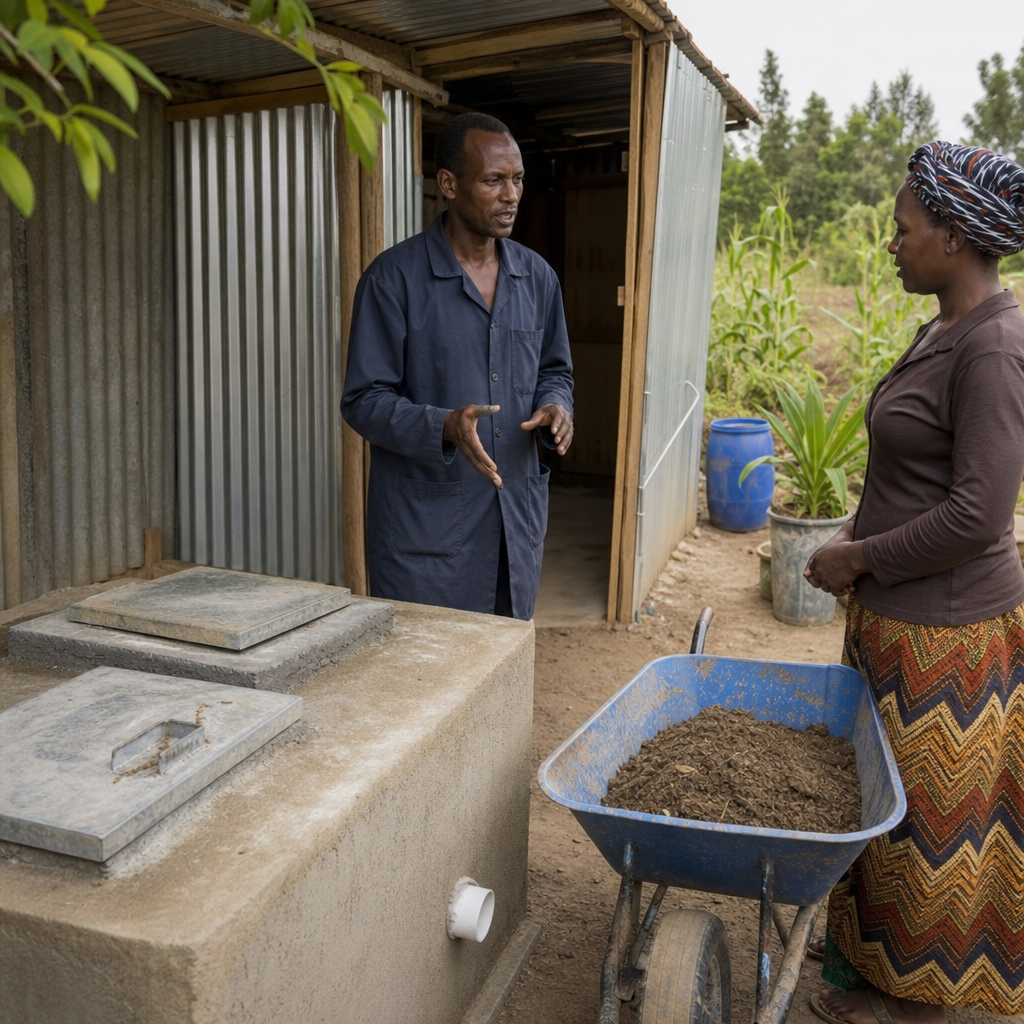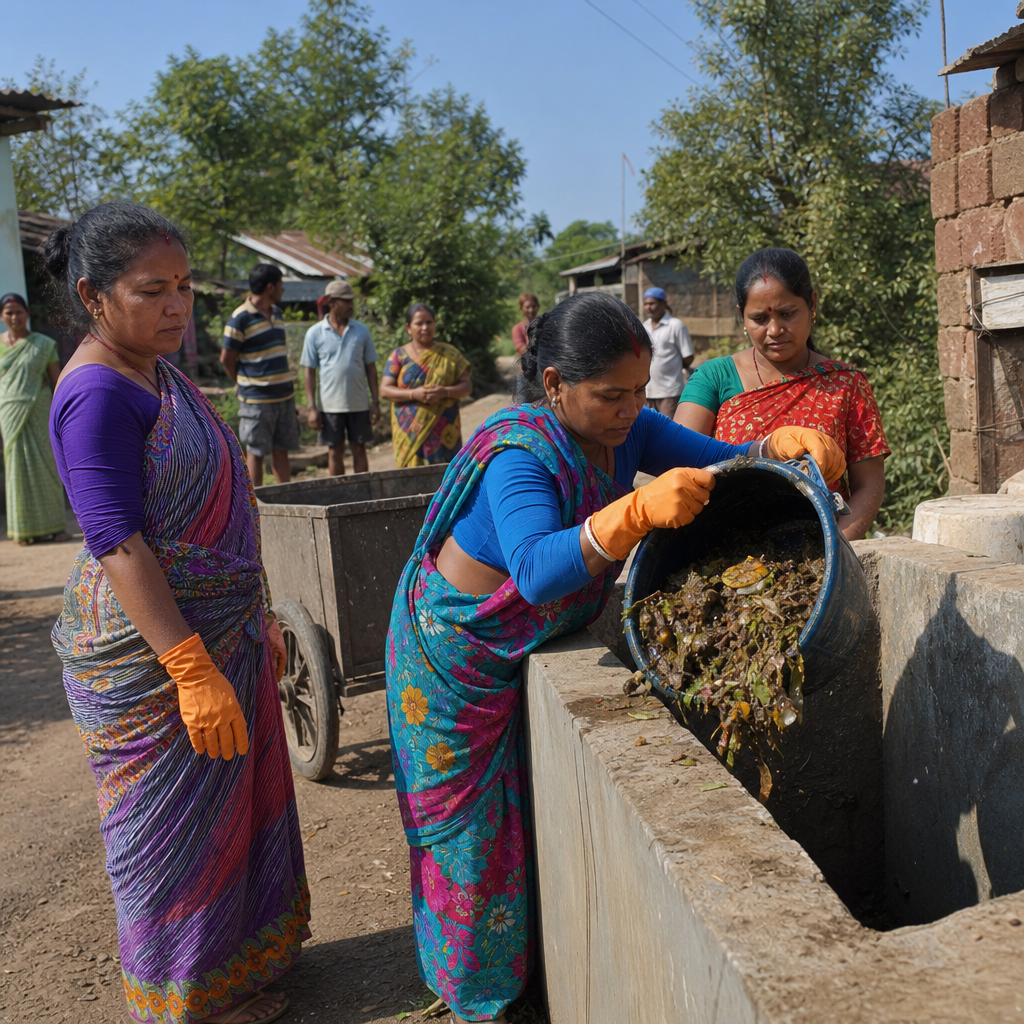
Community-led sanitation is one of the most practical ways to improve public health, protect local environments, and strengthen household economies at the same time. In this context, community-led sanitation means residents plan, build, manage, and maintain sanitation systems collectively rather than relying only on outside agencies. EcoSan, short for ecological sanitation, takes that idea further by treating human waste as a resource that can be safely recovered, transformed, and reused. When people ask about EcoSan economics, they are really asking a set of connected questions: What does it cost to build and maintain systems? Who saves money, and when? Can recovered nutrients, compost, biogas, or water create real value? And how do social gains such as dignity, safety, and local control affect economic outcomes? These questions matter because sanitation is not just an infrastructure issue. It shapes labor productivity, school attendance, agricultural inputs, healthcare costs, land values, and the resilience of entire communities.
After working with sanitation planning teams and reviewing village, peri-urban, and municipal projects, I have seen the same pattern repeatedly: the cheapest-looking option on installation day is often the most expensive over ten years, while systems designed with local ownership usually perform better and cost less across their full life cycle. Conventional pit latrines and sewered systems can work well in the right setting, but they may fail where water is scarce, soils are unstable, settlements are dense, or fecal sludge management is weak. EcoSan approaches, including urine-diverting dry toilets, composting toilets, and container-based systems linked to treatment and reuse, can lower long-term costs when designed around local behavior, operations, and markets. This article serves as a hub for understanding EcoSan economics within the broader economic aspects of sanitation. It explains the cost structure, value streams, social returns, financing choices, and decision criteria that determine whether community-led sanitation delivers lasting benefits.
What EcoSan Economics Means in Practice
EcoSan economics is the study of how ecological sanitation systems create, shift, or reduce costs and benefits over time for households, communities, service providers, farmers, and local governments. A proper assessment goes beyond the initial toilet unit price. It includes capital expenditure, operating expenditure, maintenance, transport, treatment, reuse, behavior change, monitoring, and eventual replacement. It also counts avoided costs such as fewer diarrheal episodes, lower spending on chemical fertilizer, reduced groundwater contamination, and less time lost to open defecation or distant toilet access. The key principle is resource recovery. Nitrogen, phosphorus, potassium, organic matter, and in some systems energy can be captured instead of discarded. That changes sanitation from a pure expense line into a service with potential returns.
In practice, economics varies sharply by context. A urine-diverting dry toilet in a water-scarce rural area may outperform a flush toilet because it avoids water bills, sewer construction, and pumping costs. In a dense informal settlement, container-based sanitation may be more economical because it can be deployed quickly, serviced regularly, and linked to professional treatment without waiting for network expansion. In flood-prone areas, raised or sealed systems may prevent contamination events that create major health and cleanup costs. The central lesson is that no sanitation technology is universally cheapest. The most economical system is the one that matches settlement density, water availability, land tenure, user habits, agricultural demand, and the capacity to operate a safe service chain.
Cost Components Across the Full Sanitation Service Chain
Many sanitation decisions fail because planners compare technologies only at the toilet interface. Full-cost accounting starts with the user facility but does not stop there. The service chain includes capture, storage, emptying or collection, transport, treatment, reuse or disposal, and oversight. For EcoSan systems, treatment and reuse are not optional add-ons; they are core economic components because recovered value depends on safe processing and dependable markets. Household capital costs often include the superstructure, slab, diversion bowl or pedestal, vaults or containers, ventilation, and handwashing facilities. Community systems add shared management arrangements, cleaning materials, locks, lighting, and fee collection. Operating costs can include ash, cover material, replacement parts, protective equipment, labor, user training, and periodic inspections.
Municipal and donor programs often underestimate software costs, yet behavior change and operator training strongly influence system performance. A urine-diverting toilet with poor user instruction can clog, smell, or mix waste streams, eliminating the expected economic advantage. By contrast, a modest investment in training and supervision can preserve nutrient quality, improve acceptance, and reduce maintenance calls. Transport economics also matter. Nutrient-dense, low-volume products such as processed urine concentrate or dried compost are usually cheaper to move than high-moisture sludge, which is why decentralization can be financially attractive. Where roads are poor or fuel is expensive, treatment close to source becomes even more valuable. The largest savings frequently come from preventing service chain breakdowns, because remediation, disease response, and rebuilding are costlier than routine operations.
Comparing Economic Value Streams in Community-Led EcoSan
The economic case for community-led EcoSan becomes clearer when costs are compared with direct and indirect value streams. Direct value can come from lower water use, reduced spending on pit emptying, sales of compost, substitution for mineral fertilizer, energy from biogas in selected systems, and local jobs in collection, treatment, fabrication, and maintenance. Indirect value includes reduced medical expenditure, less school absenteeism, improved worker productivity, higher perceived safety for women and girls, and cleaner shared environments that support commerce and housing quality. In my experience, households rarely decide based on one benefit alone. Adoption improves when communities understand the combined package of convenience, health, savings, and local control.
| Economic factor | Conventional unmanaged pit system | Community-led EcoSan system | Main implication |
|---|---|---|---|
| Water demand | Low to moderate depending on design | Usually very low in dry systems | Useful in water-scarce or high-tariff areas |
| Emptying and transport | Irregular, often expensive and unsafe | Planned collection or managed vault cycles | Lower emergency costs and better service reliability |
| Nutrient recovery | Normally lost or contaminated | Recovered after safe treatment | Can offset fertilizer purchases for farmers |
| Health risk | High when pits overflow or leak | Lower when systems are well operated | Reduces illness-related economic losses |
| Job creation | Limited and often informal | Operations, treatment, reuse, fabrication | Supports local enterprise development |
Real-world programs show that recovered resources are valuable, but only when quality control and market linkage are built in from the start. Farmers will not consistently buy compost or sanitized urine unless product quality, nutrient content, packaging, timing, and trust are addressed. This is why the strongest projects treat reuse like an agricultural input business, not simply a by-product of sanitation. They test nutrient value against local fertilizer prices, map demand by crop type, and schedule supply around planting seasons. Where direct sales are difficult, communities still gain from self-use in communal gardens, tree planting, or soil rehabilitation. Even then, the financial benefit should be measured realistically, using avoided fertilizer purchases and yield effects rather than optimistic assumptions.
Social Benefits That Change Economic Outcomes
Some of the most important EcoSan benefits begin as social gains but quickly become economic gains. Privacy, dignity, and safety are often discussed separately from finance, yet they influence attendance at school, participation in markets, and willingness to maintain facilities. Women and girls are affected most directly. A nearby, usable, well-lit toilet reduces the time and physical risk associated with open defecation, especially at night. In schools, menstrual hygiene support and cleaner facilities improve attendance and concentration. These outcomes have long-term economic significance because education continuity is linked to lifetime earnings, while safety and dignity affect labor force participation and household stability.
Community-led models also strengthen collective action. When residents help set rules, maintenance schedules, and payment systems, default rates often fall and monitoring improves. I have seen shared sanitation blocks remain clean and functional for years where user committees had clear responsibilities and visible financial records, while externally imposed facilities deteriorated within months. Social trust lowers transaction costs. It makes fee collection easier, reduces vandalism, and supports volunteer labor for minor repairs or landscaping. Public cleanliness can also shift local business conditions. Markets, food stalls, schools, and transport nodes all perform better when sanitation is dependable because customer confidence rises and outbreak risks decline. These are not abstract benefits. They appear in reduced closure days, steadier foot traffic, and stronger local willingness to invest in property improvements.
Financing Models, Tariffs, and Affordability
Even when EcoSan is cost-effective over time, upfront affordability remains a barrier. That is why financing design is as important as technology design. Common models include household self-financing, microcredit, rotating savings groups, targeted subsidies for low-income households, output-based aid, municipal co-financing, and cross-subsidies from commercial users or higher-income neighborhoods. The best model depends on who captures the benefits. If households save on water and fertilizer, they can repay small loans. If the main gains are reduced public health costs and environmental protection, local government support is justified. Community-led systems often combine user fees with capital grants, especially in lower-income areas where full cost recovery from tariffs alone is unrealistic.
Tariff setting should be transparent and linked to service quality. Households are more willing to pay when collection is regular, toilets are clean, and managers report how funds are used. A useful rule is to separate one-time connection or construction support from recurring service payments, because users can usually handle small regular fees more easily than large lump-sum costs. Affordability analysis should consider cash flow, not only total lifetime savings. Seasonal income patterns matter in farming communities, and fee schedules should reflect harvest cycles where possible. Programs that ignore these realities often face nonpayment even when the economics look positive on paper. For this hub topic, the central point is simple: EcoSan economics works best when capital structure, tariff design, and subsidy policy match actual local incomes and public benefits.
Measuring Return on Investment and Choosing the Right Metrics
Sound decisions require better metrics than toilet counts. For EcoSan, the most useful measures include life-cycle cost per user, cost per safely managed household, nutrient recovery rate, operating cost recovery, reduction in diarrheal disease, school days gained, and avoided fertilizer expenditure. Project teams should also track downtime, user satisfaction, contamination incidents, and the percentage of waste safely treated and reused. Cost-benefit analysis helps compare alternatives, but it should be paired with sensitivity testing because fertilizer prices, labor costs, and service uptake can change quickly. Net present value and payback period are useful, yet they can miss nonmarket gains unless health and time savings are monetized carefully.
A practical decision framework asks five questions. First, will the system safely function in this climate, soil, and settlement pattern? Second, who will operate each step of the service chain and with what incentives? Third, what resources can realistically be recovered and used? Fourth, what financing mix makes adoption possible without undermining long-term operations? Fifth, how will performance be measured and corrected? Communities that answer these questions early are far more likely to achieve durable outcomes. The broader benefit of understanding EcoSan economics is that it replaces one-time construction thinking with service thinking. Sanitation succeeds when communities, farmers, service providers, and local governments each see tangible value. If you are building an economic strategy for sanitation, start with full life-cycle costs, map the social and resource benefits honestly, and design systems people can afford, manage, and trust.
Frequently Asked Questions
What is community-led sanitation, and how is it different from traditional sanitation programs?
Community-led sanitation is an approach in which local residents take the lead in identifying sanitation problems, choosing solutions, organizing labor, setting rules, and maintaining the systems over time. Instead of depending entirely on government departments, charities, or contractors to deliver and manage facilities, the community becomes the primary decision-maker and steward. This often leads to stronger local ownership, better upkeep, and solutions that are more closely matched to the area’s social, environmental, and economic realities.
Traditional sanitation programs have often focused on infrastructure delivery alone, such as building toilets or drainage systems and then leaving operation and maintenance to others. While that can improve access in the short term, it does not always create the habits, accountability, and local capacity needed for long-term success. Community-led sanitation goes further by building participation into every stage of the process. Residents may map open defecation areas, discuss disease risks, agree on shared standards, contribute materials or labor, and create systems for monitoring cleanliness and repairs.
This difference matters because sanitation is not only a technical issue. It is also behavioral, cultural, financial, and organizational. A toilet that is poorly maintained, socially unacceptable, or too costly to repair may quickly fall out of use. By contrast, when people feel that a sanitation system is truly theirs, they are more likely to keep it functional, encourage neighbors to use it properly, and invest in improvements as needs change. In that sense, community-led sanitation is often more sustainable because it combines infrastructure with local leadership, social responsibility, and practical problem-solving.
What are the main economic benefits of community-led sanitation for households and communities?
The economic benefits of community-led sanitation are both immediate and long term. One of the most important gains comes from lower health-related costs. Poor sanitation contributes to diarrheal disease, parasitic infections, and other illnesses that can lead to frequent clinic visits, medicine expenses, lost wages, and missed school days. When a community improves sanitation collectively, families often spend less on treatment and lose fewer working days to sickness. That can make a meaningful difference, especially in low-income households where even small medical costs can create financial strain.
There are also productivity benefits. Healthier adults are better able to work consistently, manage farms or businesses, and participate in community life. Healthier children miss fewer school days, which supports better educational outcomes and future earning potential. In many places, women and girls benefit economically as well because safer, closer, and more reliable sanitation reduces time spent walking long distances to find private places, helping free up time for paid work, study, or caregiving.
Community-led sanitation can also reduce infrastructure costs over time because systems designed and maintained locally are often more practical and easier to repair. Communities may choose affordable materials, phased construction, or shared management models that fit local budgets better than one-size-fits-all external projects. Because residents understand the system and feel responsible for it, routine maintenance may happen sooner, helping prevent expensive failures later.
In cases where EcoSan approaches are used, the economic value can be even greater. Ecological sanitation treats waste as a recoverable resource rather than simply a disposal problem. When properly processed and handled safely, recovered nutrients can support agriculture by improving soil fertility and reducing dependence on costly chemical fertilizers. This can help farmers lower input expenses and increase yields. Some communities also create small-scale livelihoods around construction, pit emptying, composting, or resource recovery services. Taken together, these benefits show that sanitation is not just a cost center; when communities lead the process, it can become an investment in stronger household finances and local economic resilience.
How does community-led sanitation improve social well-being and public health?
Community-led sanitation improves public health by reducing human exposure to pathogens that spread through contaminated water, soil, food, hands, and surfaces. When a whole community works together to end open defecation, improve waste containment, and promote safe hygiene practices, the transmission of disease can drop significantly. This kind of collective progress is important because sanitation outcomes are shared. One household’s improvement helps, but broad health gains happen most reliably when the entire community adopts safer practices.
Beyond disease prevention, the social benefits are substantial. Improved sanitation supports dignity, privacy, and personal safety, especially for women, girls, older adults, and people with disabilities. Having a clean, accessible, and accepted sanitation option can reduce anxiety, embarrassment, and the risks associated with going out at night or using unsafe locations. This can improve daily quality of life in ways that are deeply important but sometimes overlooked in technical discussions.
Community-led approaches also tend to strengthen social cohesion. The process of planning and managing sanitation together encourages dialogue, shared responsibility, and collective action. People may develop local committees, savings groups, maintenance schedules, or community rules that improve coordination well beyond sanitation itself. When handled inclusively, these efforts can build trust and create a stronger sense that local problems can be solved through cooperation.
There can also be important educational effects. As communities discuss contamination pathways, hygiene habits, and environmental risks, awareness grows across age groups. Children may adopt better handwashing practices, caregivers may improve household cleanliness, and leaders may become more proactive about protecting water sources. In this way, community-led sanitation does not only install facilities; it helps create a healthier social environment where people understand the connection between everyday practices and long-term well-being.
What role does EcoSan play in community-led sanitation, and why is it considered sustainable?
EcoSan, or ecological sanitation, plays a valuable role in community-led sanitation because it expands the purpose of sanitation from simple waste disposal to resource recovery. Instead of treating human waste only as something to remove and hide, EcoSan systems are designed to safely separate, process, and reuse nutrients and organic matter. This can include composting, urine diversion, and other methods that reduce pollution while turning waste into useful agricultural inputs when managed correctly.
It is considered sustainable for several reasons. First, EcoSan can help protect water resources by reducing the risk that untreated waste will seep into groundwater, rivers, or nearby soils. This is especially important in areas where conventional sewer systems are too costly, where water is scarce, or where flooding increases contamination risks. Second, EcoSan can reduce reliance on water-intensive sanitation technologies, making it attractive in drought-prone or infrastructure-limited settings.
Third, EcoSan supports circular resource use. Human waste contains nutrients such as nitrogen, phosphorus, and potassium that are essential for plant growth. When these nutrients are safely recovered and reused, communities may improve soil health and reduce dependence on externally purchased fertilizers. For farming households, that can create direct economic value while also supporting more environmentally responsible land management. In this way, EcoSan connects sanitation, agriculture, and local livelihoods in a practical cycle.
Its sustainability also depends on community participation. EcoSan systems require proper understanding, safe handling, maintenance discipline, and local acceptance. When communities are involved in design choices, training, and management, they are more likely to use the systems correctly and consistently. That local engagement is what turns EcoSan from a technical concept into a workable long-term solution. In the right context, it can deliver health protection, environmental conservation, and economic benefits at the same time.
What challenges can communities face when adopting community-led sanitation, and how can they overcome them?
Communities can face several challenges when adopting community-led sanitation, but most are manageable with the right planning and support. One common barrier is financing. Even low-cost sanitation options may still require materials, tools, land adjustments, or maintenance funds that some households struggle to afford. Communities can address this through savings groups, phased upgrades, shared labor, local revolving funds, or targeted subsidies for the most vulnerable families. The goal is to maintain community ownership while ensuring that cost does not exclude those who need safe sanitation most.
Another challenge is behavior change. Sanitation habits are shaped by long-standing cultural norms, convenience, privacy concerns, and perceptions of cleanliness. Simply building facilities does not guarantee consistent use. Successful community-led sanitation usually depends on open discussion, practical education, visible local leadership, and clear agreements about shared expectations. When respected local figures support the effort and households see tangible health and dignity benefits, adoption tends to improve.
Technical and environmental factors can also complicate implementation. High water tables, rocky ground, flooding, dense settlement patterns, or limited space may make standard toilet designs unsuitable. This is where flexibility matters. Communities often do best when they can choose from several design options, including raised toilets, shared facilities, container-based systems, or EcoSan models adapted to local conditions. Input from trained facilitators, public health workers, or engineers can help communities avoid unsafe or impractical choices while still preserving local control.
There may also be social challenges, including unequal participation, disputes over responsibilities, or the exclusion of women, tenants, people with disabilities, or lower-income households from decision-making. Overcoming this requires intentionally inclusive governance. Meetings should be accessible, committees should represent different groups, and rules should reflect the needs of all users, not just the most powerful voices. Clear roles, transparent finances, and regular follow-up can reduce conflict and improve accountability.
Finally, long-term success depends on maintenance. Many sanitation efforts weaken not because the initial idea was wrong, but because repair systems, cleaning routines, and monitoring processes were never fully established. Communities can