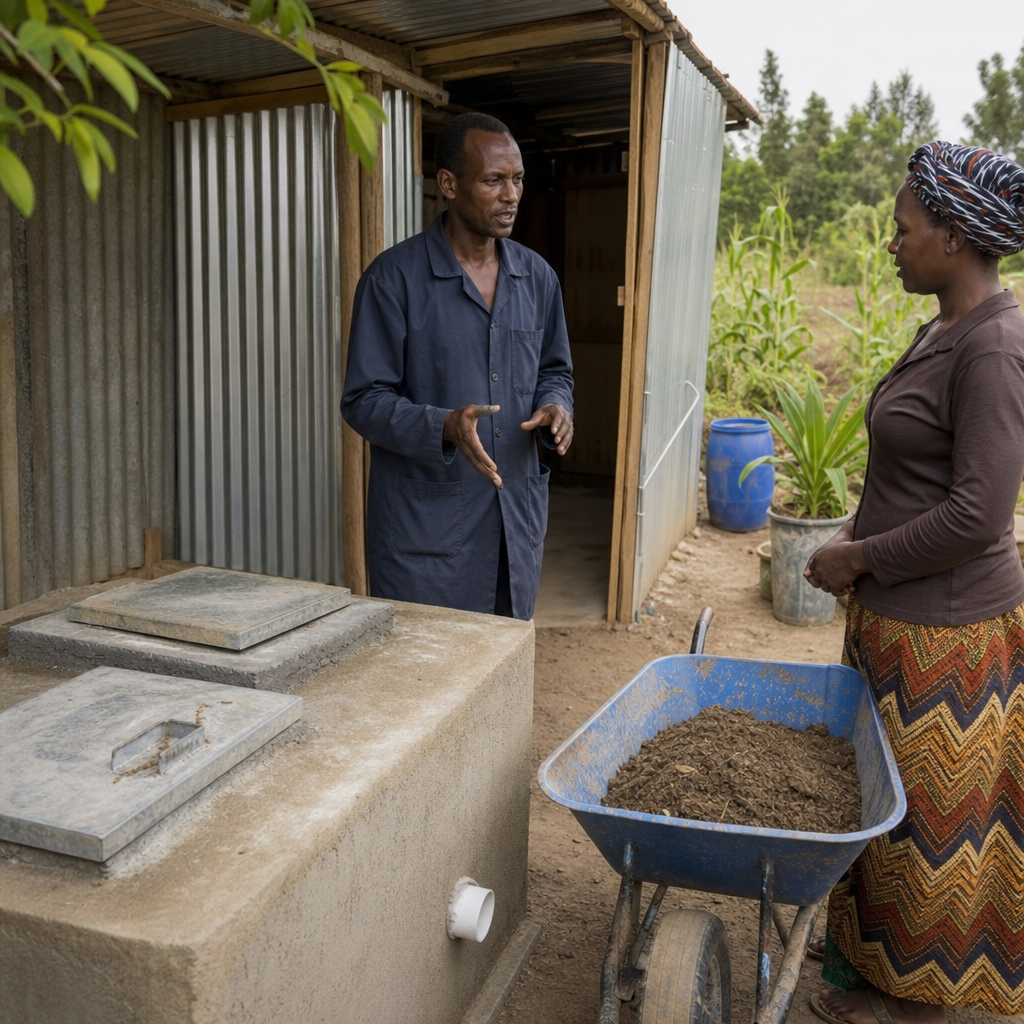
Cost saving strategies in EcoSan implementation determine whether ecological sanitation becomes a niche pilot or a financially durable public service. EcoSan, short for ecological sanitation, is an approach that treats human excreta and household wastewater as resources to be safely managed, recovered, and reused rather than wastes to be discarded. Economic sustainability in EcoSan means more than lowering construction cost. It includes affordable capital investment, predictable operation and maintenance, reliable supply chains, user willingness to pay, value recovered from nutrients and water, and institutional arrangements that keep systems working over years instead of months. In projects I have worked on, the biggest budgeting mistakes came from focusing on toilet hardware alone while ignoring transport distances, training requirements, spare parts, and the time needed to build user trust.
This matters because sanitation systems fail financially long before they fail technically. A urine-diverting dry toilet, container-based sanitation model, decentralized wastewater treatment unit, or fecal sludge reuse chain may perform well in controlled trials, yet become unaffordable when households cannot buy ash, municipalities cannot fund collection, or farmers reject end products. By contrast, a modest design aligned with local construction skills, realistic maintenance routines, and a clear reuse market can outperform expensive infrastructure. Economic sustainability in EcoSan is therefore the discipline of matching technology, behavior, markets, and governance so that total lifecycle cost stays manageable while environmental and health benefits are preserved. For planners, NGOs, municipalities, and social enterprises, understanding cost saving strategies is the difference between repeated subsidy dependence and resilient service delivery.
At hub level, this topic covers the full financial logic of EcoSan: capital cost control, operating efficiency, business models, cost recovery, reuse revenue, financing mechanisms, risk management, and measurement. Each area affects the others. Lowering toilet construction cost may raise maintenance cost if materials deteriorate quickly. Chasing nutrient sales may backfire if product quality assurance is weak. Subsidies can expand access, but poorly structured subsidies often distort incentives and depress maintenance. The most effective programs use a lifecycle perspective and compare alternatives with a common metric such as cost per user per year, cost per safely managed household, or net present cost over ten to twenty years. That is the practical foundation of economic sustainability in EcoSan, and it is the lens used throughout this article.
Start with lifecycle costing, not unit price
The first cost saving strategy in EcoSan implementation is to stop evaluating options by purchase price alone. A low-cost toilet slab can be a poor investment if it cracks within two rainy seasons, causes leakage, or requires imported replacement parts. Lifecycle costing captures capital expenditure, operations, maintenance, periodic rehabilitation, transport, treatment, monitoring, user training, and end-of-life replacement. In municipal planning, I typically model at least three scenarios over ten years: baseline pit latrine management, an EcoSan option with reuse, and a service-based alternative such as container collection. This exposes hidden costs early.
For example, urine-diverting dry toilets often save water and sewer connection costs, but only when collection, storage, and user support are designed upfront. If storage chambers are undersized or access hatches are unsafe, labor time rises and households abandon the system. A proper lifecycle analysis also discounts future cash flows. Using net present value or equivalent annual cost allows fair comparison between a concrete-intensive decentralized treatment unit and a modular system with higher annual service costs. Standards from the World Bank, the International Organization for Standardization, and local public procurement rules all support lifecycle-based decision making because it reduces false economy.
A practical rule is to break every EcoSan design into cost centers: interface, containment, conveyance, treatment, reuse, monitoring, and management. Then identify which costs are fixed, variable, seasonal, or behavior dependent. This method reveals where savings are actually possible. In one peri-urban project, the toilet superstructure represented less than forty percent of long-term cost; collection logistics and community mobilization accounted for more. Once that was visible, the team consolidated routes and standardized containers, cutting annual operating expense without changing sanitation outcomes.
Choose context-fit technologies and standardize components
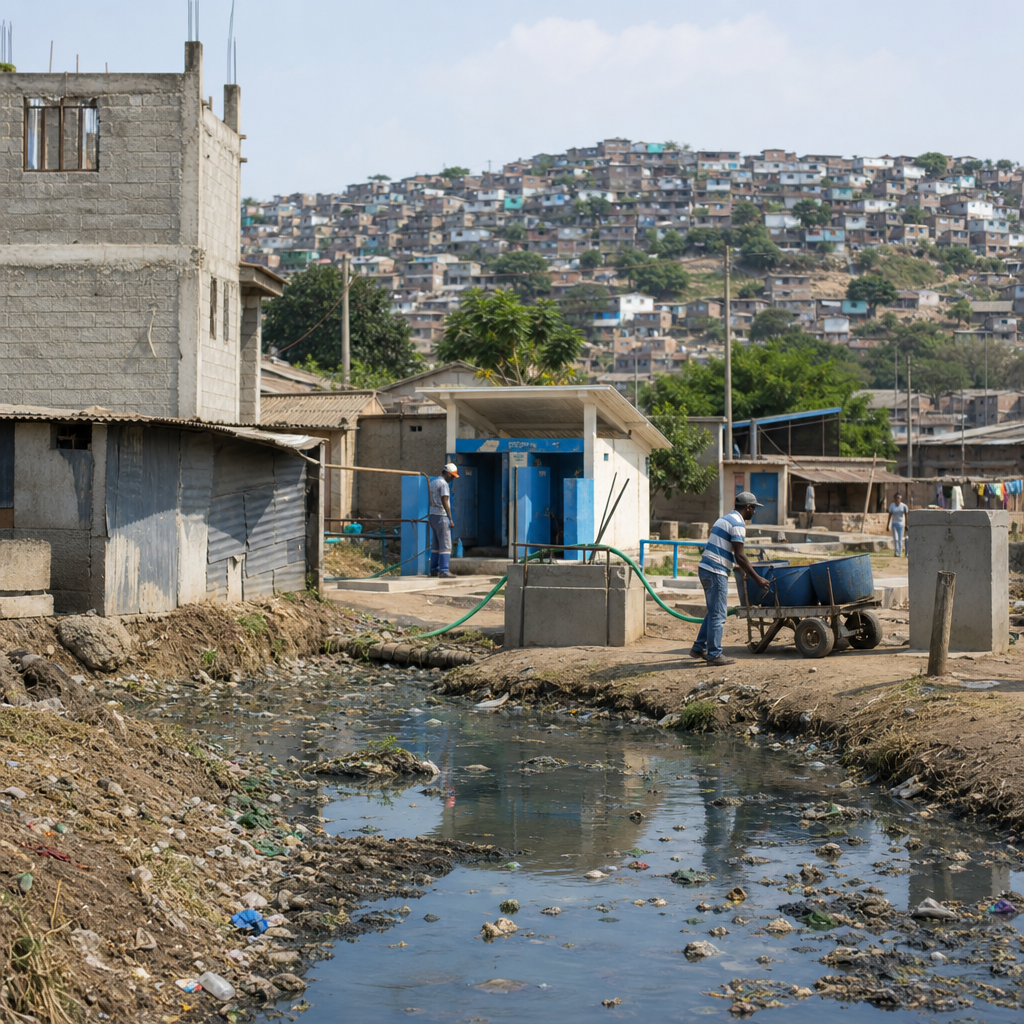
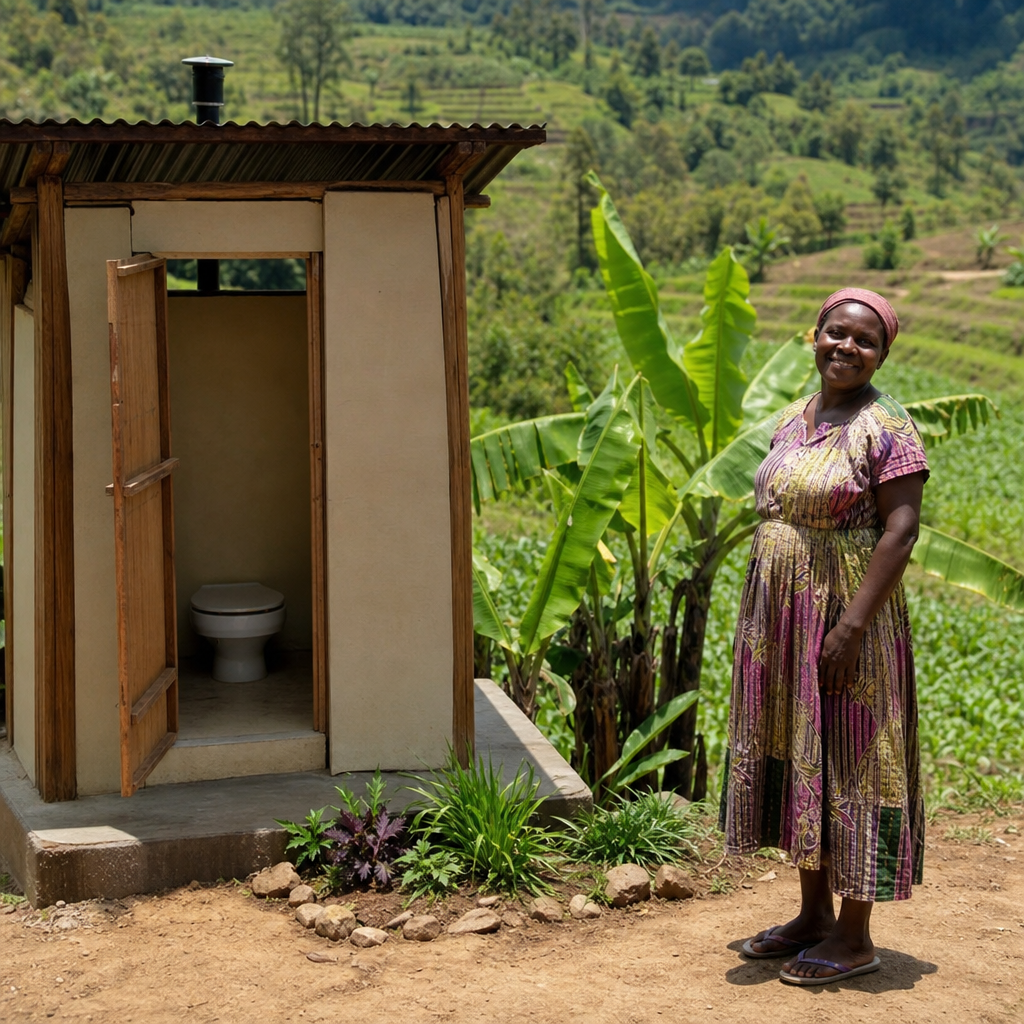
Technology selection is the second major driver of economic sustainability in EcoSan. The cheapest appropriate system is not the one with the fewest parts; it is the one that local users can operate correctly and local markets can support consistently. Water-scarce settlements may benefit from urine-diverting dry toilets because they avoid flush water demand and reduce blackwater volumes. Flood-prone areas may need raised vaults or sealed container systems to prevent contamination. Dense informal settlements often need service-based collection models because on-plot treatment space is limited. Rural farming communities may capture more value from composted feces and stored urine because agricultural reuse is close by.
Standardization saves money across all these contexts. When every toilet uses a different pedestal, vent pipe diameter, or urine container, procurement becomes fragmented and repairs slow down. I have seen projects cut installation delays simply by limiting designs to two approved interfaces and one spare-parts list. Standard dimensions also improve training quality for masons and operators. This mirrors successful practice in decentralized sanitation programs supported by organizations such as GIZ, the Sustainable Sanitation Alliance, and city utilities that manage multiple small systems.
Material choices should balance durability and local availability. Fiberglass or high-density polyethylene components can reduce leakage and speed installation, but they only save money if replacement units and fittings are available regionally. Locally made concrete can be cheaper, yet quality control must be strict; poor curing, weak mix ratios, and inconsistent molds often create expensive failures. A sound procurement strategy uses performance specifications instead of vague descriptions, tests prototypes under actual use conditions, and prefers components that can be repaired with local skills.
Reduce operating costs through service design and workforce efficiency
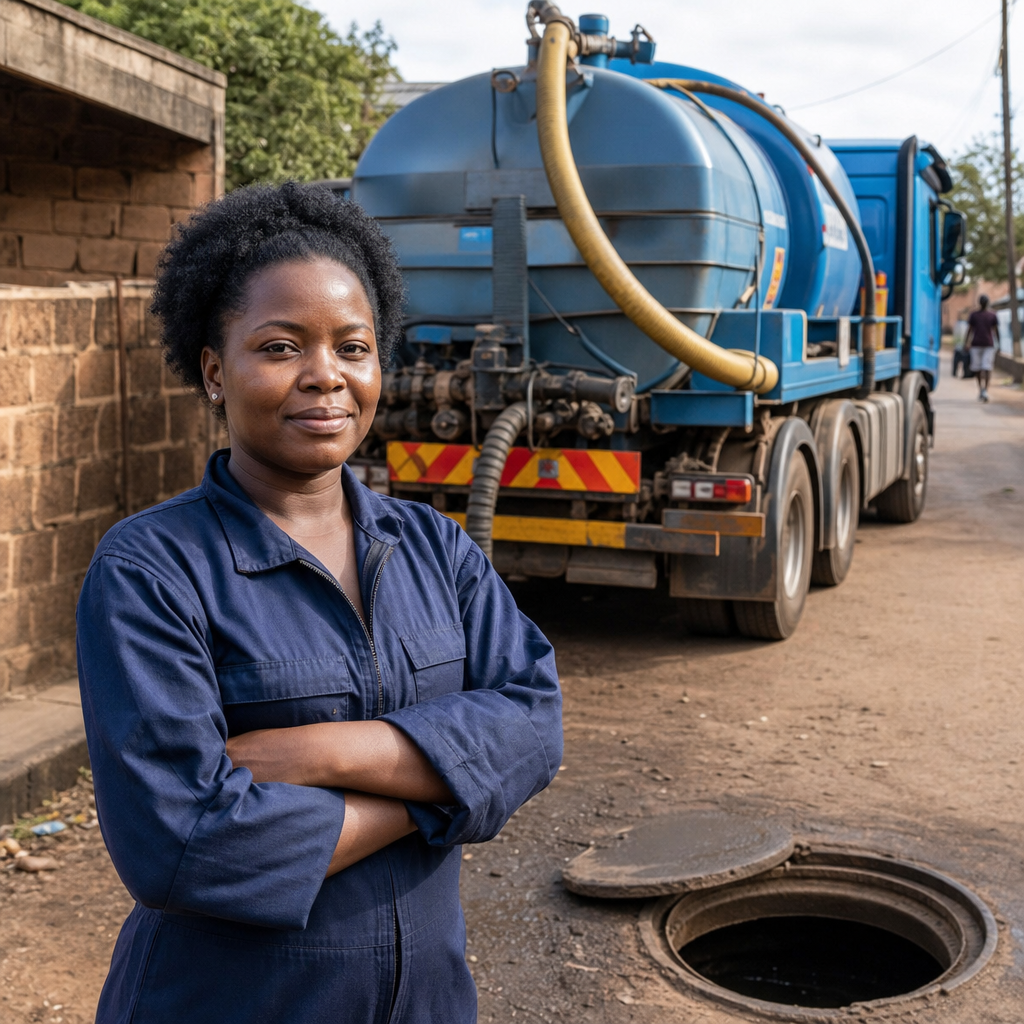
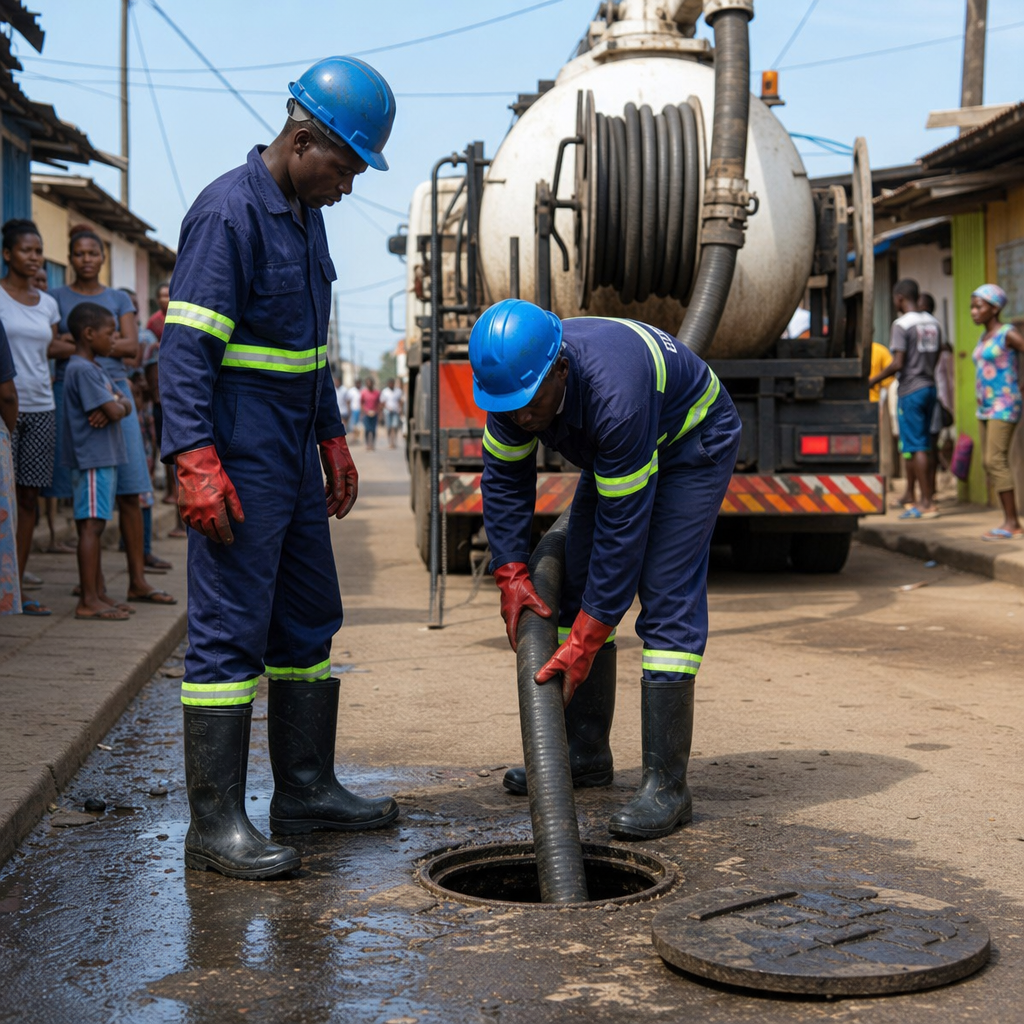
Many EcoSan systems become expensive because service design is treated as an afterthought. Operating costs are largely shaped by collection frequency, route density, labor productivity, safety protocols, and downtime. Container-based sanitation illustrates this clearly. If households are geographically scattered, collection costs per container rise sharply. If handcarts, motorcycles, or small trucks are not matched to road conditions, turnaround times expand. The cost saving strategy is to engineer the service chain with the same discipline used for the toilet itself.
Route optimization software, simple GIS mapping, and mobile work order systems can cut transport fuel and labor hours. In one program, switching from ad hoc pickup requests to fixed weekly routes reduced missed collections and lowered per-household operating cost because crews spent less time chasing calls. Cross-training staff also matters. Operators who can inspect interfaces, replace seals, record volumes, and communicate with users create fewer repeat visits. Occupational health investment saves money too. Personal protective equipment, handwashing stations, and vaccination reduce absenteeism and liability, while safe standard operating procedures lower contamination incidents that trigger costly corrective action.
Another often overlooked lever is preventive maintenance. Fans, screens, valves, urine pipes, and drainage beds fail predictably. Maintaining them on schedule is cheaper than emergency replacement. The same is true for sludge drying beds, compost temperature monitoring, and pathogen reduction verification. A well-kept maintenance registry, even in spreadsheet form, allows managers to detect recurring faults and remove weak components from future procurement.
| Cost area | Common waste | Cost-saving action | Typical effect |
|---|---|---|---|
| Collection logistics | Irregular routes and low load factors | Cluster households and use fixed route planning | Lower fuel and labor per pickup |
| Procurement | Many unique parts | Standardize interfaces, containers, and fittings | Lower inventory and faster repairs |
| Maintenance | Reactive repairs only | Use preventive schedules and fault logs | Less downtime and fewer emergency purchases |
| User support | Repeated misuse | Structured onboarding and visual instructions | Lower contamination and callout costs |
| Reuse processing | Unstable product quality | Monitor moisture, temperature, and storage time | Higher acceptance and fewer rejected batches |
Capture value from resource recovery without overstating revenue
Resource recovery is central to EcoSan economics, but it should be modeled conservatively. Urine contains most of the nitrogen and a substantial share of phosphorus and potassium excreted by households. Properly stored and applied, it can substitute part of mineral fertilizer demand. Compost-like products from treated fecal matter and organic co-substrates can improve soil structure, especially where soils are degraded. Biogas from anaerobic treatment can offset cooking fuel or electricity in some settings. Treated greywater can reduce freshwater demand for irrigation or flushing. These are real financial benefits, but they vary by regulation, transport distance, crop type, and user confidence.
The cost saving strategy is to prioritize nearby, low-processing reuse opportunities first. Moving bulky compost over long distances quickly destroys margins. By contrast, linking peri-urban treatment sites with vegetable growers or tree nurseries can create stable local demand. Product quality assurance is essential. Farmers will not pay repeat prices for material with inconsistent nutrient content, high salinity, visible contaminants, or uncertain pathogen safety. Programs that use laboratory testing, batch labeling, and extension support usually achieve better uptake than those that simply distribute material and hope for adoption.
Revenue should be treated as a buffer, not the sole basis of financial viability. In most cases I have assessed, nutrient sales offset part of operating cost but rarely cover the full sanitation chain. That is normal. The stronger economic case often combines several benefits: avoided sewer expansion, reduced water use, lower fertilizer purchases, improved public health, and job creation in collection and processing. A balanced business model recognizes both cash income and avoided costs.
Use financing structures that protect affordability and long-term performance
Even a cost-efficient EcoSan system can fail if financing is misaligned. Households often face a high upfront barrier, while service providers face delayed revenue and municipalities face political pressure to keep tariffs low. Effective cost saving therefore depends on financing structures as much as engineering. Blended finance is common: targeted capital subsidies for public health goals, household co-payments to increase ownership, microfinance for construction, and service fees that cover routine operation. The key is matching each cost type with the right funding source.
Capital subsidies work best when they are transparent, time bound, and tied to verified installation quality. Output-based aid can prevent ghost units and poor workmanship. Revolving funds and savings groups can help households spread construction payments over manageable periods. For service-based models, subscription billing usually produces steadier cash flow than pay-per-emptying. Municipal contracts can also stabilize operations by paying providers for safely managed volumes rather than simply for toilet construction.
Tariff design needs realism. If fees are set below maintenance cost for political reasons, breakdown is inevitable. If fees are raised too quickly, users revert to unsafe alternatives. A tiered approach often works better: basic service at an affordable level, with commercial users, institutions, or higher-income households cross-subsidizing some costs. Public schools, markets, and transport hubs can anchor demand and improve route density for surrounding residential users. Financial planning should include reserves for replacement and inflation, especially where imported materials are exposed to currency risk.
Lower total cost by investing in user adoption, governance, and data
The most underestimated cost saving strategy in EcoSan implementation is investing early in the social and institutional side. Misuse is expensive. When users put solid waste into urine pipes, fail to add cover material, bypass collection schedules, or reject end products, operating cost increases immediately. Good user onboarding reduces these losses. Clear signage, demonstrations, follow-up visits during the first months, and responsive customer service usually cost less than repeated repairs and system abandonment.
Governance quality is equally important. EcoSan projects need defined roles for asset ownership, service delivery, monitoring, tariff approval, land access, and product regulation. Ambiguity creates delays and duplicated spending. Memoranda of understanding, service-level agreements, and simple reporting templates can prevent disputes between municipalities, community groups, and private operators. Where reuse is planned, alignment with agricultural extension services and public health authorities reduces regulatory uncertainty and supports market acceptance.
Data closes the loop. Track fill rates, collection timeliness, downtime, pathogen reduction indicators, product sales, user complaints, and cost per household served. These metrics show where the economics are drifting. Digital tools do not need to be elaborate; a shared dashboard or mobile form can reveal route inefficiency, chronic nonpayment, or treatment bottlenecks. Over time, this evidence supports better procurement, stronger budget requests, and more credible expansion planning.
Economic sustainability in EcoSan is achieved when technology, service, finance, and user behavior are designed as one system. The main cost saving strategies are straightforward: use lifecycle costing, choose context-fit technologies, standardize components, optimize operations, recover value from resources carefully, structure finance to match real costs, and invest in adoption and governance. These actions lower failure rates and protect both affordability and service quality. As the hub for Economic Sustainability in EcoSan, this article provides the framework for deeper work on tariffs, business models, reuse markets, financing tools, and lifecycle analysis. Use it to audit your current program, identify your largest cost drivers, and prioritize the changes that will make EcoSan financially durable.
Frequently Asked Questions
1. What are the most effective cost saving strategies in EcoSan implementation?
The most effective cost saving strategies in EcoSan implementation usually come from looking beyond the upfront construction budget and improving the full life-cycle economics of the system. In practical terms, that means choosing technologies and service models that reduce capital costs, keep operation and maintenance predictable, and create measurable value from resource recovery. One of the strongest approaches is to match the system design to the local context rather than importing complex or overengineered solutions. Simple urine-diverting dry toilets, decentralized treatment units, modular collection systems, and locally sourced construction materials can significantly reduce initial expenses while making repairs and maintenance easier over time.
Another major cost saver is standardization. When governments, utilities, NGOs, or project developers use a limited number of proven designs and components across multiple sites, they lower procurement costs, simplify training, reduce spare-parts complexity, and improve service quality. Economies of scale also matter. EcoSan becomes more affordable when collection routes, treatment hubs, and reuse markets are designed to serve enough households or institutions to spread fixed costs across a larger user base. This is especially important in peri-urban and dense rural settings where transport and treatment costs can otherwise become a burden.
Resource recovery is also central to cost savings. Properly managed EcoSan systems can generate compost, treated biosolids, urine-derived fertilizer products, irrigation water, or energy inputs, depending on the technical setup. While these outputs do not always cover all system costs, they can offset expenditures on chemical fertilizers, soil amendments, water, or fuel. In agriculture-dependent communities, this benefit can be substantial. Finally, preventive maintenance and user education should never be treated as optional. A relatively small investment in training households, caretakers, and operators often prevents contamination, clogging, misuse, and expensive system failures. In short, the best savings come from smart design, local fit, operational efficiency, and reliable resource reuse rather than from simply building the cheapest toilet possible.
2. How can EcoSan projects reduce capital costs without sacrificing quality or safety?
Reducing capital costs in EcoSan projects without undermining safety begins with careful design optimization. Many sanitation projects become unnecessarily expensive because they are designed for idealized conditions instead of actual demand, local construction capacity, and user behavior. A well-planned EcoSan system starts with a detailed assessment of household size, settlement density, soil conditions, water availability, agricultural demand, and the ability of local institutions to manage operations. This allows project teams to avoid oversizing infrastructure and to select appropriately scaled containment, storage, conveyance, and treatment options.
Using locally available materials and local labor is one of the most reliable ways to cut costs while supporting long-term resilience. Bricks, concrete products, slabs, superstructure materials, piping, and simple fixtures that can be sourced and repaired locally are often more cost-effective than imported components. However, quality control is essential. Cost reduction should focus on simplifying design and procurement, not on using weak materials or skipping critical protective features such as sealed vaults, durable slabs, ventilation, safe access points, and proper diversion mechanisms. Standard construction details, trained masons, and field supervision help maintain safety while still keeping budgets under control.
Phased implementation can also improve affordability. Rather than funding a complete high-capital system at once, projects can begin with core household or community-level sanitation units and add treatment, storage, or product refinement infrastructure as demand and revenue develop. This approach reduces financial risk and allows lessons from early operation to inform later investment. Another smart tactic is to design modular systems that can be expanded incrementally. Modular planning prevents expensive replacement when user numbers grow.
Finally, capital efficiency improves when sanitation is integrated with broader development planning. Shared logistics, land use coordination, public health programs, and agricultural extension services can reduce duplication. If an EcoSan project is linked to school sanitation, market waste management, municipal sludge services, or farming cooperatives, infrastructure can often be shared and managed more efficiently. The key message is that low-cost EcoSan should never mean low-standard EcoSan. The most successful projects reduce capital costs by eliminating unnecessary complexity, improving local fit, and protecting the features that are essential for health, durability, and user confidence.
3. Why is operation and maintenance planning so important for long-term savings in EcoSan systems?
Operation and maintenance planning is one of the biggest determinants of whether EcoSan remains affordable over time. Many systems appear inexpensive at installation but become costly when emptying, transport, cleaning, replacement parts, operator supervision, or product handling were not properly budgeted from the beginning. EcoSan is not just an infrastructure investment; it is an ongoing service. If that service is inconsistent, the system may fail technically, lose user trust, create health risks, and require expensive rehabilitation. Good operation and maintenance planning prevents those outcomes and stabilizes costs over the long term.
A strong maintenance plan defines who does what, how often, and with what resources. This includes user responsibilities, caretaker roles, collection schedules, treatment protocols, monitoring routines, and clear procedures for handling residues and recovered products. It also includes realistic budgeting for consumables, protective equipment, transport, labor, and periodic repairs. When these costs are known and planned for, they become manageable. When they are ignored, they typically reappear later as emergencies, breakdowns, and service interruptions that cost much more to fix.
Predictability is another major financial benefit. Systems with regular inspections and preventive maintenance generally have lower life-cycle costs than systems that rely on reactive repairs. A cracked slab, blocked pipe, damaged urine diversion pan, or leaking storage chamber is relatively cheap to address early. Left unresolved, the same issue can trigger contamination, odor complaints, structural damage, lower usage rates, and reputational harm to the entire sanitation program. In addition, training operators and users reduces misuse, which is one of the hidden drivers of maintenance costs. When people understand separation requirements, cleaning practices, drying materials, storage periods, and safe reuse rules, system performance improves and avoidable expenses go down.
From a financing perspective, operation and maintenance planning also supports tariff design, subsidy targeting, and institutional accountability. Service providers can set more realistic fees, local governments can forecast support needs, and investors or donors can evaluate whether the model is financially viable after construction funding ends. In other words, maintenance planning is not a technical afterthought. It is one of the most important cost saving strategies in EcoSan implementation because it protects assets, reduces service disruptions, and turns sanitation infrastructure into a dependable long-term public service.
4. Can resource recovery from EcoSan systems meaningfully offset costs?
Yes, resource recovery can meaningfully offset costs, but the financial value depends on how well the recovery chain is designed, regulated, and connected to real demand. The core principle of EcoSan is that human excreta and household wastewater contain nutrients, organic matter, and in some cases water or energy value that can be safely recovered instead of discarded. When systems are properly managed, these recovered resources can reduce expenditure on synthetic fertilizers, improve soils, support landscaping or agriculture, and in some settings create saleable products. This does not automatically make every EcoSan project profitable, but it can substantially improve cost recovery and overall economic sustainability.
The largest and most common opportunity is nutrient reuse. Urine contains significant amounts of nitrogen, phosphorus, and potassium, while treated fecal matter or composted biosolids can contribute organic matter and soil conditioning benefits. For farming communities, this can translate into lower input costs and improved crop productivity. Even where direct sales are limited, avoided costs can be just as important as revenue. If a municipality, institution, or cooperative uses recovered products on public land, school gardens, tree planting programs, or local farms, it may reduce spending on commercial fertilizers and soil amendments.
That said, the financial benefits only materialize when health safeguards, product quality, logistics, and market acceptance are addressed. Poorly treated or poorly packaged products have low value and may be rejected entirely. Transport can also erase economic gains if treatment sites are too far from end users or if products are bulky and difficult to handle. This is why cost-efficient EcoSan planning often includes decentralized processing, aggregation points, product standardization, and partnerships with agricultural groups. Certification, quality assurance, and user education can further increase market confidence and demand.
It is also important to be realistic. Resource recovery usually works best as part of a broader savings strategy, not as the only financial pillar. The strongest business cases often combine user fees, public support, institutional contracts, and the value of recovered products. In that mix, reuse helps close the funding gap and improves resilience. So while resource recovery may not cover every cost in every setting, it can absolutely be a meaningful contributor when the technical, commercial, and regulatory pieces are aligned.
5. How should communities, utilities, or project planners evaluate the true economic sustainability of an EcoSan program?
To evaluate the true economic sustainability of an EcoSan program, planners need to assess the entire service chain and the full life-cycle cost, not just the price of toilets or treatment units. A financially durable EcoSan program includes affordable capital investment, reliable operation and maintenance, manageable replacement costs, workable collection and transport arrangements, safe treatment, and realistic reuse or disposal pathways. It should also account for institutional capacity, user willingness to pay, subsidy structures, and the economic consequences of service failure. Looking only at construction