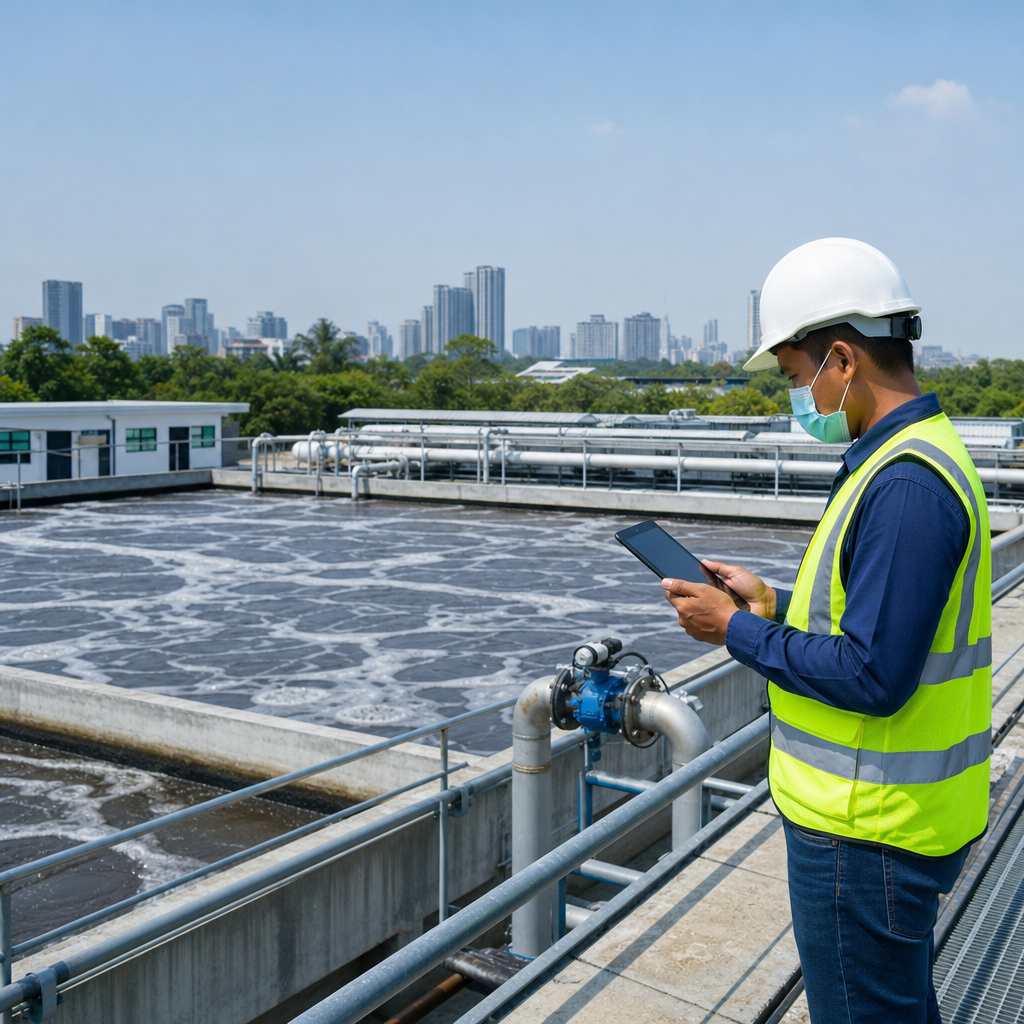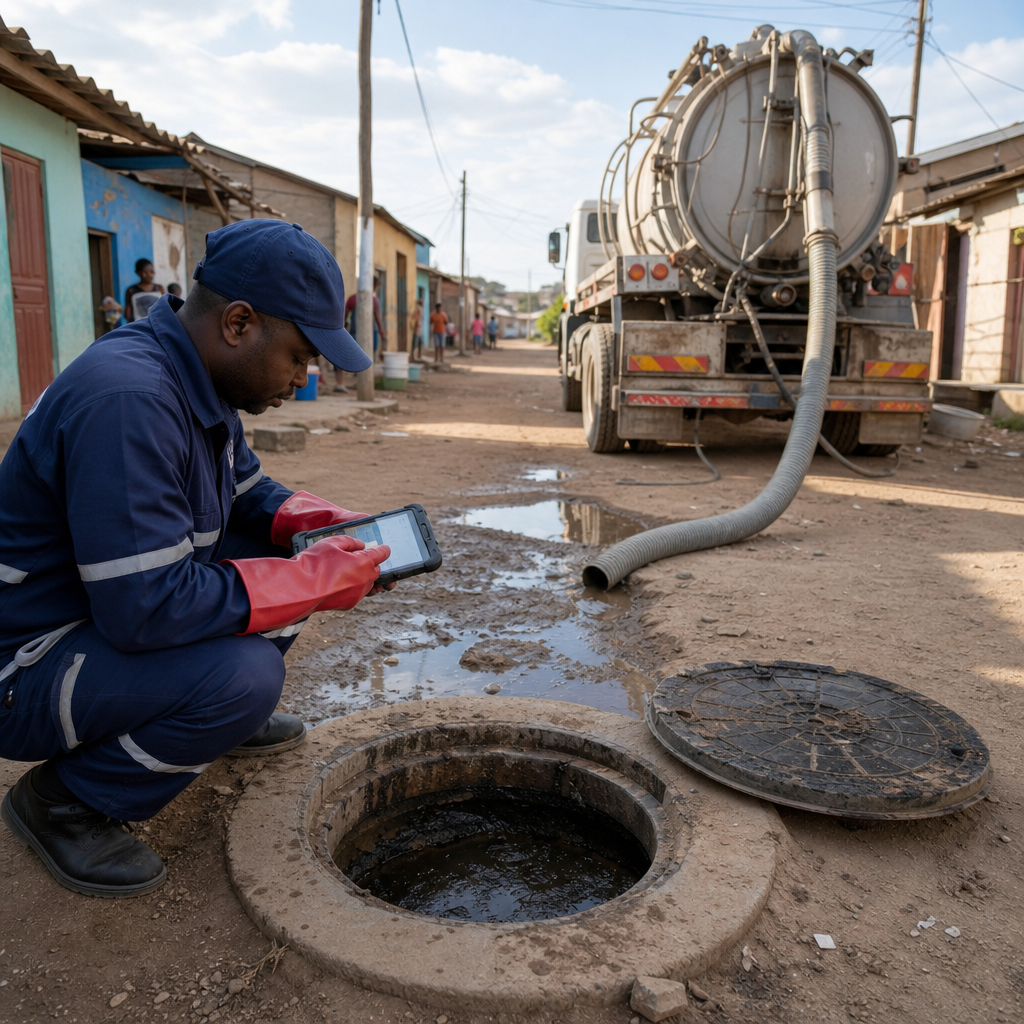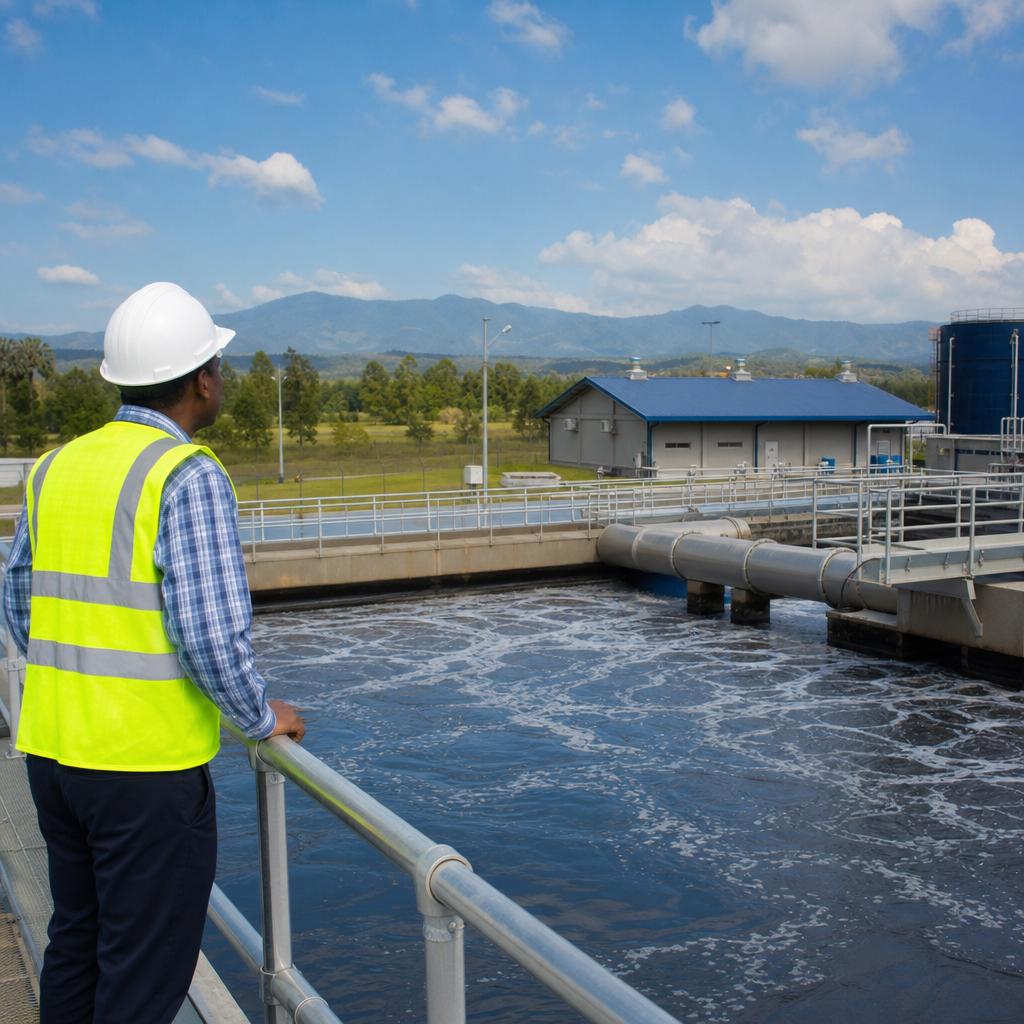
Integrated water and sanitation management creates economic value by treating water supply, wastewater, stormwater, fecal sludge, and resource recovery as one connected system rather than separate public services. In the context of Economic Sustainability in EcoSan, this approach matters because ecological sanitation is not only about safe toilets or nutrient recycling; it is about building financially durable systems that lower long-term costs, protect public health, recover resources, and strengthen local livelihoods. I have worked on sanitation planning exercises where the most expensive option on paper became the cheapest over twenty years once health costs, water savings, sludge transport, and fertilizer substitution were counted together. That is the central economic lesson: integration changes the balance sheet.
EcoSan, short for ecological sanitation, refers to sanitation systems designed to safely manage human waste while recovering useful products such as water, nutrients, soil amendments, and sometimes energy. Integrated water and sanitation management goes one step further by coordinating infrastructure, financing, governance, and service delivery across the full urban or rural water cycle. Instead of funding toilets, sewers, treatment plants, and drainage in isolation, planners evaluate how decisions in one area affect costs and benefits in another. A urine-diverting dry toilet, for example, can reduce freshwater demand, lower sewer loads, cut treatment costs, and create fertilizer value if collection and agricultural reuse are organized well.
The economic importance is substantial. The World Health Organization has repeatedly shown that sanitation investments generate returns through avoided disease, higher productivity, reduced healthcare spending, and time savings. The World Bank and UNICEF have documented the drag that poor sanitation places on national economies through medical costs, missed work and school days, environmental damage, and tourism losses. For municipalities facing tight budgets, integrated management also improves capital efficiency. It can delay expensive network expansion, reduce energy use, diversify revenue sources, and make climate adaptation less costly. As a hub topic within Economic Aspects, this article explains where those benefits come from, how they are measured, and what makes integrated EcoSan systems economically sustainable in practice.
Why integration improves economic performance
Integrated systems outperform fragmented ones because they capture interdependencies that traditional budgeting misses. In many cities, water utilities pay to pump, treat, and distribute potable water, only for much of it to become wastewater that must be transported and treated again. Sanitation agencies separately manage sludge, while agriculture imports synthetic fertilizer and energy providers look for organic feedstocks. When these sectors do not coordinate, society pays multiple times for the same material stream. Integrated management reduces duplication by matching waste outputs to productive uses and by selecting technologies that fit the local service chain from containment to reuse.
A practical example is decentralized wastewater treatment linked to non-potable reuse. In water-stressed regions, treated effluent can irrigate parks, industrial landscapes, or peri-urban agriculture, reducing demand for expensive freshwater abstraction and transmission. In dense settlements without sewer coverage, container-based sanitation or scheduled fecal sludge emptying can be combined with composting or black soldier fly processing, turning an unmanaged liability into saleable products. The economics improve further when stormwater is included. Green infrastructure such as infiltration trenches, wetlands, and retention ponds can reduce flooding, cut drainage maintenance, recharge groundwater, and improve raw water availability. One intervention supports several outcomes, so the cost per benefit falls.
Integration also strengthens asset management. I have seen utilities underinvest in preventive sludge management because the sanitation budget looked separate from the healthcare or environmental budget. Once those external costs were included, regular desludging and reuse logistics became clearly cost-saving. This is why life-cycle costing is essential. Economic sustainability in EcoSan depends less on the headline construction cost and more on the total cost of ownership, including operations, maintenance, replacement, training, monitoring, and safe end use.
Cost savings across the full service chain
The most immediate economic benefits appear in operating costs. EcoSan technologies often use less water, which lowers household bills and reduces the burden on supply infrastructure. Urine-diverting dry toilets, composting toilets, and low-flush systems can materially reduce per capita water demand, especially where conventional flush sanitation is impractical or expensive. Lower inflows mean smaller pumps, reduced energy consumption, and less hydraulic stress on treatment plants. For utilities, this can defer capital upgrades that would otherwise require debt financing or tariff increases.
Transport and treatment costs also decline when fecal sludge is managed closer to the source or separated into easier-to-handle fractions. Source separation creates cleaner nutrient streams and can reduce contamination of organic matter, making recovery more efficient. In peri-urban areas, transferring dewatered sludge or composted biosolids is cheaper than hauling wet sludge long distances. Where utilities rely on septic tanks and pit latrines, scheduled emptying programs often outperform emergency emptying economically because routes can be optimized, trucks used more efficiently, and treatment plant inflows stabilized.
Maintenance savings are another underappreciated factor. Sewer blockages, storm overflows, and overloaded plants are expensive symptoms of poor integration. Systems that account for solids management, drainage, and user behavior from the start spend less on reactive repairs. This is especially important in informal settlements, where narrow lanes and variable tenure make conventional network expansion costly. Well-designed non-sewered sanitation with local treatment can avoid difficult excavation, road reinstatement, and electricity-intensive pumping while still delivering safe service if regulation and monitoring are strong.
| Economic lever | Integrated management effect | Typical financial outcome |
|---|---|---|
| Water demand reduction | Uses low-water or dry sanitation and reuse planning | Lower utility operating costs and deferred supply expansion |
| Scheduled sludge services | Optimizes routing, labor, and treatment capacity | Lower transport cost per household served |
| Nutrient recovery | Separates urine or stabilizes biosolids for reuse | Offsets fertilizer purchases and creates product revenue |
| Decentralized treatment | Matches technology to density and land availability | Lower capital expenditure in hard-to-serve areas |
| Stormwater integration | Reduces flooding and captures local water resources | Avoided damage costs and lower drainage investment |
Resource recovery and revenue generation
Economic sustainability in EcoSan becomes much stronger when recovered resources have reliable end markets. Human excreta contains nitrogen, phosphorus, potassium, and organic carbon, all of which have economic value when safely processed. Urine is especially rich in plant-available nitrogen and can substitute part of synthetic fertilizer demand after appropriate storage and handling. Treated fecal matter can become compost, soil conditioner, or feedstock for co-composting with market waste. Some treatment chains produce biogas, briquettes, or dried fuel. These outputs rarely finance the entire sanitation system, but they can materially improve cost recovery and reduce dependence on unstable public subsidies.
The key is to treat resource recovery as a business function, not a side benefit. In projects I have reviewed, reuse failed not because the product had no value, but because quality specifications, logistics, and customer contracts were weak. Farmers buy nutrients when nutrient content is consistent, pathogen risks are controlled, and delivery aligns with planting cycles. Municipal landscaping departments can become anchor customers for compost if procurement rules recognize recycled products. Industrial buyers may use reclaimed water if supply reliability and treatment standards are clear. Standards from the World Health Organization, ISO frameworks for sanitation service performance, and national biosolids or reuse regulations all help reduce market uncertainty.
There are limitations. Transport can erase the value of low-density products, contamination can block market access, and consumer acceptance can slow uptake. For that reason, the strongest models combine several value streams: user fees, municipal payments for public health outcomes, avoided disposal costs, and modest revenue from recovered products. Economic sustainability does not require full commercialization of every output. It requires a balanced financing structure where recovered resources improve resilience and lower net system cost.
Public health gains as economic returns
The largest benefits of integrated water and sanitation management often sit outside utility accounts. Diarrheal disease, helminth infections, stunting, environmental enteric dysfunction, and vector-borne illness all carry direct and indirect economic costs. Households spend money on treatment, lose work days, and face reduced earning potential when illness affects education or long-term development. Health systems bear additional burdens, and local economies lose productive labor. Safe sanitation interrupts these losses, but integrated management multiplies the effect because water quality protection, drainage, hygiene, and sludge treatment are addressed together.
This matters for EcoSan because poorly managed reuse can create risks, while well-managed reuse can improve both sanitation and food production. The economic case therefore depends on safe service chains and verified treatment performance. Hazard analysis, multiple-barrier approaches, and routine monitoring protect the value proposition. When utilities or municipalities can show lower disease incidence, they are better positioned to justify budget allocations, blended finance, or results-based funding. Many cost-benefit studies find sanitation returns several times higher than investment costs once health and time savings are included, especially in underserved areas where baseline losses are severe.
Time savings deserve equal attention. Women and children often spend hours accessing distant toilets or collecting water where services are poor. Household-level or nearby safe systems reduce queuing, walking, and caregiving time. That recovered time translates into paid work, school attendance, and reduced vulnerability. These gains are real economic outputs even when they do not appear in utility revenue statements.
Financing models, tariffs, and affordability
No integrated system is economically sustainable without a viable financing plan. Capital expenditure, operating expenditure, and major maintenance must each have a funding source. For EcoSan, the most durable models usually blend household contributions, local government transfers, utility revenues, targeted subsidies, climate or development finance, and income from reuse. Tariffs alone rarely cover full costs in low-income areas, but that does not mean systems are uneconomic. It means the benefits accrue to multiple actors, so financing should be shared accordingly.
Affordability must be designed, not assumed. Upfront toilet costs can exclude low-income households even when lifetime costs are lower than sewer connection or uncontrolled pit emptying. Smart subsidy design focuses public funds on capital support for poor households, shared treatment infrastructure, or service guarantees, while preserving incentives for maintenance and safe use. Output-based aid, sanitation revolving funds, microfinance for household installations, and cross-subsidies within utility service areas can all help. The principle I rely on is simple: subsidize public benefits and vulnerable users, not inefficiency.
Institutional coordination is equally important. Water, sanitation, solid waste, agriculture, and health departments often use separate budgets and performance indicators. Integrated management works best when contracts and reporting reflect shared outcomes, such as reduced pollution load, safe reuse tonnage, service coverage, and flood resilience. Digital tools improve the economics here. Geographic information systems, fecal sludge tracking apps, smart metering, and asset management platforms make routing, billing, and maintenance more efficient. Better data lowers financial risk and attracts lenders who want predictable cash flows and measurable performance.
Long-term resilience, jobs, and local economic development
Integrated EcoSan systems support local economies beyond direct service delivery. Construction, toilet manufacturing, emptying services, composting operations, laboratory testing, equipment maintenance, and agricultural reuse all create jobs. These are often local jobs that cannot be outsourced easily. Small enterprises can participate in collection, transport, treatment, or product sales, provided regulation prevents unsafe shortcuts. In several African and Asian cities, sanitation entrepreneurs have built businesses around container-based collection, co-composting, and organic fertilizer distribution, creating employment while improving neighborhood hygiene.
Climate resilience adds another layer of economic benefit. Conventional sewer-dependent systems can be vulnerable to drought, power outages, and flooding. Water-efficient or dry sanitation reduces exposure to water scarcity, while decentralized treatment reduces the risk of complete service failure when one major plant is disrupted. Stormwater-sensitive design lowers flood damage to roads, homes, and commercial areas. These avoided losses matter more each year as climate extremes intensify. Investors and municipalities are increasingly valuing systems that perform under stress, not just under ideal conditions.
For decision-makers, the strongest takeaway is that Economic Sustainability in EcoSan is not a niche argument for alternative toilets. It is a practical framework for lowering life-cycle costs, protecting health, recovering resources, and building resilient local economies. The best projects start with service-chain analysis, realistic demand for recovered products, safe treatment standards, and financing that matches who benefits. If you are planning policy, infrastructure, or research in this field, use this hub as your starting point and evaluate sanitation choices as integrated economic systems, not isolated assets.
Frequently Asked Questions
What are the main economic benefits of integrated water and sanitation management?
Integrated water and sanitation management delivers economic benefits by treating water supply, wastewater, stormwater, fecal sludge management, and resource recovery as parts of one interdependent system. Instead of funding and operating each service in isolation, cities and utilities can reduce duplication, improve asset performance, and direct investments where they create the highest overall return. This often leads to lower lifecycle costs because planners can coordinate infrastructure, maintenance schedules, treatment technologies, land use, and service delivery models rather than solving the same problem multiple times through disconnected projects.
Another major economic advantage is avoided cost. When sanitation is poorly managed, communities pay for it elsewhere through healthcare expenses, lost productivity, environmental cleanup, water source contamination, flood damage, and declining agricultural output. An integrated approach reduces these hidden but very real losses by improving public health protection, water quality, and resilience. In the context of Economic Sustainability in EcoSan, this matters because the goal is not simply to install toilets or treatment units, but to create financially durable systems that continue delivering value over time. Resource recovery, such as reuse of treated water, nutrients, biosolids, or biogas, can also generate savings or revenue, strengthening cost recovery and making the entire sanitation chain more economically sustainable.
How does integrated management reduce long-term public spending?
Integrated management reduces long-term public spending by shifting decision-making from short-term fixes to whole-system planning. Governments often spend large sums responding to the consequences of fragmented services: emergency desludging, flood repairs, disease outbreaks, polluted waterways, and repeated rehabilitation of failing infrastructure. When water, sanitation, drainage, and waste recovery are planned together, these recurring expenses can be reduced because the system is designed to prevent problems rather than react to them.
For example, stormwater planning that is coordinated with sanitation can lower the burden on treatment systems and reduce urban flooding. Fecal sludge management that is linked to wastewater treatment and reuse can prevent illegal dumping, protect water sources, and extend the life of downstream infrastructure. Likewise, decentralized EcoSan solutions can reduce the need for costly sewer expansion in low-density or underserved areas while still providing safe and productive sanitation outcomes. Over time, public budgets benefit from better prioritization of capital investments, lower operating inefficiencies, and fewer social costs related to environmental degradation and illness. In practical terms, integrated management helps public money work harder by generating multiple benefits from the same investment.
Why is integrated water and sanitation management important for economic sustainability in EcoSan?
Economic sustainability in EcoSan depends on whether sanitation systems remain affordable, functional, and valuable over the long term. Integrated water and sanitation management supports this by connecting ecological sanitation to broader service systems, financial planning, and resource flows. EcoSan works best when it is not treated as a standalone toilet concept, but as part of a full chain that includes collection, treatment, transport, reuse, market development, regulation, and user support. Integration helps ensure that the benefits of EcoSan are captured at system scale rather than being lost because one link in the chain is ignored.
From an economic perspective, this approach improves viability in several ways. It helps identify where nutrients can be reused productively in agriculture, where treated water can offset freshwater demand, and where organic waste can support energy generation or soil improvement. It also clarifies who pays, who benefits, and how costs can be shared across sectors such as public health, water utilities, agriculture, and urban development. That makes financing more realistic and less dependent on one source of funding. In short, integrated management gives EcoSan a stronger business and policy foundation, helping transform sanitation from a cost center into a system that protects health, conserves resources, and creates measurable economic value.
Can resource recovery from sanitation systems really create meaningful economic value?
Yes, resource recovery can create meaningful economic value, especially when it is built into an integrated management framework rather than treated as an afterthought. Sanitation systems contain recoverable resources such as water, nitrogen, phosphorus, organic matter, and energy. When these outputs are safely processed and matched with real demand, they can reduce spending on fertilizers, irrigation water, soil amendments, and fuel. For utilities and municipalities, this can improve cost recovery, reduce disposal expenses, and create opportunities for partnerships with farmers, industries, and energy providers.
That said, the strongest economic case for resource recovery usually comes from combining direct revenue with indirect savings. Recovered products may not always fully finance a system on their own, but they can significantly strengthen overall economics by lowering treatment costs, reducing environmental liabilities, improving resilience to water scarcity, and decreasing dependence on imported inputs such as synthetic fertilizers. In EcoSan, this is especially relevant because nutrient cycling and reuse are central principles. A well-designed integrated system can turn waste streams into productive assets while maintaining safety standards and public trust. The result is a more circular and economically resilient sanitation model that captures value otherwise lost through disposal-only approaches.
What challenges can limit the economic benefits of integrated water and sanitation management?
Although the economic case is strong, the benefits are not automatic. One of the biggest challenges is institutional fragmentation. Water supply, sewerage, drainage, solid waste, agriculture, and public health are often managed by separate agencies with different budgets, regulations, and performance targets. This makes it harder to coordinate investments and share benefits across sectors. As a result, solutions that are economically efficient at the system level may be overlooked because no single institution has the mandate or incentive to implement them.
Other common barriers include weak tariff structures, insufficient maintenance funding, poor data on service performance, limited technical capacity, and undeveloped markets for recovered resources. Public acceptance can also affect outcomes, especially where reuse products from sanitation systems are not well understood or properly regulated. In some settings, the upfront costs of integration, including planning, infrastructure upgrades, and stakeholder coordination, can appear high even when long-term savings are substantial. The key to overcoming these challenges is strong governance, realistic financial models, phased implementation, and clear evidence of value. When these conditions are in place, integrated water and sanitation management is far more likely to deliver the cost savings, productivity gains, and resilience benefits that make EcoSan economically sustainable.