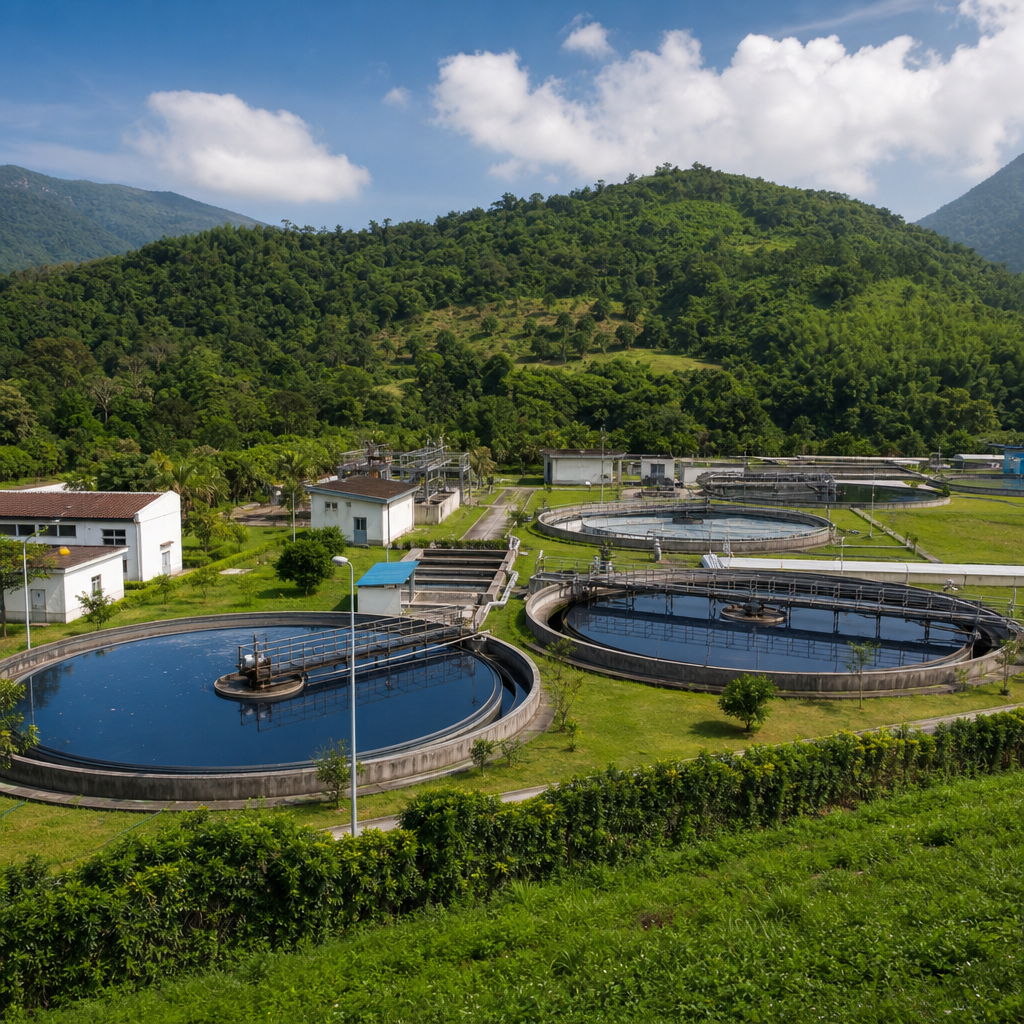
In recent years, sustainable sanitation initiatives have gained considerable attention as solutions to pressing environmental and public health issues. Beyond improving hygienic conditions and preventing diseases, these initiatives present remarkable opportunities for job creation. By integrating eco-friendly sanitation technologies with community-driven models, societies can create new employment prospects while addressing the spectrum of sanitation challenges. As we explore how sustainable sanitation can enhance economic growth, we shed light on its potential to transform communities into centers of health, education, and job opportunities.
Understanding the economic potential of sustainable sanitation requires a comprehensive analysis of employment opportunities across the value chain. This journey involves innovations in waste management, engineering, social entrepreneurship, and community engagement. Sustainable sanitation goes beyond merely installing toilets; it encompasses the systematic approach of harnessing waste as a resource. By investing in infrastructure and training, societies can stimulate economic activities that improve the quality of life for many. This article highlights how technological advancements, policy support, community participation, and educational initiatives collectively foster job creation in the sanitation sector.
The Economics of Sustainable Sanitation
Sustainable sanitation initiatives hinge on the principle of eco-effectiveness, which posits that human waste should be utilized as a resource rather than viewed as a burden. When implemented thoughtfully, these initiatives contribute significantly to local and national economies while supporting environmental sustainability. The economic landscape of sustainable sanitation is vast, encompassing both direct and indirect employment opportunities. By converting sanitation challenges into economically viable projects, communities and nations can experience unprecedented economic benefits.
Key players in the economic chain of sustainable sanitation include local governments, non-governmental organizations, private enterprises, and educational institutions. These entities collaborate to create, implement, and manage projects that emphasize eco-friendly waste management solutions. The impact is multi-fold: new jobs are created, public health is improved, and environmental degradation is minimized. For instance, waste-to-energy projects illustrate how renewable energy resources are developed, fostering technological growth while generating employment across multiple sectors.
Direct Employment Opportunities
The direct employment potential of sustainable sanitation initiatives is substantial. At the forefront are jobs connected to the design, construction, installation, and maintenance of sanitation systems. Engineers, architects, and construction workers are essential players in building and deploying technologies like composting toilets, biogas plants, and water treatment units. These professionals are tasked with designing systems that are efficient, culturally appropriate, and environmentally sustainable.
Maintenance roles provide continuous employment as these sanitation systems require regular monitoring, troubleshooting, and upgrading. Trained technicians are pivotal to maintaining system efficiency and longevity, ensuring that communities continue to reap the benefits of sustainable sanitation solutions. These roles are critical as they enable local job creation while ensuring the proper functioning of sanitation infrastructure.
Indirect Employment and Entrepreneurial Ventures
The benefits of sustainable sanitation extend beyond direct employment to include significant indirect job creation as well. Local economies can thrive when supported by ancillary industries. For example, waste collection and transportation services are integral to the function of sanitation systems. These services often necessitate hiring various personnel, including drivers, loaders, and logistics coordinators.
Sustainable sanitation also encourages social entrepreneurship. Entrepreneurs can innovate business models in areas such as eco-friendly cleaning products, waste repurposing goods, and specialized sanitation-related technologies. Such ventures can be profitable and environmentally responsible, spurring additional job creation. Moreover, these entrepreneurial activities can generate revenue streams that reinforce the sustainability of sanitation projects and community economic health.
Educational and Training Programs
Education is a cornerstone of sustainable sanitation job creation. By investing in educational and training programs, communities can build significant human capital, enabling individuals to participate effectively in the sanitation sector. Vocational training equips people with the necessary skills for positions in construction, maintenance, and waste management. Educational institutions have begun incorporating sanitation technologies and sustainable practices into curricular frameworks, teaching students both the technical and ethical dimensions of sustainable sanitation.
Furthermore, knowledge-sharing workshops and apprenticeships provide real-world experiences, bridging the gap between academic learning and practical application. These educational initiatives foster innovation and ambition among participants, encouraging entrepreneurial activities within the sanitation industry. By adopting a comprehensive educational model, societies ensure that the workforce is adequately prepared to contribute to sustainable sanitation solutions.
Community-Led Initiatives and Policy Support
Community-led sanitation initiatives emphasize participatory approaches that drive employment through localized efforts. When communities lead the charge, they tailor solutions to their specific needs and resources, resulting in more effective and sustainable outcomes. Such projects often cultivate a sense of ownership, encouraging active participation and long-term commitment, which are critical for success.
Policy support is equally crucial in facilitating sustainable sanitation initiatives. Government policies that create enabling environments through incentives, subsidies, and tax benefits encourage private-sector investment in sanitation infrastructure. Additionally, policies that prioritize sanitation in national and local development agendas ensure sustained financial and technical support, further enhancing job creation and economic growth.
Conclusion
Sustainable sanitation initiatives stand as a beacon of resilience and innovation, showcasing the convergence of environmental stewardship with economic development. Through strategic integration of technological advancements, community engagement, and educational empowerment, these initiatives offer a plethora of job opportunities that stimulate local economies. By turning sanitation from a public health challenge into an economic asset, communities are equipped to confront climate change impacts, improve public health, and uplift social dynamics.
Ultimately, sustainable sanitation offers a roadmap to holistic development, proving that ecological sustainability and economic prosperity are not mutually exclusive. With continued investment, policy support, and community involvement, sustainable sanitation can offer a dynamic pathway towards job creation, contributing to thriving communities and healthy ecosystems globally. As this approach becomes more widely adopted, sustainable sanitation initiatives are poised to transform the global economy, paving the way for a future where clean, healthy, and economically vibrant communities flourish.