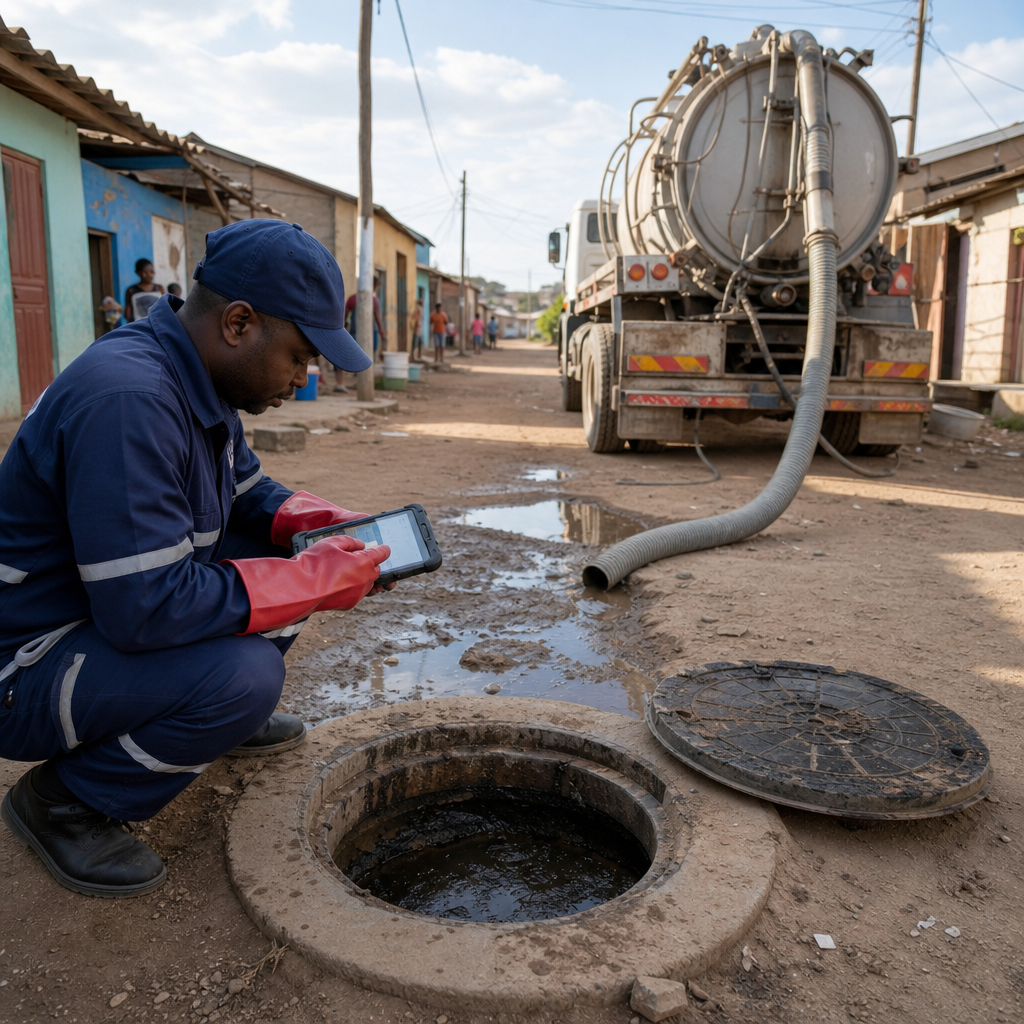
In the ever-growing arena of sustainable development, the emphasis on sanitation systems has surged significantly. The conventional centralized sanitation systems, while effective in many contexts, often fall short in terms of cost-effectiveness, particularly for remote and underdeveloped regions globally. Consequently, decentralized sanitation systems have emerged as a compelling alternative, offering not just ecological benefits, but economic ones as well. As we step into an era where resource efficiency is paramount, understanding the cost-efficiency of decentralized sanitation systems becomes essential. This analysis delves into the myriad advantages of decentralized systems, examining both direct and indirect cost implications, and how they compare to traditional sanitation models. By exploring the nuanced dynamics of these systems, we aim to establish a comprehensive understanding of their economic viability, setting the stage for broader global adoption and a move towards more sustainable sanitation practices.
Decentralized sanitation systems, often referred to as on-site or near-site treatment facilities, are integral to effectively manage wastewater in areas that lack centralized infrastructure. Unlike their centralized counterparts, these systems treat wastewater closer to the point of generation, reducing the need for extensive sewer networks. This attribute plays a critical role in the cost-efficiency of decentralized systems, as it alleviates the financial burden that often accompanies the extensive network of pipes and treatment facilities characteristic of centralized systems. By leveraging advanced technologies and innovative approaches, decentralized systems are not only economically viable but also adaptable to varied geographical, societal, and economic contexts.
This article serves as a resource exploring the financial aspects underpinning decentralized sanitation systems, drawing from practical case studies and expert insights to highlight their potential in revolutionizing the sanitation landscape globally. The objective is to equip stakeholders, policymakers, and concerned citizens with the necessary information to make informed decisions that prioritize both economic and ecological considerations. Join us as we journey through the landscape of cost-efficiency in decentralized sanitation systems—ushering in an era where sustainable practices and economic benefits converge seamlessly.
Advantages and Cost-Efficiency of Decentralized Sanitation Systems
At the forefront of cost-efficiency in decentralized sanitation systems is the significant reduction in capital investment, particularly in infrastructure. Traditional centralized systems necessitate vast networks of sewer lines, extensive excavation, and large treatment facilities, which can be prohibitively expensive. Conversely, decentralized systems circumvent the need for such extensive infrastructure, allowing for direct treatment at or near the source. This approach drastically lowers the capital investment required for installation and setup.
Another pivotal aspect of decentralized systems is the reduction in operational and maintenance costs. Centralized systems often incur high operational costs due to the extensive infrastructure and the need for constant maintenance and management. Decentralized systems are generally simpler, leveraging automated and advanced technology that reduces the frequency and intensity of maintenance required. This reduction in operational complexity translates directly into lower ongoing costs, rendering decentralized systems more economically sustainable over time.
The flexibility and scalability offered by decentralized systems further enhance their cost-efficiency. As demand increases, additional decentralized units can be added incrementally without large-scale overhauls. This pay-as-you-grow model enables communities and municipalities to expand their sanitation systems in a financially manageable manner, avoiding the massive upfront expenses associated with scaling centralized systems. This characteristic is particularly beneficial for rapidly urbanizing areas or developing communities where financial resources are limited.
Moreover, decentralized sanitation systems often have a positive impact on local economies. By treating water closer to where it is generated, these systems reduce transportation and labor costs associated with conventional sewer systems, enabling the potential for local job creation. The emphasis on local materials and labor during installation further stimulates community-based economic activity.
Environmental advantages also translate into cost-economic benefits. Far less energy is consumed in decentralized systems as there is limited need for pumping and transporting wastewater over long distances. The energy efficiency of these systems not only reduces operational costs but also lessens environmental impact—thus aligning with cost-saving energy practices. When these systems incorporate resource recovery techniques such as nutrient capture for agricultural use or energy generation, they transform waste into valuable resources that can be monetized, further enhancing cost efficiency.
Comparative Analysis with Centralized Systems
When assessing the cost-efficiency of decentralized systems, a comparative analysis with centralized systems is indispensable. Centralized systems excel in densely populated urban areas where the high fixed costs can be justified by the large number of users. However, in rural or less populated regions, these costs become prohibitive due to the low density of users per unit of infrastructure.
Decentralized systems shine in scenarios where the density is too low to justify the substantial investment in centralized infrastructure. The modular nature of decentralized systems ensures that only necessary units are installed, minimizing wasteful expenditure on unused capacity. Moreover, the focus on localized treatment ensures that water is recycled and reused efficiently within the community, reducing the need to draw from external sources—a factor which indirectly lowers both environmental and economic costs.
The resilience and adaptability of decentralized systems provide another dimension of cost-efficiency. Climate change and population growth introduce uncertainties that can strain existing centralized infrastructures beyond their limits, resulting in unexpected repair and upgrade costs. Decentralized systems, with their inherent flexibility, offer a buffer against such uncertainties. By incorporating adaptive technologies, they can adequately respond to changing conditions without extensive and costly modifications.
In emergency and disaster-prone areas, decentralized systems prove to be more cost-efficient and reliable. The quick deployment and ease of implementation reduce the need for costly emergency measures frequently required by centralized systems. The robustness of decentralized systems in the face of climate-induced challenges makes them an attractive option for regions preemptively planning for resilience against environmental changes.
Case Studies and Global Perspectives
Globally, successful implementation of decentralized systems has accentuated their cost-efficiency. In areas across Africa, Asia, and Latin America, decentralized systems have demonstrated significant economic and environmental returns. For example, decentralized systems in India’s rural communities have allowed for inexpensive, rapid expansion of sanitation facilities without straining limited financial resources.
Another successful case is in parts of Sub-Saharan Africa, where community-driven development has incorporated decentralized systems to strengthen local economies while providing adequate sanitation solutions. Here, community engagement has been pivotal, allowing for more flexible funding models and shared responsibility in management and operation. Such approaches reduce financial burdens and enhance cost-sharing frameworks that are sustainable long term.
In developed countries, decentralized sanitation systems complement existing infrastructure by filling gaps that centralized systems cannot efficiently bridge. For instance, in parts of the United States, decentralized systems have gained traction along urban fringes where population density is insufficient for cost-efficient centralized expansion. Here, decentralized systems offer an economical and environmentally friendly solution to anticipated urban growth.
Conclusion
The exploration of decentralized sanitation systems reveals a profoundly cost-efficient alternative to traditional centralized systems. By eliminating the need for extensive infrastructure investment and minimizing ongoing operational costs, decentralized systems provide financially viable options that can adapt to diverse community needs and environmental variables. The global examples discussed underscore their effectiveness in various contexts, reaffirming the potential of decentralized systems to redefine sanitation strategies.
Investing in decentralized sanitation systems equates to investing in scalable, efficient, and resilient sanitation solutions that cater to both economic and ecological imperatives. As the world braces for continued urbanization and environmental challenges, the need for sustainable, adaptable sanitation solutions becomes paramount. Decentralized systems stand not only as a beacon of economic efficiency but also as a model for combating global sanitation challenges in an environmentally responsible manner. The economic rationale for adopting such systems is robust, providing compelling evidence for stakeholders to consider decentralized systems not only as cost-effective alternatives but as prudent investments for sustainable futures. By embracing these systems, communities worldwide can foster sustainable development, economic resilience, and environmental stewardship, aligning with modern principles of ecological sanitation.