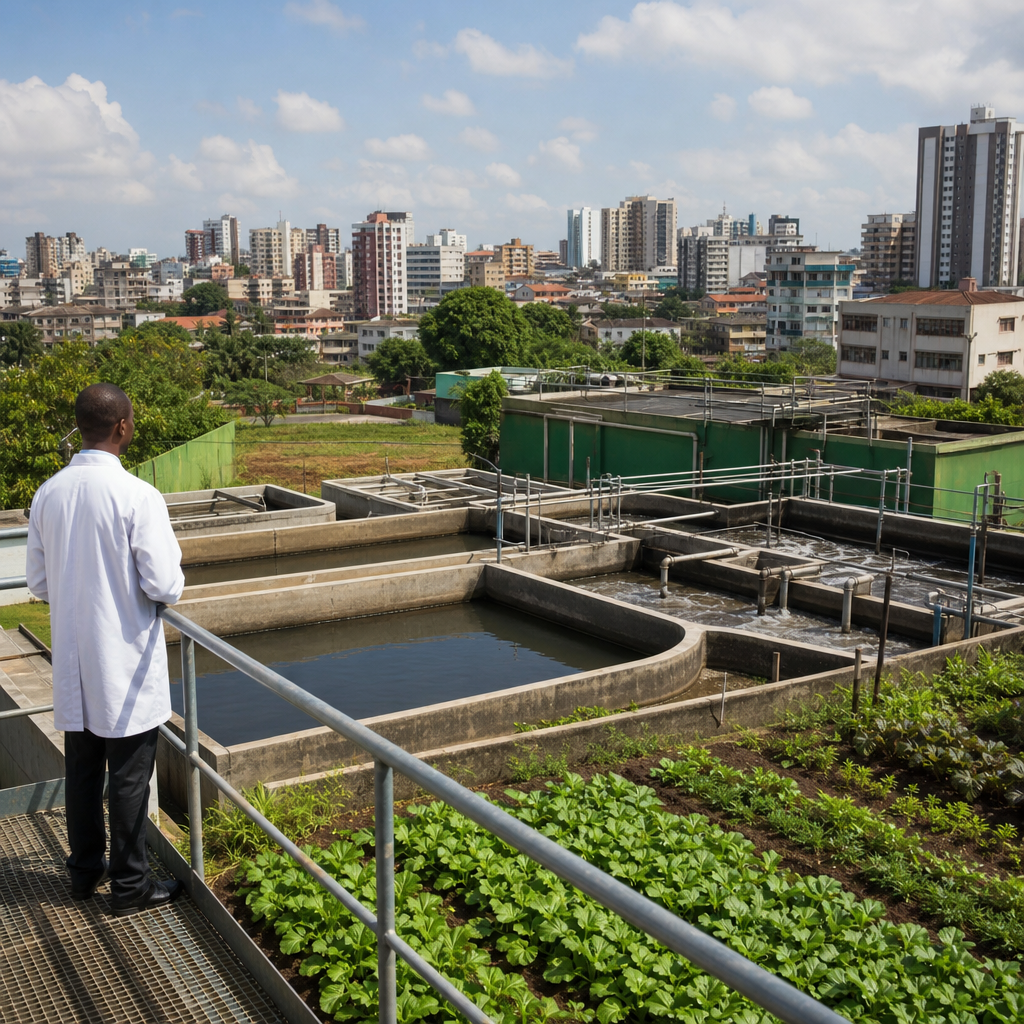
Ecological Sanitation, commonly referred to as EcoSan, offers sustainable sanitation solutions that convert human waste into valuable resources like fertilizer and energy. At its core, EcoSan approaches sanitation with a closer alignment to nature, embracing the ecological and economic benefits of recycling nutrients back into the environment. As awareness of environmental impacts and sustainable practices grows, funding EcoSan projects becomes paramount. Nevertheless, the journey to secure finances for EcoSan is riddled with both opportunities and challenges. Exploring effective funding methods is crucial for promoting processes that harmonize human activities with nature. This piece delves into the intricate intricacies of financing EcoSan, spotlighting practical opportunities while delving into challenges that could dampen progress. This comprehensive examination not only clarifies constraints linked with EcoSan funding but also discusses the tremendous potential that such initiatives possess for environmental sustainability.
The eco-friendly nature of EcoSan has placed it within the radar of international development agencies, non-profit organizations, and environmentally-conscious investors. Unquestionably, this presents significant opportunities for securing funds. Understanding its value proposition, which is deeply rooted in ecological preservation and resource optimization, is imperative for harnessing available opportunities. On the flip side, the barriers that obstruct funding can be predominantly attributed to misconceptions, financial unpredictability, and infrastructural demands. Transitioning from familiar water-based sanitation systems to EcoSan necessitates robust financial endorsements. Consequently, funding EcoSan demands a forward-thinking approach that reconciles immediate financial constraints with the promise of long-term benefits.
The following sections provide a detailed inquiry into the opportunities for EcoSan funding and the consequential challenges that arise. As more stakeholders recognize the urgency of environmental conservation, developing an ecosystem of resilient funding protocols becomes essential. To truly unlock the potential of EcoSan, it is critical to embrace both the opportunities at hand and to address underlying challenges with strategic foresight.
Opportunities for Funding EcoSan
As demand for sustainable practices skyrockets, EcoSan emerges as a promising candidate for funding from multiple sources. One of the foremost opportunities lies with international development organizations. These agencies are increasingly directing funds towards programs that offer sustainable environmental solutions. EcoSan fits this description impeccably because it addresses critical issues such as waste management, water preservation, and agricultural productivity. These organizations often have a keen focus on promoting sustainable development goals (SDGs), and EcoSan directly aligns with targets related to clean water and sanitation, responsible consumption, and climate action.
Furthermore, the global push toward environmental sustainability has spurred an increase in green investments. Growing awareness among impact investors has catalyzed financing for EcoSan projects. Initiatives that demonstrate potential for sustainable return on investment appeal to these investors, as EcoSan projects not only promise environmental benefits but also economic incentives through resource recovery. The conversion of waste into fertilizer or biogas generates additional revenue streams, thereby offering a financial return on the initial capital, thus attracting investors looking for both profit and environmental impact.
Government incentives and policy frameworks favoring environmental projects are another vital pathway for securing finances. As countries strive to meet international commitments on climate change and sustainability, national governments may provide grants, subsidies, or low-interest loans to EcoSan initiatives. Given that sanitation is a fundamental public health issue, government-backed financing bridges the gap between ecological improvements and societal health benefits. Municipalities that are struggling with overburdened sanitation systems may view EcoSan as a viable alternative and thus allocate budgetary resources to its development.
Moreover, collaborative partnerships with international non-governmental organizations (NGOs) offer substantial opportunities, as these entities often have established networks and access to global funding channels. These partnerships can provide not only financial resources but also crucial technical expertise and advocacy platforms, facilitating the wider acceptance and implementation of EcoSan solutions. Additionally, NGOs typically have grassroots connections, enabling them to effectively mobilize community support, which can enhance local acceptance and successful implementation of EcoSan projects.
EcoSan’s educational component is also a strong opportunity for funding. Agencies focused on educational outreach might invest in EcoSan projects due to their intrinsic potential to teach communities about sustainability, waste management, and health. Educational grants allow for the development of awareness campaigns, workshops, and training sessions that empower communities with the knowledge to adopt EcoSan practices effectively.
Lastly, the rise of crowdfunding platforms poses a novel opportunity for funding EcoSan. Crowdsourcing empowers individuals to take action by directly contributing to projects that resonate with their values. Through storytelling and demonstrating tangible ecological impacts, EcoSan initiatives can capitalize on crowd contributions to meet financial needs. This democratized approach not only garners funds but also fosters a larger community vested in the success of sustainable sanitation.
Challenges in Funding EcoSan
Despite the opportunities, challenges abound in securing adequate funding for EcoSan projects. One major challenge is the lack of awareness and understanding of EcoSan’s holistic benefits. Many potential stakeholders may not fully grasp how EcoSan transcends traditional waste management by integrating ecological benefits, resulting in skepticism toward investment. Addressing these misconceptions through comprehensive education and advocacy is essential for expanding the funding landscape.
The economic and financial landscapes themselves can present hurdles. Investment in EcoSan often requires considerable upfront costs, which may deter funders accustomed to traditional models that offer quicker returns. Additionally, EcoSan systems can be perceived as complex, with the requisite technological and infrastructural support necessitating significant investment. Such financial commitments may be beyond the reach of many local governments and small enterprises without external support.
Pilot projects and case studies revealing successful applications of EcoSan are sparse, creating uncertainty among potential investors regarding effective implementation and outcomes, particularly in unfamiliar regions. This dearth of concrete evidence can make it difficult to attract funding, as investors often prioritize initiatives with proven success records and recognizable benchmarks.
Infrastructure development poses another intricate challenge. Many regions, particularly in developing countries, lack the essential infrastructure to support EcoSan systems. Introducing new sanitation methods without the foundational support structures such as local manufacturing, supply chains, or maintenance services can lead to high operational costs and potential inefficiencies, deterring both public and private investment.
Additionally, policy and regulatory frameworks can be restrictive or unsupportive of EcoSan implementation. Regulatory bodies might impose stringent health and safety protocols that may not accommodate resource recovery technologies inherent in EcoSan. Navigating through complex compliance requirements can siphon off resources and pose substantial administrative burdens, possibly hindering progress and deterring financial backers who favor straightforward implementations.
Cultural resistance and behavioral inertia also present funding challenges. In many communities, traditional sanitation practices are deeply ingrained, and introducing EcoSan faces cultural opposition and lack of acceptance. Efforts to obtain funding must, therefore, incorporate strategies to address cultural perceptions alongside providing evidence of its practical and socio-economic benefits.
Conclusion
The potential of EcoSan in achieving environmentally sustainable sanitation solutions is incontestable, promising formidable advantages for communities worldwide. Nevertheless, securing adequate funding for these projects encompasses both brilliant opportunities and notable challenges. Recognition from international development agencies, impact investors, government incentives, and collaborations with NGOs highlight significant pathways for finance acquisition. Especially as global consciousness regarding environmental sustainability amplifies, EcoSan emerges as a prominent contender for diverse funding channels.
Conversely, challenges anchored in financial constraints, lack of awareness, infrastructural inadequacies, regulatory hurdles, and cultural resistance continue to impede progress. A focused endeavor to enhance understanding and evidence of EcoSan’s multifaceted benefits is often necessary to overcome skepticism. More concerted efforts in policy advocacy, infrastructure development, community engagement, and portraying successful case studies play crucial roles in countering these challenges.
Ultimately, in blending environmental stewardship with economic pragmatism, EcoSan offers a robust pathway towards a more sustainable future. Notably, as stakeholders increasingly converge on environmental conservation commitments, the funding landscape for EcoSan is poised for expansion. For its fullest potential to be realized, however, continuous efforts to align financial incentives with long-term ecological benefits remain imperative. By holistically addressing the opportunities and tackling persistent challenges, diverse stakeholders can collectively forge a resilient foundation for advancing EcoSan initiatives, paving the way for sustainable growth globally.