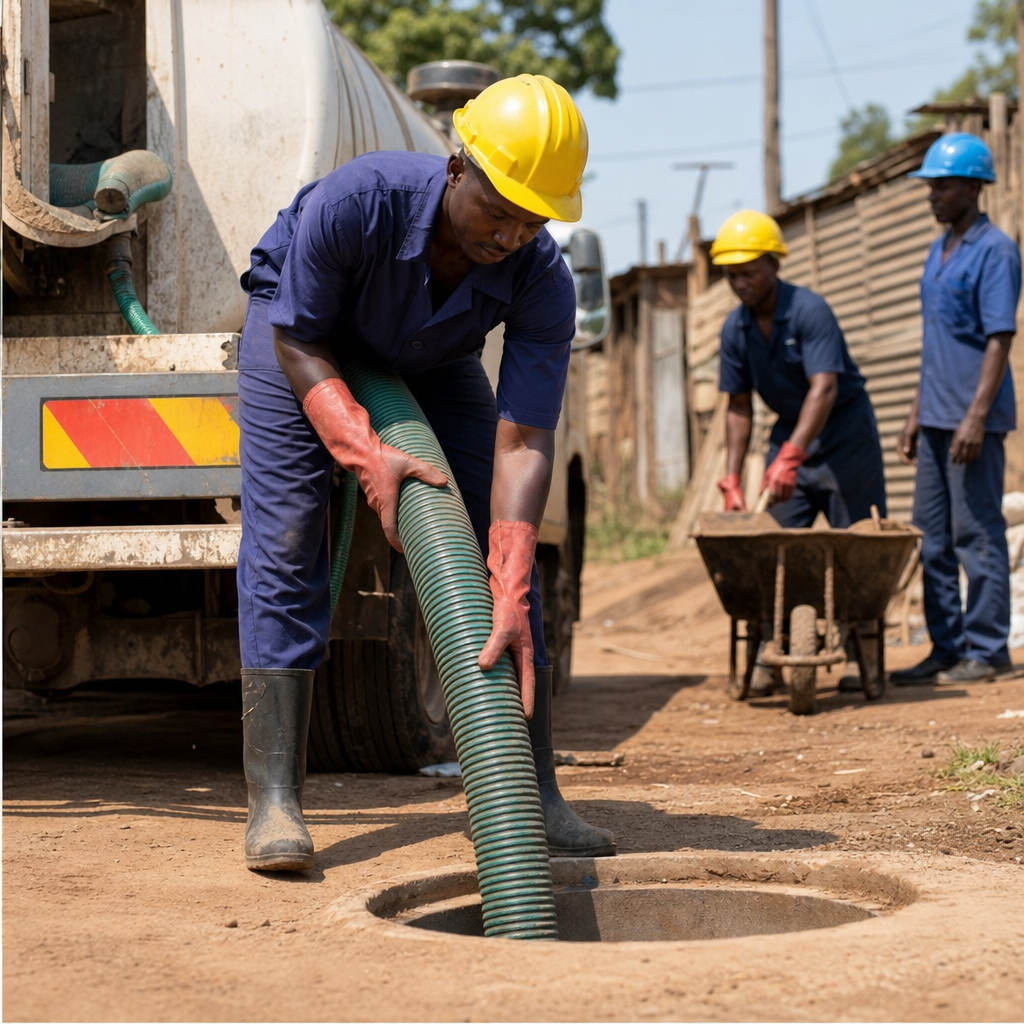
The relationship between sanitation and public health is pivotal, often carrying significant economic implications. Proper sanitation is essential not only for maintaining health but also for fostering economic stability and growth. As public health directly influences a population’s productivity and economic potential, the benefits of effective sanitation systems permeate various sectors of society. This article will explore the economic impacts of sanitation on public health, examining both the direct and indirect financial consequences. By understanding these impacts, we can better advocate for investments in sanitation infrastructure, ultimately contributing to broader public health and economic prosperity.
Sanitation involves the provision of services and facilities for the safe disposal of human waste. Inadequate sanitation contributes to the spread of diseases, undermines public health, and results in considerable economic losses. Issues stemming from poor sanitation include the prevalence of waterborne diseases, which can significantly impair communities, diminish workplace productivity, and escalate healthcare expenses. Understanding the economic aspects of sanitation helps policymakers, businesses, and communities prioritize investments that bolster health and economic stability. Furthermore, achieving sustainable sanitation solutions can lead to a healthier, more productive population, driving further economic growth and stability.
Economic Impacts on Public Health
Economically, sanitation’s impact on public health is multifaceted. When sanitation services are inadequate, the direct costs include an increased burden on healthcare systems. Infectious diseases associated with poor sanitation, such as cholera, diarrhea, and dysentery, require medical treatment, which demands significant healthcare resources. Governments and health organizations must allocate substantial funds to address these preventable illnesses, which could instead be utilized for other health interventions or economic development projects.
Apart from healthcare costs, productivity losses due to poor sanitation are noteworthy. Illnesses directly linked to inadequate sanitation can lead to workforce absenteeism and decreased productivity. Workers suffering from waterborne diseases cannot perform optimally or may need extended time off, leading to lost income and reduced economic output for businesses. This can be especially detrimental in low- and middle-income countries where labor-intensive industries play a crucial role in economic activities.
Sanitation also influences education systems, which have an indirect but significant economic impact. Poor sanitary conditions in schools can lead to higher absenteeism rates among students, particularly girls. When children miss school due to illnesses caused by inadequate sanitation or because facilities are not accessible, they lose crucial learning opportunities. This can hinder their future economic prospects, limiting their ability to contribute effectively to the economy later in life.
Moreover, investing in adequate sanitation facilities can reduce the economic strains of disease outbreaks. Epidemics related to poor sanitation systems can devastate economies by causing widespread health emergencies that require expensive interventions and cause substantial human capital losses. Preventative investments in sanitation are substantially more cost-effective than managing large-scale outbreaks after they occur, proving that sanitation is not just a health issue but also an economic strategy.
Improved sanitation can also enhance tourism, which is an important economic sector for many regions. Clean, accessible sanitation facilities are crucial to maintaining tourist satisfaction. Poor sanitation can deter tourists, negatively impacting tourism revenue. Investing in sanitation can thus be a tool for economic development, helping destinations to attract visitors who contribute to the local economy by spending on hotels, dining, and attractions.
On a broader economic scale, there is a multiplier effect when economies invest in sanitation. The World Health Organization suggests that every dollar invested in water and sanitation results in a fourfold return through reduced health care costs, improved productivity, and fewer premature deaths. These benefits demonstrate the potential economic gains from investing in sanitation systems, thus strengthening public health outcomes and boosting economic growth simultaneously.
Social equity is another aspect where sanitation plays a crucial economic role. Low-income communities often face the greatest challenges in accessing clean water and sanitation facilities, contributing to entrenched cycles of poverty and poor health. Improved sanitation in these communities can empower marginalized groups by improving health outcomes, enabling greater participation in the labor market, and fostering economic inclusion.
Implementing EcoSan (Ecological Sanitation) systems specifically can be economically advantageous. EcoSan approaches treat human waste as a resource rather than a problem, converting waste into fertilizer that can enhance agricultural productivity and sustainability. This system not only addresses waste disposal problems but also contributes to food security and poverty reduction, promoting economic resilience.
Conclusion
In conclusion, sanitation’s economic impacts on public health extend well beyond visible illness prevention. Adequate sanitation infrastructure proves to be a critical investment for not only enhancing human well-being but also promoting economic stability and growth across societies. As noted, the financial burden of healthcare costs, loss of productivity, and the broader societal impacts of poor sanitation stress the need for comprehensive sanitation solutions.
The economic advantages of sustainable sanitation investments are clear, with substantial returns on investment realized through improved health outcomes and enhanced economic productivity. Addressing sanitation issues enables countries to break free from cycles of poverty and poor health, paving the way to achieving public health goals and fostering inclusive, sustainable development.
There is also a substantial environmental dimension to consider, particularly with EcoSan solutions that encourage recycling and resource efficiency. By transforming human waste into valuable resources, EcoSan not only mitigates environmental harm but also contributes to economic opportunities in sectors like agriculture.
The journey to improve sanitation must be prioritized. Stakeholders, including governments, investors, and community leaders, are urged to appreciate sanitation as an economic imperative. This perception will help build capacity, mobilize resources, and drive innovations needed to tackle the sanitation challenges of today effectively. By investing in sanitation, we can unlock significant economic benefits and enhance the quality of life for people around the world.