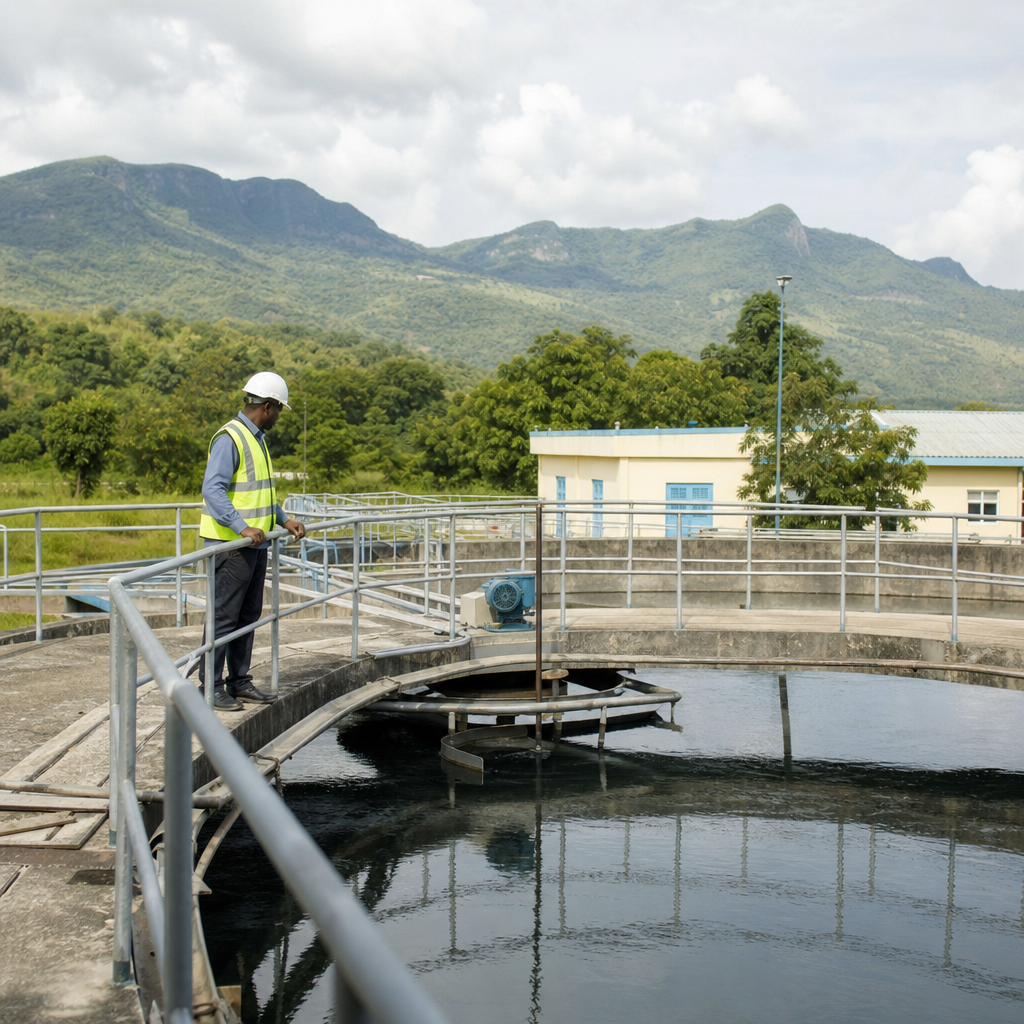
In recent years, sustainable sanitation has gained prominence as a crucial component of environmental initiatives, especially within the tourism sector. As tourism continues to expand globally, the need for eco-friendly practices becomes more critical. Tourists are becoming increasingly aware of their environmental footprints, encouraging destinations to adopt sustainable measures, including sanitation. This intersection of sustainable sanitation and tourism not only contributes to environmental preservation but also establishes significant economic linkages. By examining the ways sustainable sanitation can influence and drive tourism-related economic benefits, we can better appreciate its value beyond mere environmental stewardship.
Sustainable sanitation involves systems and practices that aim to manage human waste in a manner that is both safe and environmentally friendly. It emphasizes resource recovery, waste reduction, and minimal environmental impact. In the context of tourism, these systems become particularly pertinent. Many popular tourism locales are in regions where natural resources are fragile or limited. Therefore, integrating sustainable sanitation not only addresses waste management issues but also enhances the site’s overall appeal. Touristic activities inevitably strain infrastructure services and environmental resources. Through sustainable sanitation, we can mitigate these impacts, tapping into a range of economic advantages that benefit local communities and the tourism industry.
The Economic Impact of Sustainable Sanitation on Tourism
Sustainable sanitation enhances the quality and attractiveness of a tourist destination. One notable advantage is an increase in the destination’s desirability due to improved hygiene and aesthetics. Tourists often favor locations that maintain cleanliness and sanitation standards, thus boosting visitor numbers. As tourism grows, so do economic opportunities. Local businesses benefit from increased consumer traffic while the destination attracts more revenue from entry fees, accommodations, and other tourist amenities. Furthermore, facilities that adopt sustainable sanitation practices often promote themselves as eco-friendly, catering to environmentally conscious travelers—a demographic on the rise.
This eco-conscious segment of tourists typically spends more due to their focus on quality experiences. Sustainable practices can enable premium pricing strategies, allowing tourism operators to charge more for services. Additionally, investments in sustainable sanitation may reduce operating costs in the long-run by decreasing water usage and waste management expenses. By converting waste into resources, such as bio-energy or compost, facilities can lower utility bills and operational costs.
Local communities also economically benefit from sustainable sanitation in tourism. The construction and maintenance of these systems create jobs and boost the local economy. Employment opportunities arise for skilled and unskilled laborers alike, from the initial construction phase to ongoing system maintenance. Moreover, sustainable sanitation can foster entrepreneurship. For instance, small-scale businesses can develop around the processing and sale of compost or bio-gas, diversifying local economic activities and reducing reliance on tourism alone.
Effective waste management through sustainable sanitation reduces the environmental degradation of tourism sites, protecting the natural assets that attract tourists. Whether it’s a pristine beach or a serene natural park, maintaining these attractions is critical. Damaged or polluted environments deter tourists, translating to economic losses. Therefore, implementing sustainable sanitation helps maintain ecological integrity, safeguarding the foundation of tourism revenues. Reduced pollution and healthier ecosystems create a virtuous cycle that reinforces a destination’s ecological and economic sustainability.
Tourism Industry Adoption and Adaptation
To fully realize these economic benefits, the tourism industry must proactively embrace sustainable sanitation technologies and practices. Several innovations are making waves, such as constructed wetlands, bio-toilets, and composting toilets. These systems treat waste in an environmentally responsible manner, often using natural processes to return valuable nutrients to the soil. Touristic establishments opting for such systems demonstrate ethical responsibility and contribute to broader sustainability goals, aligning with global trends in environmental stewardship.
However, challenges in adoption persist. Initial implementation costs can be a barrier for many businesses, but long-term economic gains often outweigh these upfront expenditures. Governments and NGOs can play vital roles by facilitating access to funding, grants, or incentives to encourage such investments. In addition to financial assistance, the dissemination of information and education are crucial. Awareness programs and certification schemes can highlight the benefits of sustainable sanitation, driving industry-wide change and standard-setting.
Furthermore, the integration of sustainable sanitation can enhance community relations. Tourism businesses that prioritize environmental responsibility often enjoy higher levels of local support. Eco-friendly practices signify a respect for the community’s natural resources and long-term wellbeing. This goodwill can lead to stronger community partnerships and collaborations, which, in turn, create more resilient tourism models capable of withstanding economic fluctuations and shocks.
Tourist education also plays a critical role. By making tourists aware of sustainable practices and encouraging participation—perhaps through eco-workshops or guided tours—destinations can enhance tourist engagement and satisfaction. Engaged visitors are more likely to become repeat visitors or ambassadors for the destination, further boosting economic prospects.
Policy and Regulatory Frameworks
Effective policy and regulatory frameworks are necessary to maximize the economic links between sustainable sanitation and tourism. Policymakers can implement regulations that incentivize sustainable practices, such as tax breaks for eco-friendly infrastructures. It’s also vital to enforce stringent guidelines that prevent unsustainable sanitation practices, thus ensuring that environmental preservation remains a priority within the tourism sector.
Public-private partnerships can stimulate progress. Collaborative efforts can facilitate the sharing of resources and expertise, while joint ventures might result in innovative solutions and greater efficiency. Municipalities, tourism boards, and enterprises need to work collaboratively to develop tailored strategies that address local needs and capitalize on unique opportunities.
International collaborations and tourism certifications tied to sustainable practices can also drive change. Not only do such certifications offer destinations a competitive advantage, but they can also assure tourists of the destination’s commitment to high environmental standards. As more tourists seek certified eco-friendly destinations, the economic appeal of sustainable sanitation becomes even clearer.
Case Studies and Examples
Several destinations around the world have successfully integrated sustainable sanitation into their tourism strategies, yielding tangible economic benefits. For instance, in Costa Rica, where ecotourism is a significant economic driver, sustainable sanitation systems have been widely adopted. These systems not only help preserve the biodiverse ecosystems that attract millions of visitors each year but also create additional income streams through resource recovery.
Similarly, some European eco-villages have utilized sustainable sanitation to boost their tourism offerings. By providing unique eco-friendly accommodations and experiences, these villages attract tourists eager to minimize their environmental footprint. Such destinations often report high visitor satisfaction and are able to maintain premium pricing due to their distinct value proposition. These case studies highlight the diverse contexts in which sustainable sanitation can enhance economic outcomes in tourism.
Conclusion
Sustainable sanitation holds immense potential to bring about positive economic impacts within the tourism industry. By integrating eco-friendly waste management systems, destinations can enhance their appeal, maintain environmental integrity, and create a spectrum of economic advantages. As tourists become more environmentally conscious, the demand for sustainable practices intensifies, reinforcing the economic importance of sustainable sanitation.
Adoption challenges exist but can be mitigated through supportive policies, incentive programs, and increased awareness. As the tourism industry continues to evolve towards sustainability, sustainable sanitation will no longer be a peripheral consideration but a central component of competitive tourism strategy. Recognizing and investing in these economic linkages will ultimately ensure a more resilient and prosperous future for tourism destinations worldwide.
The continued exploration of sustainable solutions and innovative approaches will bolster both economic sustainability and ecological preservation, proving that responsible tourism is not just feasible but lucrative as well. By taking decisive action now, the tourism sector can enjoy long-term viability while simultaneously contributing to global sustainability goals, illustrating that economic gains and environmental stewardship can indeed go hand in hand.