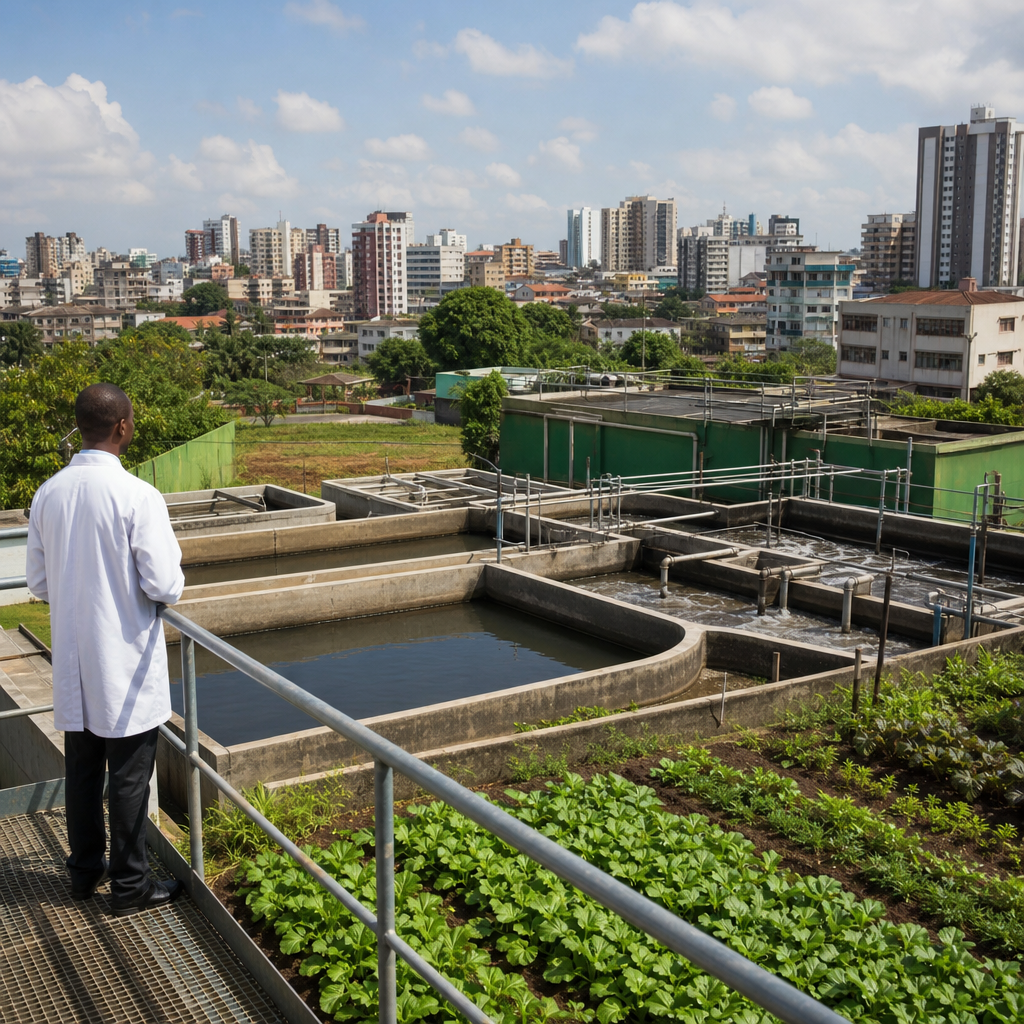
Microfinance is a financial service that involves providing small loans and other basic financial services to individuals and businesses who lack access to traditional banking systems. Originally conceived as a way to aid entrepreneurs in low-income communities, microfinance has expanded its role significantly. One of the most impactful areas is its contribution to improving sanitation infrastructure, often overlapping with ecological sanitation (EcoSan) efforts. Through access to microfunding, communities are empowered to invest in healthy and sustainable sanitation solutions. This article explores the multifaceted relationship between microfinance and sanitation improvements, examining how economic empowerment translates into tangible health and environmental benefits.
Despite improvements in global sanitation, about two billion people still engage in open defecation or lack adequate sanitation facilities. The World Health Organization emphasizes that improving sanitation can prevent numerous diseases and deaths every year. The challenge primarily lies in limited financial resources for building infrastructure. Here, microfinance serves as a pivotal tool, bridging the financial gap and empowering communities to invest in long-term sanitation initiatives. By discussing the role of microfinance in sanitation projects, this article aims to illuminate how economic empowerment positively affects public health and environmental outcomes.
Microfinance and Sanitation: An Inextricable Link
In the context of sanitation, microfinance offers tailored financial services that cater to varying needs. From small loans for building toilets to financing community-wide sanitation projects, microfinance institutions (MFIs) provide the necessary capital to launch and sustain sanitation initiatives. These financial services are not merely about providing credit; they include savings accounts, insurance, and educational programs. This comprehensive approach helps individuals to plan, save, and eventually invest in sanitation facilities that might otherwise remain unaffordable.
Consider an example in India, where microfinance plays a crucial role in the Swacch Bharat (Clean India) Mission. By implementing microfinance schemes, rural households can access funds to build toilets, reducing open defecation and improving overall health. Such loans are often characterized by low interest rates and flexible repayment terms, making them accessible to even the most financially constrained families. The repayment rates reflect the success of these programs, often reaching 98%, showing the community’s commitment to maintaining sanitation standards once financial barriers are removed.
EcoSan: The Role of Sustainable Sanitation Solutions
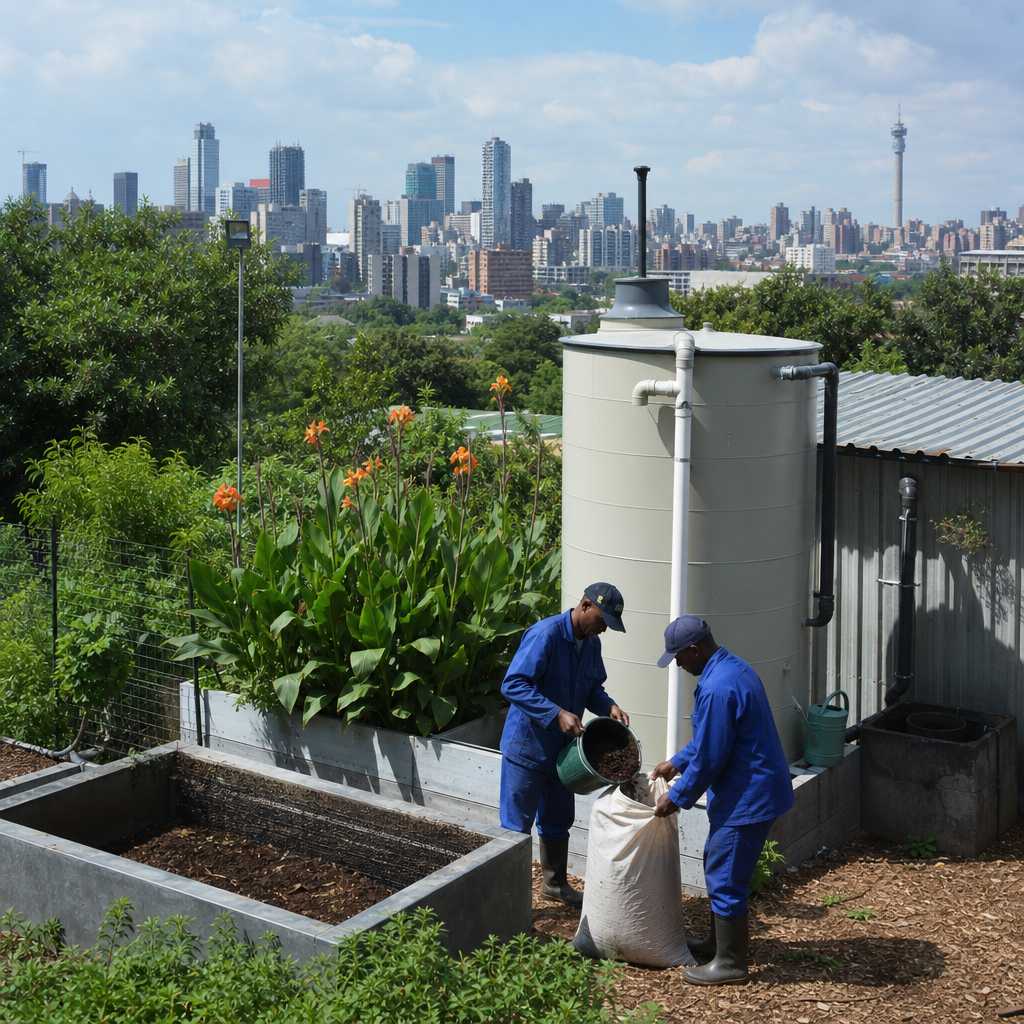
Microfinance has also enabled the development and proliferation of sustainable sanitation systems, known as EcoSan. These systems are environmentally friendly and transform waste into valuable resources, such as compost or biogas. Financing the installation of EcoSan toilets in communities not only improves sanitation but also introduces an economic opportunity through resource recovery. By turning waste into wealth, communities can achieve a circular economy model, enhancing both environmental sustainability and financial stability.
EcoSan initiatives supported by microfinance also offer immense educational benefits. Financial literacy programs often accompany micro-loans, teaching recipients about sustainable practices. These programs aim to raise awareness about ecological sanitation benefits, ensuring long-term adoption and maintenance of EcoSan systems. Microfinance institutions have recognized that such educational components increase the sustainability and effectiveness of sanitation projects, as they cultivate a culture of responsibility and ownership within communities.
Case Studies: Real-World Impact
Several case studies highlight the transformative power of microfinance in improving sanitation. In Bangladesh, the Non-Governmental Organization BRAC has employed microfinance to facilitate sanitation services. Leveraging microcredit, millions of latrines have been constructed, significantly reducing the prevalence of waterborne diseases. BRAC’s initiative demonstrates that with adequate financial resources, communities rapidly improve their living conditions and health outcomes.
Another compelling example can be found in East Africa, where the Kenya Women Microfinance Bank offers tailor-made credit products for water and sanitation projects. These products specifically target women, recognizing their critical role in household and community health management. By financially empowering women, the institution not only improves sanitation but also empowers an entire demographic, promoting gender equality in economic participation and decision-making.
Challenges and Limitations
While microfinance boasts numerous advantages, challenges persist. Loan defaults, although low, remain a concern, particularly in volatile economic environments. Additionally, some critics argue that microloans do not always lead to significant economic or health improvements, especially if not paired with sufficient infrastructure or educational support. Another challenge lies in the scalability of microfinance projects. While successful at the local level, replicating these initiatives on a larger scale requires careful strategy and substantial capital investment, which can strain MFIs.
Furthermore, in some regions, cultural hesitance toward borrowing can pose obstacles. Even when microfinance is available, individuals may be wary of taking loans due to stigmatization or lack of understanding about repayments. MFIs must work earnestly to break down these barriers through community engagement and education initiatives. By gradually building trust and demonstrating the benefits of sanitation investments, these challenges can be mitigated.
Strategies for Enhancing Microfinance Impact
To maximize microfinance’s impact on sanitation improvements, several strategic approaches can be adopted. Firstly, partnerships between governments, NGOs, and MFIs can create more robust frameworks for project implementation. By working collaboratively, stakeholders can share resources and expertise, enhancing scalability and sustainability. Government support, such as policy reforms and subsidies, can further incentivize sanitation investments and reduce financial risks for MFIs.
Secondly, integrating technology can streamline microfinance services and outreach. Digital financial services can broaden access to loans, especially in remote areas, and simplify record-keeping, monitoring, and reporting processes. By leveraging mobile technology, MFIs can reach underserved populations more efficiently, allowing greater participation in sanitation financing programs.
Lastly, continuous community education and engagement are vital. Culturally sensitive training programs that focus on the tangible benefits of sanitation improvements and financial literacy can dismantle existing barriers and set the foundation for successful implementation. Effective communication strategies are essential in cultivating sustained community commitment to sanitation projects.
Conclusion
Microfinance plays a critical role in enhancing sanitation infrastructure globally, transforming the landscape of public health and environmental management. By empowering underserved communities with financial resources, microfinance facilitates access to sanitation facilities and sustainable practices like EcoSan. The positive ripple effects of this empowerment—ranging from reduced disease incidence to boosted economic participation—are invaluable.
Successful microfinance interventions in countries like India, Bangladesh, and Kenya underscore the potential for broader application and offer instructive lessons for global initiatives. However, achieving lasting impact requires addressing existing challenges, such as loan defaults, scalability, and cultural barriers. Through strategic partnerships, technological integration, and community engagement, the microfinance sector can continue to drive meaningful sanitation improvements worldwide.
As the global community edges closer to achieving universal access to adequate sanitation, recognizing and supporting the pivotal contribution of microfinance will be vital. It serves not just as a funding mechanism but as a transformative tool, enabling societies to achieve healthier, more sustainable futures while uplifting economically marginalized populations. By understanding its capabilities and limitations, policymakers, financial institutions, and communities can collaboratively unlock the full potential of microfinance in the fight for improved sanitation.