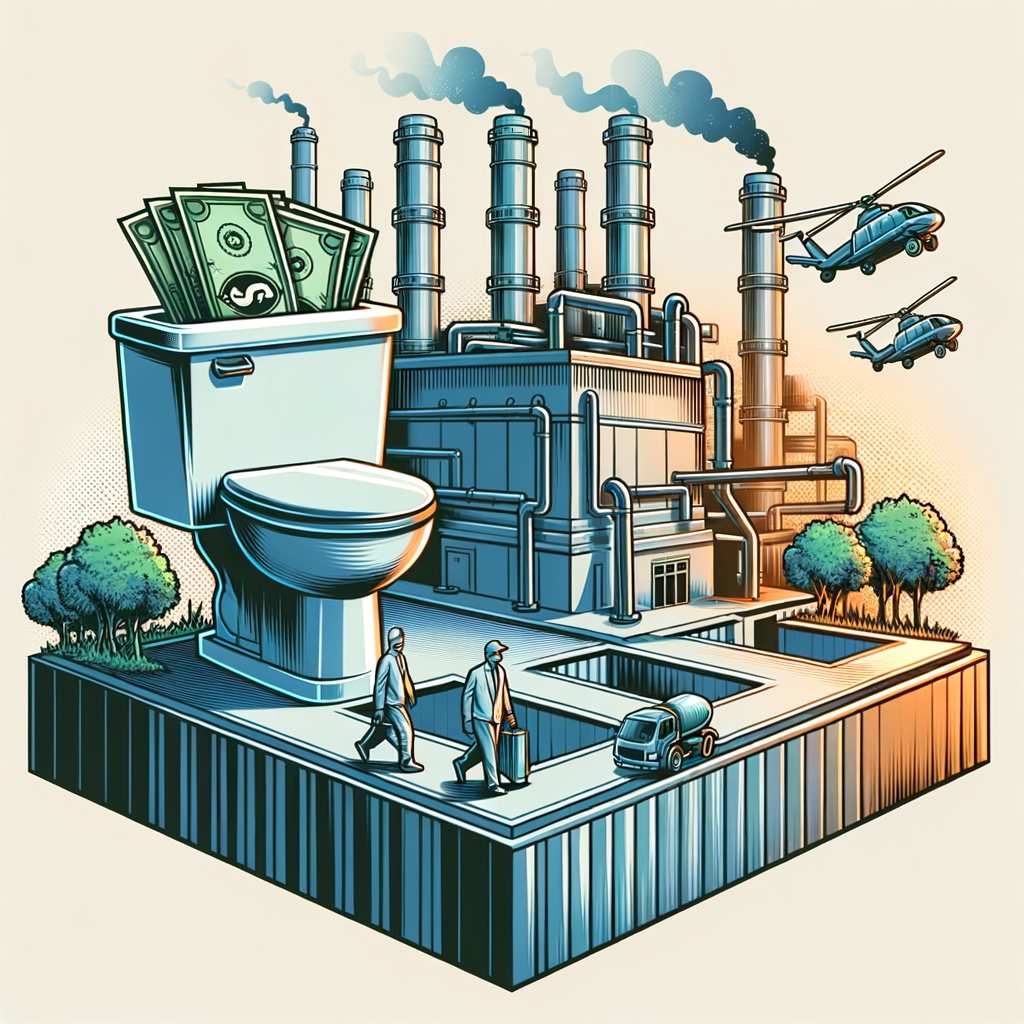
Ecological sanitation, often referred to as EcoSan, represents a sustainable alternative to conventional sanitation practices. By integrating the treatment and reuse of waste products, EcoSan not only addresses environmental concerns but also offers a unique opportunity for economic growth within local communities. This holistic approach to sanitation fosters a circular economy by transforming human waste into valuable resources such as fertilizer, biogas, and reclaimed water, thus driving local economies. The role of EcoSan in boosting local economies is a subject of increasing interest and study, as community organizations and governments alike strive to achieve sustainable development goals. Understanding how this innovative system economically benefits communities is crucial for policymakers, entrepreneurs, and individuals interested in sustainable development. Below, we unravel how EcoSan plays a significant role in transforming local economies for the better.
EcoSan as a Catalyst for Local Agricultural Growth
One of the primary economic benefits of EcoSan lies in its capacity to enhance agricultural productivity. The by-products of these sanitation systems, particularly treated human excreta, serve as rich fertilizers. Unlike chemical fertilizers, which can degrade soil quality over time, these organic fertilizers maintain or even improve soil’s health, ensuring longevity in agricultural productivity. Farmers utilizing these by-products from EcoSan systems can dramatically reduce costs associated with purchasing commercial fertilizers. Furthermore, these organic materials improve crop yields by enriching the soil with natural nutrients, ultimately leading to a surplus produce which can be sold in markets, thus injecting more capital into local economies.
In many rural and peri-urban settings where economic resources might be scarce, EcoSan serves as a bridge to modern agricultural methods. By alleviating dependency on imported agricultural inputs, communities become more self-sufficient. This reduction in external dependencies fortifies local economies and safeguards them against global market fluctuations. Case studies from countries implementing EcoSan systems reveal a significant increase in crop yield by up to 30%, a boon for small-scale farmers who form the backbone of many local economies.
Job Creation and Economic Opportunities
EcoSan systems offer potential for job creation, particularly in areas related to the installation, maintenance, and management of these facilities. As more communities recognize the benefits of EcoSan, there is an increased demand for skilled labor to manage these systems, leading to new employment opportunities. Furthermore, training programs focused on EcoSan technologies provide local residents with vital skills, making them employable in a growing sector that supports environmental and economic sustainability.
The potential for entrepreneurship is significant within the EcoSan framework. Small-scale businesses often emerge around the collection, treatment, and distribution of EcoSan by-products. Entrepreneurs can capitalize on these opportunities by establishing enterprises focused on manufacturing and selling organic fertilizers, or providing consultancy services to assist other local regions in implementing similar systems. Businesses can also develop innovative solutions for integrating EcoSan systems into schools, healthcare facilities, and public infrastructure, broadening the scope for economic engagement.
Energy Production and Economic Returns
EcoSan systems also contribute to local economies by providing a source of renewable energy. Biogas production is a valuable aspect of many EcoSan systems. Through anaerobic digestion, waste is converted into biogas, which can be used for cooking and electricity generation, reducing reliance on conventional fuels. This availability of affordable, sustainable energy supports both household and industrial activities, facilitating economic development and reducing energy costs. Access to biogas can notably decrease household expenditure on conventional fuels such as kerosene or firewood. The reduction in energy costs allows families to allocate more resources towards education, health, and other economic activities.
Additionally, by utilizing biogas as an energy source, communities can reduce greenhouse gas emissions and improve air quality, positioning themselves as leaders in sustainable development. The environmental accolades that accompany these successes can attract potential international investments and partnerships, further underlining EcoSan’s role in bolstering local economies.
Water Reclamation and Economic Savings
Another noteworthy benefit of EcoSan systems is water reclamation. These systems employ methods to treat and recycle water, promoting efficient water use and conservation, especially in water-scarce regions. This reuse of water substantially reduces the costs associated with procuring and transporting fresh water for agricultural or domestic use, and lessens dependence on strained water resources.
Access to reclaimed water ensures consistent supply for agricultural irrigation, enhancing productivity, and reducing vulnerability to climate challenges such as droughts. With water being a critical resource for any economic development, the ability to reclaim and utilize water locally restricts economic loss during dry spells, maintaining agricultural, industrial, and domestic continuity without interruption.
Community Wellbeing and Economic Stability
Improving sanitation through EcoSan systems has noteworthy impacts on community health, which in turn affects economic stability. By reducing instances of waterborne diseases, communities spend less on healthcare, allowing individuals to save or invest in education or business opportunities. Healthy populations are more productive, contributing positively to local labor markets.
Educational outcomes also improve as healthier children experience fewer school absences. Residents who are less burdened by health-related expenditures and challenges can instead allocate their financial and time resources toward education and entrepreneurship, which drives local economic prosperity.
Conclusion
EcoSan implementation illustrates more than just an environmental initiative; it is a multidimensional approach to fostering economic resilience and growth within communities. By supporting agricultural productivity with natural fertilizers, facilitating business opportunities in EcoSan-related sectors, producing renewable energy, and enabling water reclamation, EcoSan systems actively contribute to vibrant and sustainable local economies. Enhanced healthcare outcomes further stabilize these economic gains by supporting a healthy, capable workforce. As more regions express interest in sustainable practices, understanding EcoSan’s economic benefits will equip local and global leaders with insights to support responsible ecological management and economic advancement. This symbiotic relationship between ecology and economy exemplifies a promising path towards sustainable community development worldwide.