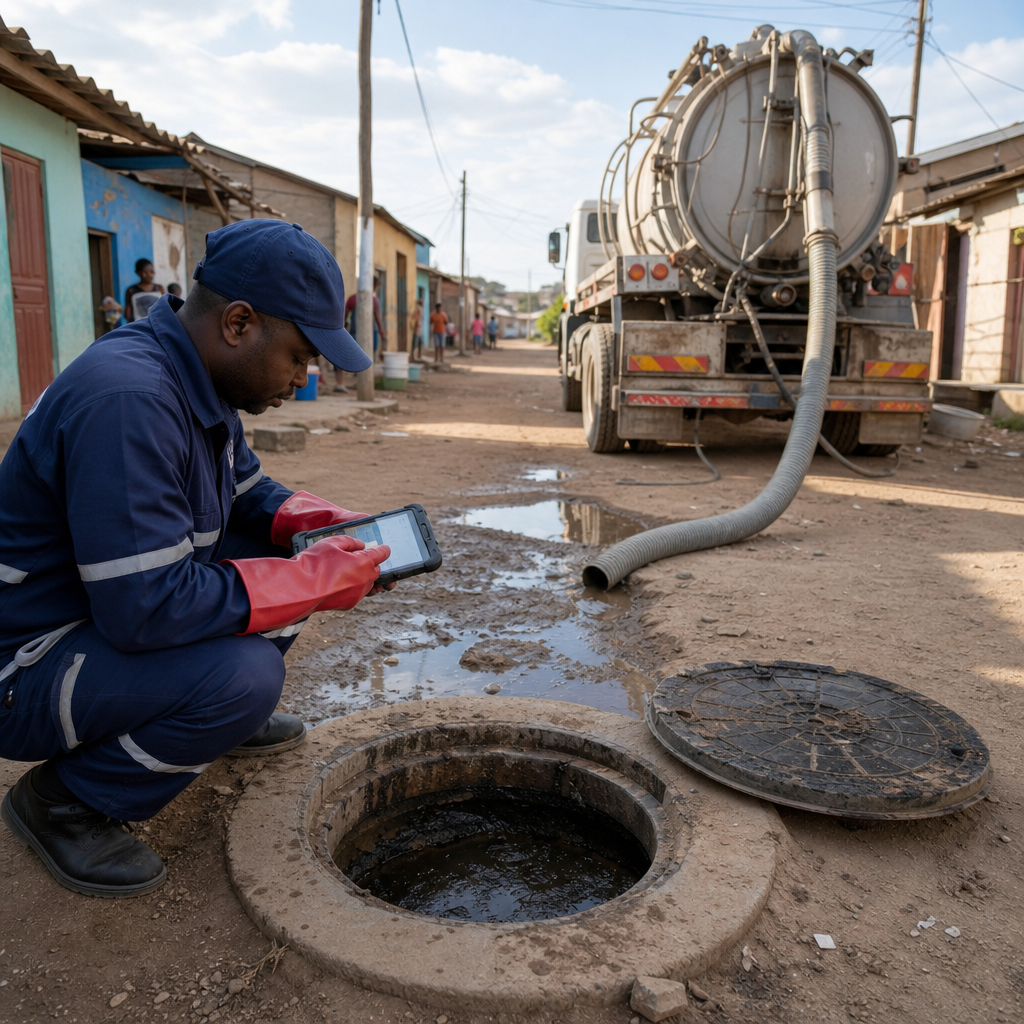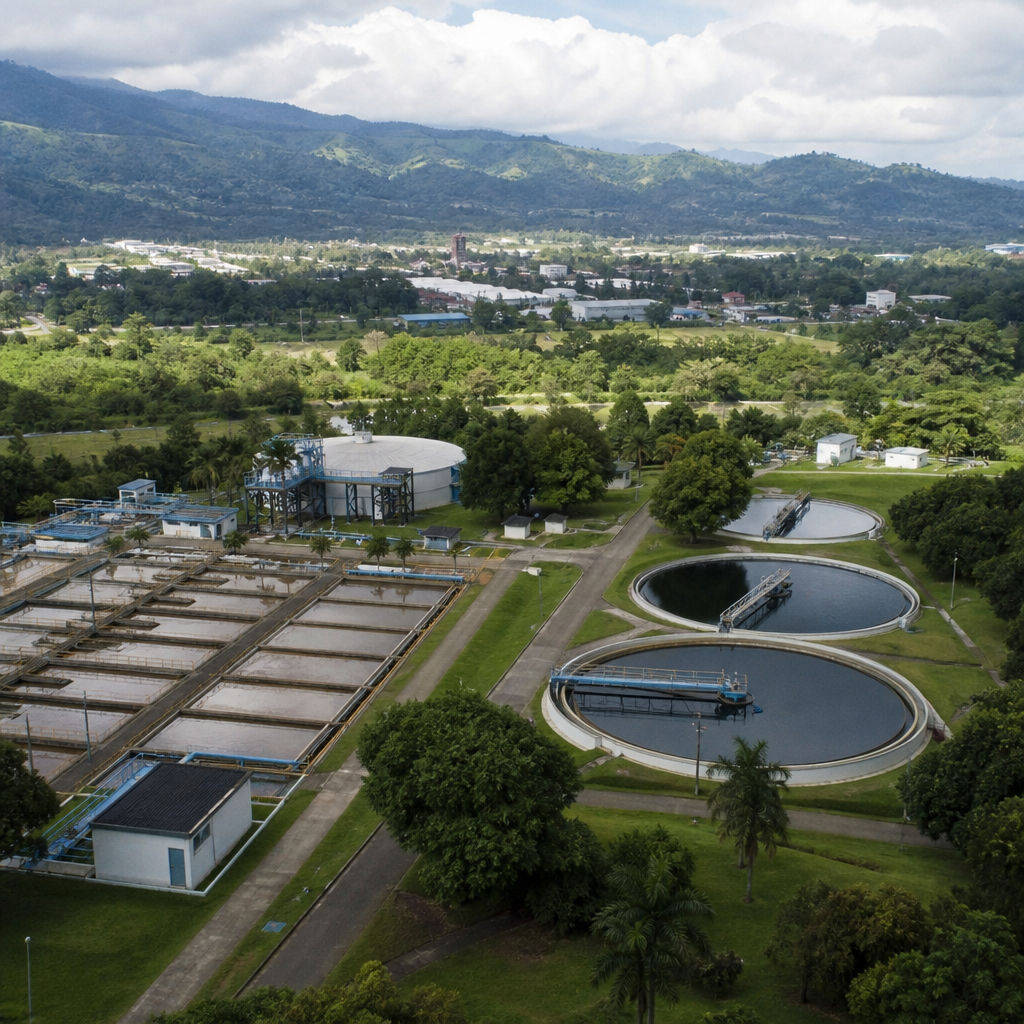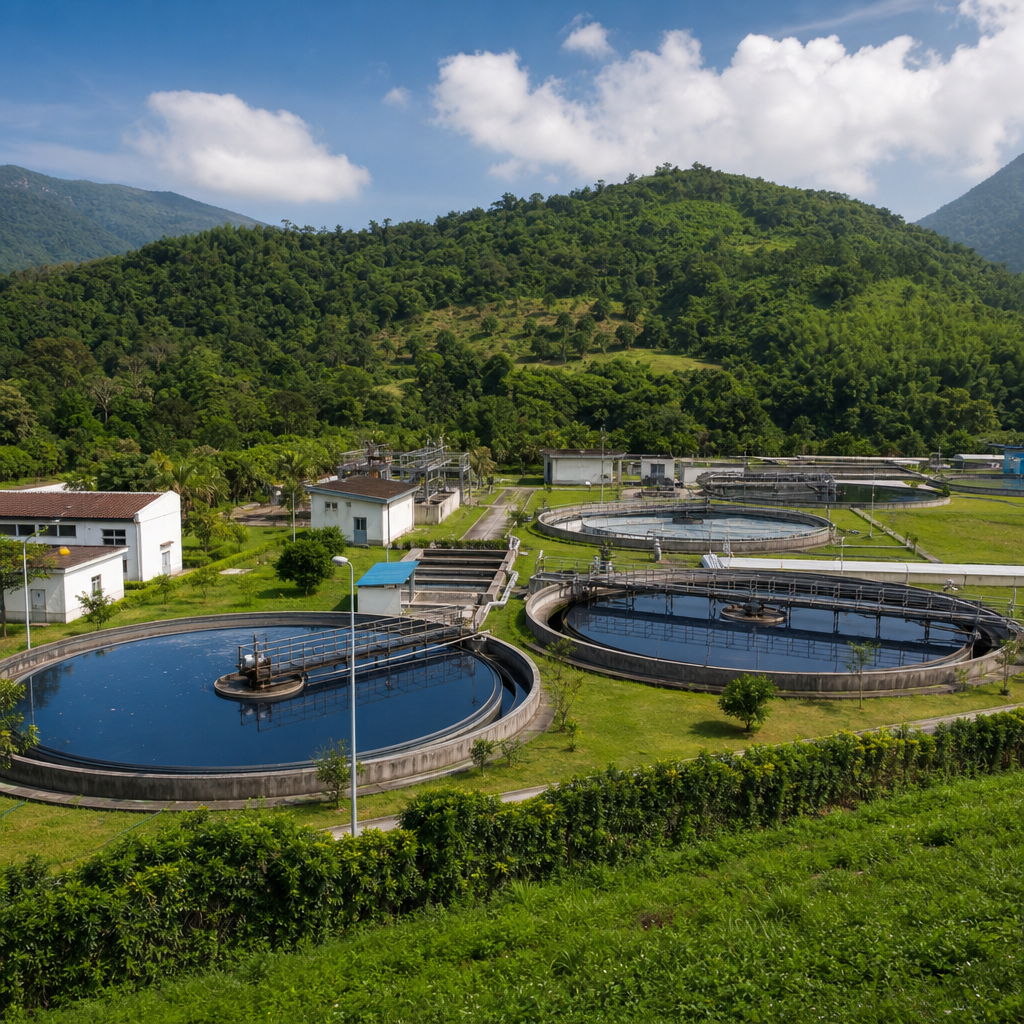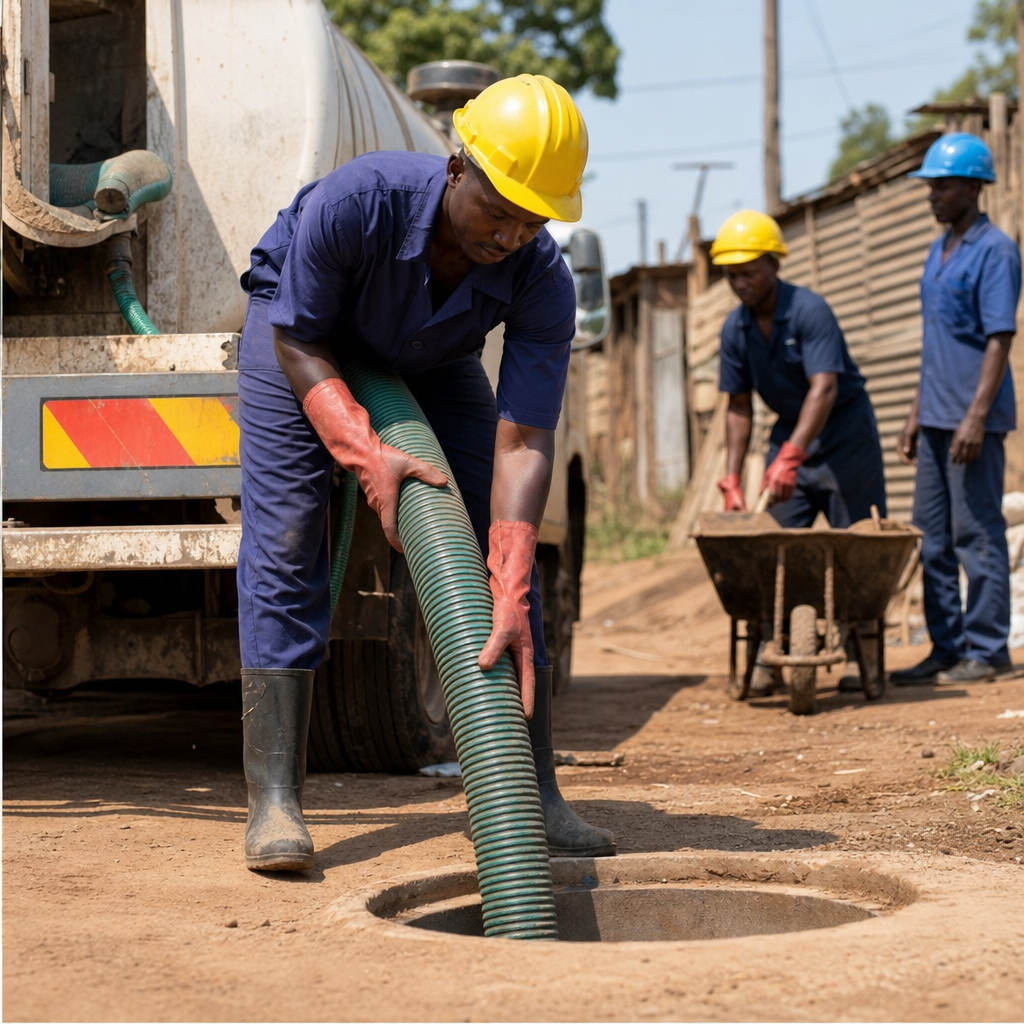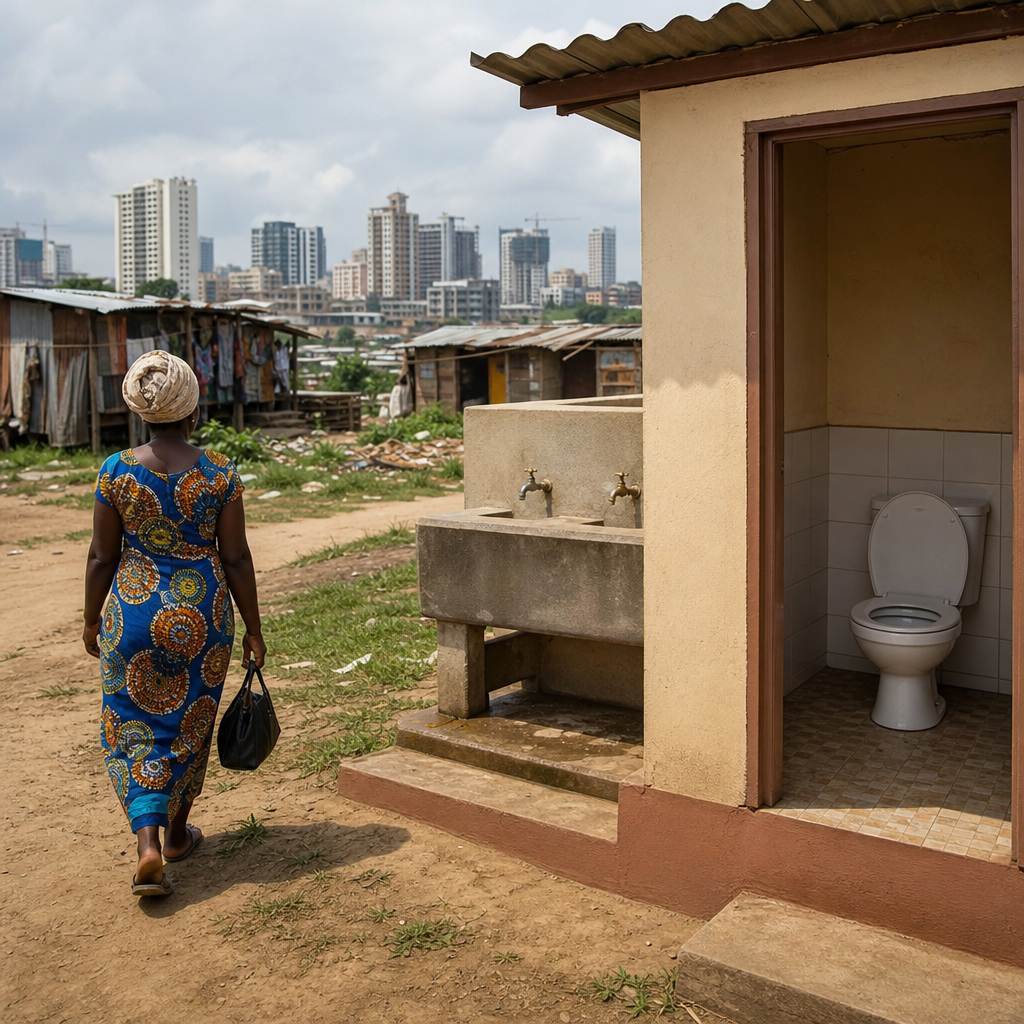
Global funding trends in the sanitation sector are reshaping how cities, utilities, investors, and development agencies approach one of the world’s most persistent infrastructure gaps. In this hub on financing and investing in EcoSan, the core idea is straightforward: ecological sanitation systems treat human waste as a resource stream, not only a disposal problem. That includes composting toilets, urine diversion, fecal sludge treatment linked to nutrient recovery, decentralized wastewater reuse, and circular business models that convert sanitation byproducts into fertilizer, fuel, water, or soil amendments. Funding matters because sanitation has historically been underfinanced relative to water supply, transport, and energy, even though poor sanitation drives disease burden, lost productivity, degraded waterways, and avoidable climate emissions. In practice, I have seen strong technical sanitation plans stall for years because project sponsors could not align capital expenditure, operating support, tariff policy, and risk-sharing. The current funding landscape is changing, however, as climate finance, blended finance, impact investing, municipal reform, and circular economy strategies bring new attention to investable sanitation models. Understanding where money comes from, what investors require, and which EcoSan models generate durable cash flow is now essential for utilities, startups, governments, and nonprofits planning projects or evaluating partnerships.
Why sanitation funding is changing
Sanitation financing is evolving because the sector is no longer framed only as a public health obligation. It is increasingly treated as an economic system with measurable returns. The World Bank, regional development banks, UNICEF, the Gates Foundation, and national governments have all helped shift this perspective by tying sanitation outcomes to labor productivity, healthcare savings, watershed protection, urban resilience, and nutrient security. EcoSan fits this shift especially well because it can monetize outputs that conventional sewer-centric systems often waste. Recovered biosolids can support agriculture, biogas can offset fuel purchases, and treated water can reduce industrial or landscape irrigation demand.
Another reason funding is moving is urbanization. Fast-growing secondary cities across Africa, Asia, and Latin America often cannot afford universal sewer expansion, yet they still need safe containment, collection, transport, treatment, and reuse. That pushes funders toward decentralized and hybrid sanitation approaches. In several projects I have reviewed, the winning financial structure was not one giant utility loan but a layered package: grant-funded feasibility work, concessional debt for treatment assets, municipal budget support for public-good functions, and private equity or revenue-based finance for the reuse business. This shift rewards project developers who can separate social value from commercial value and then match each component to the right source of capital.
Climate policy is also influencing flows. Methane reductions from better sludge management, avoided synthetic fertilizer use through nutrient recovery, and water reuse in drought-prone regions all make sanitation relevant to adaptation and mitigation agendas. That does not mean climate money is easy to access. It does mean sanitation sponsors who quantify emissions, resilience gains, and circular outputs are more competitive than those presenting sanitation only as a toilet construction program.
Where the money comes from today
Global sanitation funding comes from five primary pools: public budgets, user payments, development finance, commercial capital, and philanthropic or catalytic funding. Public budgets remain the backbone because sanitation generates large social benefits that markets alone do not capture. National transfers, municipal taxes, and utility cross-subsidies often finance trunk infrastructure, low-income service provision, regulation, and public awareness. User payments matter most when service quality is visible and billing is predictable. For EcoSan, that can include toilet service fees, desludging contracts, fertilizer sales, biogas offtake agreements, or water reuse tariffs.
Development finance institutions provide concessional loans, guarantees, technical assistance, and results-based financing. These instruments are critical where sanitation revenues are too weak or too delayed for commercial lenders. Philanthropic capital usually enters earlier, paying for innovation pilots, market assessments, behavioral research, and business model testing. That early risk capital has been decisive for container-based sanitation, non-sewered treatment systems, and nutrient recovery ventures that needed proof before banks would engage.
Commercial capital is still a smaller share of sanitation finance than in energy or telecom, but it is growing in niches with repeatable revenue. Investors look for contracted cash flow, scalable operations, and manageable regulatory risk. They are more interested in fecal sludge logistics platforms, industrial wastewater reuse, and waste-to-value processing than in pure public-good sanitation service alone. The lesson is practical: EcoSan ventures become financeable when they define exactly who pays, for what service, under what contract, and how performance is verified.
How EcoSan projects become investable
An EcoSan project becomes investable when it can show three things clearly: demand, cash flow, and risk allocation. Demand means households, municipalities, farmers, commercial buyers, or utilities genuinely need the service or recovered product. Cash flow means revenues arrive reliably enough to support operations and, where appropriate, debt service. Risk allocation means construction, technology, feedstock, offtake, currency, and political risks are placed with parties able to manage them.
In real transactions, the biggest mistake is assuming that environmental logic automatically creates bankability. It does not. A urine-diverting toilet rollout may have excellent agronomic benefits, but investors will still ask who pays for collection, what contamination standards apply, whether farmers accept the product, and how seasonality affects sales. Similarly, a fecal sludge composting plant may look attractive on paper, yet fail commercially if transport routes are too long or if free disposal at uncontrolled sites undercuts the formal operator.
Project preparation is therefore decisive. Sponsors need robust baseline data, willingness-to-pay analysis, lifecycle cost estimates, product quality standards, and realistic utilization assumptions. Bankable projects usually include take-or-pay offtake agreements, minimum revenue guarantees, indexed tariffs, or public service payments tied to verified outputs. Where direct user revenue is weak, blended structures can bridge the gap, but only if they are designed early rather than added after financial stress appears.
Funding models used across the sanitation sector
Different sanitation models require different capital stacks. The table below shows common approaches and where they fit best.
| Funding model | Typical use in EcoSan | Main advantage | Main limitation |
|---|---|---|---|
| Public budget finance | Community toilets, sludge treatment, low-income service | Supports public-good functions markets will not fund | Annual budget cycles can delay maintenance and expansion |
| Concessional loans | Municipal treatment assets, reuse infrastructure | Lower cost of capital and longer tenors | Still requires credible repayment capacity |
| Blended finance | Early-stage circular sanitation platforms | Absorbs risk and attracts private participation | Structuring is complex and transaction costs are high |
| Results-based financing | Toilet adoption, desludging coverage, verified treatment | Pays for outcomes rather than inputs | Needs strong monitoring systems |
| Private equity or venture capital | Technology-enabled service operators | Can fund rapid growth and innovation | Seeks scalable margins that many sanitation services lack |
| Carbon and environmental credits | Methane avoidance, nutrient recovery, biochar | Adds secondary revenue to improve project economics | Verification costs and price volatility can be significant |
Public-private partnerships can also work, especially when governments retain responsibility for affordability while private partners handle operations, collection logistics, or product sales. I have found that the strongest agreements define service zones, response times, discharge standards, payment triggers, and enforcement rules with unusual precision. Sanitation disputes usually start when those basics are vague.
Regional trends shaping global capital flows
Funding trends differ sharply by region. In sub-Saharan Africa, donor and development finance remain dominant, but there is growing interest in fecal sludge management enterprises, container-based sanitation, and citywide inclusive sanitation programs. Because sewer coverage is often low outside wealthier urban cores, investors are more open to decentralized approaches than they were a decade ago. The challenge is affordability: many projects need public payments or targeted subsidies to reach low-income households while maintaining operator viability.
In South Asia, sanitation funding has benefited from national missions, microfinance channels, and stronger policy attention to household toilet access. The next frontier is service-chain finance beyond toilet construction: safe emptying, transport, treatment, and reuse. India in particular has seen increased discussion of public-private operating models for sludge treatment plants and co-composting facilities, though revenue quality still varies widely by state and municipality.
In Southeast Asia, climate resilience and tourism-linked water quality concerns are pushing investment into wastewater reuse and decentralized treatment. Latin America has more established utility systems, yet peri-urban and informal settlements still create major financing gaps. There, development banks often support utility modernization, non-revenue water reduction, and wastewater upgrades that can open space for reuse investments. In high-income countries, the funding story is less about basic access and more about nutrient recovery, energy-positive treatment plants, phosphorus capture, PFAS management, and green infrastructure linked to water reuse goals.
Investor priorities, metrics, and due diligence
Investors evaluate sanitation differently depending on whether they are lenders, impact funds, corporations, or public agencies, but several metrics recur. They want cost recovery pathways, customer retention, collection efficiency, utilization rates, treatment compliance, and evidence that recovered products meet market specifications. For reuse businesses, they also examine nutrient content, moisture levels, pathogen reduction, contamination risk, and logistics cost per ton or per household served.
Named tools and standards matter here. Utilities and municipalities often use cost-benefit analysis, affordability assessment, and financial internal rate of return models alongside public economic analysis. Environmental and social risk reviews typically align with lender safeguard frameworks. For treatment performance, project sponsors may reference ISO-related quality processes, WHO sanitation and safe reuse guidance, and national biosolids or compost regulations. Investors trust projects that connect technical claims to accepted standards instead of relying on marketing language.
Data quality remains a major bottleneck. Many sanitation businesses undercount downtime, overestimate product sales, or ignore customer churn. In diligence, I look closely at route density for collection, rejection rates for recovered products, seasonality in agricultural demand, and the share of revenue supported by enforceable contracts. Small errors in those assumptions can erase margins quickly. The market is rewarding operators who build disciplined reporting from the start, often using GIS mapping, digital payment records, and service verification dashboards.
What this means for financing and investing in EcoSan
For organizations working on financing and investing in EcoSan, the central implication is that capital is available, but only for models that respect sanitation’s hybrid nature. Part of the value is public, part is commercial, and the two should not be confused. Toilets for the poorest households may need subsidy. Collection services may need regulated tariffs. Resource recovery may produce profitable side revenues, but usually not enough to carry the whole system alone in early years.
The strongest EcoSan strategies therefore build a portfolio logic. They combine secure service revenue with upside from circular outputs. They use grants for innovation, concessional finance for infrastructure, and commercial capital only where cash flow can support it. They also design for operational reality: spare parts, trained operators, product certification, maintenance budgets, and customer education. Too many sanitation investments fail because financing closes before service systems are truly ready.
As this sub-pillar hub expands, related articles should examine blended finance structures, carbon-linked sanitation revenues, municipal sanitation bonds, impact investing criteria, project preparation facilities, microfinance for household systems, and valuation methods for reuse products. Together, those topics explain not just where money enters the sector, but how it can stay long enough to produce lasting sanitation outcomes.
Global funding trends in the sanitation sector point to a clear conclusion: money is moving toward systems that can prove health impact, service reliability, and resource recovery in the same investment case. EcoSan is well positioned because it aligns sanitation access with circular economy value, climate resilience, and local production of useful outputs. Yet funding does not follow good intentions. It follows credible project preparation, realistic revenue design, disciplined operations, and transparent measurement.
For decision-makers, the practical takeaway is to structure sanitation finance around the full service chain rather than a single asset. Define who benefits, who pays, which risks are public, and which revenues are genuinely commercial. For investors, the opportunity is strongest in platforms that combine recurring service income with contracted reuse demand and measurable environmental outcomes. For municipalities and development partners, the priority is to use grants and concessional capital strategically, reducing early risk so stronger operators and more patient investors can participate.
Financing and investing in EcoSan will remain a major theme within the economic aspects of sanitation because the sector is shifting from fragmented pilots to durable infrastructure and service businesses. Projects that quantify avoided disease costs, nutrient recovery value, emissions reductions, and water savings will attract more attention than projects that discuss access alone. If you are building, funding, or evaluating an EcoSan initiative, start with bankability fundamentals, map the right capital stack, and use this hub as the starting point for deeper analysis across the full sanitation finance landscape.
Frequently Asked Questions
1. What are the biggest global funding trends shaping the sanitation sector today?
One of the most important shifts in global sanitation finance is the move away from seeing sanitation purely as a public health cost and toward recognizing it as a long-term infrastructure, climate, and resource recovery investment. Historically, sanitation has been underfunded compared with water supply, transport, and energy because the benefits are often diffuse across health systems, urban development, and environmental protection. Today, that is beginning to change. Governments, development finance institutions, philanthropic funders, and private investors are increasingly prioritizing sanitation because of its direct links to climate resilience, circular economy goals, food system productivity, and inclusive urban growth.
Another major trend is the rise of blended finance. Rather than expecting a single funding source to cover the full cost of sanitation systems, projects are now often structured using multiple layers of capital. Grants may support early-stage feasibility work, public funds may underwrite essential infrastructure, concessional loans may reduce financing costs, and private capital may be brought in where there is a clear revenue stream. This is especially relevant in ecological sanitation, or EcoSan, where value can be created through compost, nutrients, reclaimed water, biogas, and service-based sanitation operations. Investors are more willing to engage when risk is shared and when business models are tied to measurable outcomes.
Decentralization is also influencing funding patterns. In many low- and middle-income cities, large centralized sewer systems remain too expensive or too slow to deploy at scale. As a result, there is growing attention on decentralized wastewater treatment, container-based sanitation, fecal sludge management, and neighborhood-scale resource recovery systems. These approaches can often be financed in more modular ways, allowing cities and utilities to phase investments, test technologies, and expand services more quickly. That makes them attractive to donors and impact investors seeking scalable but practical interventions.
Finally, outcome-based finance is gaining traction. Funders increasingly want evidence of service delivery, environmental performance, and social inclusion rather than simply paying for construction. This means sanitation projects that can demonstrate reduced untreated waste, improved safe reuse, better service access for low-income households, or stronger utility performance are better positioned to attract capital. In short, the global trend is toward more integrated, performance-driven, and resource-oriented sanitation funding models.
2. Why is ecological sanitation attracting more attention from investors and development agencies?
Ecological sanitation is gaining momentum because it aligns with several global priorities at once. At its core, EcoSan treats human waste as a recoverable resource stream rather than just a disposal challenge. That framing is powerful because it expands the sanitation conversation beyond toilets and sewers into agriculture, energy, water reuse, climate adaptation, and circular economy development. For development agencies, this means one investment can potentially deliver multiple benefits: improved public health, reduced water pollution, lower greenhouse gas emissions, stronger drought resilience, and recovery of nutrients that would otherwise be lost.
Investors and funders are particularly interested in EcoSan when there is a credible pathway to revenue generation or cost recovery. Composting toilets, urine diversion systems, fecal sludge treatment plants with nutrient recovery, and decentralized wastewater reuse schemes can all create marketable outputs. These may include compost, soil conditioners, recovered phosphorus and nitrogen products, reclaimed water for irrigation or industry, and in some cases energy products such as biogas. While these revenue streams do not always cover full system costs, they can improve the financial profile of sanitation projects and reduce reliance on ongoing subsidy.
Another reason EcoSan is drawing attention is its flexibility in contexts where conventional sewer expansion is unrealistic. Fast-growing informal settlements, water-scarce regions, peri-urban zones, refugee settings, and secondary cities often need sanitation solutions that are less capital-intensive, less water-dependent, and easier to scale incrementally. EcoSan models can be adapted to these conditions more readily than traditional systems. Development agencies value that adaptability because it increases the likelihood that investments will actually translate into usable, sustained services.
There is also a stronger evidence base emerging around the economics of resource recovery and the environmental costs of inaction. Untreated or poorly managed sanitation creates downstream burdens for healthcare systems, water utilities, ecosystems, and municipal budgets. EcoSan can reduce those external costs while producing recoverable value. For many funders, that combination of impact and practical scalability makes the sector increasingly compelling. The strongest projects are those that present EcoSan not as a niche alternative, but as a serious infrastructure strategy with measurable financial, environmental, and social returns.
3. How are cities and utilities financing sanitation projects when public budgets are limited?
Cities and utilities are using a much broader financing toolkit than in the past. Limited public budgets remain a major constraint, but many local governments are learning to combine capital sources rather than rely exclusively on municipal funding or national transfers. Public finance still plays a foundational role, especially for basic service obligations and infrastructure with strong social benefits, but it is increasingly being complemented by concessional lending, climate finance, donor support, results-based grants, and private participation in selected parts of the value chain.
One common approach is phased or modular investment. Instead of waiting until enough money is available for a full citywide sewer network, a city may invest first in containment, fecal sludge collection, transfer stations, treatment hubs, and reuse facilities. This staged model is especially relevant for ecological sanitation and non-sewered systems because it allows service improvements to begin earlier and capital costs to be spread over time. Utilities can then build stronger operating data, improve billing systems, and demonstrate service demand, all of which make future financing easier to secure.
Service-based contracting is another important trend. Rather than owning and operating every component directly, utilities or municipalities may contract private or social enterprises to deliver toilet services, collection, treatment, or reuse operations under regulated agreements. This can reduce upfront capital requirements and improve operational efficiency, particularly when paired with performance incentives. In EcoSan markets, specialized operators may be better positioned to manage composting, nutrient recovery, or decentralized treatment systems than large conventional utilities.
Cities are also becoming more sophisticated in monetizing co-benefits. If a sanitation investment reduces water contamination, cuts methane emissions, improves flood resilience, or supports agricultural reuse, those benefits can help unlock climate funds, environmental grants, or cross-sector budget support. Some projects are structured to capture user fees, tipping fees, sale of reuse products, or payments from industrial and agricultural off-takers. None of this eliminates the need for public subsidy, especially for low-income households, but it can significantly improve long-term financial viability. The most successful utilities are those that treat sanitation not as a single budget line, but as a portfolio of services and value streams.
4. What are the main barriers preventing more capital from flowing into sanitation and EcoSan projects?
The biggest barrier is that sanitation often has weak or fragmented revenue models. Investors prefer sectors where cash flow is predictable and payment responsibility is clear. In sanitation, however, benefits are shared across households, municipalities, health systems, environmental regulators, and agricultural users. That makes it harder to design straightforward business models. User willingness to pay may be limited, tariff systems may be incomplete, and markets for recovered resources may still be immature. As a result, even high-impact projects can struggle to present the kind of financial profile commercial investors expect.
Project preparation is another major obstacle. Many sanitation initiatives fail to reach scale not because the underlying need is unclear, but because projects are not developed in an investable format. Feasibility studies, demand analysis, engineering design, regulatory approvals, land arrangements, and offtake agreements for recovered products all require time and technical expertise. In many municipalities, these early-stage capacities are limited. Development agencies often step in here, but the pipeline of well-structured sanitation investments remains much smaller than the level of need.
Policy and regulatory uncertainty also discourages capital. In EcoSan especially, rules around reuse of treated waste products, nutrient recovery, sludge transport, decentralized systems, and water reclamation can be inconsistent or underdeveloped. Investors want confidence that the products and services created by a project will be legally accepted and institutionally supported over the long term. If standards are unclear or permits are difficult to obtain, risk increases substantially.
There is also a perception challenge. Sanitation has long been seen as socially essential but commercially unattractive. That perception is changing, but not fast enough. Many financiers still do not have enough comparable examples showing how sanitation businesses and public-private models can perform at scale. To unlock more capital, the sector needs stronger data, better benchmarking, clearer aggregation of smaller projects, and more examples of successful repayment, operational performance, and market uptake of recovered resources. In practice, the barrier is not lack of global interest in sanitation. It is the gap between high-impact ideas and finance-ready execution.
5. What should stakeholders look for when evaluating future sanitation investment opportunities?
Stakeholders should begin by looking at the strength of the service model, not just the technology. A sanitation investment is only as viable as the system that supports collection, treatment, maintenance, customer adoption, and regulatory compliance. Whether the project involves composting toilets, urine diversion, fecal sludge treatment with nutrient recovery, or decentralized wastewater reuse, the key question is whether it can deliver reliable, sustained service at a realistic cost. Strong projects clearly define who pays, who operates, who regulates, and who benefits.
It is also important to assess the quality