Economic modeling of sanitation scenarios gives planners a disciplined way to compare toilets, treatment systems, collection models, and reuse markets before money is committed and infrastructure is built. In the EcoSan context, the goal is not only safe sanitation at the lowest upfront cost; it is to understand how nutrients, water, energy, labor, public health, and land values move through a sanitation system over time. EcoSan, short for ecological sanitation, treats human waste as a recoverable resource stream rather than an endpoint disposal problem. Economic strategies in EcoSan therefore combine capital budgeting, operations analysis, market design, subsidy policy, and risk management. I have worked on sanitation business cases where a low-cost latrine looked attractive on day one but became the most expensive option after emptying costs, groundwater contamination, and crop nutrient losses were properly valued. That is why economic modeling matters.
At its simplest, sanitation scenario modeling asks a practical question: which combination of technology, service model, and financing structure delivers the best long-term outcome for households, municipalities, and the environment? A scenario may compare urine-diverting dry toilets, container-based sanitation, septic systems, sewer expansion, fecal sludge treatment, or co-composting linked to agriculture. The model then estimates costs and benefits across a chosen period, often ten to twenty years, using measures such as net present value, internal rate of return, levelized service cost, cost per household served, and avoided disease burden. Strong models also include nonmarket effects, especially reduced diarrheal disease, lower fertilizer purchases, water savings, and greenhouse gas reductions. Because this article is the hub for Economic Strategies in EcoSan, it maps the core concepts, methods, and decision points that support every related topic in the wider economic aspects cluster.
Core components of an EcoSan economic model
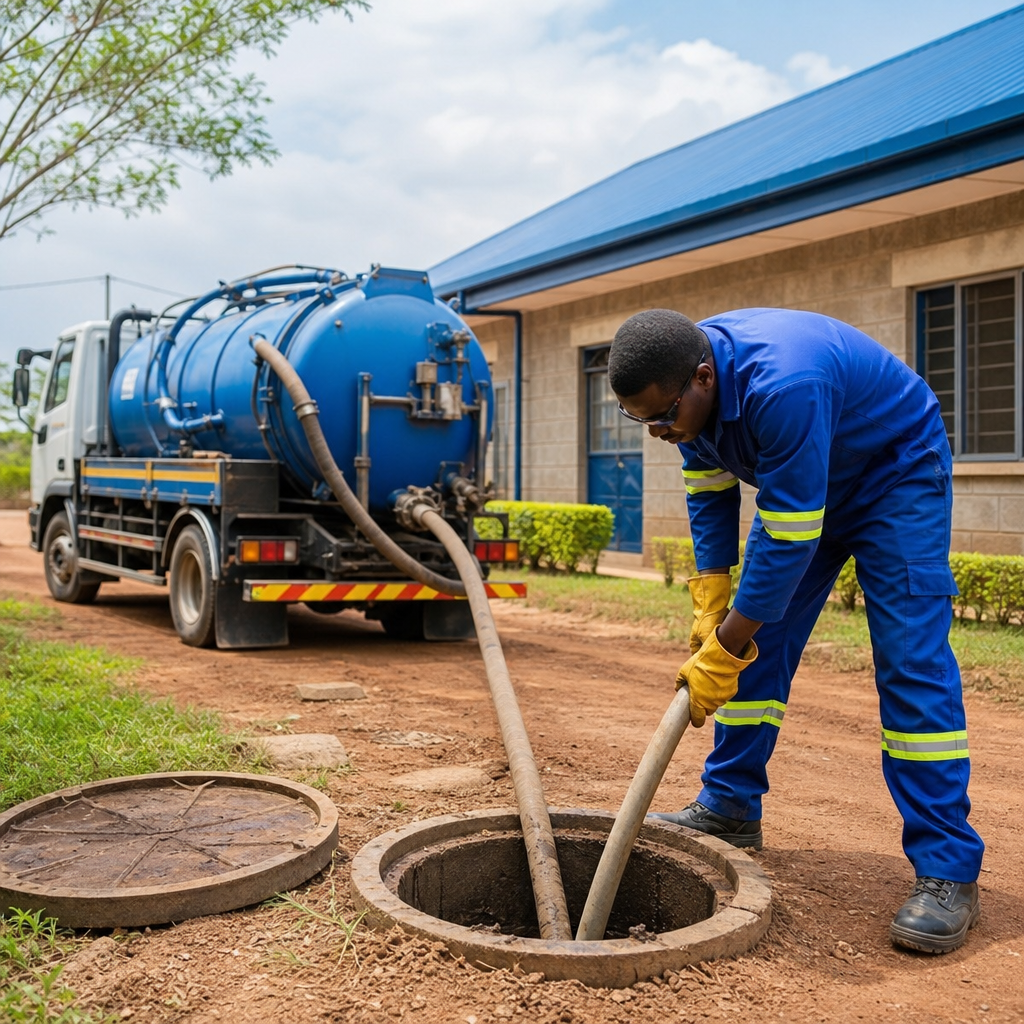
An EcoSan economic model starts with clear system boundaries. If the boundary is too narrow, the analysis misses major costs shifted elsewhere. For example, a household toilet may seem cheap until transport, treatment, and safe reuse are added. A complete model usually follows the sanitation chain: user interface, containment, collection, transport, treatment, product processing, distribution, and end use. Each stage has capital expenditure, operating expenditure, replacement cycles, labor needs, compliance costs, and performance risks. In practice, I separate fixed costs from variable costs early because scale changes them differently. A composting facility may have high fixed costs and low marginal processing costs, while collection is often labor and fuel intensive with costs that rise with route inefficiency and distance.
Demand assumptions are equally important. Household uptake, user behavior, willingness to pay, and seasonal use patterns can change unit economics dramatically. Urine-diverting systems, for instance, depend on correct separation and regular maintenance; if misuse rates are high, treatment costs rise and product quality falls. Agricultural demand also matters. A recovered nutrient product has no economic value if farmers do not trust it, cannot access it at the right planting time, or find transport too expensive relative to synthetic fertilizer. I have seen financially promising reuse concepts fail because the model assumed immediate market absorption without accounting for field trials, certification, extension support, and packaging. A robust model therefore includes adoption curves, product quality specifications, loss rates, and distribution margins, not just engineering outputs.
Most teams use a discounted cash flow structure and then layer public-health and environmental valuation on top. The baseline scenario is critical. Comparing EcoSan only against no sanitation can overstate benefits in settings where some service already exists. Better practice compares realistic alternatives: improved pit latrines, septic systems with desludging, simplified sewers, decentralized treatment, and container-based models. Sensitivity testing should examine discount rate, inflation, exchange rate exposure for imported components, labor cost escalation, collection frequency, and product sale prices. These variables often matter more than small differences in construction cost.
Cost categories, revenue streams, and decision metrics
The central mistake in sanitation appraisal is focusing on construction cost alone. EcoSan systems create value and incur expense across many categories, so the model must capture the full economic picture. Capital costs include toilet units, storage vaults, transfer stations, vehicles, treatment plants, drying beds, compost pads, pelletizing lines, laboratory setup, and digital billing systems. Operating costs include staff, fuel, maintenance, replacement parts, cover material, electricity, pathogen monitoring, odor control, customer support, and compliance reporting. In dense urban systems, route optimization software and container inventory management can materially reduce recurring costs. In rural systems, transport and aggregation often dominate because settlements are dispersed and product volumes are relatively low.
On the benefit side, EcoSan can generate both direct and indirect returns. Direct revenue may come from user fees, collection subscriptions, sale of compost, sale of struvite or treated urine, carbon finance, tipping fees, or energy byproducts in hybrid systems. Indirect benefits include avoided medical spending, avoided productivity losses from illness, reduced fertilizer imports, lower freshwater use, improved groundwater quality, and deferred sewer investment. Some benefits accrue to households, others to local government, utilities, or farmers. Good models allocate these benefits to the right stakeholders because that determines who should pay. If municipalities capture healthcare savings and environmental compliance benefits while households bear most user costs, some form of public support is economically justified.
| Metric | What it measures | Best use in EcoSan decisions |
|---|---|---|
| Net present value | Total discounted benefits minus total discounted costs | Compare whole sanitation scenarios over time |
| Internal rate of return | Discount rate at which net present value equals zero | Test investor attractiveness for revenue-generating models |
| Levelized service cost | Average discounted cost per user or household served | Benchmark affordability across technologies |
| Cost-benefit ratio | Benefits divided by costs | Support public policy and subsidy decisions |
| Payback period | Time needed to recover initial investment | Screen simple projects, not final decisions |
Each metric answers a different question. Net present value is best when comparing full scenarios with multiple benefit streams. Levelized service cost is useful for tariffs and affordability analysis because it translates complex lifecycle costs into a household-scale number. Internal rate of return can be misleading for projects with irregular cash flows or heavy public benefits, so I use it cautiously. Payback is popular with small enterprises but weak for sanitation because many benefits arrive gradually and many assets last long beyond the payback window.
Modeling reuse economics and circular value creation
EcoSan becomes economically distinctive when recovered resources are treated as planned outputs rather than incidental byproducts. The main reusable streams are nutrients, organic matter, water, and sometimes energy. Urine contains a large share of excreted nitrogen and potassium, while fecal matter contributes organic carbon and phosphorus. If collected and processed correctly, these streams can offset purchases of urea, diammonium phosphate, compost, irrigation water, or commercial soil conditioners. Yet reuse value is never equal to laboratory nutrient content alone. The realized price depends on pathogen reduction, moisture content, packaging, transport distance, crop suitability, farmer trust, and local fertilizer subsidies.
A practical reuse model starts with mass balance. Estimate how much nitrogen, phosphorus, potassium, organic matter, and water enter the system based on population served, diet assumptions, and capture efficiency. Then apply losses from evaporation, leakage, process inefficiency, and quality rejection. From there, map product pathways. Treated urine may be sold in bulk to peri-urban farmers, compost may be bagged for horticulture, and dried solids may be co-processed with organic municipal waste. In one project review, the headline claim was that nutrient sales would cover operating costs. The numbers changed sharply after accounting for moisture reduction, seasonal demand swings, and the cost of moving low-density material over poor roads. The lesson was simple: physical logistics drive market value.
Pricing strategy also matters. EcoSan products usually enter markets where synthetic fertilizers are standardized, heavily distributed, and sometimes subsidized. To compete, recovered products must either undercut price, improve yields through soil health benefits, or solve a local supply gap. Demonstration plots are not marketing extras; they are economic enablers because they reduce adoption risk for farmers. Certification and quality assurance are equally important. A compost product tested against recognized standards gains market access and supports repeat sales. Where direct market prices remain low, municipalities may still support reuse because it reduces landfill disposal, nutrient pollution, and sludge handling costs. That avoided-cost logic often closes the business case even when commodity margins are modest.
Financing structures, subsidies, and risk allocation
Even when EcoSan has strong lifecycle economics, cash flow timing can block implementation. Households face upfront affordability constraints, small operators cannot finance working capital, and municipalities struggle with budget cycles. Economic strategy therefore includes financing design, not just technology choice. Common structures include household loans, output-based aid, capital grants tied to service performance, blended finance for treatment plants, microfranchising for collection operators, and public-private contracts with minimum revenue guarantees. The right structure matches the risk profile of each stage in the chain. Households can often pay small recurring fees more easily than lump-sum installation costs, while municipalities are better positioned to absorb policy and regulatory risk.
Subsidies should be targeted to correct market failures, not to hide inefficient systems. In sanitation, the strongest justification for subsidy is that many benefits are public: disease reduction, cleaner waterways, lower antimicrobial risk, and improved urban livability. A well-designed subsidy can support capital expenditure for toilets in low-income areas, fund treatment infrastructure that private actors cannot recover through user fees alone, or underwrite quality testing for reuse products. Poorly designed subsidies distort incentives. If compost sales are subsidized without quality enforcement, producers may flood the market with inconsistent material and damage farmer confidence. If toilet construction is subsidized but emptying is ignored, containment eventually fails and costs reappear elsewhere.
Risk allocation deserves explicit modeling. Construction risk sits with contractors; demand risk may sit with service providers or government depending on contract design; commodity price risk affects reuse revenues; and regulatory risk affects product approval and discharge permits. Scenario analysis should test what happens when fertilizer prices fall, diesel prices rise, or collection compliance drops. Monte Carlo simulation is useful for larger programs because it shows probability ranges rather than a single false-precision forecast. In board discussions, I have found that a realistic downside case often builds more confidence than an aggressive base case, because decision-makers can see which assumptions truly matter and what contingencies are available.
Policy, institutions, and implementation pathways
Economic strategies in EcoSan succeed when policy and institutions support the whole service chain. Tariff policy, land-use rules, public health regulation, product standards, and procurement procedures all shape financial viability. If local rules classify all excreta-derived products as waste with no reuse pathway, nutrient recovery remains stranded regardless of technical merit. If desludging is unlicensed and underpriced, compliant operators struggle to compete with unsafe dumping. Economic modeling must therefore incorporate institutional reality. A theoretically optimal scenario may not be implementable under current mandates, utility structures, or enforcement capacity.
Implementation usually works best through phased pathways rather than one large irreversible investment. A city may begin with container-based sanitation in dense informal settlements, add transfer stations and scheduled collection, then scale to composting or co-treatment once feedstock volumes justify processing infrastructure. Rural districts may start with urine-diverting toilets linked to farmer cooperatives and later introduce regional aggregation and branding. Phasing reduces capital at risk and allows real data on adoption, route density, contamination rates, and product demand to refine the model. This adaptive approach is especially important in EcoSan because user behavior and market development are as important as hardware performance.
For decision-makers, the main takeaway is straightforward. Model sanitation scenarios as service systems, not toilet products. Count lifecycle costs, public-health gains, environmental externalities, and reuse markets together. Use realistic baselines, test sensitive assumptions, and align financing with who benefits. EcoSan can outperform conventional options economically, but only when collection, treatment, market access, and governance are designed as one integrated chain. If you are building the Economic Aspects hub, use this page as the starting framework, then drill into pricing, subsidy design, business models, and nutrient market development with project-specific data.
Frequently Asked Questions
What does economic modeling of sanitation scenarios actually involve?
Economic modeling of sanitation scenarios is the process of comparing different sanitation system designs in a structured, numbers-based way before major investments are made. Instead of looking only at the purchase price of toilets or treatment equipment, the model examines the full system over time. That includes capital costs, operations and maintenance, collection and transport expenses, treatment performance, labor requirements, replacement cycles, financing costs, and end-use or disposal pathways. In an ecological sanitation, or EcoSan, framework, the model also considers whether urine, fecal solids, treated water, compost, or energy can be recovered and used productively rather than treated strictly as waste.
A strong model tracks how value and cost move through the sanitation chain. For example, a low-cost toilet may appear affordable at installation but create high downstream emptying costs, poor nutrient recovery, and greater public health risk. Another option may require higher upfront spending but reduce disease burden, lower fertilizer purchases, improve groundwater protection, and create marketable reuse products. Economic modeling helps planners see those trade-offs clearly. It turns sanitation planning from a narrow procurement exercise into a long-term systems analysis that incorporates infrastructure, service delivery, environmental performance, and human outcomes.
In practice, the model often compares several scenarios side by side. These might include conventional sewerage, septic systems, container-based sanitation, urine-diverting dry toilets, decentralized treatment, or hybrid collection and reuse systems. Each scenario is tested using assumptions about population growth, local water availability, land constraints, user behavior, treatment efficiency, market demand for recovered resources, and policy conditions. The result is a more disciplined decision-making process that helps communities choose solutions that are financially realistic, operationally manageable, and environmentally durable.
Why is EcoSan economic modeling different from a standard sanitation cost comparison?
Traditional sanitation cost comparisons often focus on a short list of visible expenses, such as construction, equipment procurement, and perhaps annual maintenance. EcoSan economic modeling goes much further because it treats sanitation as part of a wider resource and public health economy. Human waste is not viewed only as a disposal problem; it is also considered a potential source of nutrients, organic matter, water, and sometimes energy. That changes the logic of the analysis. The question is no longer just, “Which system is cheapest to build?” but also, “Which system delivers the best total value over time when recovery, risk reduction, and service sustainability are included?”
This broader perspective matters because sanitation systems influence many sectors at once. They affect healthcare costs through disease prevention. They affect agriculture through nutrient recovery and soil improvement. They affect household economics through water use, user convenience, and emptying fees. They influence municipal budgets through transport logistics, treatment requirements, land demand, and infrastructure replacement. In dense urban settings, they may even affect land values and development potential because reliable sanitation can improve neighborhood conditions and reduce pollution. A standard cost comparison can miss these interactions, while EcoSan modeling is designed to capture them explicitly.
Another major difference is time horizon. EcoSan analysis usually looks at lifecycle performance over many years rather than evaluating only first-year affordability. A system that recovers nutrients and reduces sludge hauling may become far more attractive over a 10- or 20-year period than it appears at first glance. Likewise, a poorly performing low-cost system may prove expensive once contamination, system failure, user dissatisfaction, and frequent maintenance are factored in. By incorporating long-term flows of money, materials, and health impacts, EcoSan economic modeling provides a more realistic picture of what sanitation truly costs and what it can return.
What factors should be included when comparing sanitation scenarios economically?
A credible economic comparison should include all major costs and benefits across the full sanitation service chain. On the cost side, that means capital expenditures for toilets, containment, transfer stations, pipes, vehicles, treatment units, storage, and reuse infrastructure. It also includes operating expenses such as energy, water, chemicals, consumables, labor, routine maintenance, repairs, sludge handling, transport fuel, quality monitoring, compliance, administration, and customer support. Long-term replacement costs are especially important because pumps, liners, tanks, vehicles, and treatment components do not last forever. Ignoring these lifecycle costs is one of the most common reasons sanitation plans become financially unstable after construction.
Equally important are the indirect and non-market factors. Public health impacts should be considered wherever possible, including reduced diarrheal disease, lower pathogen exposure, improved child development outcomes, fewer workdays lost to illness, and avoided healthcare spending. Environmental factors may include reduced groundwater contamination, improved surface water quality, lower nutrient runoff, reduced greenhouse gas emissions, and lower pressure on freshwater supplies. In EcoSan scenarios, the model should also evaluate the practical value of recovered products such as fertilizer substitutes, compost, irrigation water, soil amendments, or biogas. These benefits must be estimated carefully and realistically based on local demand, quality standards, transport economics, and user acceptance.
Contextual variables also matter. Population density, settlement pattern, road access, water availability, land prices, climate, regulatory requirements, agricultural demand, and institutional capacity can all dramatically alter the economics of a sanitation option. A system that works well in a peri-urban farming area may perform poorly in a dense informal settlement with limited space and no reuse market nearby. Good economic modeling therefore combines engineering assumptions with local social and market data. The goal is not to produce a generic answer, but to identify which scenario is most viable under actual local conditions.
How do planners account for uncertainty in sanitation scenario modeling?
Uncertainty is unavoidable in sanitation planning, and good models deal with it directly rather than pretending the future is perfectly predictable. Many variables can change over time: population growth may be faster or slower than expected, fuel prices can rise, treatment performance may vary, labor costs may increase, regulations may tighten, and markets for reuse products may develop unevenly. User behavior also introduces uncertainty, especially in systems that depend on source separation, regular collection, or willingness to purchase recovered products. Because of these unknowns, sanitation models should be built to test multiple assumptions rather than produce a single fixed answer.
One common method is scenario analysis. Planners create a base case along with optimistic and conservative cases for key variables such as collection efficiency, nutrient recovery value, maintenance costs, or willingness to pay. Sensitivity analysis is also essential. This shows which inputs have the strongest effect on overall results. For example, if the financial viability of a urine-diverting system depends heavily on fertilizer prices or transport distance to farms, decision-makers need to know that early. They can then explore contracts, subsidies, or geographic targeting to reduce risk. Discount rates, asset lifespans, disease reduction assumptions, and reuse revenues are all variables that should typically be stress-tested.
More advanced studies may use probabilistic methods such as Monte Carlo simulation to generate a range of possible outcomes rather than a single estimate. Even when simpler tools are used, the principle is the same: planners should understand not just the expected result, but the risk profile of each sanitation scenario. This is particularly important in EcoSan planning because some of the benefits, such as resource recovery or avoided environmental damage, may depend on external systems working well too. Transparent treatment of uncertainty makes the model more credible and helps decision-makers choose options that remain robust even when conditions change.
How can economic modeling help cities and communities choose better sanitation investments?
Economic modeling helps cities and communities move beyond intuition, vendor claims, and one-size-fits-all solutions. It gives planners a structured basis for deciding which sanitation systems are affordable, scalable, and resilient in their own context. By comparing alternatives over time, the model can reveal where money is likely to be spent, where value can be captured, and where hidden risks could undermine the project later. This is especially useful when deciding among centralized, decentralized, and hybrid systems, or when determining whether recovery-based EcoSan options are practical at neighborhood, municipal, or regional scale.
For local governments, the model supports budgeting, tariff design, subsidy targeting, and capital planning. It can show whether a system will require ongoing public support, whether user fees are likely to cover operations, and whether certain components should be phased in gradually. For utilities and service providers, it can clarify staffing needs, vehicle requirements, treatment loads, and maintenance obligations. For development agencies and investors, it provides evidence that a sanitation project is not only technically sound but economically defensible. That matters because many sanitation failures are not engineering failures in the narrow sense; they are failures of long-term service economics.
At the community level, economic modeling can also improve transparency and trust. When stakeholders can see the assumptions behind a sanitation plan and understand why one option performs better than another, decision-making becomes more credible. In the EcoSan context, this is particularly valuable because some approaches challenge conventional ideas about waste and reuse. A well-built model can demonstrate when resource recovery genuinely adds value, when it does not, and what supporting conditions are needed to make it work. Ultimately, economic modeling helps communities invest in sanitation systems that protect health, use resources wisely, and remain functional long after the ribbon-cutting is over.