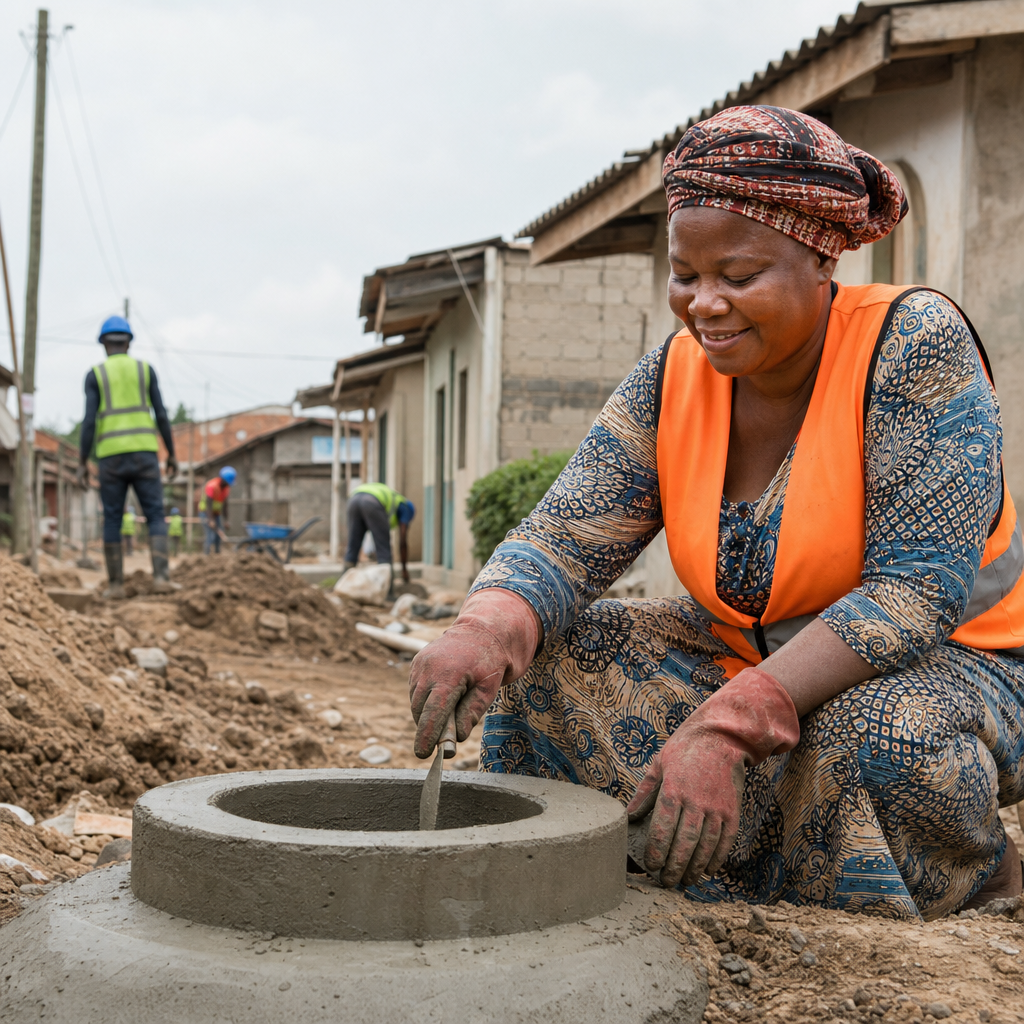
Leveraging international aid for sanitation development is no longer a narrow infrastructure question; it is a core economic strategy for building resilient, inclusive, and environmentally sound sanitation systems. In the context of Economic Strategies in EcoSan, the issue is not simply how to fund toilets, sewers, or treatment plants. It is how to direct grants, concessional finance, technical assistance, and blended capital so ecological sanitation systems become financially viable, locally managed, and scalable over time. EcoSan, short for ecological sanitation, treats human waste as a resource stream that can produce nutrients, water reuse opportunities, soil amendments, biogas, and measurable public health gains. International aid includes bilateral donor funding, multilateral development bank lending, humanitarian response budgets, climate finance, philanthropic grants, and results-based mechanisms. I have worked on sanitation planning processes where the hardest part was rarely engineering; it was structuring incentives so systems survived after the ribbon-cutting. That is why this topic matters. Poor sanitation reduces labor productivity, increases health costs, depresses school attendance, contaminates water resources, and weakens urban and rural land values. Well-designed aid can correct market failures, reduce upfront risk, support institutions, and crowd in private participation. Poorly designed aid can do the opposite by subsidizing the wrong technology, distorting tariffs, or creating systems communities cannot maintain. A practical economic strategy therefore asks direct questions. Who pays for capital expenditure? Who covers operations and maintenance? Where can recovered resources create revenue? Which risks should donors absorb, and which should local utilities, municipalities, cooperatives, farmers, or households manage? Answering those questions clearly is the foundation of sustainable sanitation development.
The economic case for aid in ecological sanitation
International aid is justified in sanitation because sanitation markets usually fail without public intervention. Households may undervalue long-term health benefits, landlords may delay investment, utilities may prioritize water over wastewater, and municipalities often lack creditworthy balance sheets. EcoSan adds another layer: many benefits are public or cross-sectoral. Reduced diarrheal disease lowers health spending. Nutrient recovery can improve soils and reduce synthetic fertilizer dependence. Safe sludge treatment protects rivers, wetlands, and groundwater. Yet those gains do not always generate immediate cash flow for the sanitation provider. In practice, I have seen municipalities reject fecal sludge treatment investments not because they lacked need, but because the financial return was invisible inside annual budgeting.
That is where aid has the strongest economic role. It can finance public goods, support pilot projects that prove demand, and absorb early-stage risk until a service market forms. The World Bank, African Development Bank, Asian Development Bank, UNICEF, WaterAid, and the Gates Foundation have all supported sanitation programs where the main value was not only money, but design discipline. They help countries define service chains, cost structures, procurement rules, environmental safeguards, and monitoring systems. For EcoSan, aid is especially useful when the sanitation model includes reuse outputs such as compost, dried sludge fuel, black soldier fly protein, biogas, or treated effluent for irrigation. These products require quality standards, market development, logistics planning, and user trust before revenue becomes dependable. Aid bridges that transition.
Choosing funding models that fit the sanitation value chain
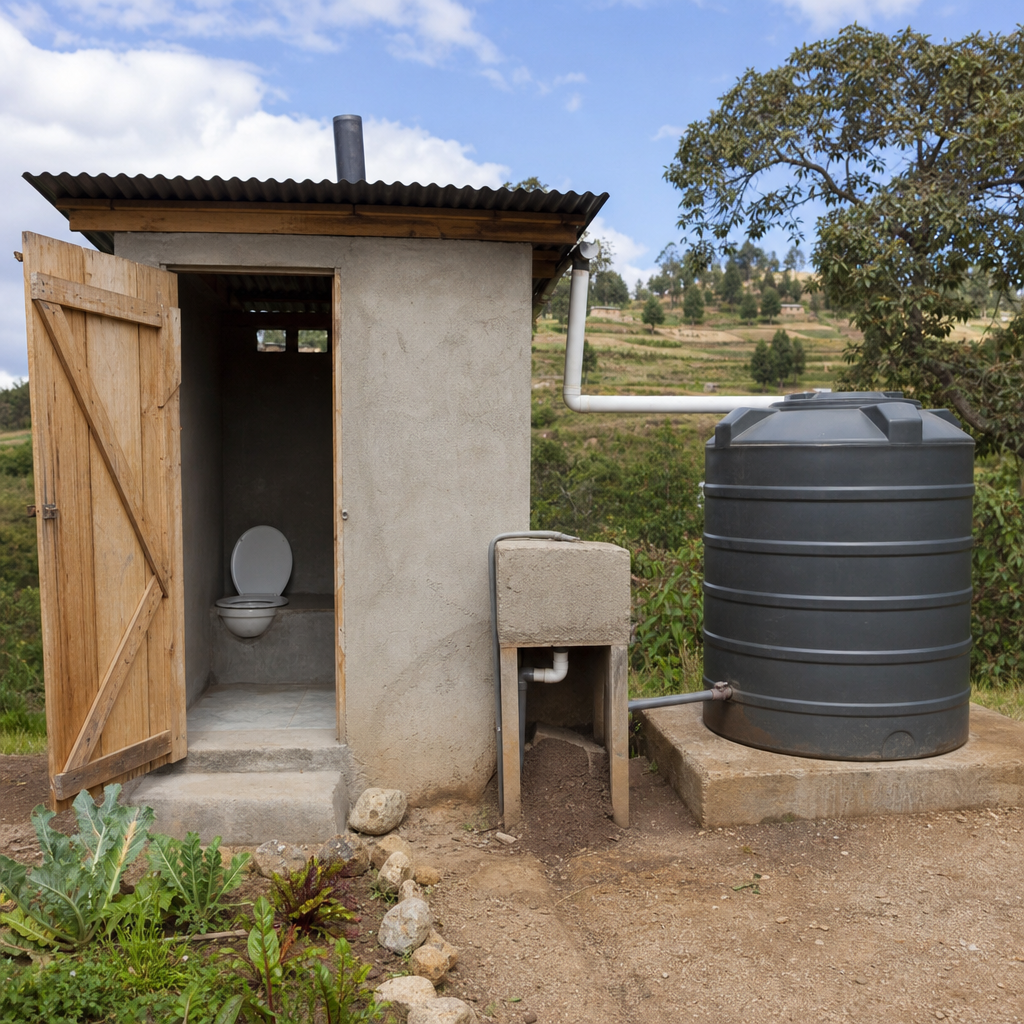
The best funding model depends on which part of the sanitation value chain is being financed. Containment, emptying, transport, treatment, reuse, and regulation each have different economics. Household toilets or urine-diverting dry toilets may be partly funded through microfinance, targeted subsidies, or vouchers for low-income users. Emptying and transport often suit small private operators if licensing is fair and disposal points are accessible. Treatment plants usually need municipal funding, development finance, or public-private partnerships because they require significant capital investment and long payback periods. Reuse businesses may attract private capital once feedstock supply, product quality, and end-user demand are stable.
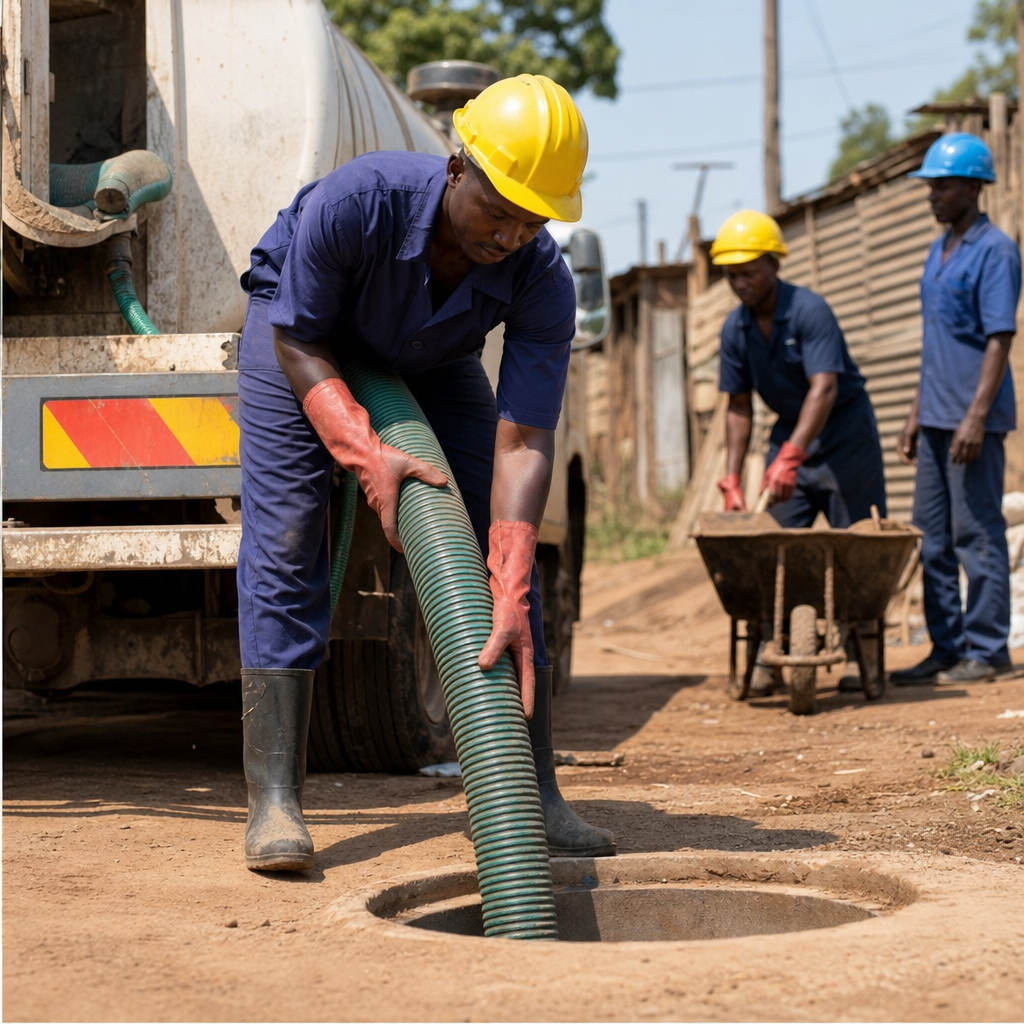
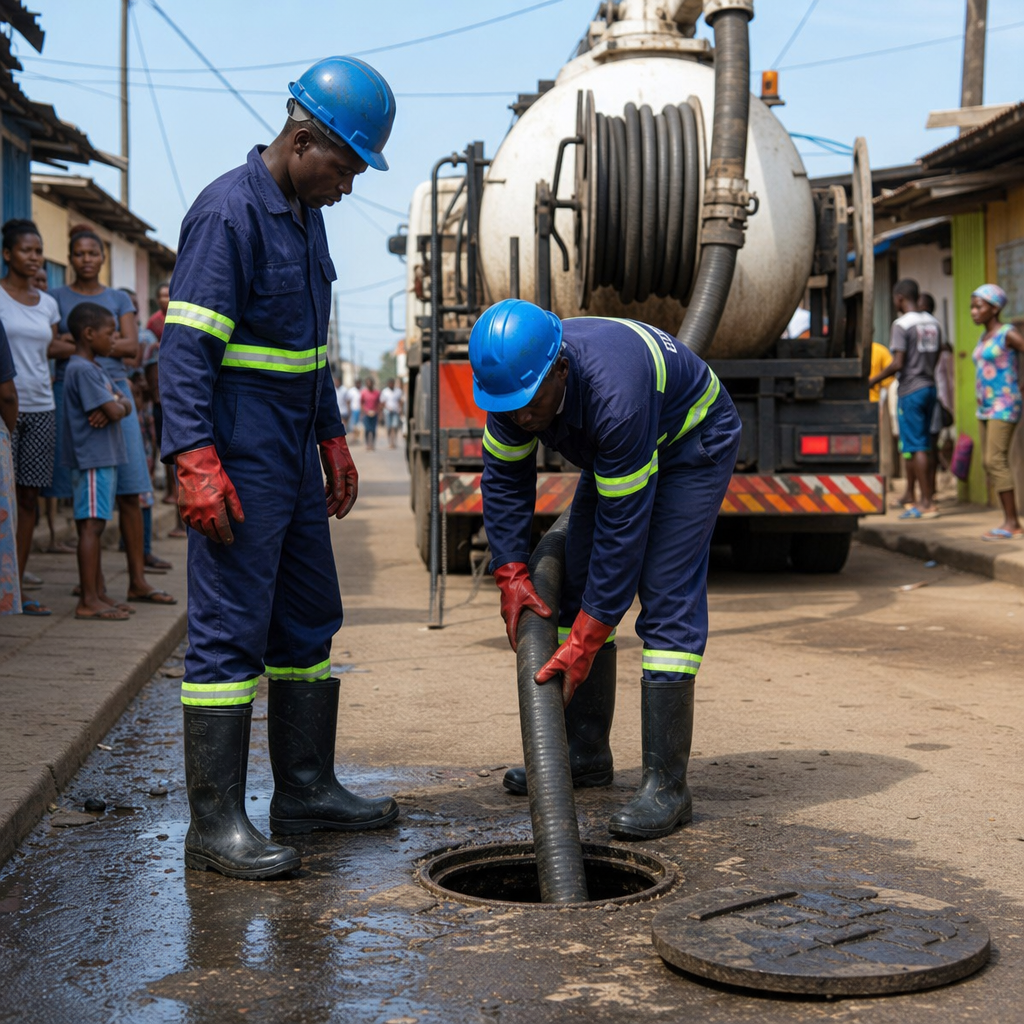
Aid should therefore be layered rather than generic. Grants work best for public health externalities, institutional capacity, and services for poor or remote communities. Concessional loans fit long-life assets with predictable public revenue support. Output-based aid can reward verified service delivery instead of mere construction. Blended finance can combine donor first-loss capital with commercial lending for treatment, reuse, or collection fleets. Carbon and climate-related finance may support biodigesters, methane capture, or avoided emissions from uncontrolled sludge disposal. In one urban sanitation project structure I reviewed, donor grants funded service mapping, utility training, and treatment plant design, while a local bank financed vacuum trucks under a partial credit guarantee. That approach matched risk to the actor best able to manage it.
Building bankable EcoSan projects through sound project preparation
Many sanitation investments fail to attract funding because the project is not bankable, not because the need is weak. Bankability means the project has clear demand, realistic costs, credible institutions, enforceable contracts, environmental compliance, and a workable revenue or public payment model. For EcoSan, project preparation must go deeper than engineering drawings. It must estimate waste volumes, seasonal variation, collection logistics, treatment performance, nutrient content, product quality controls, land requirements, off-take demand, and behavior change costs. It also must define who owns recovered products and who carries liability if quality standards are not met.
Strong project preparation usually includes willingness-to-pay studies, tariff analysis, life-cycle costing, options appraisal, and sensitivity testing. I rely on life-cycle costing because low-capex systems can become expensive if maintenance, transport, or replacement parts are ignored. A composting toilet program may appear affordable until planners include collection frequency, user training, pathogen testing, and market distribution for the end product. Likewise, a fecal sludge treatment plant may look viable on paper until truck turnaround times, illegal dumping incentives, and gate fee enforcement are modeled realistically. Development partners increasingly expect this level of preparation. Using standards from ISO sanitation-related frameworks, WHO sanitation safety planning, and utility financial modeling improves credibility and protects public money.
Revenue generation, cost recovery, and the limits of resource recovery
One of the most persistent misconceptions in EcoSan is that selling recovered resources will fully pay for sanitation services. Sometimes resource recovery improves economics materially, but rarely does it eliminate the need for public subsidy. Compost, co-compost, struvite, biogas, treated wastewater, and refuse-derived fuel all have potential markets, yet each faces quality assurance, transport cost, demand volatility, and regulatory constraints. The realistic goal is partial cost recovery plus broader economic benefits, not a fantasy of effortless profitability.
The table below summarizes how common revenue streams compare in practice.
| Revenue source | Typical strength | Main constraint | Best use case |
|---|---|---|---|
| User tariffs and service fees | Most reliable if billing and enforcement are strong | Affordability limits in low-income areas | Routine operations and maintenance |
| Compost or soil amendment sales | Moderate in farming regions | Quality trust and transport economics | Peri-urban agriculture and soil restoration |
| Biogas or energy sales | Useful at larger scale | Feedstock consistency and equipment upkeep | Institutions, markets, or clustered settlements |
| Treated water reuse | Strong where freshwater is scarce | Distribution networks and regulation | Irrigation, industry, landscape use |
| Carbon finance | Supplementary rather than primary | Measurement and verification costs | Methane avoidance and biodigestion projects |
In financial models I trust, user fees cover a defined share of O&M, local government supports public-good functions, and resource recovery is treated as upside rather than the sole business case. This is especially true in fragile markets where fertilizer pricing, farmer adoption, or gas utilization can fluctuate sharply. Honest assumptions protect projects from collapse.
Using aid to strengthen institutions, regulation, and local markets
Sanitation outcomes depend as much on institutions as on hardware. International aid creates the most durable value when it improves municipal planning, utility management, operator licensing, sludge tracking, laboratory capacity, and environmental enforcement. A treatment plant without a functioning emptying market will be underused. A subsidy program without poverty targeting can miss the families most in need. A reuse facility without product standards can fail because farmers understandably distrust the output.
Effective aid programs therefore invest in the rules and market conditions that let EcoSan function. They fund citywide inclusive sanitation plans, digital service registries, truck permitting systems, customer complaint channels, and public health surveillance. They support ministries in drafting standards for biosolids, effluent reuse, and occupational safety. They also help local enterprises build capability in collection, treatment operations, compost marketing, and equipment maintenance. In East African sanitation market programs, donor support has often been most valuable in helping entrepreneurs formalize operations and gain access to finance. In South Asia, outcome-linked incentives have improved verification and reduced the longstanding bias toward counting toilets rather than measuring service delivery. These are economic reforms because they lower transaction costs and reduce uncertainty.
Targeting equity, affordability, and climate resilience
Any hub page on Economic Strategies in EcoSan must emphasize that efficiency alone is not enough. Sanitation is both an economic asset and an essential service. International aid should protect affordability for poor households, informal settlements, climate-vulnerable communities, schools, health facilities, and displaced populations. The right approach is targeted support, not indiscriminate subsidy. Means-tested grants, geographic targeting, social connection subsidies, and performance-based contracts can expand access without bankrupting providers. Cross-subsidies from higher-income users or commercial customers may also help when designed transparently.
Climate resilience is increasingly central to aid allocation. Flooding can overwhelm pits and septic systems, spread contamination, and disable treatment sites. Drought increases the value of water reuse. Heat affects odor, pathogen die-off, and worker safety. EcoSan systems can strengthen resilience by decentralizing service, reducing water demand, and creating local nutrient loops, but only if design reflects local hazards. Elevated toilets in flood-prone zones, sealed storage, modular treatment, redundancy in sludge transport, and protected reuse storage are practical examples. Donors now look closely at these elements because sanitation intersects with adaptation, food systems, and public health. When aid supports resilient EcoSan systems, the economic return includes avoided disaster losses as well as routine service benefits.
Measuring success and linking this hub to the wider EcoSan economic agenda
Good sanitation finance is measured by service outcomes, not only disbursement. The right indicators include safely managed sanitation coverage, treatment compliance, downtime, emptying response time, cost recovery ratio, customer satisfaction, worker safety incidents, nutrient recovery volumes, reuse sales, and reduction in uncontrolled dumping. For aid-funded programs, independent verification matters. So does transparent learning. Some pilots should be stopped when evidence shows weak uptake or unsustainable costs. That discipline is a strength, not a failure.
As the hub for Economic Strategies in EcoSan, this topic connects directly to subtopics that deserve deeper exploration: sanitation tariffs and subsidy design, blended finance for fecal sludge management, microfinance for household EcoSan adoption, public-private partnership structures, carbon markets and sanitation, agricultural markets for recovered nutrients, lifecycle costing, municipal creditworthiness, and the economics of circular sanitation enterprises. International aid touches all of them because it can reduce early risk, fund public goods, and accelerate market formation. The main lesson is simple. Use aid to build systems that can stand on their own operationally, with honest cost assumptions, strong local institutions, and realistic revenue plans. If you are shaping an EcoSan strategy, start by mapping the value chain, the cash flows, and the public benefits. Then align aid with the gaps the market cannot solve alone.
Frequently Asked Questions
1. How can international aid be used most effectively to support sanitation development?
International aid is most effective when it does more than pay for isolated construction projects. In sanitation development, especially within EcoSan and broader economic strategy frameworks, aid should be structured to build complete systems that can operate, adapt, and finance themselves over time. That means combining capital for infrastructure with technical assistance, institutional strengthening, workforce training, community engagement, and long-term maintenance planning. A treatment unit, sewer extension, decentralized ecological toilet system, or fecal sludge management network will not deliver lasting value if local utilities, municipalities, cooperatives, or service providers lack the financial and managerial capacity to sustain it.
Well-targeted aid also helps reduce risk in places where sanitation investments are urgently needed but perceived as commercially uncertain. Grants can support early-stage feasibility studies, pilot projects, environmental assessments, demand analysis, and public education. Concessional finance can make large-scale improvements affordable for local governments. Blended finance structures can attract private participation by lowering upfront risk while protecting public interest. In practical terms, the best use of aid is often catalytic: it unlocks local investment, improves governance, strengthens service delivery, and creates conditions in which ecological sanitation solutions become financially viable rather than permanently donor-dependent.
Importantly, effective aid aligns with local realities. Sanitation systems differ widely by geography, water availability, settlement density, income levels, land tenure, climate exposure, and institutional capacity. International funding works best when it supports locally appropriate models, whether that involves decentralized treatment, nutrient recovery, reuse systems, container-based sanitation, or upgrades to conventional infrastructure. The central principle is clear: aid should build resilient sanitation economies, not just assets.
2. Why is sanitation development considered an economic strategy, not just a public health or infrastructure issue?
Sanitation is often discussed in terms of disease prevention, environmental protection, and basic services, all of which are essential. But from an economic perspective, sanitation is also a productivity issue, a labor issue, a public finance issue, and a resilience issue. Poor sanitation increases healthcare costs, reduces school attendance, lowers worker productivity, contaminates water resources, depresses tourism, and weakens local economic development. These losses accumulate across households, businesses, and governments. As a result, investing in sanitation is not simply a welfare expense; it is a strategic investment that supports long-term growth and stability.
In the EcoSan context, the economic case becomes even stronger because sanitation can be designed as part of a circular system. Ecological sanitation models may recover nutrients, conserve water, generate compost or soil amendments, and reduce pressure on centralized infrastructure. That creates opportunities to lower lifecycle costs, improve resource efficiency, and generate secondary economic value. International aid can help communities and governments move toward these more integrated systems by funding the transition costs that local budgets often cannot absorb alone.
Seeing sanitation as an economic strategy also changes how projects are evaluated. Instead of measuring success only by the number of toilets installed or pipes laid, decision-makers begin to assess affordability, revenue potential, maintenance costs, environmental externalities, climate resilience, and inclusion outcomes. They ask whether the system creates jobs, supports local enterprises, protects ecosystems, and remains operational under stress. This broader lens makes international aid more strategic because it prioritizes investments that deliver compound social, environmental, and economic returns.
3. What role does blended finance play in scaling ecological sanitation systems?
Blended finance plays a critical role because many sanitation projects, especially ecological or decentralized models, face a financing gap. They may offer strong public benefits and long-term economic value, but they do not always produce immediate or predictable cash flows that satisfy private investors on their own. Blended finance addresses this challenge by combining public, philanthropic, and development capital with private capital in ways that improve project bankability. In sanitation, that can include grants for project preparation, concessional loans for infrastructure, guarantees to reduce lender risk, results-based financing to reward performance, and impact investment for service expansion.
This matters for ecological sanitation because many EcoSan systems require innovative business models. Revenue may come from service fees, municipal contracts, agricultural reuse products, carbon-related benefits, or savings from reduced treatment and water demand. These income streams can be real, but they may take time to mature. International aid helps bridge that period by absorbing early risk, funding proof-of-concept work, and strengthening the operational systems needed to produce reliable performance. Once that foundation is in place, private or domestic capital becomes much easier to attract.
However, blended finance should not be treated as a universal solution or a substitute for public responsibility. Sanitation remains a public-good sector with major equity implications. The goal is not to commercialize essential services in a way that excludes low-income users. The goal is to use financial tools intelligently so that viable components of the sanitation value chain can access capital, while public and donor resources continue to protect affordability, inclusion, and environmental performance. When designed well, blended finance helps scale ecological sanitation in a way that is both investable and socially responsible.
4. How can international aid improve the long-term sustainability of sanitation projects?
Long-term sustainability depends on whether sanitation systems continue to function years after the initial funding has been spent. International aid improves sustainability when it supports the full lifecycle of service delivery rather than focusing narrowly on construction. That includes operations and maintenance planning, tariff and subsidy design, local technician training, spare-parts supply chains, monitoring systems, data management, regulatory oversight, and community ownership. Too many sanitation initiatives fail because infrastructure is financed but institutions are not.
For EcoSan projects, sustainability also depends on whether ecological and economic assumptions hold in practice. If a project relies on nutrient reuse, for example, there must be safe handling protocols, market acceptance, quality control, and end-user demand. If a decentralized system is selected because it is more affordable and climate-resilient, local operators must be able to maintain it without continuous external support. International aid can strengthen these conditions by funding demonstration phases, building local technical capacity, establishing standards, and supporting partnerships between municipalities, farmers, utilities, NGOs, and small enterprises.
Another key issue is governance. Sustainable sanitation requires clear roles, accountability, and realistic budgeting. Aid can help governments develop sanitation policies, clarify institutional mandates, improve procurement practices, and integrate sanitation into urban planning, climate adaptation, and public investment strategies. This kind of support often has a larger long-term impact than a single construction grant because it improves the system that governs future investments. In short, sanitation projects last when aid helps create durable financing models, capable institutions, and strong local ownership.
5. What should policymakers prioritize when leveraging international aid for inclusive and environmentally sound sanitation development?
Policymakers should start by prioritizing inclusion, financial realism, and environmental performance at the same time. Inclusive sanitation means designing systems that serve low-income households, informal settlements, rural communities, women and girls, people with disabilities, and populations vulnerable to climate shocks. Environmentally sound sanitation means reducing pollution, protecting water resources, managing sludge safely, and where appropriate, recovering resources through ecological approaches. Financial realism means choosing service models that can be operated and maintained within actual institutional and budget constraints. International aid should reinforce all three priorities, not force trade-offs that make projects look successful on paper but fragile in practice.
They should also prioritize integrated planning. Sanitation cannot be treated as a stand-alone sector disconnected from housing, drainage, water supply, agriculture, solid waste, health, and local economic development. EcoSan is especially relevant here because it encourages policymakers to see sanitation as part of a wider resource system. Aid-funded projects should therefore be embedded in citywide inclusive sanitation plans, rural service strategies, watershed protection efforts, and climate resilience frameworks. This integrated approach improves efficiency and helps ensure that investments deliver multiple benefits.
Finally, policymakers should focus on local capacity and measurable outcomes. International aid has the greatest value when it strengthens domestic institutions rather than bypassing them. That means investing in municipal leadership, utility reform, regulatory systems, local enterprises, and data-driven decision-making. It also means tracking outcomes that matter: service reliability, safe containment and treatment, affordability, environmental compliance, user satisfaction, and resilience over time. When policymakers use international aid to build institutions, de-risk innovation, and support scalable ecological sanitation models, they create sanitation systems that are not only funded, but truly sustainable, inclusive, and development-oriented.