Economically sustainable sanitation in rural areas depends on one central idea: sanitation systems must protect health and the environment while remaining affordable to build, operate, repair, and replace over time. In practice, that means looking beyond the upfront price of a toilet and examining the full service chain, including containment, collection, transport, treatment, reuse, financing, governance, and user behavior. When I have worked with rural sanitation programs, the projects that lasted were not always the cheapest at installation; they were the ones designed around realistic household incomes, local supply chains, and a credible plan for long-term maintenance. That is the core of economic strategies in EcoSan.
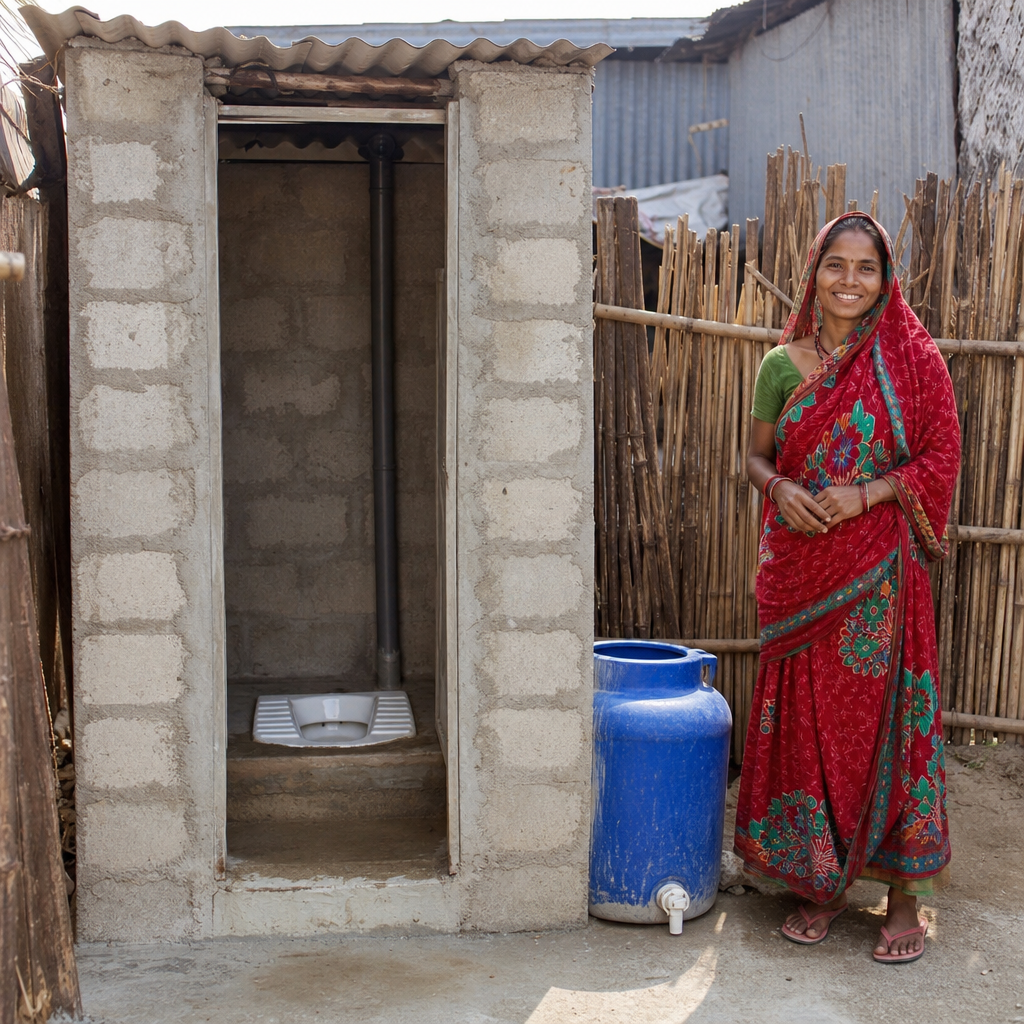
EcoSan, or ecological sanitation, refers to sanitation approaches that safely manage human waste as a resource rather than treating it only as a disposal problem. Typical models include urine-diverting dry toilets, composting toilets, arborloos, and decentralized treatment systems that support nutrient recovery, soil improvement, or water conservation. Economically sustainable sanitation means these systems deliver value at a cost households, communities, and local governments can sustain without repeated external rescue. In rural areas, this matters intensely because low population density, weak infrastructure, seasonal incomes, and long distances to service centers make conventional sewered models expensive and often impractical.
The economic stakes are high. Poor sanitation contributes to diarrheal disease, helminth infections, undernutrition, lost school days, reduced labor productivity, and health spending that strains rural households. The World Bank has repeatedly shown that inadequate sanitation creates national economic losses through medical costs, time loss, and environmental damage. At the same time, poorly designed subsidy programs can distort markets, while underfunded systems fail after a few years. A durable rural strategy therefore needs more than technology selection. It requires lifecycle costing, targeted finance, local enterprise development, behavior change support, and measurable service outcomes. This hub article maps the main economic strategies in EcoSan so readers can evaluate options, compare models, and identify where detailed subtopics deserve deeper planning.
Start with lifecycle economics, not construction cost
The first rule in rural sanitation economics is simple: compare options using lifecycle cost, not only capital expenditure. A low-cost pit may look attractive at installation, but if it fills quickly, collapses in the rainy season, contaminates shallow groundwater, or requires expensive rebuilding, its annualized cost can exceed that of a better-designed EcoSan system. Lifecycle analysis should include capital costs, operation and maintenance, consumables such as cover material, periodic emptying or vault switching, transport, treatment, safe reuse, and eventual rehabilitation or replacement. It should also include the value of household time. A system that demands daily water hauling or difficult sludge handling imposes a hidden labor cost, often on women and girls.
In field budgeting, I separate costs into household, service provider, and public costs. That distinction matters. A urine-diverting dry toilet may shift spending from water bills to ash, sawdust, or periodic emptying tools. A composting model may reduce fertilizer purchases if reuse is accepted and done safely. A twin-vault design can spread expenses because one chamber rests while the other is used, reducing urgent emptying needs. By contrast, septic systems in remote villages often appear familiar but become expensive when desludging trucks cannot reach homes or treatment sites are far away. Using net present value, equivalent annual cost, and sensitivity analysis gives a clearer picture than a one-time procurement quote.
Match the technology to the rural economic context
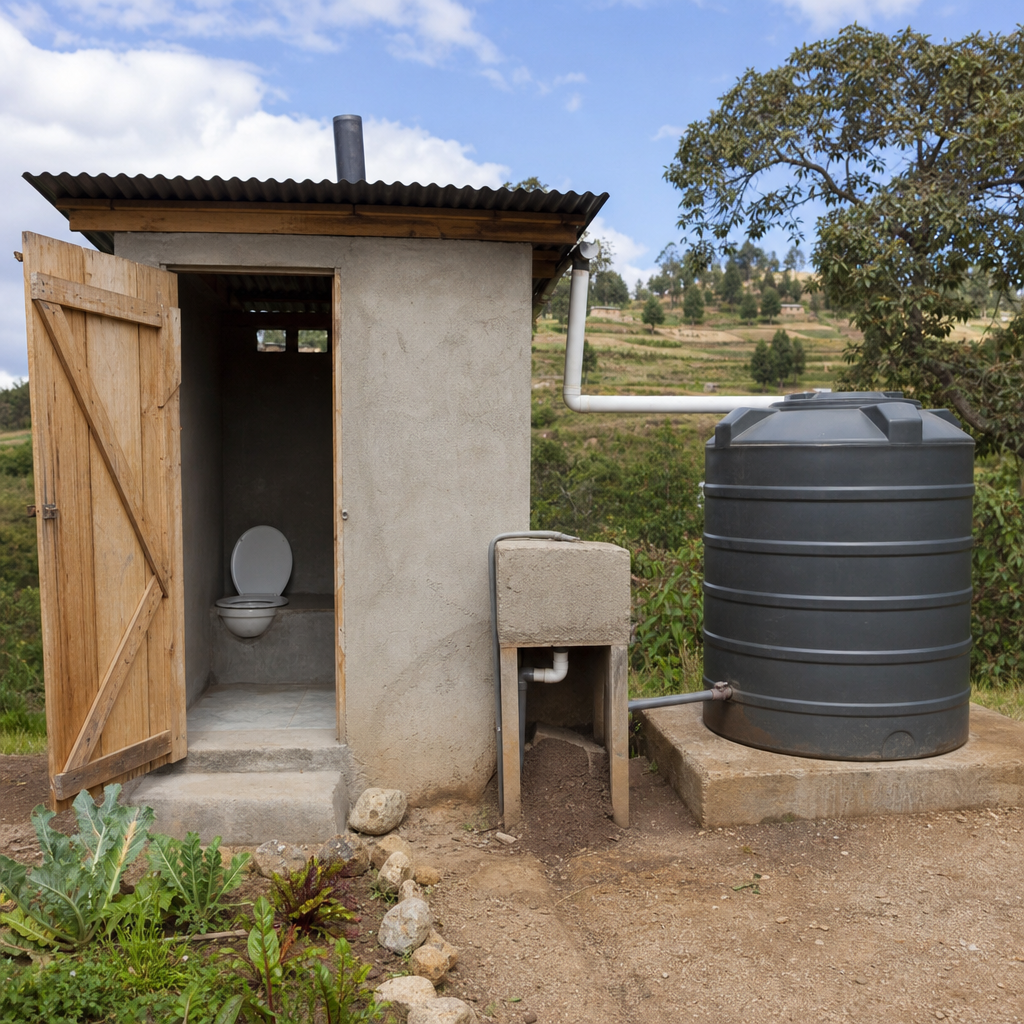
No sanitation technology is inherently economical everywhere. The right choice depends on hydrogeology, water availability, settlement pattern, land tenure, construction skills, agricultural demand for nutrients, and cultural acceptance. In water-scarce areas, dry or low-water EcoSan options can reduce recurring costs and increase resilience during drought. In flood-prone zones, raised toilets or sealed containers may cost more initially but prevent repeated losses from inundation. In places with rocky ground or high water tables, pit excavation is expensive and risky, making above-ground or urine-diverting designs more competitive.
Technology screening should ask practical economic questions. Can local masons build it using available materials? Are spare parts standardized? Can households manage operation without specialized tools? Is there a safe, accepted pathway for reuse or treatment? For example, urine-diverting dry toilets can work well where fertilizer prices are high and users are trained in storage and application. They often fail where diversion plates are poorly manufactured, anal cleansing practices are not accommodated, or users receive no follow-up support. Composting toilets can create soil amendments, but only if moisture balance, aeration, and pathogen reduction are managed correctly. The economic lesson is clear: a technically sound system becomes financially unsustainable if it does not fit local habits and service capacity.
Use smart finance: targeted subsidies, affordable credit, and blended funding
Rural sanitation markets rarely scale through household cash payments alone. Income is often seasonal, savings are thin, and sanitation competes with food, school fees, seeds, and medical costs. Effective financing therefore combines household contribution with well-designed public support. The most efficient subsidy is usually targeted, transparent, and linked to outcomes rather than blanket hardware giveaways. Poor households, people with disabilities, elderly residents, and remote communities may need higher support, while better-off households can often finance part or all of the investment if payment terms match their cash flow.
Microfinance, savings groups, rotating credit associations, and pay-in-installments models can help close the affordability gap. I have seen sanitation uptake improve when suppliers allowed staged construction: slab first, superstructure later, upgrade components after harvest income arrives. Results-based financing can also work, paying implementers when verified toilets remain functional and used after a defined period. For public agencies, blended finance is often strongest: local government funds behavior change and regulation, donors support market development or innovation, and households pay a meaningful share to strengthen ownership. The critical point is that financing should support the entire service chain, not just toilet construction. Underfunding maintenance and fecal sludge management creates a predictable future liability.
| Economic strategy | Best use case | Main advantage | Main risk |
|---|---|---|---|
| Targeted household subsidy | Lowest-income or vulnerable households | Improves equity and coverage quickly | Can distort demand if poorly targeted |
| Microcredit or savings groups | Households with irregular but real income | Spreads upfront cost over time | Repayment stress if products are overpriced |
| Results-based financing | Programs seeking verified service outcomes | Rewards durable performance | Needs reliable monitoring systems |
| Cross-subsidy from higher-income users | Mixed-income service areas | Supports inclusion without full grants | Limited in very poor communities |
| Public funding for treatment and transport | Dispersed rural settlements | Protects public health externalities | Fails if recurrent budgets are weak |
Build local sanitation markets and service chains
Economically sustainable sanitation in rural areas depends on functioning local markets. Households need access to trained masons, reliable components, emptying services, transport, and clear information on use and maintenance. Without this ecosystem, even subsidized programs decay once project staff leave. Market development starts with standard designs and quality control. Masons should be trained in dimensions, venting, slope, sealing, urine diversion details, and accessibility features. Suppliers need predictable demand for pans, vault covers, pipes, and containers. Local government can help by approving standard options, publishing price guidance, and discouraging unsafe low-quality construction.
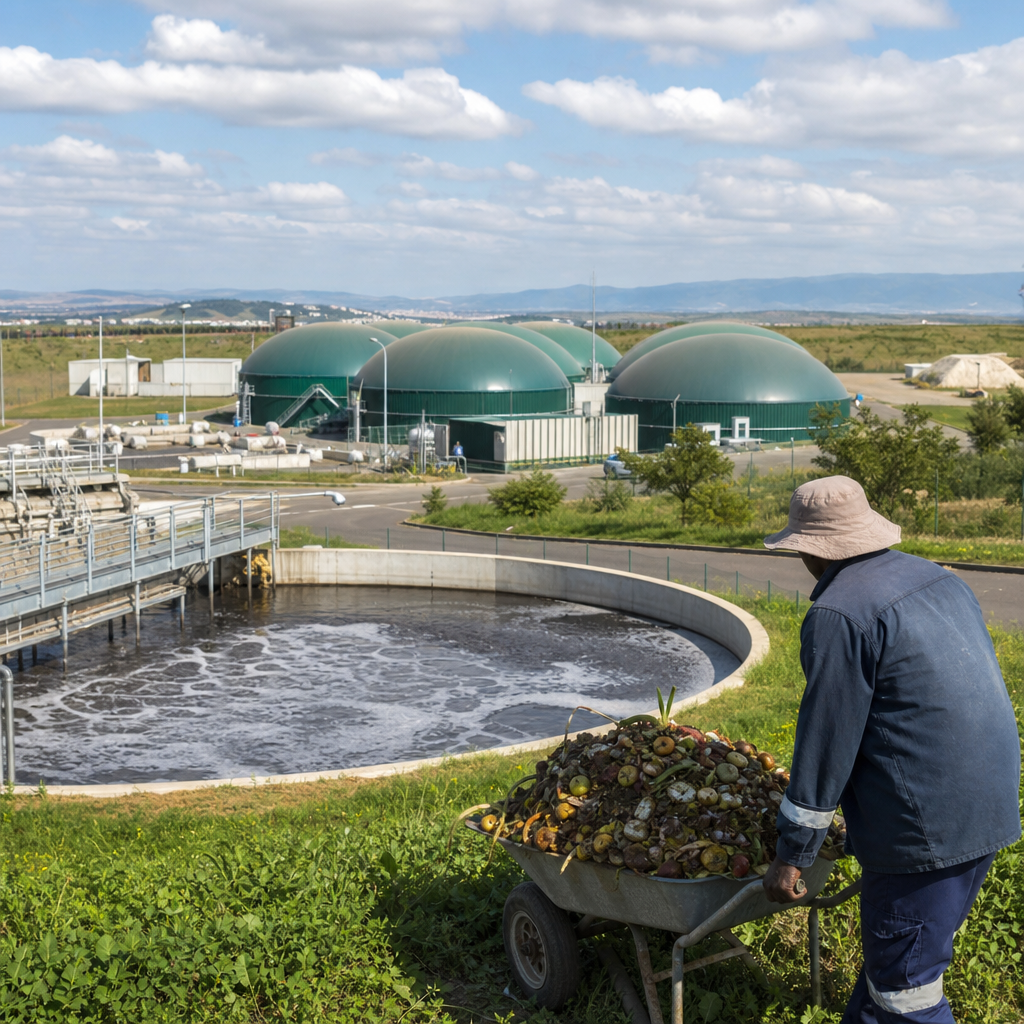
Service-chain businesses matter as much as construction. In many villages, the real bottleneck is not building a toilet but managing by-products safely and affordably. That may mean manual emptying tools designed for dry vaults, small-scale transport carts, transfer points, co-composting sites, or farmer linkages for treated outputs. Rural entrepreneurs can provide these services if volumes are sufficient and regulations are clear. Cluster approaches often work better than scattered isolated investments. When several neighboring communities share treatment or product aggregation, unit costs fall and operators can maintain regular service routes. Enterprise support should include bookkeeping, pricing, occupational safety, and customer communication, not just technical training.
Capture economic value from reuse, but price it realistically
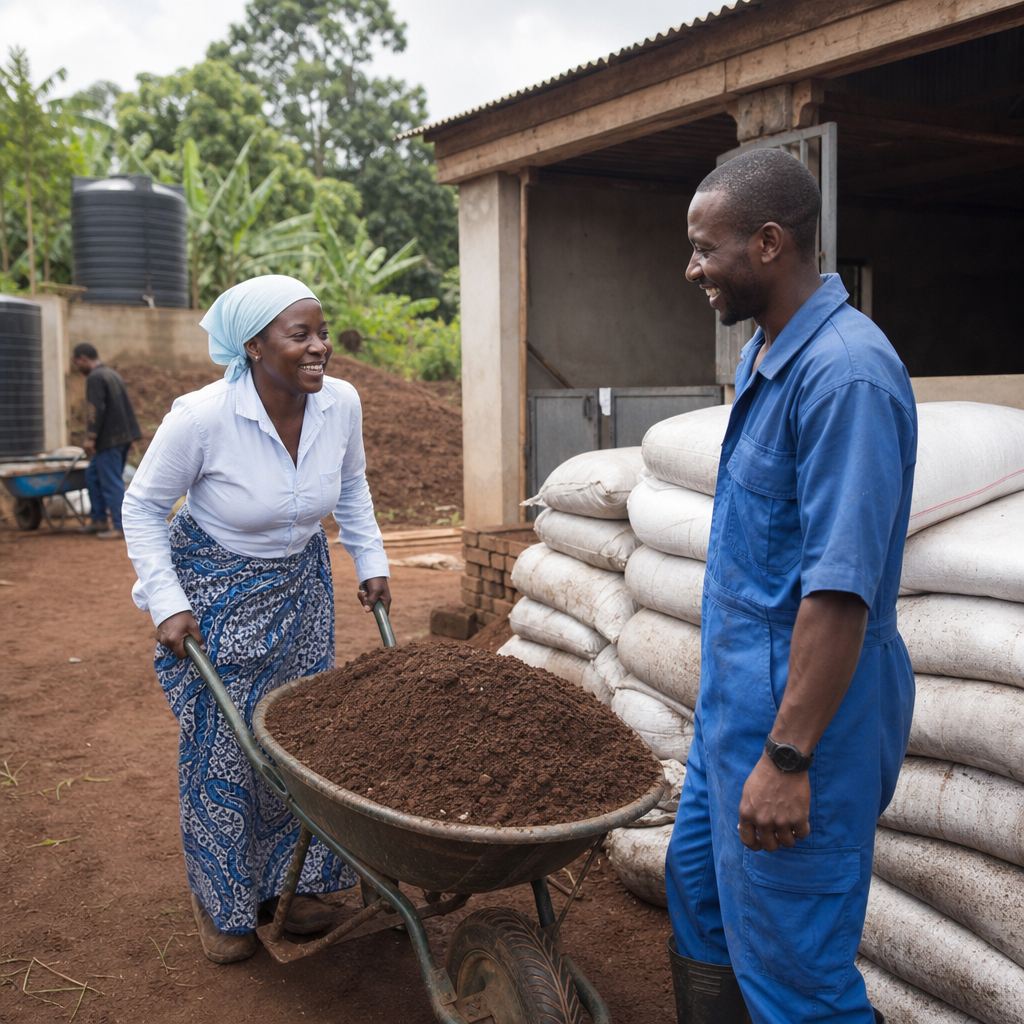
Resource recovery is a major promise of EcoSan, yet it should be valued conservatively. Urine contains plant-available nitrogen and some phosphorus and potassium. Properly treated fecal compost or dehydrated material can improve soil structure and organic matter. In areas where mineral fertilizer prices are rising, this can produce measurable savings. However, recovered products are not a financial miracle. Nutrient content varies, storage and handling have costs, transport can be expensive, and farmer acceptance depends on trust, crop type, and extension advice. Overstating revenue from reuse is one of the fastest ways to make a business case collapse.
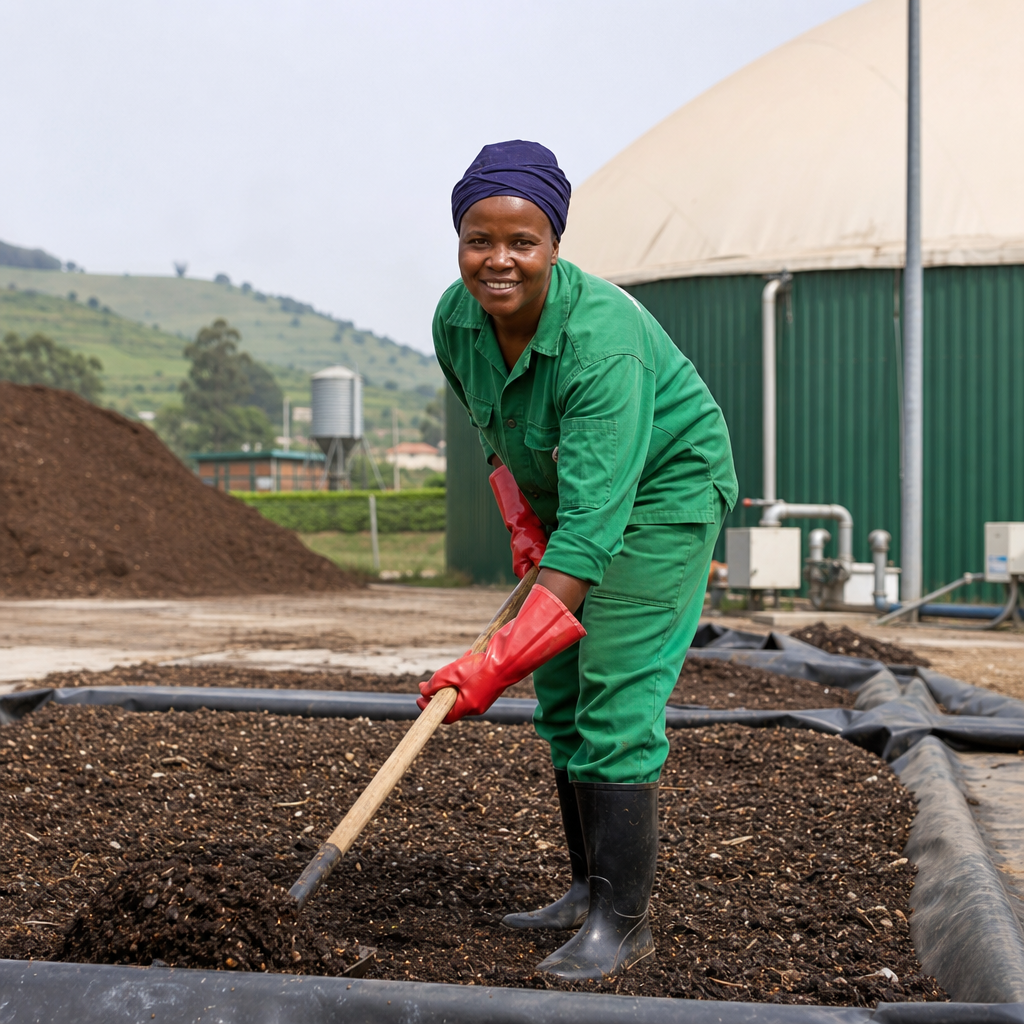
The stronger approach is to treat reuse as one revenue or savings stream within a broader sanitation economy. For a household, the value may appear as lower fertilizer purchases, improved garden yields, or avoided water use. For a community enterprise, income may come from service fees first and product sales second. Co-composting with crop residues or animal manure can improve product quality and marketability. Clear standards matter. The World Health Organization guidelines for safe use of wastewater, excreta, and greywater, along with national biosolids or compost rules where they exist, should guide treatment times, storage, crop restrictions, and worker protection. Safe reuse builds confidence; unsafe shortcuts destroy the market.
Reduce failure through governance, monitoring, and behavior support
The economics of sanitation are never only technical. Governance failures can erase good engineering. Rural systems need defined responsibilities for inspection, pit or vault management, treatment oversight, tariff setting, and support to poor households. Where these roles are vague, maintenance is deferred, contamination goes unnoticed, and assets fail early. A practical governance model assigns household duties clearly, creates local service agreements, and gives district authorities a monitoring role backed by realistic budgets. Community management can work for shared facilities, but only when cash handling, cleaning schedules, and enforcement are transparent.
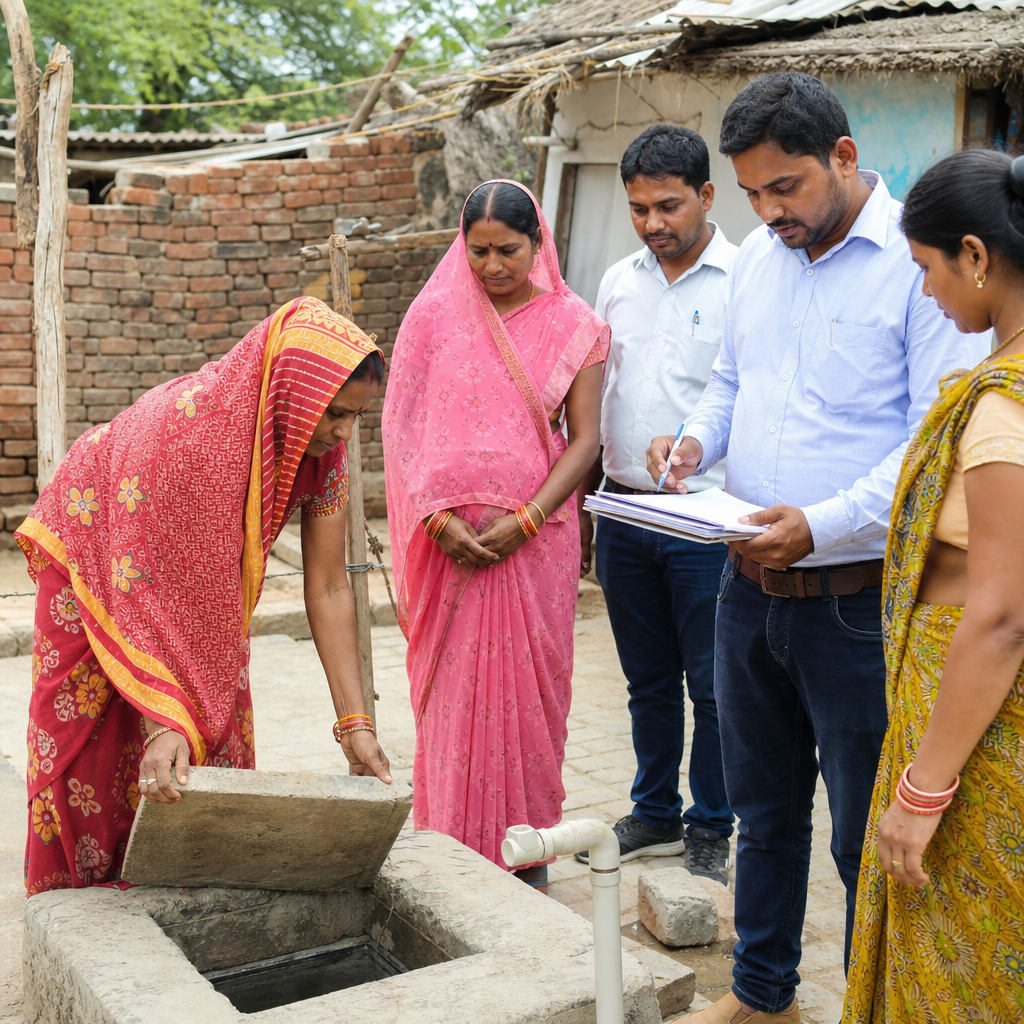
Behavior support is equally economic. Toilets that are built but not used generate no health return. Users need training on correct operation, cleaning, cover material, child feces disposal, handwashing, and safe handling of stored products. Follow-up visits during the first year are especially important for urine-diverting and composting systems because small mistakes can create odor, insect problems, or wet chambers that discourage continued use. Monitoring should track functionality, use, filling rates, repair frequency, and customer satisfaction, not just construction counts. I advise programs to budget for post-construction support from the start. Spending modestly on user coaching and early repairs is far cheaper than rebuilding abandoned facilities later.
Plan for equity, climate resilience, and long-term scale
A rural sanitation strategy is not economically sustainable if it excludes the poorest households, fails during floods or droughts, or depends indefinitely on donor-funded pilots. Equity must be designed into tariff policy, subsidy rules, and technical standards. Accessible designs for people with limited mobility often add modest cost but significantly improve usage and dignity. Climate resilience is also an economic decision. Strong foundations, raised plinths, flood protection, roofed drying areas, and resilient superstructures reduce future loss. In drought-prone regions, water-efficient designs cut both operating cost and vulnerability.
Scaling requires institutional learning. Programs should compare unit costs across technologies, document failure modes, and update standards based on evidence. Digital monitoring tools such as mWater, KoboToolbox, or government management information systems can help track functionality and expenditure over time. Procurement should favor maintainable designs over the lowest bid. District-level sanitation plans should link household systems with treatment capacity, agricultural extension, and environmental health oversight. The most successful rural EcoSan programs think in service terms: safe sanitation as an ongoing public-good outcome, not a one-off construction campaign.
Economically sustainable sanitation in rural areas is achieved when technology, finance, markets, governance, and user practice are designed as one system. The best economic strategies in EcoSan start with lifecycle costing, choose technologies that fit local conditions, use targeted finance, strengthen local enterprises, value reuse carefully, and invest in monitoring and behavior support. This approach lowers long-term cost, protects health, and increases the odds that sanitation services still function years after installation.
As a hub for the economic aspects of EcoSan, this article points to the questions every detailed subtopic should answer: who pays, who maintains, what risks drive failure, where value is created, and how performance is verified over time. If you are planning a rural sanitation program, start by mapping the full service chain and costing it honestly. Then choose the financing and governance model that your community can actually sustain. That is how rural sanitation becomes both ecological and economically durable.
Frequently Asked Questions
1. What does “economically sustainable sanitation” mean in rural areas?
Economically sustainable sanitation in rural areas means much more than installing the cheapest toilet available. It refers to sanitation systems that continue to protect public health and the environment while remaining affordable to build, use, maintain, repair, empty, transport, treat, and eventually replace over the long term. In rural settings, this is especially important because households often face irregular incomes, local governments may have limited budgets, spare parts can be difficult to access, and formal service providers may not operate consistently across dispersed communities.
In practice, economic sustainability depends on evaluating the full sanitation service chain rather than focusing only on initial construction costs. A latrine or toilet may appear low-cost at first, but if pits fill too quickly, if emptying services are unavailable, if repairs require imported materials, or if treatment and safe disposal are not planned, the true long-term cost becomes much higher. Systems that fail after a few years often force families or local authorities to spend again, making the original “cheap” option more expensive over time.
Truly sustainable sanitation balances several factors at once: affordability for users, realistic operation and maintenance requirements, manageable lifecycle costs, reliable local supply chains, institutional capacity, and user acceptance. It also considers whether the system can adapt as households grow, water availability changes, climate risks increase, or regulations evolve. The most successful rural sanitation programs usually succeed because they match technology choices to local realities, strengthen local management, and create financing and service arrangements that communities can sustain without permanent external support.
2. Why is it important to look beyond the upfront cost of a toilet?
Focusing only on the upfront price of a toilet is one of the most common mistakes in rural sanitation planning. While construction cost matters, it is only one part of the total financial picture. A sanitation system includes containment, possible pit emptying or sludge removal, transport, treatment, reuse or disposal, regular cleaning, replacement of worn components, and sometimes water or energy costs. If any of those later stages are ignored, the system may become unaffordable, unsafe, or unusable.
For example, a household may build a low-cost pit latrine with locally available materials, but if the pit fills quickly and there is no affordable way to empty it or safely relocate it, the family may abandon it and return to open defecation or construct another temporary facility. Similarly, a pour-flush toilet may be desirable, but if it depends on unreliable water access or expensive septic tank maintenance, the burden can exceed what households can consistently pay. In both cases, the initial investment does not translate into durable sanitation service.
Looking beyond upfront cost encourages decision-makers to use lifecycle costing. This means estimating not only construction expenses, but also annual maintenance, periodic repairs, eventual replacement, and the costs of service delivery across the full chain. It also means asking practical questions: Who will empty pits or tanks? How far is treatment? Are roads accessible in all seasons? Can local masons repair the structure? Are users willing and able to pay for future services? These questions often reveal whether a technology is truly affordable over ten or twenty years, not just on the day it is built.
Programs that take this broader view tend to produce better long-term results. They avoid stranded infrastructure, reduce recurring emergency costs, and support systems that communities can continue using safely without constant donor intervention. In economic terms, that is what makes sanitation durable: not the lowest initial price, but the best long-term value for households, service providers, and local government.
3. What strategies help make rural sanitation systems affordable over time?
Several practical strategies can improve the long-term affordability of sanitation in rural areas. First, technology selection should be based on local conditions rather than on a one-size-fits-all model. Soil type, water table depth, flood risk, household density, water availability, local construction skills, and cultural preferences all influence whether a system will remain affordable and functional. A well-designed improved pit latrine, twin-pit system, composting option, or septic-based approach may each be appropriate in different contexts, but only if matched carefully to actual needs and constraints.
Second, designs should prioritize simplicity, durability, and repairability. Rural sanitation systems tend to perform better economically when they use materials that are locally available, can be repaired by trained local workers, and do not depend on expensive imported parts. Standardized designs can also lower costs by making construction easier to replicate and repairs easier to organize. When households know where to buy parts and whom to call for maintenance, systems are far less likely to fail due to small, unresolved problems.
Third, building the local sanitation market is essential. Sustainable sanitation is not just about infrastructure; it is also about the ecosystem of suppliers, masons, pit emptiers, transport operators, treatment operators, and local entrepreneurs who support service delivery. Programs often become more economically sustainable when they help train local businesses, improve access to sanitation materials, support demand creation, and encourage service models that can continue after project funding ends. A functioning local market reduces delays, lowers transaction costs, and increases the chance that households will maintain and upgrade facilities over time.
Fourth, financing mechanisms should reflect how rural households actually manage money. Many families can afford sanitation gradually but struggle with large lump-sum payments. Savings groups, rotating credit, microfinance, installment plans, targeted subsidies for the poorest households, and results-based support can help bridge this gap. The key is to use financing in a way that expands access without undermining local ownership or distorting the market.
Finally, affordability over time depends on governance and service planning. Local institutions need clear roles for monitoring, regulation, support to vulnerable households, and management of sludge or waste treatment where relevant. Even the best-designed toilet can become economically unsustainable if no one is responsible for what happens after the pit or tank fills. Long-term affordability is strongest when technology, finance, service delivery, and governance are planned together rather than separately.
4. How do financing, subsidies, and local governance affect economic sustainability?
Financing, subsidies, and governance are central to whether rural sanitation systems last. Households are often expected to carry a large share of sanitation costs, but in many rural areas incomes are seasonal, cash flow is unpredictable, and the poorest families face major barriers even when they understand the health benefits. If financing options are poorly designed, adoption remains low, or households choose inferior systems that break down quickly. If subsidies are poorly targeted, they can weaken local markets, create dependency, or encourage construction without long-term maintenance planning.
Well-designed financing mechanisms help households spread costs over time and invest in sanitation that is durable enough to remain cost-effective. This may include village savings groups, mobile payment plans, community loan funds, microcredit for sanitation improvements, or partial public support for specific stages of the service chain. Financing can also support sanitation businesses by helping them purchase equipment, expand transport services, or develop treatment capacity. In many cases, the economic sustainability of sanitation improves when both households and service providers have access to appropriate financial tools.
Subsidies can play a positive role when they are targeted, transparent, and linked to clear public objectives. For example, support may be justified for low-income households, people with disabilities, remote communities with unusually high transport costs, or treatment infrastructure that provides broad environmental and public health benefits. The strongest subsidy models usually avoid blanket giveaways and instead focus on enabling access while preserving household choice, accountability, and market participation. A subsidy should make safe sanitation possible, not replace the need for a functioning service system.
Governance is the framework that holds all of this together. Local government, community institutions, and service providers need clear responsibilities for planning, quality control, regulation, data collection, and enforcement of environmental and public health standards. Economic sustainability weakens when no one tracks whether toilets remain functional, whether pits are emptied safely, or whether waste reaches proper treatment or disposal. Strong governance improves cost recovery, helps coordinate public and private actors, and reduces the risk that infrastructure will be abandoned after the first phase of implementation.
In short, financing makes investment possible, subsidies can improve equity when used carefully, and governance ensures the system continues to function. Rural sanitation programs become economically sustainable when these three elements reinforce one another rather than operate in isolation.
5. How can communities ensure sanitation systems remain effective, maintainable, and valuable in the long run?
Long-term success depends on community ownership, user behavior, and realistic maintenance arrangements as much as on engineering design. A sanitation system remains valuable only when people use it consistently, care for it properly, understand when service is needed, and trust that support is available when problems arise. In rural areas, this often means combining household responsibility with community-level planning and local institutional support.
One of the most effective steps is involving users early in technology selection and design. When households understand the tradeoffs between different options, they are more likely to choose systems they can afford and maintain. This also improves acceptance of issues that directly affect long-term cost, such as pit size, water requirements, location, emptying access, and the use of locally available construction materials. Community engagement should not be treated as a formality; it is often the difference between a toilet that is installed and one that is actually sustained.
Routine operation and maintenance must also be normalized. Households