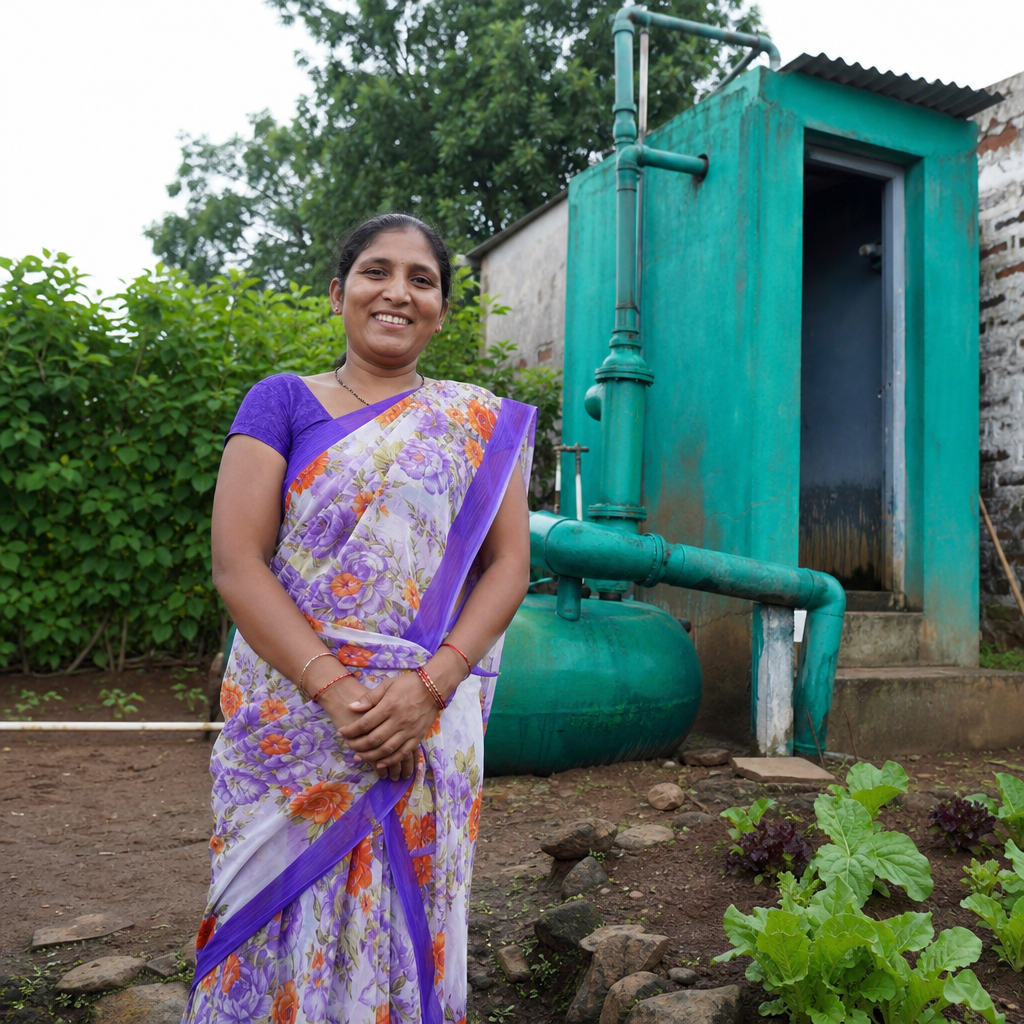
Sustainable sanitation depends on one practical question: who pays, who benefits, and how quickly the value becomes visible. In work on sanitation planning and resource recovery projects, I have seen technically sound systems stall because financing was vague, while simpler designs moved ahead because the economic incentives were clear to households, utilities, municipalities, and investors. Exploring economic incentives for sustainable sanitation practices means examining the cash flows, avoided costs, public benefits, and investment structures that make ecological sanitation, or EcoSan, viable at scale.
EcoSan refers to sanitation systems designed to safely manage human waste while recovering resources such as nutrients, water, energy, and organic matter. Instead of treating wastewater and excreta only as waste streams, EcoSan treats them as inputs for agriculture, landscaping, soil restoration, and in some cases biogas production. Financing and investing in EcoSan covers household spending, microfinance, public subsidies, blended finance, utility tariffs, development finance, carbon-linked revenues, and private capital for treatment, collection, and reuse infrastructure. This matters because sanitation is both a public health service and an economic system. According to WHO and UNICEF Joint Monitoring Programme reporting, billions of people still lack safely managed sanitation, and the cost of inadequate sanitation includes disease burden, lost productivity, environmental damage, and water contamination. A well-financed EcoSan model can reduce those losses while creating saleable outputs.
The central economic challenge is that benefits are distributed unevenly across time and stakeholders. A household pays upfront for a toilet or septic upgrade, but public health gains accrue to the wider community. A city may fund fecal sludge treatment, while farmers capture value from compost or nutrient products. Investors often want predictable revenue, but sanitation markets can be fragmented and politically sensitive. Because of that mismatch, successful financing and investing in EcoSan usually combines multiple incentives rather than relying on a single business model. Understanding those incentives helps governments design better policies, helps project developers build bankable cases, and helps communities choose systems they can maintain over years rather than months.
The economic logic behind EcoSan investment
The strongest case for financing and investing in EcoSan is that sanitation creates both direct and indirect economic returns. Direct returns include user fees, service contracts, sale of compost, struvite, treated effluent, biogas, or carbon-related credits where methodologies allow. Indirect returns include lower healthcare expenditures, fewer days lost to illness, reduced groundwater remediation costs, lower fertilizer imports, improved land values, and resilience against water scarcity. In feasibility reviews, I always separate these into cash revenues and economic benefits. That distinction matters because many sanitation projects are economically justified long before they are fully commercially profitable.
Cost-benefit analysis is the standard starting point. For public agencies, the benchmark is not whether every toilet pays back like a venture investment, but whether the intervention produces greater social value than the status quo. The World Bank and regional development banks regularly use avoided disease costs, time savings, and environmental benefits in appraisal. For private operators, the focus shifts to unit economics: customer acquisition cost, collection cost per household, treatment cost per cubic meter or ton, recovery yield, and gross margin on outputs. EcoSan becomes investable when these metrics are measured carefully and linked to realistic demand.
Time horizon also changes the picture. Conventional sanitation often appears cheaper because it externalizes water use, nutrient loss, and downstream pollution. EcoSan can require more planning, behavior change, and market development, yet over ten to twenty years it may lower lifecycle costs. Urine-diverting dry toilets, container-based sanitation, decentralized treatment with reuse, and co-composting systems often perform best when compared on total cost of service, not just installation price. That is why financiers increasingly ask for lifecycle costing, asset management plans, and operations funding commitments before approving capital.
Where the money comes from: key financing channels
Financing and investing in EcoSan rarely follows one path. Household savings remain important for onsite systems, but they are insufficient for inclusive scale. Microfinance institutions have supported sanitation loans in markets such as India, Cambodia, and Kenya, often with repayment tenors aligned to household cash flow. Results improve when loan products cover not just toilet construction but the full service chain, including containment, emptying, and upgrades for reuse components. Small loans work well for household adoption, yet they do not solve treatment and transport infrastructure needs.
Public finance remains foundational because sanitation has clear public-good characteristics. Municipal budgets, national transfers, and utility capital plans fund trunk infrastructure, treatment facilities, sludge management sites, and behavior change programs. Smart subsidies are especially effective when targeted to first-time access, low-income users, or services with high external benefits. In practice, I have seen output-based aid perform better than untargeted capital grants because disbursement is linked to verified connections, functioning toilets, or safely treated volumes. This reduces the risk of building assets that are never used properly.
Development finance and blended finance fill the gap between public need and private risk appetite. Concessional debt, guarantees, first-loss capital, and technical assistance can make decentralized reuse projects bankable. Philanthropic grants often fund early-stage market development, pilot validation, or farmer outreach, while commercial lenders step in only after revenue patterns stabilize. For larger projects, green bonds or sustainability-linked loans may support water reuse and nutrient recovery infrastructure, provided issuers can document environmental performance. The financing stack matters as much as the technology choice.
| Financing channel | Best fit in EcoSan | Main advantage | Main limitation |
|---|---|---|---|
| Household savings and loans | Toilets, onsite containment, minor upgrades | Fast adoption where demand already exists | Excludes the poorest households |
| Municipal and national budgets | Treatment, sludge management, public facilities | Matches public health mandate | Subject to political budget cycles |
| Microfinance | Household sanitation and small enterprises | Aligns repayment with monthly income | Needs strong borrower education |
| Blended finance | Decentralized reuse and scale-up projects | Reduces investor risk | Structuring can be complex |
| Impact investment | Service companies and recovery businesses | Supports innovation and growth capital | Still expects measurable returns |
Revenue models that turn sanitation into an investable service
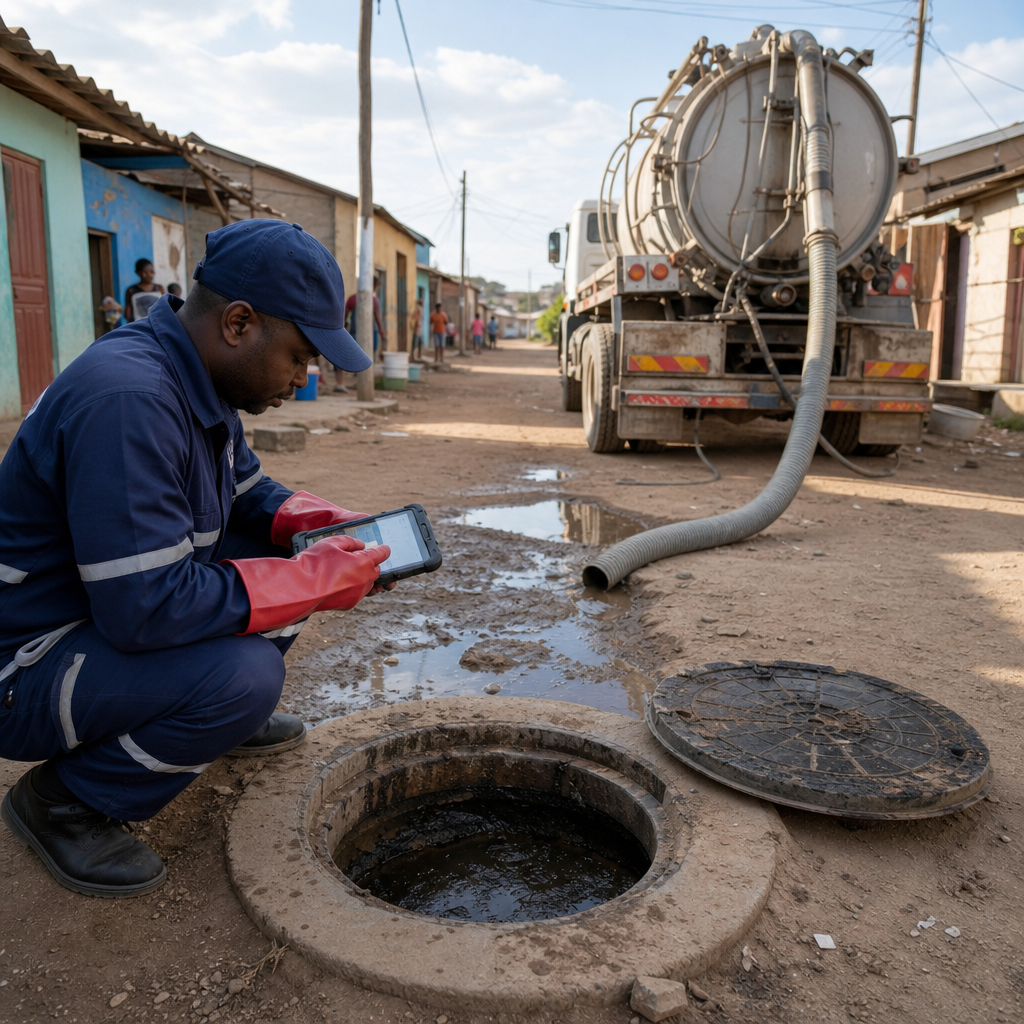
A credible EcoSan investment case needs defined revenue streams. The most stable model is usually service-based revenue rather than product-based revenue alone. Households and institutions can pay subscription fees for toilet access, collection, emptying, transport, and treatment. Container-based sanitation companies have demonstrated that recurring service payments are easier to forecast than one-time hardware sales. In dense settlements where sewer expansion is prohibitively expensive, scheduled collection with centralized treatment can offer better revenue visibility and lower capital intensity.
Resource recovery adds upside but should not carry the full business case unless demand is proven. Compost from fecal sludge and organic waste co-processing can generate income, yet quality assurance, pathogen reduction, moisture control, and farmer acceptance are decisive. Nutrient recovery products such as struvite have strong agronomic value, but production economics depend on scale, influent composition, and market channels. Treated wastewater can support irrigation, industrial reuse, or landscaping, particularly in water-stressed regions. Biogas revenue is possible where feedstock volumes are sufficient and gas handling is reliable. In every case, offtake agreements matter more than theoretical yield.
Cross-subsidization is another important mechanism. Utilities can use commercial tariffs or industrial wastewater fees to support services for low-income residential areas. Municipalities can earmark property taxes, tourism fees, or environmental levies for sanitation improvements where clean waterways and public spaces benefit the broader economy. The lesson from successful projects is straightforward: sanitation revenues become investable when they are aggregated, contractual, and tied to essential service delivery rather than speculative product sales.
How incentives shape household, municipal, and investor behavior
Economic incentives work only when they match decision-making realities. Households respond to affordability, convenience, privacy, status, and reliability more than abstract environmental messaging. A subsidy for a urine-diverting toilet may fail if maintenance feels complicated, while a slightly more expensive service with regular collection may succeed because it reduces hassle. That is why demand creation and financing design must be integrated. Payment plans, installment options, and targeted rebates often outperform blanket awareness campaigns.
Municipal incentives are different. City governments care about compliance, service coverage, flood risk, visible cleanliness, and operating budgets. If a treatment plant lowers pollution but creates a long-term maintenance burden with no dedicated revenue, municipal commitment weakens after inauguration. Performance-based transfers can help by rewarding safely managed sanitation outcomes rather than construction alone. In some countries, utilities or municipalities receive funds only after independent verification of treated volumes, service continuity, or reuse standards. This changes incentives from asset building to service delivery.
Investors and lenders require predictability, governance, and risk allocation. They look for clear customer segments, realistic tariffs, collection efficiency, enforceable contracts, and management capability. In my experience, sanitation founders often underestimate the importance of procurement terms, balance sheet structure, and working capital. An investor can tolerate moderate technology risk, but not vague cash collection. The strongest EcoSan proposals therefore include conservative demand assumptions, sensitivity analysis, maintenance budgets, and contingency plans for slower-than-expected market uptake.
Risk, regulation, and the standards that support bankability
No discussion of financing and investing in EcoSan is complete without regulation. Sanitation systems handling human waste face obvious health and environmental risks, and investors will not commit if legal pathways are unclear. Standards for fecal sludge treatment, biosolids use, wastewater discharge, occupational safety, and product certification determine whether recovered outputs can be sold at scale. ISO 30500 for non-sewered sanitation systems, the WHO Guidelines on Sanitation and Health, and national standards for compost, effluent reuse, and sludge handling all influence project design and cost.
Risk categories usually include technology risk, operational risk, demand risk, policy risk, and reputational risk. Technology risk is manageable when systems have reference installations and trained operators. Operational risk falls when service chains are mapped in full, from user interface to transport and treatment. Demand risk declines when there are pre-signed offtake agreements for compost or treated water, or when households are under enforceable service contracts. Policy risk is harder; tariff freezes, weak enforcement, or land tenure uncertainty can undermine returns. Reputational risk matters because any safety failure can damage the entire market for recovered products.
Bankability improves when projects adopt rigorous monitoring. Investors want pathogen reduction data, nutrient content analysis, uptime records, customer retention figures, and audited accounts. They also want evidence that operators can manage odor complaints, vector control, and worker safety. Transparent reporting does more than satisfy lenders; it strengthens trust with regulators and end users, which is often the decisive factor in scaling EcoSan beyond pilots.
What successful EcoSan financing looks like in practice
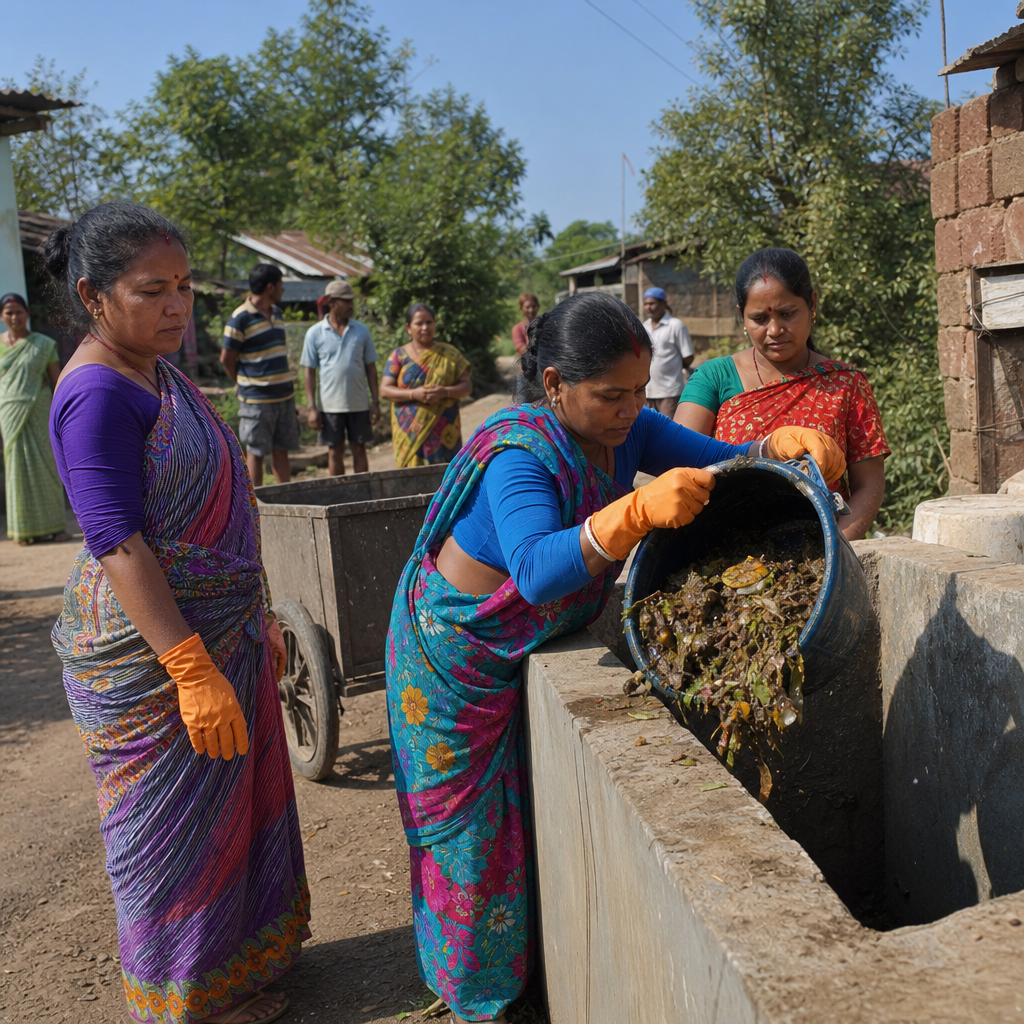
Real-world success usually comes from combining public support with disciplined operations and market-tested reuse. In Rwanda and Kenya, container-based sanitation enterprises have shown that dense urban areas can support fee-based collection services when routes are optimized and customer service is strong. In parts of India, fecal sludge treatment plants linked to scheduled desludging programs have improved treatment volumes because municipalities paired infrastructure spending with service mandates and operator contracts. In West Africa, co-composting initiatives have found traction where city organic waste streams are blended with sludge and sold into commercial agriculture, but only after sustained work on product standards and farmer confidence.
Water-scarce regions provide another clear example. Decentralized wastewater reuse for landscaping, peri-urban irrigation, or industrial cooling can justify higher capital outlays because freshwater savings are immediate and measurable. The economics strengthen further where fertilizer prices are volatile and nutrient recovery can offset import dependence. However, not every project should pursue every recovery pathway. I have seen better outcomes when developers choose one primary revenue engine, such as service fees, and treat recovered products as secondary income until markets mature.
The main lesson for this hub topic is simple: financing and investing in EcoSan succeeds when incentives are aligned across the full sanitation value chain. Capital must be matched to asset life, subsidies must target public benefits, tariffs must reflect service reality, and reuse markets must be validated before they are promised to investors. If you are building strategy under the Economic Aspects pillar, use this page as the foundation for deeper work on tariffs, blended finance, subsidy design, carbon opportunities, municipal procurement, and resource recovery business models. Strong sanitation finance is not just about funding toilets. It is about creating durable, safe, revenue-aware systems that turn sanitation from a neglected cost center into an investable public service.
Frequently Asked Questions
Why are economic incentives so important in sustainable sanitation projects?
Economic incentives matter because sanitation systems do not succeed on technical performance alone. In practice, every stakeholder asks a slightly different version of the same question: what will this cost me, what value will I get back, and when will I see that value? Households may care most about monthly affordability, time savings, safety, and convenience. Utilities often focus on operating costs, tariff recovery, network performance, and compliance obligations. Municipalities tend to look at public health savings, environmental protection, service coverage, and political feasibility. Private investors usually want predictable revenue, manageable risk, and a credible path to returns.
When those incentives are aligned, projects move forward faster. For example, a sanitation system that lowers desludging costs, reduces water use, creates a reusable product such as compost or biogas, and avoids expensive environmental penalties can become much easier to justify. On the other hand, even a technically advanced system can stall if nobody can clearly explain who pays the upfront capital costs or how benefits are shared over time. The strongest sanitation business cases usually combine direct cash flows, such as user fees or resource sales, with avoided costs, such as lower healthcare spending, reduced treatment expenses, or less pollution cleanup. That is why economic incentives are not a side issue in sustainable sanitation. They are often the difference between an idea that looks good in a report and a service model that actually gets built, used, and maintained.
What kinds of economic incentives can encourage households to adopt sustainable sanitation practices?
Household adoption improves when incentives are simple, visible, and relevant to daily life. The most obvious incentive is lower total cost over time. A toilet or sanitation service may be more attractive if it reduces water bills, cuts spending on emergency pit emptying, lowers maintenance needs, or spreads payments into affordable monthly amounts instead of requiring a large upfront investment. Financing tools such as microloans, pay-as-you-go service plans, targeted subsidies, or installment payments can make adoption much more realistic for low- and middle-income households.
But households respond to more than just direct price. Time savings can be a major economic benefit, especially where people currently travel long distances to use shared facilities or spend time arranging informal waste removal. Health-related savings also matter. Fewer illnesses can mean lower medical costs, fewer missed workdays, and less disruption to children’s education. In many settings, safety, privacy, dignity, and convenience are powerful decision drivers that reinforce economic value, even if they are not always captured in a formal financial model.
Well-designed incentive programs often work best when they reduce uncertainty. A household is more likely to invest if it trusts that the system will be serviced reliably, if fees are transparent, and if the benefits are easy to understand. Some programs also use performance-based rewards, such as rebates for verified installation, discounts for regular maintenance, or community-level incentives tied to improved sanitation outcomes. The central point is that adoption rises when the value proposition is immediate and practical, not abstract. Households need to see that sustainable sanitation is not just environmentally responsible, but also affordable, dependable, and worthwhile in everyday life.
How do municipalities and utilities evaluate the financial value of sustainable sanitation systems?
Municipalities and utilities typically evaluate sustainable sanitation through a broader lens than a single construction budget. They look at capital expenditure, operating and maintenance costs, service reliability, regulatory compliance, public health outcomes, environmental impacts, and long-term asset performance. A lower-cost system at installation may not be the best choice if it is expensive to maintain, difficult to service, or likely to fail under local operating conditions. Likewise, a system with a higher upfront cost may be financially smarter if it reduces sludge management expenses, extends infrastructure life, improves treatment efficiency, or supports resource recovery.
One important concept is avoided cost. Sustainable sanitation can reduce the need for expensive sewer expansion, lower the burden on treatment plants, decrease contamination of water bodies, and limit disease outbreaks that strain public budgets. These savings are sometimes less visible than direct revenue, but they are often decisive in public-sector planning. Utilities may also consider whether a system improves cost recovery through better billing structures, stronger customer retention, or lower non-revenue losses in associated services such as water supply and fecal sludge management.
Municipal decision-makers also pay close attention to scalability and risk. They want to know whether a model can be replicated across neighborhoods, whether service levels can be monitored, and whether responsibilities for operation are clearly assigned. In stronger project appraisals, financial analysis is combined with economic analysis. Financial analysis asks whether the operator can sustain the service. Economic analysis asks whether society benefits overall through cleaner environments, healthier communities, and more resilient urban systems. The most successful sanitation strategies are usually the ones that can demonstrate both.
Can resource recovery from sanitation really create meaningful revenue?
Yes, but usually with an important caveat: resource recovery can strengthen project economics, yet it rarely rescues a weak service model on its own. Products such as compost, soil conditioner, treated wastewater, biogas, electricity, black soldier fly larvae, or recovered nutrients can generate revenue or offset costs, but results depend heavily on local markets, regulation, quality control, logistics, and customer trust. A technically feasible recovery product is not automatically a commercially viable one.
For resource recovery to create meaningful value, the entire chain has to work. Feedstock must be collected reliably. Processing must produce a safe, consistent product. End users must be willing to pay, and there must be practical distribution channels. In agriculture, for instance, compost or nutrient products may be attractive where farmers face high fertilizer prices, degraded soils, or water stress. Biogas can be valuable where energy costs are high and there is demand for thermal energy or electricity. Reuse of treated water can make economic sense where freshwater is scarce or expensive.
That said, the best analyses treat resource recovery as one component of a diversified value proposition. Revenue from recovered products may be seasonal, price-sensitive, or limited during early market development. The stronger economic case often comes from combining product sales with service fees, avoided disposal costs, reduced environmental liabilities, and public benefits. In other words, resource recovery can be highly useful, but it should be grounded in realistic market assessment rather than optimistic assumptions. Sustainable sanitation becomes much more bankable when recovery revenues are viewed as credible upside within a sound service and financing structure.
What financing approaches make sustainable sanitation projects more likely to succeed?
Successful financing approaches match the type of sanitation system, the local income context, and the distribution of benefits across stakeholders. There is rarely a one-size-fits-all funding model. In many cases, blended finance works best, combining public funding, user contributions, concessional capital, commercial investment, and targeted subsidies. Public finance is often essential for benefits that are socially important but not easily monetized by a single operator, such as disease prevention, environmental protection, and service access for low-income communities. Private or commercial finance can play a larger role when revenue streams are predictable, contracts are clear, and operational risks are manageable.
At the household level, affordability mechanisms are critical. These may include connection subsidies, sanitation vouchers, microfinance, results-based financing, or lease-to-own models for toilets and containment systems. At the service-provider level, working capital and asset finance can help operators invest in trucks, treatment units, digital monitoring, or processing equipment. For municipalities, capital grants or development loans may be appropriate for trunk infrastructure, treatment facilities, or enabling systems such as transfer stations and monitoring platforms.
One of the most effective approaches is to separate who benefits from who initially pays. If a municipality gains from cleaner waterways and lower health burdens, it may justify co-financing services that households alone could not afford. If utilities save money through lower treatment loads or better sludge management, tariff design or inter-agency cost sharing may support investment. If investors are involved, they generally need transparent cash flow projections, realistic demand estimates, and risk mitigation through guarantees, phased deployment, or performance-based contracts. The projects most likely to succeed are the ones that do not rely on vague optimism. They clearly map revenue sources, subsidies, avoided costs, and responsibilities from the start, making the economic incentives visible to everyone involved.