The role of NGOs in funding sanitation projects is central to understanding EcoSan economics because finance determines whether ecological sanitation moves from pilot ideas to durable public infrastructure. EcoSan, short for ecological sanitation, treats human waste as a resource stream rather than a disposal problem. In practice, that can include urine diversion, composting toilets, fecal sludge treatment, nutrient recovery, biogas generation, and safe reuse of water or biosolids in agriculture. NGOs, or nongovernmental organizations, often sit between communities, governments, utilities, donors, and private suppliers, translating sanitation needs into investable projects. I have seen this directly in project budgeting sessions where a technically sound toilet design failed until an NGO reworked the financing model, staged the rollout, and secured blended support for training, maintenance, and behavior change.
This matters because sanitation economics is rarely just about construction cost. A pit latrine, urine-diverting dry toilet, or container-based sanitation service has a lifecycle cost that includes land, transport, treatment, replacement parts, operator wages, user education, and compliance monitoring. The World Health Organization has repeatedly linked sanitation investment to lower disease burden, while the World Bank has documented that poor sanitation reduces productivity, increases health spending, and weakens educational outcomes. Yet many sanitation markets do not function like normal consumer markets. Households may value convenience, privacy, and safety, but they often cannot pay full upfront costs. Municipalities may be legally responsible for service delivery but lack fiscal space. That gap is where NGOs become economically important, not simply charitable.
As a hub article on understanding EcoSan economics, this page explains how NGOs fund projects, why their role goes beyond grants, and where the limits of NGO finance begin. It also frames the cost structures, revenue pathways, risk factors, and policy conditions that shape ecological sanitation outcomes. A strong sanitation program is not the cheapest toilet installed in year one; it is the service model that remains safe, affordable, and operational in year ten. NGOs help make that possible when they align capital subsidies, local ownership, technical standards, and long-term operating finance. The sections below map that economic logic clearly so readers can evaluate EcoSan projects as systems rather than one-off builds.
Why sanitation finance is different in EcoSan projects
EcoSan economics starts with a simple fact: sanitation creates both private and public value. A household may benefit from dignity and convenience, but the community also benefits from reduced pathogen exposure, lower groundwater contamination, and improved environmental quality. Because some benefits are public and diffuse, markets tend to underinvest without external support. That is true for sewerage and for decentralized systems, but EcoSan adds another layer. Resource recovery can create value through compost, energy, irrigation water, or recovered nutrients, yet those revenues are often uncertain, seasonal, or too small at first to carry the full service cost. NGOs understand this mismatch and frequently structure financing to bridge early deficits while systems mature.
In the field, I have found that the biggest misunderstanding is assuming reuse revenue will pay for everything. It rarely does. For example, compost sales from a urine-diverting system can offset treatment costs, but only if quality control, storage, transport logistics, and farmer acceptance are all in place. Biogas digesters can save fuel expenses for institutions, but feedstock consistency and maintenance discipline matter more than optimistic feasibility spreadsheets. That is why sound EcoSan financial analysis separates capital expenditure, operating expenditure, and cost recovery pathways. NGOs often bring this discipline by requiring demand assessments, willingness-to-pay studies, and operations plans before releasing funds.
Another difference is that EcoSan projects usually depend on behavior. A flush toilet connected to a sewer asks one kind of user action; a composting toilet or source-separating system asks another. Incorrect use can raise operating costs and lower nutrient recovery value. NGOs therefore finance “software” as seriously as hardware: community engagement, user training, hygiene promotion, mason certification, and monitoring. Those budget lines are easy for inexperienced funders to cut, but in practice they protect the asset and improve repayment, tariff collection, and adoption rates.
How NGOs fund sanitation projects across the lifecycle
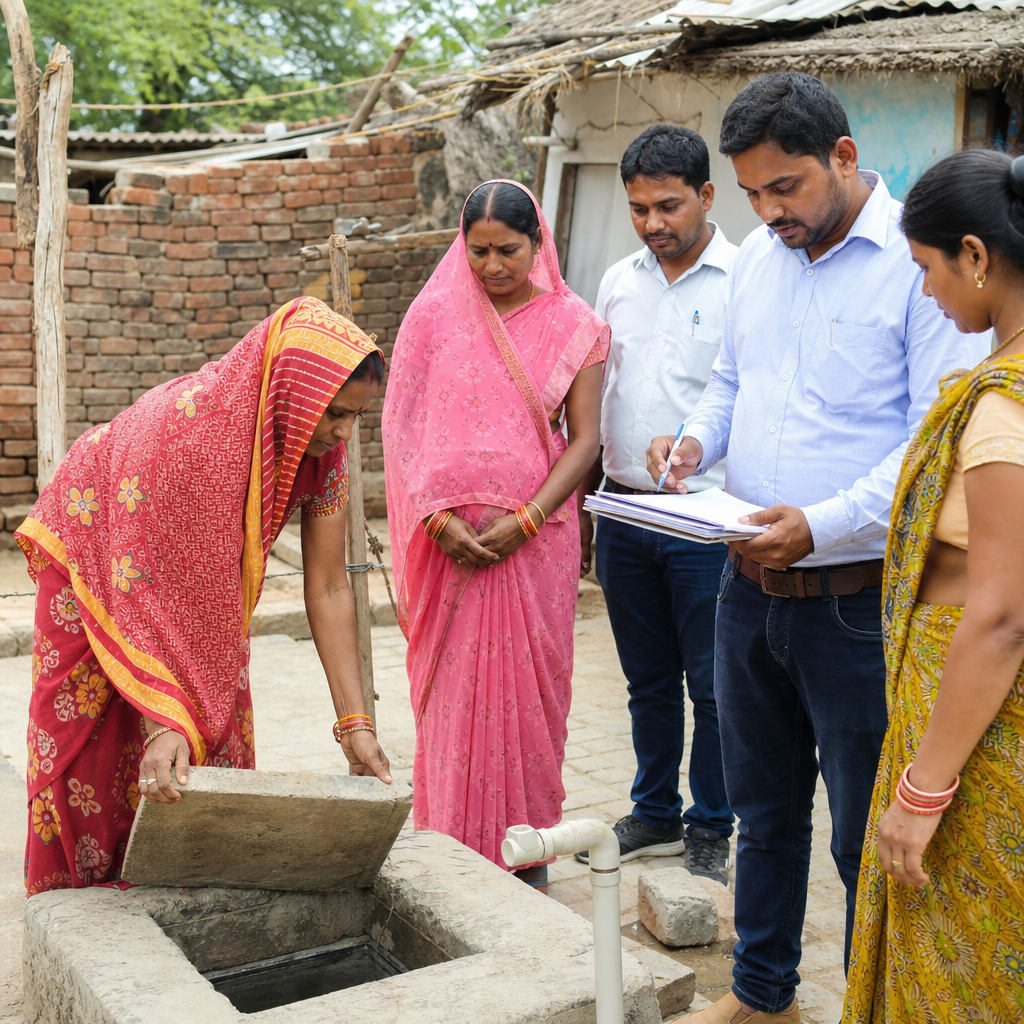
NGOs rarely use one funding instrument. The strongest organizations combine grants, revolving funds, microfinance support, output-based incentives, technical assistance, and co-financing with local government. In project design workshops, I usually break funding into five stages: assessment, pilot, scale-up, operations stabilization, and transfer. At the assessment stage, NGOs pay for baseline surveys, hydrogeological studies, social mapping, and inclusive design work. During pilots, they absorb the cost of testing technologies and service routes that commercial lenders would consider too risky. At scale-up, they may subsidize household connections, guarantee loans to sanitation enterprises, or fund treatment infrastructure that unlocks downstream service markets.
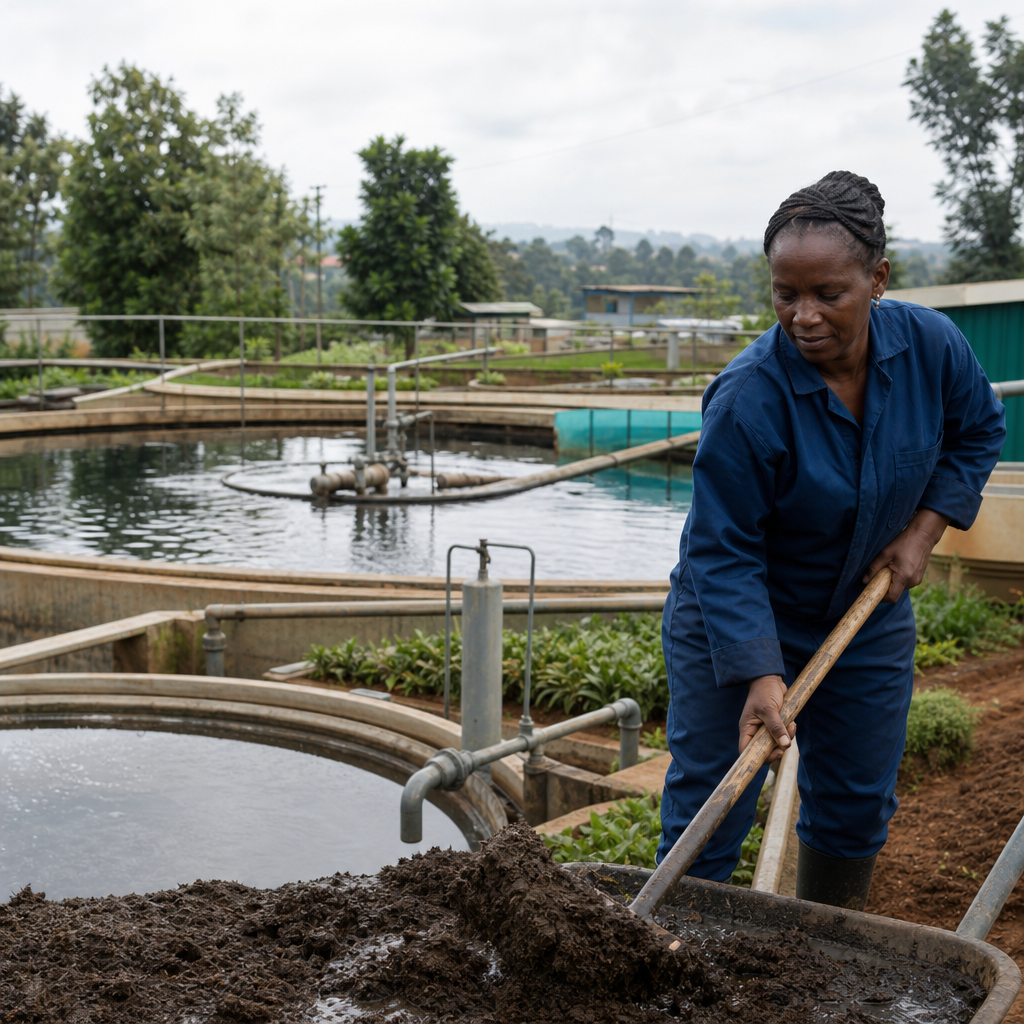
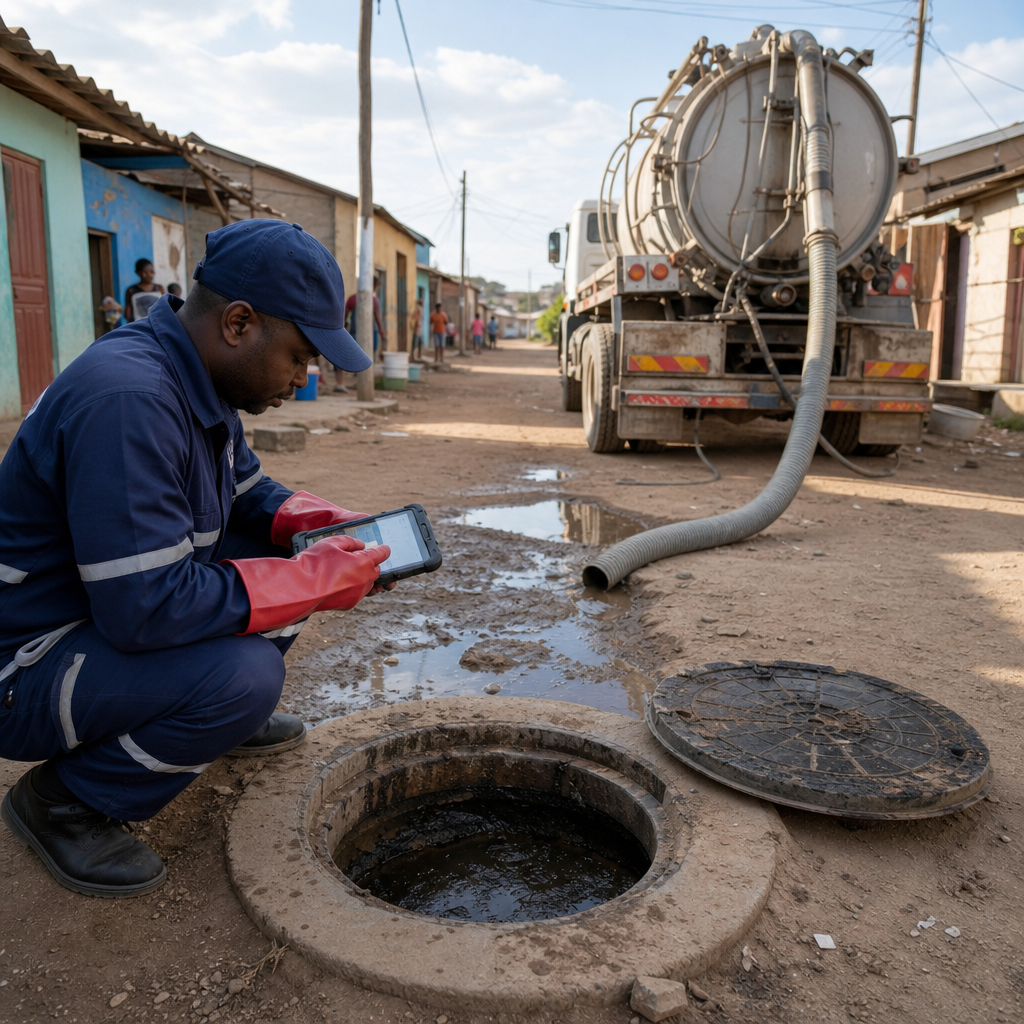
Operational stabilization is where NGO funding often has the highest leverage. A decentralized sanitation chain only works if collection, transport, treatment, and reuse are synchronized. I have seen NGOs fund transfer stations, spare-parts inventories, and operator training because those unglamorous inputs prevent system failure. They may also support digital tools for route optimization, customer billing, or sludge tracking. Finally, during transfer, NGOs help municipalities or local enterprises assume responsibility through tariff models, service contracts, and performance indicators. This lifecycle approach matters because sanitation failure typically happens after ribbon-cutting, not before it.
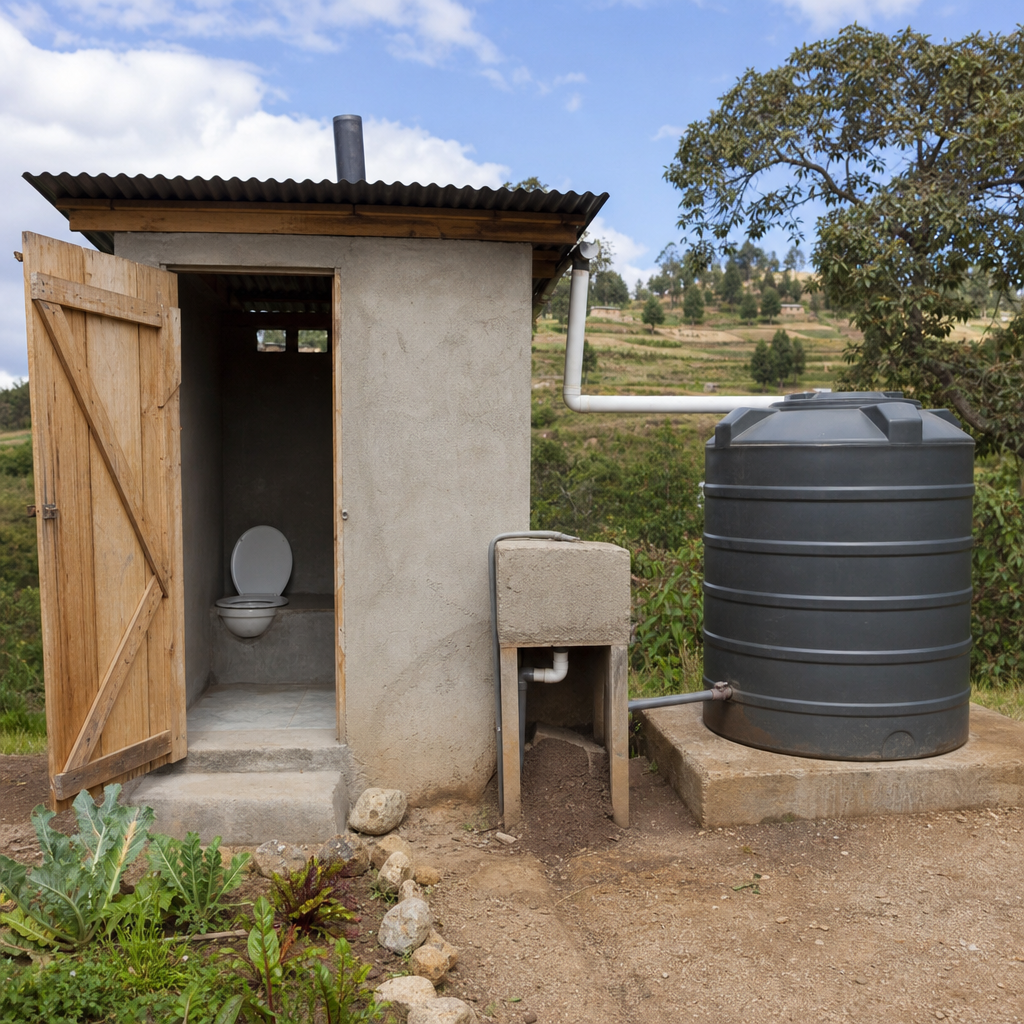
Funding terms also vary by beneficiary. Households may receive partial subsidies, vouchers, or access to savings groups. Schools and clinics may receive full capital grants because the public health return is high and direct revenue is low. Small sanitation businesses may obtain catalytic grants tied to market development, such as a franchise model for container collection or a results-based payment per safely managed customer. Municipal governments may receive matching funds if they allocate budget to regulation, land, or treatment operations. In each case, NGO money is most effective when it reduces a clearly identified market failure rather than replacing all local financial responsibility.
Core economic models NGOs use in EcoSan funding
Understanding EcoSan economics requires comparing the funding structures NGOs actually use. The table below summarizes common models, what they finance, and where they fit best.
| Model | Typical Use | Economic Strength | Main Limitation |
|---|---|---|---|
| Capital grants | Toilet construction, treatment units, school sanitation | Overcomes high upfront cost and speeds adoption | Can weaken ownership if not paired with local contribution |
| Targeted subsidies | Low-income households, vulnerable groups | Improves equity without subsidizing everyone | Needs accurate targeting and administrative capacity |
| Microfinance linkage | Household toilets, small enterprise equipment | Spreads cost over time and builds repayment culture | Works poorly where incomes are unstable or interest rates are high |
| Revolving funds | Community sanitation loans, maintenance funds | Recycles capital and supports local control | Requires strong governance and collection discipline |
| Results-based financing | Payments for verified installations or service levels | Rewards performance and reduces waste | Verification can be expensive and exclude smaller providers |
| Blended finance | Large treatment plants, citywide sanitation chains | Combines grant capital with public or private money | Complex to structure and dependent on capable institutions |
Capital grants remain common because sanitation has strong public-good characteristics. However, the best NGOs do not stop at installation counts. They condition grants on approved designs, local labor commitments, or maintenance plans. Targeted subsidies are especially important in EcoSan because inclusive sanitation cannot rely on average willingness to pay. Elderly users, tenants, informal-settlement residents, and people with disabilities face higher barriers. A smart NGO designs subsidy rules around vulnerability, service need, and realistic affordability thresholds.
Microfinance and revolving funds can be effective for household sanitation when technologies are standardized and repayment periods match income cycles. In rural areas, I have seen toilet loans succeed when aligned with harvest income and supported by trained masons who deliver fixed-price packages. In urban settings, sanitation enterprises may need working capital more than construction credit, especially if they collect waste, transport it, and wait weeks for institutional payment. Results-based financing is useful where outputs can be verified, such as safely managed sludge volumes or functioning school toilets six months after installation. Blended finance becomes relevant when EcoSan moves beyond pilot scale and needs municipal integration.
Where NGOs add the most value beyond money
The most effective NGOs are not simply grant managers. They reduce transaction costs across a fragmented sanitation sector. They assemble technical expertise, local trust, procurement discipline, and monitoring systems that neither households nor small municipalities can easily build alone. In EcoSan programs, this coordinating role is economically significant. A composting toilet that lacks spare parts, a treatment site without land tenure, or a reuse scheme without agricultural extension support can turn sunk capital into stranded assets. NGOs prevent these failures by linking each part of the service chain during planning.
They also standardize quality. Organizations working with frameworks from UNICEF, the World Bank, the International Organization for Standardization, and national sanitation guidelines often introduce design templates, safety protocols, and maintenance schedules that improve bankability. Lenders and public agencies are more willing to support projects when technical and operational risk is documented. I have worked on proposals where donor confidence rose only after the NGO added fecal sludge flow diagrams, operator training modules, and post-construction inspection criteria. That is not paperwork for its own sake; it lowers uncertainty.
Another major contribution is market shaping. NGOs can help create demand for recovered products by funding demonstrations with farmers, cooperatives, or landscaping departments. They can support nutrient testing, branding, and offtake agreements so compost or biosolids move from experimental output to recognized input. They can also convene regulators and utilities to clarify rules on transport permits, land application, effluent quality, or tariff approval. In economic terms, NGOs often do the early coordination work that allows later public or private finance to enter at lower risk and lower cost.
Limits, tradeoffs, and what sustainable funding really requires
NGO funding has clear limits, and serious EcoSan planning must acknowledge them. Grant finance can start systems, but it rarely substitutes for a durable revenue model or public budget commitment. If a project depends on repeated external injections for routine emptying, operator salaries, or replacement parts, it is not financially stable. Likewise, reuse revenue can strengthen economics but should not be overstated. Compost markets may be thin, transport may absorb margins, and nutrient regulations may restrict sales. In dense urban areas, the avoided cost of unsafe disposal is real but often invisible on enterprise balance sheets unless policy creates incentives.
There are also tradeoffs between speed and institution building. A heavily subsidized rollout can hit construction targets quickly, yet leave municipalities unprepared to regulate or maintain services. A slower approach that builds tariffs, asset registers, and local service contracts may produce fewer installations in year one but better performance over time. I generally advise treating NGO money as catalytic capital: use it to unlock public finance, test operational models, protect vulnerable users, and prove demand, then transition recurrent costs to tariffs, taxes, cross-subsidies, or contracted service payments. That is how sanitation becomes a service, not a donation.
For readers assessing economic aspects, the key takeaway is straightforward. NGOs matter most when they fund the whole sanitation chain, price in behavior change and operations, target subsidies carefully, and build a path to local financial ownership. EcoSan economics is strongest when environmental benefits, public health gains, and realistic cash flows are considered together. If you are planning, funding, or evaluating a sanitation initiative, examine lifecycle costs, risk allocation, and post-project governance before you compare toilet technologies. Start there, and every related article in this subtopic will make more practical sense.
Frequently Asked Questions
Why are NGOs so important in funding sanitation projects, especially EcoSan systems?
NGOs play a critical role because sanitation projects often sit in a difficult funding space: they are essential for public health, environmental protection, and local economic development, but they do not always produce fast financial returns that attract private investors. Ecological sanitation, or EcoSan, adds another layer of complexity because it often involves behavior change, new treatment approaches, nutrient recovery systems, and community education in addition to physical infrastructure. NGOs help bridge that gap by providing grant funding, technical assistance, project design support, and long-term implementation oversight.
In many regions, local governments face tight budgets and may prioritize roads, electricity, or emergency services before sanitation upgrades. NGOs can step in with catalytic capital to launch pilot programs, demonstrate feasibility, and reduce the perceived risk of newer systems such as urine-diverting toilets, composting units, fecal sludge treatment plants, and biogas recovery facilities. Once a project proves it can work socially, technically, and financially, it becomes easier to secure co-funding from municipalities, development banks, and public agencies.
NGOs also matter because they often take a broader view of sanitation economics. Instead of judging a project only by user fees or immediate construction cost, they evaluate avoided healthcare costs, improved school attendance, safer water sources, agricultural reuse value, and reduced environmental damage. That is especially important in EcoSan, where the benefits can include fertilizer substitution, energy generation, lower freshwater demand, and more resilient local waste management systems. In short, NGOs frequently provide the patient, mission-driven funding needed to move sanitation from a short-term expense to a long-term development investment.
How do NGOs typically fund sanitation projects and structure their financial support?
NGO funding for sanitation projects usually combines several financial tools rather than relying on a single source of money. The most common model is grant funding, which can cover feasibility studies, community engagement, engineering design, construction, training, and monitoring. Grants are especially useful in early-stage EcoSan projects because they allow communities to test systems that may be unfamiliar but have strong long-term environmental and economic potential.
Beyond direct grants, NGOs often use blended finance approaches. This means they combine charitable funds with public money, concessional loans, local cost-sharing, or private-sector participation. For example, an NGO may fund toilet construction in schools, help a municipality build a fecal sludge treatment component, and then support a local enterprise that sells compost, treated biosolids, or biogas outputs. In this model, NGO money reduces initial risk and helps create a system that can eventually sustain part of its operations through service fees or resource recovery revenues.
Some NGOs also provide revolving funds, microfinance support, or targeted subsidies for low-income households. This is important because even when EcoSan systems are cheaper over their full lifecycle, the upfront cost of installation can still be a barrier. By offering partial subsidies or financing mechanisms, NGOs can make adoption more realistic for households, schools, and small communities. In addition, many NGOs fund the “soft costs” that are essential but often overlooked, including hygiene education, operator training, maintenance planning, social acceptance campaigns, and performance monitoring. These non-construction expenses are often what determine whether a sanitation project continues working after launch.
What makes funding EcoSan projects different from funding conventional sanitation infrastructure?
Funding EcoSan projects is different because the value proposition extends beyond waste disposal. Conventional sanitation financing often focuses on collecting wastewater or excreta and moving it safely away from people. EcoSan, by contrast, is designed around recovery and reuse. Human waste is treated as a potential source of nutrients, organic matter, water, and energy. That means funders must evaluate not just sanitation coverage, but also treatment quality, resource recovery markets, agricultural demand, maintenance capacity, and public acceptance of reuse pathways.
This broader system can make budgeting more complex at the beginning. An EcoSan project may require specialized toilet designs, separate collection streams, composting or treatment infrastructure, storage systems, transport planning, and training for users and operators. However, it can also create longer-term savings and economic value. Nutrient recovery can reduce dependence on commercial fertilizers. Biogas systems can offset energy costs. Water reuse can ease pressure on scarce freshwater supplies. Well-managed fecal sludge treatment can reduce contamination and lower downstream health and environmental costs that would otherwise be paid by households or governments.
NGOs are often well positioned to fund this kind of complexity because they can tolerate longer timelines and can support integrated planning. They are also more likely than purely commercial funders to account for social and environmental returns that do not immediately show up in cash flow. In practice, this means NGOs can help prove that an EcoSan system is not merely an alternative toilet design, but part of a circular sanitation economy. Their funding often supports the transition from pilot demonstration to scalable model by documenting costs, validating outcomes, and helping local institutions understand how to manage the full sanitation value chain.
What challenges do NGOs face when funding sanitation projects, and how do they address them?
One major challenge is sustainability after the initial funding period ends. Many sanitation projects perform well during construction or pilot implementation but struggle once grant support is withdrawn. Common problems include weak maintenance systems, insufficient local budgets, lack of trained operators, and unclear responsibility between communities, municipalities, and service providers. NGOs address this by increasingly focusing on lifecycle financing rather than just capital expenditure. That means planning for operations, repairs, spare parts, training, monitoring, and governance from the very beginning.
Another challenge is community acceptance. EcoSan systems can involve practices such as urine diversion, compost handling, or agricultural reuse of treated outputs, which may be unfamiliar or culturally sensitive. If users do not understand the system or trust the safety protocols, adoption rates can fall and infrastructure may be underused. NGOs often respond by investing heavily in community engagement, user education, participatory design, and local leadership development. These efforts are not optional extras; they are core financial safeguards that protect the long-term success of the investment.
Regulatory uncertainty is also a serious barrier. In some places, standards for resource recovery, biosolids reuse, decentralized treatment, or non-sewered sanitation are incomplete or inconsistently enforced. NGOs often work with governments, utilities, and public health agencies to develop guidelines, demonstrate safe treatment models, and generate evidence that can inform policy. Finally, NGOs must manage the challenge of scale. A pilot project can be successful in one village or neighborhood, but scaling it across districts or cities requires stronger institutions, supply chains, financing models, and political commitment. The most effective NGOs therefore treat funding not just as a way to build infrastructure, but as a way to strengthen the local systems needed to keep sanitation services functioning over time.
Can NGO-funded sanitation projects become financially sustainable in the long term?
Yes, but long-term financial sustainability usually depends on designing the project around realistic local conditions rather than assuming that user fees or resource recovery alone will pay for everything. In many sanitation systems, especially those serving low-income communities, full cost recovery is difficult. Sanitation generates large public benefits such as cleaner water, lower disease burden, reduced environmental damage, and improved dignity and safety, so some level of public or donor support often remains appropriate. The goal is not always to eliminate subsidies entirely, but to use funding wisely so that the service remains reliable and affordable over time.
NGO-funded EcoSan projects can improve sustainability by diversifying revenue and reducing costs. For example, treated compost or nutrient products may have value in agriculture, biogas can support cooking or energy needs, and decentralized systems may reduce expensive sewer expansion or water demand. At the same time, a financially sound project needs clear tariff structures, maintenance responsibilities, trained operators, supply chains for parts, and institutional ownership. NGOs often help establish these foundations by supporting business planning, municipal partnerships, local entrepreneurship, and performance tracking.
The strongest long-term models are usually those in which NGOs act as early enablers rather than permanent sole funders. They help communities and governments move from experimentation to a mature service model with shared financial responsibility. That may include household contributions, municipal budget allocations, public health funding, agricultural market linkages, or payments for treatment services. When this is done well, NGO funding serves as the catalyst that unlocks a more resilient sanitation economy—one where EcoSan infrastructure is not just installed, but maintained, trusted, and integrated into broader systems of health, environment, and local development.