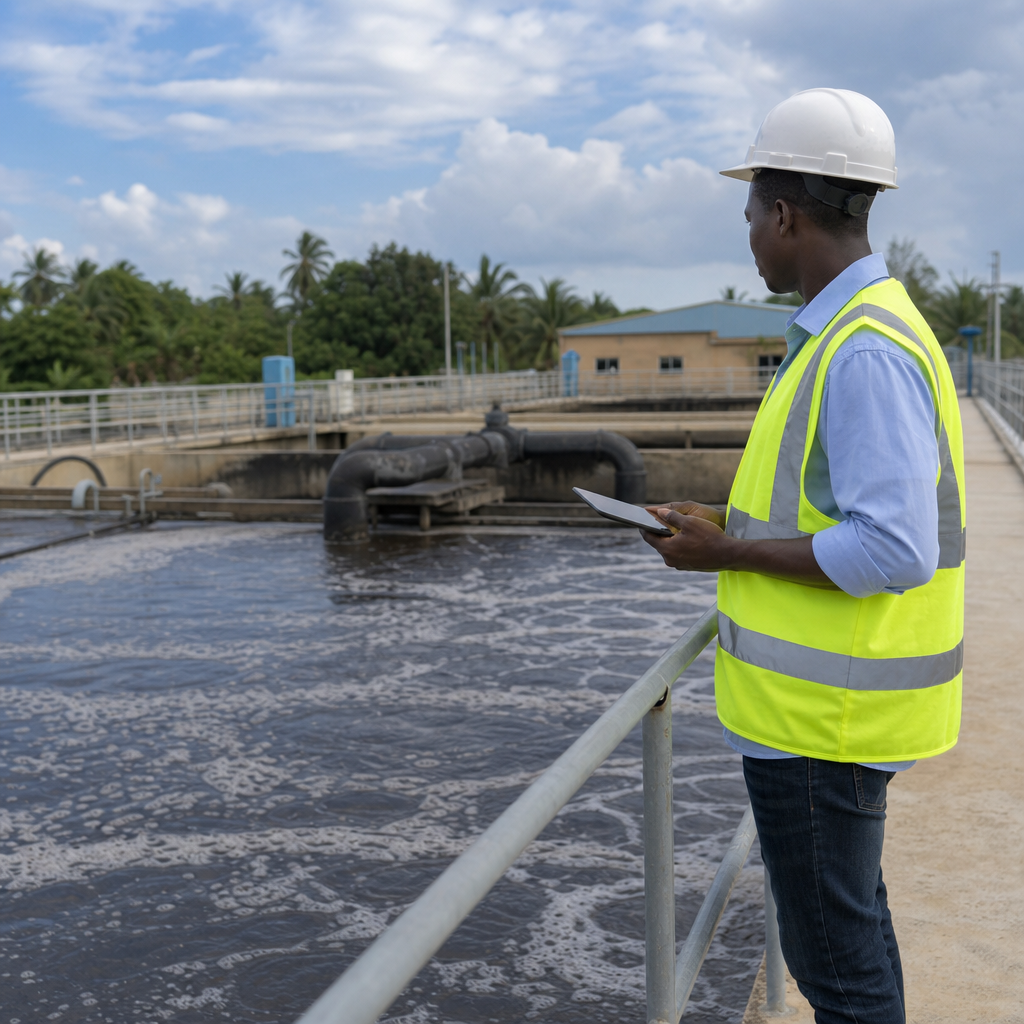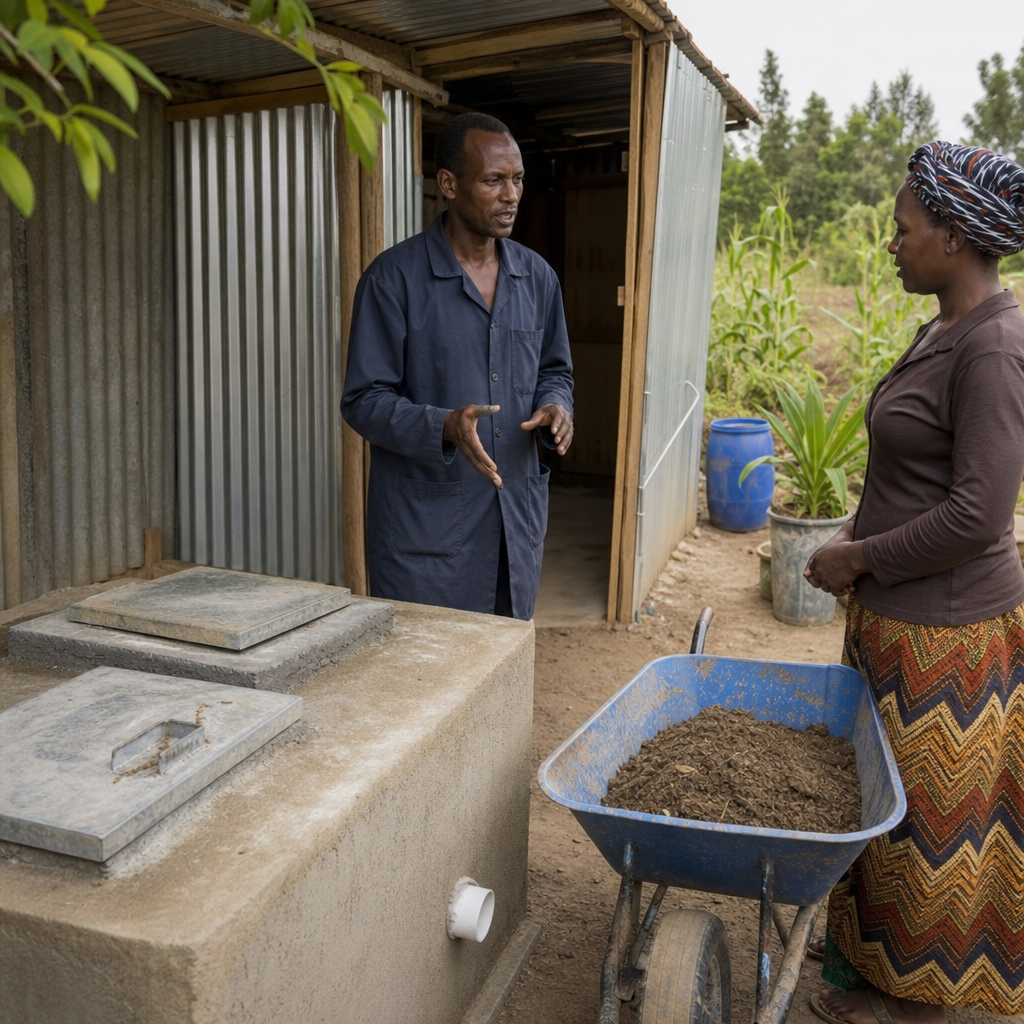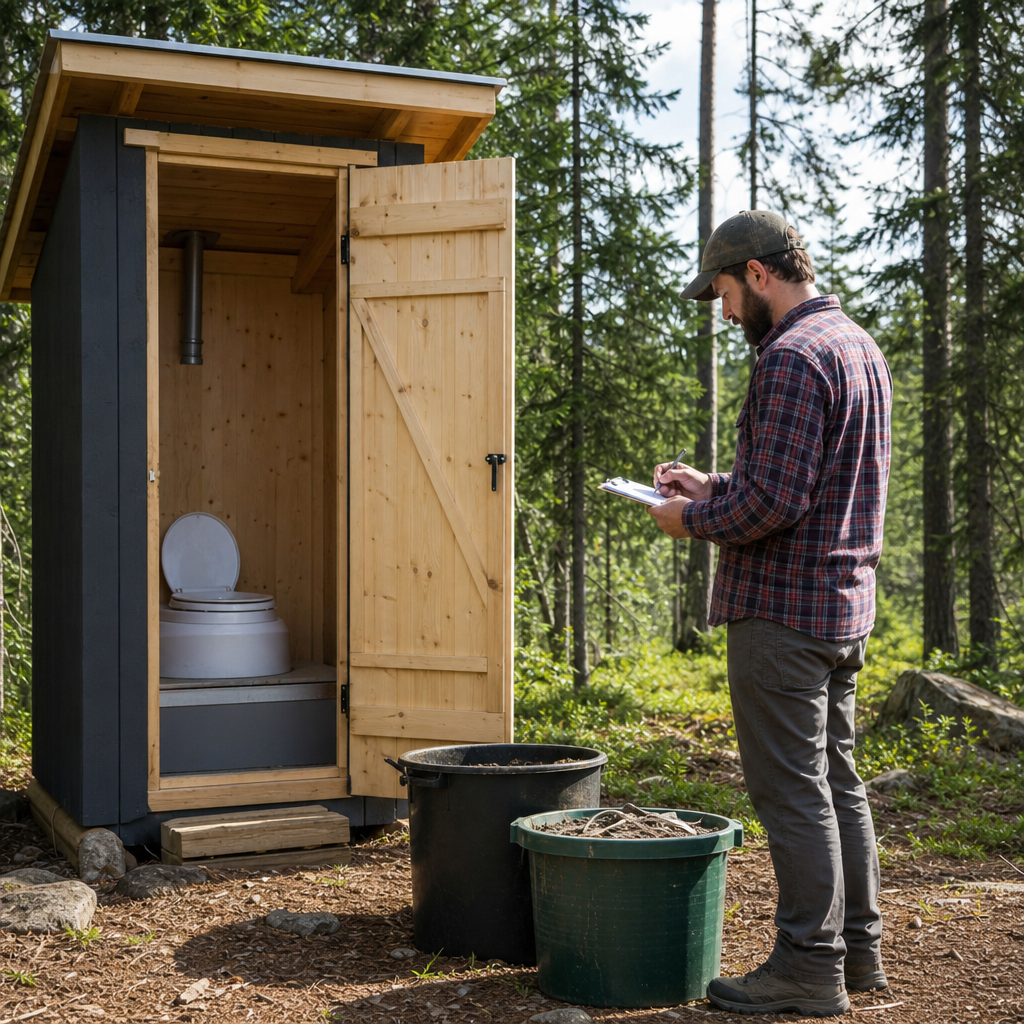
Economic analysis of composting toilets starts with a simple question: when a sanitation system does not rely on sewers, flush water, or energy-intensive treatment, where do the real costs and savings appear over time? In practice, the answer is broader than purchase price. Composting toilets, often discussed under the wider EcoSan, or ecological sanitation, approach, shift sanitation economics from centralized infrastructure and continuous water use toward localized treatment, maintenance labor, nutrient recovery, and long-term resilience. I have worked with site planning and cost modeling for off-grid sanitation projects, and the recurring lesson is that composting toilet economics only make sense when capital costs, operating costs, avoided utility costs, land constraints, regulation, and user behavior are evaluated together.
A composting toilet is a dry or near-dry sanitation system that treats human excreta through aerobic decomposition, typically using ventilation, bulking material such as sawdust or coconut coir, and a containment chamber designed to reduce moisture and support microbial activity. EcoSan is the broader framework that treats human waste as a resource stream rather than a disposal problem. That distinction matters economically. A conventional flush toilet is cheap at the fixture level, but it locks the owner or municipality into pipes, pumps, treatment plants, septic pumping, and large volumes of potable water used only once. A composting toilet often costs more upfront, yet it can avoid major infrastructure costs, reduce water bills, defer septic replacement, and in some contexts create usable compost or at least lower disposal burdens.
This matters because sanitation decisions are rarely neutral line items. They affect housing affordability, rural development, campground operations, disaster recovery, informal settlement upgrading, and municipal capital planning. According to the World Health Organization and UNICEF Joint Monitoring Programme, safely managed sanitation remains uneven globally, and infrastructure gaps are costly. In high-income settings, aging sewer networks and rising water tariffs increase the lifetime cost of flush-based systems. In low-density or remote areas, the economics can be even clearer: extending sewer lines can cost tens of thousands of dollars per property, while difficult soils or high water tables can make septic systems expensive or noncompliant. Understanding EcoSan economics, then, is not only about whether composting toilets are cheaper. It is about identifying the conditions under which they deliver superior value, lower risk, and more durable sanitation outcomes.
Cost structure: capital, operating, and replacement economics
The most reliable way to analyze composting toilets is through total cost of ownership. I break costs into six buckets: purchase and installation, building modifications, consumables, routine labor, residuals management, and major replacement. Self-contained units for cabins, tiny homes, boats, and accessory buildings often range from roughly $900 to $4,000 depending on brand, fan system, capacity, and certification. Centralized or remote systems with larger composting chambers can cost several thousand dollars more, especially when vent stacks, urine diversion, heaters, drains, and code-required enclosures are included. By contrast, a flush toilet fixture may cost only a few hundred dollars, but comparing fixture to fixture is misleading because the true benchmark is the full sanitation pathway.
For a new build, a composting toilet may eliminate or reduce the need for a septic tank and leach field, which in many North American markets can cost $8,000 to $25,000, with difficult sites going far higher. Sewer connections can be even more expensive when tap fees, trenching, permits, and road work are included. In those cases, the composting toilet is not replacing a porcelain bowl; it is replacing network infrastructure. Operating costs are different as well. Owners typically pay for bulking material, occasional fan electricity, cleaning supplies, and labor for chamber rotation or removal of stabilized solids. Fan energy use is usually low, often comparable to a small continuous ventilation fan, but the hidden variable is management time. Systems that are technically inexpensive can become operationally costly if they are poorly sized, require frequent emptying, or depend on inconsistent user practices.
Replacement cycles also matter. High-quality composting units may last many years, but fans, heating elements, agitators, and seals can fail. A septic system also has long-term costs: pumping every three to five years, drainfield risks, and eventual replacement. Sewer systems externalize much of this to utility bills and municipal taxes. A proper economic model discounts future cash flows, accounts for inflation in water and wastewater rates, and tests maintenance assumptions. When I run these models, the strongest composting toilet cases usually appear where avoided infrastructure is large, water prices are high, or use is seasonal enough to reduce wear without impairing biological performance.
Water savings, utility avoidance, and household cash flow
Water savings are the most visible economic benefit, but they should be calculated carefully. Toilets account for a large share of indoor residential water use; the U.S. Environmental Protection Agency has long estimated that toilets can represent close to 30 percent of average home indoor water consumption. A composting toilet can cut most or all of that demand, depending on whether a backup flush fixture remains on site. In regions with volumetric water billing and wastewater charges tied to metered use, lower toilet demand directly improves monthly cash flow. In drought-prone regions, the value is even higher because conservation rebates, restrictions, and scarcity pricing change the economics.
Consider a household of three to four people using a modern 1.28 gallon-per-flush toilet five times per person per day. That is roughly 7,000 to 9,000 gallons annually for toilet flushing alone. In a utility district charging combined water and sewer rates of $15 per thousand gallons, avoided direct utility spending may be around $105 to $135 per year. That alone will not justify a premium system. But in places with higher combined rates, large households, or older 3.5 gallon-per-flush fixtures, annual savings can be several hundred dollars. Add avoided septic pumping or deferred septic replacement, and the payback picture changes materially. This is why water savings should be framed as one component of value, not the whole argument.
For commercial or public settings, the economics scale differently. Park facilities, trailheads, campgrounds, and event venues often lack sewer service and may face expensive water hauling or storage requirements. There, every avoided gallon has transport and infrastructure value, not just tariff value. I have seen project budgets where the composting toilet was financially justified less by utility savings than by eliminating a new well, reducing cistern size, or avoiding winterization complexity in freezing climates. In economic terms, composting toilets often create indirect savings by simplifying the rest of the building systems.
When composting toilets outperform septic and sewer systems
Composting toilets are not universally cheaper, but they are economically superior in specific site conditions. Remote cabins are the classic example. A small seasonal building with difficult access, shallow bedrock, flood risk, or poor percolation can face septic costs that are disproportionate to property value. Installing a composting toilet and a separate graywater solution may preserve buildability at a much lower capital cost. Tiny homes and accessory dwelling units also benefit where lot constraints make septic expansion difficult or where owners want to avoid triggering a larger wastewater upgrade.
Public recreation sites are another strong case. The U.S. Forest Service, National Park Service, and many state park agencies have used vault, urine-diverting, and composting-style dry sanitation systems where sewer extension would be impractical. The economic logic is straightforward: if road access is limited and water service is absent, a well-designed dry system can provide acceptable sanitation with fewer moving parts than a pump station and fewer environmental risks than unmanaged waste. Campgrounds also benefit because use is often concentrated in fair-weather months, matching the strengths of some decentralized systems.
Development economics also matter. On peri-urban land or informal settlements, conventional sewer networks require coordinated capital, rights-of-way, and long implementation periods. EcoSan approaches can offer lower entry costs and faster service expansion, though success depends heavily on collection logistics, social acceptance, and local markets for reuse products. The key principle is that composting toilets outperform alternatives when they avoid expensive network extension, reduce site engineering constraints, or convert an otherwise unbuildable sanitation scenario into a workable one. They perform worst when users expect flush-like convenience without maintenance, when codes are hostile, or when high-occupancy demand exceeds system capacity.
| Scenario | Composting Toilet Economic Position | Main Cost Driver | Common Payback Logic |
|---|---|---|---|
| Remote cabin | Strong | Avoided septic installation | Lower upfront capital and no water line extension |
| Urban house on sewer | Mixed | Higher equipment cost versus low fixture cost | Depends on high water rates or retrofit constraints |
| Campground or park | Strong | Avoided utility infrastructure | Lower lifecycle cost in off-grid service areas |
| Full-time family home | Case-specific | Maintenance labor and user fit | Best where septic replacement is costly |
Labor, maintenance, and the economics of user behavior
The most underestimated factor in EcoSan economics is labor. A composting toilet is a biological process housed in a sanitation appliance, not a passive fixture. It needs correct moisture balance, adequate carbon input, airflow, and emptying discipline. If owners value their time at zero, spreadsheet economics can look excellent. If labor is priced realistically, some systems become less attractive. For households, this may still be acceptable because the tasks are infrequent and manageable. For commercial operators, labor must be budgeted explicitly.
User behavior affects cost in concrete ways. Excess urine can saturate compost, increase odor, and require remediation. Inadequate bulking material slows decomposition. Non-compostable inputs create service issues. Poor ventilation leads to complaints and reputational damage, which is an economic cost even if it never appears on an invoice. The projects that perform best usually include user training, simple signage, conservative capacity assumptions, and maintenance protocols written as standard operating procedures. I have seen the same model of toilet succeed in one site and fail in another purely because staff turnover erased process knowledge.
There is also an economies-of-scale question. One large centralized composting unit serving a facility may reduce per-user capital cost, but it can increase the consequence of downtime. Multiple smaller units may cost more initially yet offer redundancy. The right choice depends on occupancy patterns, staff skill, spare parts access, and tolerated service interruption. Good economics come from matching system complexity to operator capacity. A simpler unit with slightly higher consumable cost often outperforms a sophisticated system that no one maintains correctly.
Nutrient recovery, externalities, and policy incentives
EcoSan economics extend beyond private cash flows because composting toilets can reduce environmental externalities. Conventional wastewater systems consume energy for pumping and treatment, dilute nutrients into large water streams, and can contribute to nutrient pollution when systems fail. Composting and urine-diverting systems can, under controlled conditions and subject to local rules, support nutrient recovery. The direct market value of recovered nutrients is usually modest at household scale, so it should not be exaggerated. Still, from a systems perspective, avoiding potable water use for conveyance and retaining nutrients closer to the source has measurable resource value.
Policy can tilt the economics. Some jurisdictions offer water-efficiency rebates, off-grid permitting flexibility, or reduced infrastructure requirements for alternative sanitation. Others impose testing, engineering review, or residual handling rules that raise costs. This regulatory variability is one of the biggest reasons composting toilet economics differ so sharply by region. A technically sound system can be uneconomic if approvals require custom engineering and repeated inspections. Conversely, in regions with recognized standards such as NSF/ANSI certifications or established alternative onsite wastewater pathways, permitting becomes more predictable and project risk falls.
Externalities also include resilience benefits. During drought, sewer outages, floods, or wildfire-related infrastructure disruptions, decentralized dry sanitation can maintain basic service. Resilience has economic value because service continuity prevents emergency spending and property downtime. It is difficult to price exactly, but in critical sites such as parks, remote lodges, field stations, and emergency shelters, resilience is not a side benefit. It is part of the investment case.
How to evaluate a composting toilet investment
The best investment decisions use a structured framework. Start by identifying the true alternative: sewer connection, septic replacement, holding tank, vault toilet, or no build at all. Next, estimate capital cost for each option, including design, permits, trenching, electrical work, venting, and graywater management. Then model annual operating costs: water, sewer, pumping, consumables, electricity, labor, inspections, and replacement parts. Apply a realistic lifespan and discount rate, and test sensitivity to occupancy, water tariff growth, and maintenance frequency. A simple payback is useful, but net present value gives the clearer answer.
Decision-makers should also score non-financial factors: permitting risk, odor risk, user acceptance, maintenance skill, winter performance, accessibility, and end-product handling requirements. A composting toilet with a slightly weaker financial return may still be the rational choice if it enables construction on a constrained site or reduces environmental liability. Likewise, a low-cost unit is not a bargain if user dissatisfaction leads to abandonment and a second sanitation investment later. In every serious EcoSan assessment, the winning option is the one that is financially viable, operationally maintainable, and socially acceptable at the same time.
For anyone building out the Economic Aspects topic, this hub principle should guide every related article: composting toilet economics are context economics. The right comparison is never just toilet versus toilet. It is system versus system, lifecycle versus lifecycle, and convenience today versus costs locked in for decades. If you are evaluating EcoSan for a home, business, park, or development project, map the full sanitation pathway, price labor honestly, and compare alternatives on total value rather than sticker price alone. That is how composting toilets move from niche curiosity to defensible economic decision.
Frequently Asked Questions
1. Are composting toilets actually cheaper than conventional flush toilets over the long term?
In many cases, yes, but the economics depend on how the comparison is framed. A conventional flush toilet may look less expensive at the point of purchase, yet that comparison often ignores the larger system it depends on: water supply infrastructure, sewer connections or septic systems, pumping, treatment, and long-term utility costs. Composting toilets shift those costs away from centralized infrastructure and ongoing water consumption toward localized management, periodic maintenance, and in some models, ventilation or monitoring equipment. That means the long-term financial picture is usually not about a lower sticker price, but about reduced lifetime dependence on water, sewage handling, and expensive wastewater infrastructure.
For households, cabins, rural properties, and off-grid buildings, composting toilets can generate substantial savings by avoiding septic installation, sewer hookup fees, or major site work. In urban or already sewer-connected settings, the direct financial advantage may be smaller, because much of the conventional infrastructure cost is already embedded in the building or utility system. Even then, savings may still come from reduced water bills, lower strain on wastewater systems, and avoidance of future repair or replacement costs tied to septic tanks, leach fields, or aging plumbing. A sound economic analysis therefore looks at total cost of ownership over many years rather than focusing narrowly on initial purchase cost.
2. What are the main cost factors to include in an economic analysis of composting toilets?
A complete economic analysis should include both upfront and ongoing costs, as well as avoided costs that would otherwise be easy to miss. Upfront costs can include the toilet unit itself, installation, ventilation, urine diversion components if applicable, chambers or composting bins, and any structural modifications needed to fit the system into a building. Ongoing costs may include bulking materials such as sawdust or coconut coir, routine cleaning supplies, fan electricity for systems with active ventilation, maintenance labor, and periodic removal or handling of composted material. In some cases, regulatory compliance, inspections, or additional containment features may also add cost.
Just as important are the avoided costs. These can include reduced water use, lower sewage or septic service fees, no need for sewer extension, no septic pumping, and reduced risk of expensive wastewater failures. In locations where water is scarce or costly, the financial value of water savings can be significant over time. Labor should also be valued realistically. Composting toilets often trade utility costs for management time, so an honest analysis should assign an economic value to maintenance effort rather than treating it as free. The most reliable approach is to compare lifecycle costs across 10, 20, or even 30 years, including replacement intervals, inflation in utility prices, and the specific local costs of water and sanitation services.
3. How do water savings affect the overall economics of composting toilets?
Water savings are one of the strongest economic arguments for composting toilets, especially in areas with high water rates, drought pressure, or limited infrastructure. Conventional toilets are among the largest indoor water users in many buildings. Eliminating or sharply reducing flush water can cut household or facility water demand in a measurable way, which directly lowers utility bills where water is metered. The savings can become even more important when wastewater charges are tied to incoming water use, as is common in many municipalities. In those cases, every gallon not flushed may reduce both water and sewer fees.
The economic value of water savings goes beyond monthly utility bills. Lower water demand can reduce the size and cost of supporting infrastructure, particularly in remote buildings, seasonal facilities, eco-lodges, parks, and off-grid homes. Smaller water storage systems, less pumping, fewer treatment requirements, and reduced pressure on wells can all translate into capital and operational savings. On a broader scale, reduced water use can improve system resilience during shortages and lower the social cost of supplying and treating potable water. So while water savings may appear straightforward, their true economic impact often extends from direct bill reduction to infrastructure right-sizing and long-term resource security.
4. Do composting toilets create hidden costs through maintenance and labor?
They can, which is why maintenance should never be treated as an afterthought in economic analysis. Composting toilets do not eliminate sanitation work; they relocate it. Instead of relying on large centralized treatment systems that users rarely see, these systems require regular attention at the point of use. Depending on the design, that may include adding carbon-rich cover material, monitoring moisture and airflow, emptying urine containers, rotating chambers, cleaning components, and managing finished compost according to health and regulatory guidance. If those tasks are done by the homeowner, operator, or staff, they represent real labor input with economic value.
That said, “hidden cost” does not automatically mean “poor investment.” In many settings, the added labor is still cheaper than installing and maintaining septic or sewer-based alternatives. The key is to estimate maintenance realistically. A household may find the routine manageable and low-cost, while a commercial or institutional site may need trained staff time, written procedures, and backup plans for peak use periods. Poor maintenance can also create indirect costs through odor complaints, user dissatisfaction, or performance issues. The most accurate economic analysis treats labor, training, and operational oversight as core cost categories, not minor details, and then compares them fairly against the less visible but very real costs of conventional wastewater systems.
5. In what situations do composting toilets offer the strongest economic return?
Composting toilets typically offer the strongest return where conventional sanitation is difficult, expensive, or resource-intensive. This includes remote homes, cabins, campgrounds, parks, tiny homes, off-grid developments, disaster-resilient buildings, and sites with poor soil or high water tables that complicate septic installation. In these scenarios, avoiding sewer extensions, excavation, septic fields, pumping systems, or extensive water infrastructure can create major savings. The economics also improve where water is scarce or costly, because reduced flush demand has immediate and ongoing value.
They can also perform well economically in projects designed around ecological sanitation principles from the beginning. When a building is planned to accommodate source separation, ventilation, compost handling, and reduced water demand, the system can be integrated efficiently and avoid retrofitting costs. In contrast, the return may be weaker in dense urban settings where sewer access already exists, regulations are restrictive, and user expectations favor conventional flush systems. Even there, however, composting toilets may still deliver strategic value through water conservation, resilience, and reduced environmental externalities. Ultimately, the best economic return appears where infrastructure avoidance, water savings, and manageable maintenance all align, making composting toilets not just a niche environmental choice but a financially rational sanitation option.