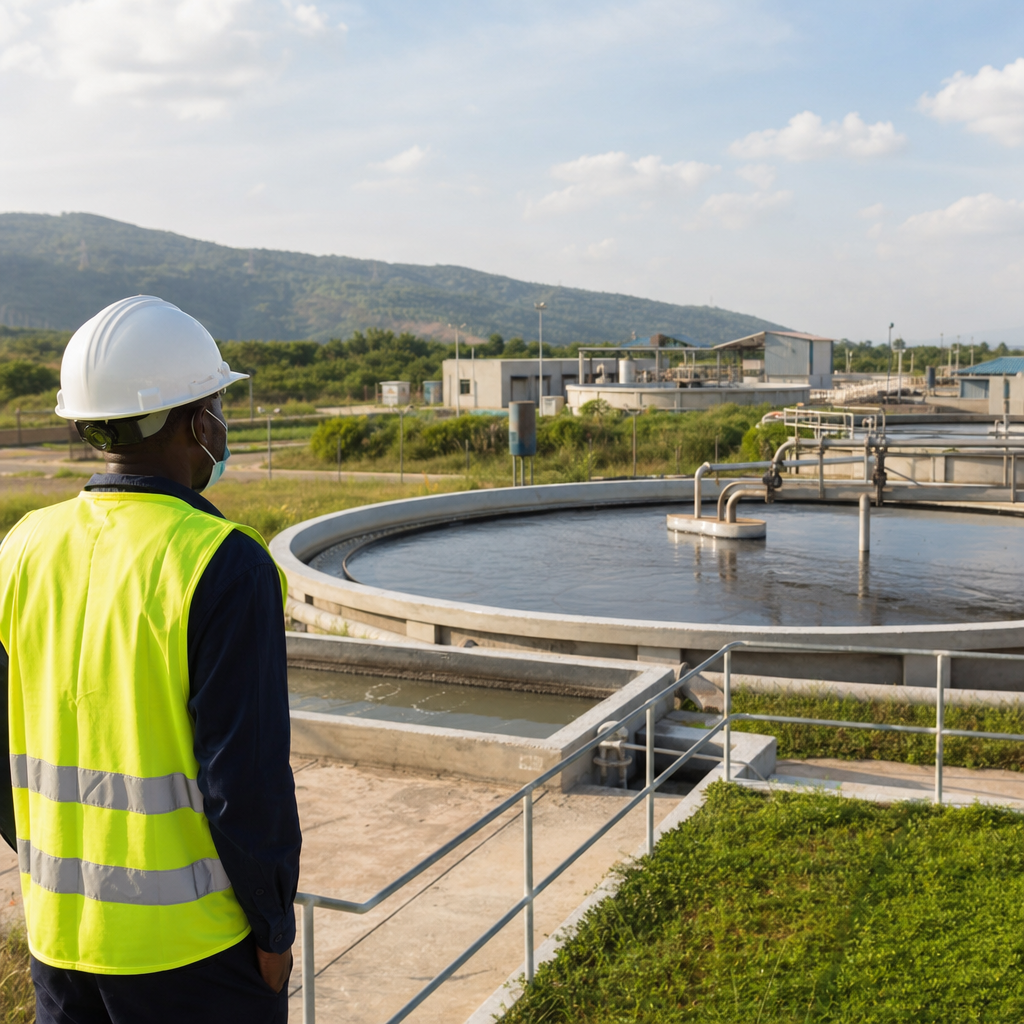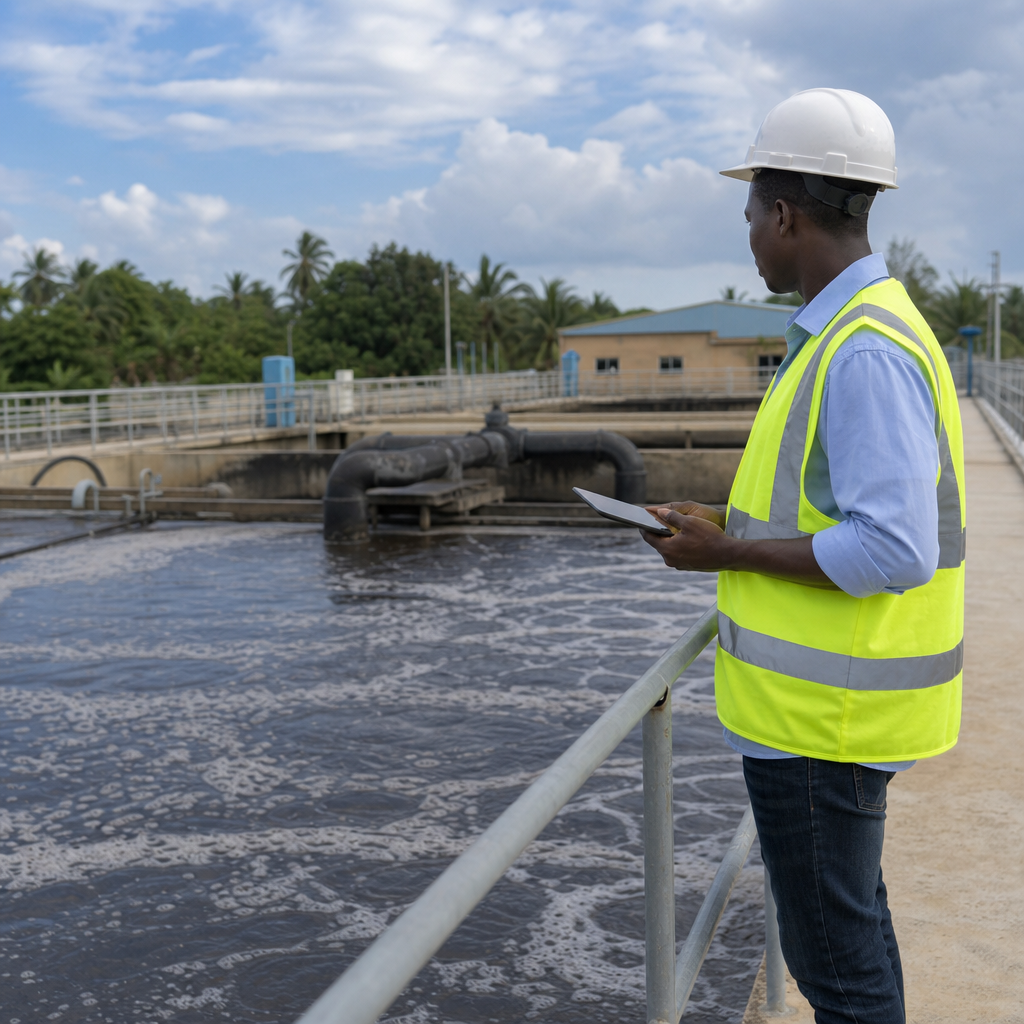
Carbon credits are becoming a practical financing tool for sanitation projects, especially within ecological sanitation, where waste is treated not as a disposal problem but as a recoverable resource with economic value. In this context, ecological sanitation, often shortened to EcoSan, refers to systems that safely collect, treat, and reuse human waste, wastewater, nutrients, water, and organic matter. Carbon credits are tradable certificates issued for verified greenhouse gas reductions or removals, typically measured in tonnes of carbon dioxide equivalent. When a sanitation project prevents methane emissions from pit latrines, septic tanks, open sludge dumping, or uncontrolled wastewater decay, those avoided emissions can be quantified and monetized. I have worked with project developers and municipal sanitation teams evaluating these pathways, and the pattern is clear: carbon revenue rarely pays for everything, but it can close crucial funding gaps that grants, tariffs, and public budgets cannot cover alone.
This matters because sanitation remains severely underfunded despite its direct links to health, climate resilience, water quality, and local economic development. According to WHO and UNICEF Joint Monitoring Programme reporting, billions of people still lack safely managed sanitation, and many existing systems leak pollution into soil, groundwater, and rivers. At the same time, unmanaged fecal sludge and wastewater emit methane and nitrous oxide, both powerful greenhouse gases. EcoSan projects can cut those emissions while producing compost, biogas, treated water, or nutrient products. Yet these systems often require upfront capital for toilets, collection logistics, digesters, drying beds, treatment units, monitoring, and operator training. Traditional infrastructure finance tends to prioritize larger energy or transport projects, leaving sanitation developers dependent on blended finance. That is where carbon credits enter the picture: not as a magic solution, but as a structured revenue stream that can improve bankability, attract investors, and reward measurable climate performance across the sanitation value chain.
How Carbon Credits Fit Into Sanitation Finance
In sanitation projects, carbon credit revenue usually sits alongside user fees, municipal transfers, development finance, philanthropic grants, and sometimes sales of recovered products such as compost or biogas. The core financial logic is straightforward. If a project changes how waste is contained, transported, treated, or reused in a way that measurably reduces greenhouse gas emissions compared with a baseline scenario, the emissions benefit can be converted into credits after validation and verification. Those credits can then be sold to buyers in voluntary carbon markets or, less commonly, within compliance-oriented systems where eligible methodologies exist. In practice, the sanitation sector has mostly relied on voluntary standards such as Verra and Gold Standard, because they offer methodologies relevant to household devices, waste treatment, methane avoidance, and resource recovery.
For EcoSan, the strongest cases generally involve methane reduction. Organic waste decomposing without oxygen produces methane, and poorly managed pit latrines, septic sludge, lagoons, and dumpsites can emit substantial quantities. Technologies that divert urine, dry feces, improve aeration, capture biogas, compost sludge under controlled conditions, or treat wastewater more efficiently can lower those emissions. Some projects also generate energy that displaces fossil fuels, creating an additional carbon benefit. However, carbon finance depends on credible accounting, not assumptions. A project must define a baseline, prove additionality, monitor activity data, apply an approved methodology, and pass third-party verification. Investors care about that discipline because projected credits are only valuable if they are actually issuable and saleable.
Which Sanitation Projects Generate Carbon Credits
Not every toilet intervention creates carbon credits, and not every EcoSan project is suitable for carbon finance. The best candidates are projects with clear, measurable emission reductions, enough scale to absorb transaction costs, and operating models that support long-term monitoring. Fecal sludge management programs are a common example. If sludge that would otherwise be dumped untreated is collected and processed through composting, drying, biodigestion, or other controlled treatment methods, methane emissions can be reduced significantly. Anaerobic digesters can also capture biogas for cooking, heat, or electricity. Container-based sanitation models may qualify when waste is collected regularly and treated through low-emission pathways. Urine-diverting dry toilets can work in certain contexts, especially where they avoid methane-heavy wet storage and enable nutrient recovery, though quantification can be more complex.
Municipal wastewater upgrades can also generate credits, particularly when utilities shift from open anaerobic lagoons to controlled treatment systems with gas capture or lower-emission processes. School sanitation, refugee camp sanitation, and rural household toilet programs have been financed with carbon revenue too, especially when bundled across thousands of units. I have seen small projects fail to reach registration because they were environmentally sound but financially too fragmented. Carbon markets reward aggregation. A project with 500 households may struggle unless it is part of a programmatic structure, while a citywide fecal sludge initiative with digital collection records and consistent treatment volumes is much easier to finance. The key lesson is that carbon finance favors sanitation projects designed for measurable operational performance, not just infrastructure installation.
Revenue Potential, Costs, and Investor Expectations
Carbon credits can improve project economics, but developers need realistic expectations about pricing, issuance timing, and transaction costs. Credit prices vary widely depending on standard, methodology, co-benefits, buyer preferences, and market sentiment. In recent years, sanitation-linked credits in voluntary markets have often sold at premiums compared with generic industrial offsets because they carry strong health, gender, and development narratives, but premium pricing is never guaranteed. Investors will discount optimistic assumptions quickly. They want to see conservative forecasts based on verified issuance schedules, not headline prices from exceptional deals. Projects also face costs for feasibility studies, methodology selection, baseline surveys, validation, monitoring systems, verification audits, registry fees, legal structuring, and brokerage or offtake negotiations.
| Finance Element | What It Covers | Typical Sanitation Reality |
|---|---|---|
| Upfront capital | Toilets, containers, vehicles, treatment units, land, training | Usually funded by grants, concessional debt, equity, or public budgets |
| Operating revenue | User fees, municipal service payments, product sales | Often insufficient alone, especially in low-income markets |
| Carbon revenue | Verified emissions reductions sold as credits | Helpful for gap financing, scaling, and performance-linked returns |
| Transaction costs | Validation, verification, registry, monitoring, legal fees | Can be high unless projects are aggregated |
| Investor focus | Predictable cash flow, compliance, operational data | Strong management systems matter as much as technology |
From an investment perspective, carbon income is best treated as supplementary rather than foundational unless a project has a proven issuance history. Early-stage EcoSan businesses should model downside scenarios where credits are delayed, prices soften, or methodologies change. Debt providers will usually lend against stable contracted revenues, not speculative future credits. Equity investors may be more flexible if the climate upside is part of a broader impact thesis, but they still expect disciplined monitoring and a route to scale. The most financeable sanitation projects combine carbon revenue with durable service contracts, collection fees, utility payments, or anchor support from municipalities and donors. That blended structure reduces risk and makes the climate component additive instead of fragile.
Methodologies, Monitoring, and Verification in Practice
The technical backbone of carbon finance is the methodology. A methodology sets the rules for defining the baseline, calculating emissions reductions, monitoring performance, and handling uncertainty. In sanitation, developers may use methodologies related to methane recovery, waste diversion, household biodigesters, composting, wastewater treatment, or safe water and sanitation interventions depending on the project design. The exact fit matters enormously. A poorly matched methodology can make a promising project unviable, while a well-matched one can unlock transparent issuance over many years. Standards such as Verra and Gold Standard publish methodology documents, validation requirements, and monitoring guidance, and serious developers study them before finalizing engineering design.
Monitoring is where many sanitation projects succeed or fail. Carbon accounting requires evidence: numbers of toilets in active use, sludge volumes collected, treatment throughput, moisture content, biogas production, operating hours, fuel displacement, or laboratory measurements, depending on the methodology. Digital tools now make this easier. GPS-tagged collection logs, sensor data, weighbridge records, mobile payment histories, and remote audits can strengthen data integrity. I have seen investors gain confidence when operators could show a clean chain of custody from toilet user to treatment plant to end product. Verification bodies look for consistency, documented procedures, staff training, and internal controls. If records are incomplete, credits may be discounted or rejected. For EcoSan operators, carbon readiness means building data systems into operations from the start, not adding them after commissioning.
Benefits Beyond Climate Revenue
Carbon finance matters in sanitation not only because it creates income, but because it rewards outcomes that the market often undervalues. Better sanitation reduces diarrheal disease, protects groundwater, lowers environmental contamination, and can improve safety and dignity for women and girls. EcoSan goes further by recovering nutrients and organic matter, reducing dependence on synthetic fertilizers, and in some settings improving soil health. When carbon buyers pay for verified emission reductions from these systems, they indirectly support broader public benefits. That is one reason sanitation credits can command stronger interest from corporate buyers with environmental and social procurement goals.
There is also a governance benefit. The discipline required for carbon projects often improves operational management. Developers must document service delivery, maintain equipment, monitor treatment performance, and report transparently. Those habits can make sanitation enterprises more investable even outside carbon markets. Municipalities likewise benefit when privately operated or public-private sanitation programs produce auditable data. In one East African fecal sludge management initiative I reviewed, carbon project preparation pushed the operator to standardize route planning, disposal tracking, and plant recordkeeping. The result was not only better emissions accounting but a more credible business overall. In that sense, carbon credits can catalyze institutional maturity across Financing and Investing in EcoSan.
Risks, Critiques, and Market Limitations
Carbon credits in sanitation come with real limitations, and credible project developers acknowledge them early. The first risk is market volatility. Credit prices rise and fall, and demand can shift quickly based on corporate procurement trends, media scrutiny, or changes in standards. The second is methodological uncertainty. Some sanitation activities still lack perfectly tailored methodologies, forcing developers to adapt existing rules or wait for updates. The third is issuance delay. Validation, registration, monitoring, and verification take time, and cash flow can arrive much later than construction spending. This timing gap can strain small operators.
There are also integrity concerns. If baselines are overstated, usage rates are exaggerated, or treatment outcomes are poorly monitored, claimed reductions may not reflect reality. Buyers are increasingly sensitive to this. Reputational risk now matters as much as technical eligibility. Projects must therefore be conservative, transparent, and independently verifiable. Another limitation is equity. Carbon finance tends to favor projects with scale, data systems, and access to specialist advisors, which can disadvantage community-led initiatives unless intermediaries help aggregate them. Finally, carbon credits should never justify weak public investment in sanitation. Sanitation is a public service with major health externalities. Carbon finance can strengthen the business case and support expansion, but governments, utilities, donors, and development banks still need to fund core infrastructure and regulation.
Building a Financing Strategy for EcoSan Projects
For developers, municipalities, and investors, the most effective approach is to treat carbon credits as one layer in a diversified financing stack. Start with a service model that works operationally: clear user value, reliable collection, appropriate treatment technology, trained staff, and regulatory compliance. Then assess where emissions reductions occur and whether an approved methodology can capture them credibly. Run a pre-feasibility model using conservative assumptions for issuance volume, credit price, verification frequency, and transaction costs. If the numbers still help meaningfully, build monitoring systems into contracts, software, and plant operations from day one.
As a hub within Financing and Investing in EcoSan, this topic connects directly to project finance, blended capital, municipal procurement, impact investing, revenue diversification, and risk management. Carbon credits can help unlock each of those areas when used carefully. They can attract impact investors seeking measurable climate outcomes, support results-based grants, improve internal rates of return, and fund long-term operations that grants often neglect. The strongest projects combine climate accounting with sanitation fundamentals: user adoption, safe treatment, product quality, and cost control. If you are planning an EcoSan investment strategy, evaluate carbon potential early, model it conservatively, and use it to strengthen a robust sanitation business rather than to rescue a weak one.
Frequently Asked Questions
1. How do carbon credits support sanitation projects financially?
Carbon credits help sanitation projects by creating a new revenue stream tied to measurable environmental performance. In practical terms, a sanitation project can earn carbon credits when it verifiably reduces greenhouse gas emissions compared with a baseline scenario. Many conventional sanitation systems, especially those involving unmanaged waste, open decomposition, pit emptying, or poorly controlled wastewater treatment, can release methane and nitrous oxide, both of which are potent greenhouse gases. When a project introduces improved collection, treatment, containment, reuse, or resource recovery practices, those emissions can often be reduced significantly. Once those reductions are monitored, verified, and certified under an approved carbon standard, the project may receive tradable carbon credits that can be sold to buyers seeking to offset emissions.
This matters because sanitation infrastructure is often underfunded, particularly in low-income and rapidly urbanizing areas. User fees alone are frequently not enough to cover capital costs, operations, maintenance, monitoring, and long-term service delivery. Carbon finance can help close that gap. It may support the construction of toilets, fecal sludge treatment systems, urine diversion systems, composting units, biogas digesters, or decentralized wastewater treatment. It can also fund less visible but equally important components such as training, maintenance teams, data collection, compliance, and community engagement.
In ecological sanitation projects, the financial role of carbon credits can be especially valuable because EcoSan systems are designed around resource recovery rather than simple disposal. That means waste streams may be converted into compost, soil amendments, treated water, nutrients, or biogas, creating environmental benefits that align well with carbon market objectives. Carbon revenue does not replace public investment, donor support, or tariff reform, but it can make sanitation projects more bankable, more scalable, and more resilient over time. For many project developers, the real advantage is not just the money itself, but the ability to link sanitation outcomes with climate finance in a way that rewards long-term performance.
2. Why are ecological sanitation projects particularly well suited for carbon credit programs?
Ecological sanitation projects are often a strong fit for carbon credit programs because they are designed to reduce emissions while recovering value from waste. Instead of treating human waste and wastewater as materials to be moved away and forgotten, EcoSan systems focus on safe collection, treatment, and reuse. That shift can reduce methane emissions from uncontrolled decomposition, lower energy demand associated with centralized treatment or synthetic fertilizer production, and create co-benefits in agriculture, water management, and soil health. In other words, EcoSan projects frequently generate multiple environmental gains from a single intervention, which makes them attractive in climate-focused financing frameworks.
One of the biggest reasons EcoSan aligns with carbon markets is that its climate benefits can often be clearly linked to specific activities. For example, a project that captures organic waste and treats it through composting or anaerobic digestion may avoid emissions that would otherwise occur in pits, dumps, drains, or unmanaged sludge disposal sites. If the system produces biogas, households or institutions may use that fuel instead of firewood, charcoal, LPG, or other conventional energy sources. If treated nutrients are reused in agriculture, the project may also reduce dependence on synthetic fertilizers, whose production can be highly carbon intensive. These links create pathways for quantifying greenhouse gas reductions under recognized methodologies.
EcoSan projects also tend to appeal to carbon credit buyers because their impact is easy to understand beyond carbon alone. Buyers increasingly look for credits that deliver social and environmental co-benefits, not just emissions reductions. A well-run ecological sanitation project can improve public health, reduce water contamination, strengthen local livelihoods, support circular economy goals, and increase climate resilience. That combination is powerful. It means the project is not only preventing emissions, but also addressing sanitation access, resource scarcity, and environmental degradation at the same time. For communities and investors alike, that broader value proposition makes EcoSan one of the most compelling areas for sanitation-linked carbon finance.
3. What kinds of emissions reductions can sanitation projects generate?
Sanitation projects can generate emissions reductions in several ways, depending on the technology used and the baseline conditions they are replacing. The most common source of carbon credit value in sanitation comes from avoided methane emissions. Methane is produced when organic matter breaks down in oxygen-poor conditions, such as unmanaged pits, lagoons, septic systems, sludge heaps, or wastewater systems with inadequate treatment. When a sanitation project improves containment, treatment, or sludge management, it can significantly reduce the release of methane into the atmosphere. Because methane has a much higher warming effect than carbon dioxide over a shorter time frame, even relatively modest improvements can translate into meaningful climate benefits.
Another source of emissions reduction comes from energy substitution. Some sanitation systems, especially those using anaerobic digestion, can produce biogas from human waste and other organic materials. That biogas can then be used for cooking, heating, electricity generation, or institutional energy needs. If households, schools, clinics, or treatment plants use biogas instead of fossil fuels or unsustainably harvested biomass, the project may claim additional emissions reductions. In some cases, improved sanitation systems can also lower electricity use compared with less efficient alternatives, particularly where decentralized treatment reduces pumping and transport requirements.
There are also indirect but important emissions benefits linked to nutrient and water reuse. When treated urine, composted fecal matter, or stabilized sludge is safely reused as a soil input, it can reduce the need for synthetic fertilizers, the production of which is energy intensive and emissions heavy. Reuse of treated wastewater can also lower pressure on freshwater resources and reduce the energy footprint associated with water extraction and delivery in certain settings. Not every project will be eligible to count every possible benefit under a carbon methodology, but these pathways show why sanitation is increasingly recognized as a climate sector. Well-designed projects do more than improve hygiene and service access; they can reduce emissions across waste management, energy, agriculture, and water systems simultaneously.
4. What does a sanitation project need to qualify for carbon credits?
To qualify for carbon credits, a sanitation project needs more than a good environmental story. It must meet the technical and procedural requirements of a recognized carbon standard or crediting framework. That usually starts with demonstrating additionality, which means showing that the emissions reductions would not have happened in the same way without carbon finance or the incentive structure created by the crediting program. The project must also define a credible baseline, identify the sources of emissions being reduced or avoided, and apply an approved methodology for calculating those reductions. This is important because carbon markets depend on measurable, verifiable outcomes rather than estimated good intentions.
Monitoring and verification are central to the process. A sanitation project typically needs reliable data on system performance, waste volumes, treatment outcomes, technology use, user adoption, and operational continuity. Depending on the project type, it may also need evidence related to biogas production, fuel displacement, composting conditions, sludge treatment efficiency, or nutrient reuse practices. Independent third-party auditors usually review the project documentation and confirm whether the claimed emissions reductions are accurate and consistent with the standard’s rules. Only after that process are carbon credits issued. This can be complex, which is why project developers often work with technical consultants, carbon finance specialists, or aggregators that bundle multiple installations into a single program.
Beyond the carbon accounting itself, strong sanitation projects usually need sound governance, community buy-in, and long-term operational capacity. If toilets are not used, treatment units fail, sludge is mismanaged, or maintenance stops after installation, the climate benefits may disappear quickly. Many buyers and standards now also pay close attention to safeguards, public health outcomes, and environmental integrity. In the sanitation sector, credibility depends on proving that the project is not only reducing emissions on paper, but also delivering safe, durable, and socially responsible services in practice. That is why successful sanitation carbon projects combine engineering, monitoring, finance, and community systems rather than treating carbon credits as a simple add-on.
5. What are the main challenges and opportunities in using carbon credits for sanitation?
The biggest opportunity is scale. Carbon credits can help move sanitation from a purely cost-centered public service model toward a blended finance model that recognizes its climate value. This can unlock investment in places where sanitation systems are urgently needed but difficult to fund through traditional channels alone. For ecological sanitation in particular, the opportunity is even broader because projects can combine emissions reductions with nutrient recovery, water reuse, soil improvement, cleaner communities, and better health outcomes. That makes sanitation increasingly relevant to climate investors, impact funds, corporate buyers, and development partners looking for projects with measurable co-benefits.
At the same time, there are real challenges. One of the most significant is transaction cost. Developing a carbon project requires methodology selection, baseline studies, monitoring plans, validation, verification, legal structuring, and ongoing reporting. For small or fragmented sanitation systems, these costs can be high relative to the number of credits generated. Another challenge is data quality. Sanitation projects often operate in difficult environments where usage patterns vary, infrastructure is decentralized, and record keeping may be inconsistent. Measuring emissions reductions accurately in such contexts is possible, but it requires strong systems and local capacity. Market volatility is another issue, since carbon prices can fluctuate and revenue may not always be predictable enough to support core service delivery on its own.
Still, the direction of travel is promising. As methodologies improve and buyers place more value on high-impact credits with social benefits, sanitation is gaining attention as an underused climate solution. Programmatic approaches