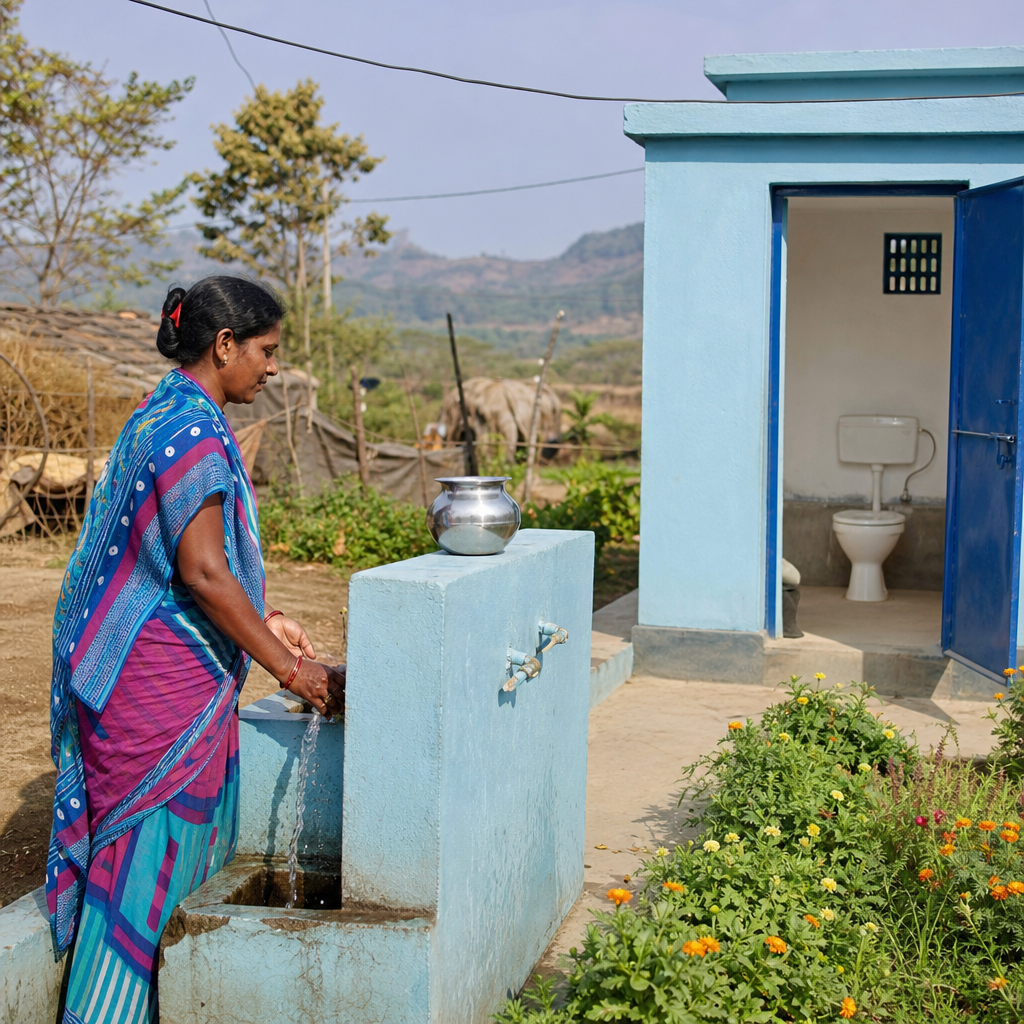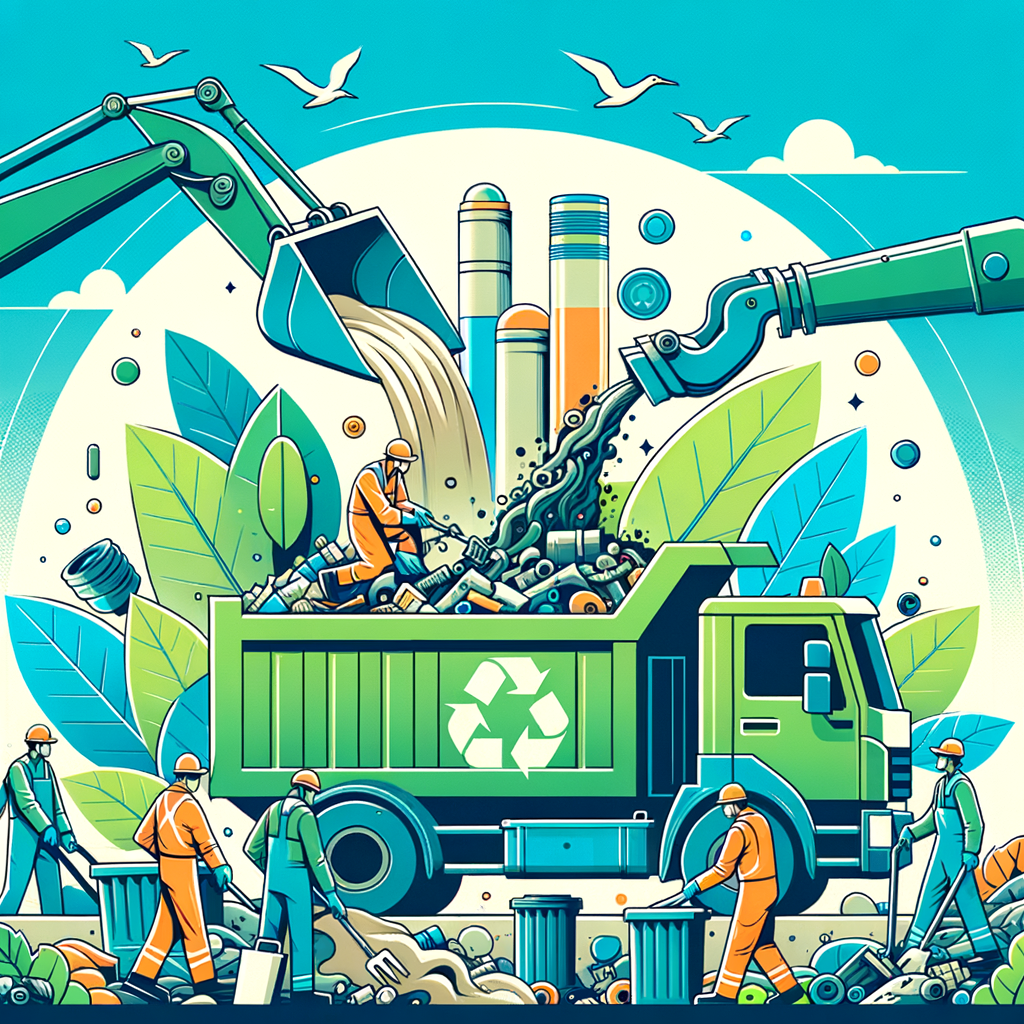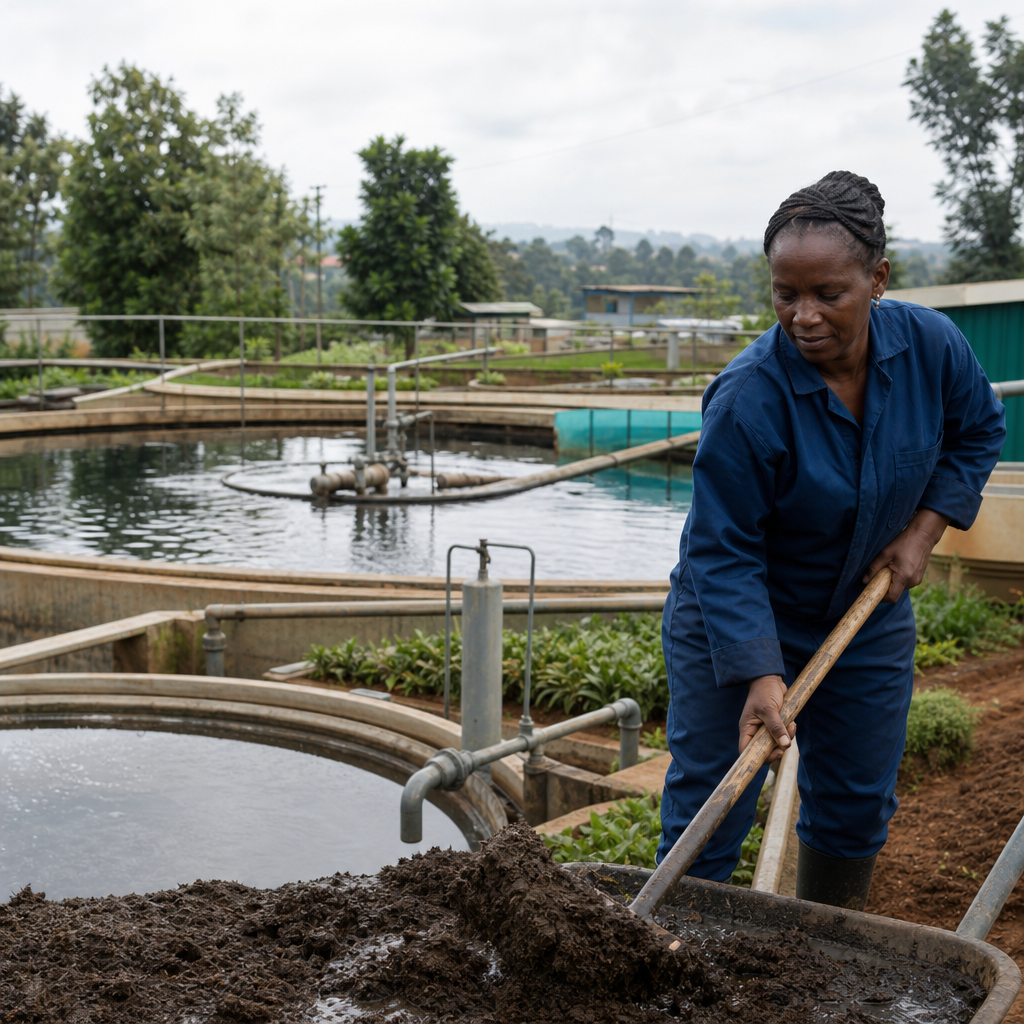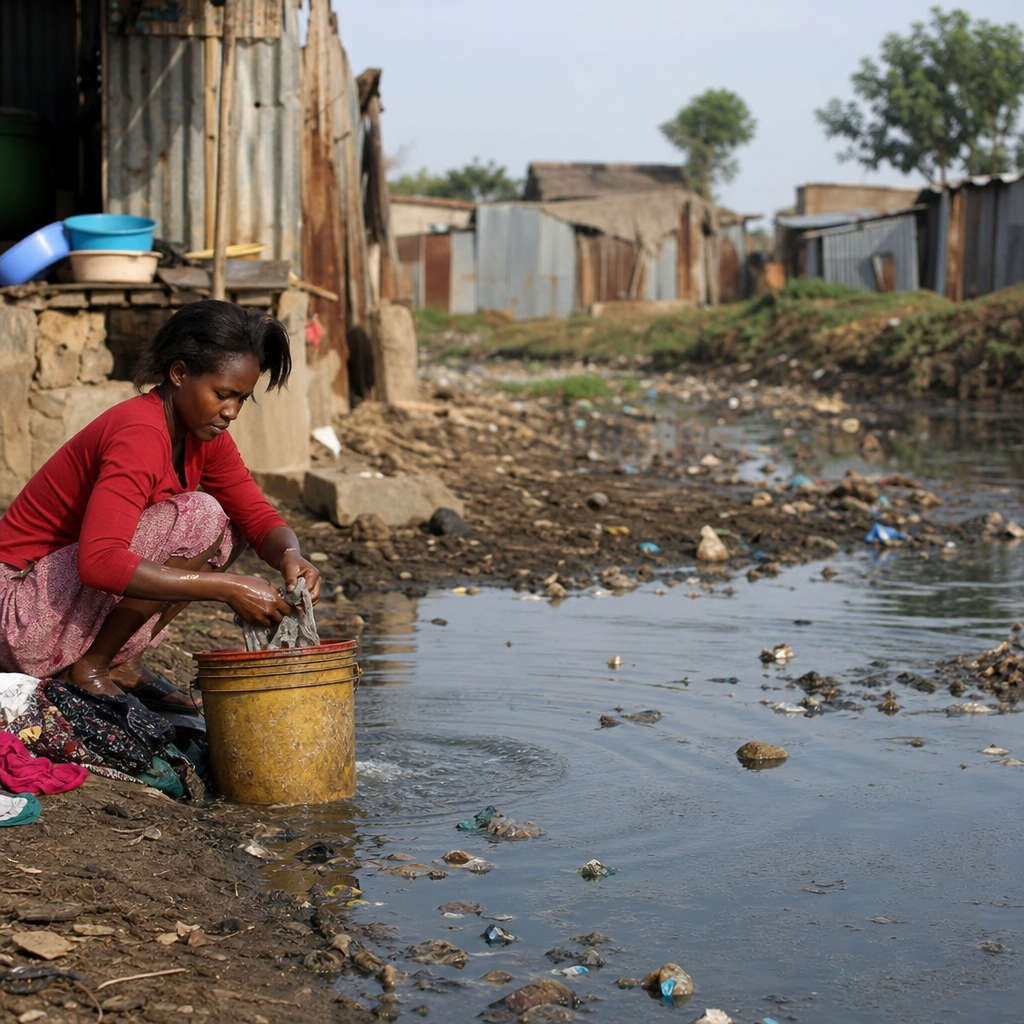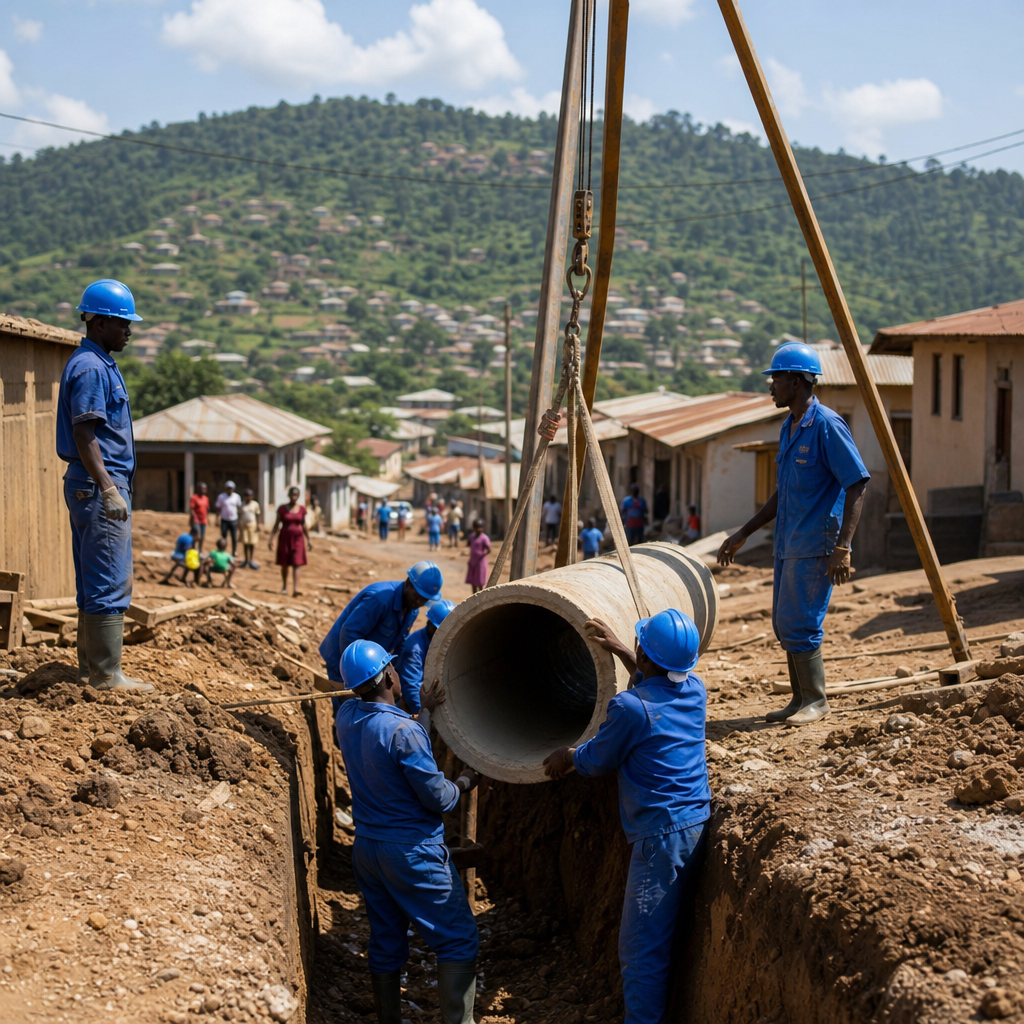
Sanitation is often framed as a health service, yet in developing regions it functions just as powerfully as an economic stimulus that raises productivity, expands local enterprise, and protects public budgets. In practical terms, sanitation includes the safe containment, transport, treatment, and reuse or disposal of human waste, wastewater, and related hygiene infrastructure. When that system is built around ecological sanitation, or EcoSan, waste is treated as a resource stream rather than a pure liability. I have seen this distinction matter on the ground: projects that simply install toilets may reduce open defecation for a time, but projects that also solve financing, maintenance, collection logistics, and resource recovery create jobs and durable cash flow. That is why financing and investing in EcoSan deserves to be treated as a core economic development strategy, not a peripheral social expense.
The economic case is straightforward. Poor sanitation lowers labor output through illness, stunting, school absenteeism, unsafe urban growth, and rising water treatment costs. The World Bank has repeatedly documented that inadequate sanitation can cost countries several percentage points of gross domestic product through healthcare spending, time losses, and environmental damage. By contrast, well-designed sanitation systems generate returns across multiple sectors: construction, pit emptying, transport, treatment, agriculture, energy, tourism, and real estate. For policymakers, investors, utilities, and development finance institutions, the key question is not whether sanitation has value, but how to structure capital so that value becomes bankable. This hub article explains the financing logic, investment models, risk allocation, and implementation pathways that make EcoSan scalable in developing regions.
EcoSan refers to sanitation systems that safely recover nutrients, water, energy, or organic matter from waste streams. Common models include urine-diverting dry toilets, container-based sanitation, fecal sludge treatment plants with composting, co-composting of sludge and organic waste, anaerobic digestion for biogas, and decentralized wastewater reuse. Each model has a different capital profile, revenue pattern, and operating requirement. That matters because no single financing mechanism fits every context. Dense informal settlements may need micro-payments and service subscriptions. Secondary cities may support public-private treatment plants with tipping fees. Peri-urban farming zones may justify blended finance because compost sales and fertilizer substitution create measurable agricultural gains. Understanding those distinctions is essential for anyone building an EcoSan investment strategy.
Financing and investing in EcoSan also matters because sanitation markets fail in predictable ways. Benefits are dispersed across households, employers, schools, utilities, and municipal health systems, while costs are often concentrated at the point of installation or service delivery. Households may value a toilet but still lack liquidity. Municipalities may want treatment capacity but have weak balance sheets. Private operators may identify demand yet face uncertain land tenure, tariff caps, currency risk, and low willingness to pay during early adoption. Good sanitation finance closes those gaps with targeted subsidies, credible tariffs, output-based incentives, concessional debt, performance contracts, and risk-sharing structures. In other words, sanitation as an economic stimulus depends less on hardware alone than on the financial architecture behind it.
Why EcoSan investment works as economic development
EcoSan creates economic stimulus through four channels: direct employment, avoided costs, resource recovery, and productivity gains. Direct employment starts with masons, fabricators, pit emptiers, operators, mechanics, and sales agents. In container-based systems, recurring service routes create stable urban jobs that are often more resilient than one-time construction work. Avoided costs come from fewer diarrheal infections, lower pressure on clinics, reduced contamination of groundwater, and less flood-related pollution in dense settlements. Resource recovery turns treated outputs into compost, soil conditioner, irrigation water, insect protein feed inputs, or biogas. Productivity gains show up when workers lose fewer days to illness and girls miss fewer school days due to unsafe or inaccessible facilities.
In my experience, the strongest projects quantify all four channels before they seek finance. A treatment plant that only models compost sales will often look weak. The same plant can become compelling when the city includes avoided dumping costs, reduced desludging distances, lower drainage blockages, and public health savings in the appraisal. This is why sanitation economics should be done at system level rather than asset level. The toilet, collection fleet, transfer station, treatment facility, and offtake market are one business chain. Break any link and the economics degrade quickly.
There is also a macroeconomic argument. Developing regions are urbanizing faster than sanitation networks can expand. Sewer systems are capital intensive, slow to build, and difficult to extend into informal or water-scarce areas. EcoSan provides modular alternatives that can be deployed faster with lower upfront cost per household in many settings. That speed matters economically because earlier service delivery reduces disease burdens now, not ten years after a master plan is approved. Decentralized approaches also reduce reliance on imported fertilizer and fossil fuels where nutrient recovery and biogas are viable, improving local resilience against global price shocks.
Funding sources and capital stacks for EcoSan
Most successful EcoSan programs use layered finance rather than a single source of money. Grants are valuable for feasibility studies, behavior change campaigns, pilot demonstrations, and first-loss capital. Public budgets are appropriate for sanitation with strong public-good characteristics, especially drainage protection, school sanitation, and treatment infrastructure serving low-income areas. Household contributions are important because even small co-payments can improve ownership, but they should be matched to affordability realities. Microfinance works best for latrine upgrades, connection fees, and small business equipment when repayments align with cash flow. Commercial debt becomes realistic when revenues are contracted or diversified. Carbon finance, results-based financing, and impact investment can strengthen returns, but only if monitoring systems are robust.
The capital stack should follow project risk. Early-stage technology validation belongs with grants or catalytic capital. Construction risk may be shared through public procurement or engineering, procurement, and construction contracts. Demand risk can be reduced through service subscriptions, municipal minimum-revenue guarantees, or anchor customers such as schools, markets, and housing estates. Offtake risk for compost or biogas should be managed with pre-arranged buyers, quality standards, and seasonal sales planning. Currency mismatch is a major issue when foreign investors fund local-currency sanitation revenues; hedging costs can erase margins, so local-currency lending or blended structures are often preferable.
| Financing source | Best use in EcoSan | Main advantage | Main limitation |
|---|---|---|---|
| Public budget | Treatment plants, school sanitation, pro-poor service expansion | Can fund public benefits not captured by tariffs | Subject to political cycles and budget constraints |
| Grants and concessional funds | Pilots, technical assistance, first-loss capital | Absorbs early risk and supports innovation | Not sustainable for routine operations |
| Microfinance | Household toilets, small enterprise tools, connection fees | Matches local repayment capacity | Requires strong collection systems and borrower trust |
| Commercial debt | Mature operators with predictable cash flow | Scales proven business models | High interest rates can strain sanitation margins |
| Impact investment | Service platforms with measurable outcomes | Accepts blended financial and social returns | Often expects rigorous data and governance |
For hub-level planning, decision-makers should map each subtopic in financing and investing in EcoSan to a capital source. Household sanitation finance, municipal sanitation bonds, fecal sludge treatment public-private partnerships, carbon monetization, agricultural offtake agreements, and sanitation micro-enterprise development all deserve dedicated follow-on analysis. This article provides the common framework linking them: match money type to risk type, and never assume recovered resources alone will finance the full chain at early stages.
Business models that attract investors
Investors fund business models, not just infrastructure. In EcoSan, the most investable models usually combine recurring service revenue with diversified end-use income. Container-based sanitation is one example. Households pay a subscription for a sealed toilet service, operators collect waste on a fixed route, and treatment outputs are sold or used for energy generation. Because payments recur monthly, operators can model churn, route density, and customer lifetime value. Another model is scheduled desludging, where municipalities require septic tanks or pits to be emptied every few years and households pay through utility bills or local taxes. This creates predictable demand and reduces illegal dumping.
Resource recovery models vary widely. Compost sales can work where farmers face high fertilizer prices and trust product quality. Co-composting with market waste often improves carbon-to-nitrogen balance and product volume, making unit economics stronger. Anaerobic digestion can supply biogas to institutions such as prisons, hospitals, or food processors that value fuel substitution. Black soldier fly systems can convert organic waste streams into feed ingredients, although feed regulation and quality assurance are crucial. Wastewater reuse can support landscaping, brickmaking, or peri-urban agriculture if treatment standards and distribution logistics are clear. The lesson is simple: the revenue model must fit local demand, not donor fashion.
Strong operators also treat sanitation as a service business with disciplined metrics. They track customer acquisition cost, route efficiency, treatment throughput, downtime, desludging interval, contamination rate, and conversion of outputs to paid sales. In one East African portfolio I reviewed, the operator became fundable only after proving that route density could cut collection cost per household by more than a quarter. In South Asia, several fecal sludge plants underperformed because compost marketing was treated as an afterthought rather than a core commercial function. Operational excellence, not just good intent, is what makes EcoSan investment credible.
Public policy, regulation, and risk reduction
No sanitation market scales without enabling regulation. Governments shape bankability through service standards, land allocation, licensing rules, sludge discharge enforcement, tariff policy, and procurement design. The most important policy shift in many developing regions is recognizing fecal sludge management as an essential urban service, not an informal side activity. Once cities define legal emptying points, treatment responsibilities, and penalties for unsafe disposal, private capital becomes easier to mobilize because compliant operators are no longer competing directly with illegal dumping.
Standards matter as much as finance. The World Health Organization sanitation safety planning approach, ISO guidance for sanitation service chains, and national biosolids or compost standards help reduce health and market risk. Farmers will not buy compost if pathogen control is uncertain. Banks will not lend if treatment permits are disputed. Utilities will not integrate non-sewered sanitation services if reporting is weak. Clear standards convert a vague social project into an infrastructure class with measurable performance. That shift is often the turning point for institutional investors and development banks.
Risk reduction tools should be built early. These include viability gap funding, output-based aid, credit guarantees for sanitation loans, escrow mechanisms for service payments, and index-linked tariffs where inflation is high. Political risk can be reduced through ring-fenced sanitation accounts and multiyear service contracts. Land risk is especially important for treatment facilities; unresolved tenure can destroy a project regardless of technical quality. In practice, the best municipal partners provide secure land, transparent permits, and enforceable dumping controls before asking private operators to invest.
How to evaluate EcoSan investments
EcoSan investments should be evaluated with both project finance discipline and public economics. Start with demand: how many households or institutions need service, what alternatives exist, how much do they currently spend, and what behavior change is required? Then assess the full service chain, from user interface to final reuse or disposal. Capital expenditure should be separated from operating expenditure because many sanitation failures occur when donor-funded assets open without a funded operating model. Unit economics are essential: cost per household served, cost per cubic meter treated, collection cost per route, and revenue per ton of recovered product.
Next, test sensitivity. What happens if customer growth is slower than expected, fertilizer prices fall, fuel prices rise, or rainfall disrupts drying beds? What if enforcement weakens and illegal dumping returns? These are common failure modes. I advise investors to insist on downside cases that assume lower offtake revenue and higher maintenance costs than the base model. A project that only works under optimistic assumptions is not investment ready. Social return on investment and cost-benefit analysis remain useful, especially for public funding decisions, but they should complement, not replace, operating realism.
Good measurement closes the loop. Track health outcomes, service reliability, containment safety, greenhouse gas reductions, nutrient recovery, and affordability by income group. Digital tools now make this easier: mobile money for collections, GPS fleet tracking, barcode-linked container servicing, and remote monitoring of treatment assets. Better data improves collections, strengthens lender confidence, and supports future refinancing. For regions building an EcoSan pipeline, that data history becomes an asset in itself.
What leaders should do next
Sanitation as an economic stimulus in developing regions is not a slogan; it is a financing challenge that can be solved with disciplined design. EcoSan works when leaders treat sanitation as a service chain, value recovered resources realistically, and use blended capital to bridge early risk. The strongest programs align public funds with public benefits, reserve private capital for proven cash flows, and enforce standards that protect health and markets. They also build local enterprise capacity so that sanitation jobs, fertilizer savings, and energy benefits remain in the regional economy.
For this Economic Aspects hub, the central lesson is that financing and investing in EcoSan should be approached as portfolio development. Some projects will be household finance products, others municipal infrastructure deals, others venture-scale service platforms, and others agricultural circular-economy plays. Linking those articles under one strategy helps decision-makers compare risks, sequence investments, and create investable pipelines instead of isolated pilots. If you are shaping policy, funding programs, or evaluating operators, start by mapping the full sanitation value chain in your target region and identifying where grants, tariffs, debt, and recovered-resource revenues each fit best. That is how sanitation moves from necessity to stimulus.
Frequently Asked Questions
1. Why can sanitation be considered an economic stimulus in developing regions, not just a public health service?
Sanitation is often discussed in terms of disease prevention, but its economic role is just as important. When communities have reliable systems for safely containing, transporting, treating, and reusing or disposing of waste, they reduce the daily disruptions caused by illness, unsafe environments, and weak infrastructure. Fewer sanitation-related infections mean fewer missed workdays, more consistent school attendance, and stronger labor productivity. That translates directly into higher household earnings and more stable local markets.
There is also a clear effect on public finance. Poor sanitation raises healthcare costs, increases pressure on clinics and hospitals, and often forces governments to spend more on emergency responses to outbreaks and environmental contamination. By contrast, functional sanitation systems help prevent these avoidable costs, allowing limited public budgets to be redirected toward roads, education, agriculture, and enterprise support. In that sense, sanitation acts much like other productive infrastructure: it creates conditions in which people can work, trade, invest, and plan with more confidence.
Sanitation investment also stimulates local economic activity during construction, installation, maintenance, collection, treatment, and related services. Whether the model involves sewer systems, decentralized treatment, or ecological sanitation solutions, these systems create jobs for masons, technicians, transport operators, maintenance workers, entrepreneurs, and suppliers. In developing regions especially, sanitation should be understood as a foundational economic asset that improves human capital, lowers systemic risk, and supports local business growth over the long term.
2. How does poor sanitation reduce productivity and slow economic development?
Poor sanitation undermines productivity in ways that are both immediate and cumulative. At the household level, unsafe toilets, open defecation, contaminated water, and inadequate wastewater management contribute to diarrheal disease, parasitic infections, undernutrition, and other preventable illnesses. Adults lose working hours caring for sick family members or recovering themselves, while children miss school and may suffer developmental setbacks that affect future earning potential. These losses are not isolated; across a community or region, they add up to a substantial drag on labor performance and economic output.
The economic effects go beyond health. In areas without safe sanitation, women and girls often spend additional time finding private places to relieve themselves, managing hygiene without adequate facilities, or collecting water for cleaning. That time burden reduces opportunities for paid work, education, and entrepreneurship. Businesses also face costs when workers are absent, customer environments are unsanitary, or tourism and commerce are discouraged by visible waste and foul conditions. Markets, schools, clinics, and transport hubs all function less efficiently when sanitation is weak.
There are environmental and infrastructure consequences as well. Untreated wastewater and unmanaged fecal sludge can pollute rivers, groundwater, farmland, and urban drainage systems. This damages fisheries, reduces agricultural quality, contributes to flooding, and raises water treatment costs. Over time, poor sanitation creates a cycle in which illness, environmental decline, and lost productivity reinforce one another. That is why improving sanitation is not simply a welfare measure; it is a practical strategy for removing structural barriers to economic development.
3. What is ecological sanitation, and how can EcoSan create economic value?
Ecological sanitation, often called EcoSan, is an approach that treats human waste not only as something to be safely managed, but also as a potential resource stream. Instead of viewing sanitation purely as disposal, EcoSan systems are designed around safe containment, treatment, and productive reuse where appropriate. Depending on the technology and local context, this can include recovering nutrients for agriculture, producing compost-like soil amendments, generating biogas, conserving water, or reducing pressure on expensive centralized infrastructure.
The economic value of EcoSan comes from several directions. First, it can lower long-term system costs in places where conventional sewer networks are too expensive to build or maintain. Decentralized and resource-oriented systems may be better suited to rural areas, peri-urban settlements, water-scarce regions, or communities with limited public budgets. Second, resource recovery can support local livelihoods. Treated outputs may be used in farming, landscaping, or energy production, creating opportunities for small enterprises and reducing dependence on costly imported inputs such as chemical fertilizers or fuel.
EcoSan can also strengthen resilience. In developing regions facing water scarcity, climate stress, or fast urban growth, systems that minimize water use and recover value from waste can be more adaptable than traditional models. That said, the economic case depends on proper treatment, regulation, community acceptance, and operational quality. EcoSan is not simply about reusing waste; it is about doing so safely, systematically, and in ways that support public health, environmental protection, and local economic circulation. When implemented well, it can turn a sanitation burden into a productive asset.
4. In what ways does sanitation investment create jobs and support local enterprise?
Sanitation investment creates employment across a full service chain, not just during initial construction. At the start, there is demand for planning, engineering, site preparation, masonry, plumbing, fabrication, and materials supply. Once systems are in place, they require regular cleaning, pit emptying, fecal sludge collection, transport, treatment plant operation, equipment servicing, monitoring, and customer support. This creates a diverse ecosystem of formal and informal jobs that can be localized and scaled over time.
Small and medium-sized enterprises often benefit the most. Local businesses can manufacture toilet components, sell hygiene products, operate desludging services, maintain decentralized treatment units, or process recovered resources such as compost or energy products. In many developing regions, these sanitation-linked enterprises fill critical market gaps while creating income opportunities close to where people live. The growth of sanitation markets can also encourage innovation in affordable design, mobile payment systems, service subscriptions, and last-mile delivery models for underserved communities.
There is an important multiplier effect as well. Healthier workers are more productive, schools function better, commercial areas become more attractive, and land values may improve where sanitation systems reduce contamination and odors. Better sanitation can support sectors like agriculture, food processing, hospitality, and retail because it improves both environmental quality and business confidence. In that sense, sanitation is not an isolated public works category. It is an enabling industry that helps other industries operate more efficiently and expand more sustainably.
5. What should policymakers and development planners prioritize to maximize the economic returns of sanitation?
To maximize economic returns, policymakers should treat sanitation as core infrastructure tied to productivity, employment, environmental management, and fiscal stability. That starts with moving beyond narrow toilet-count targets and focusing on the entire sanitation service chain: containment, collection, transport, treatment, and safe reuse or disposal. Investments that stop at access without ensuring ongoing service quality often fail to deliver their full health or economic benefits. Strong planning should therefore include operations, maintenance, financing, regulation, and performance monitoring from the beginning.
It is also essential to match sanitation models to local conditions. Dense urban neighborhoods may need different solutions than rural villages or peri-urban settlements. In some areas, centralized sewerage may be viable; in others, decentralized systems or EcoSan approaches may provide better value. Governments and partners should assess water availability, settlement patterns, affordability, land constraints, agricultural demand for recovered resources, and institutional capacity before choosing technologies. The most economically effective sanitation strategy is rarely one-size-fits-all.
Finally, policymakers should build enabling environments for local enterprise and long-term adoption. That includes clear standards for treatment and reuse, financing mechanisms for households and providers, training for sanitation workers, public education to build trust, and data systems that track service outcomes. When sanitation is integrated with health, housing, education, agriculture, and climate planning, the returns become broader and more durable. The strongest results come when sanitation is recognized not as a narrow social expense, but as a strategic investment that improves human capital, stimulates markets, and protects scarce public resources.