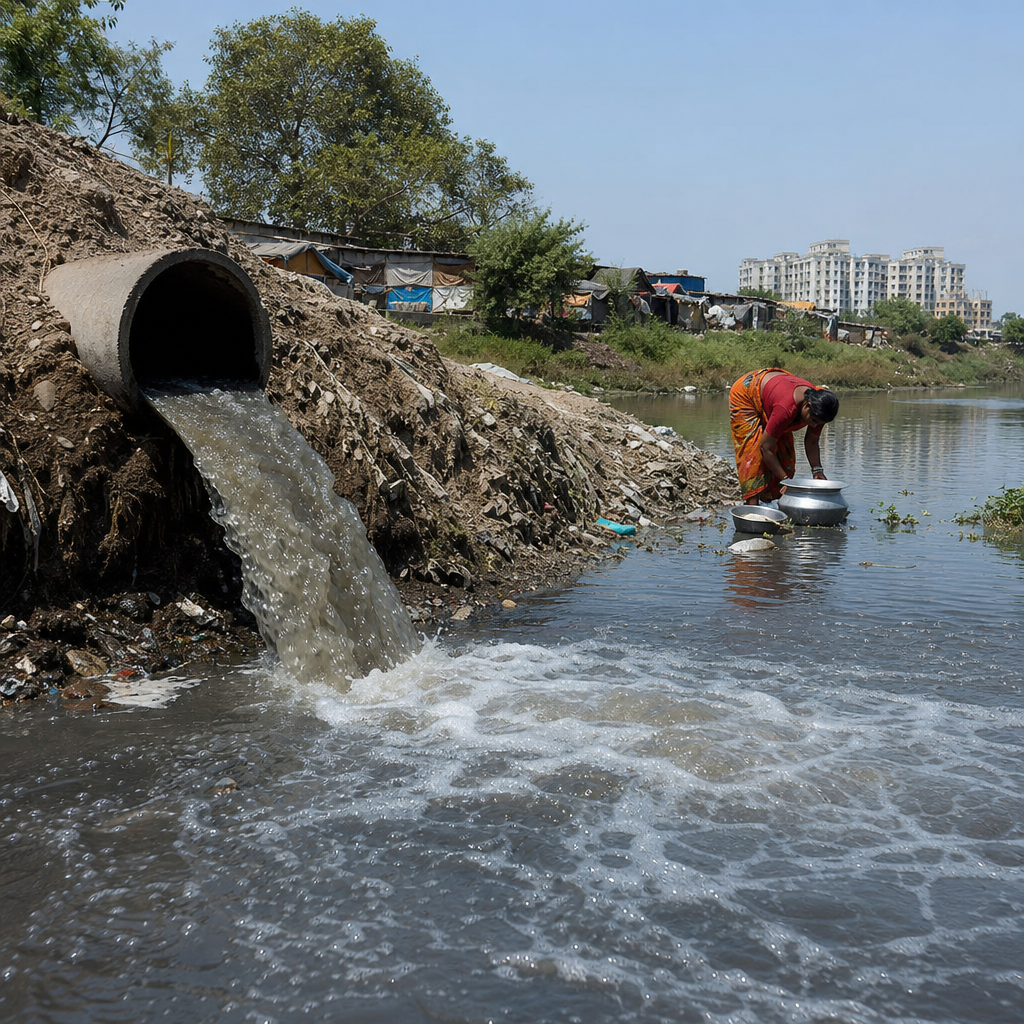
Sanitation shapes water resources far beyond public health, and its economic impact becomes clearest when communities must finance, operate, and upgrade systems that protect rivers, aquifers, and household water supplies. In the context of ecological sanitation, or EcoSan, the central idea is simple: treat human waste as a resource stream rather than a disposal problem. That means designing toilets, collection systems, storage, treatment, and reuse pathways that recover nutrients, conserve water, and reduce pollution loads entering the environment. I have worked on sanitation business cases where the turning point was not engineering elegance but whether decision makers could see the financial value of avoided water contamination, lower treatment costs, and recovered products such as compost, biogas, or fertilizer inputs.
The phrase financing and investing in EcoSan covers several related questions. Who pays the upfront capital cost of toilets, treatment units, transport equipment, and reuse infrastructure? How are operating costs recovered over time? What mix of public finance, household spending, donor support, utility revenue, carbon finance, blended capital, or private investment makes a project bankable? And how do planners measure returns when many benefits, including cleaner groundwater, lower disease burden, drought resilience, and reduced nutrient pollution, do not appear immediately on a utility balance sheet? These are not academic questions. They determine whether sanitation systems remain pilots or become durable public services.
This matters because conventional sanitation frequently externalizes costs onto water resources. Unlined pits can leach pathogens and nitrates into shallow aquifers. Combined sewers can overflow during storms, sending untreated wastewater into rivers. Septic tanks that are poorly desludged contaminate drainage channels and wetlands. Utilities then spend more on drinking water treatment, industries face higher process water costs, fisheries suffer, and households pay for bottled water, medical care, or lost workdays. The World Bank, WHO, and UNICEF have repeatedly shown that inadequate sanitation imposes broad economic losses through health costs, environmental damage, and reduced productivity. EcoSan changes the equation by linking sanitation investment directly to water protection and resource recovery.
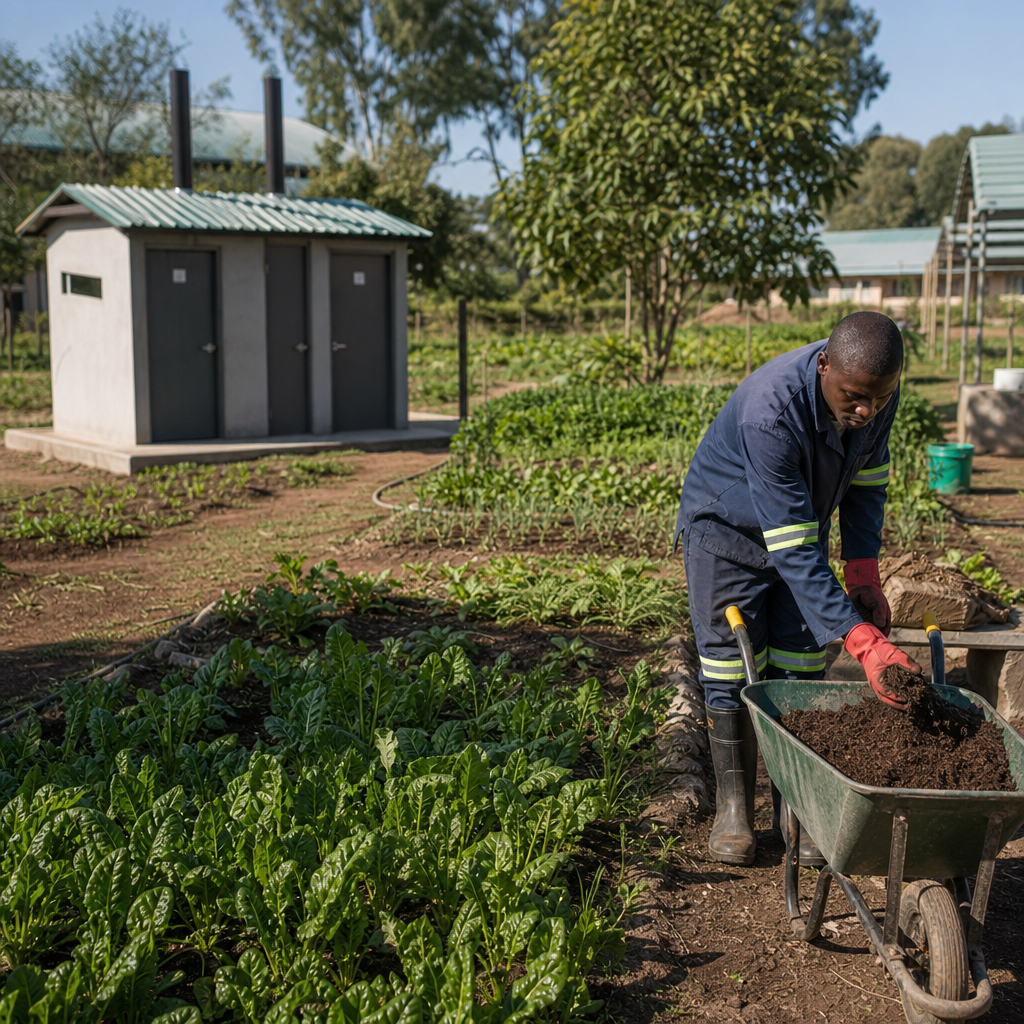
For an economic hub article, the key principle is that sanitation investment should be evaluated across the full water cycle. A dry urine-diverting toilet may use almost no flushing water, preserve scarce freshwater, and produce a nutrient stream suitable for agricultural reuse after proper handling. A fecal sludge treatment plant with composting can reduce river pollution while generating saleable soil conditioner. A decentralized anaerobic digester can lower fuel purchases and cut organic loading to waterways. Financing choices must reflect these multi-sector benefits. When they do, EcoSan stops looking like a niche environmental option and starts looking like practical water infrastructure with measurable economic returns.
Why water resource economics should drive sanitation finance
The strongest case for financing EcoSan is that poor sanitation transfers costs downstream, often literally. When fecal contamination reaches surface water or groundwater, the damage spreads across sectors. Water utilities may need additional chlorination, filtration, or source switching. Municipalities spend more clearing drains clogged by sludge and solid waste. Farmers lose productivity when irrigation canals become polluted. Tourism declines where beaches, lakes, or urban waterfronts are unsafe or visibly degraded. These are economic losses caused by sanitation failure, even when sanitation budgets do not record them.
In project appraisal, I have found that decision makers respond when these externalities are translated into familiar metrics: avoided water treatment expenditure per cubic meter, avoided health costs per household, reduced nutrient discharge fees, lower energy demand for pumping and treatment, and revenue from recovered products. This is especially relevant in water-stressed regions where every liter saved has value. Dry or low-flush EcoSan systems reduce freshwater demand, which can defer investments in supply expansion. That deferral has real capital value. If a city can delay a borefield extension or treatment plant upgrade because sanitation systems use less water and pollute less source water, the sanitation investment has effectively protected the water asset base.
Economic analysis should therefore include direct financial returns and broader economic returns. Direct returns are tariffs, user fees, compost sales, energy sales, or service contracts. Broader returns include avoided eutrophication, better groundwater quality, climate resilience, and reduced disease transmission. Standard methods such as cost-benefit analysis, life-cycle costing, and least-cost planning are useful, but they must include environmental externalities rather than treating them as side notes.
What financing and investing in EcoSan actually includes
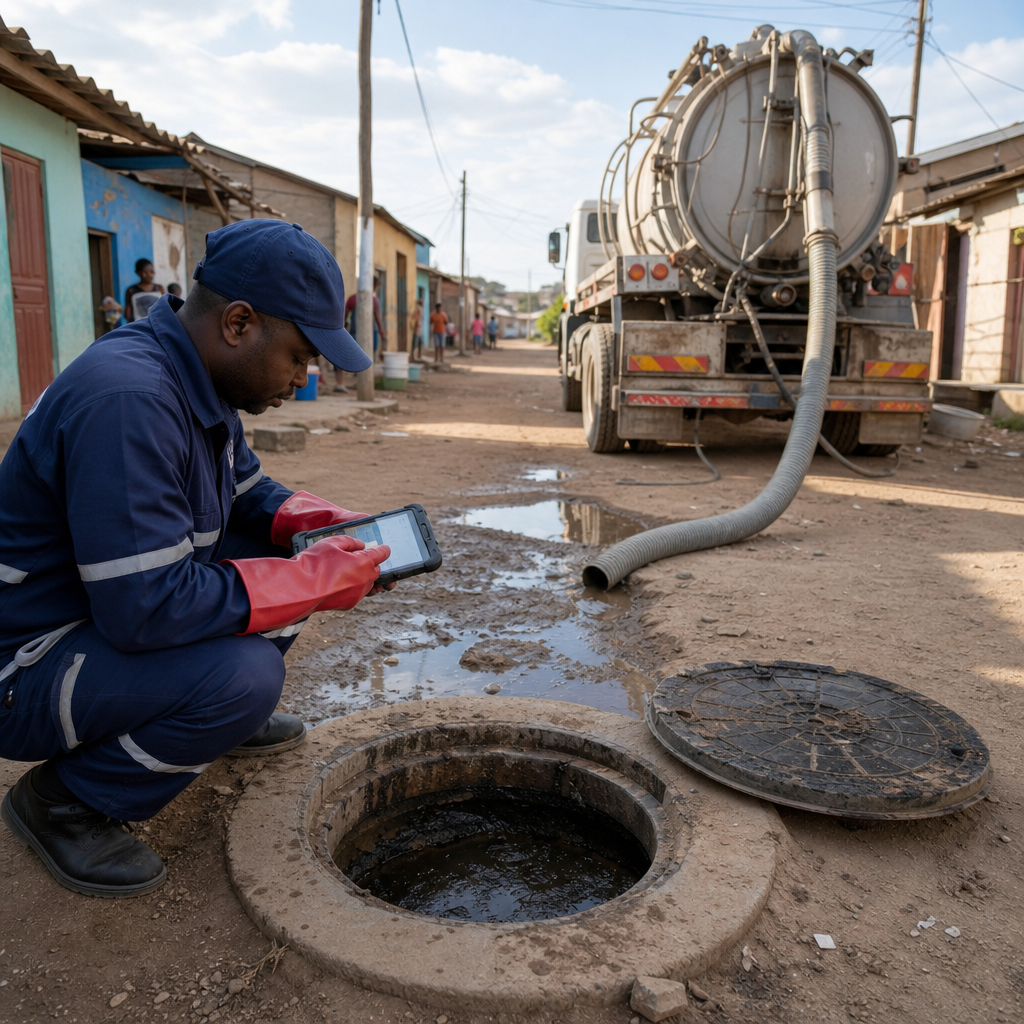
EcoSan financing spans the full sanitation service chain: containment, emptying or collection, transport, treatment, reuse, and safe end use or disposal. Many weak projects focus only on toilets. Strong projects finance the chain end to end. A urine-diverting toilet without a reuse market, collection protocol, or treatment standard is not a complete investment. Likewise, a composting or digesting plant without sufficient feedstock logistics will underperform financially.
Capital expenditure usually includes household interfaces, communal blocks, transfer stations, treatment units, storage, vehicles, and monitoring equipment. Operating expenditure includes labor, consumables, maintenance, compliance testing, behavior change support, marketing of recovered products, and asset replacement reserves. In successful programs, capital grants often support public-good components such as treatment plants and network coordination, while households or landlords contribute to on-site systems and service fees.
Investing in EcoSan also includes institutional investment. Utilities may need billing systems for non-sewered sanitation. Regulators may need standards for biosolids, compost maturity, pathogen reduction, and reuse quality. Municipalities may need land tenure clarity for treatment sites. Without these enabling investments, physical assets struggle to produce reliable returns. That is why the most credible bankability assessments look at governance, demand, pricing, and operations alongside engineering design.
Major funding sources and investment models
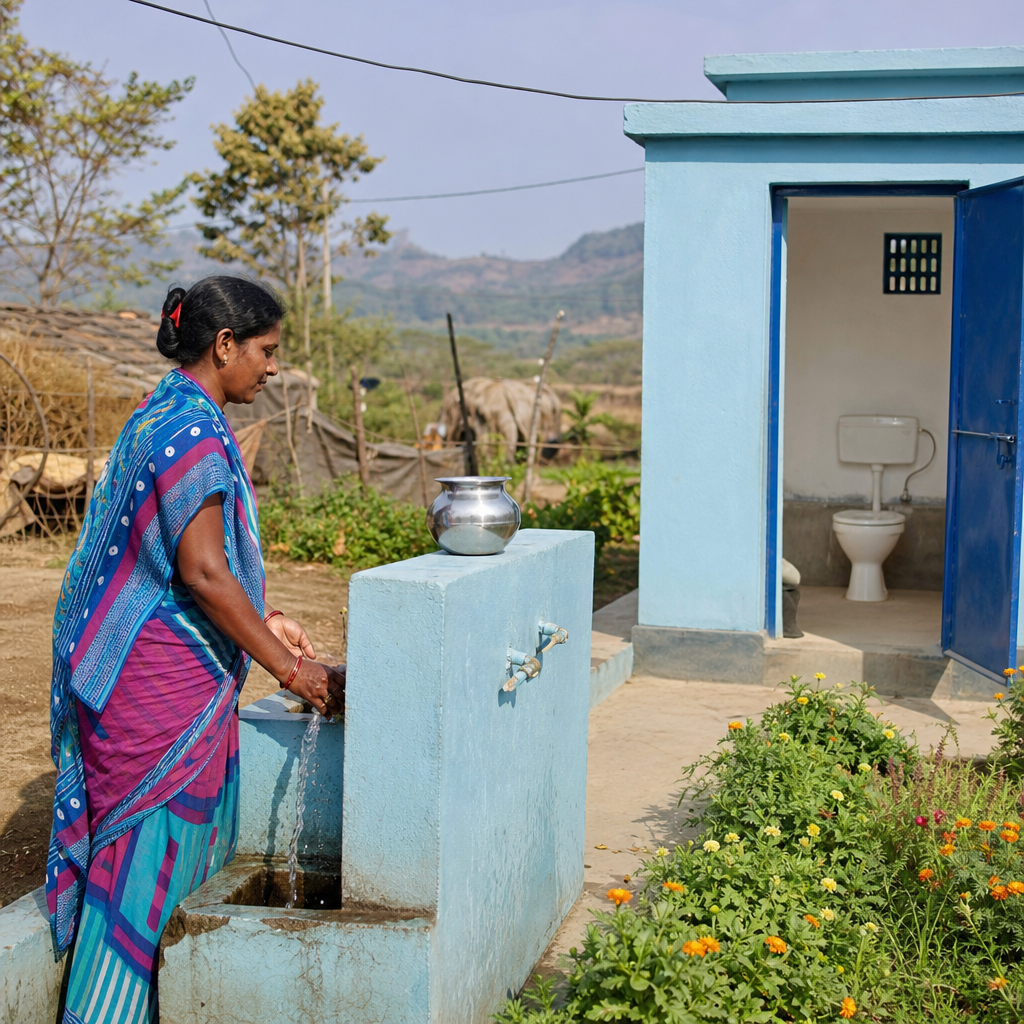
EcoSan rarely depends on a single source of finance. The most resilient model blends public funds with user contributions and performance-based revenue. Public finance is justified because sanitation protects water resources, generates public health benefits, and reduces environmental damage. Municipal budgets, national sanitation programs, and development bank loans commonly finance trunk assets, treatment hubs, and pro-poor subsidies. Household finance, including savings, microcredit, rent recovery, or pay-as-you-go service fees, often supports toilets and container-based systems.
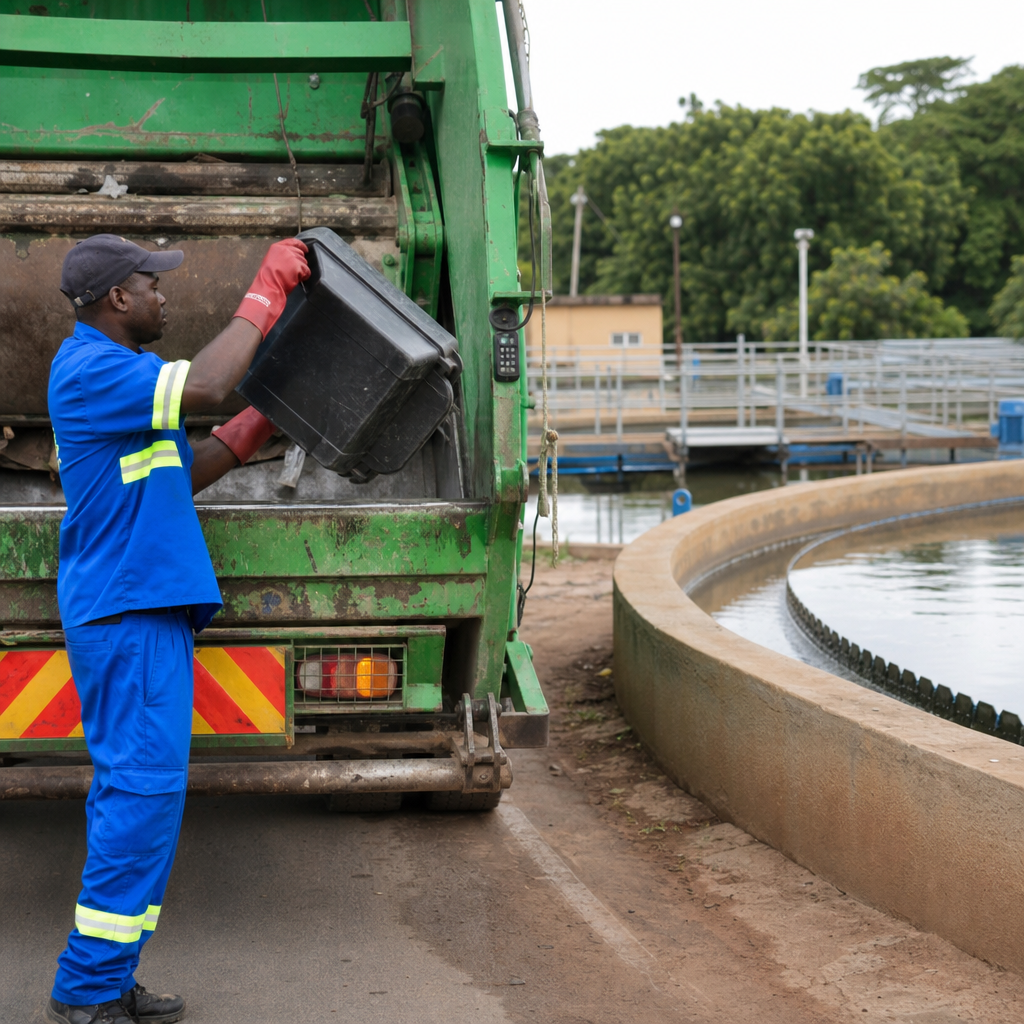
Private capital can play a role where cash flows are predictable. Examples include fecal sludge collection fleets under service contracts, composting plants with municipal gate fees, and biogas projects selling energy to institutions. Impact investors typically look for enterprises with recurring revenue, measurable environmental outcomes, and scalable operations. However, pure private finance is uncommon for early-stage sanitation infrastructure because external benefits exceed monetizable income. That is why blended finance is usually the realistic path.
| Funding model | Best use in EcoSan | Main strength | Main limitation |
|---|---|---|---|
| Public budget or utility finance | Treatment facilities, public oversight, subsidies | Supports water protection benefits | Competes with other municipal priorities |
| Household savings or microcredit | Toilets, upgrades, connection to services | Builds user ownership | Limited affordability for low-income families |
| Blended finance | Citywide EcoSan systems, reuse platforms | Shares risk across stakeholders | Complex structuring and reporting |
| Private or impact investment | Collection, processing, product sales | Drives efficiency and innovation | Needs dependable revenue |
| Results-based finance | Verified service delivery and treatment outcomes | Pays for performance | Requires strong monitoring systems |
Results-based finance is gaining relevance because it rewards actual outcomes such as safely managed sludge, nutrient recovery, reduced discharge, or verified service to low-income households. In water resource terms, this is valuable because it shifts attention from asset construction to environmental performance.
Building a bankable EcoSan business case
A bankable EcoSan project begins with demand, not hardware. Investors and public finance agencies want evidence that households will adopt the service, that institutions will pay, and that operators can maintain performance. This usually means a service-area assessment, willingness-to-pay analysis, water resource risk profile, and mass balance of nutrients, organics, and water flows. If the project claims fertilizer substitution, the nutrient content and agronomic demand must be tested. If it claims water savings, baseline consumption and avoided treatment costs must be quantified.
Financial models should separate revenue that is certain from revenue that is aspirational. User fees and municipal service payments may be reliable. Compost sales can help, but only if the product meets standards, logistics are practical, and farmers trust the material. I have seen project models fail because they assumed premium prices for compost without accounting for transport cost, moisture content, seasonal demand, or competition from subsidized synthetic fertilizer. Conservative assumptions produce better investments.
Key metrics include capital cost per household served, operating ratio, collection efficiency, treatment compliance rate, cost per kilogram of nutrient recovered, and avoided pollution load to receiving waters. Lenders also examine governance quality, procurement capacity, and operator competence. For public-sector appraisal, net present value and economic internal rate of return should include avoided health expenditure and avoided water remediation. For enterprise investment, unit economics and route density matter as much as treatment technology.
Revenue streams from resource recovery and water protection
EcoSan can generate revenue, but the strongest economic case often combines sales income with avoided costs. Resource recovery options include compost, dried biosolids for soil improvement where regulations allow, urine-derived fertilizers such as struvite or concentrated nutrient solutions, and biogas for cooking, heating, or electricity. In some contexts, black soldier fly larvae processing of organic waste and fecal sludge has added value through animal feed inputs, though regulation and feed safety are critical.
Water-related savings are frequently larger than product revenue. Low-water or dry systems reduce demand on piped supply and lower wastewater volumes. Decentralized treatment can avoid expensive sewer extensions in low-density areas. Pollution prevention reduces costs at downstream drinking water plants and can preserve ecosystem services. For industries and commercial campuses, on-site reuse systems can lower freshwater abstraction and discharge fees. These savings improve the investment case even when nutrient product markets are immature.
Carbon and climate-linked finance may provide supplementary support. Anaerobic treatment, methane capture, and reduced synthetic fertilizer use can contribute to emissions reductions, though transaction costs are high and methodologies must be credible. Carbon income should be treated as upside, not the core repayment source.
Risks, safeguards, and policy conditions that shape returns
Every sanitation investment carries risk, and EcoSan adds some specific ones. Social acceptance can limit adoption if users distrust reuse products or dislike new toilet interfaces. Operational risk is significant where collection schedules are irregular or trained operators are scarce. Regulatory uncertainty can delay reuse permits or product sales. Water resource benefits may also be reduced if systems are installed in isolation without drainage management, fecal sludge logistics, or source protection measures.
These risks are manageable with proper safeguards. Clear standards for pathogen reduction, storage duration, compost quality, and occupational safety are essential. WHO sanitation safety planning principles, hazard analysis, and routine monitoring should be built into operating budgets. Contracts need performance clauses tied to safe emptying, transport manifesting, treatment quality, and environmental compliance. Insurance, reserve accounts, and phased expansion help reduce financial exposure.
Policy conditions strongly influence returns. Tariff frameworks must allow cost recovery while protecting low-income users through targeted subsidies rather than across-the-board underpricing. Land-use policy must permit treatment and reuse sites where transport distances remain economical. Agricultural extension services can support uptake of recovered nutrients. Water agencies should recognize that sanitation investment is source-water protection, not only social infrastructure.
How cities, utilities, and investors can move from pilots to scale
Scaling EcoSan requires standardization, aggregation, and long-term accountability. Cities should map sanitation systems against aquifer vulnerability, flood risk, and surface water pollution hotspots, then prioritize investments where water resource gains are highest. Utilities can expand their mandate from sewer networks to citywide inclusive sanitation, using digital billing, scheduled desludging, and performance dashboards. Investors prefer portfolios over one-off pilots, so municipalities should bundle projects by district or service type to reduce transaction costs.
Practical scaling also depends on procurement. Output-based contracts for collection and treatment create clearer incentives than equipment-only tenders. Standard toilet designs, container specifications, and quality protocols lower maintenance costs. Data systems matter because lenders and regulators need proof of service continuity and environmental results. In programs I have supported, the biggest improvement came when cities tracked not just toilets built but tons treated, nutrient recovered, and pollution avoided.
The economic impact of sanitation on water resources becomes most visible when finance follows the full value of clean water. EcoSan works financially when planners count avoided contamination, reduced water demand, and productive reuse alongside basic service revenue. Public budgets, household payments, and private capital each have a role, but they perform best in blended structures that match risk with the right source of funding. A robust EcoSan investment case is never just about toilets; it is about protecting aquifers, rivers, treatment capacity, and livelihoods through the entire sanitation chain.
For this subtopic hub, the main takeaway is straightforward. Financing and investing in EcoSan should start with water economics, proceed through realistic business modeling, and end with verified environmental performance. Projects succeed when they fund operations, regulation, behavior change, and market development, not only construction. They scale when cities aggregate demand, utilities adopt service-based models, and policymakers treat sanitation as essential water infrastructure.
If you are developing a sanitation strategy, review your current projects through this lens: what water costs are being created today, what costs could EcoSan avoid, and which funding mix can capture those benefits over time? Answering those questions turns sanitation from a budget burden into a durable investment in water security.
Frequently Asked Questions
How does sanitation affect the economic value of water resources?
Sanitation has a direct economic effect on water resources because it determines whether water remains usable, affordable, and reliable for households, agriculture, and industry. When sanitation systems fail or remain underdeveloped, untreated waste can contaminate rivers, lakes, and groundwater, which raises the cost of water treatment and limits the availability of safe supplies. Utilities and local governments then spend more on filtration, disinfection, infrastructure repairs, pollution control, and emergency public health responses. Those added costs are ultimately passed on to residents, businesses, and taxpayers.
In contrast, effective sanitation protects water quality at the source. This reduces the financial burden of cleaning polluted water and helps communities preserve the long-term productivity of watersheds and aquifers. The economic benefit is especially important in areas facing water scarcity, where every contaminated source represents both an environmental loss and a budget problem. Better sanitation also supports tourism, fisheries, property values, and agricultural output by keeping water bodies cleaner and more dependable. In practical terms, sanitation is not just a health service; it is a form of water resource management that helps prevent expensive downstream damage.
Why is ecological sanitation considered economically important for protecting water supplies?
Ecological sanitation, often called EcoSan, is economically important because it changes the basic logic of sanitation systems. Instead of treating human waste only as something to be disposed of, EcoSan treats it as a resource stream that can be safely managed, processed, and reused. This approach can reduce pressure on freshwater supplies, lower the cost of wastewater handling, and create value through nutrient recovery. By separating, storing, treating, and reusing waste in controlled ways, EcoSan systems can prevent nutrients and pathogens from entering nearby water bodies, which helps avoid the high costs associated with contamination and remediation.
From a financial perspective, EcoSan can also improve system efficiency. Conventional sewer-based models often require large capital investments, extensive pipe networks, high water use, and continuous energy inputs for treatment. In many regions, those systems are costly to expand and maintain, especially in fast-growing or low-income communities. EcoSan alternatives may offer lower infrastructure costs, reduced water consumption, and opportunities to recover nutrients such as nitrogen and phosphorus for agricultural use. That can create savings for households, municipalities, and farmers while reducing dependence on imported fertilizers. The strongest economic case for EcoSan is that it can protect water resources and generate resource value at the same time.
What are the main costs communities face when sanitation systems do not adequately protect water resources?
When sanitation systems do not protect water resources, communities face a chain of visible and hidden costs. The most immediate expenses often include increased drinking water treatment, emergency repairs, environmental cleanup, disease control measures, and monitoring programs. If groundwater or surface water becomes polluted by untreated waste, utilities may need to install more advanced treatment technologies, drill new wells, extend pipelines to cleaner sources, or transport water from farther away. These are major capital and operational expenses that can strain local budgets for years.
There are also broader economic losses that are easy to underestimate. Contaminated water can reduce agricultural productivity, harm fisheries, discourage investment, lower land and property values, and weaken local tourism economies. Businesses that rely on clean water may face interruptions or higher operating costs, while households may spend more on bottled water, medical care, or private sanitation solutions. Over time, poor sanitation can trap communities in a cycle where they pay repeatedly for pollution that could have been prevented through better system design and maintenance. That is why sanitation investment is often more cost-effective than dealing with the long-term financial consequences of degraded water resources.
Can EcoSan systems reduce long-term public and private spending on water and sanitation infrastructure?
Yes, in many settings EcoSan systems can reduce long-term public and private spending, particularly where conventional sewer expansion is technically difficult or financially unrealistic. EcoSan approaches often use less water, require less centralized infrastructure, and can be implemented in modular ways that match local budgets and settlement patterns. This matters because traditional sewer systems usually involve high upfront spending on pipes, pumping stations, treatment plants, and ongoing maintenance. In dense urban areas, that model may still be appropriate, but in peri-urban, rural, water-scarce, or rapidly growing communities, alternative sanitation designs can be significantly more affordable.
The long-term savings come from several directions. Water-saving sanitation reduces demand on water supply systems, which can delay expensive investments in new extraction, storage, and treatment capacity. Better source protection helps utilities avoid the escalating costs of pollution control. Resource recovery can offset some operating costs by producing usable compost, soil amendments, or nutrient products when treatment is done safely and effectively. Households may also benefit from lower water bills and reduced reliance on costly pit emptying or emergency repairs. While EcoSan systems still require planning, training, safe operation, and regulation, they can offer a more financially resilient path when communities want to protect water resources without committing to the highest-cost infrastructure model.
How should policymakers evaluate the economic impact of sanitation on water resources?
Policymakers should evaluate sanitation through a full water-resource economics lens rather than focusing only on toilet access or initial construction costs. A strong assessment includes capital costs, operation and maintenance, water use efficiency, pollution prevention, nutrient recovery potential, public health savings, environmental protection, and long-term resilience. It is important to compare not just the price of building a system, but the lifetime cost of managing water contamination, replacing damaged ecosystems, treating degraded drinking water sources, and responding to system failures. In many cases, the least expensive option on paper becomes far more costly once water quality impacts are included.
They should also consider local conditions such as water scarcity, soil characteristics, settlement density, agricultural demand for recovered nutrients, institutional capacity, and climate risks like flooding or drought. Economic evaluation works best when it captures both direct financial flows and avoided costs. For example, a sanitation system that prevents aquifer contamination may save a city from future well closures and treatment upgrades, while a reuse-oriented EcoSan model may reduce fertilizer demand and conserve freshwater. Policymakers should therefore prioritize integrated planning across sanitation, water supply, agriculture, and environmental management. The most economically sound sanitation strategies are usually the ones that protect water resources, reduce future liabilities, and create measurable value from waste streams that were previously ignored.