Investing in sanitation is one of the most reliable ways governments and communities can improve public health, protect water resources, and strengthen local economies. Within this broad field, understanding EcoSan economics matters because ecological sanitation treats human waste not only as a service challenge but also as a potential resource stream. EcoSan, short for ecological sanitation, refers to systems designed to safely separate, treat, and reuse nutrients, water, and organic matter from excreta and household wastewater. Instead of relying entirely on sewerage and centralized treatment, EcoSan often uses source separation, urine diversion, composting, dehydration, biogas digestion, and decentralized treatment models that can fit dense settlements, peri-urban areas, schools, farms, and water-scarce regions.
When I evaluate sanitation investments, the first mistake I see is narrowing the question to construction cost alone. A toilet block, urine-diverting dry toilet, fecal sludge treatment plant, or decentralized wastewater system is not just an asset on a balance sheet. It changes disease burden, school attendance, groundwater quality, nutrient imports, fuel demand, land values, and municipal operating obligations over many years. That is why EcoSan economics must be assessed across the full life cycle: capital expenditure, operations and maintenance, collection and transport, treatment performance, product recovery, user acceptance, regulatory compliance, and long-term environmental savings.
Governments care because sanitation failures create measurable fiscal pressure. Diarrheal disease raises health spending and reduces workforce productivity. Open defecation and unsafe sludge disposal contaminate rivers and aquifers, increasing drinking water treatment costs. Inadequate school sanitation contributes to absenteeism, especially among girls. Communities care because households bear hidden costs through medical bills, lost workdays, insecurity, time spent accessing distant facilities, and degraded local environments. EcoSan economics provides a framework for deciding when reuse-oriented sanitation delivers a better return than conventional systems, and where the tradeoffs are real.
This hub article explains how to think about those returns. It covers the core cost drivers, the main value streams, financing models, implementation risks, and the metrics decision-makers should track. It also clarifies a central point: EcoSan is not automatically cheaper than conventional sanitation, and it is not suitable everywhere. Its economic advantage depends on context, especially water scarcity, fertilizer prices, density, transport distances, soil demand, governance capacity, and the maturity of reuse markets. Where conditions align, however, EcoSan can convert a recurring sanitation liability into a system that delivers public value and recoverable products at the same time.
What EcoSan Economics Includes
EcoSan economics is the study of how ecological sanitation systems create costs, savings, and returns over time for households, service providers, municipalities, farmers, and the wider environment. In practice, this means moving beyond a simple question such as “How much does a toilet cost?” and asking a fuller set of questions. What are the installation costs? How often must chambers be emptied? What training do users need? Can urine, compost, treated effluent, or biogas be sold or used locally? What public health costs are avoided when containment and treatment improve? Which actor pays, and which actor benefits?
A complete economic assessment usually separates financial analysis from economic analysis. Financial analysis tracks cash flows to the entity paying for and operating the service. Economic analysis adds social and environmental effects, including avoided disease, reduced pollution, and agricultural productivity gains from nutrient recovery. The distinction is important because many sanitation systems with strong social returns do not produce enough direct cash revenue to fund themselves fully. That is normal. Roads, drains, and drinking water systems also rely on public finance because they create broad public benefits.
For EcoSan, the most common cost categories are hardware, land, design, construction supervision, user training, operations, monitoring, repair, collection logistics, treatment, and safe end-use. The major value categories are avoided medical costs, productivity gains, water savings, deferred sewer expansion, reduced fertilizer purchases, recovered energy, improved soil organic matter, and lower contamination of local ecosystems. A sound appraisal makes these categories explicit rather than treating reuse as a vague bonus.
Where the Returns Come From
The economic returns from sanitation investments usually appear in three places: health, environment, and resource recovery. Health gains are often the largest. Better containment and treatment reduce exposure to pathogens that cause diarrhea, helminth infections, and other sanitation-related illnesses. When exposure drops, families spend less on treatment and lose fewer work and school days. For governments, this can mean lower pressure on clinics and hospitals. The World Health Organization has repeatedly found that sanitation investments generate returns through avoided health costs and productivity gains, though the exact ratio depends on local disease burden and service quality.
Environmental returns matter just as much, especially where untreated wastewater and sludge enter drains, canals, lakes, or shallow groundwater. Municipalities often underestimate the cost of polluted water until they face algal blooms, fish kills, expensive treatment upgrades, or conflicts with downstream users. EcoSan can reduce nutrient discharge by capturing nitrogen and phosphorus closer to the source and directing them into controlled reuse pathways. In agricultural zones, that recovered nutrient value can partially offset imports of synthetic fertilizer, whose prices are volatile and often linked to global energy markets.
Resource recovery is the most visible EcoSan feature, but it should be valued carefully. Urine contains most of the nitrogen and a large share of the phosphorus and potassium excreted by humans. Compost-derived products and digestate can improve soil structure as well as nutrient supply. Biogas systems can displace purchased cooking fuel in some settings. Yet market value is not automatic. Recovery only creates returns if products are safe, acceptable, logistically practical, and competitively priced against alternatives. I have seen projects overstate product revenues while underestimating quality assurance, transport, and farmer outreach. Strong economics comes from realistic assumptions, not optimistic ones.
Comparing EcoSan With Conventional Sanitation
EcoSan should be compared with conventional sewered or onsite systems using life-cycle costing rather than headline construction cost. Sewerage can provide excellent service in dense urban areas with reliable water supply, strong utility capacity, and long-term capital access. However, sewers are expensive to extend, energy-intensive to operate, and vulnerable where water is scarce or electricity is unreliable. Conventional septic systems can be affordable at household level, but if desludging is irregular and treatment capacity is weak, the wider environmental costs become severe.
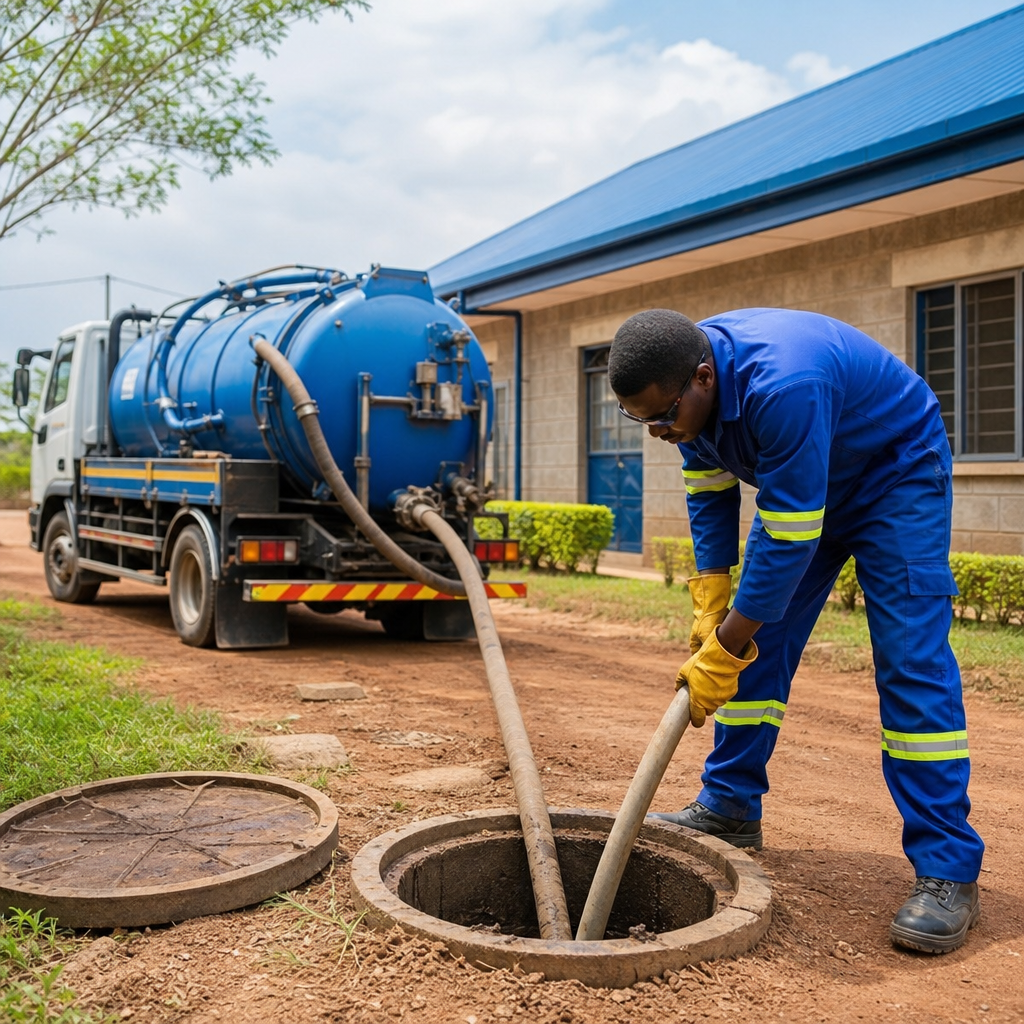
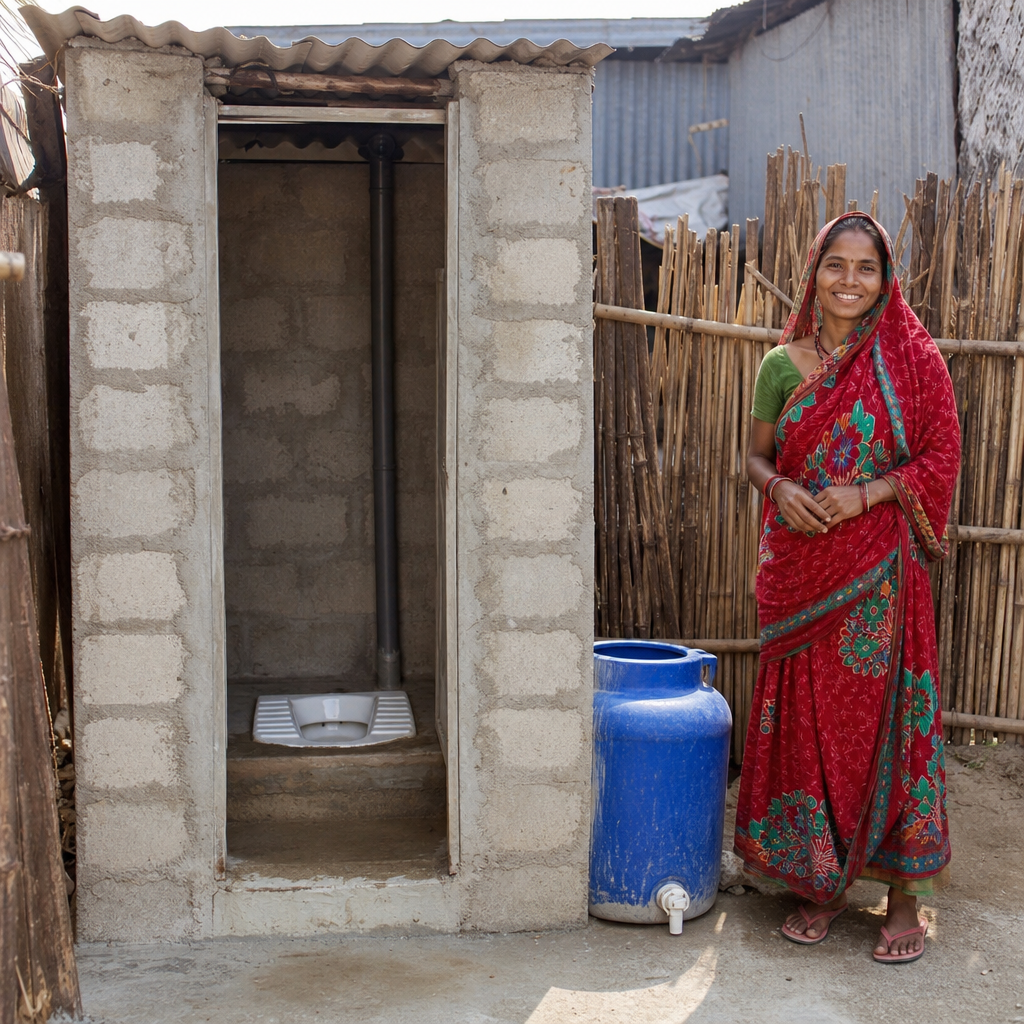
EcoSan often performs best where conventional approaches face structural constraints. These include rocky ground, flood-prone areas, informal settlements with limited pipe corridors, rural communities far from treatment plants, and regions where fertilizer demand is strong. Urine-diverting dry toilets can reduce water use dramatically. Decentralized treatment can cut transport distances. Container-based systems can serve dense settlements where pits and septic tanks are infeasible. The tradeoff is that EcoSan usually requires more active management, stronger behavior change support, and better monitoring of end-use practices.
| System type | Main economic strengths | Main economic risks | Best-fit context |
|---|---|---|---|
| Conventional sewerage | High user convenience, centralized control, strong performance at scale | High capital cost, water and energy demand, expensive network expansion | Dense cities with strong utilities and financing |
| Septic or pit-based onsite | Lower upfront network cost, familiar to users | Weak sludge management can shift costs to environment and health | Low to medium density areas with regulated emptying |
| EcoSan reuse systems | Water savings, nutrient recovery, flexible decentralized design | User training needs, product market uncertainty, monitoring burden | Water-scarce, peri-urban, agricultural, or infrastructure-constrained areas |
Cost Drivers That Shape Project Viability
Several variables determine whether an EcoSan project is economically sound. First is system design. Urine-diverting toilets, composting toilets, biodigesters, blackwater separation systems, and decentralized wastewater treatment units have different capital profiles and maintenance needs. Second is scale. Small pilots often look expensive because training, supervision, and monitoring costs are spread across few users. Costs usually fall when supply chains mature, standard designs are adopted, and local masons and operators gain experience.
Third is logistics. Reuse systems depend on reliable collection, storage, and transport. A technically good system can fail economically if recovered products must travel long distances over poor roads. Fourth is user behavior. Contamination from incorrect use can reduce product quality and raise treatment costs. Fifth is regulation. Where standards for biosolids, compost, effluent, or urine-derived fertilizers are absent or unclear, investors face uncertainty. Sixth is climate and geography. Dry systems often perform well in water-scarce areas but may need design adaptation in humid or flood-prone conditions.
Labor also matters. EcoSan can create local jobs in construction, collection, treatment, quality testing, and product distribution, which is a social benefit. But labor requirements increase recurring costs unless routes, service schedules, and product handling are well organized. Digital tools such as route optimization, mobile payment platforms, and service monitoring dashboards can materially improve unit economics by reducing missed collections and revenue leakage.
Financing Models for Governments and Communities
Because sanitation produces both private and public benefits, the most durable financing models blend multiple sources. Household contributions can cover part of the toilet or connection cost where affordability allows. Local governments often fund public-good components such as treatment infrastructure, sludge management, drainage protection, or school and clinic sanitation. Development banks and donors may support early capital expenditure, especially where cities need proof of concept or policy reform. Private operators can manage collection or treatment under performance-based contracts if service standards are clear and enforceable.
Tariff design is critical. If user fees are set too low, service quality collapses. If they are set too high, uptake falls and unsafe alternatives persist. Many successful programs cross-subsidize poorer households, bundle sanitation charges with water or municipal service bills, or pay targeted subsidies for verified outcomes such as safe emptying or nutrient recovery. Results-based financing works particularly well when municipalities want to reward actual service delivery instead of merely funding infrastructure.
Carbon finance and climate funds may play a supporting role where systems reduce methane emissions, displace chemical fertilizers, or cut energy-intensive wastewater treatment. These revenues are rarely sufficient on their own, but they can strengthen the business case. The practical lesson is straightforward: sanitation finance works best when each value stream is matched to the actor that benefits from it.
How to Measure Return on Investment Properly
A credible return on investment for EcoSan uses time horizons long enough to capture avoided costs and asset life, typically ten to twenty years. Decision-makers should calculate net present value, internal rate of return where appropriate, payback period for direct revenues, and cost per user served. They should also quantify avoided health costs, reduced water consumption, fertilizer substitution value, and environmental compliance savings. Sensitivity analysis is essential because fertilizer prices, transport costs, uptake rates, and maintenance performance can change substantially.
In municipal planning, I recommend three tests. First, can the system maintain safe service quality under realistic operating conditions, not ideal pilot conditions? Second, who captures the benefits, and can that justify the funding structure? Third, what happens if product revenue is lower than expected? If the project only works under best-case assumptions, it is not investment-ready. If it remains worthwhile even with conservative recovery values, it is usually robust.
Good metrics include pathogen reduction performance, collection reliability, user satisfaction, sludge or urine diversion purity, nutrient recovery rate, annual operating cost per household, and percentage of products reused safely. These indicators connect economics to service reality. Without them, a project can appear cost-effective on paper while failing in practice.
Real-World Implementation Lessons
The strongest EcoSan programs succeed because they align technology, institutions, and markets. In peri-urban farming belts, treated urine or compost has clear demand when extension services help farmers apply it correctly and compare results with synthetic fertilizers. In water-stressed regions, the water savings alone can justify decentralized dry systems. In dense informal settlements, container-based sanitation models have shown that frequent collection and centralized treatment can outperform unmanaged pits where access for desludging trucks is poor.
The repeated lesson from the field is that sanitation is a service chain, not a construction project. Toilet adoption without collection fails. Collection without treatment fails. Treatment without safe reuse or disposal fails. Community engagement also matters more than many engineers expect. People need to understand why separation matters, how to use the system, and what safeguards make recovered products safe. When communication is weak, contamination rises and confidence falls.
For governments building an Economic Aspects strategy, EcoSan economics should sit at the center of investment planning, not at the margins. Start with full life-cycle costing. Compare options by context, not ideology. Value health and environmental externalities explicitly. Build realistic recovery assumptions, strong monitoring, and enforceable service contracts. When done well, investing in sanitation delivers returns far beyond the toilet itself: healthier residents, cleaner water, more resilient municipal budgets, and productive reuse of nutrients that would otherwise become pollution. The next step is practical: map your local sanitation chain, identify where value is lost, and prioritize EcoSan investments that can prove measurable returns within a few years.
Frequently Asked Questions
1. Why is investing in sanitation considered such a high-return strategy for governments and communities?
Sanitation investment delivers returns across multiple sectors at once, which is why it is often viewed as one of the most cost-effective public investments available. When communities have safe sanitation systems, exposure to pathogens drops, which means fewer cases of diarrheal disease, intestinal infections, and other sanitation-related illnesses. That directly lowers healthcare costs for governments and households while also reducing missed school days and lost work time. In practical terms, healthier people are more productive, children are better able to learn, and public health systems face less strain.
The economic return also extends well beyond healthcare savings. Reliable sanitation protects groundwater, rivers, and soils from contamination, reducing the long-term costs of environmental cleanup and water treatment. It can raise property values, support tourism, improve dignity and safety, and help cities and rural areas become more resilient as populations grow. For local governments, sanitation investment is not merely a social expense; it is infrastructure that protects economic activity and public welfare. For communities, it creates healthier living conditions and stronger local livelihoods. That combination of public health, environmental protection, and economic stability explains why sanitation consistently ranks as a high-return development priority.
2. What is EcoSan, and how does it change the economics of sanitation?
EcoSan, or ecological sanitation, is an approach that treats human waste as a resource that can be safely recovered and reused rather than simply discarded. Traditional sanitation systems are often designed around disposal: collect waste, move it away, and treat it if possible. EcoSan systems shift the focus toward separation, treatment, and productive reuse of nutrients, water, and organic matter. Depending on the design, that can include urine diversion, composting toilets, dehydrating toilets, and other systems that reduce water use while making resource recovery more feasible.
From an economic standpoint, this matters because EcoSan can create value streams that conventional systems usually ignore. Nutrients such as nitrogen, phosphorus, and potassium can potentially be returned to agriculture after proper treatment, reducing dependence on synthetic fertilizers. Organic matter can support soil improvement, and some systems can reduce the burden on centralized wastewater infrastructure. In areas facing high fertilizer prices, water scarcity, weak sewer networks, or expensive treatment requirements, EcoSan may offer significant financial advantages.
That said, the economics depend on context. The benefits are strongest where there is demand for recovered products, community acceptance, appropriate regulation, and reliable operation and maintenance. EcoSan is not a one-size-fits-all solution, but it can improve the financial logic of sanitation by turning part of the system from a pure cost center into a resource management opportunity. For governments and communities trying to stretch limited budgets, that is a very important shift.
3. How do governments measure the return on sanitation investments, including EcoSan systems?
Governments typically measure sanitation returns by looking at both direct and indirect benefits over time. Direct benefits include lower healthcare spending, reduced disease outbreaks, fewer emergency interventions, and lower costs associated with water contamination. Indirect benefits include higher labor productivity, improved school attendance, time savings, environmental protection, and stronger economic participation, especially among women and children who are often disproportionately affected by poor sanitation access.
For EcoSan systems, the analysis can go a step further by including resource recovery value. Policymakers may estimate avoided fertilizer costs, reduced freshwater demand, lower sludge transport expenses, and potential revenue from composted or treated outputs where legal and safe markets exist. They may also compare capital costs, maintenance requirements, land use, and lifecycle costs against conventional sewered or on-site alternatives. A lower up-front cost does not always mean a better investment, and a higher initial cost may still be worthwhile if the system performs better over many years.
Strong evaluation usually includes public health data, environmental monitoring, household affordability, user satisfaction, and maintenance performance. In other words, the best sanitation investments are measured not only by what they cost to build, but by how well they protect health, preserve natural resources, and remain functional in the real world. For decision-makers, that broader return-on-investment view is essential because sanitation success depends as much on sustained outcomes as on initial construction.
4. What are the biggest challenges to making EcoSan economically successful?
One of the biggest challenges is that the value of EcoSan depends on proper design, operation, and user behavior. If waste separation is not done correctly, treatment is inconsistent, or maintenance is neglected, the system may fail to deliver safe outputs or expected savings. That can reduce trust and create additional costs. Unlike some conventional systems that hide complexity underground or off-site, many EcoSan approaches require strong user understanding, routine management, and clear service arrangements. Training, monitoring, and community engagement are therefore central to economic success.
Another challenge is market development. Recovering nutrients or organic matter only creates financial value if there is demand, regulatory acceptance, and a safe pathway for use. Farmers, local authorities, and households may have concerns about quality, health risks, transport logistics, or social stigma. In many places, regulations have not fully caught up with circular sanitation models, which can make scaling difficult even when the technical case is strong. Collection systems, treatment standards, certification, and public communication all matter.
Financing structure is also important. Some EcoSan projects underperform because budgets cover installation but not ongoing service, maintenance, or follow-up support. In reality, long-term performance depends on the entire service chain, not just the toilet or treatment unit. Economically successful EcoSan programs usually combine sound engineering, realistic budgeting, strong local governance, behavior change support, and a clear reuse strategy. When those pieces align, EcoSan can be highly effective; when they do not, expected returns may be harder to realize.
5. In what kinds of communities or government settings does EcoSan make the most sense?
EcoSan tends to make the most sense where conventional sewer expansion is expensive, impractical, or environmentally inefficient. This often includes water-scarce regions, rural communities, peri-urban settlements, flood-prone areas, places with poor soil conditions for standard pit systems, and regions where centralized wastewater treatment would require major capital spending. In these contexts, systems that reduce water use, limit pollution, and support local reuse can be especially attractive.
It may also be a strong fit in agricultural areas where there is a practical use for recovered nutrients and soil conditioners. When farmers face high fertilizer costs or degraded soils, the reuse component of EcoSan can add meaningful value. Likewise, local governments interested in circular economy strategies may find EcoSan appealing because it connects sanitation planning with water management, food systems, and resource recovery. This integrated approach can improve long-term resilience while reducing pressure on natural resources.
However, the best setting is not defined by geography alone. EcoSan works best where institutions can support maintenance, health safeguards, and public education. Communities need systems that match local habits, affordability levels, climate conditions, and land availability. Governments need regulations and service models that ensure safe handling from collection through reuse or final treatment. In short, EcoSan makes the most sense where local conditions support both sanitation service delivery and resource recovery. When carefully matched to those conditions, it can produce strong returns for public budgets, community well-being, and environmental sustainability.