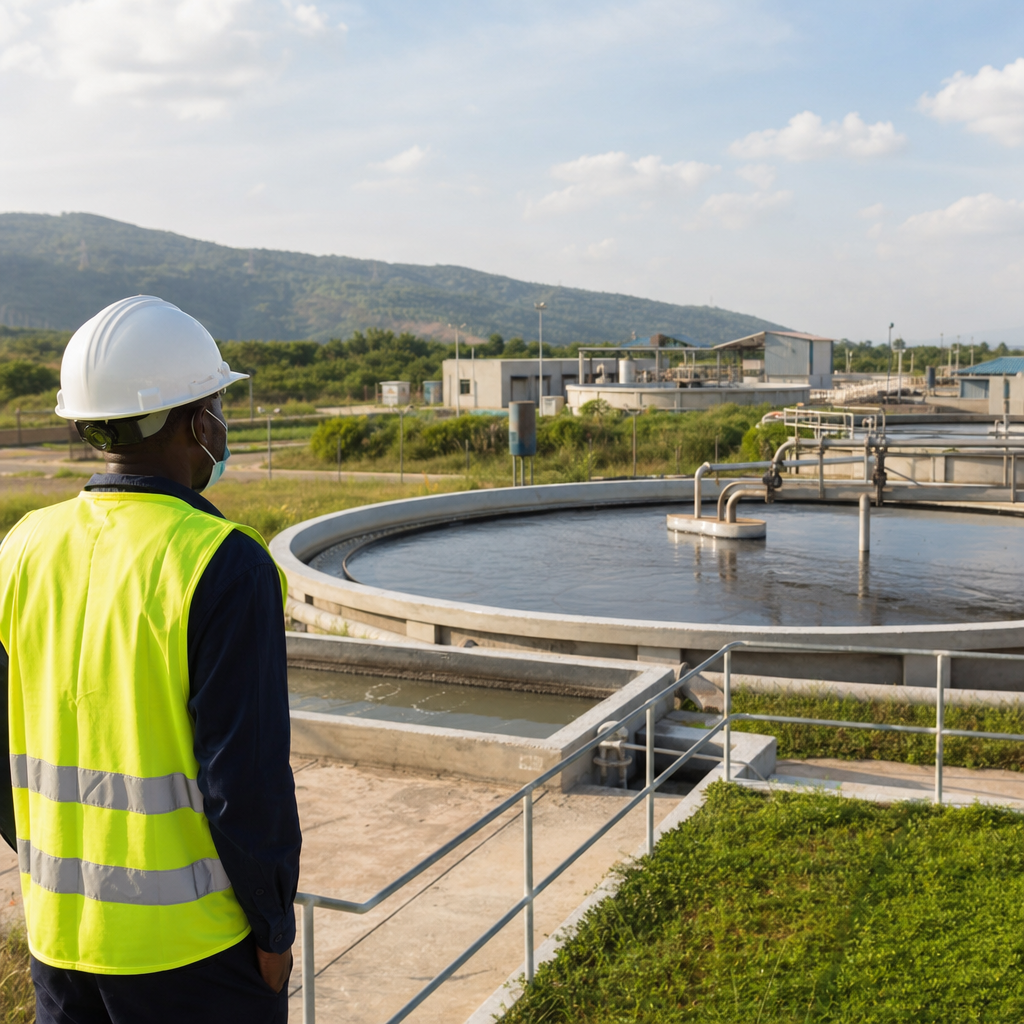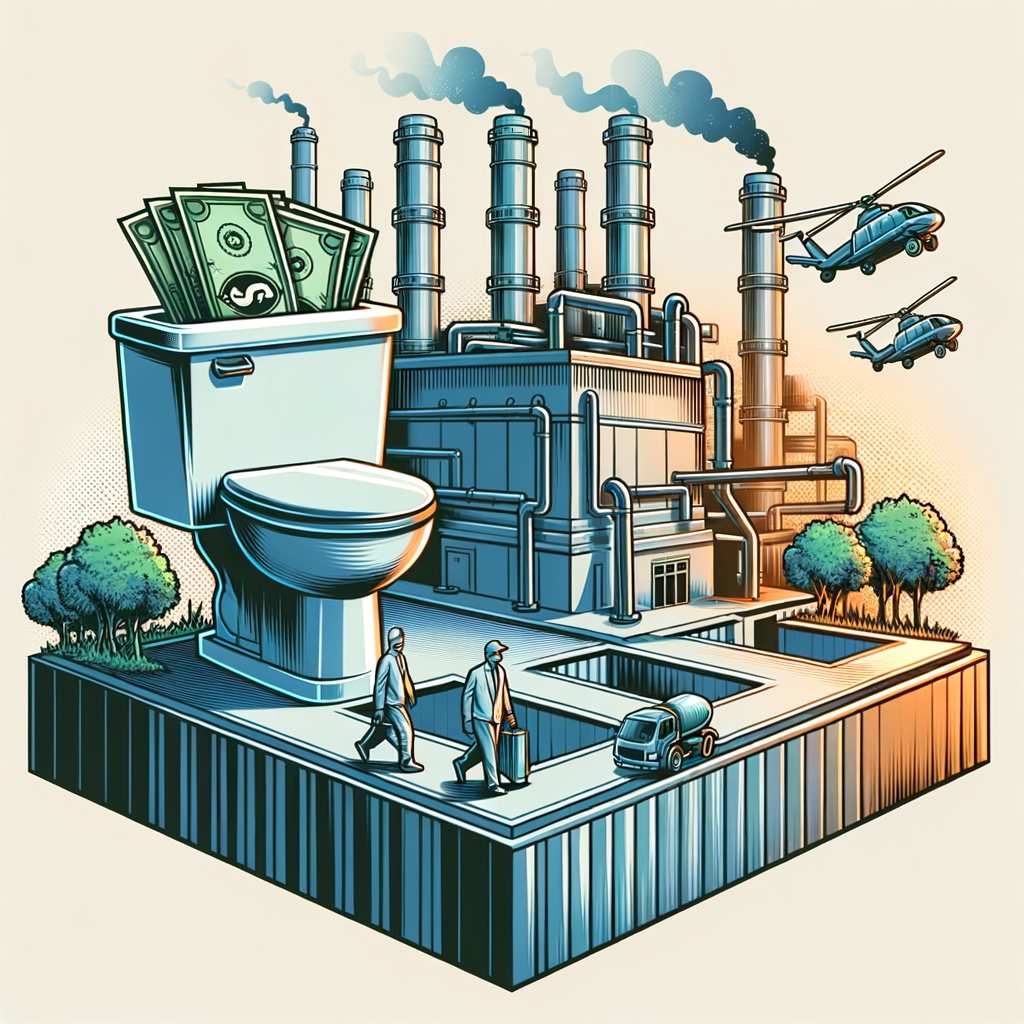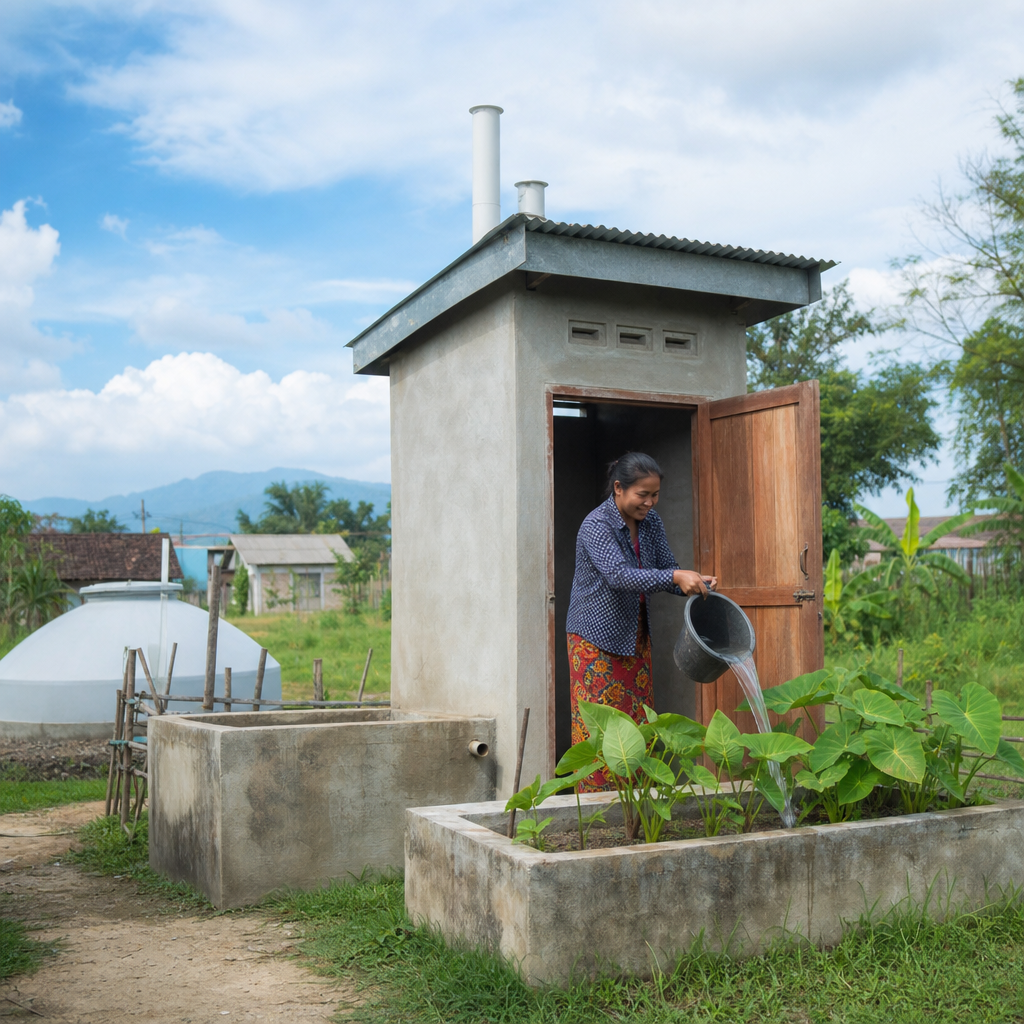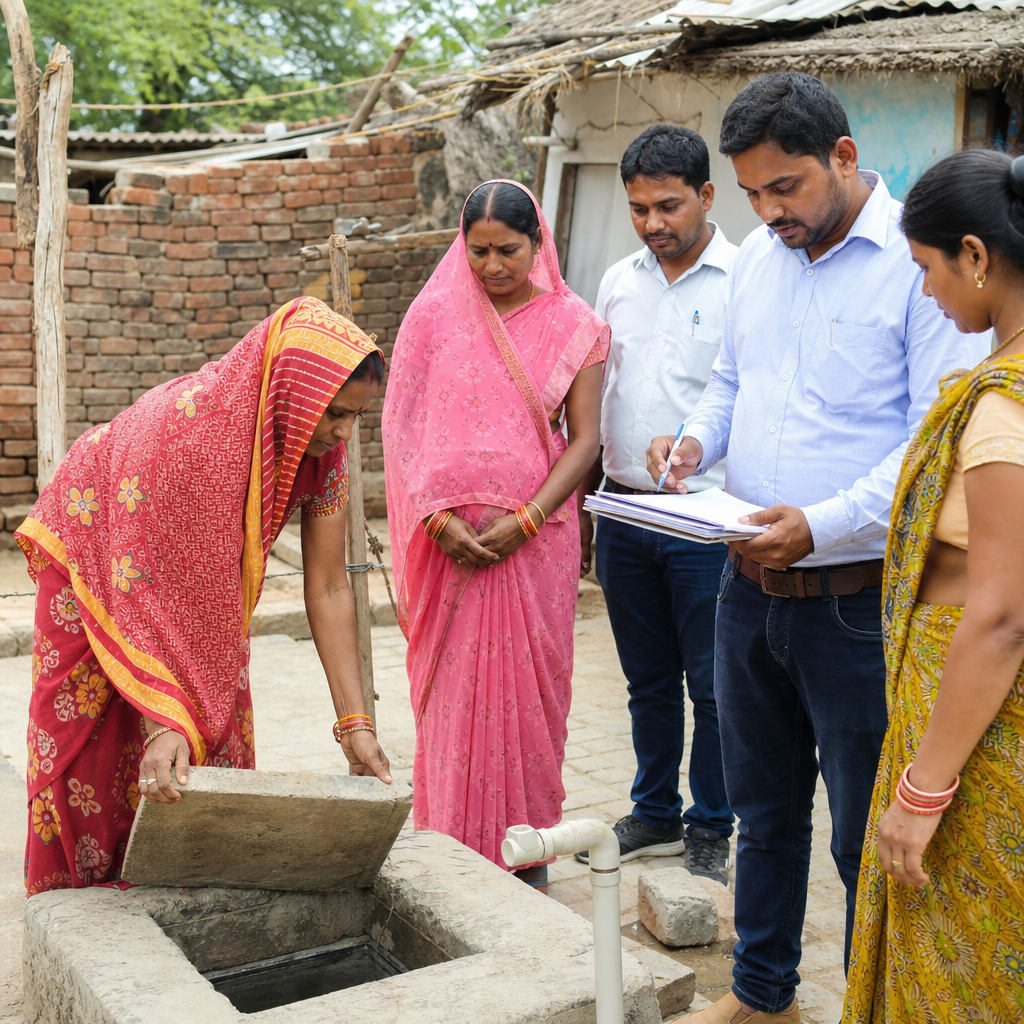
Market opportunities in the sanitation sector are expanding rapidly as cities, utilities, manufacturers, farmers, investors, and public agencies recognize that human waste is not only a health challenge but also a source of recoverable value. In this context, EcoSan economics refers to the financial logic of ecological sanitation systems that safely separate, treat, and reuse nutrients, water, energy, and materials from waste streams. I have worked on sanitation business cases where the difference between project failure and long-term viability came down to one question: who pays, who saves, and who earns at each step of the service chain. That is why understanding EcoSan economics matters. It helps decision-makers move beyond toilets as one-time infrastructure purchases and evaluate sanitation as a system of recurring services, products, and environmental benefits.
The sanitation sector includes containment, collection, transport, treatment, reuse, and final disposal. Traditional sewered systems still dominate planning in many countries, yet they are capital intensive, slow to expand, and often unsuitable for water-scarce, informal, or rapidly growing settlements. EcoSan approaches create alternatives by designing systems around resource recovery. Urine-diverting dry toilets, container-based sanitation, fecal sludge treatment plants, co-composting, black soldier fly processing, and biogas digesters all fit within this broader market. Their economics depend on technology choice, local regulation, customer behavior, logistics density, and end-market demand for outputs such as compost, briquettes, insect protein, treated water, or struvite fertilizer.
For an economic hub article, the central issue is not whether sanitation has social value; that is already well established by the World Health Organization, which links safe sanitation to lower disease burden, improved productivity, and reduced healthcare costs. The harder question is how to build bankable models. In practice, sanitation markets are hybrid markets. Households may pay user fees, municipalities may fund treatment, donors may de-risk pilots, and private firms may monetize recovered resources. Strong economics therefore require blended revenue, disciplined cost control, and clear performance metrics. When these pieces align, EcoSan can open significant market opportunities while delivering public health, climate, and agricultural gains.
Why EcoSan economics creates a distinct market
EcoSan economics differs from conventional sanitation finance because value is distributed across several beneficiaries instead of one customer. A household wants convenience, privacy, and affordability. A municipality wants cleaner neighborhoods and lower pollution loads. Farmers want reliable nutrients and organic matter. Utilities may want lower wastewater treatment demand. Carbon buyers may value methane avoidance or biochar sequestration. Because the benefits are split, the market does not clear automatically. Successful businesses identify where value is strongest and convert that value into contracts, tariffs, tipping fees, or product sales.
A clear example is container-based sanitation in dense urban settlements. The household typically pays a monthly service fee for a sealed toilet and regular collection. The operator then controls a concentrated waste stream that can be processed into compost, larvae meal, or fuel. The economics improve when routes are dense, customer retention is high, and treatment facilities are near demand centers. I have seen unit costs fall materially once operators move from scattered pilots to neighborhood clusters because transport time, truck utilization, and crew productivity all improve. This is why market opportunity often begins with service design rather than treatment technology.
Another distinct feature is that EcoSan systems can reduce external costs that conventional accounting ignores. Better fecal sludge management lowers pathogen exposure, protects groundwater, and reduces eutrophication in rivers and lakes. Those avoided damages are economically real even if they are not immediately captured on an income statement. Projects become more attractive when governments translate them into policy support, such as viability gap funding, output-based aid, discharge fees, or public procurement of recovered products.
Revenue models across the sanitation value chain
The strongest sanitation businesses rarely rely on a single income source. Instead, they stack revenues across the chain. Common sources include toilet subscription fees, pit emptying charges, collection contracts, municipal tipping fees, treatment service payments, fertilizer sales, energy sales, and carbon finance. Each stream has a different risk profile. User fees can be predictable but price sensitive. Municipal contracts can be larger but slower to pay. Resource recovery sales may offer upside but depend on quality standards, seasonality, and market education.
Urine-diverting systems illustrate this well. Urine contains most of the nitrogen and a substantial share of phosphorus and potassium excreted by humans. When captured separately, it can be sanitized and applied as fertilizer directly or converted into products such as struvite. The business case is best where imported fertilizers are expensive, soils are degraded, and transport distances are manageable. However, collection and storage costs matter. A profitable model usually requires institutional customers, organized farmer groups, or aggregation points that reduce handling costs and support predictable offtake.
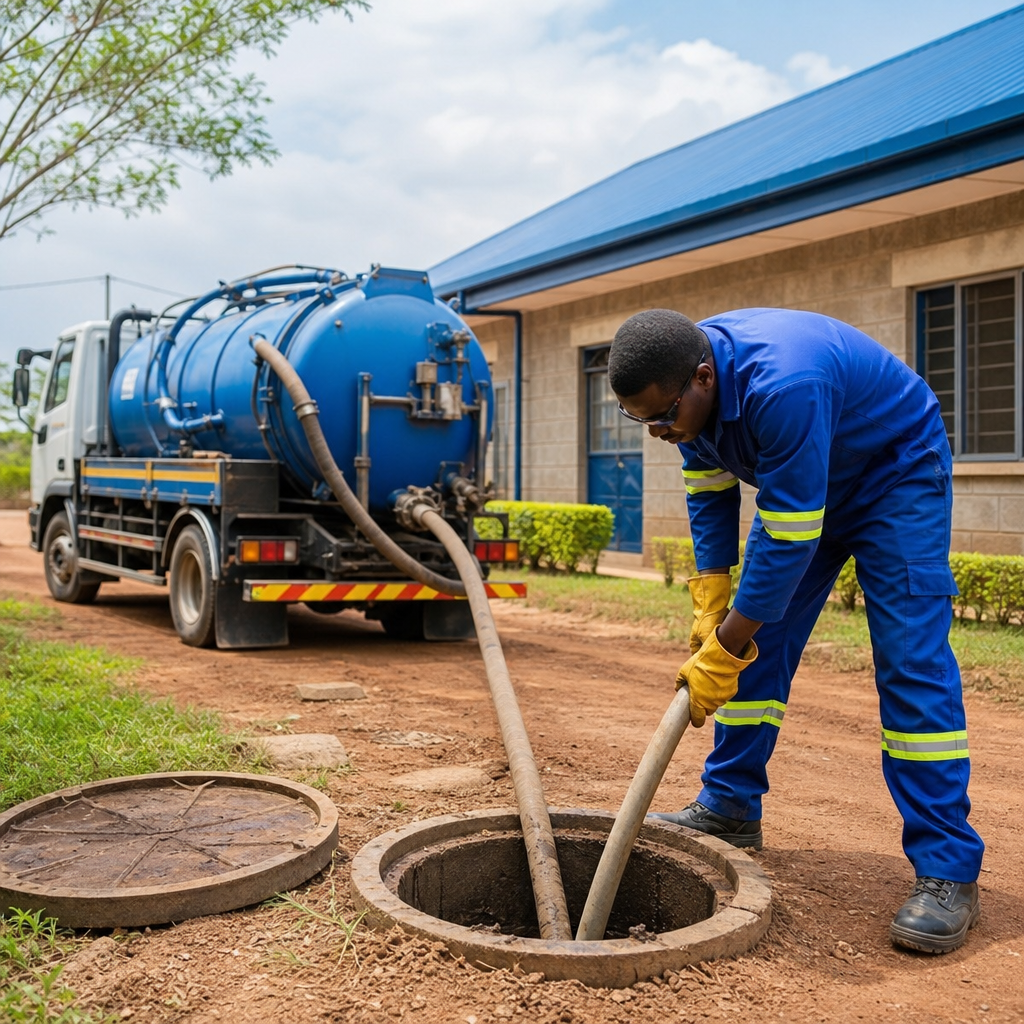
Fecal sludge treatment also offers multiple business options. A treatment plant may charge discharge fees to vacuum trucks, produce co-compost with market waste, dry sludge into fuel, or feed anaerobic digesters for biogas. In East Africa and South Asia, some operators have improved plant economics by co-treating organic waste from markets and food processors, increasing feedstock volume and balancing moisture content. That kind of operational detail determines whether a plant sits idle or becomes a productive asset.
| Model | Main revenue source | Key cost driver | Best-fit market condition |
|---|---|---|---|
| Container-based sanitation | Monthly household subscription | Collection logistics | High-density informal settlements |
| Urine diversion and reuse | Fertilizer sales or service fees | Storage and transport | High fertilizer prices, nearby agriculture |
| Fecal sludge treatment with composting | Tipping fees plus compost sales | Drying and quality control | Municipal backing and farm demand |
| Anaerobic digestion | Biogas or electricity sales | Feedstock consistency | Reliable organic waste supply |
| Black soldier fly processing | Larvae meal and frass sales | Biosecurity and preprocessing | Strong animal feed market |
Cost structures, unit economics, and pricing discipline
Understanding EcoSan economics requires disciplined attention to unit economics. Capital expenditure is important, but operating expenditure usually decides sustainability. Collection frequency, labor productivity, vehicle maintenance, drying time, energy use, consumables, and reject rates all shape cost per household served or cost per ton treated. In my experience, sanitation entrepreneurs often underestimate customer service costs and overestimate how quickly recovered products will sell. A robust model therefore starts with conservative assumptions and sensitivity testing.
Pricing should reflect willingness to pay, competitive alternatives, and public-good elements. Households compare sanitation fees with existing coping strategies, including unsafe dumping, shared toilets, or informal emptying. That means a purely private-pay model may stall even when the social returns are high. Smart pricing structures use cross-subsidies, targeted public support, or tiered service levels. For example, cities may subsidize treatment and disposal while households pay for collection. This preserves incentives for operator efficiency without forcing low-income residents to bear the full cost of health protection.
Key metrics include customer acquisition cost, monthly churn, route density, tonnage per trip, treatment yield, product rejection rate, and average revenue per customer. Investors also watch payback period, contribution margin, and debt service coverage. If the business produces fertilizer, additional indicators include nutrient concentration, moisture content, pathogen reduction, and seasonal inventory turnover. These are not abstract metrics. They tell managers whether they are operating a public service with manageable deficits or a scalable enterprise with commercial potential.
Demand drivers shaping current market opportunities
Several macro trends are widening opportunities in the sanitation sector. First, urbanization is increasing demand for non-sewered and decentralized sanitation. Many fast-growing cities cannot extend sewers at the pace needed, especially in peri-urban and informal areas. Second, water stress is making dry and low-water systems more attractive. Third, fertilizer price volatility has renewed interest in nutrient recovery. After recent global supply disruptions, many agricultural buyers became more open to alternatives that improve soil carbon and reduce dependence on imported inputs.
Climate policy is another driver. Poorly managed sanitation emits methane and nitrous oxide and contaminates waterways after floods. Systems that reduce organic loading, capture biogas, or produce stable soil amendments can support climate adaptation and mitigation goals. Development finance institutions and climate funds increasingly consider these co-benefits when evaluating sanitation programs. That does not mean every project can rely on carbon revenues, but it does improve the strategic position of resource-recovery models.
Public procurement also matters. When municipalities require safe fecal sludge disposal, license operators, and enforce discharge rules, they create a more investable market. Without enforcement, responsible businesses are undercut by unsafe informal dumping. The sanitation sector becomes commercially credible when regulation rewards compliance and removes the hidden subsidy enjoyed by polluting competitors.
Technology pathways and where value is captured
Not all EcoSan technologies create value in the same place. Urine diversion captures value early by separating a nutrient-rich stream before contamination. Composting captures value after treatment by converting sludge and organic waste into soil amendments. Anaerobic digestion captures value through energy and digestate. Black soldier fly systems capture value by transforming organics into protein for aquaculture or poultry feed. Biochar and thermal treatment pathways can create standardized products and reduce volume, but they require tighter process control and reliable energy inputs.
The right choice depends on local economics, not technology fashion. In a farming region with depleted soils, compost may outperform biogas because transportable soil amendment has stronger demand than low-value electricity. In a dense city with expensive landfill disposal, container-based sanitation paired with centralized processing may be superior. In industrial zones, treated wastewater reuse can be more valuable than fertilizer recovery. Market opportunity therefore starts with end-market mapping. Before selecting equipment, assess who will buy the output, at what specification, in what volume, and with what seasonal variation.
Standards are essential. Farmers will not consistently buy compost unless quality is reliable and contamination is controlled. Utilities will not accept reused water without compliance testing. Feed manufacturers will not source insect meal without biosecurity assurance. Economic success follows operational credibility.
Investment, policy, and building a scalable hub strategy
For this subtopic hub, the main lesson is that EcoSan economics works best when viewed as a portfolio of linked opportunities rather than a single product sale. Investors should evaluate service revenues, municipal support, and resource recovery together. Policymakers should align tariffs, land access, licensing, and product standards so operators can scale. Development partners should focus on demand validation, operator training, and performance-based subsidies instead of isolated hardware deployment.
A practical hub strategy links households, collectors, treatment operators, farmers, and regulators through coordinated contracts and data. Digital tools such as route management software, mobile payments, GIS-based service mapping, and treatment monitoring reduce leakage and improve accountability. Named approaches like citywide inclusive sanitation have shown that planning the full chain produces better outcomes than funding toilets alone. The economics improve further when sanitation is integrated with solid waste management, agriculture extension, and climate resilience programs.
The biggest market opportunities in the sanitation sector will emerge where leaders treat waste as a managed resource flow and design business models around measurable value. Start with one locality, map the service chain, validate demand for recovered products, and structure blended revenues from the beginning. That is the practical path to understanding EcoSan economics and turning sanitation from a budget burden into an investable part of the circular economy. If you are building within the economic aspects of sanitation, use this hub as the foundation, then move next into technology-specific, finance-specific, and policy-specific analyses for your market.
Frequently Asked Questions
What makes the sanitation sector such a strong market opportunity today?
The sanitation sector is becoming one of the most compelling growth areas because it sits at the intersection of public health, urban infrastructure, climate resilience, resource recovery, and economic development. For decades, sanitation was often treated primarily as a public service cost center. Today, that view is changing. Cities are growing quickly, wastewater volumes are increasing, environmental regulations are tightening, and pressure on water, fertilizer, and energy systems is rising. Those shifts are creating demand for solutions that do more than simply move waste away. Buyers increasingly want systems that can reduce treatment costs, recover usable resources, improve service reliability, and support sustainability goals at the same time.
Another major reason the opportunity is expanding is that human waste is now being viewed as a recoverable asset stream. Nutrients such as nitrogen and phosphorus can be reused in agriculture, organic matter can be converted into soil amendments, and treatment processes can generate biogas or other energy products. In some models, treated water can also be reused for irrigation or industrial applications. This changes the business equation. Instead of relying only on user fees or public subsidy, sanitation enterprises can build blended revenue models tied to products, services, environmental compliance, and avoided costs.
The market is also broad and diverse. Opportunities exist not just for utilities and municipalities, but for equipment manufacturers, treatment operators, container-based sanitation providers, digital monitoring firms, nutrient recovery companies, agricultural input businesses, carbon project developers, and infrastructure investors. In many regions, decentralized and ecological sanitation systems are especially attractive because they can be deployed faster and at lower cost than conventional sewer expansion. That makes the sector relevant in both low-income and high-income markets, from informal settlements to industrial parks to climate-stressed farming regions.
In practical terms, the sanitation market is growing because it solves multiple urgent problems with one investment. When a solution can improve health outcomes, reduce pollution, recover value, and open recurring revenue streams, it becomes far more attractive to both public and private stakeholders. That is the core reason market opportunities in sanitation are accelerating.
What does EcoSan economics mean, and why is it important for investors and decision-makers?
EcoSan economics refers to the financial logic behind ecological sanitation systems that safely separate, treat, and reuse components of waste streams rather than treating all sanitation outputs as disposal problems. The idea is simple but powerful: if waste contains nutrients, water, energy, and usable materials, then the right sanitation design can transform a liability into a portfolio of assets. That does not mean every system will generate large profits on its own, but it does mean the economics should be evaluated more broadly than traditional sanitation accounting often allows.
For investors and decision-makers, this matters because conventional sanitation assessments may underestimate value and overstate cost. A standard analysis might focus only on capital expenditure, operating expenditure, and tariff revenue. EcoSan economics adds additional layers: avoided fertilizer purchases, lower sludge transport costs, reduced water demand through reuse, sale of compost or biosolids-derived products, energy generation, carbon benefits, improved land productivity, and even avoided health and environmental damages. When these factors are included, the business case can look very different.
This framework is especially useful when comparing centralized sewer-based systems with decentralized, source-separating, or modular treatment options. In many contexts, ecological sanitation systems reduce infrastructure burdens because they do not require full sewer networks or large treatment plants. They can also be more adaptable to population growth, water scarcity, difficult terrain, and informal urban expansion. As a result, the most financially rational option may not be the one that resembles legacy infrastructure, but the one that captures more value from the waste stream while delivering safe sanitation outcomes.
EcoSan economics is also important because it encourages more realistic, long-term planning. A project that seems expensive upfront may become highly attractive if it creates dependable downstream revenue or significantly lowers public operating costs over time. For example, a municipality may justify investment not just through sanitation fees, but through reduced landfill dependence, nutrient recovery contracts, or lower freshwater demand. In short, EcoSan economics gives leaders a more complete lens for evaluating risk, return, resilience, and social impact in the sanitation sector.
Where are the biggest business opportunities within the sanitation value chain?
The largest business opportunities are spread across the full sanitation value chain, not just at the treatment stage. That is important because many profitable or high-impact interventions happen before waste reaches a plant and after it leaves as a recovered product. On the front end, there is growing demand for toilet technologies, containment systems, source-separating fixtures, container-based services, and digital tools that improve maintenance and user experience. In areas where sewer coverage is limited, businesses that provide reliable collection, transport, and scheduled emptying services can fill major service gaps while building recurring revenue.
Midstream opportunities are also substantial. These include sludge logistics, transfer stations, preprocessing, dewatering, odor control, and modular treatment systems. Operators that can make these stages more efficient often unlock value for the rest of the chain. In many cities, one of the biggest market gaps is not the absence of sanitation demand, but the lack of organized, safe, and cost-effective systems for moving and treating fecal sludge. Companies that professionalize these operations can win public contracts, franchise service models, or develop pay-per-service offerings.
Downstream, resource recovery is one of the most promising opportunity areas. Treated outputs can become compost, soil conditioners, pellets, nutrient concentrates, recovered water, biogas, electricity, heat, or industrial feedstocks, depending on the treatment pathway. Agricultural markets are especially relevant because farmers face rising input costs and increasing pressure to improve soil health. If sanitation-derived products are safe, consistent, and competitively priced, they can meet real demand. There are also emerging opportunities in environmental markets, including carbon finance, methane reduction projects, and circular economy procurement programs.
Technology and data services form another important layer of opportunity. Monitoring platforms, route optimization software, remote sensors, lab testing, traceability tools, and compliance reporting systems can all add value in fragmented sanitation markets. These businesses may not handle waste directly, but they solve problems that utilities, municipalities, and operators urgently need to address. Overall, the most attractive opportunities often come from linking multiple parts of the chain together, because integrated models can capture more value, control quality more effectively, and reduce operational risk.
How can sanitation businesses turn waste into revenue without compromising safety and compliance?
The key is to design the business model around safe treatment and verifiable quality, not around recovery claims alone. Waste-to-value strategies only become durable market opportunities when they are built on strong sanitation fundamentals. That starts with appropriate collection, containment, transport, and treatment processes that reliably reduce pathogens and contaminants. From there, recovered outputs must meet standards that are relevant to their end use, whether that means agriculture, landscaping, energy production, industrial reuse, or water applications. If safety is weak, the market collapses quickly because regulators, customers, and communities lose confidence.
Successful sanitation businesses typically create revenue in layers. One layer may come from service fees paid by households, institutions, commercial sites, or municipalities. Another may come from public performance-based contracts tied to treatment volumes, environmental compliance, or service coverage. A third layer may come from selling recovered products such as compost, fuel briquettes, biogas, nutrient products, or reclaimed water. Additional value can come from avoided disposal costs, lower fertilizer imports, energy savings, or climate-related incentives. The strongest businesses rarely depend on a single revenue source.
To make this work commercially, operators need to pay close attention to product-market fit. For example, compost only creates meaningful revenue if it is affordable to produce, consistent in quality, easy to distribute, and valuable to farmers or landscapers. Biogas only becomes a serious income stream if there is nearby demand, reliable offtake, and a system capable of steady output. In other words, technical recovery is not enough. The recovered product must solve a real buyer problem and compete with alternatives on price, convenience, performance, or regulatory advantage.
Compliance and trust are what hold the entire model together. Clear testing protocols, transparent operating procedures, worker safety standards, and strong regulatory engagement are essential. Businesses that can prove treatment performance and product quality are far more likely to secure financing, public partnerships, and long-term customers. In the sanitation sector, safety is not a barrier to profitability. It is the foundation that makes profitability possible.
What should cities, utilities, and investors look for when evaluating sanitation market opportunities?
They should begin by looking beyond narrow construction costs and asking where value is created across the full system. A strong sanitation opportunity is not just a technology with good laboratory performance. It is a model that fits local service needs, has a credible operating plan, addresses regulation, matches customer behavior, and creates measurable economic or social returns. Decision-makers should assess demand at every stage: user willingness to pay, municipal budget capacity, treatment throughput, product offtake, land availability, logistics constraints, and the policy environment for reuse or energy recovery.
Unit economics are critical. Cities and investors should understand the true cost per household served, per cubic meter treated, or per ton of recoverable output produced. They should also examine how those costs change with scale. Some models look efficient in pilots but become difficult to manage when expanded. Others improve significantly as collection routes, treatment throughput, and product marketing