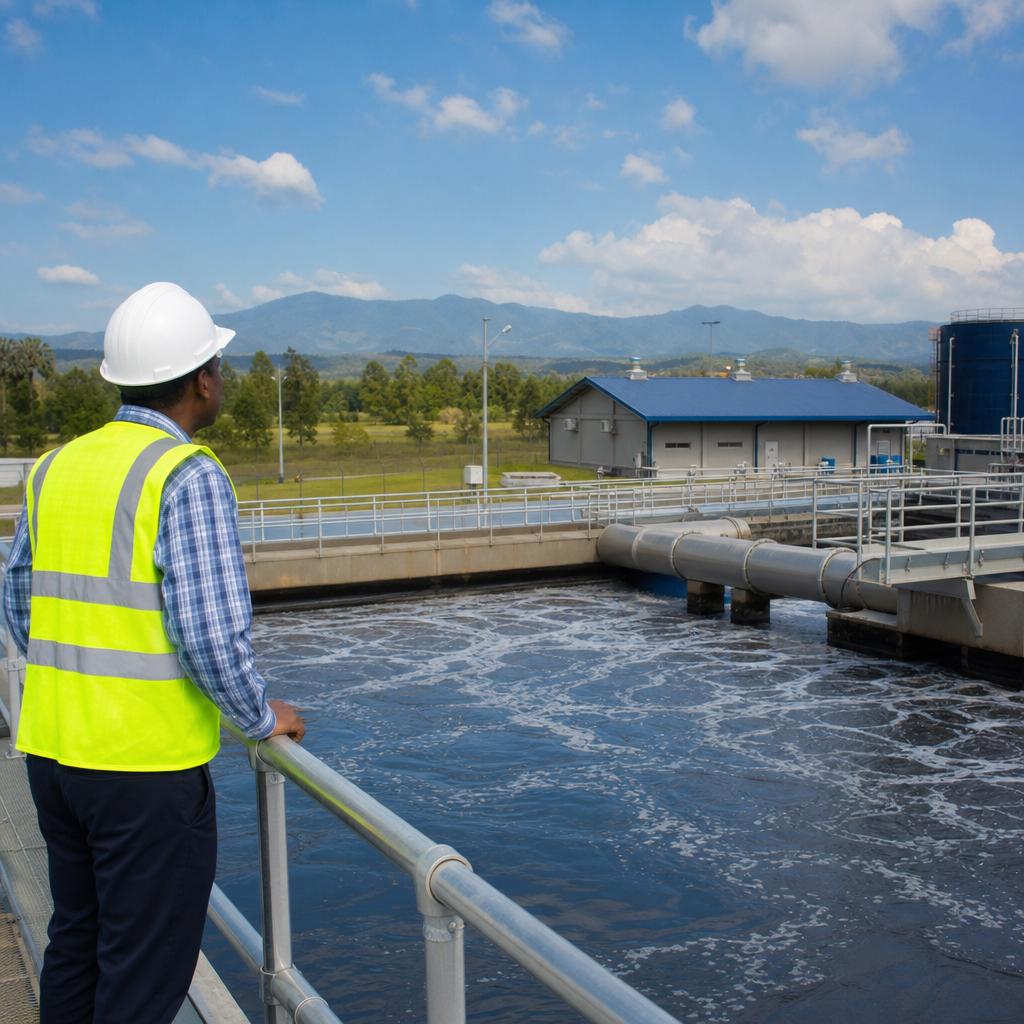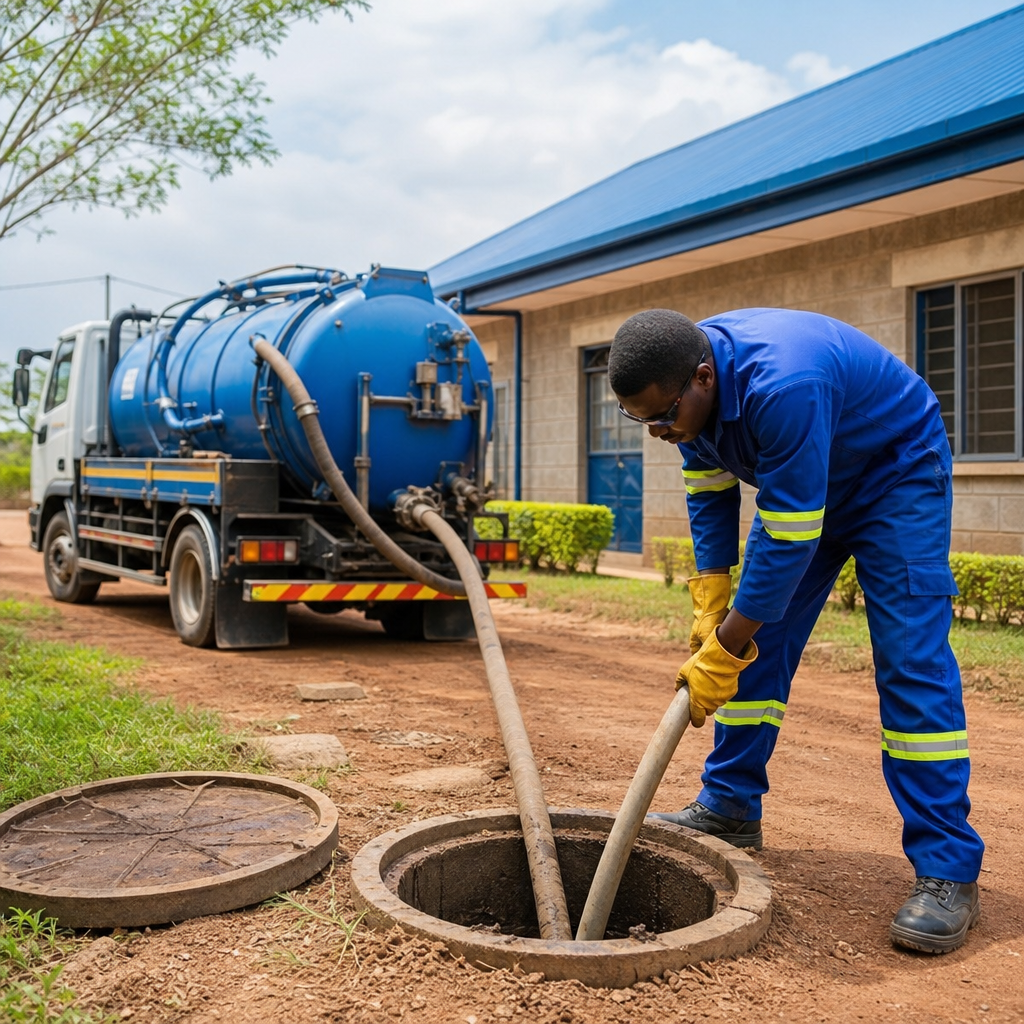
Private sector investment in sanitation infrastructure is becoming one of the most important drivers of resilient public health systems, circular resource use, and inclusive urban development. In the context of ecological sanitation, often shortened to EcoSan, the term refers to sanitation systems designed to safely recover water, nutrients, energy, and other usable resources from human waste rather than treating waste only as a disposal problem. Economic strategies in EcoSan therefore include financing models, revenue design, risk allocation, market creation, public-private partnerships, carbon and nutrient value capture, and service delivery structures that make sanitation financially viable at scale. I have worked on sanitation business cases where technically sound projects stalled not because toilets or treatment units failed, but because tariffs, procurement, land access, and investor confidence were never aligned. That is why this topic matters. Globally, unsafe sanitation still imposes enormous economic losses through disease burden, lost productivity, environmental contamination, and degraded water sources. At the same time, conventional sewer expansion is capital intensive and often unaffordable in fast-growing cities, informal settlements, and water-stressed regions. EcoSan changes the equation by turning sanitation from a pure cost center into an infrastructure class with multiple value streams. When planners, utilities, entrepreneurs, and investors understand those value streams, they can unlock capital for decentralized treatment, container-based services, fecal sludge management, urine diversion, composting, biodigesters, and reuse markets. This hub explains how private sector investment in sanitation infrastructure works in practice, where it succeeds, where it struggles, and which economic strategies create durable systems rather than short-lived pilots.
Why private capital enters sanitation markets
Private capital enters sanitation when three conditions are visible: demand is real, cash flow is predictable, and operating risk can be managed. In many cities, sanitation demand is obvious because households already pay indirectly through medical expenses, informal emptying fees, bottled water, or lost workdays caused by illness and flooding. The challenge is packaging that demand into a structured service with bankable revenue. In EcoSan, the market proposition is stronger than in traditional linear sanitation because providers can earn from more than one source. A fecal sludge treatment operator may collect user fees, municipal tipping fees, compost sales, and carbon-related income. A container-based sanitation company may combine subscription revenue with philanthropic catalytic capital during early market formation, then transition toward blended finance as routes, collection density, and customer retention improve.
Investors also pay attention to policy signals. Clear desludging mandates, discharge standards, land tenure security, reuse standards, and utility performance contracts reduce uncertainty. Where regulators define service obligations and permit private participation, investment accelerates. Kigali, Dakar, and several Indian cities have shown that sanitation enterprises perform best when city authorities recognize non-sewered sanitation as a formal service chain rather than a temporary substitute. In those environments, private firms can invest in trucks, transfer stations, drying beds, digesters, pelletizers, or digital billing systems with more confidence that demand will not disappear after a budget cycle or political change.
Core economic strategies in EcoSan
Economic strategies in EcoSan start with matching technology to local ability to pay and local capacity to operate. That sounds basic, but it is where many projects fail. A urine-diverting dry toilet can be excellent in a water-scarce rural setting yet perform poorly in dense rental housing if landlords will not maintain vaults or tenants reject handling requirements. A biodigester can generate useful biogas, but only if feedstock quality, collection logistics, and end-user demand for energy are proven. Good economic strategy means choosing systems that minimize lifecycle cost while maximizing practical value recovery, not simply choosing the most innovative design.
The second strategy is service-based revenue design. Households rarely buy sanitation hardware once and solve the problem permanently. They buy reliability, cleanliness, convenience, legal compliance, and dignity. Successful firms price scheduled desludging, monthly toilet service, safe transport, and verified treatment. This shift from product sales to recurring services improves retention and creates financeable cash flow. The third strategy is cross-subsidy. High-income users, commercial customers, institutions, and industrial off-takers can support lower-income household access. The fourth is aggregation. Small fragmented demand is expensive to serve; cluster contracts, neighborhood cooperatives, and utility-led franchising lower customer acquisition and logistics costs.
A fifth strategy is monetizing recovered outputs realistically. Compost, struvite, dried biosolids fuel, reclaimed water, and biogas can strengthen project economics, but they rarely rescue a weak core service model by themselves. I have seen developers overstate nutrient revenues while underestimating contamination control, quality testing, and marketing costs. The stronger approach is to treat resource recovery as margin enhancement after proving collection and treatment performance. Finally, blended finance is often necessary in early-stage markets. Grants, concessional debt, guarantees, first-loss tranches, or results-based incentives help bridge the gap until unit economics mature enough for commercial lenders.
Financing models and investor expectations
Different investors fund different parts of the sanitation value chain. Venture investors may back digital service platforms, modular treatment technology, or container-based sanitation operators with scalable route economics. Commercial banks usually prefer asset-backed lending for trucks, pumps, or treatment equipment once contracts and receivables are established. Infrastructure funds look for larger platforms with long-term concessions or utility-linked revenues. Development finance institutions often support citywide inclusive sanitation programs where private operators deliver services under regulated frameworks. Each source of capital has a distinct risk tolerance, return expectation, and time horizon.
Investors typically examine five metrics. First is customer acquisition cost relative to lifetime value. Second is route density or service efficiency, especially for collection businesses. Third is payment performance, including arrears and churn. Fourth is plant utilization because treatment assets become expensive quickly when underfed. Fifth is regulatory durability, including permits, land rights, and offtake agreements. For EcoSan projects with reuse components, investors also test quality assurance protocols and market demand for outputs. Fertilizer buyers need evidence on pathogen reduction, nutrient composition, and consistency. Energy buyers want reliable methane production and equipment uptime. Water reuse customers need confidence in treatment standards and distribution safety.
One practical way to align expectations is phase-gated financing. Seed capital validates demand and operations in one district. Growth capital expands to adjacent zones after retention, collection efficiency, and treatment throughput hit target thresholds. Long-term debt then funds durable infrastructure once contracts and revenues stabilize. This sequence is far healthier than building a full-scale plant first and hoping demand catches up.
Public-private partnership structures that work
Private sector investment in sanitation infrastructure often succeeds through carefully structured partnerships rather than fully privatized systems. The public sector usually retains responsibility for regulation, public health oversight, affordability policy, and long-term planning. Private participants contribute capital, operational discipline, technology, logistics, and customer service. The design question is which risks belong to whom. Construction risk may sit with the contractor. Demand risk may be shared through minimum revenue guarantees or availability payments. Tariff risk may remain public if affordability constraints prevent full cost recovery from users alone.
In practice, several models appear repeatedly. Design-build-operate contracts work well for treatment facilities when the municipality controls feedstock allocation and performance monitoring. Franchised emptying networks can formalize small operators while maintaining local entrepreneurship. Management contracts help weak utilities improve billing, fleet utilization, and maintenance without transferring ownership. Concession models fit larger systems, but they require strong regulatory capacity and transparent adjustment formulas. Performance-based contracts are particularly useful in fecal sludge management because they can pay for verified outcomes such as safe emptying, transport logs, delivered volumes, and compliant treatment.
| Model | Best use case | Main private role | Key public safeguard |
|---|---|---|---|
| Design-build-operate | Treatment plants and transfer stations | Build and run assets to performance standards | Feedstock commitment and independent monitoring |
| Franchise network | Desludging and local collection | Service delivery under common rules and branding | Licensing, tariff oversight, and safety enforcement |
| Management contract | Utility efficiency improvement | Operate billing, maintenance, and logistics | Clear service targets and audit rights |
| Concession | Large integrated service areas | Finance, expand, and operate systems | Tariff formula, service obligations, and step-in rights |
| Performance-based contract | Citywide inclusive sanitation outcomes | Meet verified service and treatment results | Reliable verification and timely payment |
The strongest partnerships avoid one common mistake: assuming the private party can absorb every uncertainty. If enforcement is weak, land is disputed, and tariffs are frozen, no serious investor prices that optimistically. Balanced contracts attract better operators and lower financing costs.
Revenue streams beyond user tariffs
User tariffs matter, but they are rarely sufficient on their own, especially in low-income markets. EcoSan economics improve when multiple revenue streams are stacked responsibly. Municipal service payments are often the anchor because sanitation produces public goods that markets underprice. Reduced disease transmission, cleaner drainage, and protected groundwater benefit entire cities, not just direct users. It is reasonable for public budgets to support those outcomes.
Resource recovery creates secondary income. Compost from co-composted fecal sludge and organic waste can serve agriculture and landscaping when quality standards are maintained. Urine can be processed into nutrient products, including struvite in some systems, though scale and purity constraints matter. Anaerobic digestion can produce biogas for cooking, heat, or electricity. Dried biosolids may become industrial fuel where emissions rules and combustion systems permit. In water-scarce areas, treated effluent can be reused for irrigation, flushing, or certain industrial applications. Carbon finance is emerging as another layer, particularly where projects reduce methane emissions from unmanaged waste or displace synthetic fertilizer and fossil fuels. However, measurement, reporting, verification, and credit price volatility make carbon better as supplementary upside than as a primary debt repayment source.
Advertising, data services, impact-linked grants, and corporate sanitation commitments can also help specific models. The key discipline is not to count speculative revenue as guaranteed cash flow. Bankable sanitation finance depends on conservative assumptions and transparent sensitivity analysis.
Major risks and how serious operators manage them
Every sanitation investor asks the same questions: Will customers pay consistently, will waste volumes match projections, can the operator maintain standards, and will regulators keep the rules stable? Demand risk is reduced through mandatory desludging programs, institutional contracts, and route density planning. Payment risk can be managed through mobile money, prepaid subscriptions, utility bill integration, or landlord collection arrangements. Operational risk is lowered by preventive maintenance, operator training, spare parts planning, and digital tracking of collections and plant throughput.
Social acceptance is another material issue in EcoSan. Reuse markets fail if farmers distrust compost quality or households reject source-separating toilets. The solution is not marketing alone; it is verified performance, consistent product quality, and extension support. Standards matter here. World Health Organization sanitation safety planning, ISO-aligned quality systems where relevant, and national fertilizer or reuse regulations help move recovered products from novelty to trusted input. Environmental risk also needs rigorous management. Poorly run reuse projects can spread pathogens, contaminate soil, or damage investor confidence across the sector. Serious operators invest early in testing, traceability, and documented hazard controls.
Building a hub strategy for long-term EcoSan investment
As a hub within Economic Aspects, this topic connects every major economic question in EcoSan: cost recovery, lifecycle costing, sanitation tariffs, fecal sludge business models, reuse market development, carbon finance, inclusive service design, municipal procurement, and impact measurement. The most effective strategy is to treat these not as isolated articles or projects, but as one linked investment system. A city cannot attract durable private capital without demand aggregation, fair regulation, service standards, and off-take pathways. An entrepreneur cannot scale without customer trust, route efficiency, and disciplined unit economics. An investor cannot support expansion without verifiable data on health, environmental, and financial outcomes.
The practical lesson is clear. Private sector investment in sanitation infrastructure grows when EcoSan is framed as an essential service with measurable public benefits and credible commercial mechanics. Start with the service chain, price risk honestly, use public funds where public goods are created, and monetize recovery streams without exaggeration. For policymakers, that means writing enforceable rules and bankable contracts. For businesses, it means proving operations before chasing scale. For researchers and advocates, it means generating the evidence that turns pilot enthusiasm into institutional confidence. Use this hub as the starting point for deeper work on each subtopic, then apply those insights to projects, procurement, and partnerships that make safe sanitation investable, scalable, and lasting.
Frequently Asked Questions
1. Why is private sector investment important in sanitation infrastructure, especially for ecological sanitation?
Private sector investment is increasingly important because sanitation systems require far more than initial public funding to become reliable, scalable, and financially sustainable. In many regions, public budgets alone are not sufficient to cover the full range of sanitation needs, including collection networks, treatment facilities, decentralized systems, monitoring technology, maintenance services, and long-term operational upgrades. Private capital helps close this gap by bringing in funding, technical expertise, innovation, and performance-oriented management practices that can accelerate project delivery and improve service quality.
In the context of ecological sanitation, or EcoSan, private investment is especially valuable because these systems can generate economic returns in addition to public health benefits. EcoSan is based on the principle that human waste is not only something to be disposed of, but also a potential source of water, nutrients, energy, and reusable materials. That opens the door to business models around compost, biogas, biofertilizers, treated water reuse, nutrient recovery, and sanitation service platforms. Investors are often more willing to engage when sanitation is framed not only as an essential public service, but also as part of a circular economy where resources can be recovered and monetized.
Private participation can also improve resilience and inclusivity when properly structured. Companies may introduce modular treatment systems for underserved communities, digital tools for performance tracking, and pay-for-service models that lower upfront costs for users. However, investment works best when backed by clear regulation, transparent contracts, public oversight, and affordability protections. In short, private sector investment matters because it can help transform sanitation from a chronically underfunded obligation into a robust infrastructure sector that supports public health, environmental protection, and economic productivity.
2. How does ecological sanitation create business opportunities for private investors?
Ecological sanitation creates business opportunities by turning sanitation infrastructure into a resource recovery system rather than a purely waste management system. Traditional sanitation often operates as a cost center: waste is collected, transported, treated, and disposed of, usually with limited or no financial return beyond user fees. EcoSan changes that logic by enabling the recovery of valuable outputs such as organic fertilizer, recovered nutrients like nitrogen and phosphorus, biogas for cooking or electricity, and treated wastewater for irrigation or industrial use. These outputs can support revenue streams that make projects more attractive to private investors.
There are several entry points for private companies. Some invest in decentralized toilet and treatment solutions for urban settlements, schools, industrial sites, or peri-urban communities. Others focus on collection logistics, treatment technology, nutrient recovery equipment, sludge-to-energy systems, or data platforms that optimize operations. Agribusinesses may partner with sanitation operators to purchase recovered compost or liquid fertilizers. Energy firms may invest where organic waste and fecal sludge can be converted into fuel or power. Water reuse companies may build models around treated effluent for landscaping, agriculture, or industrial processes.
What makes these opportunities compelling is the combination of recurring demand and long-term relevance. Cities continue to grow, water stress is increasing, fertilizer prices can be volatile, and governments are under pressure to improve sanitation coverage. This creates room for companies that can deliver efficient, affordable, and environmentally responsible services. Still, the strongest business cases usually depend on supportive policy, reliable off-take agreements for recovered products, public awareness, and standards that build trust in reuse markets. When those conditions are in place, EcoSan can become a commercially viable part of the circular economy rather than a niche environmental concept.
3. What are the main risks and challenges associated with private sector investment in sanitation infrastructure?
Private investors face several real challenges in sanitation, which is why good project design and policy support are essential. One of the biggest risks is revenue uncertainty. In many sanitation markets, user tariffs are low, collection rates can be inconsistent, and consumers may be unwilling or unable to pay the full cost of service. This is especially true in low-income and informal urban areas, where sanitation needs are often greatest but commercial returns may be less predictable. Without subsidies, blended finance, or guaranteed service payments, many projects struggle to reach bankability.
Another major challenge is regulatory and institutional complexity. Sanitation often sits across multiple government departments, including water, health, environment, housing, and local government. If responsibilities are unclear, permits are slow, standards are inconsistent, or enforcement is weak, investors may see too much uncertainty. Land access for treatment facilities, licensing requirements, waste transport rules, and approval pathways for reuse products can all affect project viability. In EcoSan systems, additional scrutiny may apply to the safe reuse of nutrients, water, and biosolids, making quality assurance and compliance especially important.
There are also operational and social risks. Sanitation assets require continuous maintenance, skilled management, and public acceptance. A technically sound system can still fail if there is weak community engagement, poor operator training, or stigma associated with products derived from human waste. Market demand for recovered resources may also take time to develop, particularly if buyers are unfamiliar with the products or concerned about safety. For that reason, successful private investment usually depends on risk-sharing mechanisms such as viability gap funding, guarantees, concession frameworks, output-based aid, and strong public-private partnerships. The most effective sanitation investments acknowledge that sanitation delivers both commercial value and public value, and they structure financing accordingly.
4. What financing models are commonly used to attract private investment into sanitation projects?
A range of financing models is used to attract private investment, and the right choice depends on project scale, local regulation, user affordability, and the maturity of the sanitation market. Public-private partnerships are among the most common approaches. Under these models, a private company may design, build, finance, operate, or maintain sanitation assets under a contract with a public authority. The public side may contribute land, guarantees, capital subsidies, minimum revenue commitments, or long-term service agreements, while the private side brings financing, construction capability, and operational expertise.
Blended finance is also widely used, especially in emerging markets. This model combines public funds, concessional finance, development finance, impact investment, and commercial capital to improve the risk-return profile of sanitation projects. For example, grants may support early feasibility studies or community engagement, concessional loans may reduce financing costs, and commercial investors may then participate once the project demonstrates stable cash flow. This layered approach is particularly useful for EcoSan projects that generate social and environmental benefits that are significant but not fully captured by market pricing alone.
Other common structures include build-operate-transfer agreements, performance-based contracts, municipal bonds, green bonds, special purpose vehicles, and service franchise models for decentralized sanitation. In some cases, private operators earn revenue through a combination of household service fees, municipal payments, tipping fees, and sales of recovered products such as fertilizer or energy. Results-based financing can further strengthen accountability by linking payments to measurable outcomes like treatment volumes, service coverage, pathogen reduction, or reuse performance. The central point is that sanitation financing often works best when it reflects the sector’s dual nature: it is critical public infrastructure, but it can also support productive, revenue-generating activities when circular resource recovery is built into the model.
5. How can governments and cities make sanitation infrastructure more attractive to private investors while protecting public interests?
Governments and cities can do a great deal to improve investment conditions without giving up public oversight. The first priority is policy clarity. Investors need to understand who regulates sanitation services, how tariffs are set, what environmental standards apply, how contracts are enforced, and whether recovered resources such as compost, treated water, or biogas can legally be sold. Clear rules reduce uncertainty and help investors assess long-term returns. For EcoSan in particular, standards for safe reuse are essential because they build confidence among farmers, industries, utilities, and communities that may buy or use recovered products.
Second, public authorities can improve project bankability by preparing strong pipelines of investable projects. That includes feasibility studies, demand analysis, resource recovery assessments, land planning, environmental reviews, and realistic financial models. Many sanitation investments fail to attract capital not because the need is unclear, but because the projects are poorly prepared. Cities can also aggregate smaller sanitation opportunities into larger portfolios, making them more attractive to institutional and infrastructure investors. Credit enhancements, guarantees, co-investment, and targeted subsidies can further reduce risk while preserving affordability for low-income households.
Just as important is protecting the public interest through transparent procurement, enforceable service standards, independent monitoring, and inclusive access requirements. Private investment should not result in exclusion, poor service quality, or excessive tariffs. Well-designed contracts should specify coverage targets, maintenance obligations, environmental compliance, data reporting, and mechanisms for addressing underperformance. Community engagement also matters. Sanitation systems are used every day by households, schools, businesses, and vulnerable populations, so projects are more likely to succeed when users understand the service, trust the operator, and see clear benefits. In practice, the most attractive sanitation markets are usually the ones where governments provide stable rules, realistic incentives, and strong accountability, allowing private capital to support public health goals rather than compete with them.