Community health workers are the bridge between sanitation technology and household behavior, and their role in EcoSan promotion is decisive when a community must move from awareness to sustained practice. EcoSan, short for ecological sanitation, is an approach that treats human waste as a resource rather than a disposal problem, emphasizing safe containment, nutrient recovery, water protection, and local reuse where conditions permit. In practical terms, that often means urine-diverting dry toilets, composting systems, fecal sludge treatment, handwashing promotion, and clear guidance on storage, transport, and agricultural application. I have seen technically sound facilities fail because no one explained daily use, ash addition, vault switching, or the reasons for waiting periods before reuse. I have also seen modest systems succeed because trusted local workers visited homes repeatedly, answered doubts plainly, and helped families adapt routines without shame or confusion.
This matters because sanitation outcomes are never produced by hardware alone. A toilet can be built in a day, but adoption, maintenance, and safe reuse depend on social trust, local knowledge, and consistent reinforcement. Community health workers are uniquely positioned to provide all three. They usually live in or near the areas they serve, understand local language and customs, and already have credibility through maternal health, child health, nutrition, disease prevention, and household counseling. That makes them ideal facilitators for fostering participation and learning across the full EcoSan journey: baseline assessment, community dialogue, behavior change communication, user training, follow-up, monitoring, referral, and feedback to program managers. As a hub within Community Engagement and Education, this article explains how community health workers make EcoSan understandable, acceptable, and manageable, while connecting participation to health protection, environmental stewardship, and long-term service performance.
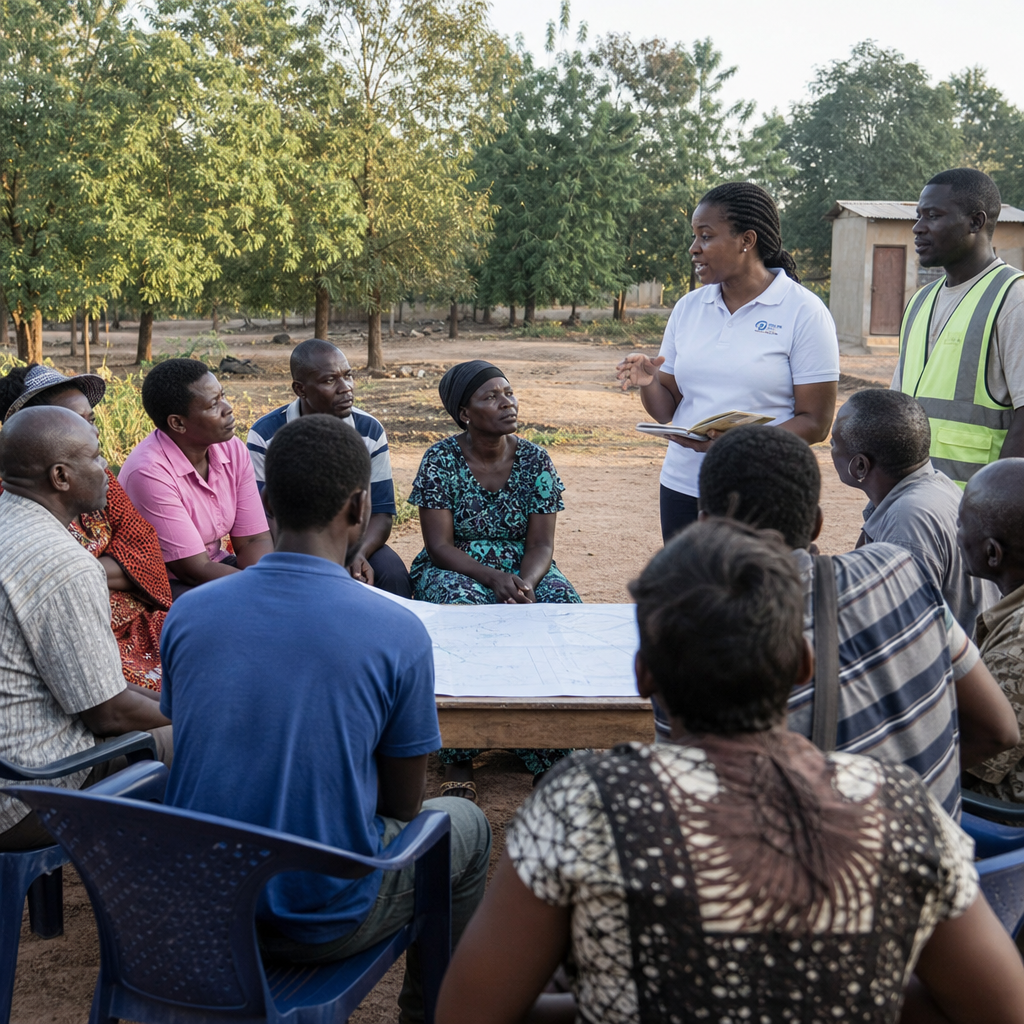
At its core, fostering participation and learning means people are not passive recipients of a sanitation project. They help identify problems, compare options, test practices, ask questions, and shape local rules for cleaning, emptying, reuse, and inclusion. Learning is equally practical. Households need to know what goes into the toilet, what must stay out, how moisture affects decomposition, why children may need adapted seats, when personal protective equipment is necessary, and how to recognize operational problems early. Schools, landlords, farmers, women’s groups, and local leaders need tailored information, because each group interacts with EcoSan differently. Community health workers orchestrate that learning process. They translate technical guidance into daily actions, identify misconceptions before they spread, and keep the sanitation conversation grounded in dignity, safety, and feasibility rather than slogans.
Because this page serves as the hub for the subtopic, it covers the main pillars readers typically need next: household engagement methods, hygiene education, inclusive facilitation, demonstration and training techniques, monitoring and behavior reinforcement, partnerships with agriculture and local government, risk communication, and ways to measure whether participation is producing real sanitation gains. Each section answers a practical question: what community health workers do, how they do it, what tools support them, and where the limitations are. The central lesson is straightforward. EcoSan promotion works best when community health workers are trained not only as messengers, but as educators, organizers, and problem-solvers who can connect public health goals with local realities.
Why community health workers are central to EcoSan adoption
Community health workers are central because EcoSan asks users to do more than flush and forget. They must separate urine where systems require diversion, add dry cover material such as ash or sawdust when specified, keep non-degradable waste out, monitor fill levels, and follow safe handling rules for by-products. Those tasks are manageable, but they are unfamiliar in many settings. A mason or engineer can explain design, yet long-term use depends on repeated coaching in homes, schools, compounds, and public meetings. Community health workers provide that continuity. They can check whether a slab is usable for older adults, whether children understand correct use, and whether a caregiver knows why handwashing stations must stay supplied. In my experience, the first three months after installation are critical; that is when habits form and small operational mistakes either get corrected or become reasons for rejection.
Their value also comes from trust and access. Households often reveal concerns to a local health worker that they would never raise in a contractor meeting. Common questions include whether reused compost is safe, whether urine attracts odors, whether women can manage menstruation easily in the facility, and whether a dry system is suitable during heavy rains. A trained worker can answer directly, demonstrate proper practice, and escalate technical issues when needed. This direct support reduces abandonment, misuse, and rumor. It also improves equity. Households led by older people, tenants, people with disabilities, or very low incomes often need more tailored assistance than a standard community meeting can provide.
How they foster participation and learning at the household and community level
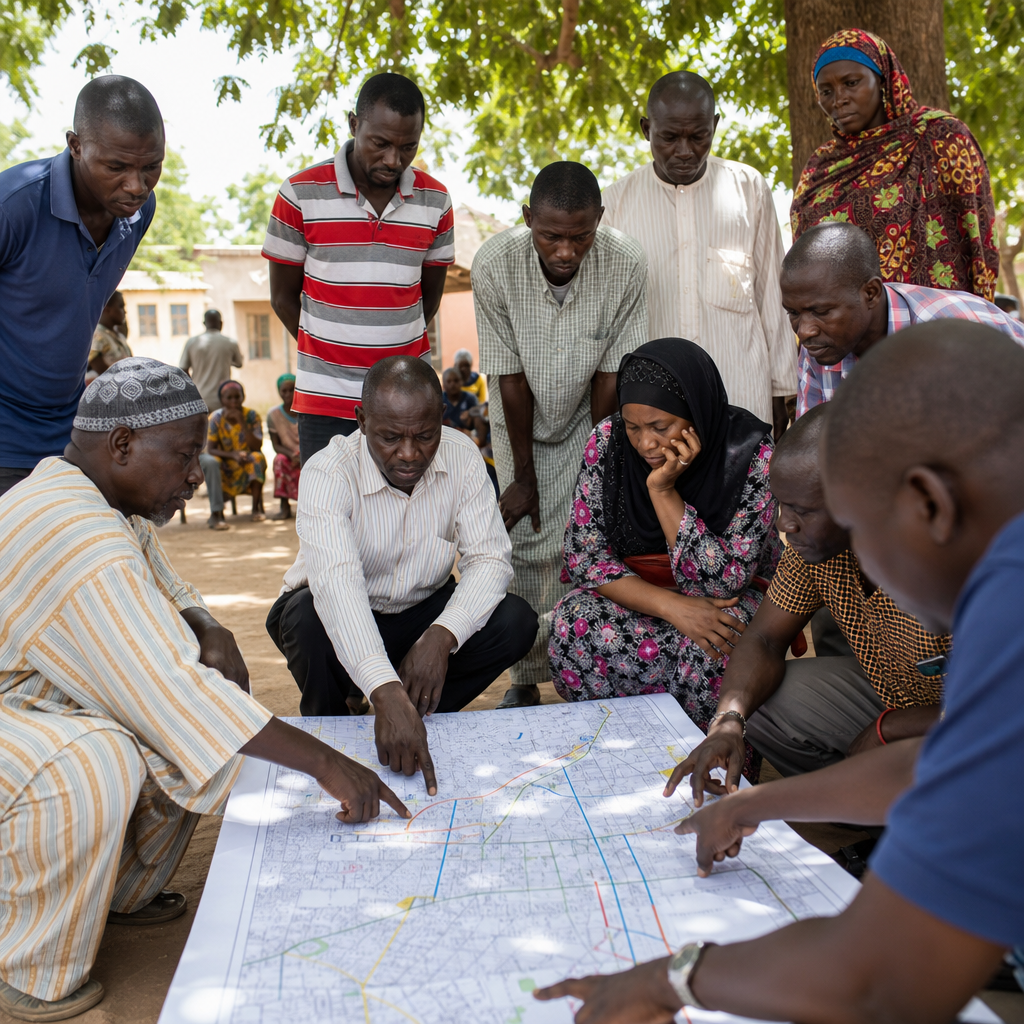
Participation starts before construction. Community health workers help map sanitation conditions, identify high-risk practices, and surface preferences that affect design choices, such as privacy, anal cleansing methods, child use, and accessibility. They can facilitate small group discussions that are more candid than large public forums, especially for women and adolescent girls. When communities compare sanitation options, the worker’s role is not to push a script but to make tradeoffs clear: water demand, space requirements, emptying frequency, operational complexity, cost, and potential agricultural value. That kind of informed participation builds ownership because people understand why a system was chosen and what it will require from them.
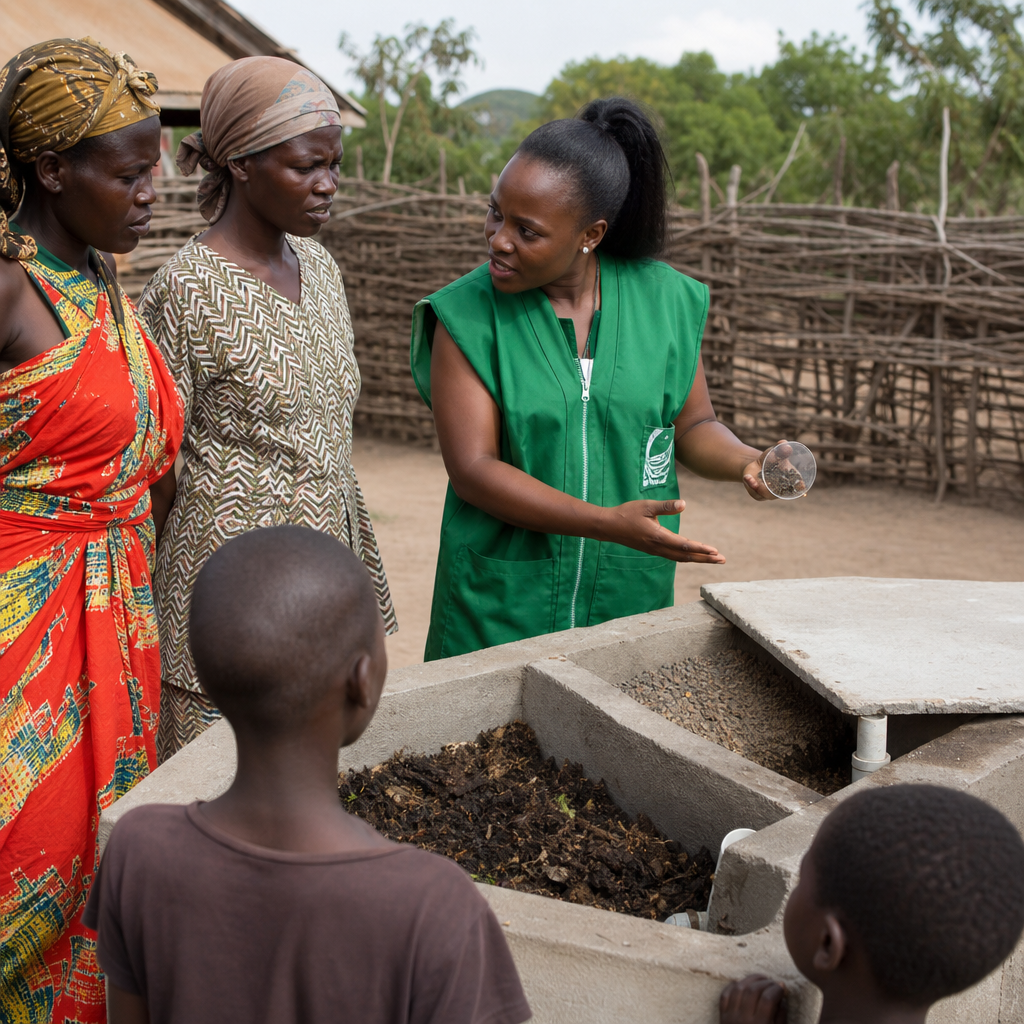
Learning then becomes a structured process rather than a one-off awareness session. Effective community health workers use demonstrations, household visits, peer educators, school outreach, and reminder materials. They break EcoSan operation into simple steps and explain the reason behind each one. For example, keeping urine and feces separate in a urine-diverting dry toilet reduces moisture in the fecal chamber, which supports drying and pathogen reduction. Adding ash can reduce odor, discourage flies, and improve conditions inside the vault. Waiting periods before reuse matter because pathogen die-off takes time and depends on temperature, moisture, pH, and storage conditions. These explanations help people see that instructions are not arbitrary.
| Promotion task | What the community health worker does | Why it improves participation and learning |
|---|---|---|
| Pre-installation dialogue | Facilitates household and group discussions on preferences, fears, and design implications | Builds informed consent and reduces resistance after construction |
| User training | Demonstrates toilet use, cover material application, cleaning routines, and handwashing | Turns technical instructions into practical daily habits |
| Follow-up visits | Checks for odor, moisture, misuse, fill levels, and inclusion barriers | Corrects problems early before households abandon the system |
| Risk communication | Explains storage periods, personal protection, and safe reuse boundaries | Protects health and strengthens trust in the program |
| Community feedback | Reports recurring issues to local government, NGOs, or technical teams | Improves system design, supply chains, and support services |
One reason this approach works is that it respects adult learning. People learn sanitation practices best when they can connect them to visible outcomes: less smell, fewer flies, cleaner compounds, reduced spending on chemical fertilizer, or fewer episodes of diarrhea linked to unsafe exposure. Community health workers can make those links concrete. They can compare a neglected vault with a well-managed one, or show how a handwashing station placed beside the toilet increases actual use. In community engagement and education, that shift from abstract messaging to observed results is what sustains participation.
Education methods that translate technical sanitation into daily practice
The most effective workers use layered teaching methods. First, they give clear verbal explanations in local language without jargon. Second, they demonstrate the action physically, because toilet use and by-product handling are procedural skills. Third, they check understanding by asking the user to repeat the process. Fourth, they return later to see whether the behavior held when no trainer was present. This pattern mirrors proven health education practice and is especially important for EcoSan because incorrect use can compromise both user experience and sanitation safety.
Specific teaching content should cover five areas. The first is correct use: where urine goes, where feces go, what cover material to add, and what not to throw into the system. The second is operation and maintenance: sweeping, cleaning pedestals or slabs, managing wash water, preventing excess moisture, and switching chambers where double-vault systems are used. The third is hygiene: handwashing with soap, safe child feces disposal, and protecting food and water from contamination. The fourth is occupational safety for anyone handling stored material, including gloves, boots, masks where dusty conditions exist, and hand hygiene after contact. The fifth is reuse or final disposal, including storage times aligned with program guidance and restrictions on crops or application methods where relevant.
Named tools help standardize that education. UNICEF and WHO hygiene promotion materials, PHAST-style participatory approaches, and household counseling checklists all provide useful structures. In programs I have supported, the most reliable field tool was a short supervision checklist that asked: Is the toilet clean? Is cover material available? Is handwashing water present? Are children using it correctly? Is there evidence of mixing solid waste into the vault? These simple observations gave community health workers a way to move from generic encouragement to targeted coaching.
Building inclusion, dignity, and behavior change across different groups
EcoSan promotion fails when it assumes one message fits everyone. Community health workers must tailor engagement for women, men, children, older adults, tenants, farmers, and people with disabilities. Women may prioritize privacy, menstrual hygiene management, and night-time safety. Caregivers may need child-friendly adaptations such as smaller seats, potties, or clear plans for transferring child feces safely into the system. Older adults may struggle with steps, squatting, or carrying cover material. Tenants may avoid maintenance if landlord responsibilities are unclear. Farmers may be interested mainly in nutrient recovery, while non-farming households may see little direct value unless health and convenience benefits are explained clearly.
Dignity is not a soft issue; it directly affects use. If a facility smells, feels unsafe, lacks privacy, or is difficult to clean, people will revert to previous habits. Community health workers often spot these barriers first because they see actual use conditions, not just design drawings. They can advocate for practical modifications: better ventilation, secure doors, lighting, accessible pathways, handrails, or storage for ash and cleaning supplies. They can also help communities create maintenance rosters for shared facilities and mediate disputes over cleaning responsibilities. That social management function is essential in compounds, schools, and peri-urban settings where many users share one system.
Behavior change also depends on who delivers the message. Peer influence matters. Mothers may respond strongly to other mothers who have successfully managed a dry toilet with small children. School sanitation clubs can normalize proper use among students faster than adult lectures alone. Religious and traditional leaders can reduce stigma around reuse when they are briefed properly and see the health safeguards in place. Community health workers coordinate these local messengers, ensuring that the message remains accurate while benefiting from trusted voices.
Monitoring, partnerships, and the limits of the role
Community health workers do not replace engineers, emptying service providers, agricultural extension staff, or local government inspectors. Their role is to connect these functions and keep the user perspective visible. Good EcoSan programs define referral pathways clearly. If a urine pipe blocks repeatedly, a technical team may need to correct slope or installation defects. If households lack affordable cover material, local suppliers or community procurement systems may be needed. If compost reuse is planned, agricultural extension officers should advise on application methods, crop suitability, and soil management. The worker’s strength is early detection and coordinated response.
Monitoring should therefore track both education outputs and service outcomes. Useful indicators include number of households trained, follow-up visit completion, availability of handwashing materials, correct use rates, odor complaints, visible contamination, and sustained functionality after six and twelve months. Where feasible, programs should also monitor health and environmental indicators, such as reduced open defecation, cleaner surroundings, safer sludge handling, or lower contamination risk near water sources. Digital tools like KoboToolbox, CommCare, or DHIS2-linked community forms can improve reporting, but paper registers still work when supervision is consistent. The critical point is that data must lead to action. Counting visits without solving recurring problems does not improve sanitation.
There are also limits and risks to acknowledge. Community health workers are often overburdened, modestly paid, and asked to cover many health priorities. If EcoSan promotion is added without proper training, supervision, and incentives, quality drops. Some workers may be uncomfortable discussing feces reuse unless they receive practical exposure and clear safety guidance. In high-density settlements, household-level reuse may be unrealistic, requiring service-chain solutions beyond the worker’s scope. And no amount of education can compensate for a poor design that is hard to use or maintain. Effective programs respect these limits, budget for ongoing support, and treat community health workers as a professional frontline cadre rather than a free communication channel.
What successful EcoSan promotion looks like in practice
Successful EcoSan promotion produces visible, measurable routine. Households know how to use the toilet correctly, keep it clean, maintain handwashing supplies, and report faults early. Shared facilities have agreed rules. Schools integrate sanitation into daily supervision and student learning. Local leaders understand why the system matters and back its maintenance. Agricultural reuse, where adopted, follows storage and handling guidance rather than informal improvisation. Most importantly, the community health worker is not appearing only during launch events. They are present through the adoption curve, using follow-up visits, demonstrations, and feedback loops to turn interest into competence.
For organizations working under Community Engagement and Education, this is the practical standard to aim for. Build programs that equip community health workers with technical literacy, facilitation skills, job aids, supervision, and referral support. Measure whether people learned the right practices, not just whether they attended meetings. Use local examples, honest risk communication, and inclusive design adjustments to keep dignity at the center. When community health workers are empowered to foster participation and learning, EcoSan promotion becomes more than a construction campaign. It becomes a durable public health practice that communities understand, use, and improve over time. Review your current sanitation outreach, identify where users still need guidance, and strengthen the community health worker role before the next toilet is built.
Frequently Asked Questions
What do community health workers actually do in EcoSan promotion?
Community health workers play a practical, trusted, and highly influential role in turning EcoSan from a technical idea into a household routine. Their main job is to connect sanitation technology with everyday behavior. In many communities, people may hear that ecological sanitation is safer, more affordable, or better for the environment, but they still need someone to explain how it works in real life. Community health workers fill that gap by introducing the purpose of EcoSan systems, explaining why human waste should be safely contained and treated, and showing how nutrient recovery and water protection benefit both families and the wider community.
They also support households during the critical transition from first exposure to regular use. This includes helping families understand key features of EcoSan systems such as urine diversion, dry toilet operation, ash or cover material use, vault management, odor prevention, and hygiene practices like handwashing. Just as important, they identify misunderstandings early. For example, if users believe a dry toilet should be used like a flush toilet, or if they mix liquids and solids in ways that reduce system performance, the health worker can correct those behaviors before they become long-term problems.
Beyond education, community health workers often act as motivators, monitors, and problem-solvers. They make home visits, answer questions, encourage consistent maintenance, reinforce safety procedures, and help normalize EcoSan use within the community. Because they usually know local customs, language, and concerns, they are often far more effective than outside technical teams at addressing resistance, embarrassment, or skepticism. In short, they are the human link that makes safe adoption, correct use, and sustained EcoSan practice possible.
Why are community health workers so important for changing household sanitation behavior?
Sanitation improvement is rarely just about installing a toilet. It requires people to adopt new habits, maintain new systems, and trust unfamiliar processes over time. That is exactly why community health workers are essential in EcoSan promotion. They help households move beyond awareness and into consistent practice, which is where most sanitation programs succeed or fail. A family may receive an EcoSan toilet, but if users do not understand daily operation, cleaning methods, safe storage, or how treated waste can be reused where appropriate, the technology may be neglected or rejected.
Behavior change depends on repetition, trust, and local relevance. Community health workers can explain the health risks of unsafe waste disposal in language people understand, and they can connect those risks to visible community concerns such as groundwater contamination, poor hygiene, unpleasant surroundings, and disease transmission. They also help make EcoSan feel manageable rather than complicated. When households see someone they trust demonstrating the correct use of urine-diverting dry toilets or explaining why dry conditions matter for treatment and odor control, the system becomes less intimidating and more acceptable.
They are especially important because behavior change is not immediate. People may initially comply but later return to old habits if there is no follow-up. Community health workers provide that follow-up through reminders, supportive coaching, and regular household contact. They can also identify barriers such as lack of cover material, poor user understanding, gender-related concerns, stigma around handling treated waste, or fears about child use and safety. By addressing these barriers one by one, they help transform EcoSan from a one-time intervention into a sustained public health practice.
How do community health workers help households use EcoSan systems correctly and safely?
Correct and safe use is one of the most important parts of EcoSan promotion, and community health workers are central to that process. EcoSan systems depend on proper user behavior to function as intended. For example, in urine-diverting dry toilets, urine and feces must be kept separate, moisture must be controlled, and the appropriate cover material may need to be added after use. If these steps are skipped or misunderstood, households can experience odors, insect problems, poor treatment outcomes, or user frustration. Community health workers help prevent these issues through practical, step-by-step instruction tailored to the household’s literacy level, routines, and physical setup.
They often demonstrate how to use the toilet correctly, how to keep the facility clean without disrupting the system, and how to protect children, older adults, and first-time users from confusion or misuse. They also explain safe emptying intervals, storage requirements, and treatment timelines so that households understand when materials are safe to handle and, where permitted and culturally accepted, how treated outputs may be reused productively. This safety messaging is crucial because EcoSan is built on the principle that waste can become a resource only after proper handling and treatment. Without that understanding, people may either avoid the system entirely or use it in unsafe ways.
In addition, community health workers reinforce hygiene and risk reduction. They teach handwashing, safe storage of tools, proper use of personal protective measures during maintenance, and separation of children’s feces and general household waste from the EcoSan process if needed. They can also identify system-specific issues early, such as cracks, blockages, poor drainage around the structure, or lack of cover material, and refer households to technicians or local sanitation committees when repairs or upgrades are needed. Their role is not just to inform, but to ensure that safe practice becomes routine and realistic.
What challenges do community health workers face when promoting EcoSan in communities?
Community health workers often work at the point where technical design meets social reality, and that means they face a wide range of challenges. One of the biggest is overcoming cultural resistance. In many places, people are not used to thinking of human waste as something that can be safely treated and reused. Even when EcoSan offers clear benefits such as lower water use, improved nutrient recovery, and reduced environmental contamination, households may still feel discomfort, skepticism, or stigma. Community health workers must address these reactions respectfully, without dismissing local beliefs or forcing acceptance too quickly.
Another common challenge is limited understanding of the technology itself. EcoSan systems, especially urine-diverting dry toilets, require more user knowledge than conventional pit latrines or flush toilets. If households receive incomplete training or if several family members use the toilet differently, confusion can quickly reduce system performance. Community health workers must repeatedly explain the purpose of urine diversion, dry conditions, cover material use, vault rotation, and safe handling procedures. This can be time-consuming, particularly in communities with varying literacy levels or where frequent follow-up is difficult.
They may also face operational and institutional obstacles. These can include insufficient educational materials, weak supply chains for maintenance items, lack of technical backup when a unit breaks, and inconsistent support from local leaders or project staff. In some settings, households may be interested in EcoSan but unable to maintain the system because of cost, space limitations, seasonal flooding, or poor construction quality. Community health workers are then placed in the difficult position of promoting best practice while households struggle with structural constraints beyond their control.
Despite these barriers, their community position gives them a unique advantage. They can gather feedback, identify patterns of misuse, surface concerns that formal project teams might miss, and adapt messages to local realities. Their effectiveness often depends on whether they themselves receive strong training, practical tools, supportive supervision, and recognition as key actors in sanitation behavior change. When those supports are in place, they are much better equipped to address the social, technical, and logistical challenges of EcoSan promotion.
How can programs strengthen the role of community health workers in successful EcoSan promotion?
Programs can strengthen community health workers by treating them as core implementation partners rather than as simple messengers. The first priority is high-quality training that goes beyond basic awareness. Community health workers need to understand the public health logic of EcoSan, the environmental benefits, the specific design and operation of local toilet models, the principles of safe containment and treatment, and the communication techniques needed for household behavior change. They should be able to answer practical questions confidently, demonstrate correct use, identify common errors, and explain why each step matters.
They also need tools that make their work easier and more credible. This can include visual job aids, household counseling guides, demonstration units, maintenance checklists, monitoring forms, and culturally appropriate materials for men, women, children, landlords, and farmers where reuse is relevant. Programs should support regular home visits and follow-up sessions rather than relying only on one-time community meetings. EcoSan adoption improves when households receive continued guidance during the first months of use, when most errors and doubts typically appear.
Strong supervision and technical referral systems are equally important. Community health workers should have a clear pathway for escalating issues such as damaged toilet components, unsafe practices, persistent odors, overflow risks, or household concerns about treated product use. When they know technical help is available, they can work with more confidence and maintain community trust. Programs should also create feedback loops so that the experiences of community health workers inform project design, training updates, and communication strategies.
Finally, successful programs recognize that motivation matters. Community health workers are more effective when they are respected, supported, and acknowledged for the complexity of their role. Incentives do not always have to be financial, but there should be meaningful recognition, manageable workloads, and integration with local health and sanitation structures. When programs invest in their skills, credibility, and continuity, community health workers become one of the strongest drivers of sustained EcoSan adoption, safer sanitation behavior, and long-term community acceptance.