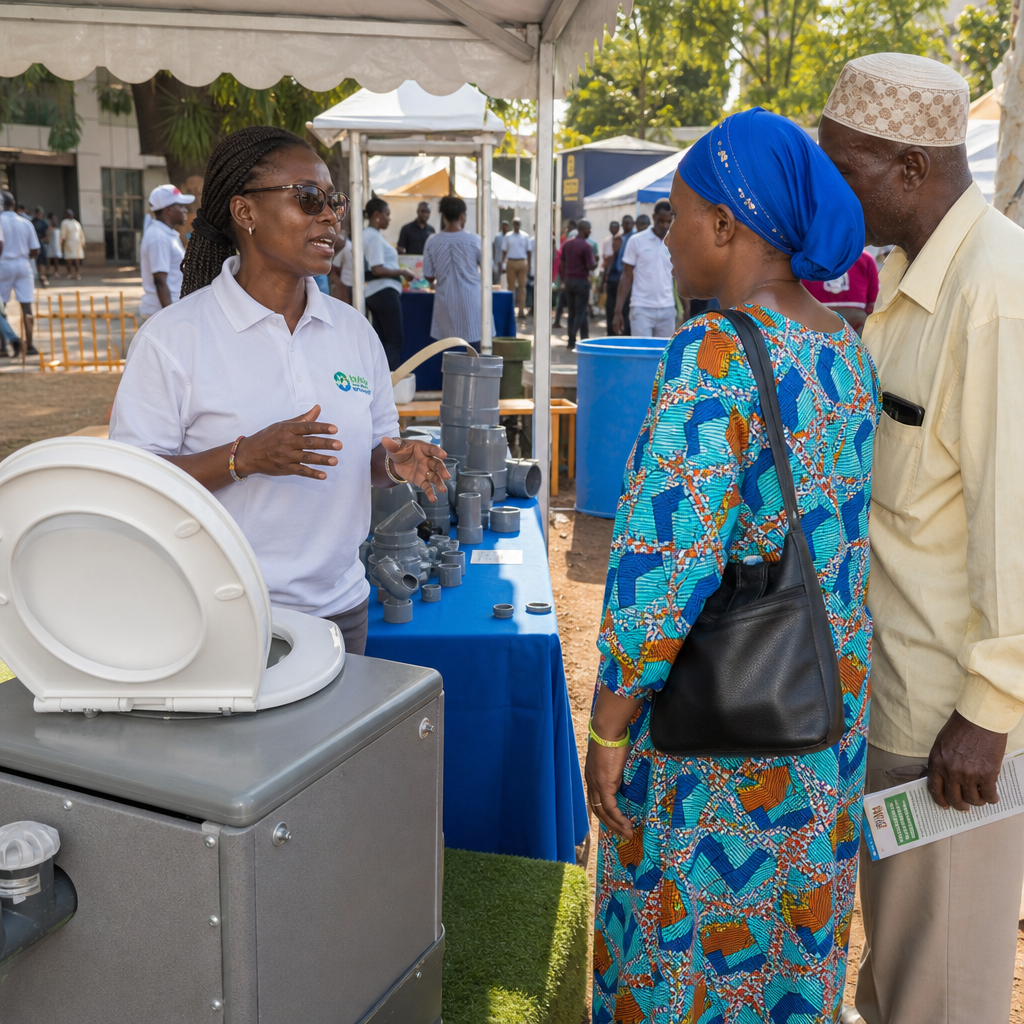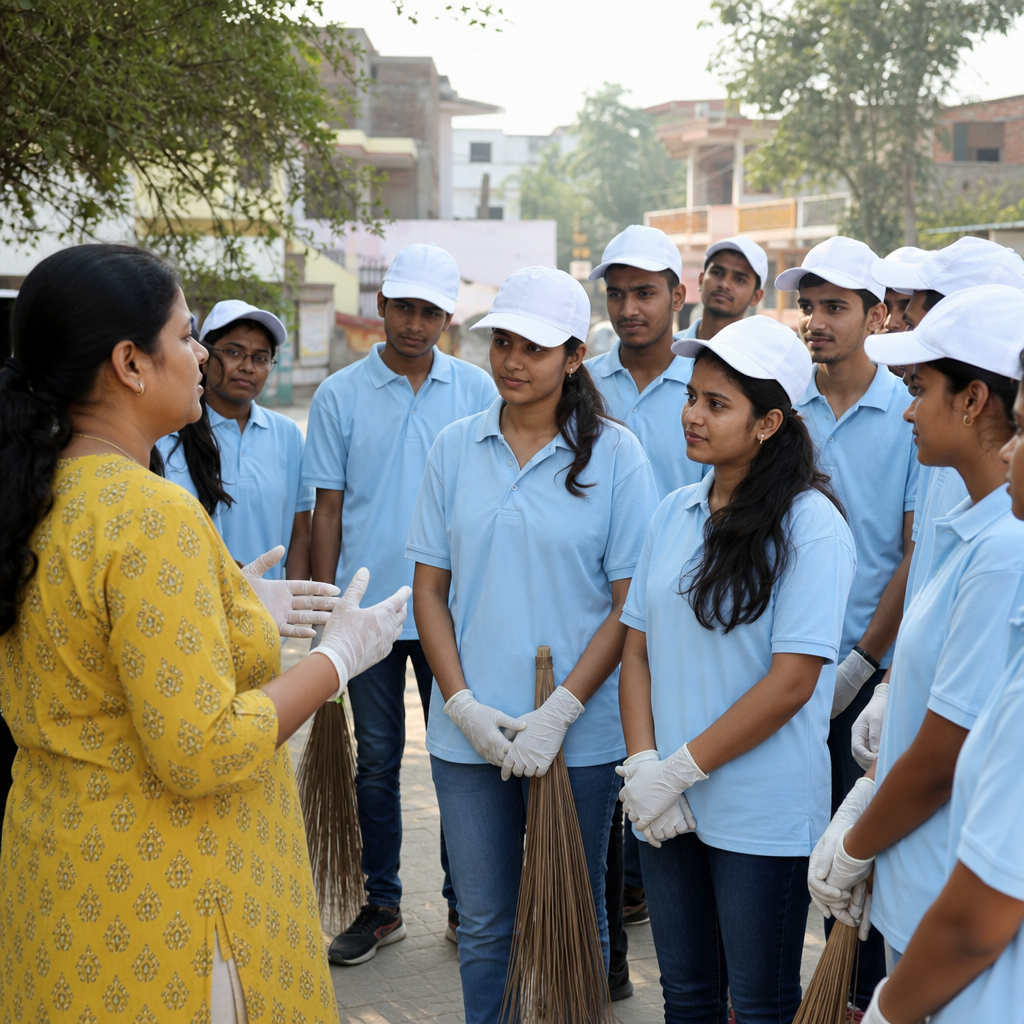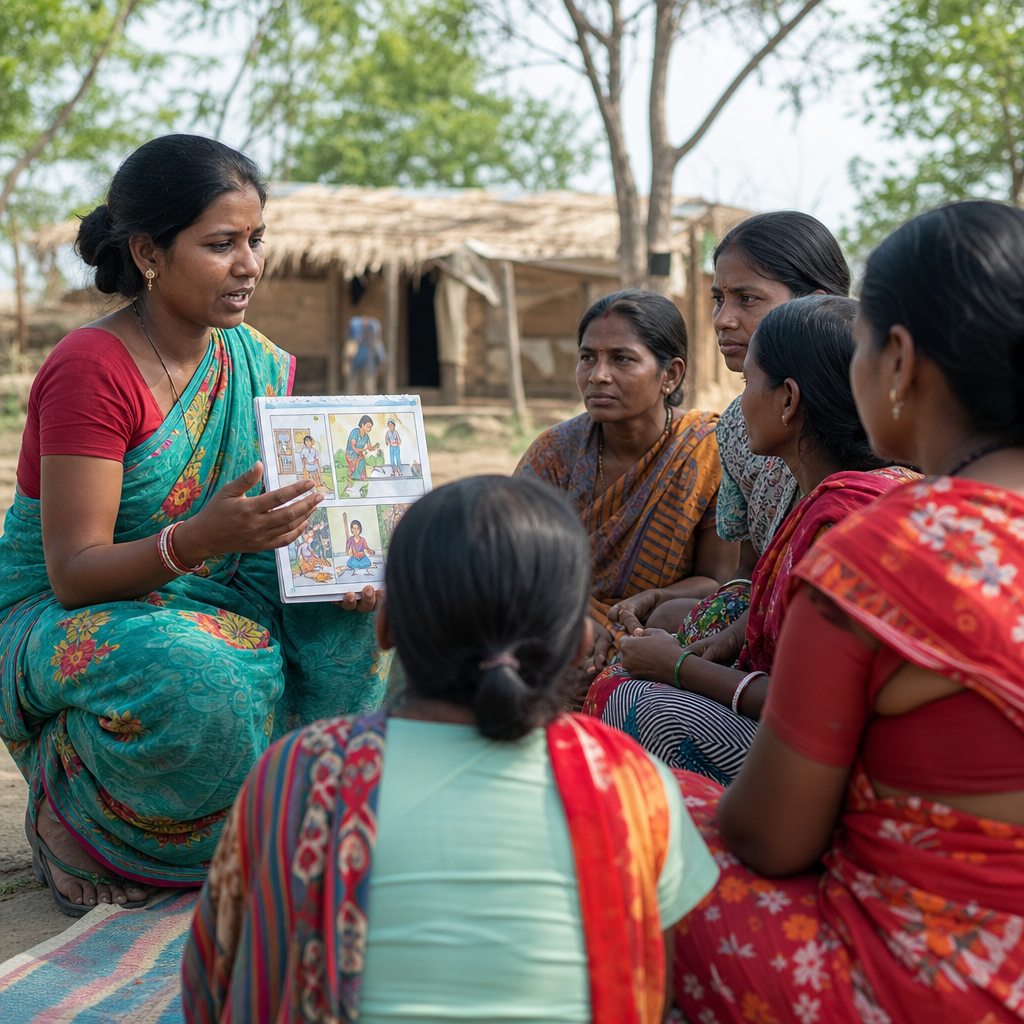
Media influences how people think about cleanliness, disease prevention, and public responsibility, making it one of the most powerful forces in shaping sanitation behaviors. In public health, sanitation behaviors include everyday actions such as using toilets safely, washing hands with soap, disposing of solid waste correctly, storing water hygienically, and maintaining clean shared spaces. I have worked on sanitation communication projects where infrastructure existed but usage remained inconsistent, and the pattern was clear: information alone did not change habits, but trusted, repeated, culturally relevant media often did. This matters because poor sanitation contributes to diarrheal disease, parasitic infections, stunting, lost school days, and reduced productivity. According to WHO and UNICEF monitoring, billions of people still lack safely managed sanitation services, and behavior remains a decisive factor even where facilities are present. Media sits at the center of community engagement and education because it turns technical guidance into understandable, memorable, and socially reinforced action.
As a hub within community engagement and education, this topic goes beyond awareness campaigns. Empowering communities through knowledge means helping people understand risk, recognize practical solutions, and see sanitation as a shared norm rather than a private inconvenience. Different media channels play different roles. Radio can reach rural households with local language programming. Television can model visible behaviors such as handwashing steps. Social media can spread reminders quickly but can also amplify misinformation. Community theater, posters, school materials, WhatsApp groups, and local journalism all shape what people believe is normal, urgent, and achievable. The central question is not whether media matters, but how it can be used responsibly to move people from awareness to sustained behavior change. Effective sanitation communication combines credibility, repetition, emotional resonance, and clear calls to action, while respecting local realities such as water scarcity, literacy levels, gender roles, and access to services.
How media turns sanitation information into behavior
Media shapes sanitation behaviors by influencing knowledge, attitudes, perceived norms, and self-efficacy. In practice, people adopt hygienic behaviors when four conditions are met: they know what to do, believe it matters, see others doing it, and feel capable of doing it consistently. That is why the most effective campaigns do more than issue warnings. They demonstrate behaviors, explain consequences, address barriers, and repeat key messages across channels. In one district campaign I supported, latrine use improved only after radio spots were paired with village loudspeaker reminders and testimonies from respected local mothers. The message shifted from “use a toilet” to “protect your children from contamination around the home,” which connected behavior to an immediate concern.
Behavior science supports this approach. Social norms theory shows that people are influenced by what they think others do and approve of. Health communication research also shows that simple, specific messages outperform broad slogans. “Wash hands with soap after using the toilet and before handling food” is stronger than “maintain hygiene.” Media can also cue action at critical moments. Short-form reminders before meal times, school announcements after toilet breaks, and stickers near handwashing stations can prompt behavior when intention might otherwise fade. For sanitation, the timing of the message often matters as much as the wording. Seasonal outbreaks, flooding, and school reopening periods are especially important windows for communication.
Which media channels work best for sanitation messages
No single channel reaches everyone, so successful sanitation promotion uses a media mix matched to audience habits. Radio remains one of the most effective tools in many low-resource settings because it is inexpensive, accessible without literacy, and adaptable to local language and culture. Call-in programs are particularly useful because they let health workers answer practical questions such as how to maintain a pit latrine during the rainy season or how to make a low-cost handwashing station. Television works well for demonstrating visible actions, including cleaning containers, separating waste, or supervising children’s toilet use. Visual modeling reduces ambiguity and can correct common mistakes that text-only campaigns miss.
Digital media adds speed and interaction. Health departments, NGOs, and schools increasingly use Facebook, YouTube, WhatsApp, and SMS to distribute sanitation messages. WhatsApp voice notes can reach low-literacy groups, while SMS reminders can reinforce routines such as desludging schedules or school cleaning days. However, digital channels require careful moderation because false health claims spread quickly. Print still has value when designed well. Posters with minimal text and clear illustrations can remind people about handwashing steps or safe waste disposal in clinics, schools, and markets. Interpersonal and community media remain indispensable. Street theater, religious gatherings, school clubs, and community radio create dialogue, which is often what changes behavior. When local leaders repeat the same sanitation guidance heard in mass media, trust rises and resistance falls.
Designing messages communities trust and remember
People do not change sanitation habits because they hear more facts; they change when messages feel relevant, credible, and doable. Effective message design begins with audience insight. Before building campaigns, communicators should learn who makes sanitation decisions in the household, what barriers exist, which myths are common, and which messengers are trusted. In some communities, women manage water and child hygiene but men control spending on latrines. In others, landlords decide whether sanitation facilities are repaired. Messaging must reflect these realities. A campaign aimed only at mothers may fail if fathers control household investment, while a landlord-focused message must address maintenance costs, tenancy expectations, and local regulations.
Trusted messages are concrete. They avoid technical jargon and focus on actions linked to immediate benefits. For example, “keep feces away from children’s play areas” is clearer and more motivating than “reduce environmental contamination.” Emotional framing can help when used responsibly. Protecting children, maintaining dignity, keeping food safe, and preserving community pride are often stronger motivators than disease statistics alone. At the same time, fear should not dominate. Excessively shaming messages may backfire, especially where people lack resources to comply. The best campaigns pair urgency with realistic solutions, such as showing how to build a tippy tap, where to report blocked drains, or how a neighborhood can organize a cleanup rota. Memorable slogans, recurring characters, and local stories improve recall, but consistency across platforms is what turns recall into habit.
Connecting mass communication with local participation
Media works best when it is not isolated from community action. Mass communication can create awareness at scale, but sustained sanitation behavior usually depends on local participation, peer reinforcement, and service follow-through. I have seen campaigns fail because radio urged toilet use while public facilities remained locked or broken. When communication overpromises and services underdeliver, trust erodes quickly. The opposite is also true: when media messages align with visible improvements, behavior change accelerates. If a municipality announces new waste collection schedules and then delivers reliably, residents are more likely to separate waste and use designated disposal points.
Community participation strengthens media impact by making the audience part of the solution. Schools can run sanitation clubs that echo national campaigns through debates, murals, and student reporting. Local journalists can investigate sanitation challenges and hold authorities accountable for maintenance, drainage, and sludge management. Community health workers can use radio topics as discussion starters during home visits. Faith leaders can connect cleanliness messages to moral duty and collective care. This integration matters because sanitation is both a household behavior and a systems issue. People need knowledge, but they also need functioning toilets, water access, collection services, and channels for reporting problems. Media should therefore inform, motivate, and connect communities to action pathways, not just broadcast ideal behaviors in isolation.
Examples of sanitation media strategies and their strengths
Different communication tools solve different sanitation problems. The table below summarizes practical options, typical use cases, and strengths based on field implementation patterns and public health communication practice.
| Media channel | Best use in sanitation | Main strength | Key limitation |
|---|---|---|---|
| Radio | Rural outreach, local language education, call-in advice | Wide reach without literacy barriers | Limited visual demonstration |
| Television/video | Showing handwashing, toilet maintenance, waste sorting | Clear visual modeling of behavior | Higher production and access costs |
| Social media | Rapid updates, youth engagement, community reminders | Fast sharing and interaction | Misinformation spreads easily |
| Posters and print | Clinics, schools, markets, transport hubs | Persistent visual prompts at point of action | Less effective for low-literacy audiences if text heavy |
| Community theater | Norm change, taboo topics, discussion | High local relevance and emotional connection | Limited geographic scale |
| SMS and WhatsApp | Reminders, alerts, service notices, voice messages | Direct and low-cost reinforcement | Depends on phone access and list quality |
In practice, combining channels usually delivers the best results. A school handwashing campaign might use posters near sinks, parent WhatsApp reminders, a radio interview with a nurse, and student-led demonstrations. An urban waste campaign might pair social media reporting with local news coverage and neighborhood meetings. The right mix depends on audience access, trust patterns, and the behavior being targeted.
Challenges, ethics, and measuring whether media works
Media can improve sanitation behavior, but it can also fail or cause harm if handled poorly. One common problem is information without enabling conditions. Telling households to wash hands with soap is not enough where water is intermittent or soap is unaffordable. Another risk is stigma. Campaigns that mock open defecation or dirty neighborhoods may humiliate the poorest households instead of helping them solve constraints. Ethical sanitation communication avoids blame, protects dignity, and recognizes structural barriers. It also avoids oversimplifying disease transmission. If people hear that toilets alone solve sanitation problems, they may overlook drainage, fecal sludge management, and safe water handling.
Measuring impact requires more than counting impressions or poster distribution. Useful indicators include recall of key messages, changes in reported attitudes, observed presence and use of handwashing stations, toilet usage patterns, waste disposal compliance, school absenteeism linked to illness, and service uptake such as desludging requests. Public health teams often combine surveys, spot checks, focus groups, and administrative data. Digital campaigns can track click-throughs and shares, but these are proxy metrics, not proof of behavior change. The strongest evaluations compare baseline and follow-up data and, where possible, use control areas. Media should also be monitored for rumor correction. When false claims spread, such as chlorine being unnecessary or child feces being harmless, rapid response through trusted channels is essential. Effective sanitation media is therefore not a one-time campaign but an adaptive communication system grounded in evidence and accountability.
Media shapes sanitation behaviors most effectively when it informs clearly, reflects community realities, and connects messages to practical action. The core lesson is simple: sanitation knowledge changes outcomes only when people trust it, remember it, and can act on it within their daily lives. Radio, television, print, digital platforms, and community-led channels each have value, but their real power emerges when they reinforce one another and align with functioning services. Across schools, households, markets, and public spaces, strong communication turns sanitation from a technical sector into a visible social norm. That is why this topic sits at the heart of community engagement and education.
For organizations building sanitation programs, the priority should be integration. Start with audience research, define the exact behavior to change, choose channels people already use, test messages locally, and link every campaign to a real service or community mechanism. Measure outcomes beyond reach, correct misinformation quickly, and involve trusted voices such as teachers, health workers, journalists, and local leaders. Communities are not passive recipients of messaging; they are co-creators of healthier sanitation practices when they have access to credible knowledge and usable solutions. Use this hub as the foundation for deeper work on school engagement, behavior change campaigns, local media partnerships, and participatory sanitation education. The more deliberately you communicate, the more consistently communities can protect health, dignity, and shared environments.
Frequently Asked Questions
1. How does media influence sanitation behaviors in everyday life?
Media shapes sanitation behaviors by turning health guidance into visible, repeatable, and socially accepted habits. People do not learn only from clinics, schools, or government notices; they also learn from radio programs, television campaigns, news reports, social media posts, community messaging, and even entertainment content. When audiences repeatedly see messages about handwashing with soap, safe toilet use, proper waste disposal, hygienic water storage, and keeping shared environments clean, those behaviors begin to feel normal, expected, and important. This is especially powerful because sanitation is not just a technical issue linked to infrastructure. It is also a behavioral and social issue influenced by beliefs, convenience, status, trust, and routine.
In practice, media helps connect sanitation behaviors to real-life consequences. It can explain how germs spread, why open dumping creates community-wide risks, how poor hygiene affects children’s health, and why shared toilets require collective responsibility. Good media communication makes these links understandable and relevant rather than abstract. It can also model desired behaviors step by step, showing not just what people should do, but how and when to do it. For example, a message about handwashing becomes more effective when it demonstrates critical moments such as after toilet use, before eating, before preparing food, and after handling waste.
Media also influences what people believe others are doing. This matters because sanitation habits are strongly shaped by social norms. If campaigns show that responsible toilet use and waste disposal are common community behaviors, people are more likely to adopt them. Conversely, if sanitation is portrayed only as a problem of “other people,” audiences may distance themselves from responsibility. That is why the most effective sanitation communication uses media not simply to spread information, but to build shared expectations, reinforce public responsibility, and encourage consistent daily practice.
2. Why is media important even when sanitation infrastructure already exists?
Infrastructure alone does not guarantee healthy sanitation behavior. A community may have toilets, water points, waste bins, or drainage systems, yet usage can remain inconsistent if people are not motivated, informed, or socially encouraged to use them properly. This is where media becomes essential. It bridges the gap between access and action. In many sanitation programs, the physical facilities are present, but behavior does not automatically follow because habits are deeply rooted and often shaped by long-standing beliefs, convenience patterns, privacy concerns, or misunderstandings about hygiene.
Media helps people understand the value of using available sanitation services correctly and consistently. For example, a household may have a toilet, but members may still practice unsafe alternatives if they do not see daily toilet use as necessary, dignified, or beneficial. A neighborhood may have solid waste collection, but residents may continue dumping waste in drains if they do not understand the wider impacts on flooding, disease transmission, and environmental cleanliness. Through repeated messaging, stories, interviews, community campaigns, and practical demonstrations, media can make the benefits of proper sanitation visible and immediate.
It also addresses an important reality: sanitation behaviors are often collective, not purely individual. Shared toilets, communal water sources, apartment compounds, schools, and markets require cooperation. Media can reinforce the idea that sanitation is a shared public good and that one person’s behavior affects everyone else. This is particularly useful in settings where facilities exist but maintenance is poor, misuse is common, or responsibility is unclear. Effective media campaigns encourage a sense of ownership, promote correct usage, reduce stigma around discussing sanitation, and remind people that infrastructure works best when it is matched by informed and consistent behavior.
3. What types of media are most effective for promoting better sanitation habits?
The most effective media depends on the audience, local context, literacy levels, trust patterns, and communication goals. There is no single best platform for every sanitation campaign. In many communities, radio remains highly effective because it is accessible, familiar, and able to reach households repeatedly, including people with limited literacy. Radio discussions, public service announcements, dramas, and call-in programs can explain sanitation practices in local languages and allow audiences to hear relatable voices. Television can also be powerful because it demonstrates behaviors visually, which is especially useful for showing handwashing technique, hygienic water storage, toilet maintenance, or safe waste handling.
Social media is increasingly important, particularly for younger audiences and urban populations. It allows sanitation messages to spread quickly through short videos, infographics, testimonials, and influencer-led content. It can make sanitation conversations more interactive and timely, especially during disease outbreaks or seasonal public health risks. However, digital media works best when paired with credible sources and clear messaging, because misinformation can spread just as quickly. Print materials, billboards, posters, school materials, and community noticeboards also continue to matter, especially when used in places where sanitation decisions are made, such as schools, clinics, markets, transport hubs, and public toilets.
One of the strongest approaches is a layered media strategy that combines mass media, digital media, and community-based communication. A radio campaign may create awareness, posters may reinforce reminders in public spaces, and local leaders or health workers may help turn messages into action. Entertainment-education is also especially effective. When sanitation themes are woven into stories, dramas, comedy, or everyday characters, people often absorb the message more naturally than through formal instruction alone. The most successful sanitation communication does not rely only on reach; it relies on relevance, repetition, trust, and practical clarity.
4. Can media campaigns actually change sanitation behavior, or do they just raise awareness?
Media campaigns can do much more than raise awareness, but only when they are designed to influence behavior rather than simply deliver information. Awareness is an important first step, yet sanitation behaviors usually change when people receive repeated cues, clear practical guidance, emotional motivation, and social reinforcement. A message that says “wash your hands” may increase knowledge, but a campaign that shows when to wash, how to wash properly, why soap matters, and how handwashing protects family members is more likely to produce behavior change. The difference lies in whether the communication is passive and generic or behavior-focused and actionable.
Behavior change becomes more likely when media addresses barriers people actually face. These may include lack of habit, low perceived risk, misinformation, embarrassment, fatalistic attitudes, or beliefs that sanitation is someone else’s responsibility. Strong campaigns use language and examples that reflect people’s real conditions. They may highlight children’s health, household dignity, neighborhood pride, convenience, or cost savings from disease prevention. They may also use social proof by showing respected community members, peers, or families practicing positive sanitation habits. This helps audiences see sanitation not as an ideal promoted from outside, but as a normal and attainable part of daily life.
That said, media works best as part of a broader sanitation ecosystem. Campaigns are most effective when facilities are available, products such as soap are accessible, local institutions are supportive, and communities trust the source of the message. Media alone cannot fix broken toilets, inconsistent water supply, or poor service delivery. But it can significantly improve uptake, consistency, maintenance, and accountability where systems exist or are being improved. In that sense, media is not merely an awareness tool. It is a practical driver of public health behavior, especially when used strategically, repeatedly, and in coordination with on-the-ground sanitation efforts.
5. What makes a sanitation message in the media credible, persuasive, and likely to be followed?
A sanitation message is most credible when it is accurate, clear, culturally relevant, and delivered by trusted voices. People are far more likely to act on guidance when they believe the source understands their daily reality and has their interests in mind. Credibility often comes from a combination of factors: alignment with public health evidence, use of familiar language, consistency across channels, and endorsement by recognized institutions or local leaders. Health professionals, teachers, respected community figures, journalists, and even relatable peers can all strengthen message trust when they communicate responsibly and clearly.
Persuasive sanitation communication also avoids being overly vague or purely fear-based. Fear can capture attention, but on its own it does not always produce lasting behavior change. The most effective messages pair urgency with practical solutions. They explain the risk of poor sanitation, but they also show exactly what people can do, why it matters, and how those actions protect households and communities. They use examples that feel realistic, such as keeping toilet areas clean, washing hands at key times, covering stored water, or disposing of household waste in designated places. People are more likely to follow a message when the recommended action feels achievable and relevant rather than distant or idealized.
Finally, strong sanitation messaging respects the audience. It does not shame people for past behavior or assume ignorance. Instead, it recognizes constraints, addresses common questions, and builds motivation through dignity, care, responsibility, and shared benefit. Messages are especially effective when they are repeated consistently over time and adapted to different groups, such as caregivers, schoolchildren, tenants, market users, or residents of shared compounds. In short, sanitation media works best when it combines trust, practicality, empathy, and repetition. That combination is what turns a message from something people hear into something they actually do.