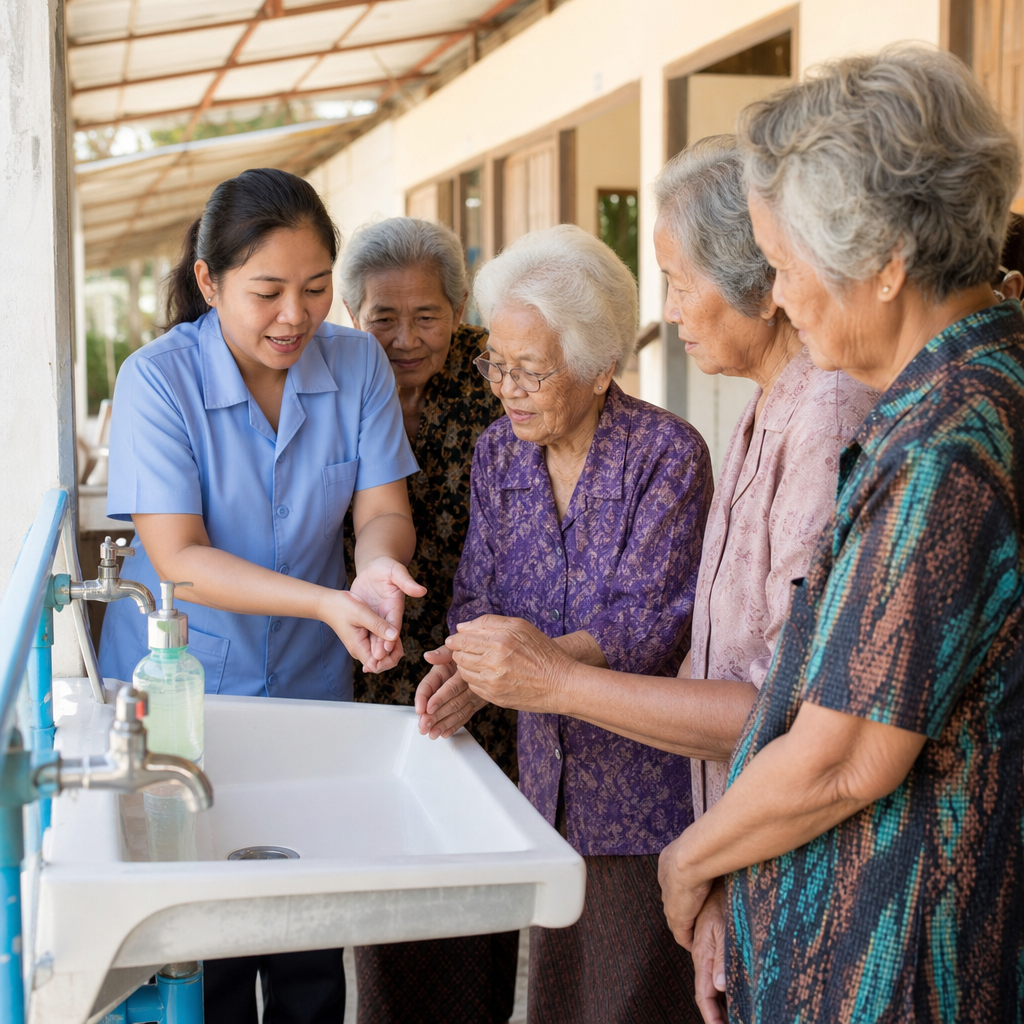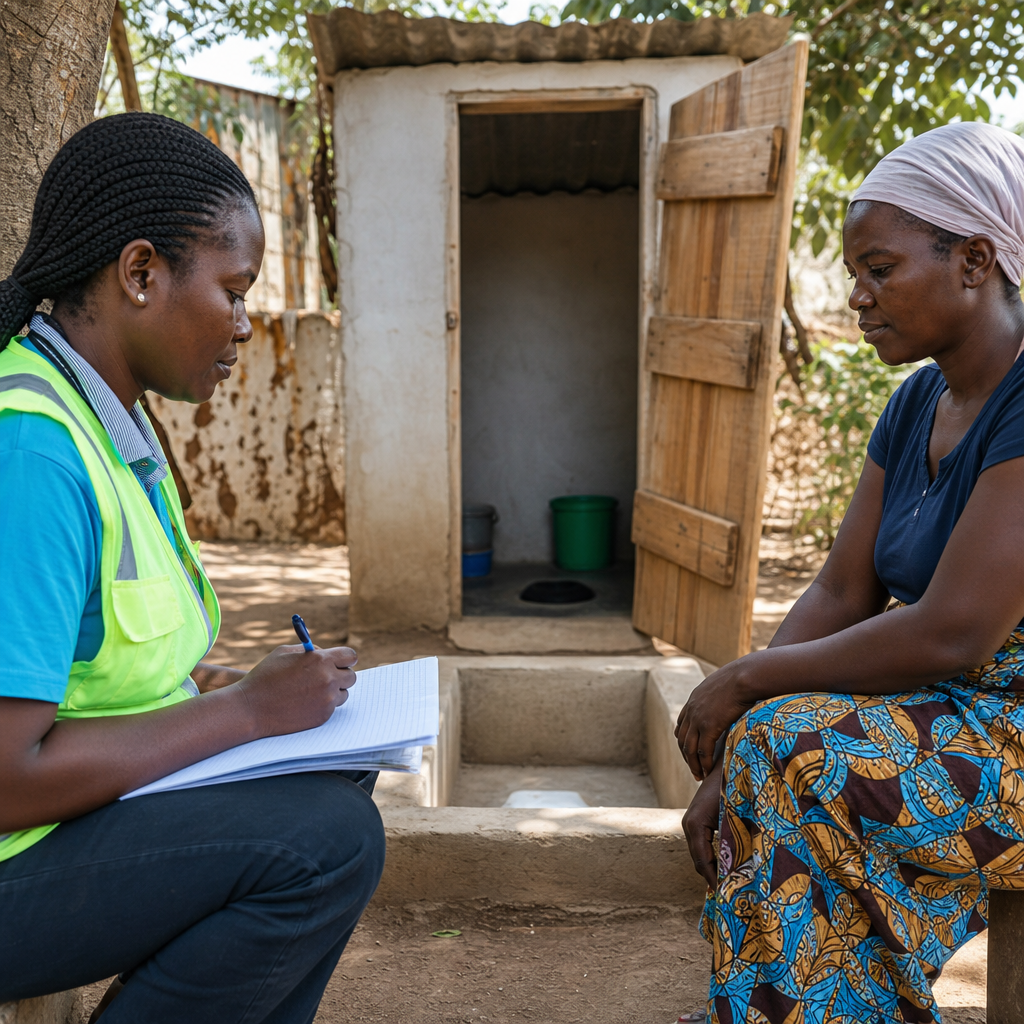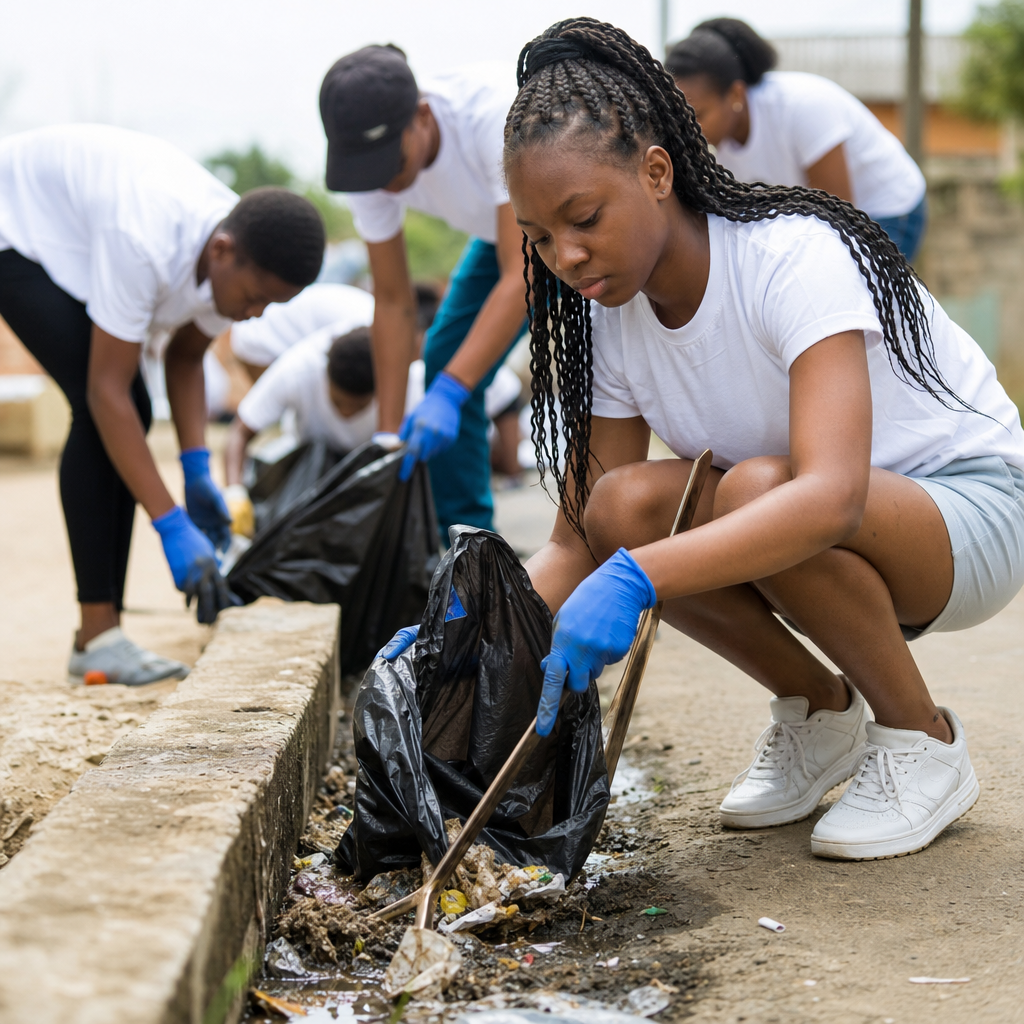
Harnessing youth energy for sanitation advocacy is one of the most effective ways to improve public health, strengthen community engagement, and turn knowledge into practical local action. In community programs I have supported, young people consistently became the fastest messengers, the most creative campaigners, and often the strongest accountability voice when sanitation services failed. Youth, in this context, includes adolescents and young adults who influence households, schools, neighborhood groups, and digital networks. Sanitation advocacy means organized efforts to improve toilets, handwashing, waste management, menstrual hygiene support, drainage, and behaviors that reduce disease transmission. Community engagement and education provide the bridge between technical sanitation solutions and daily habits, because infrastructure alone rarely changes outcomes unless people understand, trust, use, maintain, and demand it. This article serves as a hub for empowering communities through knowledge by explaining why youth leadership matters, how to build it, what strategies work, and where programs often break down. It also connects the wider subtopic of community engagement and education to practical sanitation results: lower open defecation rates, cleaner public spaces, safer schools, better health literacy, and stronger local ownership. When communities equip young people with accurate information, communication tools, and meaningful roles, sanitation stops being a one-time campaign and becomes a sustained social norm supported by schools, families, health workers, and local government.
Why youth-led sanitation advocacy works
Youth-led sanitation advocacy works because young people sit at the intersection of learning, peer influence, and community visibility. They move ideas quickly through classrooms, sports clubs, faith groups, social media channels, and informal neighborhood networks. In one municipal hygiene initiative I observed, adult attendance at sanitation meetings remained low until youth volunteers conducted door-to-door conversations and school demonstrations; within two months, parent participation and reporting of blocked public toilets both increased. This pattern is common because messages delivered by young advocates often feel immediate, practical, and less bureaucratic than official announcements.
There is also a behavioral reason. Sanitation is shaped by norms: what people think others do, approve of, or expect. Youth are powerful norm setters because they publicly model habits such as handwashing, toilet use, waste segregation, and menstrual hygiene dignity. When students remind shop owners to provide soap, create murals near communal latrines, or post simple videos on safe water storage, they make sanitation visible rather than hidden. Public health research from organizations including UNICEF and WHO has repeatedly shown that hygiene behaviors improve when communication is repeated, socially reinforced, and linked to local identity. Youth create exactly that environment.
Knowledge empowerment is the engine behind this work. Communities do not change sanitation outcomes simply by hearing slogans. They need understandable information on disease pathways, toilet maintenance, septic safety, fecal sludge management, disability access, and gender-specific barriers. Young advocates can translate technical guidance into plain language: why handwashing needs soap, why overflowing pits contaminate groundwater, why girls miss school without private toilets, and why drains clogged with plastic intensify flooding. A hub article on empowering communities through knowledge must therefore treat youth not as campaign decoration, but as informed educators, organizers, and feedback channels.
Building knowledge that communities can use
Effective sanitation education starts with usable knowledge, not abstract awareness. I have seen programs fail because they taught broad hygiene messages without addressing the exact decisions families faced: where to place a handwashing station, how to clean a shared toilet roster, how to report illegal dumping, or what to do when a septic tank fills. Empowering communities through knowledge means turning technical sanitation principles into actionable local guidance. That includes clarifying the difference between sanitation, hygiene, and waste management while showing how they connect in everyday life.
For youth advocates, the training foundation should cover five areas. First, disease transmission basics, especially the fecal-oral route and how contaminated hands, surfaces, food, and water spread diarrheal disease, cholera, typhoid, intestinal worms, and hepatitis A. Second, sanitation systems: pit latrines, pour-flush toilets, septic tanks, sewer connections, school toilets, and public facilities. Third, behavior change communication, including listening skills, message framing, rumor correction, and respectful engagement across age groups. Fourth, inclusion, with explicit attention to menstruation, disability access, child-friendly design, and safety for girls and women. Fifth, civic processes such as complaint reporting, local budgeting, and working with health officers, teachers, and ward leaders.
Knowledge becomes durable when it is localized. A coastal town worried about flooding needs education on drains and solid waste blockage. A dense informal settlement may need guidance on shared toilet management, desludging services, and handwashing with limited water. A rural district may focus on ending open defecation and protecting groundwater near wells. Youth groups are especially effective when they collect local evidence themselves through transect walks, sanitation mapping, school audits, and household interviews. Those activities convert education from passive reception into community intelligence, which makes later advocacy more credible and specific.
Practical models for youth engagement
Programs that harness youth energy successfully usually combine education, visibility, and responsibility. School sanitation clubs remain one of the strongest entry points because schools offer structure, regular meetings, and direct links to households. A well-run club does more than organize cleanup days. It monitors toilet cleanliness, checks soap availability, creates peer lessons, supports menstrual hygiene discussions, and reports facility issues to administrators. Outside schools, youth associations, scout groups, sports teams, and digital volunteer networks can extend advocacy into markets, transport hubs, and public events.
Peer-to-peer communication is often more effective than top-down instruction. Young advocates can host neighborhood dialogues, role-play sessions, mural campaigns, and short video explainers in local languages. In one community project, youth volunteers used colored stickers on a public map to mark broken taps, unmanaged waste points, and unsafe latrines. The visual evidence made it easier for municipal staff to prioritize repairs and for residents to see sanitation as a shared system rather than a private issue. This is why community engagement and education should be designed as two-way exchange, not lecture delivery.
Another practical model is youth participation in monitoring and accountability. Community scorecards, simple checklists, and mobile reporting tools help young people move from awareness to governance. Tools such as KoboToolbox, ODK, and Google Forms can support school audits or household sanitation surveys at low cost. The aim is not to burden youth with government responsibilities, but to give them structured channels to document problems and advocate for solutions.
| Engagement model | How it works | Practical sanitation outcome |
|---|---|---|
| School sanitation clubs | Students inspect facilities, lead hygiene sessions, and report repair needs | Cleaner toilets, better soap access, lower absenteeism |
| Peer educator networks | Trained youth teach neighbors and classmates using relatable language | Improved handwashing and safer household practices |
| Community mapping teams | Youth document waste hotspots, drainage issues, and broken toilets | Clear evidence for local planning and maintenance |
| Digital advocacy groups | Young volunteers share updates, reminders, and reporting links online | Faster complaint escalation and wider message reach |
| Public event mobilizers | Youth run demonstrations at markets, sports events, and faith gatherings | Higher visibility for sanitation norms and services |
Turning advocacy into behavior change
Advocacy only matters if it leads to changed habits, improved services, or stronger accountability. The most effective youth campaigns focus on specific behaviors and barriers rather than generic cleanliness messaging. For example, “wash hands with soap after toilet use and before eating” is measurable. “Keep your environment clean” is too vague to drive action. When I plan community education, I ask three questions first: what exact behavior needs to change, what makes that behavior difficult, and who influences the decision most. Youth can help answer all three.
Behavior change improves when advocates combine emotional relevance with practical solutions. A campaign about shared toilet hygiene may fail if residents lack water, cleaning supplies, or a clear duty schedule. Youth groups can help households organize cleaning rotations, identify low-cost tippy tap designs, or negotiate with landlords for repairs. They can also shift attitudes by framing sanitation as dignity, safety, convenience, and pride, not merely disease avoidance. This matters especially for adolescent girls, people with disabilities, and caregivers of young children, whose sanitation needs are often ignored in public messaging.
Trusted repetition is critical. One-off events generate attention but rarely produce durable habits. Better results come from repeated school sessions, visible reminders near toilets, monthly community meetings, and follow-up visits. Social and behavior change frameworks used across public health consistently show that people adopt practices more readily when they see peers doing them, when the action feels easy, and when institutions reinforce the expectation. Youth advocates make those conditions stronger by keeping sanitation present in daily conversation and by making positive behavior visible.
Inclusion, safety, and credibility in community education
Youth sanitation advocacy must be inclusive or it will reproduce the same inequities it claims to solve. Many community campaigns still under-address menstrual hygiene, disability access, privacy, lighting, and harassment risks around toilets. In practice, these issues determine whether facilities are used. A toilet without a lock, ramp, disposal bin, water point, or adequate lighting is not fully accessible, even if technically available. Young advocates should therefore be trained to identify exclusion, not just count infrastructure.
Credibility also depends on accuracy. Youth should never be sent out with partial messages or fear-based claims. Good training uses standard public health guidance, local service information, and clear referral pathways. If a community asks about desludging costs, water quality testing, septic placement, or school maintenance budgets, advocates need either reliable answers or a way to connect residents to the right official. I have found that confidence grows when youth carry simple fact sheets, local service contacts, and issue-report templates rather than relying on memory alone.
Safeguarding matters as much as technical content. Programs should set rules for adult supervision where needed, informed consent for household surveys, safe travel, digital privacy, and respectful engagement across gender and age. Youth should not be exposed to hazardous waste handling without protective equipment and training. They also should not be used as unpaid substitutes for sanitation workers. Their role is advocacy, education, observation, and mobilization. Keeping those boundaries clear protects both the participants and the integrity of the program.
Measuring impact and sustaining momentum
Strong sanitation advocacy needs evidence that it is working. Useful indicators include toilet functionality, cleanliness scores, soap and water availability, absenteeism linked to poor sanitation, open defecation observations, complaint response times, and household knowledge gains. Youth can support simple baseline and follow-up assessments, especially in schools and neighborhoods. However, measurement should remain realistic. Counting how many posters were distributed says little about health impact. Tracking whether more facilities stay usable over time is far more valuable.
Sustainability comes from embedding youth action inside community systems. The strongest programs connect school clubs with parent associations, health committees, municipal sanitation teams, and local media. That network allows concerns identified by youth to move toward budget decisions, repairs, and policy enforcement. Small incentives also help sustain momentum: certificates, mentorship, public recognition, leadership roles, and opportunities to present findings to local councils. What keeps young people engaged is not token praise but proof that their work leads to visible change.
As the hub for empowering communities through knowledge, this topic should guide readers toward integrated action. Youth energy is not a substitute for infrastructure, financing, or public administration. It is the catalytic force that helps communities understand sanitation problems, communicate solutions clearly, and hold systems accountable. If you are building a community engagement and education strategy, start by equipping young people with accurate knowledge, meaningful roles, and structured pathways to act. When youth help communities learn, sanitation advocacy becomes practical, credible, and durable. Build that foundation now, and every related effort—from school hygiene education to neighborhood monitoring and public service accountability—will be stronger, more trusted, and more likely to last.
Frequently Asked Questions
Why is youth engagement so important in sanitation advocacy?
Youth engagement matters because adolescents and young adults often influence far more than their own behavior. They shape habits at home, reinforce expectations at school, spread messages quickly through peer networks, and bring urgency to local issues that adults may have normalized. In sanitation advocacy, that influence is especially valuable because progress depends not only on infrastructure, but also on everyday practices, community standards, and public accountability. Young people are often the first to adopt new communication tools, the most willing to organize campaigns, and the most effective at turning technical messages into language their peers and families understand.
In practical terms, youth can help communities move from awareness to action. They can identify unsafe sanitation conditions, lead clean-up and awareness events, support handwashing and toilet-use campaigns, and raise concerns when services break down. Their energy and creativity can make sanitation advocacy more visible and more relatable, especially in neighborhoods where formal messaging has had limited impact. When properly supported, young advocates do not just repeat information; they help create local ownership. That ownership is what makes sanitation improvements more sustainable over time.
What roles can young people play in community sanitation programs?
Young people can contribute at many levels, from communication and education to monitoring and local leadership. In schools, they can serve as peer educators who promote safe hygiene practices, encourage proper toilet use, and help identify gaps in facility maintenance. In neighborhoods, they can organize household outreach, produce posters or short videos, host community discussions, and participate in campaigns focused on waste disposal, drainage, and clean public spaces. Their ability to connect with both children and adults makes them effective bridge-builders in sanitation efforts.
They can also play an important accountability role. Youth groups can document broken toilets, irregular waste collection, unsafe dumping sites, or poor maintenance of shared sanitation facilities, then present that evidence to local leaders, service providers, or school administrators. In this way, they help communities move beyond complaints toward organized, solution-focused advocacy. Some programs also involve young people in data collection, sanitation mapping, social media outreach, and event facilitation. The most successful initiatives treat youth not as symbolic participants, but as real contributors with defined responsibilities, support, and recognition.
How can organizations effectively mobilize youth for sanitation advocacy?
Effective mobilization starts with respecting young people as partners rather than simply using them as message carriers. Organizations should begin by understanding what motivates local youth, what sanitation challenges they see in their own environment, and what barriers prevent them from participating. From there, it is important to provide practical training on sanitation issues, communication skills, community engagement, and safe advocacy. Young people are most effective when they understand both the health importance of sanitation and the local systems responsible for delivering services.
Programs should also create clear pathways for action. That means giving youth realistic tasks, such as facilitating school clubs, leading awareness sessions, reporting local sanitation problems, supporting campaigns, or participating in planning meetings with community leaders. Ongoing mentorship is essential. Many young advocates have enthusiasm but need help turning ideas into organized efforts. Small grants, materials, transport support, certificates, and opportunities for leadership can all increase commitment. Finally, organizations should connect youth advocacy to decision-makers. When young people see that their efforts lead to repaired facilities, improved services, or stronger community dialogue, participation becomes more meaningful and more durable.
What challenges do youth-led sanitation advocacy efforts commonly face?
One common challenge is that young people are often invited into programs without being given enough authority, structure, or resources to succeed. They may be expected to raise awareness, but not included in planning or decision-making. This can reduce their role to simple volunteer labor rather than meaningful civic participation. Another challenge is inconsistency. School schedules, work demands, family responsibilities, and migration can all affect youth availability, so programs need flexible designs that account for changing participation over time.
There can also be social and institutional barriers. In some communities, adults may not immediately take youth voices seriously, especially when young people are highlighting service failures or demanding accountability. Sensitive topics such as open defecation, menstrual hygiene, toilet maintenance, or waste handling may also carry stigma, making public discussion uncomfortable. In addition, lack of basic resources, including meeting spaces, campaign materials, transport, and adult mentorship, can weaken momentum. The best way to address these challenges is to combine training with supportive supervision, involve trusted community leaders, create safe and respectful platforms for youth participation, and ensure that advocacy efforts are linked to realistic local solutions rather than awareness alone.
How can communities measure the impact of youth sanitation advocacy?
Impact should be measured at both the behavior level and the systems level. On the behavior side, communities can look for changes such as increased handwashing promotion, improved toilet use, better cleanliness of school or shared facilities, more household discussions about sanitation, and greater participation in community clean-up or waste management activities. These signs show whether youth advocacy is influencing daily practice and public awareness. Surveys, school monitoring records, observation checklists, and feedback from households can all help document that progress.
At the systems level, communities should track whether youth advocacy leads to action from institutions and service providers. This might include repairs to broken sanitation facilities, more regular waste collection, improved maintenance schedules, stronger school sanitation committees, better communication from local authorities, or increased budget attention to sanitation needs. It is also useful to measure participation itself: how many youth are actively involved, how often they engage decision-makers, and whether their ideas are incorporated into local planning. The strongest evidence of impact comes when youth efforts do more than spread messages; they help produce visible improvements in sanitation conditions, stronger accountability, and a culture in which communities take shared responsibility for public health.