Engaging schools in sanitation and hygiene education is one of the fastest, most durable ways to build community awareness because habits learned in classrooms often travel home, shape family behavior, and influence public health for years. In practice, schools are not just places where children memorize health messages; they are social systems where routines, role models, infrastructure, and peer expectations combine to make healthy behavior visible and normal. Sanitation refers to the safe management of human waste, wastewater, and related environmental conditions, while hygiene covers daily behaviors that prevent disease transmission, including handwashing with soap, menstrual hygiene management, water handling, and cleaning practices. When these topics are taught together, supported by working facilities, and reinforced by families and local leaders, schools become community anchors for cleaner environments and lower infection risk.
I have seen this repeatedly in school-centered community programs: a lesson on handwashing has limited value if sinks are dry, soap is locked away, toilets are unsafe, or teachers treat hygiene as a one-off campaign. The opposite is also true. When a school makes sanitation and hygiene part of daily operations, attendance improves, students remind each other to wash hands, parents start asking for better household latrines, and local officials have a clear site for outreach. This matters because poor sanitation and weak hygiene contribute to diarrheal disease, intestinal worm infections, skin and eye conditions, and school absence, especially for girls who lack private, usable toilets and menstrual support. Strong school engagement addresses knowledge, behavior, infrastructure, dignity, and equity at the same time.
As a hub for building community awareness, this article explains how schools can lead sanitation and hygiene education beyond the school gate. It covers the role of school culture, curriculum design, teacher preparation, student leadership, family participation, facility management, and monitoring. It also highlights what makes programs succeed in real settings: local language messages, age-appropriate teaching, reliable water and soap, inclusive design, and partnerships with health workers and community organizations. If a community wants long-term improvement in sanitation and hygiene, schools are often the most practical starting point because they bring together children, caregivers, educators, and civic institutions around repeated, visible action.
Why schools are the strongest platform for building community awareness
Schools are uniquely effective because they combine reach, repetition, and legitimacy. A single primary school may engage hundreds of students every week, and each student belongs to a household network that receives messages indirectly through conversation, homework, parent meetings, and observed behavior. Unlike short campaigns, schools allow repeated exposure, which is essential for behavior change. Public health research consistently shows that repetition, environmental cues, and social reinforcement are stronger drivers of habit formation than information alone. In sanitation and hygiene education, that means students need to see handwashing stations daily, practice proper toilet use, discuss why fecal-oral transmission occurs, and hear the same expectations from teachers, peers, and caregivers.
Schools also matter because communities tend to trust them. When a headteacher, school nurse, or science teacher explains why handwashing with soap reduces disease, the message carries institutional credibility. If that message is reinforced during a parent meeting by a local health worker, it gains even more weight. This is why school programs can become hubs under a broader community engagement and education strategy. They connect formal learning with local outreach, making it easier to link classroom content to household sanitation improvements, deworming campaigns, waste management efforts, and safe water promotion. A school can host demonstration days, student poster exhibitions, parent workshops, and sanitation committee meetings, all within a familiar and accessible setting.
Another strength is visibility. A clean school toilet block, labeled handwashing station, and posted cleaning rota are public signals that hygiene is not abstract. They show what good practice looks like. In communities where open defecation, unsafe disposal of child feces, or irregular handwashing remain common, these visible standards help reset norms. Children are especially powerful messengers because they ask direct questions and notice inconsistency. When students learn the correct moments for handwashing, they often challenge adults at home in ways that formal health messaging cannot.
What effective sanitation and hygiene education includes
Effective school sanitation and hygiene education goes beyond a lecture on germs. It combines knowledge, practical skills, infrastructure, and social reinforcement. At minimum, students should learn how disease spreads through contaminated hands, water, food, and surfaces; why toilets or latrines must be used consistently and safely; how to wash hands with soap at critical times; how to keep water containers clean; and how to manage personal hygiene with dignity. Older students also need accurate education on puberty, menstrual hygiene management, and the links between environmental cleanliness and health. These topics should be sequenced by age, repeated across grades, and connected to daily routines rather than treated as a single annual event.
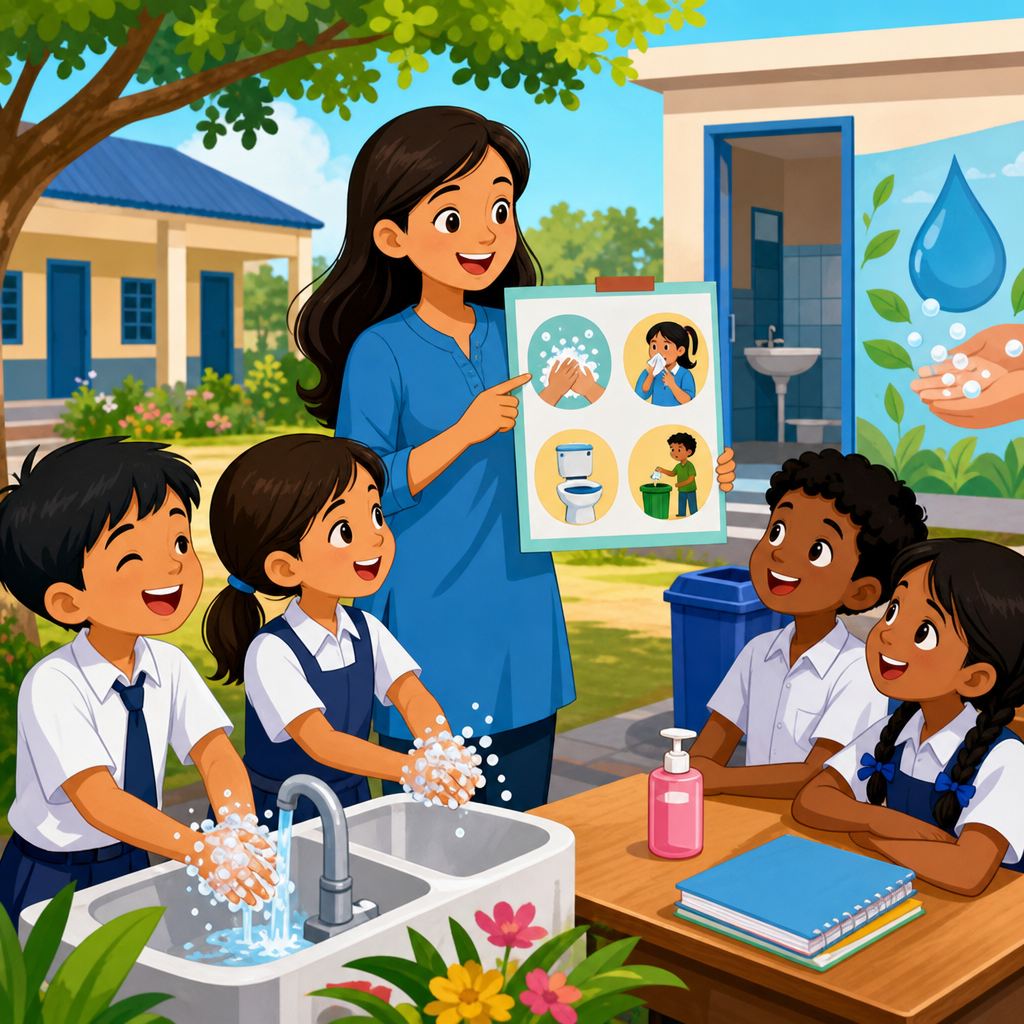
In the programs I have helped review, the strongest results came when schools paired lessons with practical routines. Students washed hands before meals and after toilet use, class monitors checked soap availability, and teachers used short demonstrations rather than abstract explanations. A simple activity showing how glitter or colored powder transfers from hand to hand often explains contamination better than a textbook paragraph. Likewise, asking students to map unsafe waste disposal sites around the school helps them connect sanitation to the local environment. Practical methods turn health concepts into observable reality.
Inclusion is a nonnegotiable part of quality. Facilities and lessons must work for girls, younger children, students with disabilities, and learners who need instruction in local languages. Menstrual hygiene support requires private toilets with doors, water, disposal options, and staff who can discuss the topic without stigma. Students with mobility limitations may need ramps, wider doors, handrails, and lower sinks. If a program excludes these groups, the community notices, and awareness efforts lose credibility. Building community awareness begins with demonstrating that every child can participate safely and with dignity.
| Program element | What good practice looks like | Community awareness benefit |
|---|---|---|
| Curriculum | Age-appropriate lessons on sanitation, handwashing, water safety, and puberty | Families receive accurate, repeated messages through students |
| Facilities | Functional toilets, water points, soap, privacy, lighting, and cleaning supplies | School becomes a visible model of safe hygiene standards |
| Teacher capacity | Staff trained to teach sensitive topics and reinforce routines daily | Messages remain consistent and credible |
| Student leadership | Health clubs, peer educators, class monitors, and school campaigns | Children spread norms through peer and household influence |
| Family engagement | Parent meetings, take-home activities, sanitation demonstrations, local language materials | Awareness moves from classroom practice to household action |
| Monitoring | Checks on soap, toilet usability, absenteeism, and behavior indicators | Community can see progress and accountability |
How teachers, students, and families turn lessons into behavior change
Teachers are the hinge point between policy and daily practice. Even strong national school health standards fail when teachers are rushed, untrained, or uncomfortable discussing sanitation and hygiene. Effective teacher preparation should cover more than content knowledge. It should include facilitation skills, methods for correcting misinformation without shaming students, classroom management around routines, and practical maintenance expectations such as reporting broken taps or missing soap. Short refresher sessions often work better than one-off workshops because they help staff solve real implementation problems, including overcrowding, vandalism, or supply shortages.
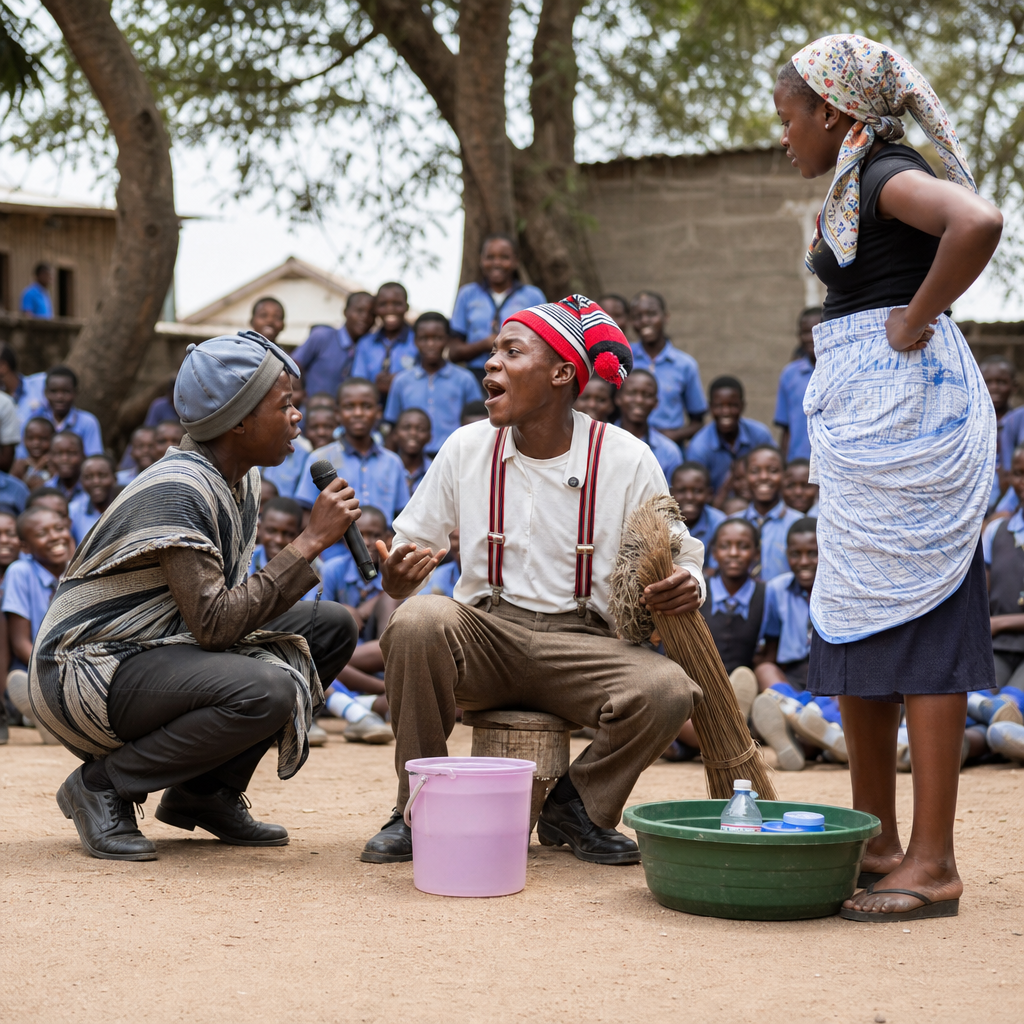
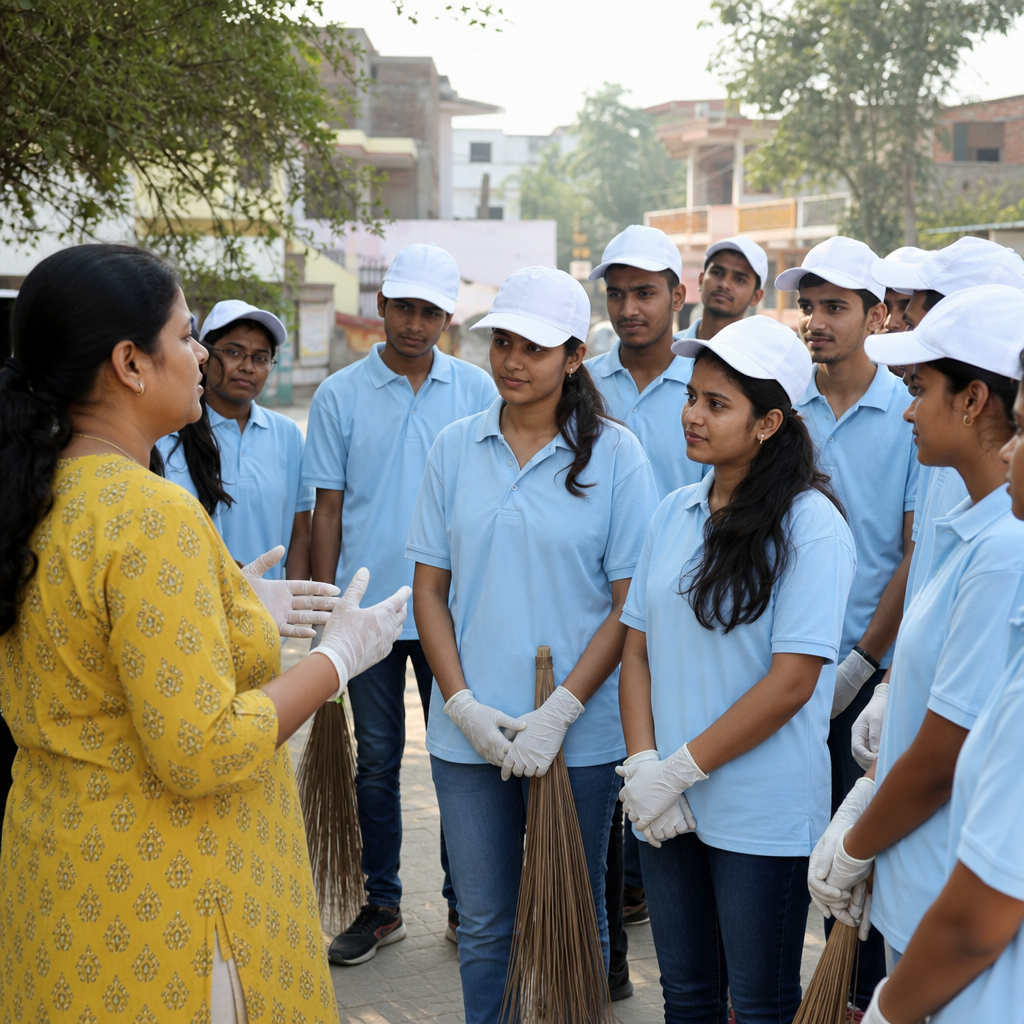
Student leadership adds another layer that adults alone cannot create. Peer influence is powerful in school settings, so health clubs, sanitation brigades, and class hygiene monitors can make healthy behavior visible and socially expected. The best student-led models are simple and specific. For example, a rotating team might check whether handwashing stations are filled, whether toilet cubicles are clean, and whether posters remain legible. Students can also perform songs, debates, or dramas during assemblies and community events. These activities are not cosmetic. They translate public health messages into language and formats that families remember.
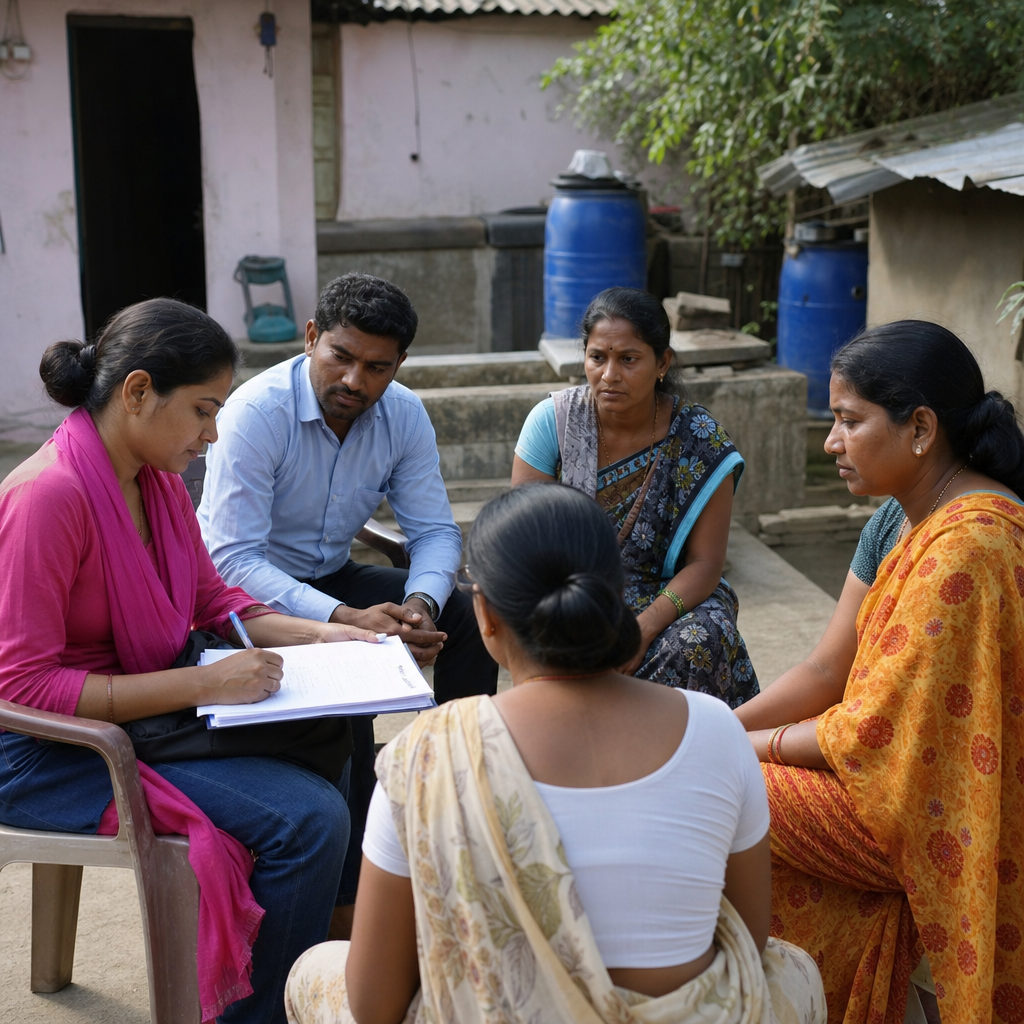
Family engagement is where school-based awareness becomes community awareness. Parent-teacher meetings should include practical sanitation and hygiene content, not only academic performance updates. Demonstrations on handwashing, safe water storage, toilet cleaning, and menstrual support can be brief but highly effective. Take-home assignments also work when they are concrete. A student might interview caregivers about household water treatment, draw a map of sanitation risks near the home, or check whether soap is available at the handwashing point. These tasks create conversations that many communities would not otherwise have.
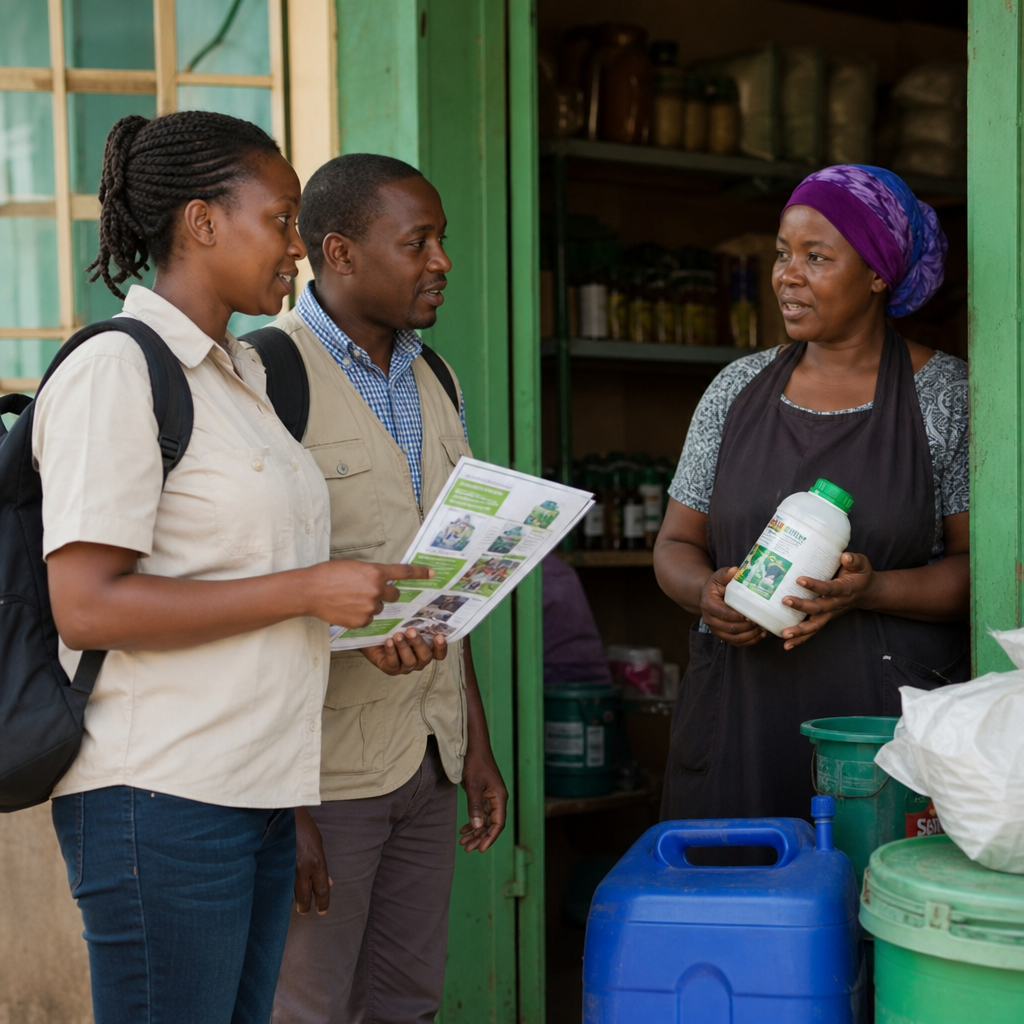
Partnerships strengthen the effort. Local health clinics can provide deworming information, vaccination messaging, and technical input on disease prevention. Water utilities or public works departments can advise on drainage, waste collection, or repairs. Community-based organizations can support outreach in informal settlements or remote areas where school resources are thin. When schools coordinate with these partners, awareness messages become more practical and more trustworthy because families can see where to seek services, support, or follow-up information.
Infrastructure, maintenance, and accountability in school sanitation
No sanitation and hygiene education program can succeed for long if the facilities are dirty, broken, unsafe, or inaccessible. Children quickly learn whether adults mean what they say. If posters instruct students to wash hands but no soap is available, the school teaches cynicism instead of hygiene. That is why infrastructure and maintenance are central to community awareness, not secondary technical matters. At a minimum, schools need reliable water access, usable toilets or latrines separated appropriately by age or sex where relevant, handwashing points near toilets and eating areas, routine cleaning systems, and a budget or plan for consumables such as soap, disinfectant, menstrual supplies, and minor repairs.
Usability is the right standard, not mere presence. A toilet block counts only if students can safely reach it, lock it, use it with privacy, and find it reasonably clean. Global monitoring approaches used by organizations such as UNICEF and WHO increasingly emphasize service levels rather than infrastructure counts for exactly this reason. In schools, maintenance systems matter more than ribbon-cutting events. Clear responsibilities, cleaning schedules, student feedback channels, and rapid reporting for repairs make the difference between functioning sanitation and gradual decline. I have seen modest schools with limited budgets maintain excellent hygiene conditions because accountability was clear, while better-funded sites deteriorated because no one owned the process.
Data should be simple and operational. Track soap availability, water availability, toilet usability, cleaning frequency, supply stock, and absenteeism patterns, especially among girls during menstruation. If a school sees spikes in absence linked to poor toilet conditions or lack of privacy, that is actionable information. Publicly posting a simplified hygiene scorecard can also help. It signals that sanitation is being managed, not ignored, and it gives parent committees and local authorities a basis for support. Community awareness grows when people can see standards, responsibilities, and results rather than hearing only slogans.
Making school programs the hub for wider community action
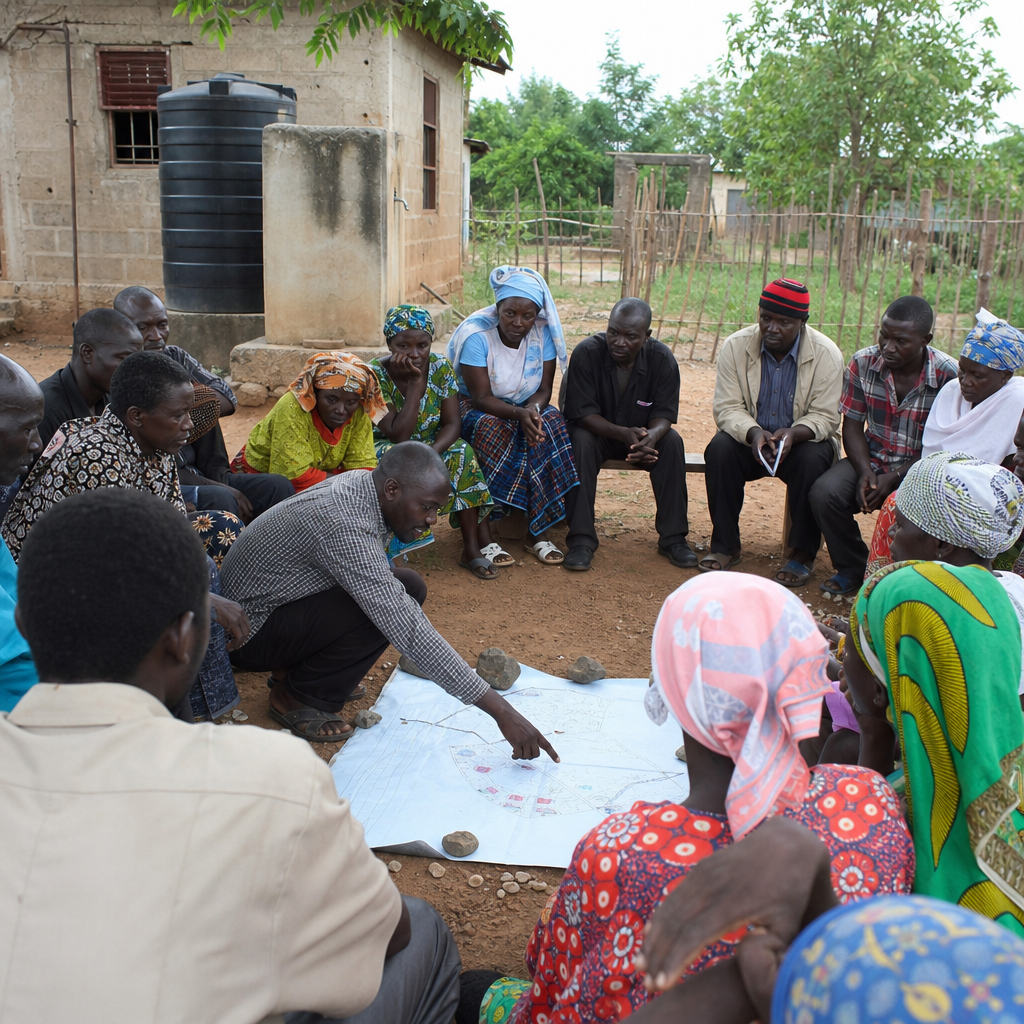
For schools to serve as the hub of building community awareness, they must connect campus routines to neighborhood action. The most effective approach is to treat the school as a demonstration site and communication center. Open days can showcase proper handwashing, toilet maintenance, menstrual hygiene support, and safe water handling. Student projects can document drainage problems, illegal dumping, or broken public taps in the surrounding area and present findings to local leaders. Parent committees can coordinate clean-up events, advocate for water service, or support vulnerable families with hygiene supplies. These actions turn education into civic participation.
Messaging should stay practical, local, and consistent. Communities respond best when schools address visible problems they already recognize, such as children missing class due to diarrhea, foul-smelling toilets, unsafe routes to latrines, or inadequate privacy for girls. Using local language examples, seasonal disease patterns, and neighborhood-specific risks makes communication stronger than generic health slogans. The core message is simple: clean facilities, regular handwashing with soap, safe waste disposal, and respectful support for every student protect health, dignity, and learning. Schools that communicate this clearly can influence household norms far beyond their enrollment numbers.
As a sub-pillar hub under community engagement and education, this topic links naturally to related work on parent mobilization, behavior change communication, school facility design, menstrual health, disability inclusion, and local government coordination. The central lesson is consistent across all of them: sanitation and hygiene awareness becomes durable only when people see, practice, and maintain the behaviors in a trusted community institution. Schools provide that institution. They reach children early, reinforce habits daily, involve families regularly, and create visible public standards. Communities that want cleaner environments and healthier students should start by assessing every school’s lessons, facilities, routines, and outreach plan, then strengthen the gaps with steady local action.
Frequently Asked Questions
Why are schools such effective places to teach sanitation and hygiene?
Schools are uniquely effective because they shape daily habits during the years when behavior is still forming. Children do not just hear information in a classroom; they practice routines in a structured environment with teachers, peers, schedules, and visible expectations. When handwashing is built into the school day, when toilets are clean and accessible, and when students see adults modeling good behavior, sanitation and hygiene become normal rather than optional. That matters because habits learned through repetition are far more likely to last than lessons learned only through memorization.
Schools also have a ripple effect that extends beyond the campus. Students often carry new knowledge home, reminding family members about handwashing, safe toilet use, menstrual hygiene, drinking water safety, and proper waste disposal. In many communities, children become powerful messengers who influence siblings, parents, and even neighbors. Because of this, school-based sanitation and hygiene education can improve both student well-being and wider community awareness. It supports disease prevention, reduces absenteeism, improves dignity and comfort, and helps create a long-term culture of public health.
What should a strong school sanitation and hygiene education program include?
A strong program should combine education, infrastructure, and consistent practice. Classroom teaching is important, but it works best when supported by functioning toilets, handwashing stations with soap and water, safe drinking water, and clear routines for cleaning and maintenance. Students need to understand why sanitation matters, how germs spread, when and how to wash hands properly, why toilets should be used safely, and how waste should be managed. Lessons should be age-appropriate, practical, and repeated regularly so students can build confidence and understanding over time.
Just as important, the school environment must make healthy choices easy. If students are taught to wash their hands but there is no soap, the message loses credibility. If toilets are unsafe, dirty, or lack privacy, students may avoid using them. A complete program also includes teacher training, student participation, hygiene clubs or peer leaders, inclusive facilities for girls and students with disabilities, and communication with parents. When education is reinforced by infrastructure and daily routines, schools move from simply teaching health messages to actively creating healthier behavior.
How can schools make sanitation and hygiene lessons more engaging for students?
The most engaging programs move beyond lectures and make learning active, visible, and relevant to students’ daily lives. Demonstrations of proper handwashing, student-led clean-up campaigns, classroom discussions, songs, posters, games, drama activities, and hygiene competitions can all help reinforce key ideas. Peer-to-peer learning is especially effective because students often respond strongly to the behavior and opinions of classmates. When children help monitor handwashing stations, create hygiene messages, or lead awareness events, they become participants in change rather than passive listeners.
Schools can also connect hygiene education to real-life outcomes students understand, such as staying healthy, missing fewer school days, feeling comfortable using school toilets, and protecting friends and family from illness. Practical examples are more memorable than abstract warnings. For older students, lessons can include menstrual hygiene, water safety, environmental cleanliness, and the link between sanitation and community health. The goal is to make sanitation and hygiene part of school culture, not a one-time topic. When students see the relevance of these practices and take ownership of them, engagement and long-term behavior change both improve.
What role do teachers, parents, and the wider community play in school hygiene success?
Teachers are central because they turn policy into daily practice. They reinforce routines, model behaviors, identify problems early, and help students understand the purpose behind school sanitation rules. A teacher who consistently promotes handwashing, checks the condition of facilities, and treats hygiene as part of student well-being sends a powerful message. School leaders also matter because they can prioritize maintenance, allocate resources, and make sanitation and hygiene part of school planning instead of treating it as a secondary issue.
Parents and the wider community are equally important because school-based change is strongest when it continues at home. Families can reinforce handwashing, safe water storage, toilet use, and waste management, while community leaders can support facility improvements, cleanliness campaigns, and local accountability. When schools communicate regularly with parents about hygiene expectations and health benefits, students receive consistent messages in both settings. This alignment helps transform sanitation and hygiene from isolated school lessons into shared community norms, which is essential for lasting public health improvement.
How can schools measure whether sanitation and hygiene education is actually working?
Success should be measured through both knowledge and behavior. It is useful to assess whether students understand key concepts, such as when to wash hands, how diseases spread, and why sanitation facilities must be used properly. However, real impact is better reflected in daily practice. Schools can observe whether students wash hands at critical times, whether toilets are being used and kept clean, whether soap and water are consistently available, and whether absenteeism related to illness declines over time. These practical indicators often reveal more than test scores alone.
Schools should also look at the condition and accessibility of their facilities, student feedback, and participation in hygiene-related activities. For example, if girls report that toilets are private and usable during menstruation, or if younger students can comfortably access handwashing stations, that indicates meaningful progress. Involving students, teachers, and families in feedback can help schools identify barriers and improve weak areas. The most successful programs use simple monitoring tools regularly, not just once. When schools track behavior, facility quality, and health-related outcomes together, they gain a much clearer picture of whether sanitation and hygiene education is leading to real, sustainable change.