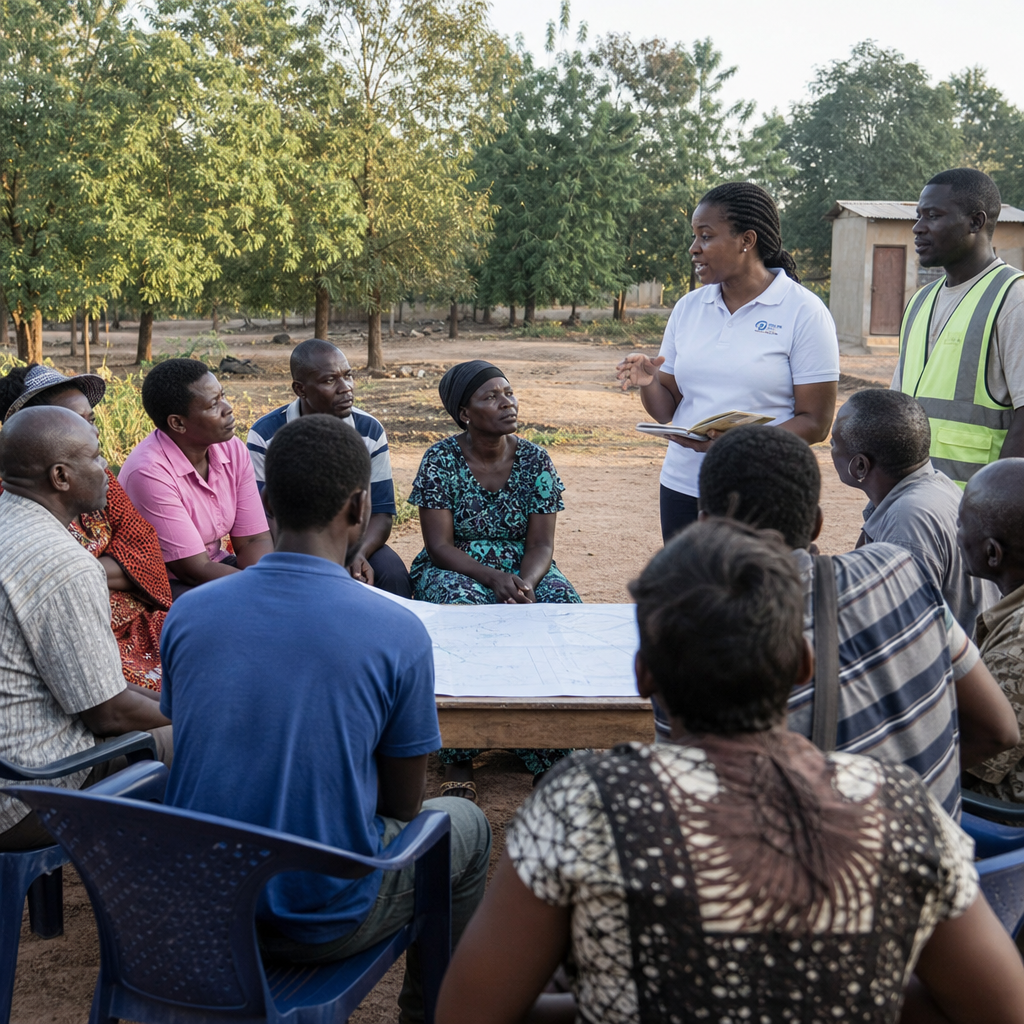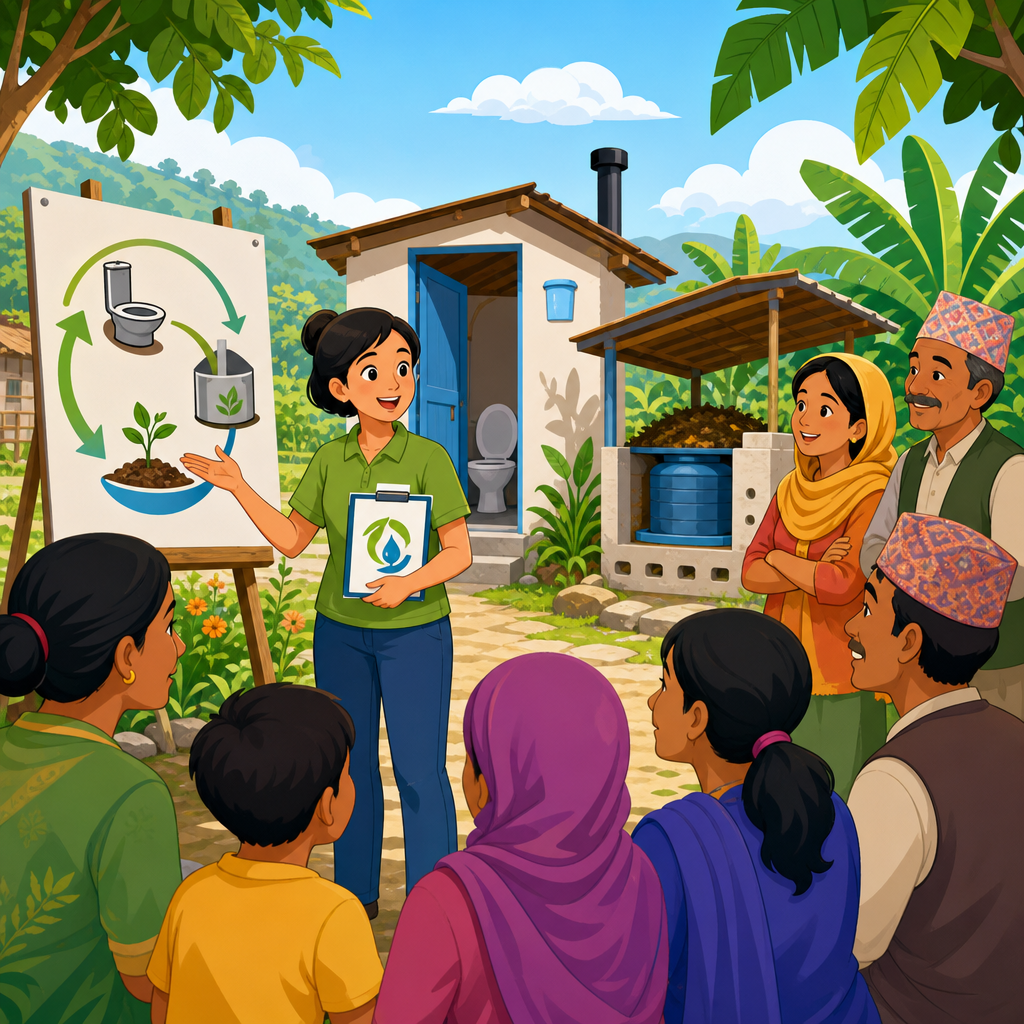
Designing effective EcoSan awareness campaigns starts with a clear understanding of what ecological sanitation is, who it serves, and why communities adopt it only when awareness is practical, local, and trusted. EcoSan, short for ecological sanitation, is a sanitation approach that treats human waste as a resource rather than only a disposal problem. In practice, that can include urine diversion, composting toilets, safe nutrient recovery, fecal sludge treatment, and reuse in agriculture when health safeguards are met. I have worked on sanitation outreach where technically sound systems failed simply because the campaign focused on infrastructure diagrams instead of daily habits, social norms, and the questions residents actually asked. Awareness is therefore not a side activity; it is the mechanism that converts a toilet design into consistent use, maintenance, and long-term acceptance.
Building community awareness matters because sanitation behavior is shaped by more than access. Households judge convenience, privacy, smell, status, cost, safety, gender needs, and cultural fit before changing routines. Public health evidence from the World Health Organization and UNICEF consistently shows that sanitation gains depend on use and safe management, not installation alone. EcoSan adds another layer: people must understand separation, storage, pathogen reduction, and responsible reuse. A strong campaign explains these steps in plain language, addresses misconceptions early, and makes the benefits visible. As a hub topic within community engagement and education, building community awareness connects every related activity: stakeholder mapping, school outreach, behavior change communication, training, feedback systems, and local leadership mobilization. When these pieces align, EcoSan becomes understandable, discussable, and normal rather than unfamiliar or risky.
The most effective EcoSan awareness campaigns answer several basic questions directly. What problem is the campaign solving: open defecation, overflowing pits, water scarcity, fertilizer cost, flood-prone sanitation, or poor service access? Which audiences need different messages: tenants, landlords, farmers, teachers, health workers, youth groups, and local officials? What exact behavior is being promoted: trying a new toilet, separating urine, adding cover material, storing compost safely, paying for maintenance, or attending training? What proof will persuade people: demonstrations, testimonials, cost comparisons, crop results, odor control, or endorsements from trusted institutions? Campaigns that define these answers from the outset produce better adoption because they link sanitation awareness to everyday realities. That is the foundation of building community awareness in EcoSan: practical messaging, credible messengers, and repeated engagement built around how people live.
Start with community insight, not assumptions
Every strong campaign begins with formative research. Before writing messages, I map local sanitation practices, decision makers, influencers, and constraints. That includes household interviews, transect walks, focus groups, school visits, and discussions with masons, waste workers, agricultural extension officers, and clinic staff. The aim is to identify barriers and motivators in plain terms. In one peri-urban area, residents did not reject urine-diverting toilets because of the concept of reuse; they rejected them because the cleaning instructions felt intimidating and spare parts were unclear. In a drought-prone rural setting, the strongest motivator was not environmental protection but the promise of a toilet that used little or no flushing water. These findings reshape campaigns from generic awareness into audience-specific action.
Good insight also reveals language problems. Technical terms such as pathogen inactivation, nutrient recovery, or source separation may be accurate, but communities often respond better to direct phrasing: making waste safer, collecting plant nutrients, or keeping urine and feces apart. That does not mean oversimplifying health risk. It means translating without losing accuracy. Use recognized behavior change methods to guide this work. COM-B helps identify whether people need capability, opportunity, or motivation. Social norms analysis shows whether households fear stigma or seek approval. Human-centered design helps test materials before broad rollout. These methods improve EcoSan communication because they organize what communities need to know, feel, and do before behavior changes.
Define the campaign goal and the behavior precisely
Awareness campaigns fail when the objective is too broad. “Promote EcoSan” is not a usable campaign goal. A better goal is specific and measurable: increase correct use of urine-diverting dry toilets in two wards by 30 percent within six months; raise attendance at community demonstrations to 500 households; or improve safe compost storage knowledge among existing users from 40 percent to 80 percent. Precision matters because awareness is only useful when tied to a behavior and a monitoring plan. If the target behavior is toilet trial, your message should reduce uncertainty and show ease of use. If the target behavior is safe reuse, your message must emphasize storage time, protective handling, and crop application guidance.
Different stages of adoption need different communication. Early-stage communities often need problem recognition and social proof. Mid-stage audiences need practical instructions and troubleshooting. Mature programs need reinforcement, maintenance reminders, and public recognition for correct use. I have seen campaigns stall because they kept repeating introductory messaging long after residents had moved on to operational questions. Segmenting by adoption stage prevents that mismatch. It also supports internal linking across a content hub: introductory pages explain EcoSan basics, while connected pages cover school engagement, myth-busting, participatory training, and monitoring in more depth.
Build messages around benefits, risks, and trust
Effective EcoSan messaging balances benefits with honest safeguards. People should hear what improves immediately and what requires care. Strong benefit themes include reduced water use, resilience in areas with high water tables, lower pit emptying frequency, nutrient recovery for soil improvement, and sanitation options where sewers are impractical. But credibility increases when campaigns also state the conditions for success: toilets must be used correctly, containers emptied safely, storage periods respected, and reuse managed under local health guidance. Overpromising is one of the fastest ways to lose trust.
Plain-language messaging works best when it is evidence based and local. For example, saying “stored urine can supply nitrogen to crops when applied correctly” is more persuasive than vague claims about transforming waste into wealth. In farming communities, demonstration plots are powerful because they connect sanitation to visible crop outcomes. In dense settlements, emphasizing odor control, cleanliness, and reduced filling costs may matter more. Trusted messengers are just as important as message content. Community health workers, respected farmers, teachers, women’s groups, faith leaders, and trained local artisans often outperform outside experts because they remain available after launch.
| Audience | Main concern | Message angle | Best channel |
|---|---|---|---|
| Households | Cleanliness and ease of use | Simple daily steps, odor control, privacy | Home visits and demonstrations |
| Farmers | Crop safety and value | Nutrient recovery, storage rules, application timing | Field days and extension meetings |
| Landlords | Cost and tenant acceptance | Lower water demand, manageable maintenance, property value | Small-group briefings |
| Schools | Student hygiene and upkeep | Routine use, handwashing, student clubs | Teacher training and assemblies |
| Local officials | Public health and compliance | Service models, safety protocols, inclusion in plans | Policy workshops |
Choose channels that create repeated contact
One-off events rarely change sanitation behavior. Effective awareness campaigns use layered communication: interpersonal outreach, group meetings, local radio, printed job aids, school activities, market-day demonstrations, and digital follow-up where phone access is common. Repetition matters because EcoSan includes behaviors that may feel unfamiliar at first. A household might understand urine diversion at a meeting, then forget the cover material step during daily use. Reinforcement through reminder stickers, caretaker visits, and peer examples closes that gap.
Channel choice should match the audience and local media habits. In areas with strong radio listenership, call-in programs let residents ask blunt questions about smell, insects, or health risks. In settlements with active messaging groups, short videos showing cleaning and container exchange can be effective. Schools are especially valuable because students carry messages home, but only if facilities are functional and teachers are trained. Public demonstrations work best when they show real tasks, not only finished toilets. I prefer sessions where residents see the diversion pan, the storage container, the carbon-rich cover material, and the maintenance routine. Tangible details reduce anxiety faster than posters alone.
Use participation to normalize EcoSan
Community awareness deepens when residents help shape the campaign. Participatory design workshops, pilot households, sanitation committees, and open feedback sessions create ownership and surface practical issues early. In one project, women raised concerns about nighttime safety and menstrual hygiene management in an EcoSan block. Adjusting lighting, privacy features, and cleaning arrangements did more for adoption than any slogan. Participation also helps address status and stigma. When respected local users openly discuss their experience, EcoSan shifts from an outsider idea to a community-tested option.
Normalization requires visible social proof. Testimonials, peer visits, school clubs, village savings groups, and recognition for well-maintained facilities all help. Community-led processes can support this, but they must remain respectful and accurate. Shame-based tactics may produce short-term compliance while undermining trust, especially around a topic as sensitive as excreta handling. Better results come from practical pride: cleaner compounds, reliable service in dry seasons, lower fertilizer spending, and safer surroundings for children. Awareness is strongest when people can see neighbors managing the system successfully.
Address myths, safety, and inclusion directly
Every EcoSan campaign should include a myth-and-risk component. Common misconceptions include the idea that all reused products are immediately dangerous, that EcoSan always smells worse, or that these systems are only for poor or rural communities. The correct response is neither dismissal nor vague reassurance. Explain treatment barriers, storage requirements, moisture control, ventilation, and context suitability. Reference established guidance such as the WHO Sanitation Safety Planning framework, which helps identify health risks and control measures across the sanitation chain. When discussing compost or urine use, be explicit about protective equipment, withholding periods where relevant, and crops or uses aligned with local regulations.
Inclusion is equally important. Campaigns should account for gender, disability, age, literacy, and tenancy. A toilet that is technically ecological but inaccessible to an older user will not be used consistently. A campaign that targets only male landowners will miss the household members who manage daily cleaning. Materials should use local languages, visual instruction where literacy is limited, and scheduling that allows women, workers, and caregivers to attend. Building community awareness means making sure the people most affected are not the last to be informed.
Measure awareness, adoption, and learning
Strong campaigns treat monitoring as part of communication, not an afterthought. Track reach, comprehension, trust, trial, and correct use separately. Attendance numbers alone are weak indicators. Better metrics include recall of key steps, percentage of users who can explain safe storage, number of functioning demonstration sites, follow-up visits completed, maintenance compliance, and satisfaction levels among different groups. Short baseline and endline surveys, observation checklists, hotline logs, and focus group feedback can show whether messages are landing.
Use the findings to adapt quickly. If households understand the benefits but misuse the diversion interface, revise the job aid and demonstration. If farmers are interested in nutrient recovery but local bylaws are unclear, bring in extension and health authorities before scaling reuse messaging. If uptake is high in owner-occupied homes but weak among tenants, develop landlord-specific materials and service agreements. The purpose of measurement is not only accountability; it is continuous improvement. The best EcoSan awareness campaigns evolve as communities respond.
Designing effective EcoSan awareness campaigns means treating communication as a core service, not a promotional extra. The hub of building community awareness includes research, audience segmentation, practical messaging, trusted messengers, repeated channels, participation, myth management, and continuous measurement. When these elements work together, communities understand not just what EcoSan is, but how to use it safely, why it fits local needs, and where to get support. That is what turns interest into adoption and adoption into durable sanitation outcomes.
For practitioners, the main benefit is simple: better awareness reduces misuse, resistance, and abandonment while improving health, usability, and program value. For communities, it creates confidence. People are more willing to try an unfamiliar sanitation option when they can see it, question it, compare it, and hear from neighbors who use it well. If you are building this subtopic within a wider community engagement and education strategy, start with one discipline: listen before you persuade. Then create a campaign that answers real questions with practical evidence, local voices, and clear next steps. Use this page as your hub, connect each supporting activity, and build EcoSan awareness that lasts.
Frequently Asked Questions
What is ecological sanitation, and why is it important to explain it clearly in awareness campaigns?
Ecological sanitation, often called EcoSan, is a sanitation approach that views human waste not only as something to dispose of, but as a potential resource that can be safely treated, managed, and in some cases reused. Depending on the local context, EcoSan can include urine-diverting toilets, composting systems, safe nutrient recovery, fecal sludge treatment, and agricultural reuse practices. Because the concept is different from conventional sanitation messaging, awareness campaigns need to explain EcoSan in simple, practical language that people can immediately connect to daily life.
Clear explanation matters because many communities first react to EcoSan through questions about safety, smell, convenience, maintenance, cost, and cultural fit. If a campaign uses technical jargon or focuses only on environmental theory, people may not understand how the system works or why it benefits them. Effective EcoSan messaging translates the idea into recognizable outcomes such as cleaner surroundings, reduced contamination, lower fertilizer costs, improved soil productivity, water savings, and more resilient sanitation options where sewered systems are not practical.
Strong campaigns also make a distinction between unsafe waste handling and properly managed EcoSan systems. This is essential for building trust. People need to hear that reuse is only appropriate when treatment, storage, handling, and hygiene practices are followed correctly. When awareness efforts present EcoSan as a safe, structured, and locally relevant solution rather than as an abstract environmental concept, communities are far more likely to listen, ask questions, and consider adoption.
Who should an EcoSan awareness campaign target, and how do you tailor the message for different groups?
An effective EcoSan awareness campaign should target more than one audience because sanitation decisions are rarely made by a single person. Households, landlords, farmers, school leaders, local government officials, health workers, masons, sanitation entrepreneurs, and community leaders can all influence whether EcoSan is accepted and used correctly. A campaign works best when it identifies who makes decisions, who uses the facilities, who maintains them, and who benefits from recovered resources.
For households, the message should focus on practicality: ease of use, cleanliness, privacy, long-term affordability, and health protection. For farmers, the conversation may center on soil improvement, nutrient recovery, reduced dependence on commercial fertilizer, and safe agricultural reuse practices. For local leaders and public officials, messages should emphasize community health, environmental protection, service gaps, water scarcity, waste management challenges, and the value of scalable sanitation options. For schools, the focus may include hygiene education, student safety, menstrual health support, and the role of children as messengers to families.
Tailoring also means adjusting the communication format. Some audiences respond best to demonstrations, community dialogues, and peer testimonials. Others may need training sessions, radio spots, printed guides, visual posters, or site visits to functioning EcoSan systems. The most successful campaigns avoid a one-size-fits-all approach. Instead, they deliver the right message, through the right messenger, in the right language, using examples that reflect local conditions, beliefs, and priorities.
What makes an EcoSan awareness campaign actually effective at changing attitudes and behavior?
An EcoSan awareness campaign becomes effective when it moves beyond general promotion and helps people understand, trust, and apply the idea in real life. Awareness alone is not enough. People need clear reasons to care, confidence that the system is safe and workable, and practical guidance on what adoption involves. Campaigns that change behavior usually combine education, demonstration, community participation, and ongoing support rather than relying on slogans or short-term outreach alone.
One of the strongest drivers of effectiveness is local relevance. Communities are more receptive when the campaign addresses visible concerns such as open defecation, failing pit latrines, flood-prone sanitation systems, groundwater contamination, lack of water for flushing, high fertilizer costs, or poor waste management services. When EcoSan is presented as a response to real local problems, rather than as an imported concept, it becomes easier for people to see its value. Trust also increases when respected local voices are involved, including health officers, farmers, teachers, religious leaders, women’s groups, and early adopters who can speak from experience.
Demonstration is especially important. People often need to see a working toilet, understand how urine diversion or composting works, observe how odors are controlled, and learn what maintenance looks like in practice. Good campaigns also address barriers honestly. They do not ignore concerns about labor, handling, social stigma, or upfront costs. Instead, they answer them directly with facts, examples, training, and realistic expectations. In short, effective EcoSan campaigns make the unfamiliar understandable, the technical practical, and the benefits visible.
How can EcoSan campaigns address community concerns about safety, hygiene, and social acceptance?
Safety, hygiene, and social acceptance are often the biggest issues people raise when EcoSan is introduced, so campaigns need to address them early and directly. The first step is acknowledging that these concerns are valid. Communities want assurance that any sanitation system will protect health, remain clean, and fit social norms. Awareness materials should explain how EcoSan systems separate, store, treat, or process waste in ways that reduce health risks when properly managed. That includes discussing handwashing, storage periods, treatment methods, protective handling, maintenance routines, and the conditions required before any reuse takes place.
Campaigns should also make it clear that EcoSan is not simply about collecting waste for immediate use. Safe reuse depends on proper treatment and handling protocols. This distinction helps prevent misunderstandings and reinforces that public health comes first. Visual demonstrations, operator training, and plain-language guidance are especially useful here because they turn abstract safety claims into observable practice. If possible, campaigns should include examples from similar communities where systems are functioning well and users can speak openly about cleanliness, convenience, and outcomes.
Social acceptance often improves when messaging respects local beliefs instead of dismissing them. Discussions about excreta can be sensitive, and stigma may be strong. Community engagement sessions, separate forums for women and men where appropriate, school education, and involvement of trusted local leaders can create a safer space for questions. It is also important to highlight dignity, privacy, and community pride, not just waste reuse. When people see EcoSan as a clean, respectable, and well-managed sanitation option, resistance tends to decline and informed acceptance becomes more likely.
What channels and strategies work best for promoting EcoSan in a community?
The best channels for promoting EcoSan are usually a mix of interpersonal, community-based, and mass communication methods. Interpersonal communication is often the most persuasive because sanitation decisions involve trust and habit. Household visits, community meetings, demonstration events, school activities, farmer field discussions, and question-and-answer sessions allow people to raise concerns and receive direct answers. These formats are especially useful when introducing concepts such as urine diversion, composting, nutrient recovery, or safe sludge treatment that may be unfamiliar at first.
Community demonstration sites are one of the most effective strategies because they let people see how EcoSan works in practice. A well-maintained example can answer many doubts more effectively than printed messages alone. Peer champions are also powerful. When local households, farmers, teachers, or institutions share their own experience using EcoSan systems, the message feels more credible and less promotional. In many settings, radio programs, local-language posters, illustrated guides, social media, and SMS reminders can reinforce these efforts, especially when literacy levels, geography, or time constraints make face-to-face communication harder.
The strongest strategy is integration. EcoSan promotion works best when it connects awareness with training, follow-up, and service support. If people are interested but cannot access construction advice, financing options, maintenance guidance, or safe reuse training, awareness may not lead to adoption. Campaigns should therefore link communication to real implementation pathways. They should also monitor what messages are working, what misconceptions persist, and which groups remain excluded. A flexible, locally grounded communication strategy is far more effective than a generic campaign, because EcoSan adoption depends on trust, relevance, and sustained engagement over time.