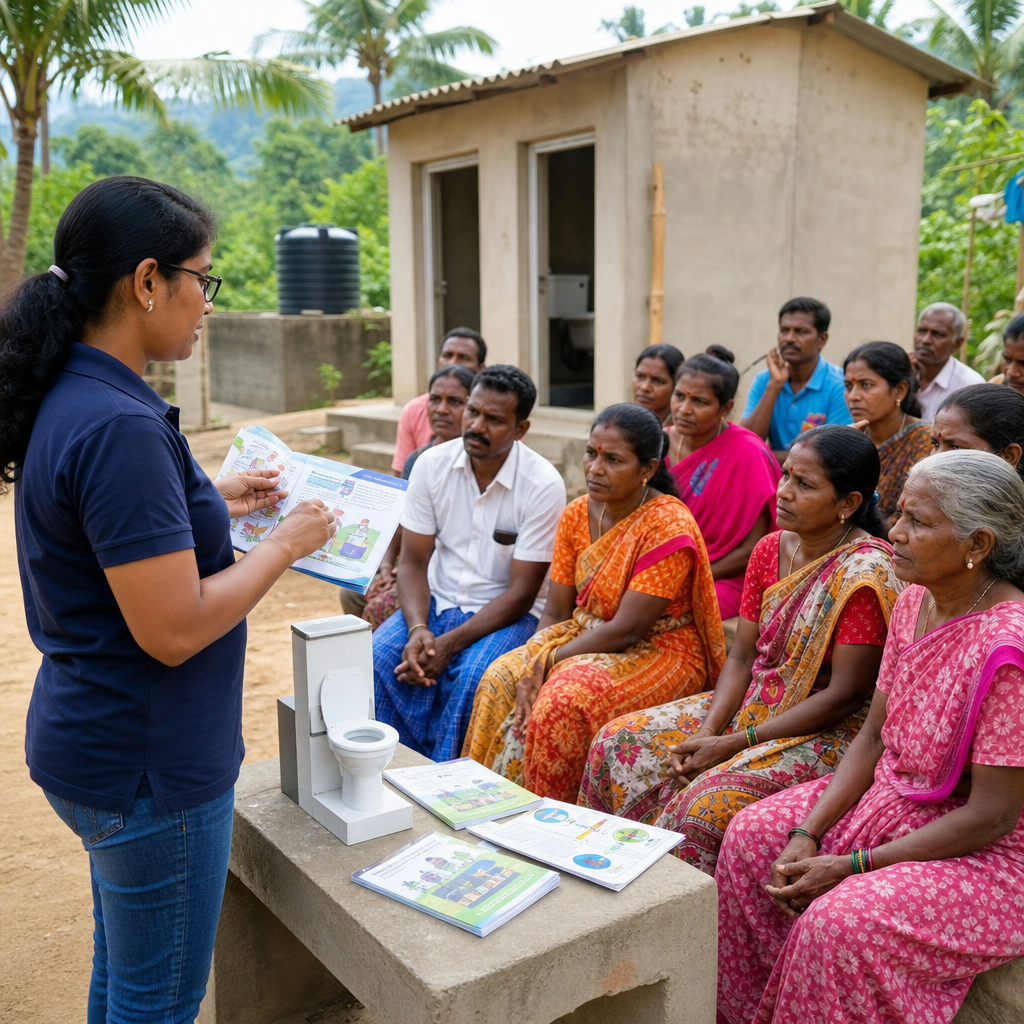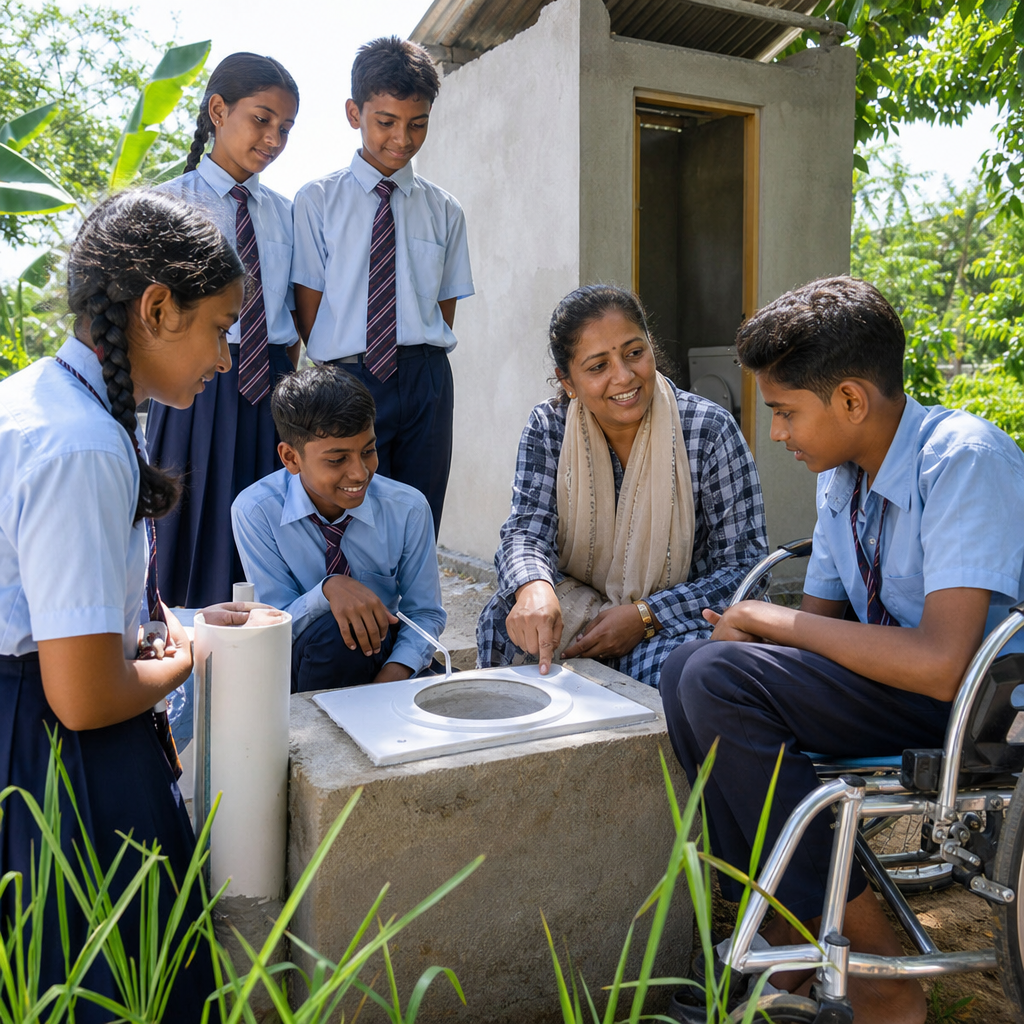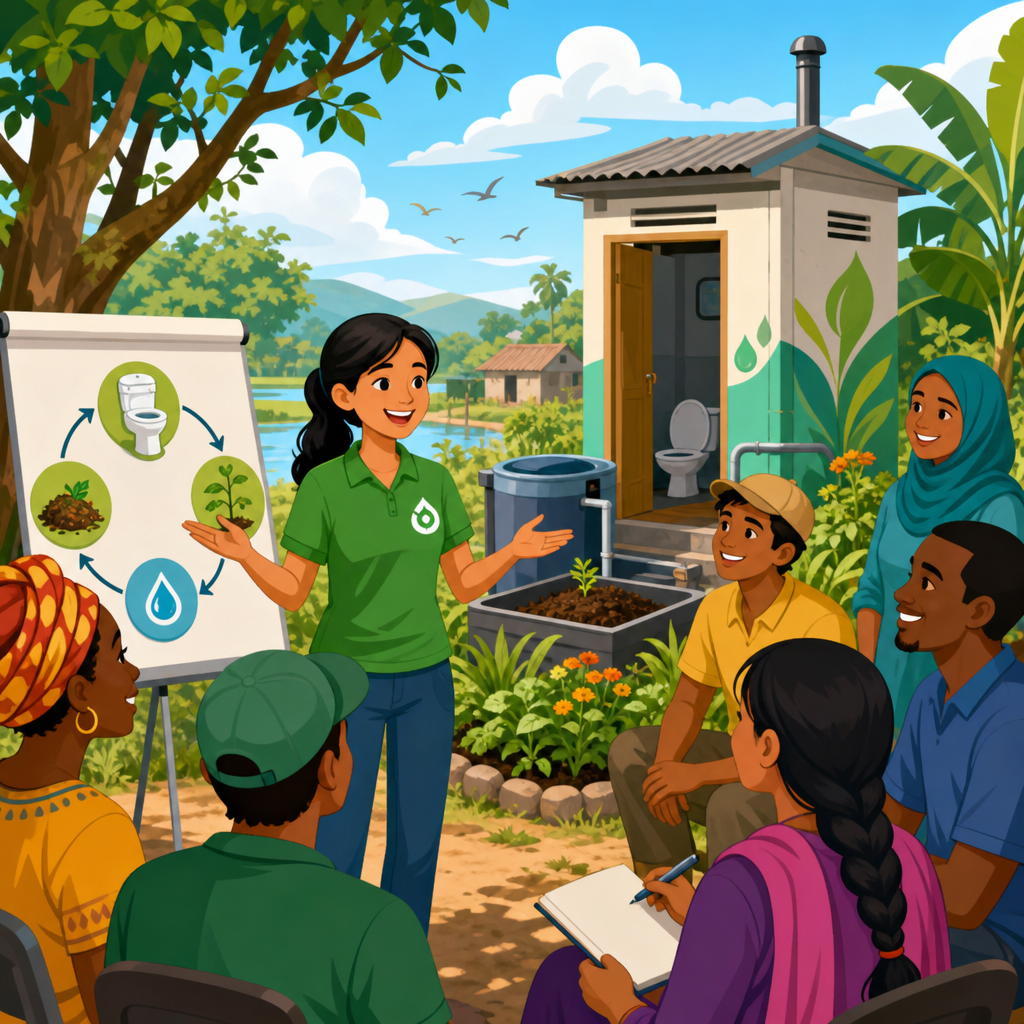
Creating EcoSan ambassadors starts with a simple truth: sanitation systems only improve health, dignity, and local environments when people understand them, trust them, and choose to champion them publicly. In community engagement work, I have seen technically sound ecological sanitation projects fail because awareness was treated as a one-off meeting instead of an ongoing social process. EcoSan, short for ecological sanitation, refers to approaches that safely manage human waste as a resource through treatment, reuse, nutrient recovery, water conservation, and source separation. Ambassadors are the community members, teachers, health workers, youth leaders, farmers, and local officials who translate that concept into everyday language, model safe practices, answer doubts, and keep momentum alive long after external facilitators leave.
This matters because building community awareness is not the soft side of implementation; it is the operating system that determines adoption, maintenance, and long-term behavior change. People ask practical questions: Is EcoSan safe for children? Will it smell? Who empties vaults? Can treated material be used on food crops? How much will repairs cost? A hub article on building community awareness must answer those questions while showing how training and empowerment create local ownership. When awareness work is done well, communities move from passive recipients to informed decision-makers. They learn the health rationale, the technical basics, the social norms, and the economic value of nutrient recovery. That shift creates EcoSan ambassadors who can support household adoption, school sanitation programs, farmer engagement, and local advocacy across an entire settlement or district.
What Building Community Awareness Means in EcoSan Practice
Building community awareness means creating shared understanding, trust, and motivation around ecological sanitation before, during, and after installation. It is broader than information dissemination. In practice, it includes stakeholder mapping, baseline knowledge checks, public meetings, household visits, demonstration units, school sessions, myth correction, and feedback loops that show residents their concerns are shaping the program. Awareness becomes effective when messages are matched to the audience. Farmers often respond to nutrient value and soil health. Caregivers prioritize safety, cleanliness, privacy, and convenience. Local leaders focus on cost, land use, public health, and visible community benefit.
In successful EcoSan programs, awareness is built in layers. The first layer explains the sanitation problem: groundwater contamination, open defecation, overflowing pits, or water scarcity. The second layer introduces the EcoSan solution: urine diversion, dehydration, composting, or container-based recovery depending on the model. The third layer addresses operation: ash or dry cover material, handwashing, vault rotation, maintenance routines, and safe end-use. The fourth layer creates social proof by showing neighbors, schools, institutions, or farmer groups already using the system properly. This sequence matters because residents rarely adopt unfamiliar sanitation systems from technical diagrams alone. They adopt when they can see, ask, compare, and test assumptions in a social setting.
Community awareness also requires language discipline. Terms like pathogen die-off, dehydration, source separation, and fecal sludge management are important, but they must be translated into clear explanations. For example, instead of saying nutrient cycling in isolation, an ambassador might explain that treated waste can return phosphorus and nitrogen to soil when handled under approved safety procedures. That kind of phrasing respects technical accuracy while remaining understandable. The hub function of this topic is to connect every supporting article under community engagement and education to one central aim: helping communities know what EcoSan is, why it is relevant, and how to use it safely and confidently.
How to Identify and Train EcoSan Ambassadors
EcoSan ambassadors should be selected, not assumed. The most effective candidates are trusted, visible, and willing to engage repeatedly with neighbors. In my fieldwork, the best ambassadors were not always formal leaders. A school janitor who kept facilities clean, a women’s savings group chair, a respected mason, or a farmer known for experimentation often had more influence than officials with titles. Selection criteria should include communication ability, reliability, willingness to model behaviors, availability for follow-up, and social reach across age, gender, and livelihood groups. It is also important to include skeptics who become informed supporters, because they can speak credibly to common concerns.
Training should combine technical knowledge, communication skills, and practical troubleshooting. Ambassadors need to understand the specific EcoSan model in use, whether that is a urine-diverting dry toilet, arborloo, composting toilet, or school sanitation block with urine collection. They should know the purpose of urine separation, the role of carbon-rich cover materials, safe storage periods, cleaning routines, ventilation basics, and local reuse guidelines. They also need scripts for difficult questions. If residents worry about smell, the ambassador should explain exactly how moisture control, ash application, and ventilation prevent odor. If a family fears the system is complicated, the ambassador should walk through each user step in plain language and demonstrate it on site.
Practical training works best when it is modular and repeated. A strong sequence includes orientation, live demonstration, supervised practice, peer teaching, and refresher sessions after the first month and first quarter. Many organizations use adult learning techniques drawn from participatory hygiene and sanitation transformation, community-led approaches, and social behavior change communication. The principle is the same: people retain more when they discuss, practice, and teach rather than only listen. Ambassadors should leave training with simple materials such as maintenance checklists, safe use posters, referral contacts for repairs, and a map of where to escalate technical issues.
| Training component | What ambassadors learn | Why it matters |
|---|---|---|
| EcoSan basics | System type, waste separation, treatment steps, reuse options | Prevents misinformation and unsafe operation |
| Health and safety | Handwashing, protective equipment, storage times, child safety | Builds trust and reduces disease risk |
| Communication | Listening, myth correction, household counseling, public speaking | Turns technical knowledge into behavior change |
| Monitoring | Simple inspections, user feedback, problem reporting | Supports maintenance and early intervention |
| Leadership | Meeting facilitation, inclusion, conflict management | Keeps the program community-owned |
Core Messages That Build Trust and Change Behavior
Every EcoSan awareness campaign should revolve around a limited set of repeatable messages. First, EcoSan protects health when used correctly by separating waste, reducing contamination pathways, and supporting safer treatment. Second, it conserves resources by reducing water demand and recovering nutrients. Third, it requires user participation, which means households must understand daily routines and maintenance responsibilities. Fourth, safety is non-negotiable: treated outputs are only reused according to approved procedures, storage times, and crop restrictions where applicable. Fifth, EcoSan is a community system as much as a household technology, because its success depends on norms, mutual learning, and visible examples.
Trust grows when messages address benefits and burdens honestly. A common mistake is presenting EcoSan as effortless. In reality, some systems demand more user discipline than conventional flush toilets. That is not a weakness if explained upfront. Households can accept routines such as adding ash, keeping urine and feces separated, or rotating chambers when they understand the purpose and see the payoff. They resist when expectations are hidden. Clear messaging should explain both convenience gains and behavior requirements. For example, a water-scarce peri-urban settlement may value reduced flushing needs, while also needing clear instruction on keeping the toilet dry and storing cover material nearby.
Stories and local evidence are especially persuasive. If maize yields improved after properly treated urine application under extension guidance, document it. If school attendance among girls improved because facilities offered more privacy and cleanliness, say so with specifics. If odor complaints dropped after redesigning ventilation pipes, explain the fix. Concrete examples beat slogans because they show that community concerns have been tested in real conditions. Ambassadors should be trained to use these examples carefully, avoiding exaggeration and always linking outcomes to correct operation.
Channels for Community Education and Public Participation
No single channel reaches everyone. Effective community awareness combines interpersonal, institutional, and public communication methods. Household visits remain the strongest channel for addressing private concerns, checking actual use patterns, and tailoring advice to family composition. Community meetings help establish legitimacy and allow leaders to signal support. School programs are powerful because children carry messages home and normalize new practices early. Demonstration toilets at clinics, markets, or learning centers provide visible proof that the system can be clean, practical, and socially acceptable.
Local radio, posters, and mobile messaging can amplify awareness, but they should reinforce interpersonal engagement rather than replace it. Radio works well for answering frequently asked questions, announcing training days, and featuring respected local voices such as nurses, agricultural extension officers, and satisfied users. Posters near facilities should focus on immediate actions: add cover material, keep the chamber dry, wash hands with soap, report repairs quickly. Visual communication matters in multilingual or low-literacy contexts, where icons, color coding, and simple diagrams outperform text-heavy materials. In one district program, color-coded footprints and directional signs near school blocks reduced user error more effectively than long instruction boards.
Participation must be structured, not symbolic. Communities should help decide where facilities go, who receives training first, what terms are used in local language, and how maintenance responsibilities are shared. Feedback meetings should review complaints, adoption rates, and practical improvements. When users see that design details change in response to local input, trust rises sharply. This is especially important for gender, disability, and age inclusion. Older users may need support rails or seat adaptations. Menstrual hygiene management needs privacy, water access for cleaning where relevant, and discreet disposal or compatible system design. Awareness work becomes credible when it reflects these realities in design and messaging.
Measuring Awareness, Adoption, and Ambassador Impact
Community awareness should be measured with the same seriousness as infrastructure delivery. The basic indicators are knowledge, attitudes, practices, and advocacy behaviors. Knowledge indicators include whether households can explain how the system works, what materials to add, and when outputs are safe to handle. Attitude indicators track comfort, trust, perceived status, and willingness to recommend EcoSan to others. Practice indicators focus on correct use, cleanliness, moisture control, handwashing, and maintenance frequency. Advocacy indicators show whether ambassadors are conducting visits, resolving questions, hosting demonstrations, and connecting users to support.
Simple tools are often enough. A baseline and follow-up survey, structured observation checklist, training attendance log, and issue tracker can reveal where awareness is strong and where confusion remains. Digital tools such as KoboToolbox, CommCare, and ODK Collect make field data easier to standardize, especially across multiple settlements. However, qualitative evidence is equally important. Focus groups can uncover stigma, language barriers, or intra-household conflicts that surveys miss. For example, a facility may appear underused not because users reject EcoSan, but because cleaning roles were never negotiated and no one wants to maintain the unit.
Ambassador performance should be supported, not judged only by outputs. If outreach is weak, ask whether ambassadors received enough refresher training, transport support, protective equipment, or recognition from local authorities. Small incentives can help, but status and visible appreciation often matter more than cash alone. Certificates, public acknowledgment, exchange visits, and opportunities to co-facilitate trainings strengthen retention. The long-term goal is not a dependence on project stipends; it is embedding sanitation leadership into community institutions so awareness survives funding cycles and personnel changes.
Common Barriers and How Empowerment Overcomes Them
The main barriers to EcoSan awareness are rarely technical alone. Stigma around human waste, fear of disease, embarrassment discussing sanitation, rumors about crop safety, and frustration with maintenance routines can undermine adoption quickly. In dense urban areas, tenants may avoid systems they do not control. In rural areas, users may question why they should change if they have always relied on pits or open fields. Religious or cultural norms may also influence willingness to handle treated materials or discuss reuse openly. These barriers should be anticipated early and addressed respectfully.
Empowerment changes the equation because people trust what they can inspect, question, and shape. Demonstrations, supervised handling under safety protocols, farmer field plots, and peer exchange visits reduce abstract fear. Working with health staff and agricultural extension officers is especially effective because it links sanitation messages to established public institutions. Where regulations apply to reuse, ambassadors should explain local rules plainly rather than improvising advice. Transparency builds credibility. If a system is unsuitable for a flood-prone site or high water table, say so and discuss alternatives. Honest limitation is more persuasive than blanket promotion.
As the central hub for building community awareness, this topic brings together outreach strategy, training design, communication tools, inclusion, monitoring, and long-term leadership development. The core lesson is consistent across settings: EcoSan adoption grows when communities are informed by trusted peers, supported by practical education, and empowered to solve problems locally. Train ambassadors carefully, equip them with clear messages and real examples, measure what changes, and keep feedback active. If you are planning or strengthening an EcoSan program, start by investing in community awareness first, then use this hub to guide every next step in engagement and education.
Frequently Asked Questions
What is an EcoSan ambassador, and why are ambassadors so important to ecological sanitation programs?
An EcoSan ambassador is a trusted community member who understands ecological sanitation principles and actively helps others adopt, use, and maintain these systems with confidence. The role goes far beyond simply repeating technical information. Effective ambassadors translate sanitation concepts into local language, cultural norms, and everyday practices that people can relate to. They explain how ecological sanitation systems work, address concerns about safety and smell, demonstrate proper use, and help communities see human waste management not as a taboo subject but as a practical pathway to better health, dignity, and environmental protection.
Ambassadors matter because even the best-designed sanitation technology can fail if people do not trust it or fully understand it. Communities often need more than an introductory meeting or a printed brochure. They need ongoing encouragement, visible examples, and credible local voices who can answer questions over time. This is especially true with EcoSan systems, which may involve new habits around separation, storage, treatment, hygiene, and resource recovery. Without social acceptance and regular reinforcement, confusion can lead to misuse, abandonment, or resistance.
In practice, EcoSan ambassadors help bridge the gap between engineering and behavior change. They can identify barriers early, such as stigma, misinformation, gender-related concerns, or fears around handling composted materials. Because they are embedded in the community, they also notice issues that outside project teams may miss. Their presence supports long-term adoption by making sanitation improvement a shared social process rather than a short-term intervention. When communities see neighbors advocating for EcoSan from personal experience and local credibility, trust grows faster, participation deepens, and the systems are more likely to deliver lasting public health and environmental benefits.
What should be included in training for EcoSan ambassadors?
Training for EcoSan ambassadors should combine technical knowledge, communication skills, and community leadership development. A strong program starts with the fundamentals of ecological sanitation: what EcoSan is, why it matters, how it differs from conventional sanitation, and how properly managed waste can become a safe resource. Ambassadors need a clear understanding of the health rationale, including disease prevention, hygiene behaviors, safe containment, and the importance of correct treatment processes before any reuse. They should also learn system-specific details such as urine diversion, dehydration, composting, ash or cover material use, cleaning routines, and troubleshooting common problems like odor, insects, or user error.
Just as important, training should prepare ambassadors to communicate with empathy and clarity. They need practice in answering common questions, correcting myths without judgment, and speaking to different groups such as households, elders, youth, local leaders, and school communities. Role-play exercises are especially useful because they mirror real conversations ambassadors will have in the field. For example, they may need to respond to concerns about safety, religious acceptability, privacy, maintenance workload, or whether EcoSan is only for low-income communities. Training should help them explain benefits honestly, while also being transparent about responsibilities and behavior changes required for success.
Empowerment is another essential training component. Ambassadors are more effective when they feel ownership, not when they are treated as message carriers for an outside project. This means including sessions on facilitation, problem-solving, conflict sensitivity, inclusion, and community mobilization. They should learn how to organize small group discussions, household visits, demonstrations, and feedback meetings. Monitoring skills are valuable as well, including how to observe user practices, note recurring concerns, and relay issues to technical teams. A well-rounded training program equips ambassadors not only to teach people about EcoSan, but also to build trust, support behavior change, and strengthen community participation over the long term.
How do you choose the right people to become EcoSan ambassadors?
Selecting the right EcoSan ambassadors is one of the most important decisions in any sanitation engagement strategy. The best ambassadors are not always the most formally educated or the most outspoken. They are the people others already trust. This may include respected parents, youth leaders, teachers, health volunteers, local artisans, farmers, religious figures, or members of sanitation committees. The key is credibility, consistency, and willingness to learn. Ambassadors should be comfortable discussing sensitive topics respectfully and should genuinely believe in the value of improved sanitation practices.
A good selection process looks at both social influence and practical commitment. Candidates should have enough time and motivation to attend training, participate in outreach, and remain engaged after the initial rollout phase. Representation also matters. A diverse ambassador group is more likely to connect with the full community. Women, men, young people, people with disabilities, renters, landowners, and marginalized groups may all experience sanitation differently. If ambassador teams reflect that diversity, outreach becomes more inclusive and more realistic. Communities are often more responsive when they see people like themselves involved in promoting the system.
It is also wise to involve the community directly in identifying ambassadors. Top-down appointments can undermine legitimacy, while participatory selection helps create ownership from the beginning. Project teams can set clear criteria, but local input helps reveal who is actually respected, approachable, and dependable. After selection, candidates should still be assessed for readiness to communicate accurately and responsibly. Being well-liked is not enough if a person is unwilling to follow safety guidance or spread consistent information. The strongest EcoSan ambassador programs are built on a combination of local trust, diversity, practical commitment, and structured support that helps promising individuals grow into effective community champions.
How can EcoSan ambassador programs overcome stigma and resistance in communities?
Overcoming stigma and resistance requires more than technical explanations. Sanitation is closely tied to culture, identity, privacy, status, and deeply held beliefs about cleanliness and waste. EcoSan ambassador programs are most successful when they recognize that hesitation is normal and treat concerns with respect rather than dismissal. Ambassadors should create spaces where people can ask honest questions without embarrassment. If community members worry that EcoSan systems are unsafe, dirty, difficult to maintain, or socially unacceptable, those concerns need to be acknowledged directly and answered with practical evidence, demonstrations, and lived examples.
One of the most effective strategies is visible proof. When ambassadors can show a well-maintained EcoSan facility, explain how treatment works, and share real outcomes such as reduced odor, cleaner surroundings, safer waste handling, or productive resource reuse, skepticism often decreases. Demonstration sites, peer visits, and household testimonials are especially powerful because they allow people to see the system functioning in conditions similar to their own. Ambassadors can also help normalize EcoSan by framing it around benefits communities already value, such as child health, convenience, dignity, resilience, water conservation, agricultural improvement, and environmental stewardship.
Resistance also tends to decline when communication is continuous rather than one-time. Ambassadors should be trained to follow up after installation, revisit instructions, and adapt messages based on what people are actually experiencing. Engaging influential local leaders can help, but so can listening to groups that are often overlooked, such as women who manage household sanitation routines or young people who may shape future norms. The goal is not to pressure people into acceptance. It is to build familiarity, trust, and confidence over time. When communities feel heard, informed, and supported by local champions, EcoSan shifts from being seen as a strange external idea to a practical local solution.
How do you keep EcoSan ambassadors motivated and effective over the long term?
Long-term motivation depends on treating EcoSan ambassadors as valued partners in community change rather than temporary volunteers used only during project launch. Many ambassador programs lose momentum because training is provided once, but follow-up support is weak. To stay effective, ambassadors need regular refresher sessions, access to updated technical guidance, and opportunities to share lessons from the field. These check-ins help maintain message quality, address emerging problems, and prevent burnout. They also reinforce that the ambassador role is meaningful and connected to broader community goals.
Recognition matters as much as instruction. Ambassadors are more likely to stay engaged when their contributions are visible and appreciated. This does not always require large financial incentives, though compensation for time and transport may be appropriate in some contexts. Recognition can include certificates, public acknowledgment at community meetings, peer exchange opportunities, leadership roles, or involvement in local planning discussions. When ambassadors see that their work leads to cleaner facilities, healthier households, stronger community trust, and real problem-solving influence, motivation becomes more sustainable.
It is also important to give ambassadors practical tools and clear feedback loops. They should know who to contact when technical problems arise, how to report recurring challenges, and how their observations will be used to improve the program. If ambassadors repeatedly hear concerns from residents but never see action from project teams or local authorities, enthusiasm can fade quickly. Strong programs create two-way accountability: ambassadors support households, and institutions support ambassadors. Over time, this structure helps build local leadership capacity and turns EcoSan promotion into an ongoing community asset, not a short-term campaign. In that kind of environment, ambassadors remain effective because they are informed, respected, equipped, and connected to visible progress.