Building resilient communities through sanitation education starts with a simple reality: people protect what they understand. Sanitation education is the practical process of teaching households, schools, workers, and local leaders how human waste, water, hygiene, drainage, and environmental cleanliness affect health, dignity, safety, and economic stability. Resilience, in this context, means a community’s ability to prevent disease, respond to shocks such as floods or outbreaks, and recover without long-term harm. After working on community outreach programs tied to latrine adoption, school hygiene sessions, and neighborhood waste campaigns, I have seen that infrastructure alone rarely solves sanitation problems. Toilets can be built and drains can be cleared, yet disease still spreads when people do not know how to use facilities safely, maintain them consistently, or connect sanitation habits to everyday health outcomes.
This is why sanitation education sits at the center of community engagement and education. It turns public health messages into local action, gives residents the language to discuss sensitive issues openly, and helps communities make informed decisions about water use, handwashing, menstrual hygiene, child feces disposal, septic maintenance, and solid waste handling. It also strengthens trust between residents, schools, health workers, utilities, and local government. Communities with strong sanitation knowledge are better prepared to reduce diarrheal disease, limit cholera transmission, keep children in school, support women’s safety, and protect groundwater and surface water from contamination. As a hub topic, empowering communities through knowledge connects every related article in this area: behavior change, school programming, local leadership, inclusive communication, emergency preparedness, and long-term monitoring all depend on effective sanitation education.
Why sanitation education is the foundation of community resilience
Sanitation education matters because poor sanitation is not only an infrastructure gap; it is a systems problem involving behavior, maintenance, financing, gender norms, service access, and risk awareness. The World Health Organization and UNICEF Joint Monitoring Programme has repeatedly shown that safely managed sanitation requires more than access to a toilet. It includes safe containment, transport, treatment, and disposal or reuse of waste. Communities need clear knowledge at each step. If a household installs a pit latrine too close to a water source, if a septic tank is never desludged, or if handwashing stations stand empty, the public health benefit collapses.
In practice, education changes how people interpret risk. I have watched flood-prone neighborhoods shift their priorities once residents understood how overflowing drains and open defecation contribute to contamination after storms. Instead of seeing sanitation as a private household matter, they began treating it as shared risk management. That shift is the foundation of resilience. Knowledge enables families to prepare before the rainy season, organize cleanup days, report blocked drains, chlorinate water when needed, and demand better services with evidence. It also reduces misinformation. During outbreaks, rumors spread quickly; communities that have already discussed fecal-oral transmission, safe water storage, and hygiene protocols respond faster and with less confusion.
Sanitation education also produces economic resilience. Repeated illness reduces school attendance, wages, and household savings. The World Bank has documented substantial economic losses linked to inadequate sanitation through healthcare costs, time loss, and reduced productivity. When community members understand preventive practices, they protect labor capacity and reduce avoidable expenses. That is why sanitation education should be treated as essential civic capacity, not as a one-time awareness campaign.
Core knowledge areas every community sanitation program should cover
A strong sanitation education program covers a defined set of topics and repeats them through multiple channels. The first is disease transmission. People need a plain-language explanation of how pathogens move from feces to hands, water, soil, food, surfaces, and ultimately into the mouth. The second is toilet use and maintenance, including cleaning routines, ventilation, child-friendly access, and safe disposal of child feces. The third is hand hygiene: when to wash, how to wash effectively with soap, and why critical moments matter, especially after toilet use, before preparing food, before eating, and after cleaning a child.
Other essential topics include water safety, drainage management, menstrual hygiene, solid waste separation, vector control, and fecal sludge management. In dense settlements, education should explain how full pits and septic tanks are emptied safely, why illegal dumping creates neighborhood risk, and what licensed service chains look like. In rural areas, messages may focus more on open defecation, groundwater protection, animal waste, and seasonal contamination. In schools, the curriculum should include facility respect, peer accountability, and practical cleaning responsibilities that do not unfairly burden girls.
The most effective programs tailor these topics to local conditions rather than delivering generic messages. A fishing community dealing with tidal flooding needs different examples than an inland settlement with rocky soils. A peri-urban area using shared toilets needs practical rules for cleaning schedules and fee collection. A community with low literacy may need demonstration-led sessions and pictorial materials instead of text-heavy posters. Education works when people recognize their own environment in the lesson.
How to turn knowledge into behavior change
Information alone does not guarantee action. Successful sanitation education combines knowledge with social motivation, practical tools, and visible local leadership. One useful approach is to link each lesson to a concrete behavior and remove barriers to adopting it. If residents are told to wash hands with soap but soap is expensive or water points are distant, the message will fail. If landlords are asked to maintain shared toilets without a system for contributions or enforcement, conditions will decline. Education must therefore be paired with problem solving.
Community facilitators, teachers, health volunteers, and religious leaders often make the difference because behavior change is relational. People are more likely to adopt sanitation practices when the message comes from trusted local voices and when they see neighbors doing the same. Public commitments, school clubs, household visits, street theater, and demonstration days are effective because they make sanitation visible and social. I have seen handwashing uptake rise when schools let students build simple tippy taps and bring the idea home, and when mothers’ groups tracked whether water and soap were present near toilets each week.
Programs should also acknowledge sensitive issues directly. Menstrual hygiene, disability access, anal cleansing preferences, and child feces disposal are often ignored because they are uncomfortable to discuss, yet they shape real behavior. Plain, respectful language is more effective than sanitized messaging. So is repetition. One workshop rarely changes habits. Communities need ongoing reinforcement through schools, clinics, local radio, market meetings, and neighborhood committees.
| Program element | What it teaches | Practical example | Resilience benefit |
|---|---|---|---|
| Household visits | Toilet use, handwashing, safe water storage | Volunteer checks for soap, lid use, and child potty disposal | Reduces routine disease transmission |
| School sessions | Daily hygiene habits and peer accountability | Student clubs monitor handwashing stations | Builds lifelong behavior and spreads knowledge home |
| Community mapping | Local contamination points and service gaps | Residents mark drains, dump sites, and flooded toilets | Improves preparedness before storms or outbreaks |
| Leader training | Standards, enforcement, and communication | Council members learn septic setback guidance | Supports better local decision-making |
Trusted messengers, local leadership, and inclusive participation
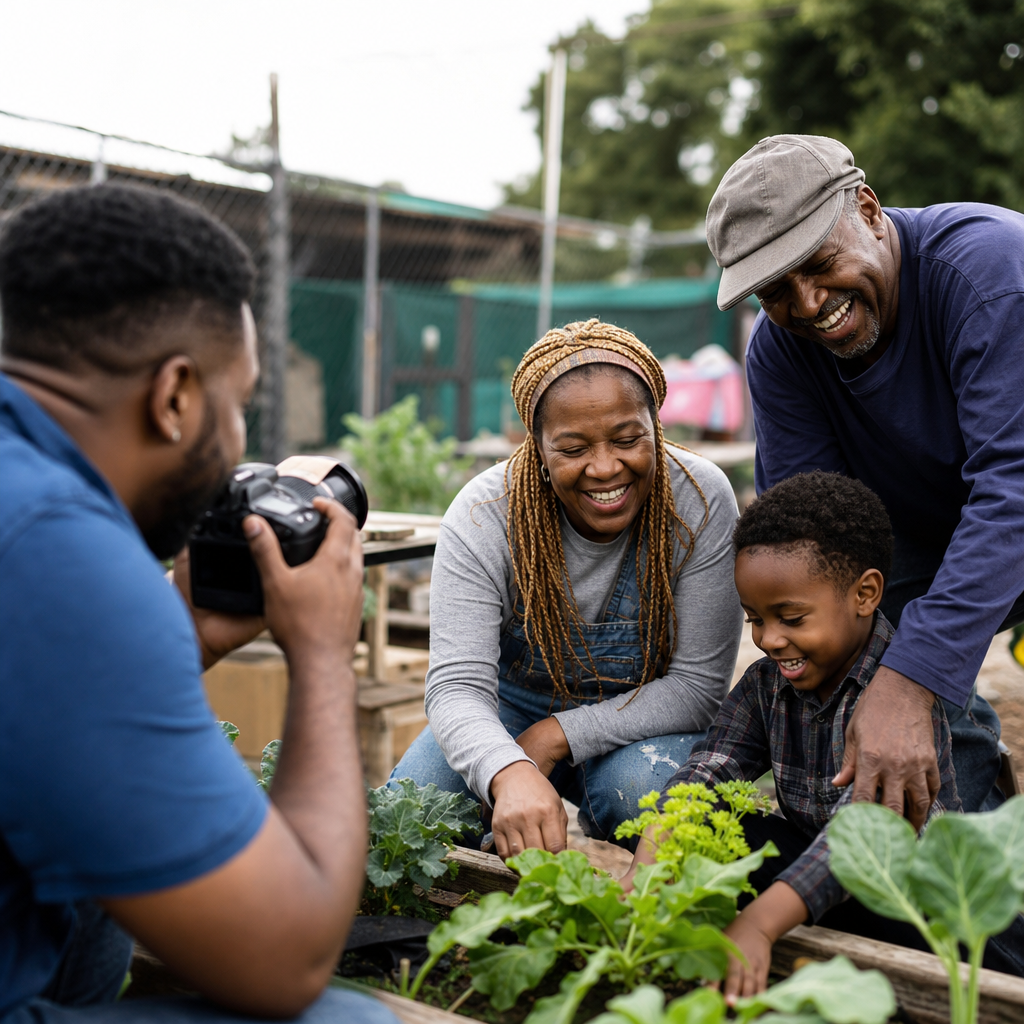
Sanitation education is strongest when it is community-owned. Outside experts can provide technical accuracy, but residents must shape delivery, examples, and priorities. That requires identifying trusted messengers across age, gender, and social groups. In many places, community health workers are central because they already discuss child health, nutrition, vaccination, and disease prevention. Teachers are equally important because schools normalize habits early. Faith leaders, youth mentors, and respected elders can help break stigma around open defecation, menstruation, and shared facility maintenance.
Inclusive participation matters because sanitation burdens are not shared equally. Women and girls often bear the greatest cost when facilities are unsafe, distant, unlit, or without menstrual hygiene support. People with disabilities may be excluded by steps, narrow doors, lack of handrails, or inaccessible messaging. Renters may have little control over infrastructure, while informal settlement residents may face weak service provision and tenure insecurity. A resilient education strategy does not treat the community as one uniform audience. It uses segmentation: schoolchildren, caregivers, landlords, sanitation workers, vendors, and local officials all need different guidance.
Local leadership should also be trained to connect sanitation education to planning and accountability. Community committees can track broken facilities, schedule drain cleaning, monitor open dumping hotspots, and escalate unresolved issues to municipal authorities. In several projects, I found that the most durable gains came when neighborhood leaders were taught not just what good sanitation looks like, but how to convene meetings, collect basic data, and communicate service needs clearly. Knowledge creates agency only when people know how to use it.
Schools, public spaces, and everyday learning environments
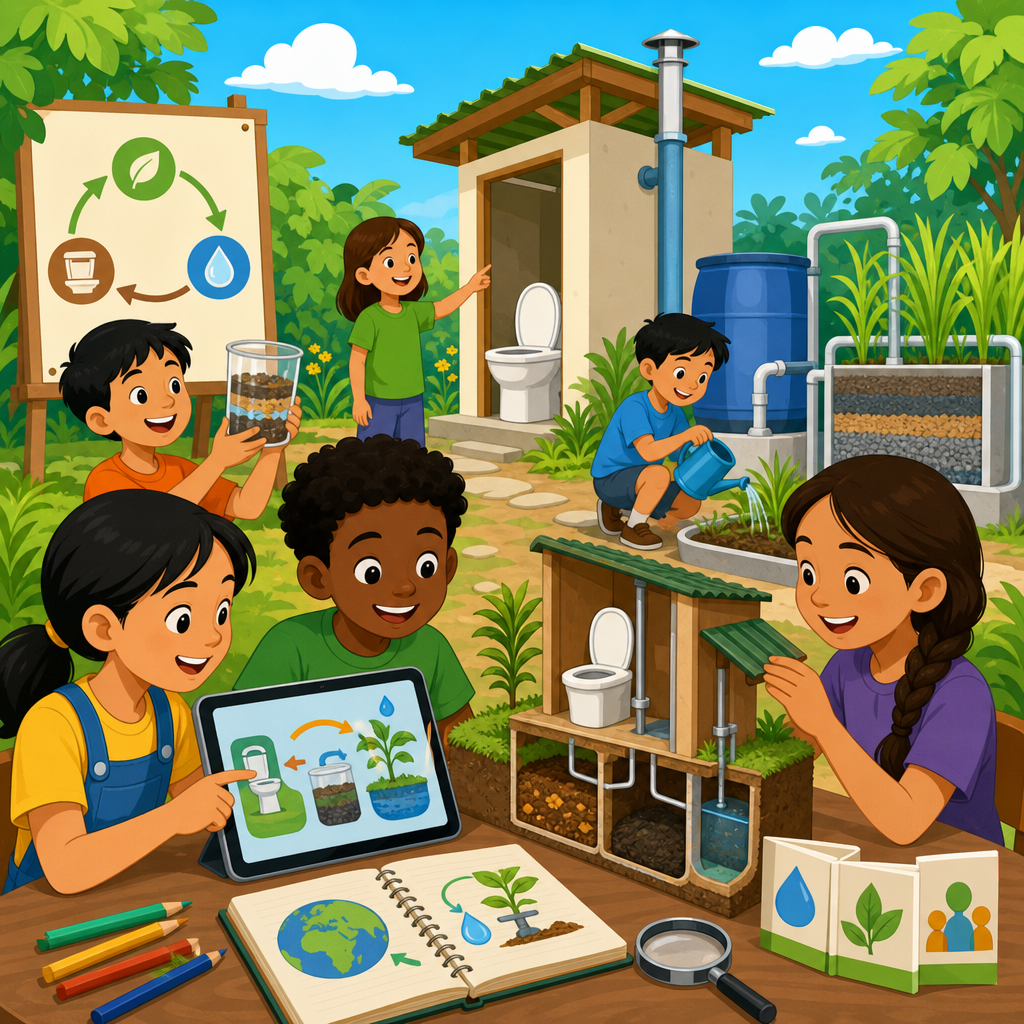
Schools are one of the most effective sanitation education platforms because they combine instruction, routine, peer influence, and demonstration. A school with clean toilets, reliable handwashing stations, and student-led hygiene routines becomes a daily training environment. Children notice whether soap is available, whether girls have privacy, and whether cleaning is organized fairly. Those observations shape what they consider normal. Research across many countries has linked improved school sanitation and hygiene with better attendance, especially for girls where menstrual hygiene support is adequate.
But learning should not stop at schools. Markets, transport hubs, workplaces, health centers, and community halls are all sanitation classrooms. Signage near toilets can remind users about flushing, pit use, reporting leaks, or handwashing. Vendors can be trained on food hygiene and wastewater disposal. Health facilities can demonstrate safe diaper disposal, postpartum hygiene, and water treatment practices. Public spaces matter because they reach people who may not attend formal sessions.
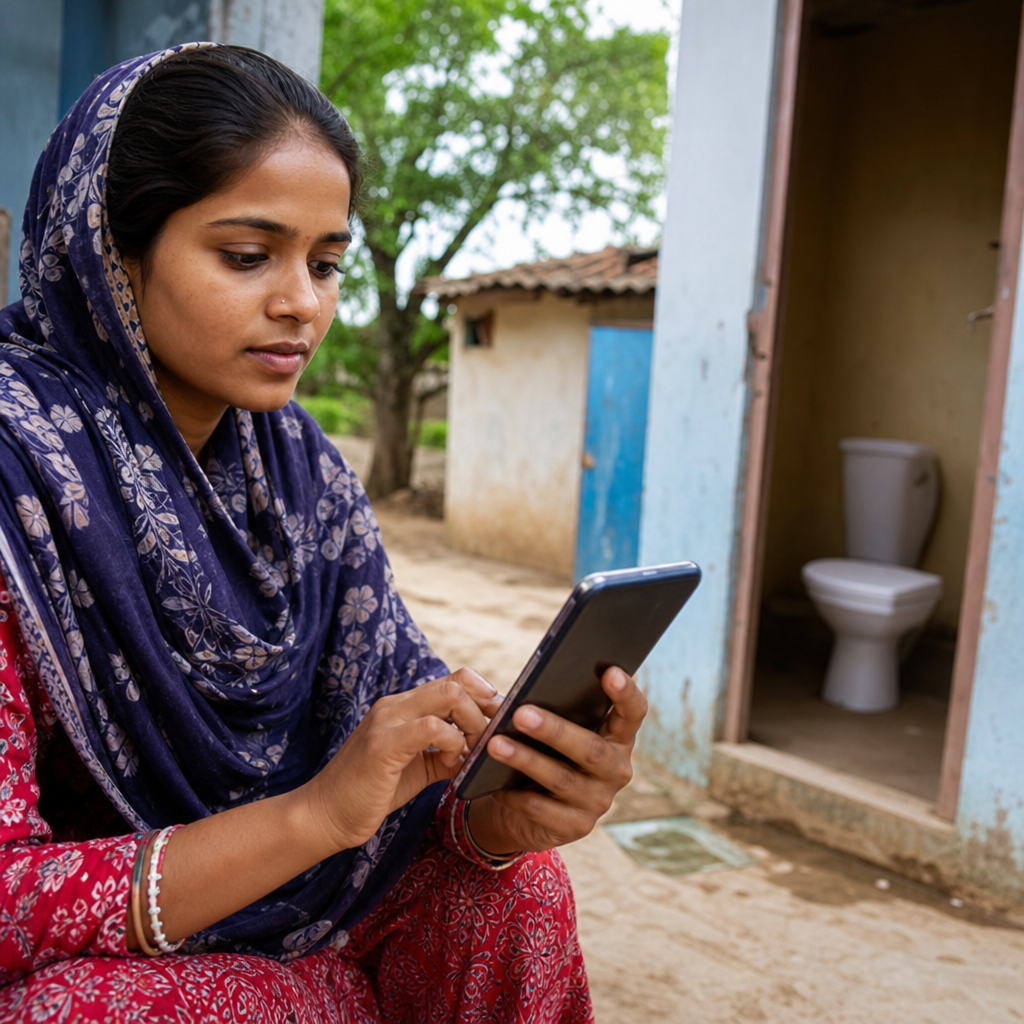
Digital tools can extend this reach when used appropriately. WhatsApp groups, SMS reminders, local radio call-ins, and short videos in local languages can reinforce messages between in-person events. The key is practicality. A message such as “empty standing water after rain and cover stored drinking water” is more actionable than abstract advice about cleanliness. The best sanitation education creates repeated cues in the places where decisions are actually made.
Measuring impact and sustaining progress over time
Sanitation education should be managed like any other serious public health intervention: with baseline data, clear indicators, review cycles, and adaptation. Counting how many posters were distributed or how many meetings were held is not enough. Useful indicators include toilet usage rates, presence of soap and water at handwashing points, reduction in open defecation sites, school absenteeism linked to sanitation conditions, desludging compliance, and community knowledge scores on transmission routes and safe practices. Where possible, these should be paired with observational checks, because self-reported hygiene behavior is often overly positive.
Sustaining progress requires institutional support. Communities need maintenance budgets, clear roles, and service connections after the initial campaign ends. That means linking education to municipal sanitation plans, school management systems, health outreach calendars, and local regulations. It also means recognizing sanitation workers as part of the education ecosystem. When desludging operators, cleaners, and waste collectors are trained and respected, service quality improves and public messages become more credible.
There are limits to education, and acknowledging them is essential. Knowledge cannot fully compensate for absent infrastructure, chronic water scarcity, or unaffordable services. Still, communities that understand sanitation risks and service pathways are better positioned to advocate for improvements, use existing resources well, and respond effectively during emergencies. Building resilient communities through sanitation education is ultimately about empowering communities through knowledge: turning technical public health principles into local capability, shared standards, and daily habits that protect everyone. For any organization working under community engagement and education, this hub topic should guide the rest of the portfolio. Start by mapping audiences, defining behaviors, training trusted messengers, and measuring what changes. When communities know how sanitation works, they are far better equipped to stay healthy, organized, and resilient.
Frequently Asked Questions
What does sanitation education mean in the context of resilient communities?
Sanitation education is more than teaching people to wash their hands or keep toilets clean. In the context of resilient communities, it is the practical, ongoing process of helping households, schools, workplaces, and local leaders understand how sanitation systems directly affect health, safety, dignity, and economic stability. It includes learning how human waste should be safely contained and managed, why clean water sources must be protected, how proper drainage reduces standing water and contamination, and how daily hygiene habits help stop disease before it spreads.
What makes sanitation education so important for resilience is that it turns knowledge into prevention. When people understand how illnesses such as diarrhea, cholera, typhoid, intestinal infections, and other sanitation-related diseases spread, they are far more likely to support healthier behaviors and infrastructure. Communities become better prepared to withstand floods, water shortages, outbreaks, and population pressures because they are not reacting blindly. They know where risks come from, how to reduce them, and how to organize local action quickly when conditions change.
In simple terms, sanitation education helps people protect what they understand. It strengthens individual habits, family routines, school standards, and community decision-making. Over time, that creates a healthier and more informed population that can prevent avoidable illness, adapt during emergencies, and recover faster after disruption.
How does sanitation education improve public health and community resilience?
Sanitation education improves public health by addressing the root causes of many preventable illnesses. When communities learn the connection between unsafe waste disposal, contaminated water, poor hygiene, blocked drainage, and disease transmission, they can take meaningful action to reduce exposure. That may include using toilets correctly, washing hands with soap at critical times, safely storing drinking water, maintaining school sanitation facilities, preventing open defecation, and keeping shared environments free from waste and stagnant water.
The public health impact is significant because sanitation-related diseases often spread quickly in places where people lack information or where unhealthy practices have become normalized. Education helps break that cycle. It gives people practical knowledge they can apply every day, not just during a health campaign or emergency. Families experience fewer illnesses, children miss fewer school days, workers lose less income to sickness, and health systems face less pressure from preventable cases.
From a resilience perspective, sanitation education strengthens a community’s ability to handle shocks. During floods, outbreaks, or infrastructure failures, communities with strong sanitation awareness are often quicker to identify contamination risks, protect water sources, organize cleanup efforts, and reinforce essential hygiene practices. They are also better positioned to support vulnerable groups such as children, older adults, and people with disabilities. This combination of prevention, preparedness, and faster recovery is exactly what resilience looks like in practice.
Why is sanitation education especially important for schools, families, and local leaders?
Schools, families, and local leaders each play a distinct role in shaping sanitation behavior, which is why education must reach all three groups. In schools, sanitation education helps children develop lifelong habits related to handwashing, toilet use, menstrual hygiene, waste disposal, and environmental cleanliness. These habits do not stay at school. Children often bring them home, influencing siblings and caregivers and helping normalize healthier routines across the wider community.
Families are equally important because most sanitation-related decisions happen at home. Parents and caregivers decide how water is stored, whether toilets are cleaned and maintained, how children are taught hygiene, and how household waste is managed. When families understand the health and economic consequences of poor sanitation, they are more likely to invest time and resources in safer practices. Even simple changes at home can reduce disease risk significantly.
Local leaders are essential because they shape the environment in which healthy behavior becomes possible. Community officials, religious leaders, school administrators, employers, and neighborhood organizers can influence priorities, mobilize resources, and reinforce public standards. When leaders understand sanitation as a foundation for resilience rather than a minor household issue, they are more likely to support drainage improvements, public awareness campaigns, waste management systems, emergency preparedness, and equitable access to sanitation facilities. Sustainable change happens fastest when informed households, schools, and leaders are working in the same direction.
What are the key topics a strong sanitation education program should cover?
A strong sanitation education program should cover the full chain of health protection, not just isolated behaviors. First, it should explain how disease transmission works, especially the ways human waste, contaminated hands, polluted water, food handling, and dirty environments contribute to illness. People are more likely to change behavior when they understand why a practice matters, not just what they are told to do.
Second, it should include practical instruction on safe toilet use, toilet cleaning, fecal sludge or waste management, handwashing with soap, menstrual hygiene, safe water collection and storage, and household cleanliness. Where relevant, it should also address drainage, flood-related contamination, solid waste disposal, and how to reduce standing water that can worsen sanitation and public health risks.
Third, effective programs should include emergency sanitation preparedness. Communities need guidance on what to do when floods damage toilets, when water sources become contaminated, when disease outbreaks occur, or when sanitation infrastructure is disrupted. This kind of education is especially valuable in areas facing climate stress, rapid urban growth, or limited public services.
Finally, the best sanitation education programs are inclusive and locally relevant. They account for cultural norms, language, disability access, age differences, and gender-specific needs. They do not rely on one-time messaging alone. Instead, they use repeated reinforcement through schools, community meetings, health workers, local media, and practical demonstrations. That sustained approach helps communities move from awareness to long-term behavior change.
How can communities make sanitation education effective and sustainable over time?
For sanitation education to be effective over time, it must be treated as a continuous community effort rather than a short-term campaign. One of the most important steps is to connect education with daily life. People need realistic, actionable guidance that fits their local conditions, whether they live in a rural village, a flood-prone settlement, a growing town, or a dense urban neighborhood. Messages should be practical, clear, and repeated through trusted channels such as teachers, health workers, local leaders, women’s groups, youth clubs, and community-based organizations.
Sustainability also depends on linking education to visible systems and accountability. It is much easier to maintain healthy behavior when communities have usable toilets, access to water, waste collection options, and functioning drainage. In other words, education works best when it is paired with infrastructure, maintenance plans, and local ownership. Communities should be encouraged to monitor sanitation conditions, identify problem areas, and participate in solutions rather than waiting for outside intervention.
Another key factor is inclusion. Sanitation education must reach everyone, especially groups who are often overlooked, including low-income households, people with disabilities, women and girls, migrant workers, and residents of informal settlements. If information or facilities are not accessible to all, community resilience remains uneven. Strong communities reduce risk collectively, not selectively.
Finally, long-term success requires measurement and reinforcement. Communities should look at indicators such as school attendance, disease trends, toilet usage, handwashing access, drainage conditions, and the cleanliness of public spaces. Tracking these outcomes helps leaders understand what is improving and where more attention is needed. When sanitation education is embedded in schools, public health planning, community organizing, and emergency preparedness, it becomes part of the community’s culture. That is what makes it durable, and that is what builds resilience that lasts.