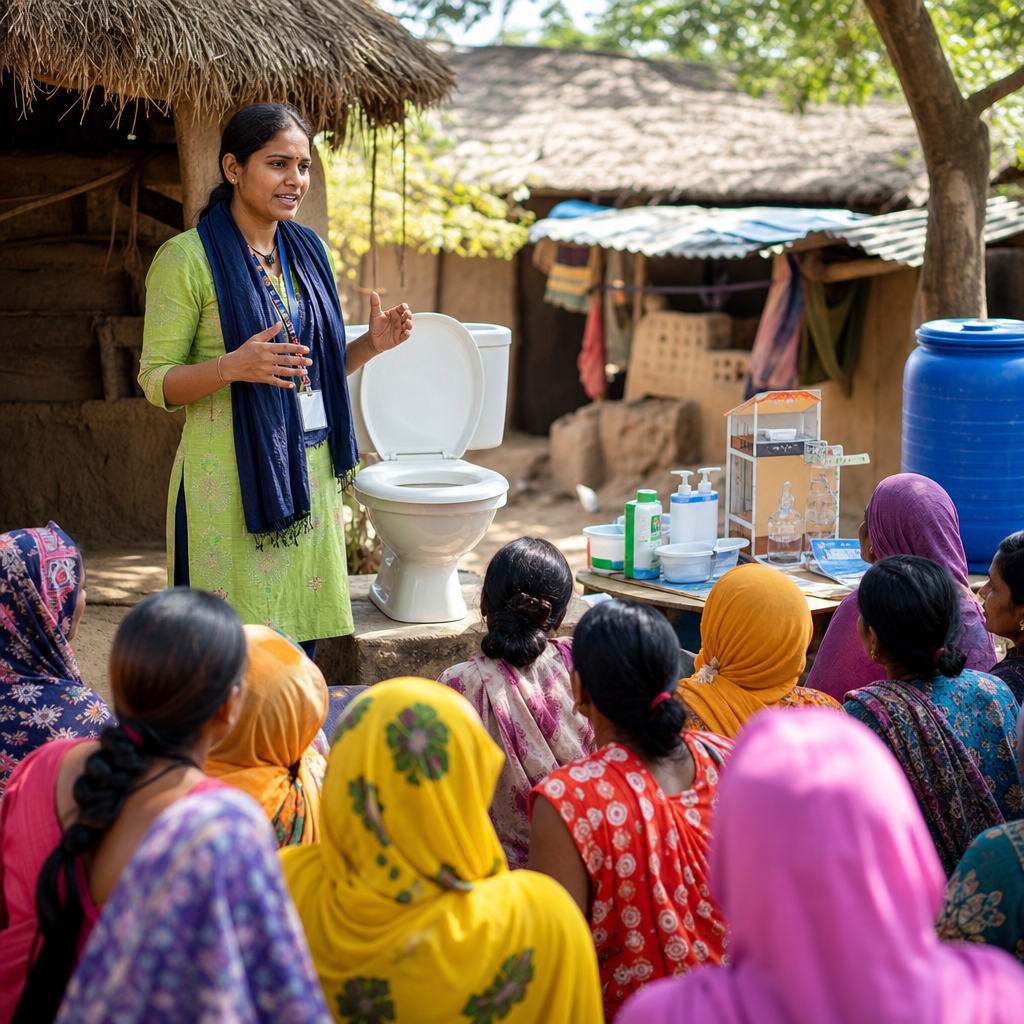
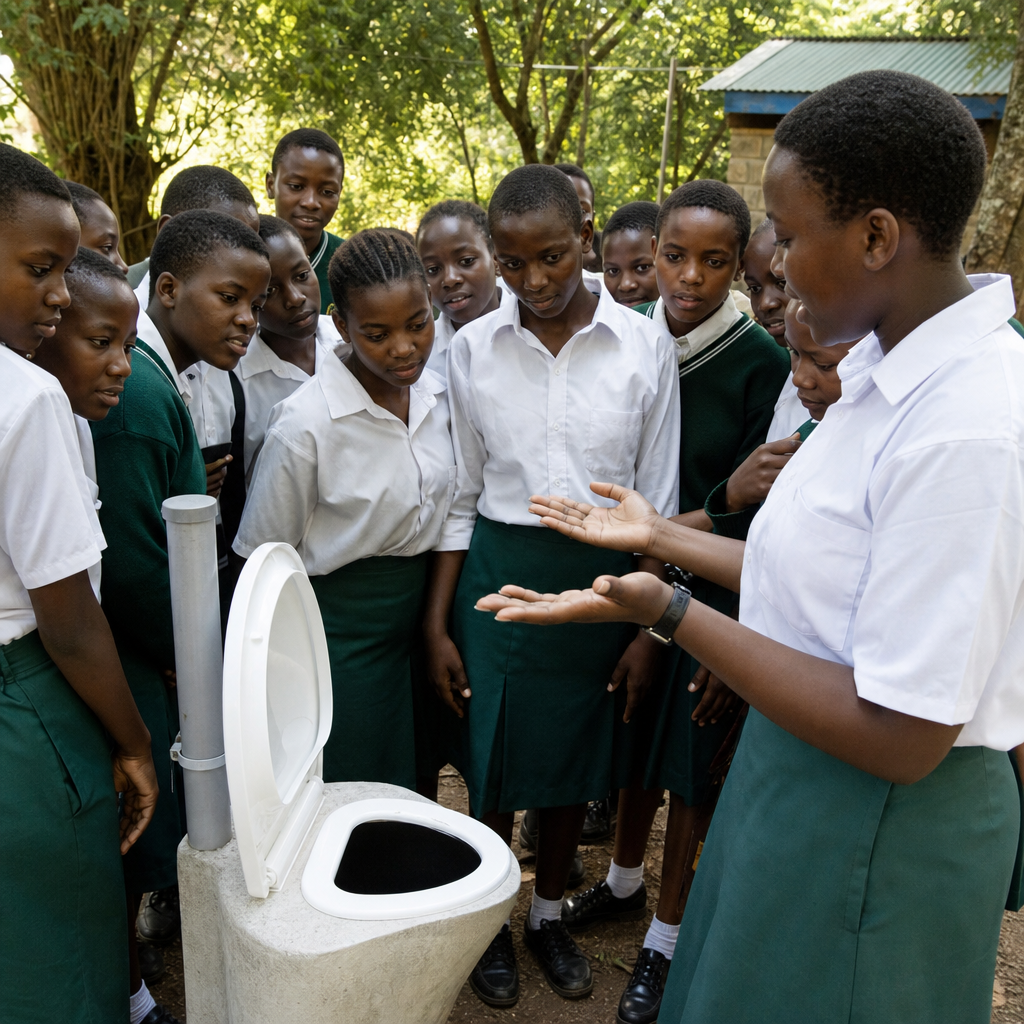
Women’s involvement in EcoSan initiatives determines whether ecological sanitation systems are adopted, maintained, trusted, and expanded across a community. EcoSan, short for ecological sanitation, treats human waste as a resource that can be safely recovered, processed, and reused, often as soil conditioner, compost input, or fertilizer substitute. In practice, EcoSan includes urine-diverting dry toilets, composting toilets, fecal sludge treatment with resource recovery, hygiene education, and community systems that connect sanitation with agriculture, water protection, and public health. When I have worked with sanitation outreach teams, the pattern has been consistent: projects that engaged women early produced better maintenance routines, stronger household acceptance, and clearer behavior change than projects designed without them. This matters because women are usually the primary managers of household water, child care, hygiene, and daily sanitation decisions, yet they are often excluded from planning tables.
The importance of women’s involvement in EcoSan initiatives goes beyond representation. It affects design quality, social legitimacy, safety, financial performance, and long-term environmental outcomes. Women and girls experience sanitation differently from men because they manage menstruation, support children and older relatives, and face higher risks when facilities are unsafe, distant, poorly lit, or culturally inappropriate. A toilet that ignores these realities will not function as intended, no matter how technically sound the engineering appears. Building community awareness around EcoSan therefore depends on women serving not only as users, but also as educators, committee members, masons, entrepreneurs, monitors, and decision-makers. As a hub topic under community engagement and education, this article explains why women’s participation is central to awareness-building, what barriers still limit involvement, and how communities can create practical systems that turn participation into lasting ownership.
Why women are essential to community awareness in EcoSan
Community awareness does not emerge from posters or one-off meetings alone; it grows through repeated conversations in homes, schools, markets, clinics, farms, and local associations. Women are often the people moving across those spaces every day. They explain hygiene practices to children, influence household purchases, care for sick family members, and notice quickly when a facility is inconvenient, dirty, or unsafe. Because of that daily proximity, women are uniquely positioned to translate technical sanitation language into practical terms neighbors trust. When a woman explains how urine diversion works, why ash or dry cover material reduces smell, or how compost maturation protects health, she is answering the exact concerns that determine adoption: Will it smell? Is it safe? Who empties it? Will my daughters use it? Will this save money?
In my experience, awareness campaigns become credible when they connect EcoSan to immediate community priorities. Women consistently make that connection clearer. They link sanitation to fewer diarrheal episodes in children, lower medical spending, cleaner compounds, privacy at night, reduced contamination near wells, and improved kitchen gardens where treated nutrients are reused. These are not abstract benefits. They are measurable household outcomes. In areas where extension workers partnered with women’s savings groups, sanitation attendance and follow-up visits were often stronger because messages were delivered by people with existing trust networks. That trust is the foundation of building community awareness. Without it, EcoSan is seen as an imposed technology. With it, EcoSan becomes a shared solution shaped by local knowledge, routine practice, and visible benefits.
How women improve design, usability, and safety
Women’s involvement in EcoSan initiatives improves technical outcomes because sanitation systems fail when they overlook daily use patterns. A urine-diverting toilet may meet engineering specifications yet still be rejected if the drop hole is uncomfortable for children, the superstructure lacks privacy, the floor is hard to clean, or the facility does not support menstrual hygiene management. Women identify these issues early because they experience them directly and because they often supervise use by children, older people, and visitors. Their input affects siting, lighting, lock quality, ventilation, handwashing placement, cleaning routines, and storage space for soap, water, menstrual materials, or cover material. Those details determine whether a system remains usable after the launch ceremony ends.
Safety is equally important. Women and girls face increased risk of harassment or violence when toilets are far from the home, unlit, or not lockable from inside. In dense settlements, shared facilities may become unusable after dark if pathways are exposed or maintenance is weak. Community awareness efforts that include women tend to surface these concerns quickly, allowing planners to redesign facilities, organize cleaning schedules, and set management rules before mistrust spreads. The result is not simply better gender sensitivity; it is better sanitation performance. A facility that feels unsafe will be avoided. Avoidance leads to open defecation, unsafe containers, or improper disposal, which undermines both public health and the environmental recovery goals that EcoSan systems are meant to achieve.
Women as educators, organizers, and local champions
The most effective EcoSan projects treat women as co-creators of knowledge, not passive recipients of awareness messages. Women lead demonstrations, host household dialogues, manage pilot facilities, and train neighbors on maintenance, pathogen risk reduction, and correct reuse practices. In community-led settings, female teachers, health volunteers, and members of local cooperatives often become the translators between technical experts and everyday users. They can explain why storage time matters for sanitized products, how to separate urine correctly, or when compost is mature enough for agricultural application. Because they are embedded in social networks, they also correct misinformation faster than outside facilitators can.
Women’s groups frequently become the operational backbone of awareness-building. Savings circles can finance toilet upgrades. Farmer associations can trial nutrient reuse on demonstration plots. Mothers’ groups can monitor school sanitation and advocate for adolescent girls’ needs. Local leaders can formalize women’s representation in water and sanitation committees, procurement decisions, and fee setting. These roles matter because awareness is sustained by institutions, not just by information. Where women have visible leadership roles, participation in meetings improves, complaints are raised earlier, and maintenance problems are solved before systems break down. That is one reason successful EcoSan scaling often follows the same sequence: informed women users become trainers, trainers become committee members, and committee members become advocates for wider adoption across the community.
Barriers that limit women’s participation in EcoSan initiatives
Despite clear benefits, women’s involvement in EcoSan initiatives is still constrained by structural barriers. Time poverty is a major obstacle. Women already carry unpaid care work, water collection, food preparation, and income-generating responsibilities, so attending meetings or training sessions may require sacrificing wages or household duties. Social norms can also block participation when public speaking, construction work, or handling sanitation topics is considered inappropriate for women. In some communities, men control land, household spending, and final decisions about toilet investment, even though women manage day-to-day use. Literacy barriers, lack of transport, and meeting times scheduled without considering domestic workloads also reduce participation.
Another barrier is tokenism. Some projects invite women to consultations but exclude them from budgeting, design approval, procurement, or monitoring. That creates the appearance of inclusion without shifting actual power. I have seen facilities presented as community-owned even though women’s concerns about privacy, anal cleansing water, disposal bins, or child-friendly features were recorded and then ignored. The predictable outcome was low usage and avoidable retrofitting costs. Technical bias can be another problem. Engineers may focus on nutrient recovery efficiency or low-cost construction while underestimating user experience. Effective community awareness depends on treating lived experience as operational data. When women’s knowledge is dismissed as secondary to technical planning, EcoSan systems become less sustainable, less equitable, and harder to normalize within the community.
Practical strategies for building community awareness through women’s leadership
Communities can strengthen EcoSan outcomes by turning women’s participation into a formal part of program design. Start with stakeholder mapping that identifies women’s groups, female farmers, school staff, health workers, market vendors, faith leaders, and caregivers of children or older people. Then build engagement around how decisions are actually made locally. Hold meetings at convenient times, provide child care where possible, and use participatory tools such as facility walkthroughs, safety mapping, and prototype reviews. Training should cover not only hygiene and operation, but also budgeting, record keeping, compost handling standards, grievance processes, and public speaking. Women need access to the same technical information as masons, committee chairs, and project officers.
Programs should also create visible pathways to leadership and livelihoods. Women can be trained as toilet builders, waste treatment operators, hygiene promoters, extension agents, and micro-entrepreneurs selling cover material, cleaning supplies, or reuse products. Demonstration plots managed by women farmers are especially effective because they make nutrient recovery tangible. When neighbors can compare crop performance, input costs, and soil condition, EcoSan stops being an unfamiliar sanitation concept and becomes part of local resource management. Monitoring systems should track attendance, speaking time, decision roles, user satisfaction, and safety concerns by gender. What gets measured gets improved. The table below summarizes practical actions that consistently increase community awareness and meaningful participation.
| Strategy | Why it works | Example in practice |
|---|---|---|
| Women-led household outreach | Builds trust through familiar social networks | Trained volunteers visit homes to explain toilet use, ash application, and handwashing |
| Inclusive design reviews | Identifies usability and safety issues before construction | Women test prototype layouts for privacy, cleaning, menstrual hygiene, and child access |
| Leadership quotas on sanitation committees | Moves participation from consultation to decision-making | Committee rules reserve voting seats for women and rotate treasurer roles |
| Women-managed demonstration gardens | Shows the value of safe nutrient reuse with visible results | Compost or treated urine is applied to vegetables under supervised agronomic guidance |
| Gender-responsive monitoring | Reveals whether facilities are actually usable and trusted | Surveys track privacy, night safety, cleaning burdens, and user satisfaction |
What successful EcoSan programs do differently
Successful programs treat women’s involvement as a core operating requirement rather than an optional social benefit. They budget for engagement, not just construction. They test assumptions with users before finalizing designs. They align sanitation messaging with agriculture, school health, and household economics so the value of EcoSan is visible across daily life. They also use recognized public health principles: safe containment, clear separation of fresh waste from mature products, hand hygiene, and controlled reuse consistent with national guidance or World Health Organization risk-reduction approaches. This combination of technical discipline and social inclusion is what makes EcoSan credible.
Building community awareness at scale also requires internal linking across community institutions. Schools reinforce hygiene habits, clinics explain disease prevention, agricultural officers support reuse practices, and local governments legitimize standards and financing. Women often sit at the intersection of these systems as parents, producers, workers, and caregivers. When initiatives equip them with authority, information, and decision power, adoption becomes more resilient. The central lesson is straightforward: EcoSan succeeds when the people who manage sanitation every day help define what success looks like. If your community is planning or expanding ecological sanitation, begin by listening to women, giving them formal leadership roles, and designing awareness efforts around their knowledge. That is how communities build sanitation systems people will actually use, maintain, and champion over time.
Frequently Asked Questions
Why is women’s involvement so important to the success of EcoSan initiatives?
Women’s involvement is central to the success of ecological sanitation because women are often the primary managers of household water, hygiene, caregiving, and sanitation routines. That means they usually have first-hand knowledge of what makes a toilet practical, safe, acceptable, and easy to maintain over time. When women help shape EcoSan programs from the beginning, systems are more likely to reflect real daily needs, including privacy, menstrual hygiene management, child use, cleaning requirements, and accessibility for elderly or pregnant users. This directly affects whether an EcoSan solution is actually used consistently rather than abandoned after installation.
Women also play a critical role in building trust around the idea that human waste can be safely treated and reused as a resource. EcoSan depends not only on infrastructure, but also on user behavior, correct separation, safe handling, and acceptance of resource recovery practices such as composting or urine reuse. If women are excluded from planning and education, communities may miss the perspectives of the people who are often responsible for household sanitation practices and who influence family adoption. In contrast, when women participate as decision-makers, trainers, entrepreneurs, and community leaders, EcoSan systems are more likely to be maintained properly, accepted socially, and expanded beyond pilot projects into long-term community practice.
How do women influence the design and day-to-day functionality of EcoSan systems?
Women influence EcoSan design in highly practical ways that can determine whether a system works well in real life. For example, they can identify whether a urine-diverting dry toilet is easy to use for all household members, whether the superstructure provides enough privacy and security, whether cleaning surfaces are manageable, and whether the location is safe at night. They can also flag design issues that engineers or program managers may overlook, such as the needs of girls during menstruation, the challenges of helping young children use a toilet correctly, or the difficulty of managing separate collection containers in small living spaces.
On a day-to-day level, EcoSan systems require correct use and routine management. That may include adding cover material, keeping urine and feces separated where relevant, maintaining cleanliness, monitoring fill levels, and understanding safe emptying or composting timelines. Women’s experience with household management often gives them valuable insight into how these tasks fit into existing routines and what changes are realistically sustainable. Their participation helps ensure that training materials, maintenance schedules, and user instructions are understandable and practical. In many cases, women can also help adapt EcoSan practices to local cultural norms, which improves compliance and reduces misuse. In short, women’s input moves EcoSan from a technically sound concept to a system that actually functions reliably in everyday community life.
What barriers prevent women from participating fully in EcoSan initiatives?
Several barriers can limit women’s full participation in EcoSan initiatives, even when their involvement is essential. One common barrier is exclusion from formal decision-making. In some communities, meetings about sanitation infrastructure, budgeting, land use, or agricultural reuse are attended primarily by men, even though women may be the main users and managers of the facilities. When women are not invited, not heard, or not given leadership roles, important needs and concerns may never shape the project. Time poverty is another major issue. Women often carry heavy responsibilities related to caregiving, domestic work, water collection, food preparation, and informal income generation, leaving limited time to attend trainings or community planning sessions.
Social norms and stigma can also play a significant role. Discussions about toilets, menstruation, waste handling, and excreta reuse may be considered sensitive or inappropriate for women to raise publicly, especially in conservative settings. Limited access to education, technical training, land ownership, finance, or sanitation-related employment can further reduce women’s ability to participate as equal partners. Safety concerns may also affect whether women can access sanitation facilities, treatment sites, or meetings. To overcome these barriers, EcoSan programs need intentional inclusion strategies, such as women-only consultations where appropriate, flexible meeting times, female trainers, targeted capacity building, fair compensation for labor, and clear pathways for women to hold leadership, operational, and entrepreneurial roles across the sanitation value chain.
How does women’s leadership improve community acceptance and long-term maintenance of EcoSan?
Women’s leadership improves community acceptance because trusted local women often serve as effective communicators, educators, and role models. EcoSan requires communities to understand new ideas about sanitation, including source separation, composting, hygiene practices, and the safe reuse of treated outputs. These ideas can face skepticism if they are introduced only as technical directives from outside organizations. Women leaders can translate technical concepts into everyday language, explain benefits in terms that matter to households, and address fears or misconceptions through ongoing dialogue. Because they are often closely connected to family health, child wellbeing, food production, and household cleanliness, women leaders can make a strong case for why ecological sanitation matters.
In terms of long-term maintenance, women’s leadership often strengthens accountability and consistency. Community systems tend to perform better when there is local ownership, regular monitoring, and a clear understanding of who is responsible for what. Women-led committees, cooperatives, user groups, or small enterprises can help organize fee collection, cleaning schedules, maintenance oversight, user education, and resource recovery activities. Their involvement also makes it more likely that maintenance standards reflect actual user expectations rather than only technical benchmarks. Importantly, women’s leadership should not mean shifting unpaid sanitation labor onto women without support. Effective EcoSan programs pair leadership opportunities with training, recognition, financing, and equitable sharing of responsibilities. When that happens, women’s leadership can become a powerful driver of both system reliability and community-wide confidence.
What are the best ways to ensure women are meaningfully included in EcoSan planning, implementation, and scaling?
Meaningful inclusion starts by involving women from the earliest stages of the initiative, not after key decisions have already been made. That means engaging women in needs assessments, site selection, technology choice, behavior change planning, training design, and evaluation. Programs should actively seek input from different groups of women, including low-income women, farmers, women with disabilities, adolescent girls, older women, and female-headed households, because their sanitation priorities may differ. Inclusion is most effective when it moves beyond consultation into shared decision-making, with women represented in committees, management teams, local government partnerships, and technical roles.
Implementation should also address the practical conditions that allow women to participate fully. This can include scheduling meetings at accessible times, providing child care support, ensuring safe meeting and facility locations, offering literacy-sensitive communication materials, and creating opportunities for technical and business training. Women can be supported not only as users, but also as masons, hygiene promoters, treatment operators, compost producers, sales agents, and sanitation entrepreneurs. For scaling, programs should document women-led successes, build mentorship networks, and connect women to finance, markets, and policy platforms. The most effective EcoSan initiatives recognize that women’s participation is not a symbolic add-on; it is a structural requirement for adoption, maintenance, social legitimacy, and growth. When women are empowered to shape EcoSan systems at every level, communities are far more likely to develop sanitation solutions that are safe, trusted, resilient, and sustainable.