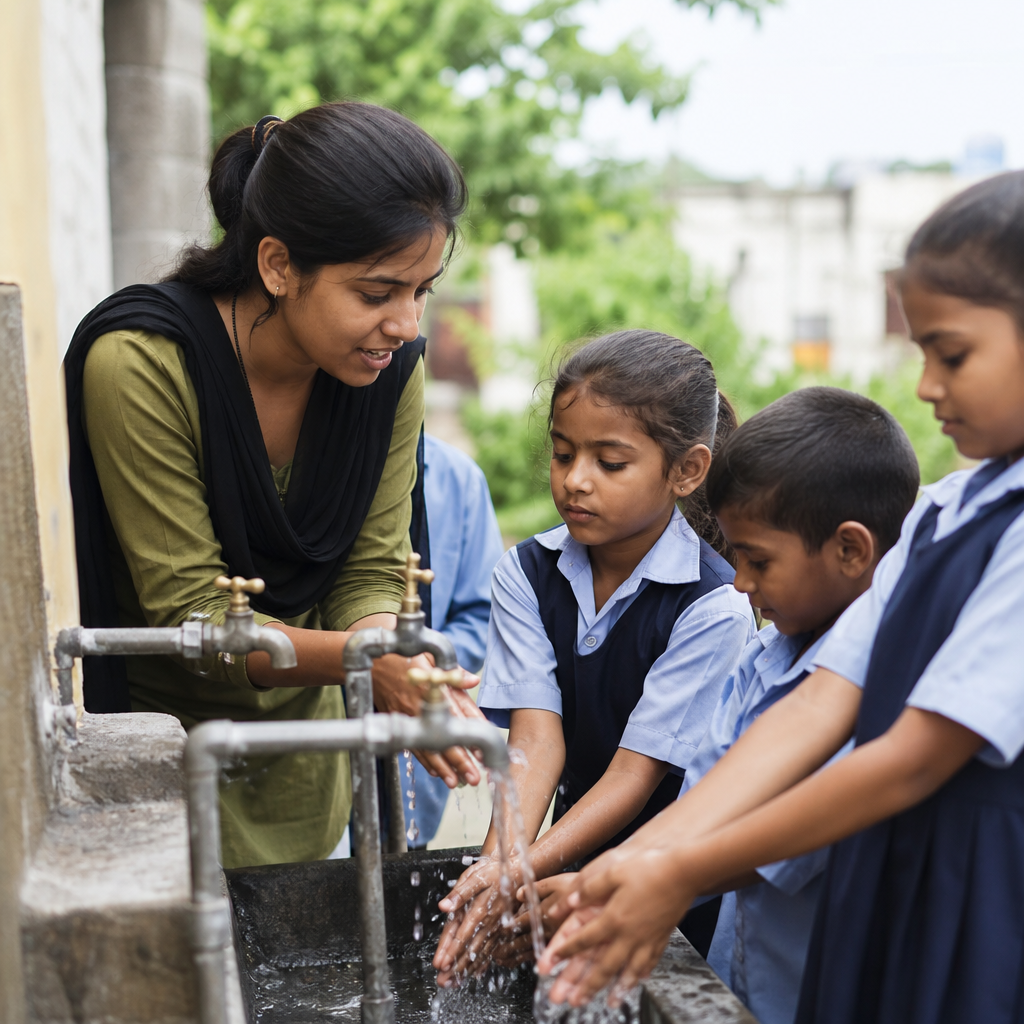
Teaching children about water conservation and sanitation is one of the most practical ways to improve public health, protect local water supplies, and build lifelong habits that benefit families and communities. Water conservation means using water efficiently so less is wasted, while sanitation refers to the safe management of hygiene, toilets, wastewater, and behaviors that prevent disease. Together, these ideas shape everyday actions: turning off a tap while brushing teeth, washing hands with soap after using the toilet, storing drinking water safely, and understanding where waste goes after it leaves a home or school.
This topic matters because children are not passive learners; they are active messengers who carry lessons from classrooms into kitchens, courtyards, and neighborhoods. In school programs I have helped design, the most effective students were often the ones who reminded adults to repair leaks, cover water containers, or keep handwashing stations stocked. That influence is backed by public health evidence. The World Health Organization and UNICEF continue to show that unsafe water, poor sanitation, and inadequate hygiene contribute to diarrheal disease, missed school days, malnutrition, and preventable child illness. Education does not replace infrastructure, but it helps families use available systems correctly and advocate for better services.
As a hub under Community Engagement and Education, this article covers Educating for Change in a complete, practical way. It explains what children need to know, how lessons should be taught at different ages, which school and community activities work best, and how caregivers and educators can measure whether learning actually changes behavior. The goal is not just awareness. The goal is durable behavior change supported by routines, role models, and environments that make the healthy choice the easy choice.
What children should learn first about water and sanitation
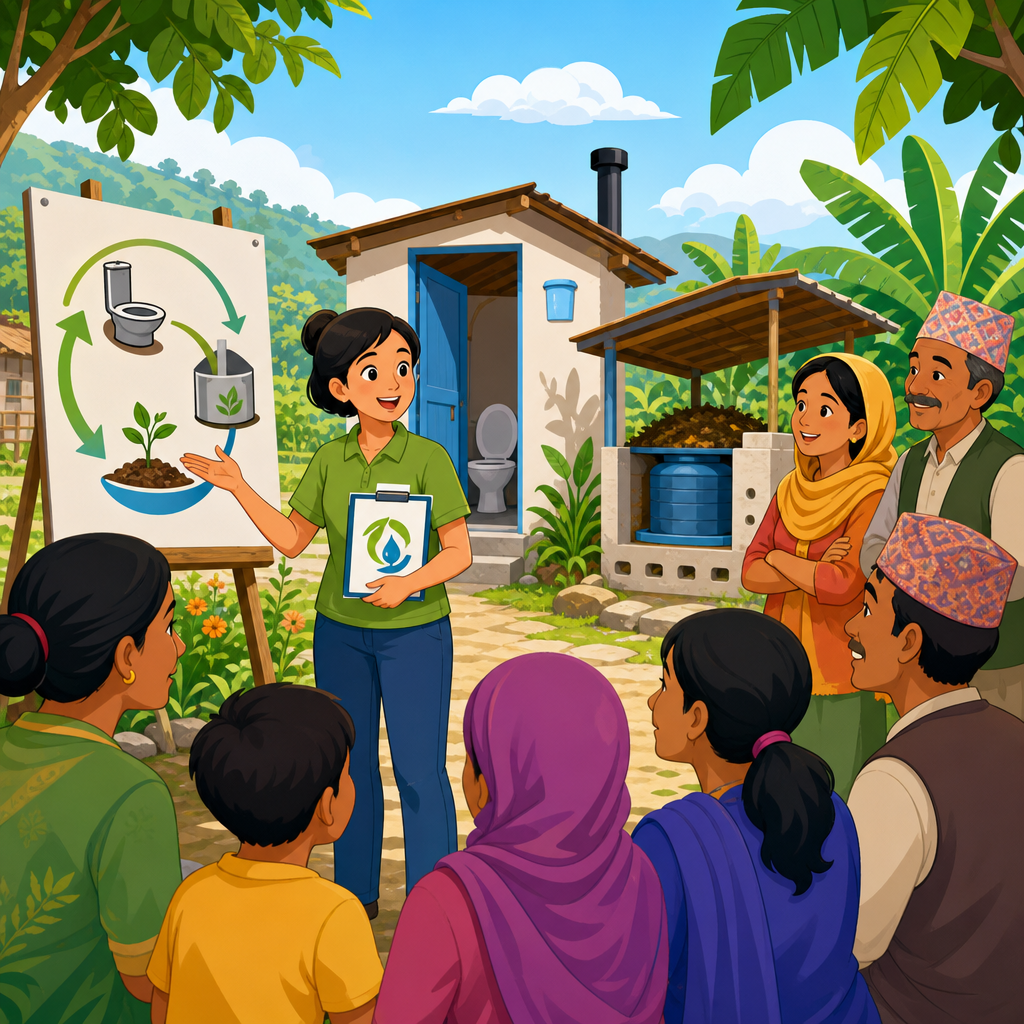
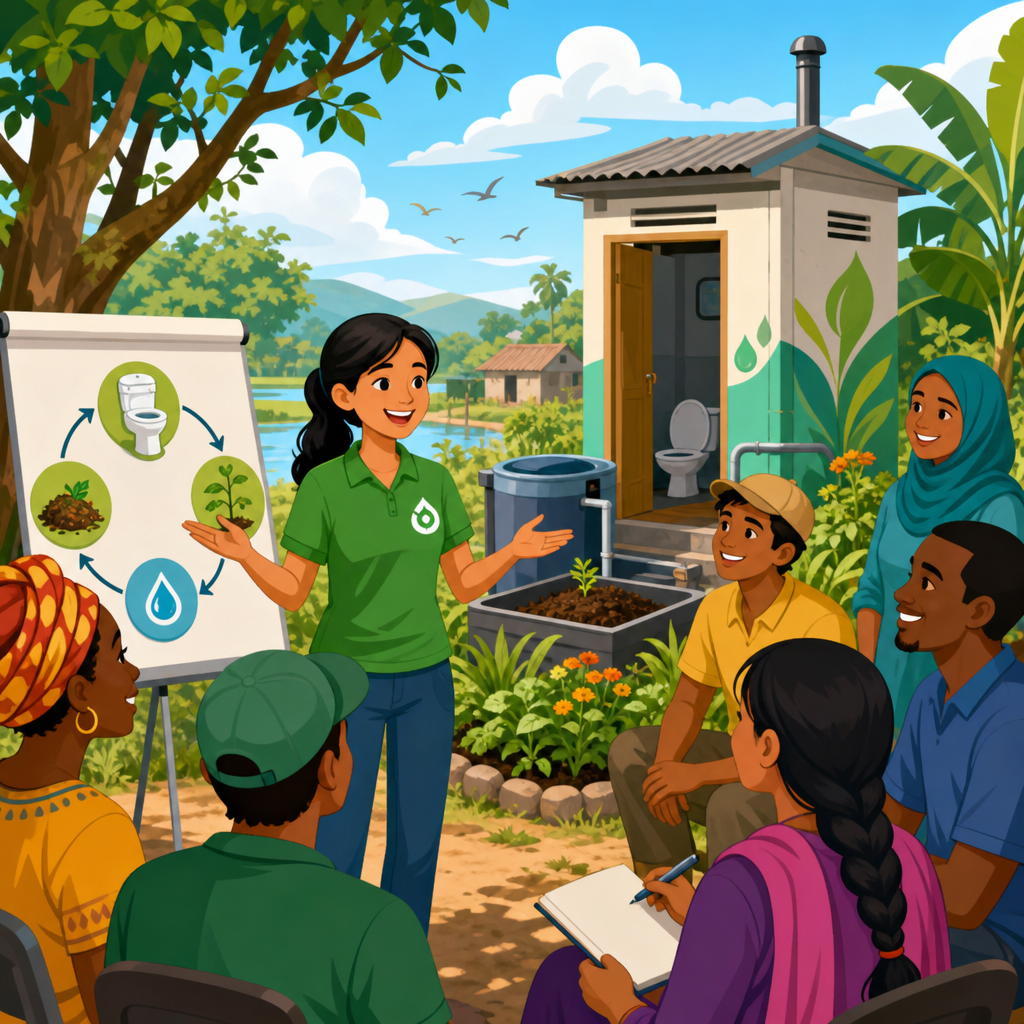
The foundation of water education is helping children connect invisible systems to visible actions. Young learners need a simple sequence: water comes from a source, travels through pipes, tanks, wells, or trucks, is used for drinking, cooking, cleaning, and farming, and then becomes wastewater that must be managed safely. Sanitation education begins with a similar chain: human waste contains germs, toilets and latrines separate waste from people, handwashing removes contamination, and treatment or safe disposal protects rivers, groundwater, and public health.
In practice, I have found that children understand conservation faster when lessons start with familiar routines instead of abstract environmental language. A six-year-old may not grasp watershed management, but they understand that a dripping school tap can fill a bucket by the end of the day. Older students can then expand from household habits to larger concepts such as drought risk, aquifer depletion, stormwater pollution, fecal-oral transmission, and the operating costs of water treatment plants. The progression matters. If lessons jump too quickly to technical content, children memorize terms without changing behavior.
Core messages should be concrete and repeated often: safe water is precious, clean hands stop disease, toilets protect everyone, and waste belongs in the right place. These messages must also be accurate. For example, children should know that clear water is not always safe to drink, that handwashing is most important after toilet use and before eating, and that flushing wipes, food scraps, or plastic can block sewer systems. A strong hub curriculum links these basics to related topics such as school health, climate resilience, environmental stewardship, and community responsibility.
Age-appropriate methods that turn lessons into habits
Children learn water conservation and sanitation best when teaching matches their developmental stage. Early childhood education should focus on routines, songs, visual cues, and supervised practice. In preschool and early primary grades, the target behaviors are straightforward: close taps fully, use a cup when rinsing, wash hands for at least twenty seconds with soap, report leaks, and use toilets correctly. Visual prompts near sinks and toilets work because they meet children at the exact point of action.
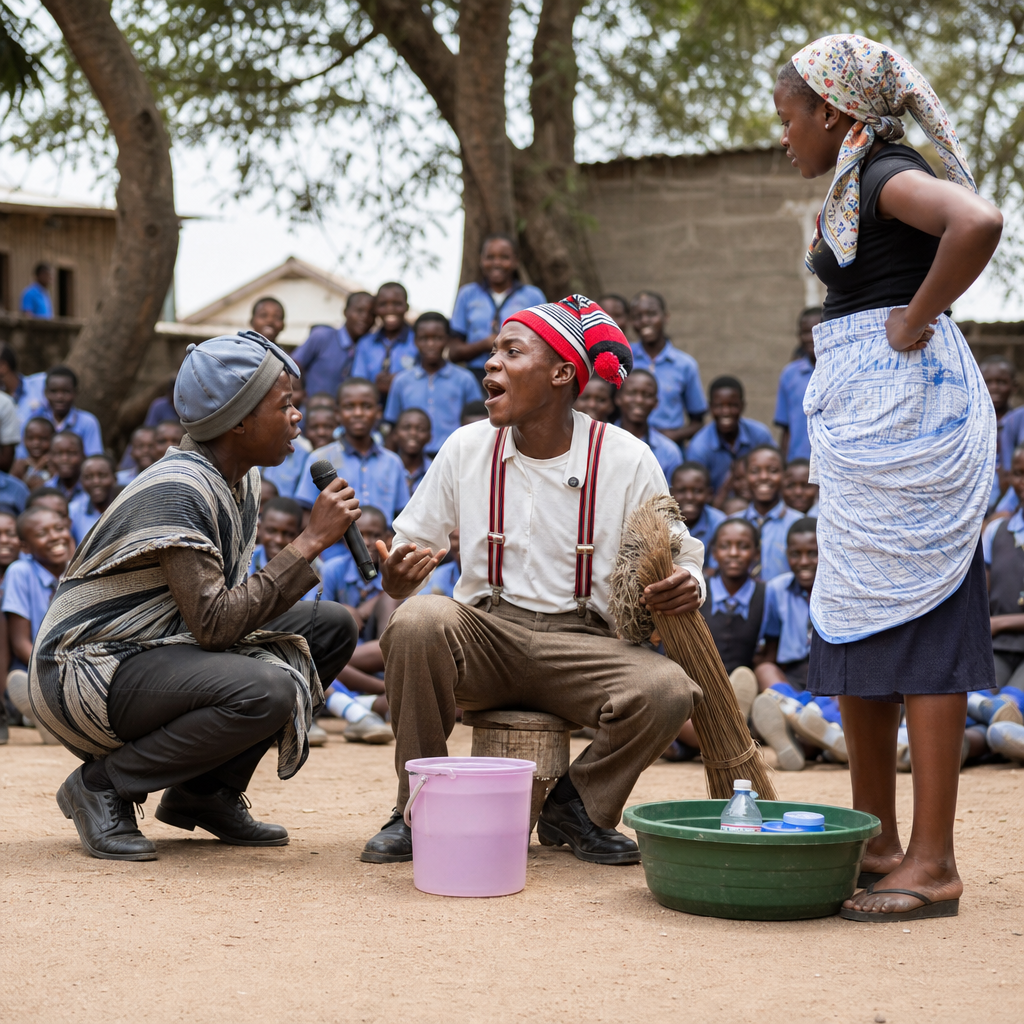
Upper primary students are ready for cause and effect. They can measure how much water a leaking faucet wastes, compare handwashing methods, and discuss why open defecation or unsafe waste disposal contaminates communities. Simple experiments are powerful here. One common activity uses glitter or colored powder to represent germs; after a handshake chain, students can see how contamination spreads and why soap and friction matter. Another useful lesson compares water used during a five-minute shower with water used during a quick bucket wash, making efficiency tangible rather than theoretical.
Adolescents need a broader and more respectful approach. Teenagers can discuss menstrual hygiene management, wastewater treatment, equity in access, and the relationship between sanitation and dignity. They can also evaluate local policies, school maintenance budgets, and barriers faced by households without reliable service. At this age, peer influence matters. Student-led campaigns, debate clubs, and audit teams often outperform one-way lectures because teens respond to ownership. The strongest programs avoid talking down to them and instead treat them as emerging citizens who can assess evidence and lead change.
| Age group | Best teaching approach | Key behaviors to build | Useful example |
|---|---|---|---|
| Ages 4–7 | Stories, songs, demonstrations, picture cues | Turn off taps, wash hands with soap, use toilets properly | Sticker chart for handwashing after toilet use |
| Ages 8–11 | Experiments, role-play, classroom measurement activities | Report leaks, store water safely, understand germ spread | Measure water wasted by a dripping tap in one day |
| Ages 12–18 | Peer education, projects, audits, debates | Lead campaigns, analyze service gaps, support hygiene access | Student team reviews school water points and repair needs |
School strategies that make education stick
Schools are the most effective setting for water conservation and sanitation education because they combine instruction, repetition, social norms, and infrastructure. But lessons only stick when the environment supports them. If teachers talk about handwashing and the soap dispenser is empty, the message collapses. If a school promotes water saving but leaves broken taps unrepaired, students learn that rules are symbolic. Real change requires both curriculum and operations.
Effective schools use what public health practitioners call a whole-school approach. Water and sanitation concepts appear in science, health, geography, and civic education. Facilities are maintained. Handwashing stations are placed where students need them. Toilets are clean, private, accessible, and safe for girls, younger children, and students with disabilities. Cleaning schedules are visible. Student monitors or eco-clubs help identify maintenance problems early. In schools where I have seen the best outcomes, the principal treated water, sanitation, and hygiene as core conditions for learning rather than as side issues for the janitorial team.
Specific routines matter more than slogans. Morning checks can confirm that taps work, tanks are covered, soap is available, and toilets are functional. Classroom water monitors can track use during activities without shaming students. Science lessons can examine local rainfall patterns, while mathematics lessons can calculate per-student water use. Art classes can create signage that is practical rather than decorative, such as arrows to handwashing points or reminders to flush only toilet paper. When education is embedded into normal school life, behavior change becomes more durable.
Family and community engagement in educating for change
Children’s habits are reinforced or undermined at home, so family engagement is essential. A child who learns proper handwashing at school but returns to a home without a designated soap location may not sustain the behavior. That is why the strongest community engagement and education programs treat children as connectors between institutions and households. They send home simple checklists, invite caregivers to demonstrations, and encourage families to set shared rules around water use, toilet cleanliness, and drinking water storage.
Community-based education works best when it respects local realities. In some areas, conservation means reducing overuse from metered household taps. In others, it means protecting scarce stored water carried from a communal source. Sanitation challenges also vary: one neighborhood may struggle with sewer blockages from improper disposal, another with pit latrine maintenance, another with flood-related contamination of wells. Effective educators avoid generic advice and instead tailor examples to actual systems people use every day.
Trusted messengers improve uptake. Teachers, health workers, faith leaders, youth mentors, and local utility staff can all reinforce the same core practices. I have seen utility open days make a major difference because children and parents finally understand that water treatment and pumping cost money, energy, and technical effort. Once people see the process, “save water” stops sounding like a moral lecture and starts sounding like common sense. Community campaigns are strongest when they pair education with practical support, such as leak reporting channels, toilet maintenance guidance, free chlorine demonstrations where appropriate, or school-home hygiene pledges that families can follow together.
Topics every hub page should connect to
Because this article serves as a hub for Educating for Change, it should connect readers to the wider set of issues that shape water conservation and sanitation learning. One major topic is hand hygiene, including the critical moments for washing hands and the difference between rinsing with water and washing effectively with soap. Another is safe drinking water handling: why containers should be covered, why cups should not contaminate storage vessels, and why treatment methods such as boiling, chlorination, or filtration must be used correctly to work.
Sanitation education also needs links to menstrual hygiene, school toilet design, disability access, wastewater treatment, and behavior-centered public health messaging. Climate pressures belong in this hub as well. Drought changes how communities value every liter, while floods increase contamination risk and can overwhelm drainage and sanitation systems. Children should understand that conservation and sanitation are connected: wasting clean water strains supply, and poor sanitation pollutes the same environment communities depend on for future water.
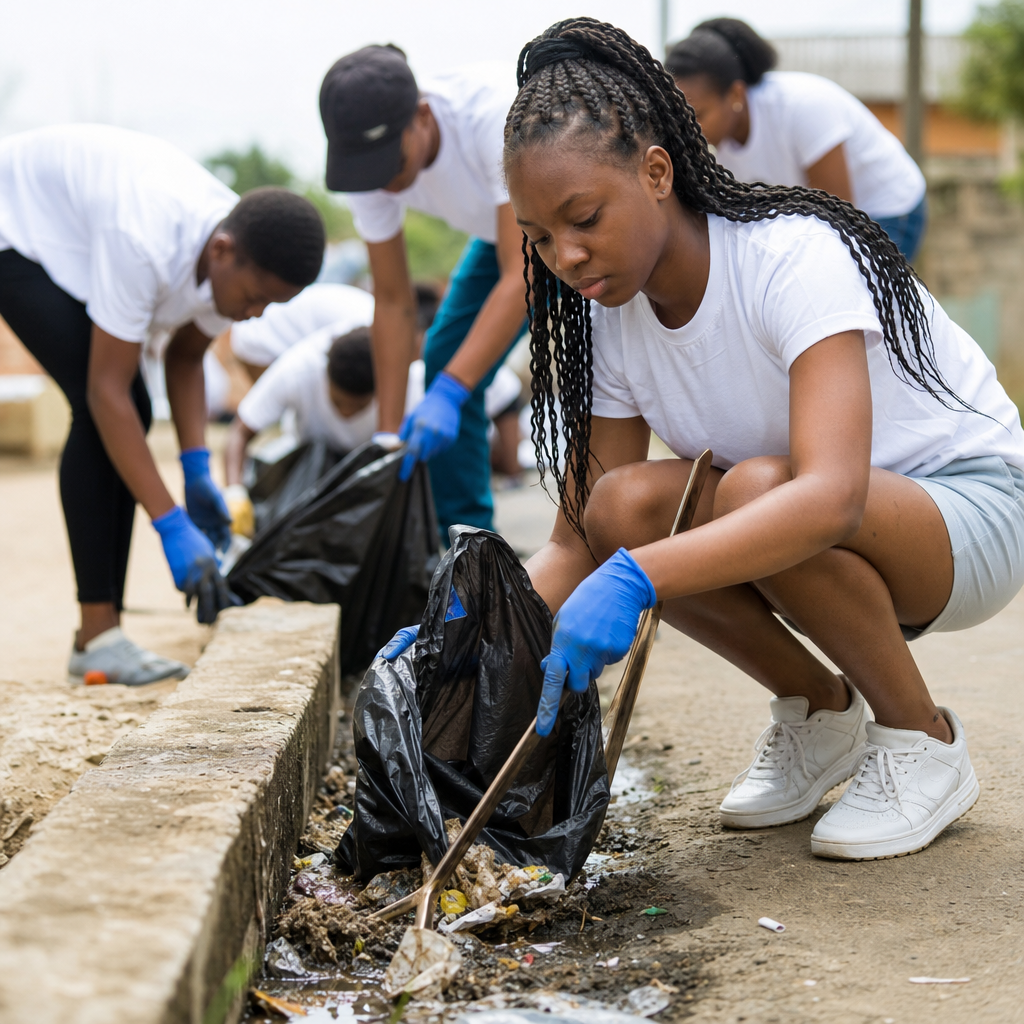
A complete hub also points toward civic action. Older students can learn how to read a water bill, report a leak to a utility, participate in a community clean-up, or present school audit findings to local officials. These actions make education relevant and measurable. They show children that responsible water use is not limited to private behavior; it also includes participating in systems that keep services reliable, fair, and safe.
How to measure whether education is actually working
The best water conservation and sanitation programs evaluate behavior, not just attendance or test scores. Knowledge matters, but real success looks like fewer running taps, cleaner toilets, more consistent handwashing, safer stored water, and faster reporting of maintenance problems. In schools, simple indicators can include soap availability, functionality of handwashing stations, student observation checklists, toilet cleanliness scores, and monthly water use trends adjusted for enrollment and season.
Behavior change should be measured carefully. If students know they are being watched, they may perform ideal habits temporarily. To reduce this bias, schools can combine spot checks, infrastructure records, and anonymous student feedback. Families can also report whether children remind others to save water or wash hands, though self-reports should be cross-checked with observable changes such as repaired leaks or designated hygiene areas at home. Public health teams often use Knowledge, Attitudes, and Practices surveys, but these are strongest when paired with direct observation and facility assessment.
Programs should expect limitations. Education alone cannot solve chronic water shortages, broken sewer networks, or unaffordable service connections. When lessons fail, the problem is often structural rather than motivational. That is not a reason to lower expectations; it is a reason to align education with maintenance budgets, infrastructure upgrades, inclusive design, and community feedback. The most effective approach is to teach children clearly, equip adults practically, and improve the physical systems that support healthy behavior. If you are building a community engagement strategy, start with schools, involve families early, measure real behaviors, and create the conditions that let children turn knowledge into lasting change.
Frequently Asked Questions
1. Why is it important to teach children about water conservation and sanitation at an early age?
Teaching children about water conservation and sanitation early helps shape habits that can last a lifetime. When children understand that clean water is limited and that proper hygiene and sanitation prevent illness, they begin to see how their daily actions affect their own health, their family, and the wider community. Simple routines such as turning off the tap while brushing teeth, reporting leaks, using toilets properly, and washing hands with soap after using the bathroom can significantly reduce water waste and lower the spread of germs.
Early education also makes these ideas feel normal rather than optional. Children are often highly receptive to routines, and once good habits are established, they are more likely to carry them into adolescence and adulthood. In many homes and schools, children can also become positive influencers by reminding others to save water, keep facilities clean, and practice healthy hygiene behaviors. Over time, this creates a ripple effect that supports public health, protects local water resources, and encourages a stronger sense of responsibility toward the environment.
2. What are the best ways to explain water conservation to children in simple, practical terms?
The best way to explain water conservation to children is to connect it to everyday life. Rather than using only abstract environmental language, it helps to show them that water is needed for drinking, cooking, bathing, cleaning, growing food, and staying healthy. You can explain that conserving water means using only what is needed and avoiding waste so there is enough clean water for everyone now and in the future. Children usually understand the concept more easily when it is tied to actions they can control.
Practical examples work especially well. You might teach them to turn off the tap while brushing their teeth, take shorter showers, use a cup when rinsing, and tell an adult if they notice a dripping faucet. Activities such as measuring how much water is wasted from a running tap or comparing a full faucet to a quick hand rinse can make the lesson concrete. Visuals, games, and family challenges can also reinforce the message. When children see that saving water is not about fear or restriction, but about smart and respectful use, they are more likely to participate willingly and consistently.
3. How can parents and teachers teach children the connection between sanitation, hygiene, and disease prevention?
Parents and teachers can teach this connection by showing that sanitation and hygiene are not separate from health—they are one of the main reasons people stay well. Children can understand that germs spread through dirty hands, unsafe toilets, contaminated water, and poor waste disposal. Explaining that handwashing with soap, using clean toilets, and keeping water sources uncontaminated help stop germs from entering the body makes the concept easier to grasp. The goal is to present sanitation not as a punishment or chore, but as a practical system that protects everyone.
Demonstrations are especially effective. For example, adults can model proper handwashing before eating and after using the toilet, explain why toilets should be flushed or cleaned properly, and show why wastewater and trash should be managed safely. In schools, routines such as scheduled handwashing, bathroom cleanliness checks, and age-appropriate lessons on how illness spreads can reinforce the message. It is also important to use calm, clear language so children do not feel ashamed asking questions. When they understand that sanitation and hygiene reduce stomach illnesses, infections, and missed school days, the importance becomes much more real and memorable.
4. What simple activities can help children practice water-saving and sanitation habits every day?
Daily practice is one of the most effective ways to turn lessons into lasting behavior. Children can participate in simple water-saving activities such as turning off taps tightly, using only the water they need, helping water plants with leftover clean water when appropriate, and timing their handwashing or toothbrushing so the tap is not left running unnecessarily. Families and teachers can create charts or reward systems that track habits like reporting leaks, taking shorter showers, or remembering to use a cup for rinsing. These activities help children see that small actions add up.
For sanitation, regular routines are equally important. Children can be taught to wash their hands with soap at key times, keep toilet areas clean, dispose of tissues and waste properly, and avoid throwing trash into drains or water sources. In classrooms, role-playing, songs, posters, and visual reminders near sinks and toilets can reinforce these habits. At home, involving children in age-appropriate cleaning and hygiene routines can strengthen both understanding and responsibility. The most effective activities are consistent, practical, and easy to repeat, because repetition is what turns awareness into habit.
5. How can communities and schools support children in learning about water conservation and sanitation?
Communities and schools play a major role because children learn best when the same messages are reinforced in multiple places. A child may hear about saving water at school, but the lesson becomes stronger when similar practices are encouraged at home, in community centers, and in public spaces. Schools can support learning by providing clean toilets, handwashing stations with soap, safe drinking water, and lessons that explain why these facilities matter. When children can practice what they are taught in a clean and functional environment, the education becomes more meaningful and credible.
Community support can include public awareness campaigns, child-friendly workshops, school garden projects, water-use monitoring activities, and partnerships with health workers or environmental groups. Adults should also model the behaviors they want children to adopt, such as fixing leaks, keeping shared sanitation facilities clean, and using water responsibly. When children see a consistent standard around them, they understand that water conservation and sanitation are shared responsibilities rather than individual tasks. This kind of support not only improves knowledge, but also builds a culture of health, environmental care, and respect for community resources.