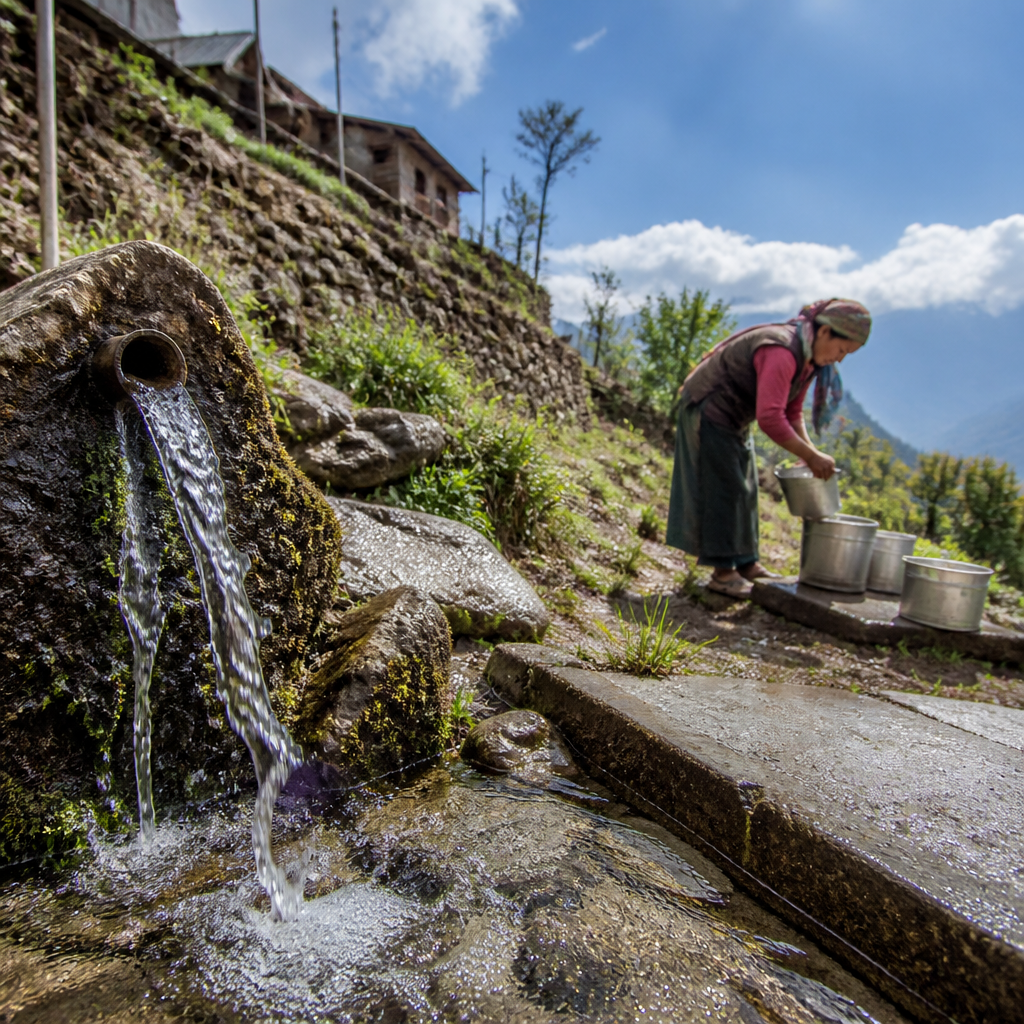
Celebrating sanitation achievements in community gatherings turns a technical public health subject into something visible, social, and motivating. In the context of community engagement and education, sanitation means the systems and everyday behaviors that safely manage human waste, wastewater, solid waste, hand hygiene, and the cleanliness of shared spaces. Community gatherings include village meetings, school events, faith-based assemblies, neighborhood cleanups, market days, and municipal recognition ceremonies. When these spaces are used to recognize progress, sanitation stops being an invisible service and becomes a shared civic success. That shift matters because communities sustain what they understand, value, and publicly defend.
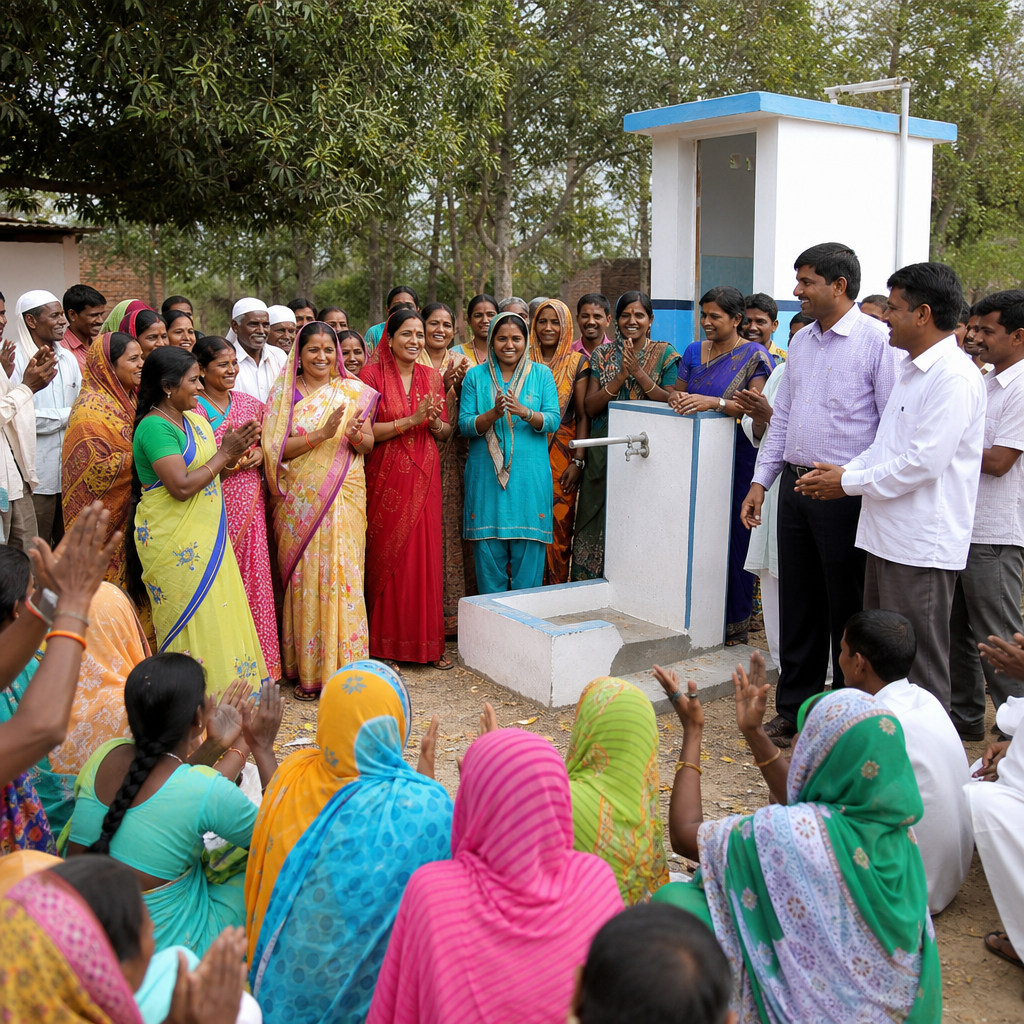
I have seen sanitation projects gain more traction after one well-run public celebration than after months of distributing flyers. A clean water point inauguration, a school handwashing award, or a neighborhood composting showcase can translate abstract goals into concrete local pride. This article serves as a hub for educating for change within community engagement and education. It explains how to celebrate sanitation achievements in ways that teach, not just entertain; how to document results that stand up to scrutiny; how to involve residents, schools, health workers, and local leaders; and how to connect recognition events to lasting behavior change. Done properly, these gatherings reinforce health, dignity, environmental protection, and trust in local institutions.
Sanitation achievements worth celebrating range from ending open defecation in a settlement to improving toilet maintenance in schools, reducing drain blockages, increasing menstrual hygiene support, training pit emptiers in safer practices, or achieving better waste segregation at markets. The key is not ceremony for its own sake. The gathering should answer practical questions people already have: What improved? Who contributed? How do we keep standards high? What still needs work? A strong event creates recognition, accountability, and education at the same time, which is why it belongs at the center of any serious educating-for-change strategy.
Why public celebration accelerates sanitation behavior change
Public celebration works because sanitation behaviors are social, not merely individual. People are more likely to maintain toilets, wash hands with soap, pay small user fees, separate waste, or report broken infrastructure when those actions are normalized and associated with community identity. Behavioral science supports this. Social proof, public commitment, and positive reinforcement consistently improve uptake of health practices when infrastructure exists. In sanitation, that means a recognition event can strengthen both norms and maintenance. A ward that publicly rewards clean communal toilets sends a clear message: cleanliness is expected, noticed, and respected.
There is also a practical governance benefit. Sanitation often suffers from a visibility problem. Residents see a blocked drain or dirty latrine, but they may not see the work required to organize desludging schedules, train caretakers, inspect facilities, or manage waste collection routes. Community gatherings make invisible labor visible. When sanitation workers, school janitors, volunteers, women’s groups, and youth leaders are publicly thanked, communities better understand what good service requires. That understanding can translate into better facility use, less vandalism, and stronger support for local sanitation budgets.
I have found that celebrations are most effective when they focus on specific, observable outcomes. Instead of announcing that a village “improved hygiene,” say that every household on three streets now has access to a functional latrine, two schools installed handwashing stations with soap, market vendors adopted waste sorting, and the clinic reported fewer diarrhea cases during the quarter. Clear outcomes make celebration credible. They also give local journalists, teachers, and leaders language they can repeat accurately after the event.
What achievements should be recognized
Not every sanitation milestone deserves the same kind of celebration, and communities should avoid rewarding appearances over substance. The best achievements combine measurable improvement, collective effort, and direct public benefit. Examples include verified toilet coverage, sustained toilet use, safe containment or emptying practices, cleaner school sanitation blocks, functioning handwashing points, improved menstrual hygiene facilities, reduced illegal dumping, safer drainage maintenance, and stronger inclusion for older adults and people with disabilities. If an achievement improves both infrastructure and daily behavior, it is especially suitable for recognition.
Evidence standards matter. Use checklists, inspection records, photos with dates, school attendance data, household verification, or municipal service logs. Public health teams often align indicators with guidance from WHO and UNICEF Joint Monitoring Programme concepts, even at a local level: service availability, accessibility, safety, and continuity. A celebration built on weak evidence can backfire if residents know the toilets are nonfunctional or the waste is still dumped nearby. Trust is easier to lose than rebuild.
Recognition should also be distributed fairly. Communities often celebrate elected officials and donors while overlooking caretakers, cleaners, women’s savings groups, and informal waste workers who made the outcome possible. That is a missed educational opportunity. If people only see powerful figures rewarded, the gathering teaches that sanitation belongs to institutions alone. If they see student clubs, masons, pump operators, health volunteers, and sanitation workers recognized too, the gathering teaches that change is collective and practical.
| Achievement | How to verify it | What the gathering should teach |
|---|---|---|
| School toilet improvement | Facility inspection, cleaning logs, student feedback | Maintenance routines matter as much as construction |
| Handwashing adoption | Soap availability checks, observation, class monitoring | Daily habits prevent disease transmission |
| Cleaner market waste systems | Vendor compliance checks, collection records, photos | Shared commercial spaces need shared responsibility |
| Safer fecal sludge management | Licensed emptier records, PPE use, disposal documentation | Safe handling protects workers and neighborhoods |
| Inclusive sanitation access | Accessibility audit, user interviews | Facilities must work for everyone, not average users only |
How to design gatherings that educate while they celebrate
A sanitation event should be planned like a learning environment, not just a ceremony. Start with one core message and three supporting messages. For example: “Our community reduced contamination by improving toilet use and hand hygiene.” Supporting messages might cover facility maintenance, child health, and the role of households in keeping drains clear. Every speech, banner, demonstration, and award should reinforce those points. When event messaging is scattered, people remember the music and refreshments but not the sanitation lesson.
Use plain language and visible demonstrations. At school events, I prefer live handwashing demonstrations with soap and running water over posters alone. At market gatherings, waste sorting stations labeled with actual local materials work better than abstract instructions. At neighborhood meetings, a side-by-side display of a well-maintained pit latrine slab and a damaged one helps people understand safety and durability. Demonstrations answer the practical question residents silently ask: what exactly should I do differently tomorrow?
Good event design also respects local culture without diluting the health message. Faith leaders can connect cleanliness to stewardship, teachers can connect it to attendance and learning, and health workers can connect it to disease prevention. Traditional songs, drama, and local language storytelling often increase recall, especially where literacy levels vary. The lesson is not to simplify sanitation into slogans, but to translate sound technical practice into forms people trust and remember.
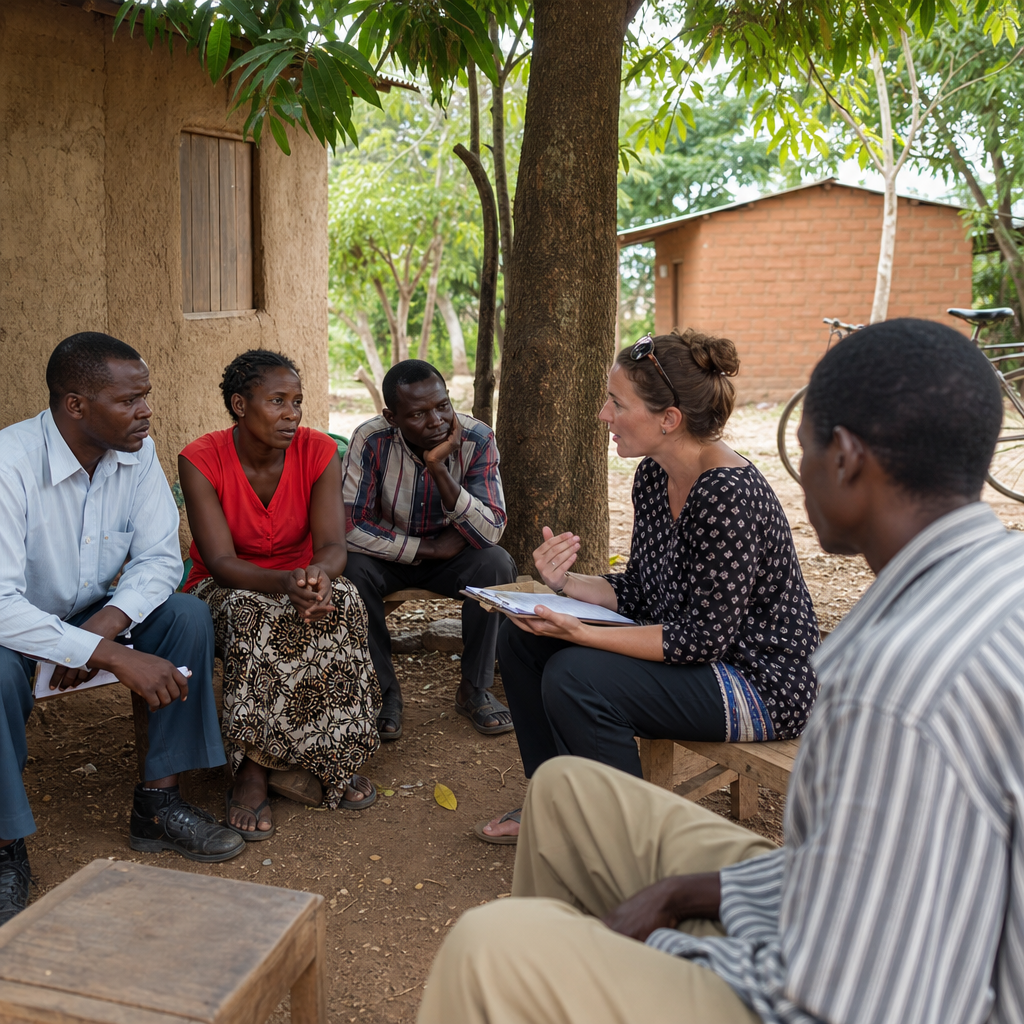
Finally, build interaction into the program. Question-and-answer segments, pledge boards, student exhibits, and caretaker recognition moments create participation rather than passive listening. In my experience, one thoughtful audience question about who repairs a broken handwashing station can reveal more about local sustainability gaps than a polished keynote address. Gatherings should surface those questions and answer them publicly.
Who should be involved and what each group contributes
Effective sanitation celebrations are multi-stakeholder by design. Local government provides legitimacy, links recognition to policy, and can commit resources for maintenance or scale-up. Public health officers contribute surveillance data and risk communication. School leaders bring students and families into the learning loop. Community-based organizations mobilize volunteers and ensure harder-to-reach groups are represented. Faith leaders often shape local norms more quickly than technical staff can. Private operators, such as waste collectors or desludging providers, show residents what safe services look like in practice.
Sanitation workers deserve special attention. In many communities, the people who clean toilets, collect waste, or maintain drains are essential yet underrecognized. Featuring them respectfully changes the educational message. It teaches that sanitation is skilled labor tied to public safety and dignity, not background work to be ignored. That shift can improve cooperation from users and reduce stigma around sanitation occupations. It also creates a stronger foundation for discussions about protective equipment, fair pay, and safe working conditions.
Children and youth should not be included merely as performers. They are powerful educators inside households. Student health clubs can display monitoring charts for soap availability, lead tours of improved school facilities, or present short findings from peer surveys. Young people often notice usage issues adults miss, such as locks that do not work, lack of menstrual hygiene supplies, or taps placed too high for younger children. Giving them a substantive role improves both the event and the sanitation system itself.
Measuring impact before, during, and after the event
If a gathering is meant to educate for change, its impact should be measured. Start with baseline indicators before the event: toilet functionality rates, soap presence, school absenteeism linked to illness, number of blocked drains, waste collection compliance, or attendance at sanitation committee meetings. During the event, track participation, questions asked, materials distributed, commitments made, and which messages generated the most interest. After the event, return to the same indicators within a defined period, such as thirty, sixty, or ninety days.
Simple tools are often enough. KoboToolbox, Google Forms, ODK, and standard paper checklists can capture household visits or facility inspections. For schools, daily monitoring boards can track soap and cleaning supplies. For municipalities, work-order logs and complaint records show whether awareness is translating into action. The important point is consistency. Communities should not claim educational success because attendance was high if facility conditions remain unchanged two months later.
Qualitative evidence matters too. Short interviews with caretakers, students, market vendors, and persons with disabilities often reveal whether the event changed understanding or simply created a brief sense of excitement. I have seen events judged successful by organizers while users quietly reported that toilets remained inaccessible, unsafe at night, or impossible to keep clean because water was unavailable. Those realities must shape follow-up. Honest measurement protects credibility and helps future gatherings improve.
Common mistakes and how to avoid them
The most common mistake is celebrating outputs instead of outcomes. A ribbon-cutting for newly built toilets means little if the doors do not lock, there is no cleaning budget, and pits will not be safely emptied. Another frequent problem is excluding marginalized users. If women, girls, people with disabilities, renters, informal workers, or remote households are absent from planning, the event may reward progress that is not truly shared. That damages trust and misses the educational purpose of the gathering.
Token messaging is another risk. Communities sometimes overload events with generic phrases about cleanliness while avoiding practical issues such as tariff collection, maintenance responsibilities, menstrual hygiene management, worker safety, or disposal routes for fecal sludge. Residents notice when the difficult parts are omitted. Addressing tradeoffs directly is more persuasive. If the community needs small monthly contributions to keep toilets functional, say so. If drainage cleanup reduced flooding but requires stricter waste enforcement, explain that clearly.
Finally, do not let the event be the end of the story. The strongest gatherings point people toward next steps: committee sign-ups, maintenance schedules, school monitoring clubs, household inspections, or budget hearings. Recognition is powerful because it marks progress, but education only produces change when recognition is linked to routine action.
Celebrating sanitation achievements in community gatherings is one of the most practical ways to turn public health progress into lasting public commitment. When communities recognize verified improvements, explain them in plain language, involve the people who did the work, and connect celebration to clear next steps, they strengthen both knowledge and ownership. That is the heart of educating for change under community engagement and education: people learn best when they can see progress, understand how it happened, and believe they have a role in sustaining it.
The strongest sanitation gatherings do three things at once. They honor real achievement, they teach specific behaviors and responsibilities, and they create accountability for what comes next. They also elevate voices that are too often overlooked, especially sanitation workers, caretakers, women’s groups, students, and residents living with inadequate services. By grounding celebration in evidence and inclusivity, communities avoid empty ceremony and build trust instead.
If you are planning a sanitation event, start with one verified achievement, one clear educational message, and one follow-up action residents can join immediately. That simple structure keeps the gathering useful, credible, and repeatable. Use this hub as the starting point for your broader educating-for-change work, then adapt each event to local needs, data, and culture. Celebrate progress publicly, teach with precision, and make the next improvement easier to achieve.
Frequently Asked Questions
Why is it important to celebrate sanitation achievements during community gatherings?
Celebrating sanitation achievements during community gatherings helps turn an essential public health topic into something visible, relatable, and motivating. Sanitation work often happens quietly in the background, yet it affects nearly every part of daily life, from disease prevention and school attendance to neighborhood pride and environmental quality. When communities recognize progress in areas such as safe toilet use, handwashing, wastewater management, solid waste collection, and cleaner shared spaces, they reinforce the idea that sanitation is not just a technical service but a shared community success.
These celebrations also build momentum. Public recognition encourages households, schools, vendors, local leaders, sanitation workers, and youth groups to continue positive behaviors and practical improvements. A village meeting, school assembly, faith-based event, neighborhood cleanup, or market day can highlight measurable gains, such as reduced open dumping, improved access to handwashing stations, cleaner public toilets, or stronger participation in waste sorting. By making progress visible, gatherings help people connect everyday actions with broader health and community outcomes.
Just as importantly, celebration creates social ownership. When people hear their efforts acknowledged in front of neighbors and peers, sanitation stops feeling like an outside program and becomes part of local identity and pride. This can improve long-term participation, strengthen trust in community initiatives, and make it easier to discuss next steps honestly. In short, celebrating sanitation achievements is important because it recognizes hard work, strengthens behavior change, and keeps public health progress active in community life.
What kinds of sanitation achievements can be recognized at community events?
Community events can recognize a wide range of sanitation achievements, and the most effective celebrations highlight both infrastructure improvements and everyday behavior changes. On the infrastructure side, communities may celebrate newly built or repaired toilets, expanded wastewater drainage, improved solid waste collection points, cleaner school sanitation facilities, public handwashing stations, or safer disposal systems for household and market waste. These are important milestones because they show tangible progress that people can see and use.
Behavioral and social achievements are equally important to recognize. Examples include increased handwashing with soap at key times, better household toilet maintenance, reduction in open defecation or open dumping, stronger participation in neighborhood cleanups, improved menstrual hygiene support in schools, market vendors adopting cleaner waste practices, or families consistently keeping shared spaces free from litter and stagnant water. Communities can also celebrate successful education campaigns, youth leadership in cleanliness initiatives, or local committees that have improved monitoring and maintenance.
Recognition does not always need to focus only on large milestones. Smaller achievements often matter just as much because they demonstrate steady progress and local commitment. A school that keeps its washrooms clean for an entire term, a neighborhood that organizes regular cleanup days, a faith group that promotes hand hygiene, or a market association that improves waste handling all deserve visibility. The key is to define achievements in practical, inclusive terms so that many community members can see how their contribution fits into the larger sanitation effort.
How can community leaders make sanitation celebrations engaging rather than overly technical?
Community leaders can make sanitation celebrations engaging by connecting technical sanitation goals to everyday experiences people already understand. Instead of focusing only on formal terminology, they can talk about cleaner streets, safer drinking and washing environments, fewer bad smells, better school attendance, healthier children, and more dignified shared facilities. When sanitation is explained through daily life, people are more likely to relate to it, remember it, and support it.
Interactive formats work especially well. Leaders can include award presentations, storytelling from residents, school performances, demonstrations of proper handwashing, recognition of sanitation workers, before-and-after photo displays, or short testimonies from teachers, health volunteers, and market vendors. Community mapping activities, sanitation quizzes, songs, drama, and youth-led presentations can also keep attention high while reinforcing practical messages. These approaches make sanitation education feel participatory rather than lecture-based.
It is also helpful to celebrate with evidence, but in a simple and accessible way. For example, leaders can share clear results such as the number of households now using improved toilets, the reduction in waste hotspots, the number of schools with functioning handwashing points, or the increase in participation during cleanup campaigns. Presenting results in plain language, with posters or visual charts, allows the event to stay informative without becoming difficult to follow. The best sanitation celebrations are those that combine accuracy, community pride, practical examples, and a sense of shared achievement.
Who should be involved in planning and participating in sanitation-focused community gatherings?
Sanitation-focused community gatherings are most effective when they involve a broad mix of participants, because sanitation affects everyone and depends on shared responsibility. Planning should ideally include local government representatives, public health workers, teachers, school administrators, sanitation staff, community elders, faith leaders, women’s groups, youth leaders, neighborhood associations, market committees, and people with direct experience using or maintaining local sanitation systems. Bringing these groups together helps ensure that the gathering reflects real community priorities and practical needs.
Participation should also be intentionally inclusive. Households, children, older adults, people with disabilities, informal workers, vendors, and residents of underserved areas should all have a voice in the event. This matters because sanitation barriers are not the same for everyone. Some people may face accessibility challenges, others may lack consistent services, and others may carry most of the responsibility for cleaning, caregiving, or waste management. Inclusive planning helps the event highlight solutions that are realistic and fair, rather than recognizing only the most visible contributions.
Another important group to involve is the people whose work is often overlooked, especially sanitation workers, cleaners, maintenance teams, waste collectors, and volunteers who support hygiene promotion. Publicly recognizing their efforts can improve respect for essential labor and encourage stronger support for sanitation systems overall. When planning and participation are broad-based, the gathering becomes more than a ceremony. It becomes a platform for education, accountability, appreciation, and stronger community cooperation around sanitation goals.
How can communities sustain progress after celebrating sanitation achievements?
Celebration should be treated as a milestone, not an endpoint. To sustain progress, communities need to link recognition with practical follow-up actions. This starts with identifying what specifically worked well, whether it was stronger household participation, better school hygiene routines, improved maintenance of toilets, more reliable waste collection, or successful local education campaigns. Once these strengths are clear, community leaders can set the next round of realistic goals and assign responsibilities for keeping improvements in place.
Ongoing monitoring is essential. Communities can use simple systems such as monthly check-ins, sanitation committees, school hygiene clubs, neighborhood reporting, or public scoreboards to track whether facilities remain functional and whether positive behaviors continue. Maintenance plans should be clear, including who cleans shared facilities, who reports repairs, how waste is collected, and what resources are available for upkeep. Without these systems, even successful improvements can fade over time.
Continued education and recognition also play an important role. Follow-up messaging through schools, faith gatherings, local meetings, municipal outreach, and market activities can keep sanitation visible in everyday life. Communities may choose to offer periodic recognition for consistent performance, innovation, or improvement, which helps reinforce good habits beyond a single event. Sustained progress comes from combining celebration with accountability, education, budgeting, maintenance, and inclusive leadership. When communities do this well, sanitation achievements become part of a lasting culture of health, dignity, and shared responsibility.