The interconnection of hygiene and nutrition shapes health more profoundly than most people realize. Hygiene refers to the practices that reduce exposure to harmful microorganisms and contaminants, while nutrition is the intake and use of food, water, and essential nutrients that sustain growth, immunity, and energy. In sanitation work, these two subjects cannot be separated. Clean hands, safe water, sanitary food storage, and hygienic kitchens determine whether nutritious food actually nourishes the body or becomes a vehicle for disease. I have seen well-designed feeding programs underperform simply because diarrhea, food contamination, and poor household sanitation prevented children and adults from absorbing the nutrients provided.
This matters across every setting: homes, schools, farms, clinics, refugee camps, restaurants, and food factories. A balanced meal loses much of its value if it is prepared on contaminated surfaces or eaten with unwashed hands. Likewise, strong hygiene habits can protect health, but they cannot fully compensate for chronic undernutrition, micronutrient deficiencies, or unsafe infant feeding practices. The connection works both ways. Poor hygiene increases infection risk, and infection reduces appetite, impairs digestion, damages the gut lining, and raises nutrient requirements. Repeated illness can trigger weight loss, stunting in children, anemia, fatigue, and delayed recovery.
Public health data consistently supports this relationship. Diarrheal disease remains a leading cause of illness worldwide, and unsafe water, inadequate sanitation, and poor hygiene are major contributors. At the same time, undernutrition is linked to a large share of child deaths because it weakens immune defenses and makes common infections more dangerous. The practical lesson is straightforward: food safety, personal hygiene, environmental cleanliness, and adequate nutrient intake must be addressed together. This hub article explains how hygiene and nutrition interact, where the biggest risks appear, what standards guide best practice, and which actions households, institutions, and communities can take to improve health outcomes.
How hygiene influences nutrient absorption and overall health
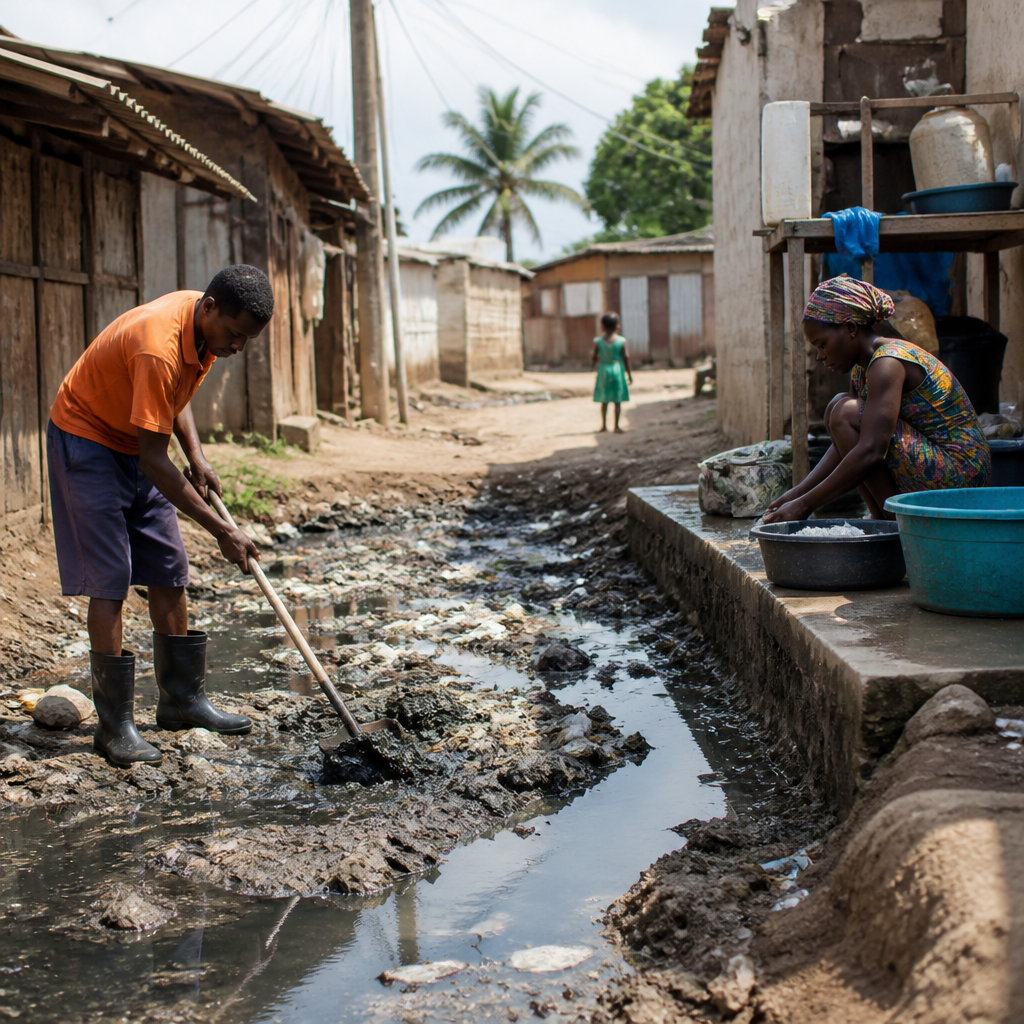
Hygiene affects nutrition first through infection control. When pathogens from feces, dirty water, spoiled food, pests, or contaminated hands enter the body, the immune system diverts energy and nutrients away from growth and daily function. Diarrhea speeds the loss of fluids, electrolytes, zinc, and other nutrients before the body can absorb them. Vomiting further reduces intake. Fever increases metabolic demand. In children, frequent intestinal infections can contribute to environmental enteric dysfunction, a chronic inflammatory condition of the small intestine associated with poor nutrient absorption and stunted growth.
In practical terms, this is why soap at a handwashing station can be as important as food on a plate. The World Health Organization and UNICEF have long emphasized that water, sanitation, and hygiene interventions support nutrition outcomes by reducing disease exposure. In community programs I have evaluated, households that adopted reliable handwashing before cooking and feeding, safe disposal of child feces, and routine cleaning of utensils often showed fewer gastrointestinal episodes within months. That reduction translated into better appetite, more consistent school attendance, and improved benefit from the same household food budget.
Hygiene also influences food quality before eating begins. Fresh produce washed with unsafe water can carry bacteria or parasites. Cooked grains held at room temperature for hours may allow Bacillus cereus to multiply. Raw poultry juices can contaminate salads through cutting boards and knives. Infant formula prepared with unboiled unsafe water can expose babies to severe infection. Good nutrition therefore depends not only on what foods are chosen but on how they are sourced, prepared, stored, served, and reheated.
Why nutrition supports hygiene-related resilience
The relationship runs in the other direction as well. Adequate nutrition helps the body resist and recover from infections linked to poor hygiene. Protein supports tissue repair and the production of enzymes, antibodies, and immune cells. Vitamin A helps maintain mucosal barriers in the respiratory and gastrointestinal tracts. Zinc supports immune response and intestinal repair, which is why zinc supplementation is often recommended alongside oral rehydration for childhood diarrhea. Iron supports oxygen transport, though iron interventions require care in infection-prone settings because context matters. Folate, vitamin B12, iodine, selenium, and vitamin D all contribute to essential physiological functions that influence resilience.
Malnutrition weakens defense systems quickly. Children with wasting are at far higher risk of severe outcomes from common infections. Adults with low dietary diversity may experience slower wound healing and prolonged illness. Pregnant women facing both anemia and repeated gastrointestinal infections have increased risk of poor maternal and fetal outcomes. Older adults are especially vulnerable because reduced appetite, medication use, dental issues, and dehydration can combine with lower immunity. In each case, sanitation and nutrition planning should be integrated rather than handled as separate checklists.
A useful way to explain this to families is simple: hygiene lowers the number of health threats entering the body, while nutrition strengthens the body’s ability to respond to the threats that do get through. Neither strategy is complete alone. Communities that improve latrine access but ignore food insecurity will still see preventable illness. Households that prioritize expensive foods but overlook water treatment, refrigeration limits, and handwashing may keep facing the same cycle of sickness and poor growth.
Critical hygiene points across the food chain
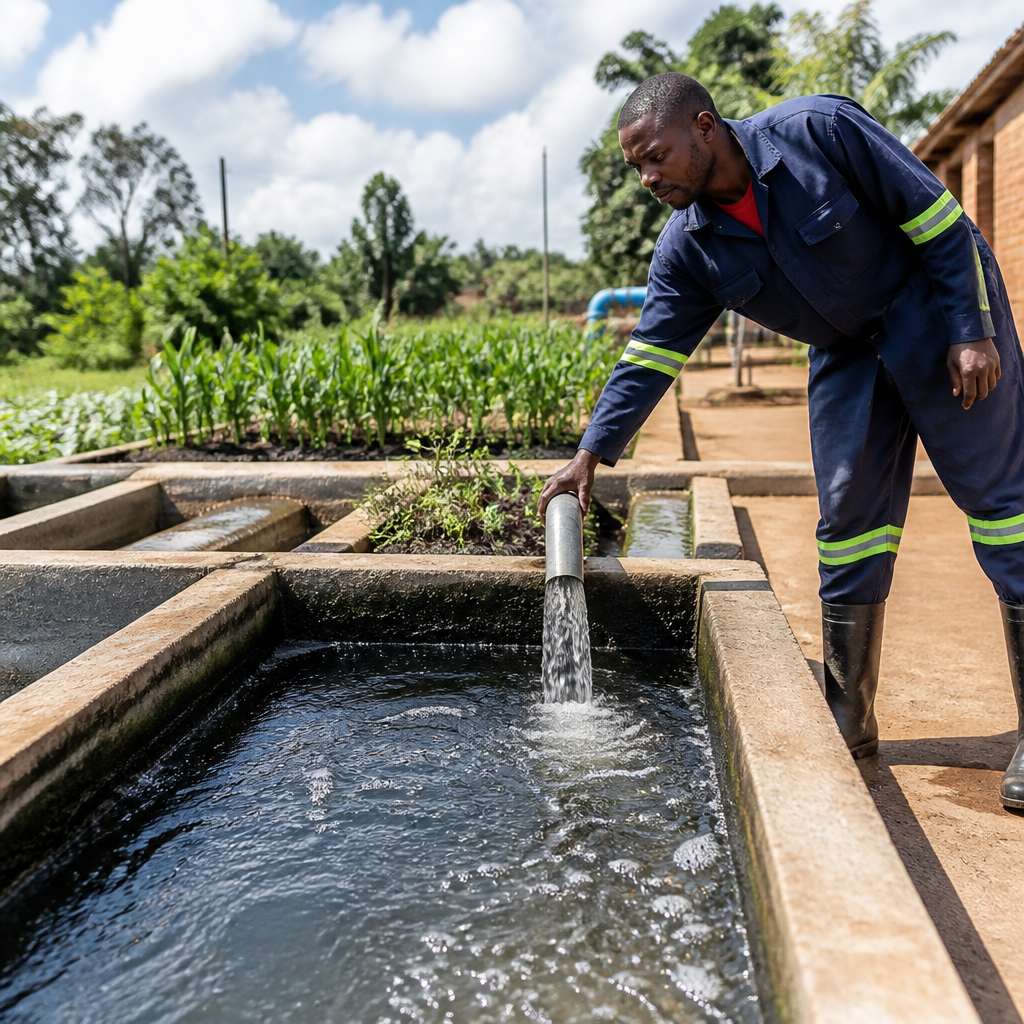
The food chain includes production, transport, storage, preparation, serving, and leftovers management. At every stage, contamination can undermine nutrition. Farmers need clean irrigation sources, safe manure handling, and protection of harvested crops from animals and moisture. Vendors need temperature control, clean display surfaces, and pest management. Households need separation of raw and cooked foods, safe thawing, proper cooking temperatures, and storage that keeps perishable items below 5 degrees Celsius where refrigeration is available.
The Hazard Analysis and Critical Control Points system, widely used in food safety management, is valuable even at a simplified household level because it focuses attention on specific moments where risk can be prevented. The WHO Five Keys to Safer Food also remain highly practical: keep clean, separate raw and cooked, cook thoroughly, keep food at safe temperatures, and use safe water and raw materials. These are not abstract rules. They directly protect nutritional value by preventing illness and food waste.
| Critical point | Common hygiene failure | Nutrition consequence | Practical control |
|---|---|---|---|
| Water for cooking | Using untreated contaminated water | Diarrhea, poor absorption, dehydration | Boil, filter, chlorinate, or use verified safe supply |
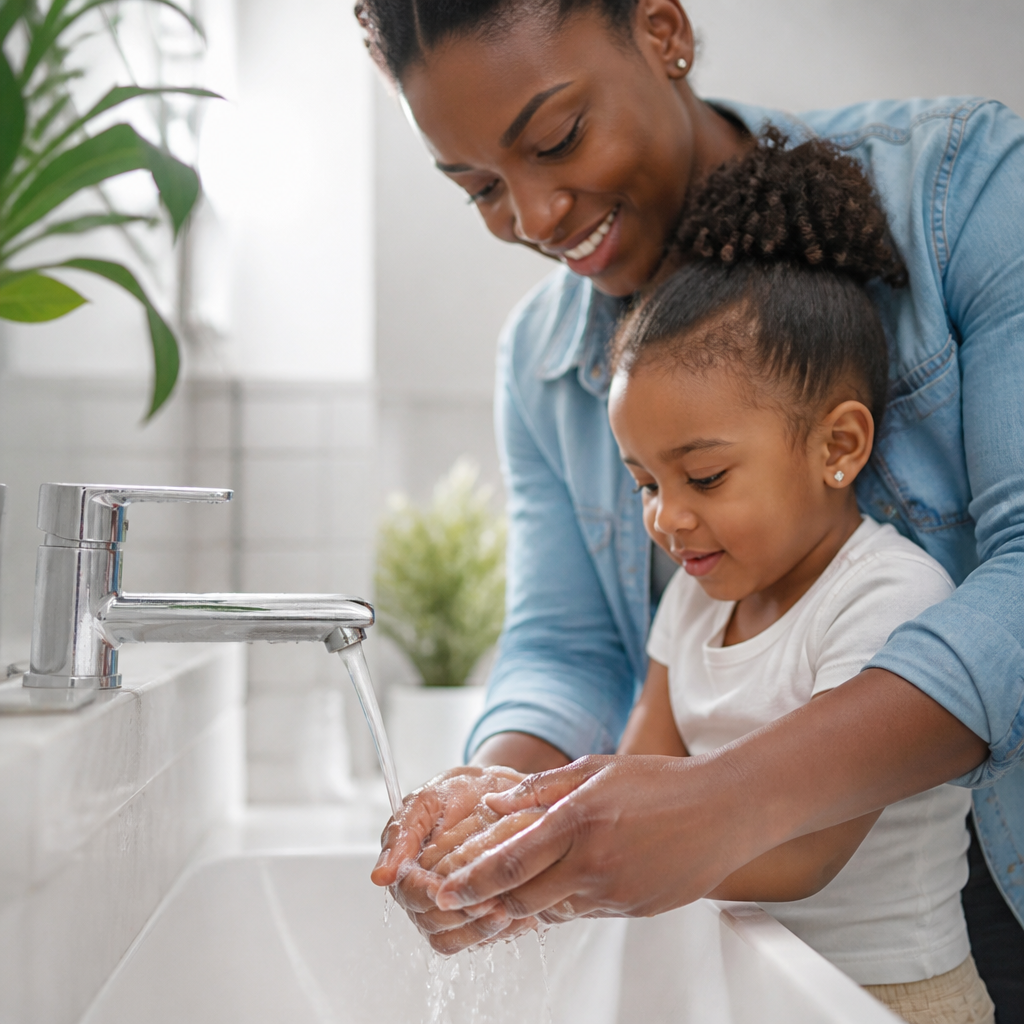
| Handwashing | No soap before meal preparation or feeding | Pathogen transfer to food, repeated illness | Wash with soap for at least 20 seconds |
| Raw and cooked foods | Shared cutting boards or utensils | Cross-contamination that offsets dietary benefits | Separate tools and sanitize surfaces |
| Leftovers | Holding food too long at room temperature | Foodborne illness and wasted food resources | Cool quickly, refrigerate, reheat thoroughly |
| Infant feeding equipment | Poor cleaning of bottles and cups | High infection risk during a sensitive growth period | Sterilize equipment and prepare feeds safely |
Household sanitation, child feeding, and vulnerable groups
The strongest evidence of the hygiene and nutrition connection often appears in early childhood. Infants and young children have immature immune systems, frequent hand-to-mouth behavior, and high nutrient needs relative to body size. If complementary foods are introduced with poor hygiene, contamination risk rises sharply. I have repeatedly found that caregivers focus on food type but underestimate the danger of feeding a child with an unwashed spoon, storing porridge for too long, or preparing formula with unsafe water. These small routine errors can cause frequent illness that slows growth even when calorie intake appears adequate.
Breastfeeding offers both nutritional and hygienic advantages because it provides ideal nutrient composition and reduces exposure to contaminated water, bottles, and utensils. When breastfeeding is not possible or is combined with other feeding methods, safe preparation becomes critical. Cups are often easier to clean thoroughly than bottles with teats. Caregivers should wash hands before feeding, use freshly prepared food, avoid partial feeds sitting for long periods, and clean high-touch surfaces where children eat and crawl. Safe disposal of child feces is equally important because infant stools can carry significant pathogen loads.
Schools, eldercare facilities, and hospitals also require focused attention. School meal programs succeed best when handwashing stations function, toilets are maintained, and food handlers follow basic sanitation controls. In eldercare settings, undernutrition and infection can reinforce each other rapidly. In hospitals, malnourished patients face slower recovery, while poor hygiene raises the risk of healthcare-associated infections. Every institutional feeding system should treat sanitation as part of nutritional care, not as a background maintenance issue.
Water quality, kitchen practice, and everyday prevention
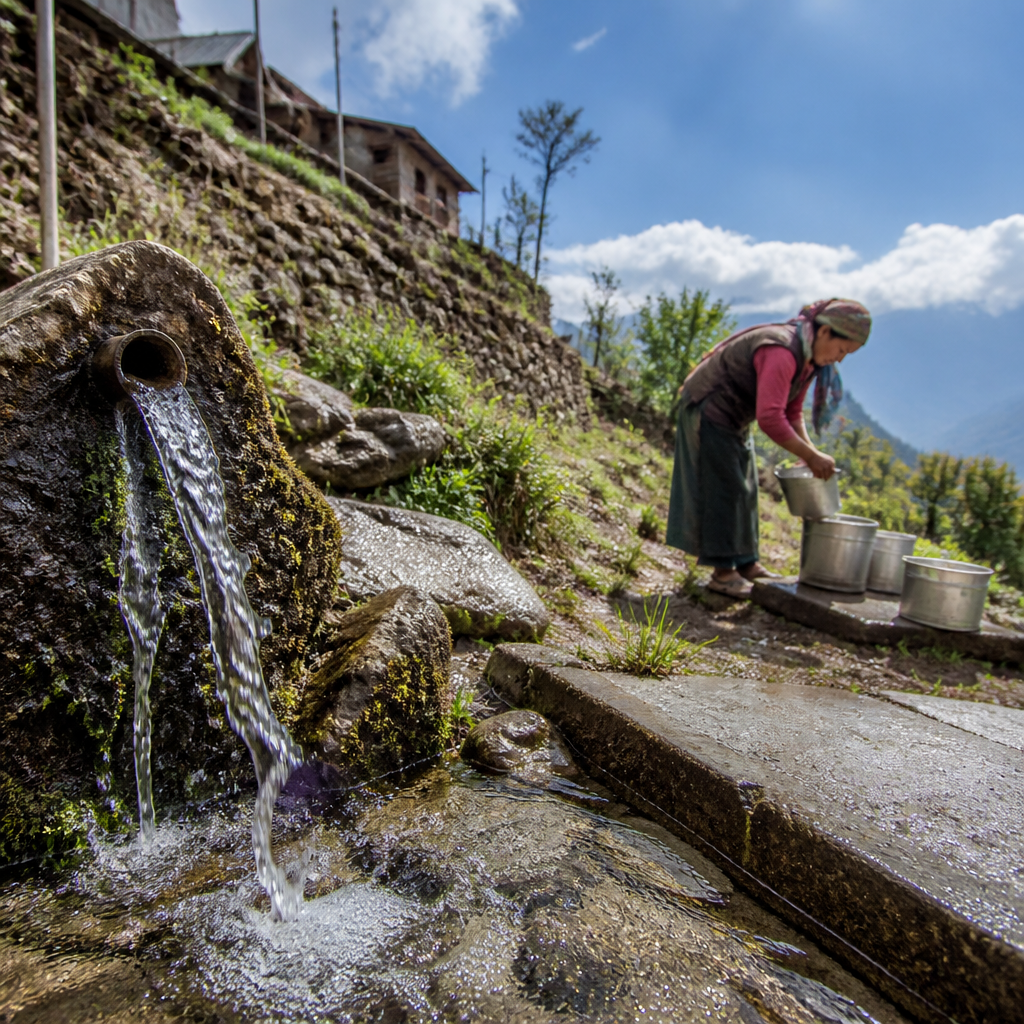
For most households, the most effective improvements are simple, repeatable, and affordable. Safe water is first. If piped water quality is uncertain, treatment and clean storage matter as much as collection source. A covered narrow-neck container with a tap is safer than dipping cups into an open bucket. In kitchens, routine cleaning should target the highest-risk items: knives, cutting boards, cloths, sinks, containers, and hands. Cloths deserve special attention because damp reusable towels often spread bacteria between surfaces.
Temperature control is another daily barrier against foodborne disease. Perishable foods should not stay in the danger zone, generally between 5 and 60 degrees Celsius, longer than necessary. Reheating should bring food to steaming hot throughout. Freezing stops bacterial growth but does not reliably kill all pathogens, so thawed food still requires proper cooking. Dry goods need protection from moisture, rodents, and insects because contamination and spoilage reduce both safety and nutrient retention.
Nutrition choices should align with hygiene realities. In areas without refrigeration, families may benefit more from smaller frequent purchases than large batches of highly perishable food. In emergency settings, ready-to-use therapeutic foods are valuable partly because they reduce preparation and contamination risks. In urban households, meal planning can lower waste and reduce the temptation to consume unsafe leftovers. The best sanitation strategies fit actual living conditions, fuel costs, water access, literacy levels, and cultural food habits.
Building integrated sanitation and nutrition systems
At policy and program level, the strongest results come from integration. Nutrition counseling should include handwashing, water treatment, food storage, and safe feces disposal. Sanitation campaigns should explain the health and growth benefits of reduced infection, not only the cleanliness benefits. Health workers, community volunteers, school administrators, and food business operators need shared messages so families hear one clear standard. Monitoring should track both hygiene behaviors and nutrition outcomes, including diarrheal incidence, dietary diversity, wasting, stunting, and anemia where relevant.
Recognized standards help organizations stay consistent. Codex Alimentarius guides food hygiene and food safety principles internationally. HACCP structures risk management in food operations. WHO guidance on safe food, oral rehydration, infant feeding, and water quality remains foundational. The most effective local programs adapt these standards to context rather than copying them rigidly. A rural village may need low-cost tippy taps and safer grain storage, while a hospital kitchen needs documented cleaning schedules, temperature logs, and staff training records.
The central lesson is clear: hygiene and nutrition are not parallel health issues but one connected system. Clean environments help nutrients reach the body and do their job. Good nutrition helps the body withstand hygiene-related threats and recover faster when illness occurs. When households and institutions improve both together, they see fewer infections, better growth, stronger immunity, lower food waste, and more value from every meal. Use this hub as a starting point, then audit your water, handwashing, food handling, and feeding practices so sanitation and nutrition work as one daily routine.
Frequently Asked Questions
1. How are hygiene and nutrition connected?
Hygiene and nutrition are deeply connected because the body can only benefit from food when that food is clean, safely handled, and consumed in a sanitary environment. Nutrition provides the vitamins, minerals, protein, fats, carbohydrates, and water the body needs for energy, growth, tissue repair, and immune defense. Hygiene protects those nutritional benefits by reducing exposure to harmful bacteria, viruses, parasites, and chemical contaminants that can enter food and water at any stage of preparation or storage.
For example, a meal may be rich in nutrients, but if it is prepared with unwashed hands, stored at unsafe temperatures, or exposed to contaminated surfaces, it can cause illness instead of supporting health. Diarrheal disease, vomiting, and intestinal infections often reduce the body’s ability to absorb nutrients properly. That means poor hygiene can directly undermine good nutrition, even when food quality appears adequate. In sanitation work, this relationship is especially important because the goal is not only to provide access to food, but to ensure that food truly nourishes rather than harms.
Put simply, hygiene safeguards nutrition. Clean water, handwashing, sanitary kitchens, and proper food handling all work together to make sure the nutrients people consume can actually be used by the body. When hygiene is neglected, the benefits of healthy eating are weakened. When hygiene is strong, nutrition becomes far more effective in supporting long-term health.
2. Why is handwashing so important for protecting nutrition and health?
Handwashing is one of the most powerful and practical hygiene measures because hands are a major route for the spread of germs. People constantly touch surfaces, raw foods, waste, shared tools, and their own face and body throughout the day. Without proper handwashing, harmful microorganisms can easily move from the hands onto food, drinking water containers, utensils, and kitchen surfaces. Once that contamination occurs, even a carefully planned and nutritious meal can become a source of infection.
Proper handwashing with soap and clean water helps prevent illnesses that interfere with the body’s ability to digest and absorb nutrients. Gastrointestinal infections can cause diarrhea, nausea, and inflammation, all of which reduce nutrient uptake and may lead to dehydration and weakness. In children, repeated infections caused by poor hygiene can contribute to growth problems and deficiencies over time. In adults, those same infections may reduce productivity, worsen existing health conditions, and increase vulnerability to further illness.
The most important times to wash hands include before preparing food, before eating, after using the toilet, after handling raw meat, after cleaning, after touching garbage, and after caring for someone who is ill. In sanitation and food safety settings, handwashing is not a minor routine; it is a frontline defense that protects both immediate health and the long-term value of the food people consume. If the goal is to make nutrition meaningful, clean hands are essential.
3. How does safe water affect both hygiene and nutrition?
Safe water is central to both hygiene and nutrition because it is used not only for drinking, but also for cooking, washing produce, cleaning utensils, maintaining sanitation, and supporting basic bodily functions. From a nutritional perspective, water is an essential nutrient in itself. It helps regulate temperature, transport nutrients, support digestion, remove waste, and maintain normal cellular activity. From a hygiene perspective, clean water is necessary to wash hands, clean food preparation areas, and reduce contamination risks throughout the kitchen and household environment.
When water is contaminated, it can carry bacteria, viruses, parasites, and harmful substances that turn daily eating and cooking into health risks. Washing vegetables in unsafe water, preparing infant formula with contaminated water, or drinking from unclean storage containers can all result in disease. These illnesses often lead to fluid loss, poor appetite, inflammation, and impaired nutrient absorption. In other words, unsafe water damages health twice: first by introducing contaminants, and second by weakening the body’s ability to use food effectively.
This is why water safety should never be treated as separate from food quality. Boiling water when necessary, using protected water sources, storing water in clean covered containers, and preventing cross-contamination during handling are all crucial steps. In homes, schools, healthcare settings, and sanitation systems, safe water strengthens hygiene practices and allows nutrition to do its job. Without safe water, even the best diet can be compromised.
4. What role does food storage and kitchen cleanliness play in preventing illness?
Food storage and kitchen cleanliness are essential because contamination often happens after food is purchased or cooked, not just before. A kitchen may appear tidy, but if cutting boards, counters, knives, cloths, refrigerators, or storage containers are not properly cleaned and managed, they can become breeding grounds for harmful microorganisms. These germs may spread to ready-to-eat foods, cooked meals, fruits, and leftovers, turning safe food into a source of disease.
Proper food storage helps control temperature, moisture, and exposure to pests and contaminants. Perishable foods should be refrigerated promptly, raw meats should be kept separate from foods that will not be cooked again, and leftovers should be stored in clean, covered containers. Dry goods should be protected from insects, rodents, and damp conditions that encourage spoilage or mold. Kitchen hygiene also includes regular cleaning of surfaces, safe disposal of waste, and routine sanitation of items that come into contact with food.
The nutritional consequences of poor storage and poor kitchen hygiene are often underestimated. Foodborne illness can cause short-term symptoms such as diarrhea and vomiting, but it can also contribute to longer-term nutritional problems by interfering with appetite, digestion, and absorption. In vulnerable groups such as children, older adults, pregnant women, and people with weakened immunity, the impact can be especially serious. Maintaining a clean kitchen and using safe storage practices ensures that food retains both its safety and its intended nutritional value.
5. Can good hygiene improve overall nutrition outcomes in families and communities?
Yes, good hygiene can significantly improve nutrition outcomes in both families and communities because it reduces the burden of preventable illness that often blocks the benefits of a healthy diet. Nutrition is not just about what is available to eat; it is also about whether the body can safely consume, digest, absorb, and use those nutrients. In environments where hygiene is poor, repeated exposure to contaminated food, water, and surfaces can lead to constant infections, especially gastrointestinal infections, which steadily weaken nutritional status over time.
At the family level, consistent hygiene practices such as handwashing, safe food preparation, clean feeding utensils, proper sanitation, and protected drinking water help children grow better and help adults stay healthier and more productive. Caregivers are more able to prepare and serve safe meals, and households are less likely to face the cycle of illness, dehydration, poor appetite, and nutrient loss. This is particularly important in early childhood, when repeated infections can affect growth and development during critical stages.
At the community level, better hygiene infrastructure and education can produce wider public health gains. Improved sanitation systems, reliable water access, cleaner schools, safer markets, and stronger food handling standards all help reduce disease transmission. When fewer people become sick from preventable causes, nutritional interventions are more successful, healthcare costs may decline, and overall resilience improves. That is why hygiene and nutrition should always be addressed together. They are not separate health topics; they are mutually reinforcing foundations of well-being.