Water quality and health in EcoSan systems are inseparable because every sanitation choice influences pathogens, nutrients, water demand, household safety, and the condition of surrounding soil and groundwater. Ecological sanitation, usually shortened to EcoSan, is a sanitation approach that treats human excreta as a resource stream rather than waste to be diluted and discharged. In practice, that means separating urine and feces when possible, limiting water use, promoting safe containment, encouraging treatment at the source, and reusing recovered nutrients under controlled conditions. I have worked with decentralized sanitation projects where the biggest public health gains did not come from expensive technology alone, but from reliable containment, clear maintenance routines, and water protection measures that fit daily life.
The health dimension matters because unsafe sanitation still drives diarrheal disease, helminth infection, environmental contamination, and avoidable exposure for women, children, older adults, and sanitation workers. Conventional systems can perform well, but they often depend on sewer networks, stable water supply, energy, and effective downstream treatment. EcoSan systems offer a different route, especially in water-scarce, peri-urban, flood-prone, and off-grid settings. They can reduce flushing water demand, limit direct discharge, and recover nitrogen, phosphorus, potassium, and organic matter. However, those benefits only hold when water quality is protected across the full chain: user interface, storage, treatment, transport, reuse, and monitoring. This hub explains how EcoSan improves health, where the risks remain, and what good practice looks like in homes, schools, farms, and community sanitation programs.
What EcoSan systems include and how they affect water quality
EcoSan is not one single toilet design. It includes urine-diverting dry toilets, alternating twin-vault toilets, composting toilets, container-based sanitation linked to resource recovery, and hybrid systems that use minimal water for cleansing while still keeping excreta streams separate. The core principle is source control. When excreta are contained near the point of generation, pathogens and nutrients are less likely to move quickly into drains, surface water, or shallow aquifers. That is the first water quality advantage. In several field programs I have reviewed, replacing poorly built pit latrines near wells with sealed urine-diverting units immediately reduced the obvious pathways for leachate infiltration during the rainy season.
Water quality risks vary by system design. Urine is usually low in pathogens compared with feces, but it can still become contaminated through cross-mixing or poor handling. Feces carry the main microbial hazard, including bacteria such as pathogenic Escherichia coli, viruses, protozoa, and helminths. A strong EcoSan design keeps these fractions separate, dry where intended, ventilated, and inaccessible to flies. Diversion pedestals or squat pans, watertight vaults, urine pipes with proper slope, soakage or storage designed to prevent overflow, and covers such as ash or dry soil all support safer operation. When these details are ignored, odors increase, insect vectors appear, and users may abandon the system, creating greater health risk than the toilet was meant to solve.
Compared with conventional pit latrines, well-managed EcoSan systems can lower nitrate loading to groundwater because nutrients are captured rather than left to leach. Compared with septic tanks, they can reduce wastewater generation where water is scarce. Yet EcoSan does not eliminate danger automatically. If urine storage tanks crack, if fecal vaults flood, or if untreated material is spread on crops, contamination simply shifts location. The public health value comes from disciplined barriers: correct construction, safe storage times, treatment, personal protective equipment, handwashing, and smart reuse restrictions.
Primary health pathways: pathogens, chemicals, and exposure points
The main health question people ask is simple: can EcoSan make disease transmission less likely? The answer is yes, if exposure pathways are broken at multiple points. Pathogens move through water, hands, food, soil, surfaces, insects, and tools. In sanitation risk assessments, the highest concern is usually fecal-oral transmission. EcoSan addresses this by preventing direct contact with fresh feces, reducing standing wastewater, and promoting treatment before reuse. The World Health Organization sanitation safety planning framework is useful here because it maps hazards along the service chain and ties them to practical control measures.
Microbial hazards deserve the most attention, but chemical risks also matter for water quality and health. Nitrate contamination in drinking water is associated with methemoglobinemia risk in infants and indicates broader nutrient pollution. Phosphorus discharged to surface waters fuels eutrophication, algal growth, and oxygen depletion. Salts and pharmaceutical residues can also enter reuse streams, particularly in urine-derived fertilizer applications. In most decentralized EcoSan settings, the strongest evidence supports careful nutrient recovery while acknowledging that trace contaminants require context-specific management. Source separation helps because it creates treatment options, but it does not remove the need for informed reuse decisions.
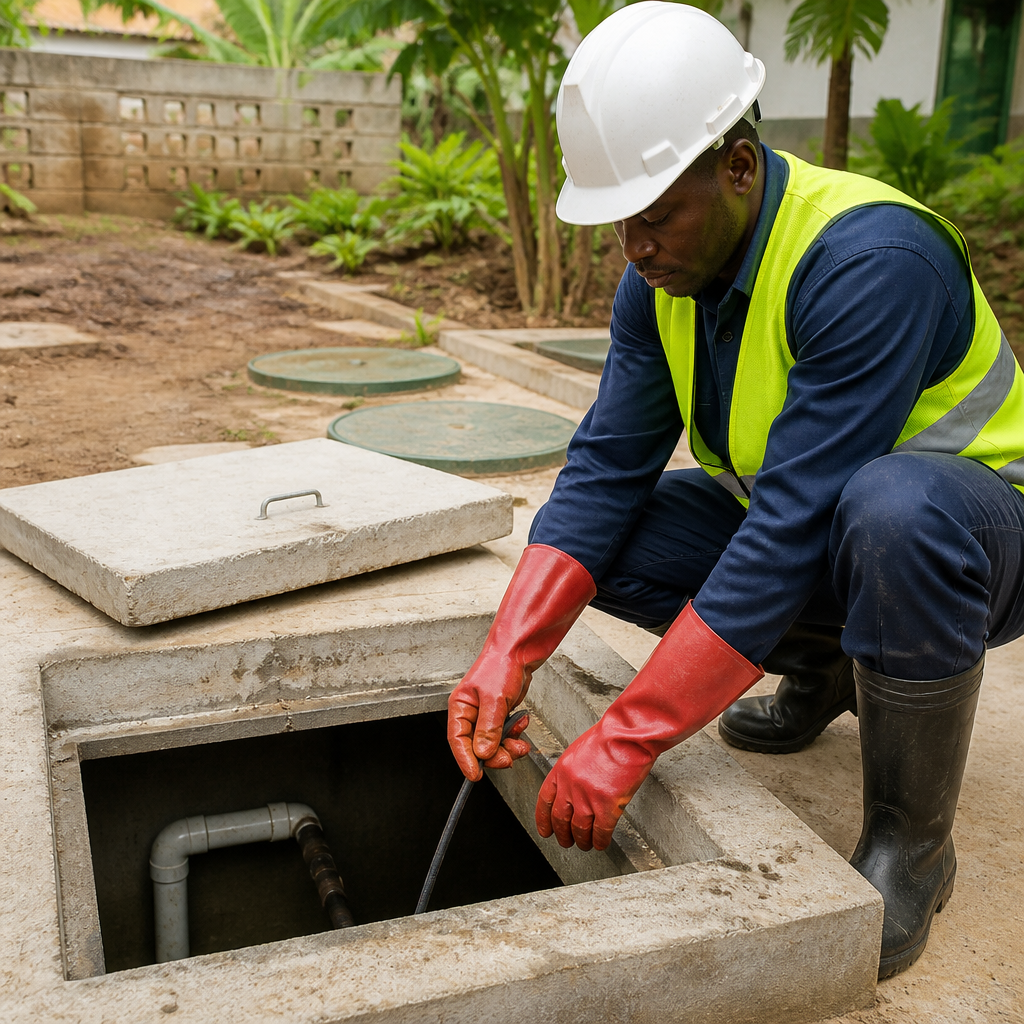
Exposure points differ by user group. Household members face risks during toilet use, anal cleansing, child feces disposal, and cleaning. Operators face risks during vault emptying, transport, and treatment. Farmers or gardeners may be exposed when applying urine or composted material, especially if they handle immature products without gloves or apply them to crops eaten raw. Children are a distinct concern because they explore storage areas, touch contaminated surfaces, and are more vulnerable to dehydration after diarrheal disease. Good EcoSan planning therefore considers behavior as seriously as engineering.
Design features that improve health outcomes
Health gains depend on design choices that are often small but decisive. Urine diversion is one of the most effective because it keeps the fecal vault drier, discourages smell, and supports faster dehydration. Dry conditions are hostile to many pathogens and make handling easier. Twin-vault systems provide another barrier by allowing one chamber to rest while the other is used. That resting time supports pathogen reduction before removal. In flood-prone areas, raised structures and sealed chambers are nonnegotiable because inundation can mobilize pathogens into yards, drains, and wells within hours.
Ventilation matters as much as containment. A properly sized vent pipe with fly screen reduces odor and insect breeding, which improves user acceptance and lowers vector contact. Access hatches should seal tightly but remain practical for emptying. Floors and slabs should be easy to clean, non-slip, and graded so wash water does not enter the fecal vault. Where water is used for anal cleansing, a separate drainage path is essential. One common failure I have seen is routing cleansing water into a dry vault; the result is wet sludge, strong odor, and poor pathogen die-off.
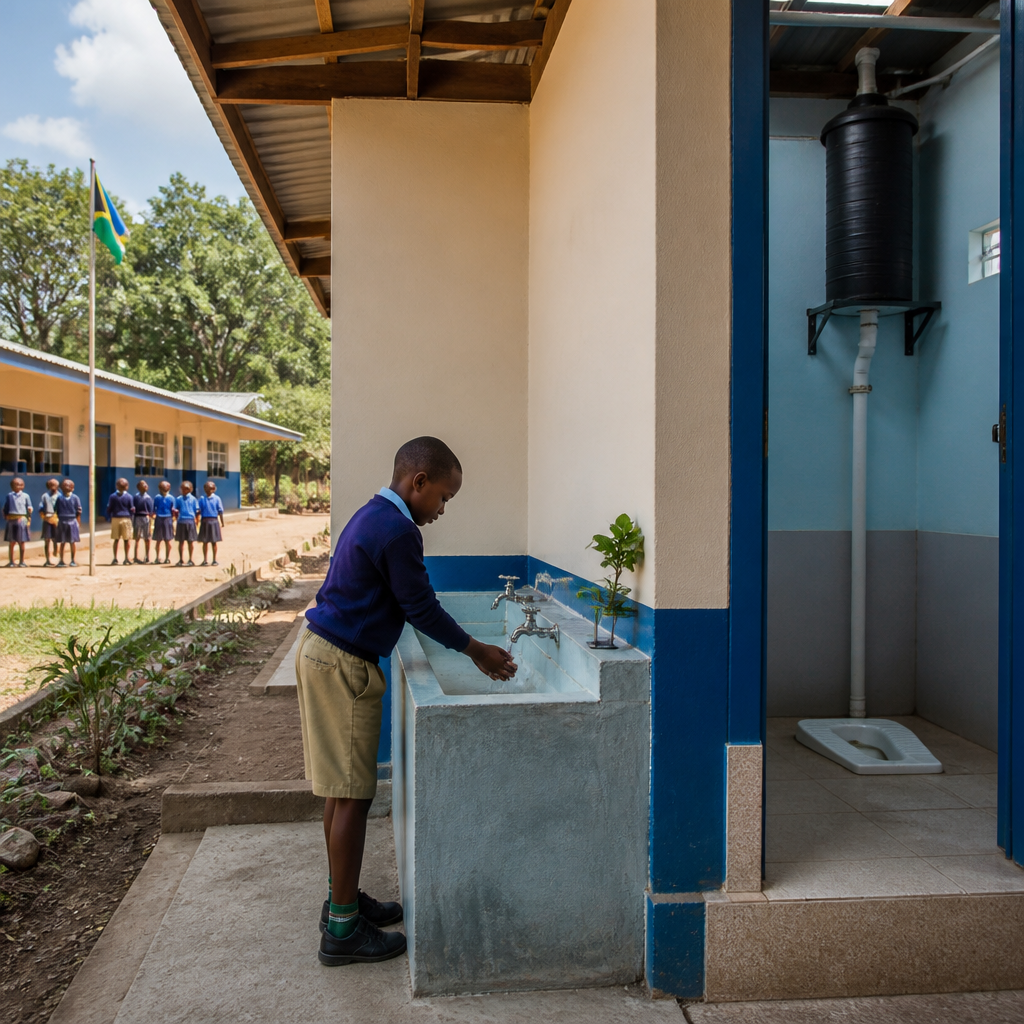
Materials also affect health performance. Smooth urine pipes resist scale buildup better than rough improvised tubing. Corrosion-resistant containers prevent leaks. In schools and public settings, robust fixtures are worth the added cost because broken pans and cracked pedestals quickly become hygiene hazards. Accessibility features are not optional extras. Handrails, adequate lighting, privacy, menstrual hygiene provisions, and child-friendly interfaces increase consistent use. A perfectly engineered toilet that users avoid will not protect water quality or health.
Treatment, storage, and safe reuse of nutrients
EcoSan is often promoted for nutrient recovery, but the health case depends on treatment before reuse. Urine can be stored to reduce pathogen risk when contamination is minimal, then applied as fertilizer at agronomic rates. Fecal material generally requires longer storage, dehydration, composting, alkaline treatment, or another validated process before land application. The exact time needed depends on temperature, moisture, pH, and the target pathogens. Helminth eggs are especially persistent, which is why projects in endemic areas must be conservative about storage and reuse conditions.
What counts as safe reuse? The practical answer is controlled reuse with barriers. Apply treated products to soil rather than edible plant surfaces. Prefer orchards, timber, fodder, or crops that are cooked before consumption when treatment quality is uncertain. Incorporate material into the soil and observe withholding periods before harvest. Use gloves, boots, and handwashing stations for handlers. Keep records of storage dates, treatment batches, and application sites. In successful municipal and nonprofit programs, these routine controls matter more than slogans about circularity.
| EcoSan component | Main health benefit | Key risk if mismanaged | Priority control measure |
|---|---|---|---|
| Urine diversion | Reduces moisture in fecal vault and captures nutrients | Cross-contamination or leaks | Correct pan alignment, sealed piping, covered storage |
| Twin-vault storage | Allows resting time for pathogen reduction | Premature emptying of fresh material | Clear vault rotation schedule and date labeling |
| Composting or dehydration | Improves handling and lowers pathogen load | Incomplete treatment | Monitor moisture, temperature, and storage duration |
| Reuse on crops | Returns nutrients to soil and reduces fertilizer demand | Food contamination | Apply to soil, use withholding periods, choose appropriate crops |
| Raised, sealed construction | Protects groundwater and flood resilience | Overflow during storms if undersized | Climate-appropriate design capacity and drainage planning |
A balanced view is important. Nutrient reuse can reduce dependence on synthetic fertilizers, but it requires training, supervision, and social acceptance. Some communities welcome it when yields improve and odors are minimal. Others remain uncomfortable, especially where handling practices are visible or treatment quality is uncertain. Programs that succeed treat reuse as an agricultural and public health operation, not just a sanitation add-on.
Monitoring water safety in households and communities
Protecting health through EcoSan requires monitoring that is realistic for the setting. At household level, start with observable indicators: no leakage, no standing wastewater, no flies emerging from vaults, no urine overflow, and reliable handwashing with soap. Next, watch surrounding water points. Wells downhill from sanitation structures, springs in fractured rock, and shallow boreholes in dense settlements deserve special attention. Minimum separation distances vary by hydrogeology, so local assessment matters more than generic rules of thumb.
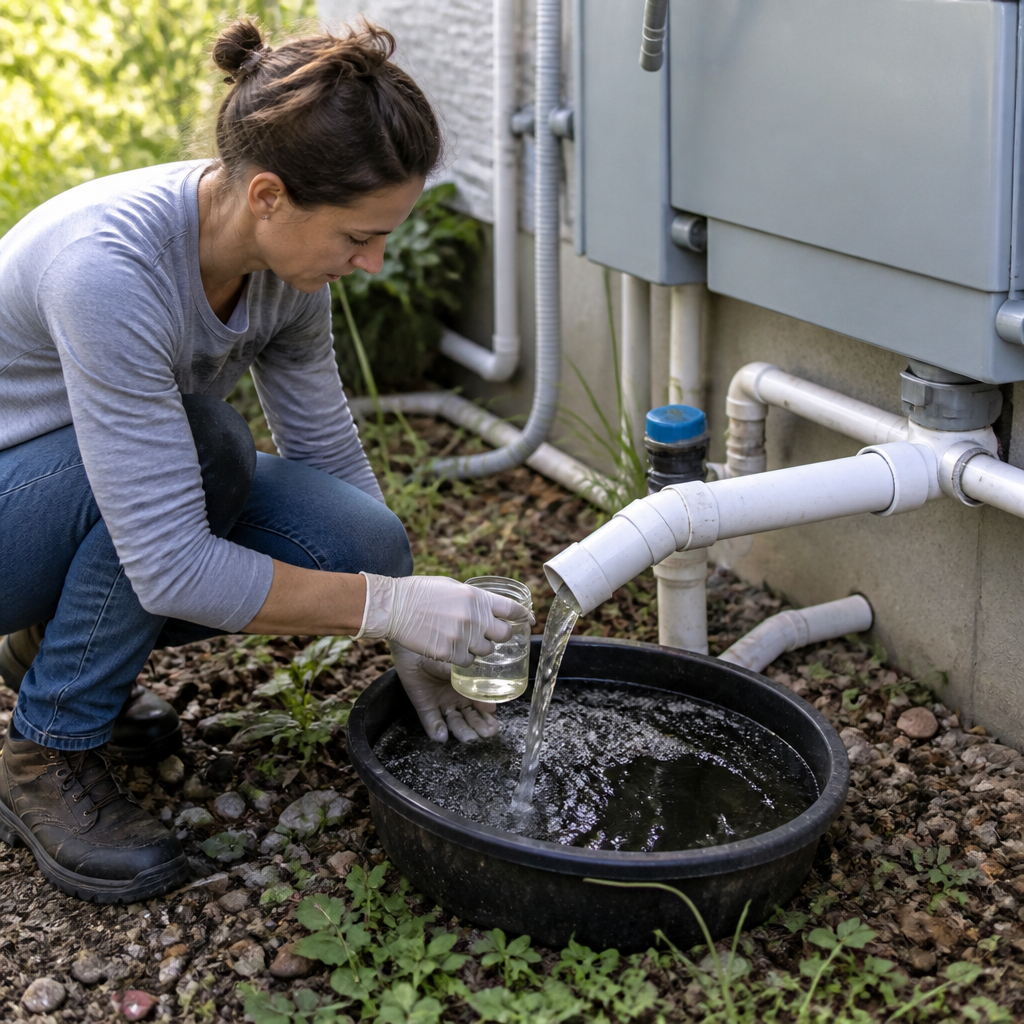
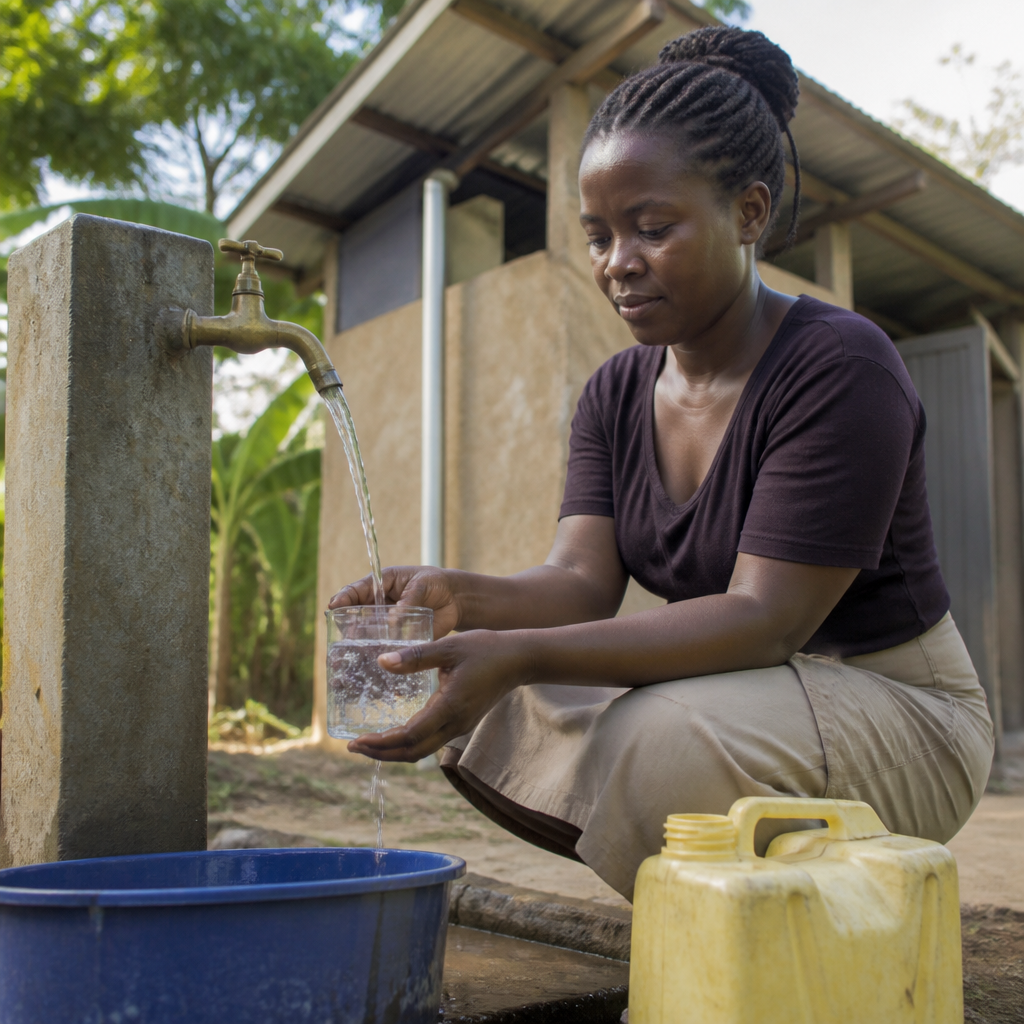
Water quality testing strengthens decisions. For drinking water, E. coli is the standard fecal indicator used in many field programs because it is practical and meaningful. Nitrate testing is also valuable where nutrient leaching is a concern. Community programs may add thermotolerant coliforms, turbidity, pH, and sanitary inspections of wellheads and drainage. For treated excreta products, pathogen testing is often limited by budget, so conservative storage times and process control are widely used. That is sensible, but it should not become an excuse for guesswork where vulnerable populations are at risk.
Operation and maintenance data are just as important as lab results. Keep logs for vault filling rates, emptying dates, user complaints, repairs, and seasonal flooding incidents. These records reveal whether a design actually matches local use. In one school sanitation review, repeated urine pipe blockages were traced not to poor user behavior but to insufficient pipe slope and lack of cleaning access points. Once corrected, odor complaints fell and toilet use increased. Monitoring worked because it focused on practical evidence, not assumptions.
Implementation challenges and what strong programs do differently
The biggest threats to health outcomes in EcoSan are usually not conceptual; they are operational. Systems fail when construction quality is weak, users are not trained, spare parts are unavailable, or no one is responsible for emptying and final use. Social factors matter too. If a toilet design conflicts with cleansing habits, privacy expectations, or menstrual hygiene needs, consistent use drops. If fees are unaffordable, maintenance is deferred. If responsibility for schools or rental compounds is unclear, shared toilets deteriorate quickly.
Strong programs address these realities early. They train masons on exact dimensions, slopes, and seals rather than relying on generic drawings. They provide user orientation at handover and follow-up visits after the first months of use. They establish service chains for container collection or vault emptying before systems fill. They connect sanitation planning with water safety plans, agriculture extension, and local health promotion. In dense settlements, they often favor professionalized management over assuming each household will handle treatment perfectly.
For a health and safety hub, the central lesson is clear: enhancing health through EcoSan depends on managing the whole sanitation chain, not just installing a specialized toilet. When design, behavior, maintenance, and water protection work together, EcoSan can reduce contamination, conserve water, recover nutrients, and improve dignity. Review your current sanitation setup, identify the main exposure points, and strengthen the barriers that protect both water quality and health.
Frequently Asked Questions
Why is water quality so important in EcoSan systems?
Water quality sits at the center of EcoSan performance because sanitation decisions directly affect how pathogens, nutrients, and moisture move through a household and the surrounding environment. Unlike conventional systems that often rely on large volumes of water to transport waste away, EcoSan systems aim to contain, separate, treat, and reuse excreta safely. That approach can greatly reduce contamination risks, but only when the system is properly designed and managed. If urine, feces, wash water, or stormwater are allowed to mix in uncontrolled ways, disease-causing organisms can spread into soil, groundwater, food crops, and water sources used for drinking or washing.
Good water quality in an EcoSan context means more than clear-looking water. It includes microbiological safety, low nutrient leakage, and protection from chemical and organic contamination. Fecal pathogens such as bacteria, viruses, protozoa, and helminths are the primary health concern, especially where sanitation units are poorly sealed, overloaded, or exposed to rain. Nutrients such as nitrogen and phosphorus can be valuable when recovered correctly, but if they leach into wells, streams, or shallow aquifers, they can contribute to water pollution and increase health risks. In short, EcoSan systems protect water quality best when they prevent contact between untreated excreta and the local water cycle while still enabling safe reuse of treated products.
How do EcoSan systems help protect public health compared with conventional sanitation?
EcoSan systems can offer major public health benefits because they are designed to interrupt the transmission of disease at the source. Instead of flushing excreta into sewers, septic systems, or open drains, EcoSan typically relies on source separation, dry or low-water collection, secure containment, and treatment steps that reduce pathogens before any reuse or disposal happens. By limiting water use, these systems also reduce the chance that contaminated wastewater will overflow, leak, or enter nearby water bodies untreated, which is a common problem in places with weak sewer infrastructure or seasonal flooding.
One of the strongest health advantages of EcoSan is the ability to manage urine and feces differently. Urine is usually lower in pathogens than feces and contains valuable nutrients, so separating it can reduce cross-contamination and make treatment and reuse more straightforward. Feces, which carry the highest pathogen load, can then be stored, dried, composted, or otherwise treated under controlled conditions. This targeted management can significantly lower exposure risks for families, sanitation workers, and communities when maintenance is consistent and users understand safe handling practices.
That said, EcoSan is not automatically safer just because it is ecological. Health protection depends on correct use. Toilets must stay dry if they are designed for dry operation, containers must be sealed and emptied safely, and treated outputs must only be reused after adequate storage or treatment. Handwashing, protective equipment during handling, and regular inspection are essential. When these basics are followed, EcoSan can reduce diarrheal disease risks, protect groundwater, and create a more resilient sanitation system in both rural and peri-urban settings.
Can EcoSan systems contaminate groundwater or nearby soil?
Yes, they can if they are poorly planned, badly constructed, or improperly maintained, but a well-designed EcoSan system is specifically intended to minimize those risks. Groundwater contamination usually happens when liquid from excreta infiltrates the soil before pathogens die off or before nutrients are stabilized. This risk increases in areas with high water tables, fractured rock, sandy soils, frequent flooding, or sanitation structures placed too close to wells, springs, or surface water. If fecal matter is not adequately contained, or if urine diversion channels leak, contaminants can move downward or laterally through the ground.
EcoSan reduces this danger by emphasizing above-ground or lined containment, separation of waste streams, moisture control, and planned reuse rather than uncontrolled discharge. For example, urine-diverting dry toilets help keep feces dry, which can speed pathogen die-off and reduce seepage. Storage chambers should be watertight where needed, protected from rain intrusion, and built with materials that resist cracking and leakage. Site selection matters just as much as technology choice. Even a high-quality unit can become a contamination source if installed in a flood-prone area or too close to a drinking-water source.
Regular monitoring is also important. Warning signs such as persistent odors, wet chambers, insect breeding, unexplained standing liquid, or nearby well water changes should never be ignored. Households and project planners should understand local hydrogeology, rainfall patterns, and reuse practices before installation. In other words, EcoSan does not eliminate contamination risk by default, but it gives communities practical tools to manage and reduce that risk far more intentionally than systems that simply move waste out of sight.
What treatment and handling practices make EcoSan products safe for reuse?
Safe reuse depends on treating excreta-derived products as valuable but potentially hazardous materials until they have been properly processed. In EcoSan systems, urine, feces, and composted materials are not considered safe merely because they have been separated. They need time, correct storage conditions, and disciplined handling. For fecal matter, pathogen reduction often depends on drying, alkaline conditions, composting temperatures, storage duration, or a combination of these factors. The exact method varies by system type, climate, and intended end use, but the goal is always the same: reduce disease-causing organisms to levels that make reuse safer for people and the environment.
Urine generally becomes safer through storage and controlled application. Because it is nutrient-rich, it can be used as a fertilizer in some settings, but it should be stored according to local guidance, kept free from fecal contamination, and applied in ways that limit direct contact with edible plant parts. Feces or composted solids require more caution. They should only be removed using protective measures, kept away from children and animals, and applied to land only after sufficient treatment. Many programs recommend using treated solids around trees, non-food crops, or soil-building applications first, especially where monitoring capacity is limited.
Safe handling also includes user behavior. Hands should be washed thoroughly after toilet use and any contact with sanitation materials. Tools and containers used for removal should be cleaned and dedicated to that purpose. Reuse areas should be chosen carefully to prevent runoff into waterways. Most importantly, communities should follow locally approved health and agricultural guidelines rather than relying on assumptions. EcoSan reuse works best when it is systematic, documented, and based on barriers that protect both the person handling the material and the eventual consumer of any crops produced.
What are the most common health and water-quality mistakes people make with EcoSan systems?
The most common mistake is assuming the system is low-risk once it is installed. In reality, EcoSan requires ongoing user attention. One frequent problem is allowing too much water into a dry or urine-diverting toilet. This can happen through incorrect cleaning methods, rain entry, plumbing leaks, or user misunderstanding. Excess moisture makes odor and insect problems worse, interferes with drying and treatment, and increases the chance of leakage or pathogen survival. Another common mistake is poor separation of urine and feces, which reduces treatment effectiveness and complicates safe reuse.
Maintenance failures are another major issue. Full chambers may be left in use too long, vents may become blocked, diversion pipes may clog, and seals or slabs may crack over time. These small problems can quickly become health risks if they allow human contact, attract flies, or create pathways for contamination into soil and water. Some households also remove materials too early, before adequate storage or treatment has occurred, because they underestimate how long pathogen die-off can take. That creates unnecessary risk for anyone handling the material or consuming crops grown with it.
Finally, siting and education are often overlooked. Even a technically sound toilet can threaten water quality if placed too close to a shallow well or in an area that floods seasonally. And even the best design will underperform if users are not trained in correct operation, cleaning, ash or cover material use where needed, and safe emptying procedures. The most successful EcoSan systems pair engineering with behavior change: clear instructions, routine checks, and a shared understanding that water quality and health protection depend on daily practice, not just hardware.