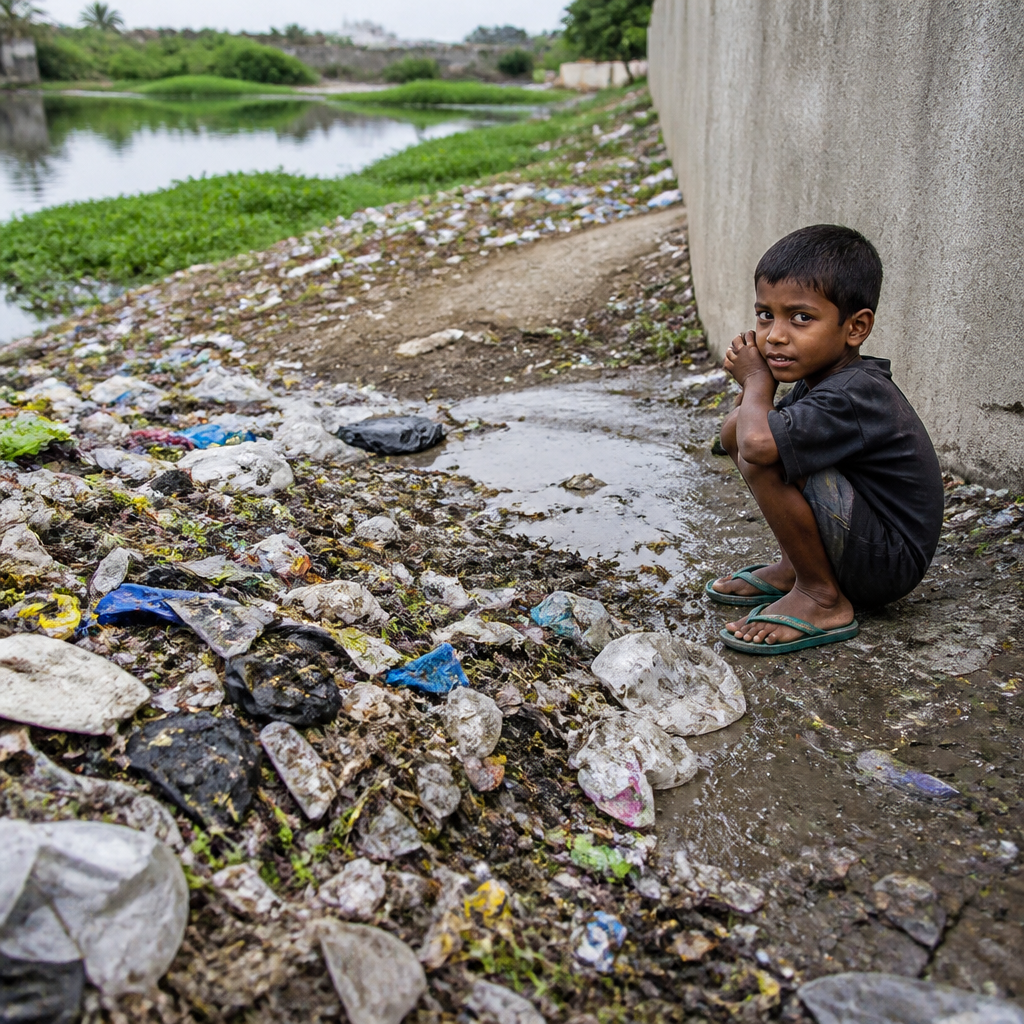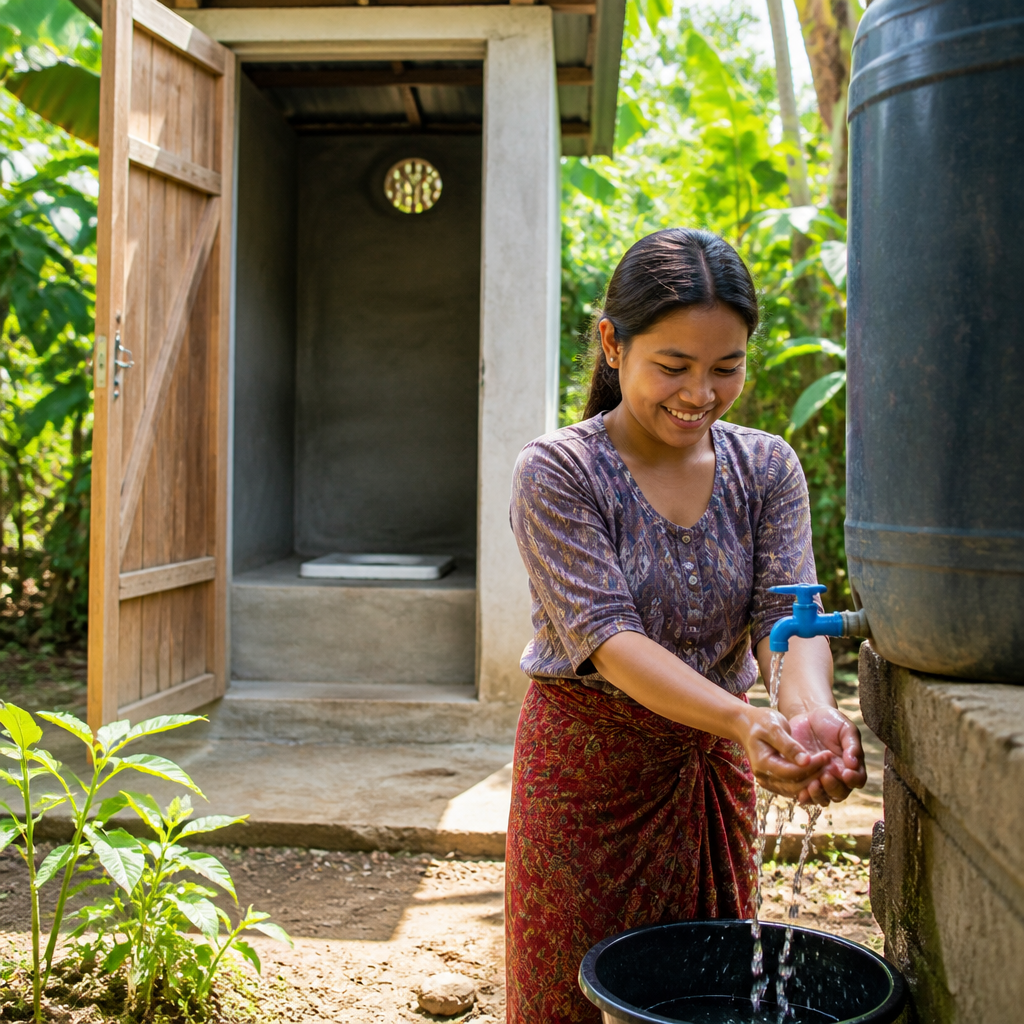
EcoSan and hygiene are inseparable because ecological sanitation only delivers public health benefits when toilets, waste handling, handwashing, and daily behavior change work together. EcoSan, short for ecological sanitation, is an approach that treats human waste as a resource rather than something to flush away and forget. In practice, that usually means systems such as urine-diverting dry toilets, composting toilets, dehydrating vaults, and container-based collection models that reduce water use and recover nutrients. Hygiene, by contrast, is the set of behaviors and environmental conditions that prevent disease transmission, including handwashing with soap, safe cleaning, menstrual hygiene support, child feces management, and correct storage or treatment of excreta. I have seen technically sound EcoSan projects fail because users were given a structure but not a health-centered operating routine. I have also seen modest systems perform very well when families understood exactly how contamination happens and how each action breaks the chain. That is why prioritizing health in EcoSan matters. It protects households from diarrheal disease, intestinal worms, fly-borne contamination, and unsafe exposure during pit emptying or reuse. It also supports school attendance, dignity, climate resilience, and lower pressure on water and sewer networks. A strong health-first EcoSan strategy is not just about building toilets; it is about shaping behavior, maintenance, design standards, monitoring, and community trust so sanitation systems stay safe every day.
What prioritizing health in EcoSan really means
Prioritizing health in EcoSan means designing every step of the sanitation chain to reduce contact between people and pathogens. The sanitation chain includes user access, excreta containment, storage, treatment, transport, reuse or disposal, cleaning, and final environmental protection. If any link is weak, disease risk returns quickly. The World Health Organization sanitation safety planning approach is useful here because it starts with hazard identification, exposure assessment, and practical control measures. In plain terms, ask: where can feces, urine, wastewater, hands, tools, food, insects, or surfaces meet, and what barrier stops that contact?
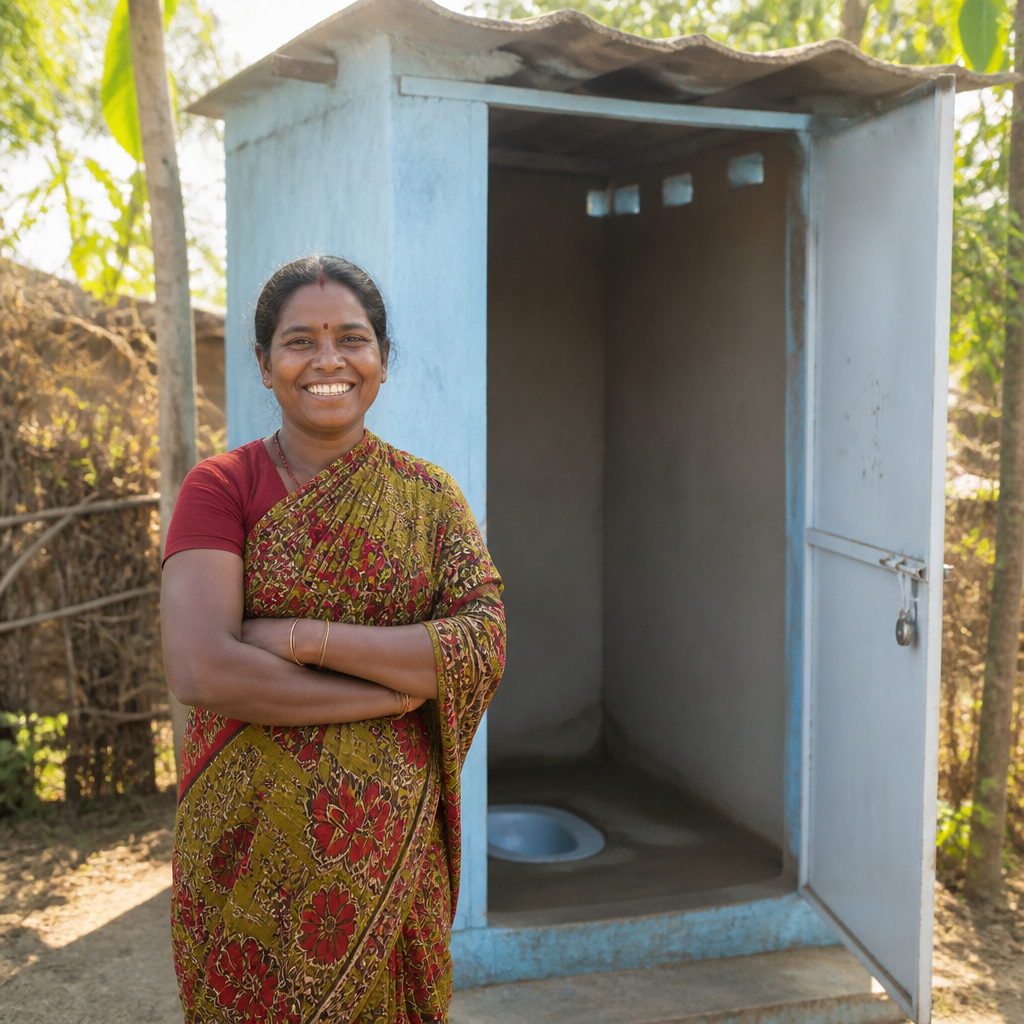
For households, the answer often begins with toilet usability. A toilet that is dark, unstable, smelly, or difficult for older adults and children to use will be used inconsistently, which pushes people back to open defecation or unsafe alternatives. Good EcoSan health performance depends on stable slabs, washable surfaces, ventilation, child-friendly features, anal cleansing arrangements, menstrual hygiene accommodations, and handwashing stations located close enough that people actually use them. The most successful sites I have worked on treated hygiene hardware as part of the system, not as an optional add-on.
Health prioritization also means clear rules for operation. In urine-diverting systems, for example, urine and feces should be kept separate to reduce odor, improve dehydration, and support safer handling. Users need simple instructions on adding dry cover material such as ash, lime, sawdust, or dried soil when appropriate, keeping liquids out of feces vaults, and recognizing when a chamber is full. Without that discipline, the toilet may still stand, but the health barrier weakens through moisture, flies, foul smell, and user rejection.
How disease transmission happens around sanitation
The reason hygiene behavior matters so much in EcoSan is that most sanitation-related illness follows predictable transmission routes. Fecal pathogens move through fluids, fingers, flies, fields, food, and surfaces. Bacteria such as Escherichia coli, Vibrio cholerae, and Shigella, viruses such as rotavirus and norovirus, and parasites including Ascaris lumbricoides can all spread when excreta are not fully contained and treated. Hand-to-mouth transfer is especially important. A user can leave a toilet with contaminated fingers, touch a water container, prepare food, feed a child, or handle utensils, and exposure occurs within minutes.
EcoSan systems reduce these risks when they create multiple barriers. Separation, dehydration, composting, storage time, personal protective equipment, handwashing, and restricted crop application each lower exposure. However, none is perfect alone. For example, dried fecal matter may look harmless before pathogens are adequately inactivated. Helminth eggs can survive longer than many users expect, especially when moisture remains. That is why treatment time, temperature, pH, and handling protocols matter. Health messaging should explain not only what to do, but why the rule exists. People follow procedures more reliably when they understand the contamination pathway.
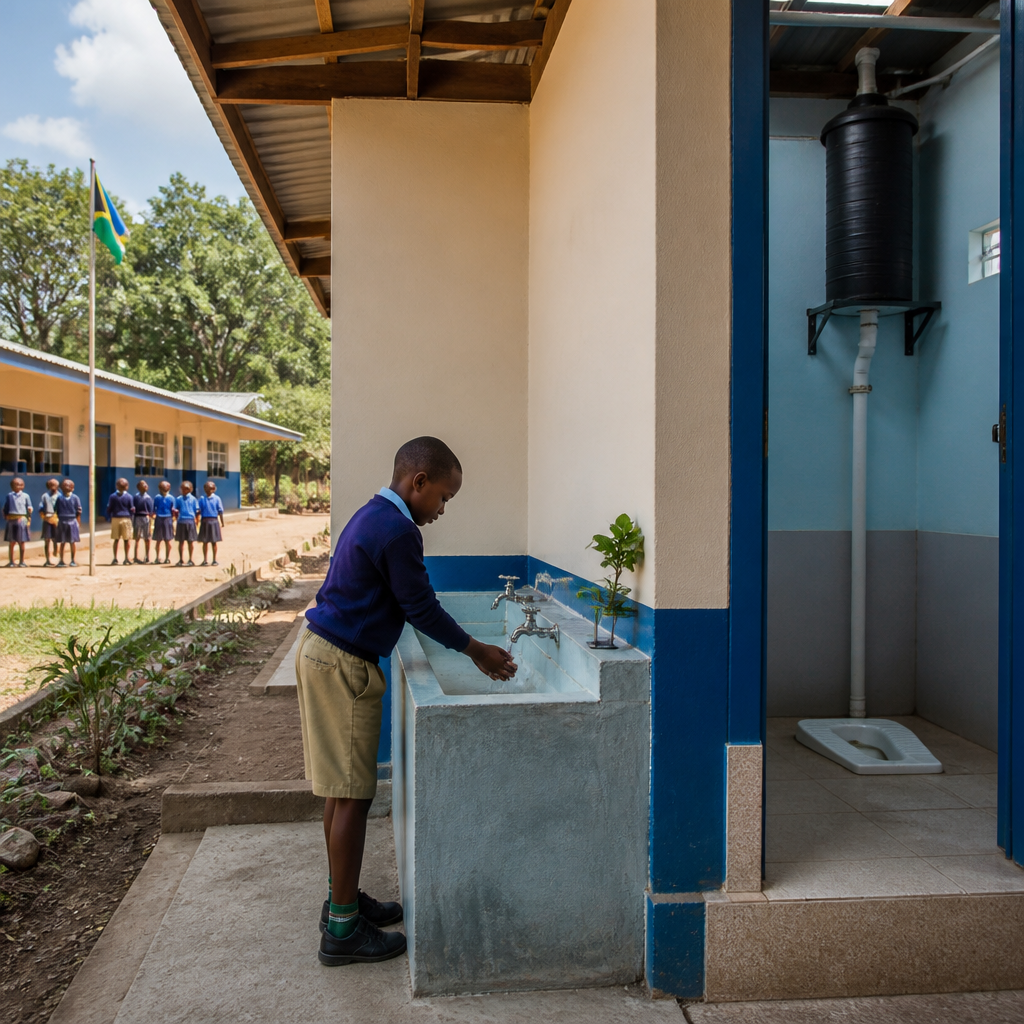
Schools provide a strong example. Where handwashing stations are empty, toilet doors do not lock, and cleaners lack supplies, children avoid toilets or use them improperly. Disease risk rises, and absenteeism follows. In schools where teachers reinforce handwashing at key times, cleaners are trained, and facilities support privacy for girls, sanitation outcomes improve significantly. EcoSan infrastructure can support health, but behavior and management determine whether that potential becomes reality.
Core hygiene behaviors that make EcoSan safe
The most important hygiene behaviors in EcoSan are straightforward, measurable, and teachable. First, wash hands with soap after toilet use, after cleaning a child, before preparing food, before eating, and before feeding children. Soap matters because it lifts oils and microbes more effectively than water alone. Second, keep the toilet clean and dry. Damp surfaces attract flies and increase odor, while visible dirt reduces willingness to use the facility. Third, use the system correctly every time, including proper aiming in urine-diverting pans, adding cover material where required, and keeping solid waste, menstrual products, and trash out of vaults unless the design allows them.
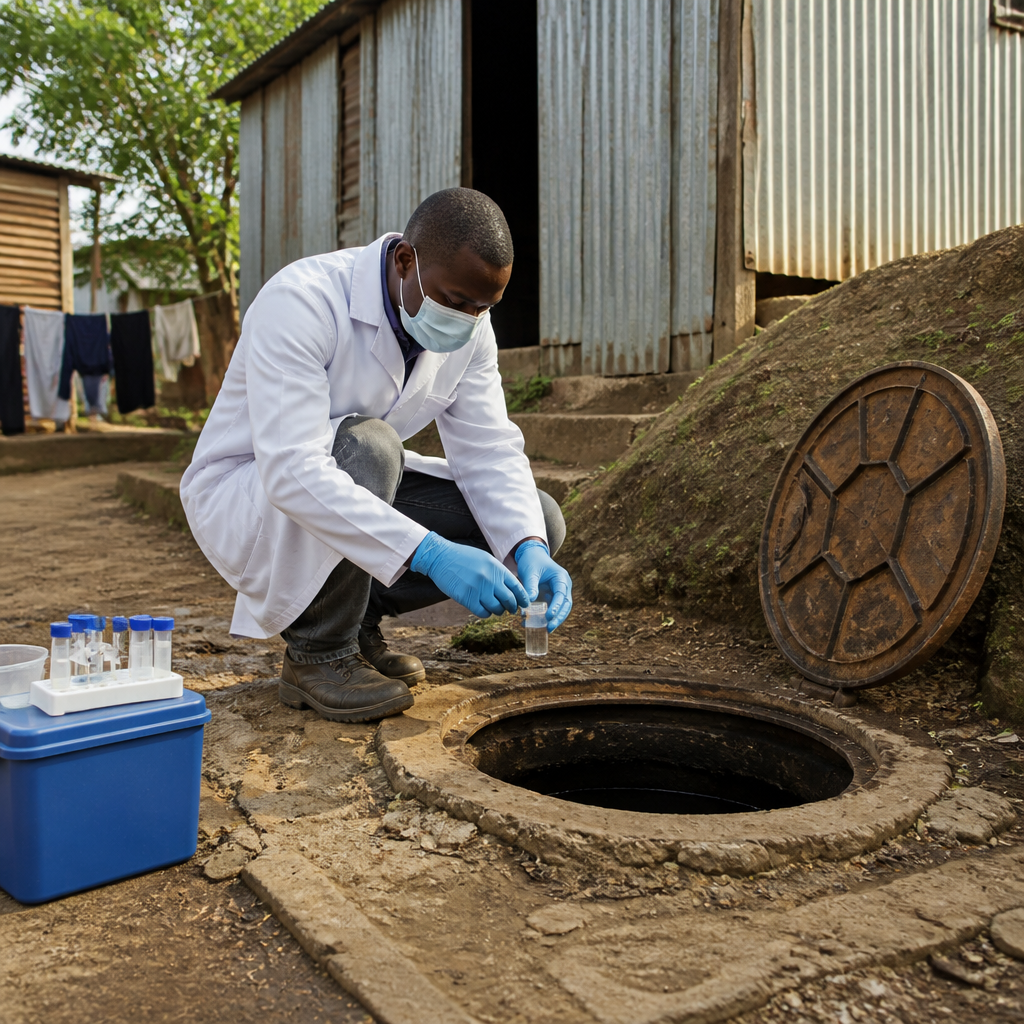
Fourth, manage child feces safely. Child stools are often wrongly considered less dangerous, but they can contain high pathogen loads. Caregivers should dispose of child feces into the toilet immediately and wash hands afterward. Fifth, protect drinking water. Water storage containers should be covered, cups should not be dipped by dirty hands, and handwashing runoff should not flow back into clean water areas. Sixth, use protective equipment during emptying or transport. Gloves, boots, tools, and dedicated containers reduce direct contact and accidental spills.
| Behavior | Health purpose | Practical example |
|---|---|---|
| Handwashing with soap | Breaks hand-to-mouth transmission | Soap and water station within five meters of the toilet |
| Urine-feces separation | Reduces moisture, odor, and fly breeding | Users receive a simple illustrated poster above the pan |
| Adding cover material | Improves drying and reduces vectors | Bucket of ash kept dry with a scoop and lid |
| Safe chamber emptying | Limits handler exposure | Use gloves, boots, shovel, and sealed transfer container |
| Restricted reuse timing | Allows pathogen die-off | Stored material applied only after required treatment period |
These behaviors work best when they are turned into routines. In household visits, I have found that visual cues outperform long lectures: a handwashing station placed directly on the exit path, a cover material scoop attached with string, a fill-line marked inside the chamber, and a cleaning checklist on the wall. Health promotion succeeds when the safer action is the easier action.
Design features that support healthy behavior
People do not practice good hygiene consistently in badly designed spaces. Healthy EcoSan design starts with user-centered details. The toilet should provide privacy, light, ventilation, and enough interior space to turn and assist a child. Floors should be non-slip and easy to wash. Doors should lock from the inside but open from the outside in emergencies. Drainage around the structure should prevent standing water that breeds mosquitoes and undermines the foundation.
For urine-diverting dry toilets, slope and pan geometry are critical. If the urine channel is too shallow or rough, users miss the target or solids contaminate the urine outlet. If the feces drop hole is too small, children struggle; if too large, fear of falling increases. Footrests, child seats, or adapter rings can improve proper use. Vent pipes with fly screens reduce smell and insects, but screens must be cleaned and replaced when damaged. A blocked vent often shows up first as odor complaints, then reduced use.
Handwashing design deserves the same rigor as toilet design. A tap that leaks, a soap dish that dissolves into mud, or a tank that empties by midday undermines the entire health case. Tippy taps can work in low-resource settings, but they need clear ownership and refill routines. In schools and public sites, higher-capacity tanks, multiple taps, and durable soap dispensers perform better. Menstrual hygiene support is also essential. Disposal bins, washing areas, water access, and privacy reduce unsafe coping behaviors and encourage regular toilet use.
Accessibility is not optional. Older adults, pregnant users, people with mobility limitations, and young children all need stable steps, handrails, reachable locks, and manageable door widths. A health-focused EcoSan system is one that the whole household can use safely without improvisation.
Safe treatment, storage, and reuse of sanitation products
One of EcoSan’s defining features is resource recovery, but reuse must never outrun treatment. Urine can be a valuable fertilizer because it contains nitrogen, phosphorus, and potassium, yet storage and application rules still matter. Fecal material intended for composting or soil use requires stricter controls because pathogen survival is more persistent. The exact treatment process varies by system, climate, moisture level, and end use, but the principle is constant: material should only be handled or applied once exposure risks have been reduced to an acceptable level.
WHO guidelines on the safe use of wastewater, excreta, and greywater emphasize multiple barriers. These include adequate treatment, crop restriction, withholding periods before harvest, application methods that minimize contact, and personal protection for workers. In practical field terms, do not spread incompletely treated material where children play, on salad crops eaten raw, or during heavy rain that causes runoff. Prefer subsurface or soil-incorporated application where possible. Keep records of fill dates, storage periods, and emptying dates so treatment time is not guessed from memory.
I have seen the biggest safety gains come from simple discipline: labeling chambers, locking resting vaults, training emptiers, and designating tools that are never reused for food or household water tasks. Container-based systems add another layer: containers must be sealed, transport routes planned, and transfer points cleaned and disinfected. Where municipal or cooperative collection exists, service reliability is a public health issue, not merely an operational one. Missed pickups can push households into unsafe dumping very quickly.
Behavior change, monitoring, and long-term system success
Healthy EcoSan systems are maintained through behavior change, supervision, and feedback, not one-time training. People need reinforcement at installation, at first use, during the first chamber switch, and during the first emptying cycle. Community health workers, school hygiene clubs, landlords, caretakers, and local masons all shape outcomes. When each actor understands their role, compliance improves. When responsibility is vague, toilets become no one’s job.
Monitoring should focus on observable indicators. Is soap present today? Is the handwashing station functional? Are flies visible? Is urine leaking? Are chambers labeled? Are users reporting smell or difficulty? Are children able to use the toilet safely? These indicators are more actionable than abstract awareness scores. In programs I have reviewed, regular spot checks paired with supportive coaching consistently outperform awareness campaigns alone. Households rarely need more slogans; they need troubleshooting.
Cost and culture also matter. Ash may be abundant in one community and scarce in another. Farmers may welcome urine reuse but reject composted solids. Shared toilets may work in compounds with strong management but fail where cleaning duties are disputed. The best EcoSan health strategy respects local practice while keeping non-negotiable safety barriers in place. That balance builds trust and long-term use.
As a hub for prioritizing health in EcoSan, the main lesson is clear: technology succeeds only when it is matched by safe behavior, practical design, and accountable management. Ecological sanitation can reduce water demand, recover nutrients, and strengthen resilience, but its greatest value is preventing disease without shifting risk onto users, workers, or the environment. Start with the sanitation chain, identify every exposure point, and build barriers people can follow every day. If you are planning, upgrading, or managing an EcoSan program, audit hygiene first, train for real tasks, and make health performance the standard by which every toilet is judged.
Frequently Asked Questions
What is the connection between EcoSan and hygiene?
EcoSan and hygiene are closely linked because ecological sanitation systems only improve health when they are used and maintained correctly. EcoSan is designed to safely capture, treat, and reuse human waste, often through options such as urine-diverting dry toilets, composting toilets, dehydrating vaults, or container-based collection systems. However, the technology alone is not enough. If users do not wash their hands, clean toilet surfaces, store treatment materials properly, or handle collected waste safely, the risk of contamination remains. In other words, EcoSan provides the structure for safer sanitation, while hygiene behaviors make those public health benefits real in everyday life.
This is especially important in homes, schools, and community settings where many people share facilities. Good hygiene practices such as handwashing with soap after toilet use, regular cleaning of toilet interfaces, safe storage of ash or cover material, and proper separation of urine and feces all help interrupt disease transmission. EcoSan works best when people understand not just how to use the toilet, but why each step matters. That combination of infrastructure and behavior change is what helps reduce diarrheal disease, protect water sources, and create healthier environments.
How does EcoSan help promote healthier daily behaviors?
One of the strengths of EcoSan is that it encourages people to become more aware of the full sanitation cycle. Unlike conventional systems where waste disappears with a flush, EcoSan makes the process more visible and intentional. Users often need to add cover material, keep urine and feces separated, monitor storage conditions, or participate in safe emptying and reuse practices. These routine actions can build stronger hygiene habits because they require attention, consistency, and understanding of sanitation as part of daily health protection.
EcoSan also supports behavior change by creating opportunities for education. When families or communities learn how waste can be treated safely and transformed into a resource, they are often more motivated to use facilities properly and maintain them well. This can lead to better handwashing habits, more careful cleaning, safer child feces disposal, and stronger awareness of contamination risks around the home. Over time, EcoSan can shift sanitation from being treated as an unpleasant necessity to being seen as a practical part of health, environmental care, and household responsibility.
What hygiene practices are essential for safe EcoSan use?
Several hygiene practices are essential for EcoSan systems to protect health effectively. First, handwashing with soap and safe water after using the toilet, after handling children’s feces, and before preparing food is non-negotiable. This remains one of the most powerful ways to prevent the spread of fecal-oral diseases. Second, toilets must be kept clean and dry according to the specific design. For example, urine-diverting and dehydrating toilets typically function best when excess moisture is avoided, and surfaces are cleaned regularly without damaging the system.
Third, users need to follow the operating steps recommended for their specific EcoSan model. That may include adding ash, خاک or sawdust after defecation, keeping urine diversion channels clear, using collection containers properly, and ensuring that treated material is stored for the required time before reuse or disposal. Fourth, any contact with untreated waste should be minimized, and protective measures such as gloves, tools, and designated cleaning equipment should be used during emptying or transport. Finally, households should teach all users, including children and guests, how to use the facility correctly. Safe sanitation depends on consistent behavior from everyone, not just the primary caretaker.
Is EcoSan safe for families and communities when human waste is reused?
Yes, EcoSan can be safe when the treatment, storage, handling, and reuse processes are done properly. The key principle is that human waste must not be reused in its fresh, untreated form. EcoSan systems are designed to reduce pathogens through dehydration, composting, storage time, or managed collection and treatment. When these processes are followed correctly, the resulting material can be much safer to handle and, in some cases, suitable for agricultural or landscaping use according to local guidelines and best practices.
Safety depends on training, monitoring, and respect for treatment standards. Families and communities need clear instructions on how long waste must be stored, what environmental conditions are needed for treatment, what crops or uses are appropriate, and how to avoid direct contact during handling. Local regulations, climate, system design, and maintenance quality all influence outcomes. This is why EcoSan should be approached as a managed sanitation system rather than a simple toilet product. When the system is used responsibly, it can reduce pollution, conserve water, recycle nutrients, and support hygiene goals without compromising public health.
What are the biggest challenges to improving hygiene in EcoSan programs?
The biggest challenges are usually not technical alone; they are behavioral, cultural, and operational. Many people are unfamiliar with the idea of separating, storing, or reusing human waste, so acceptance can take time. Some users may return to old habits if they do not fully understand how the system works or if maintenance feels inconvenient. In shared settings, cleanliness can decline quickly if responsibilities are unclear. Stigma, misinformation, and discomfort discussing sanitation can also make it harder to build the consistent hygiene practices EcoSan requires.
Practical barriers matter as well. If soap is unavailable, water access is limited, cover materials are inconsistent, or emptying services are unreliable, even a well-designed EcoSan system can struggle. That is why successful programs typically combine toilet installation with user training, follow-up support, clear maintenance plans, and community engagement. Hygiene promotion should be continuous rather than one-time. When people receive practical education, see visible benefits, and have the tools they need to keep systems clean and safe, EcoSan becomes much more effective as a long-term public health strategy.